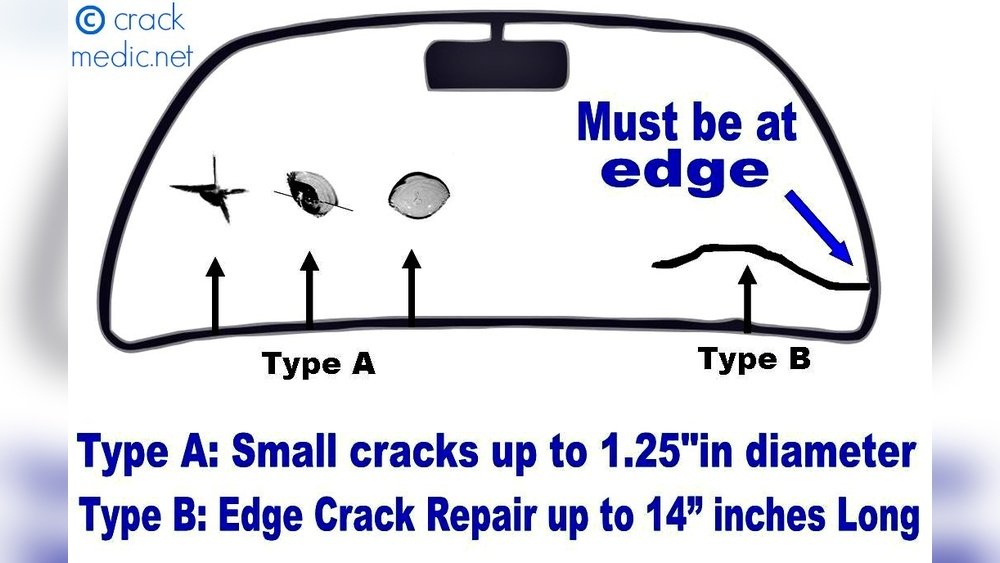
Have you ever noticed a crack spreading across your windshield and wondered if it can be fixed or if you need a full replacement? Knowing how big of a windshield crack can be repaired could save you time, money, and stress.
You might think any crack means trouble, but the truth is, some cracks are easier to fix than you expect. You’ll discover the key factors that determine whether your windshield crack is repairable. By the end, you’ll know exactly when to act fast and when a simple repair is all you need to keep your car safe and clear.
Keep reading to protect your windshield and your wallet.

Credit: bluediamondautoglass.com
Types Of Windshield Cracks
Windshield cracks appear in different shapes and sizes. Knowing the type of crack helps decide if repair is possible. Some cracks are small and easy to fix. Others are larger and need a full replacement. Understanding these types saves time and money.
Chips And Bullseyes
Chips look like small, round spots on the glass. Bullseyes have a dark center with a circle around it. These cracks are usually caused by small stones hitting the windshield. They are often repairable if fixed quickly.
Cracks And Star Breaks
Cracks are thin lines that spread across the glass. Star breaks have lines that branch out like a star. Both can grow longer if ignored. Repair is possible for short cracks, usually under 6 inches.
Combination Breaks
Combination breaks mix chips, cracks, and star breaks. They cover a larger area on the windshield. Repairing these is difficult and often not recommended. Replacement may be the safest choice for these breaks.
Factors Affecting Repairability
Several factors decide if a windshield crack can be fixed. Not all cracks are the same. Some can be repaired easily, while others need a full replacement. Understanding these factors helps you know what to expect.
Crack Length And Size
Small cracks under 6 inches are usually repairable. Longer cracks often need replacement. Tiny chips can also be fixed quickly. Size matters because bigger cracks weaken the glass.
Location On The Windshield
Cracks near the edges are harder to repair. They can spread faster and affect the glass strength. Cracks in the driver’s line of sight may need replacement. Safety is key in these areas.
Depth And Severity
Shallow cracks that only affect the outer layer are easier to fix. Deep cracks that reach the inner layers may not heal well. Severe damage can cause the glass to break suddenly.
Time Since Damage Occurred
Fresh cracks are easier to repair. Dirt and moisture can get inside old cracks. This makes repair less effective or impossible. Quick action improves the chance of fixing the crack.
Size Limits For Repair
Knowing the size limits for windshield repair helps decide the right action. Not all cracks can be fixed safely. Some require a full replacement. Understanding repair size limits saves time and money. It also keeps you safe on the road.
Small Chips Under One Inch
Small chips under one inch are easy to repair. These chips often result from small stones or debris. Repair fills the damaged area and stops cracks from growing. This process restores strength and clarity. It is quick and affordable.
Cracks Up To Six Inches
Cracks up to six inches may still be repairable. The crack should not reach the edge of the windshield. Repairing these cracks prevents dirt and moisture from entering. The repair takes more time than fixing small chips. It is important to act quickly before the crack grows.
When Replacement Is Recommended
Replacement is needed if cracks are longer than six inches. Cracks that reach the edge of the windshield also need replacement. Multiple cracks or damaged areas reduce windshield strength. Large cracks can block the driver’s view. In these cases, repair is unsafe and not effective.
Repair Techniques And Tools
Repairing a cracked windshield involves specific tools and methods. These ensure the crack does not grow and the glass stays strong. Understanding these techniques helps decide if repair is possible or replacement is needed.
Resin Injection Process
The resin injection process fills the crack with a clear liquid resin. This resin bonds the glass pieces together. First, the area around the crack is cleaned and dried. Then, a special tool injects the resin deep into the crack. The resin seeps into small cracks and holes. This stops the crack from spreading and restores strength.
Curing And Polishing
After injection, the resin needs to harden. Ultraviolet (UV) light cures the resin quickly. This process turns the liquid resin into solid plastic. Once cured, the surface is polished smooth. Polishing removes excess resin and improves visibility. The repaired spot becomes almost invisible and safe.
Professional Vs Diy Kits
Professional repair uses advanced tools and skilled techniques. They can fix larger or complex cracks safely. DIY kits are cheaper and easy to use at home. These kits work well for small cracks or chips. But they may not fully stop big cracks from growing. Choosing between them depends on crack size and budget.
Risks Of Ignoring Windshield Damage
Ignoring a cracked windshield can cause serious problems. Small chips or cracks may seem harmless at first. Yet, they can grow quickly and lead to bigger issues. Understanding the risks helps you decide when to repair or replace your windshield.
Safety Concerns
A cracked windshield weakens the glass structure. During an accident, it may shatter and cause injuries. Cracks can block your view and distract you. This increases the chance of a crash. A strong windshield protects you and passengers.
Legal Implications
Driving with a damaged windshield may break the law. Many places require clear, undamaged glass. Police can give fines if cracks reduce visibility. Insurance claims may be denied due to neglect. Fixing cracks early avoids legal trouble and penalties.
Increased Repair Costs
Small cracks are easier and cheaper to fix. Left untreated, they spread across the glass. Large cracks often need full windshield replacement. Replacement costs much more than repairs. Acting quickly saves money and prevents costly repairs.

Credit: www.krygerglass.com
Preventing Windshield Damage
Preventing windshield damage helps avoid costly repairs and keeps your car safe. Small cracks or chips can grow fast and block your view. Taking simple steps can protect your windshield and extend its life. Here are some easy ways to prevent damage.
Safe Driving Practices
Drive carefully to reduce windshield damage. Keep a safe distance from other cars. Rocks and debris fly less when you stay back. Avoid sudden stops and sharp turns. Slow down on rough roads to prevent cracks. Park in shaded or covered areas to protect from weather.
Protective Films
Apply a protective film to your windshield. These films add a strong layer against chips and cracks. They also reduce glare and UV rays. Films help keep small damage from spreading. Choose high-quality films that fit your car’s glass. Installation is quick and affordable.
Regular Inspections
Check your windshield often for small cracks or chips. Early spotting helps fix problems before they grow. Use good lighting to see damage clearly. Visit a professional for a detailed inspection. Quick repairs save money and keep your view clear. Regular checks make your car safer on the road.

Credit: www.autoglasssarasota.com
Frequently Asked Questions
How Large Of A Windshield Crack Can Be Repaired?
Most windshield cracks up to 6 inches can be repaired safely. Larger cracks often require full windshield replacement for safety reasons.
Can A Crack Longer Than 6 Inches Be Fixed?
Cracks longer than 6 inches usually cannot be repaired effectively. They compromise structural integrity and typically need full windshield replacement.
What Types Of Windshield Cracks Are Repairable?
Small chips, bullseye, star, and short cracks under 6 inches are repairable. Long or deep cracks generally require replacement.
How Quickly Should Windshield Cracks Be Repaired?
Windshield cracks should be repaired as soon as possible. Delays can cause cracks to spread, making repairs impossible and costly.
Conclusion
Small cracks on a windshield can often be fixed quickly. Cracks longer than a few inches may need full replacement. Timely repair helps keep your driving safe and saves money. Always check with a professional to know your options. Repairing early stops cracks from getting worse.
Keep your windshield clear for better road visibility. Don’t wait until damage spreads; act fast. Safe driving starts with a strong, crack-free windshield.
Leave a Reply