Have you ever wondered if replacing your windshield could impact your car’s safety features? You might think it’s just about swapping glass, but there’s more to it than meets the eye.
Your vehicle’s advanced systems rely on precise calibration to work correctly—and a simple windshield replacement can throw that off. If you want to keep your car running smoothly and protect yourself on the road, understanding how windshield replacement affects calibration is crucial.
Keep reading, and you’ll discover what you need to know to make the right choices for your vehicle’s safety.

Credit: uzisautohaus.com
Impact Of Windshield Replacement On Calibration
Replacing a windshield can affect your vehicle’s calibration. Modern cars use cameras and sensors mounted on the windshield. These devices need precise alignment to work well.
When the windshield is replaced, the position of these sensors can change. This shift can cause errors in systems like lane assist or automatic braking. Proper calibration ensures these safety features work as designed.
How Calibration Relates To Windshield Replacement
Calibration means adjusting sensors to their correct position. Windshield replacement can move these sensors slightly. Even a small change can affect sensor accuracy.
After replacement, technicians must check and realign the sensors. This step is crucial for driver assistance systems to function safely. Without calibration, the car may give false alerts or fail to detect hazards.
Types Of Calibration Affected
Several systems rely on windshield-mounted sensors. Camera calibration is common after replacement. This ensures lane departure warnings and traffic sign recognition work well.
Radar and lidar sensors may also need calibration. These systems help with adaptive cruise control and collision avoidance. Accurate calibration keeps these safety features reliable and effective.
Advanced Driver Assistance Systems And Calibration
Advanced Driver Assistance Systems (ADAS) rely on precise data from cameras and sensors. These systems help drivers stay safe by alerting them to dangers. Calibration ensures these devices work correctly after windshield replacement. Without proper calibration, safety features may not perform as expected.
Role Of Cameras And Sensors
Cameras and sensors are often mounted near or on the windshield. They capture real-time images and data of the road. This information guides features like lane departure warnings and automatic braking. Even small misalignments can cause errors in data. Proper positioning is critical for accurate system function.
Calibration Requirements For Safety Features
Calibration adjusts sensors to their correct angles and positions. It aligns the cameras with the vehicle’s frame and road surface. This process restores the system’s ability to detect obstacles and lane markings. Professional calibration is essential after windshield replacement. This step protects the reliability of ADAS and driver safety.
Signs Calibration Is Needed Post-replacement
After a windshield replacement, your car may need calibration to work properly. Calibration aligns sensors and cameras in the windshield with the car’s systems. Signs of missed or faulty calibration can show up soon. Recognizing these signs helps keep your vehicle safe and efficient. Watch carefully for alerts and changes in how your car drives.
Warning Lights And Alerts
Warning lights on the dashboard may turn on unexpectedly. Common alerts include the windshield sensor, lane assist, or collision warning. These lights stay on if sensors are not aligned correctly. Ignoring these signals can lead to bigger problems. A quick check by a professional can fix calibration issues.
Performance Issues To Watch For
Your car might behave differently after a windshield replacement. Lane keeping assist may not work smoothly. Adaptive cruise control could feel jerky or unresponsive. Automatic braking might trigger too soon or not at all. These problems often mean sensors need recalibration. Drive carefully and note any unusual behavior.
Calibration Methods After Windshield Replacement
Calibration is vital after replacing a windshield. It ensures cameras and sensors work correctly. These devices help with safety features like lane assist and automatic braking. Proper calibration keeps these systems accurate and reliable. Two main methods exist for calibration: static and dynamic. Each method suits different vehicle types and sensor setups.
Static Calibration Process
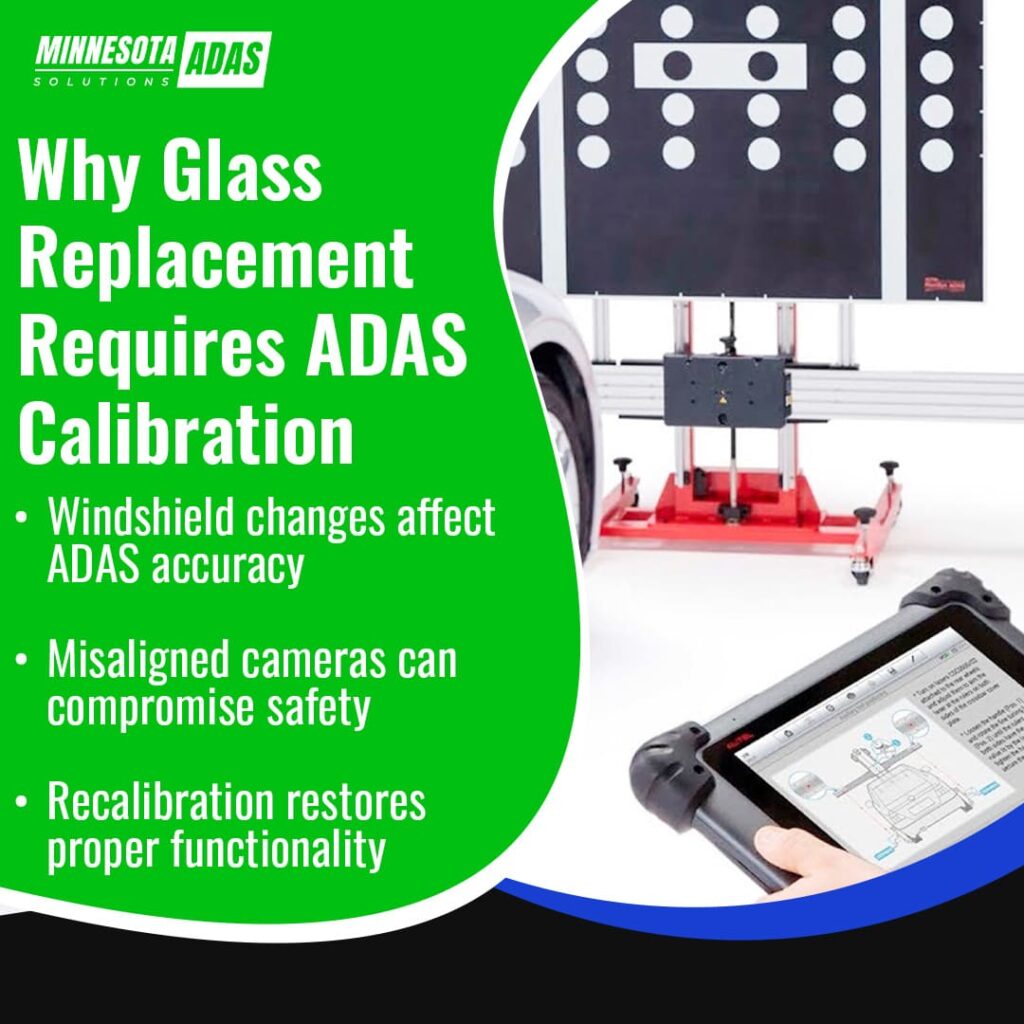
Static calibration happens with the vehicle parked. Technicians use special tools and targets placed in front of the car. The car stays still during this process. Cameras and sensors align with these targets. This method checks the exact angles and positions needed. Static calibration is precise and controlled. It works well for simple sensor systems. This process takes less time and is often done indoors.
Dynamic Calibration Techniques
Dynamic calibration occurs while the vehicle moves. It uses real-world driving conditions for adjustment. Sensors and cameras gather data on the road. The system fine-tunes itself based on this information. This method suits advanced systems with complex sensors. It helps calibrate radar and lidar devices. Dynamic calibration provides real-time accuracy. It requires a safe, open road area for testing.
Costs And Time Involved In Calibration
Replacing a windshield often requires calibration of sensors and cameras. This process ensures safety features work correctly. Understanding the costs and time involved helps you plan better. It also prepares you for what to expect after replacement.
Typical Calibration Expenses
Calibration costs vary based on vehicle type and technology. Simple calibrations might cost under $100. Advanced systems with many sensors can reach $300 or more. Labor charges add to the total expense. Some shops bundle calibration with windshield replacement. Asking for a detailed estimate helps avoid surprises.
How Long Calibration Takes
Calibration usually takes between 30 minutes to two hours. Basic systems need less time to adjust. Complex vehicles may require more time and tests. Technicians use special tools to check sensor alignment. Waiting time depends on shop workload too. Scheduling ahead can reduce delays and waiting.
Choosing A Qualified Technician
Choosing the right technician for windshield replacement is very important. The job requires skill and care. A poor job can cause problems with your car’s safety features.
Many cars have sensors and cameras in the windshield. These need careful calibration after replacement. Without proper calibration, safety systems may not work well. This can put you and others at risk on the road.
Certification And Training To Look For
A qualified technician has special training in windshield replacement and calibration. Look for certifications like those from the National Glass Association or car makers. These show the technician knows the right methods. Proper training helps avoid mistakes during replacement.
Ask if the technician has experience with your car model. Different cars need different tools and calibration steps. Certified technicians stay updated on the latest technology and safety standards.
Importance Of Proper Equipment
Good equipment is needed for accurate calibration. Technicians use special tools to reset cameras and sensors. Without the right tools, calibration may be off.
Proper equipment ensures your car’s driver assistance systems work correctly after replacement. This includes lane assist, automatic braking, and more. A qualified technician invests in these tools to protect your safety.
Impact Of Skipping Calibration
Skipping windshield calibration after replacement can cause serious problems. Calibration helps sensors and cameras work correctly. These systems assist in driving safety and automation. Without calibration, your vehicle may not function as designed. This can lead to dangerous situations on the road.
Safety Risks
Uncalibrated sensors may misread the environment. This can cause sudden braking or failure to detect obstacles. Lane-keeping systems might not work properly. Collision warnings could become inaccurate or fail entirely. These issues increase the chance of accidents. Driving becomes less safe for you and others.
Potential Legal And Insurance Issues
Some states require proper calibration by law. Skipping it can lead to fines or penalties. Insurance companies may deny claims after accidents. They might argue the vehicle was not maintained properly. This could leave you responsible for repair costs. Proper calibration protects you legally and financially.
Credit: www.mnadas.com
Tips To Ensure Proper Calibration
Proper calibration after a windshield replacement is crucial for your vehicle’s safety. It ensures cameras and sensors work correctly. Without proper calibration, advanced driver systems might fail or give wrong alerts. Follow these tips to make sure calibration is done right.
Questions To Ask Your Service Provider
Ask if they have experience with windshield calibration. Check if they use the correct tools for your car model. Inquire about the calibration process steps. Confirm if calibration is included in the replacement service. Find out how long the calibration takes. Ask if they provide proof or report of calibration. Clear communication helps avoid future problems.
Pre- And Post-replacement Checks
Before replacement, inspect the windshield for sensor marks or camera mounts. Note any existing warnings on your dashboard. After replacement, test all driver-assist systems like lane assist and emergency braking. Watch for warning lights or error messages. Take the car for a short drive to check system responses. Report any issues to the service provider immediately.
Credit: www.reddit.com
Frequently Asked Questions
Does Windshield Replacement Require Sensor Calibration?
Yes, windshield replacement often requires recalibrating sensors. Modern cars have cameras and sensors on the windshield. Calibration ensures these systems work correctly and safely after replacement.
How Does Calibration Affect Windshield Replacement Cost?
Calibration can increase the total cost of windshield replacement. Specialized equipment and technician expertise are needed. Neglecting calibration may cause system malfunctions, risking safety and additional expenses.
Can I Drive Immediately After Windshield Calibration?
You can usually drive after calibration, but follow specific instructions. Some systems may need a short adjustment period. Always consult your technician for any post-calibration precautions.
What Happens If Calibration Is Skipped After Replacement?
Skipping calibration can cause driver assistance systems to fail. Features like lane assist and automatic braking may malfunction. This increases safety risks and could lead to costly repairs.
Conclusion
Replacing a windshield can change your car’s sensors. This means calibration is often needed for safety. Without proper calibration, features like lane assist may not work right. Always ask the technician if calibration is part of the service. It keeps your driving safe and smooth.
Small steps like this help avoid bigger problems later. So, don’t skip calibration after a windshield replacement. It matters more than many drivers realize. Stay safe and keep your car’s technology working well.
Leave a Reply