
Have you ever wondered if the weather outside could affect your windshield replacement? You might think temperature is just a small detail, but it can actually make a big difference in how well your new windshield holds up.
Whether it’s freezing cold or blazing hot, the temperature can impact the materials and the installation process. Understanding this can save you time, money, and hassle down the road. Keep reading to find out why temperature matters and how to make sure your windshield replacement is done right—no matter the weather.

Credit: defenderautoglass.com
Temperature And Glass Properties
Temperature plays a key role in how glass behaves during windshield replacement. Glass expands and contracts with heat changes. This affects the fit and strength of the windshield. Understanding glass properties helps ensure a safe and proper installation.
Windshield adhesives also react to temperature. They must bond well to keep the glass secure. Temperature changes can make this process tricky. Let’s explore these effects in detail.
How Temperature Influences Glass Expansion
Glass expands when heated and shrinks when cold. This change is small but important. If the glass is too hot or cold during installation, it may not fit perfectly. Uneven expansion can cause cracks or leaks later. Installers must handle glass at the right temperature for best results.
Impact On Adhesive Performance
Adhesives need certain temperatures to cure properly. Too cold, and the glue stays soft. Too hot, and it may dry too fast or weaken. Both cases reduce the bond strength between glass and car frame. Proper temperature ensures the adhesive seals tightly and safely.
Ideal Conditions For Windshield Replacement
Choosing the right time for windshield replacement matters a lot. The weather and temperature can affect how well the new glass fits and stays in place. Ideal conditions help the adhesive set properly and keep the windshield safe and strong. Knowing the best weather to replace your windshield can save you time and money.
Optimal Temperature Ranges
The best temperature for windshield replacement usually falls between 50°F and 85°F. In this range, the adhesive cures at the right speed. Too cold, and the glue may not set well. Too hot, and it can dry too fast or become weak. Staying within this range ensures the windshield bonds tightly to your car.
Avoiding Extreme Weather
Avoid replacing your windshield during very hot or very cold days. Freezing temperatures make the adhesive harden slowly. Hot weather can cause the glue to dry unevenly. Rain and strong winds also create problems by affecting the installation process. Calm, mild days offer the best chance for a smooth, safe replacement.
Risks Of Replacing Windshields In Cold Weather
Replacing a windshield in cold weather carries certain risks. Low temperatures can affect the materials and processes used. This may lead to problems with the repair or replacement quality.
Understanding these risks helps you make better decisions about timing and safety. Cold weather slows down key steps in windshield replacement. This can create issues that harm the vehicle and driver safety.
Adhesive Curing Challenges
The adhesive used to fix the windshield cures slower in cold weather. Cold temperatures reduce the chemical reaction speed. This means the glue takes longer to set and bond properly.
Slow curing leaves the windshield weak for a longer time. The glass may not hold firmly during this period. This increases the chance of cracks or detachment from bumps or vibrations.
Potential For Poor Seal
Cold weather can cause the adhesive to form a poor seal. The glue might not spread evenly on the glass and frame. This allows moisture and air to enter through gaps.
Water leaks can lead to foggy windows and damage inside the car. A poor seal also reduces the windshield’s strength during collisions. This puts passengers at higher risk of injury.
Credit: www.msglassoutlet.com
Heat-related Issues During Replacement
Heat can cause problems during a windshield replacement. High temperatures affect the glass and the adhesive used to hold it. These issues can lead to poor installation and safety risks. Understanding these heat-related problems helps ensure a strong, lasting windshield fit.
Glass Warping Concerns
Hot weather can make the glass expand and bend. This warping makes it hard to fit the windshield correctly. Warped glass may leave gaps or weak spots. These gaps let water and air leak inside the car. The glass may also crack later due to uneven pressure.
Technicians must handle the glass carefully in heat. Cooling the glass before installation helps prevent warping. Proper storage away from direct sunlight is also important.
Adhesive Bond Weakening
Heat affects the glue used to hold the windshield. High temperatures can make the adhesive too soft or runny. This weakens the bond between glass and frame. A weak bond increases the chance of the windshield coming loose.
Proper curing time is crucial for the adhesive to set well. In hot weather, the adhesive may cure too fast or unevenly. Experts adjust their methods to ensure a strong, safe bond despite heat.
Tips For Windshield Replacement In Different Seasons
Windshield replacement needs special care during different seasons. Temperature changes affect the glass and adhesive. Knowing how to prepare for each season helps ensure a smooth replacement.
Preparing For Winter Installations
Cold temperatures can slow down the adhesive drying process. Make sure the work area is warm or heated. This helps the glue set faster and stronger.
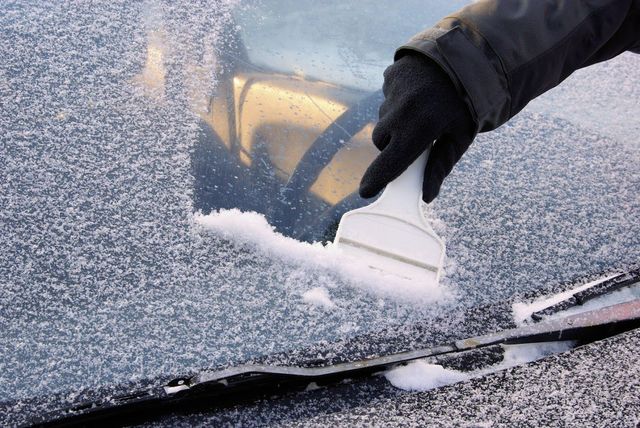
Clear snow and ice from the windshield and surrounding area. Moisture can weaken the bond between the glass and car frame. Use a dry cloth to wipe the surface before installation.
Choose a day with mild weather to avoid extreme cold. This reduces the risk of cracks during installation. A calm, dry day improves overall safety and quality.
Summer Replacement Best Practices
Hot weather can cause the adhesive to dry too quickly. Too fast drying may lead to poor sealing. Work in shaded or cooler areas to control the drying speed.
Check the windshield for any warping due to heat exposure. Heat can change glass shape, affecting fit. Replace the windshield promptly if damage is noticed.
Perform the replacement early in the morning or late afternoon. This avoids the hottest part of the day. Lower temperatures at these times help adhesive cure properly.
Professional Practices For Temperature Management
Managing temperature during windshield replacement is crucial. Professionals follow specific practices to ensure the glass fits perfectly and stays secure. Proper temperature control prevents issues like poor adhesion and cracks. These practices help maintain safety and quality in all weather conditions.
Use Of Climate-controlled Environments
Many shops use climate-controlled rooms for windshield replacement. These rooms keep temperature steady and humidity low. This stable environment helps adhesives cure correctly. It also protects the glass from extreme cold or heat. Climate control reduces the risk of damage during installation.
Special Adhesives For Varying Temperatures
Technicians select adhesives designed for different temperatures. Some adhesives work better in cold weather, others in heat. These special adhesives bond quickly and strongly. They ensure the windshield stays fixed despite temperature changes. Proper adhesive choice is key to a safe and lasting repair.

Credit: www.lowpriceautoglass49.com
Frequently Asked Questions
Does Cold Weather Affect Windshield Replacement Quality?
Cold weather can make glass more brittle, increasing crack risks during replacement. Technicians use special adhesives designed for low temperatures to ensure proper bonding and durability.
Is Windshield Replacement Slower In Extreme Heat?
Extreme heat may cause adhesives to cure faster, requiring precise timing during installation. Professionals adjust their methods to maintain quality and avoid defects caused by rapid drying.
Can Temperature Changes Cause Windshield Cracks After Replacement?
Rapid temperature fluctuations can stress the glass, leading to cracks post-replacement. Proper installation with high-quality materials helps minimize risks from temperature-induced stress.
What Is The Ideal Temperature For Windshield Replacement?
Temperatures between 50°F and 85°F are ideal for windshield replacement. This range ensures optimal adhesive curing and reduces risks of glass damage during installation.
Conclusion
Temperature plays a key role in windshield replacement quality. Cold weather can cause glass to crack or sealant to fail. Warm temperatures help adhesives cure properly and create a strong bond. Choosing the right time and place matters for a smooth repair.
Protect your car and stay safe on the road. Remember, paying attention to temperature ensures a long-lasting windshield fix. Simple steps make a big difference in your car’s care.
Leave a Reply