Have you ever wondered if the glass in your windows or doors actually keeps you safer? When it comes to protecting your home, your family, or even your car, the type of glass you choose matters a lot.
Laminated glass is often talked about as a safer option, but what does that really mean for you? You’ll discover how laminated glass works, why it might be a smart choice for your safety, and what benefits it can bring to your everyday life.
Keep reading to find out if laminated glass is the upgrade your space needs to feel more secure.
What Is Laminated Glass
Laminated glass is a special type of safety glass. It holds together when shattered. This glass is made by bonding two or more layers of glass with a plastic layer in between.
The plastic layer is usually made of polyvinyl butyral (PVB). This layer keeps the glass pieces stuck together. It stops the glass from breaking into sharp shards.
How Laminated Glass Is Made
First, two sheets of glass are cleaned and prepared. Then, the plastic layer is placed between them. The three layers are heated and pressed together. This process creates a strong, clear sheet of laminated glass.
Where Laminated Glass Is Used
Laminated glass is common in car windshields. It is also used in windows, doors, and skylights. Many buildings use it for added security and noise reduction.
Benefits Of Laminated Glass
This glass improves safety by staying in place after breaking. It reduces the risk of injury from sharp glass pieces. It also blocks harmful UV rays and reduces noise.
How Laminated Glass Enhances Safety
Laminated glass adds a strong layer of safety to homes and buildings. It uses a special plastic layer between two glass sheets. This design helps protect people and property in many ways.
Each feature of laminated glass works together to improve safety. It makes glass harder to break and safer if it does. Let’s explore how laminated glass enhances safety.
Impact Resistance
Laminated glass resists strong impacts better than regular glass. The plastic layer holds the glass together. This means the glass does not break easily from hits or blows. It helps stop accidents and damage from storms or vandalism.
Shatter Prevention
Normal glass can shatter into sharp pieces. Laminated glass stays in place even if cracked. The plastic layer keeps shards together. This lowers the risk of cuts and injuries from broken glass. It protects people inside homes or cars.
Sound Insulation
The plastic layer in laminated glass also reduces noise. It blocks outside sounds better than single glass panes. This creates a quieter, safer environment. Less noise means less stress and better comfort indoors.
Benefits In Residential Settings
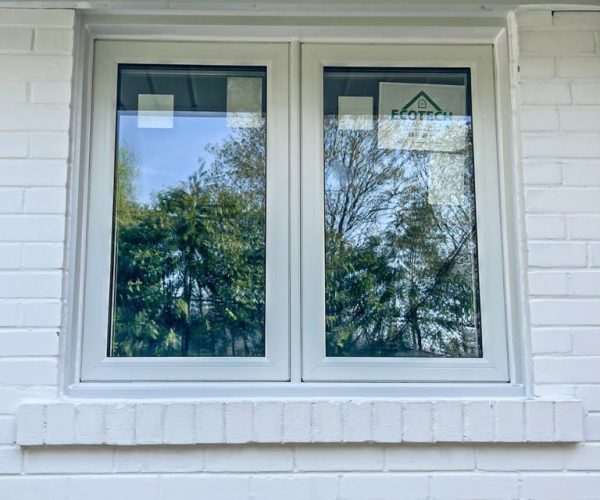
Laminated glass offers many safety benefits for homes. It adds strength and protection to windows and doors. This glass type helps keep families safe and secure. It also provides comfort during bad weather.
Its use in residential settings improves overall safety in several ways. Here are some key benefits of laminated glass in homes.
Child Safety
Laminated glass reduces the risk of cuts and injuries. If broken, it holds together instead of shattering. This prevents sharp pieces from falling out. It creates a safer space for children to play near windows.
Burglary Deterrence
This glass is harder to break than regular glass. It slows down intruders trying to enter the home. The extra time can scare off burglars or alert neighbors. It makes homes less attractive targets for theft.
Weather Protection
Laminated glass resists strong winds and flying debris. It keeps rain and dust from entering during storms. This glass helps protect the inside of the house. It reduces damage from harsh weather conditions.

Credit: skybuildingmaterials.com
Advantages For Commercial Use
Laminated glass offers many benefits for commercial buildings. It helps protect people and property. This glass type is strong and holds together even when broken. It improves safety and adds value to businesses. Below are key advantages for commercial use.
Employee Protection
Laminated glass keeps employees safer during accidents. It does not shatter into sharp pieces. Instead, it stays in place, reducing injury risks. This glass also protects from flying debris in storms or impacts. Businesses can create a safer work environment with laminated glass.
Theft Reduction
Burglars find laminated glass harder to break. It takes longer to penetrate than regular glass. This delay helps prevent quick thefts and vandalism. Many businesses use laminated glass to secure windows and doors. It acts as a strong barrier against break-ins.
Energy Efficiency
Laminated glass can improve building energy use. It reduces heat loss in winter and heat gain in summer. This helps keep indoor temperatures stable. Businesses spend less on heating and cooling. Energy-efficient glass supports cost savings and comfort.
Comparison With Other Glass Types
Choosing the right glass for safety is important. Different types of glass offer different levels of protection. Comparing laminated glass with other common glass types helps to understand its benefits better.
Tempered Glass
Tempered glass is stronger than regular glass. It breaks into small, blunt pieces. This reduces the chance of serious injury. It is often used in car windows and doors. However, tempered glass can shatter completely under strong impact. It does not hold together like laminated glass.
Annealed Glass
Annealed glass is the standard type of glass. It is not treated for extra strength. When it breaks, it shatters into large, sharp shards. These shards can cause serious injury. Annealed glass is less safe for areas prone to impact. Laminated glass offers much better safety than annealed glass.
Maintenance And Durability
Laminated glass stands out for its strong maintenance and durability features. These qualities make it a popular choice for safety applications in homes, cars, and buildings. Understanding how to care for laminated glass helps keep it safe and lasting longer.
This type of glass has a special plastic layer between two glass sheets. This layer holds the glass together if it breaks. It also resists scratches and impact, making it tough for everyday use.
Easy Cleaning And Upkeep
Laminated glass needs simple cleaning to stay clear and strong. Use mild soap and water with a soft cloth. Avoid harsh chemicals or abrasive tools. These can damage the plastic layer inside the glass.
Regular cleaning removes dust and grime that can wear down the glass over time. A clean surface also helps maintain visibility and safety.
Resistance To Weather And Damage
Laminated glass resists weather changes well. It does not crack easily from heat or cold. The plastic layer absorbs shocks from storms or impacts.
This glass type lasts longer than regular glass in harsh environments. It stands up to wind, rain, and even hail better. This durability reduces repair and replacement costs.
Longevity And Cost-effectiveness
The strong build of laminated glass means fewer repairs. It keeps its safety features even after minor damage. This saves money over time by avoiding frequent replacements.
Its long life adds value to homes and vehicles. A small investment in laminated glass leads to lasting protection.
Cost Factors And Investment Value
Choosing laminated glass involves understanding its cost and the value it adds. The price of laminated glass is higher than regular glass. This is due to its special layers that hold the glass together. These layers add strength and safety but increase production costs.
Investing in laminated glass means spending more upfront. Yet, it can reduce costs later. Its durability means fewer repairs and replacements. Also, it can lower insurance premiums because of its safety benefits. This makes laminated glass a smart choice for long-term savings.
Initial Cost Compared To Standard Glass
Laminated glass costs more than standard glass. This is because it uses extra layers for safety. The production process takes more time and materials. Buyers pay more at the start. But this cost supports higher safety and strength.
Long-term Savings And Maintenance
Laminated glass lasts longer than regular glass. It resists cracks and breaks better. This lowers repair and replacement needs. Cleaning costs stay the same as with normal glass. The strong build means less chance of damage over time.
Impact On Property Value
Homes and buildings with laminated glass can sell for more. Buyers appreciate the added safety and security. This type of glass can make a property more attractive. It may also help the property stand out in the market. This adds real value beyond the initial cost.
Credit: www.ecotechwindows.ca
Credit: smartechonline.com
Frequently Asked Questions
What Makes Laminated Glass Safer Than Regular Glass?
Laminated glass holds together when shattered. Its plastic layer prevents sharp shards from causing injuries. This reduces accidents and enhances protection.
Does Laminated Glass Resist Impact Better Than Standard Glass?
Yes, laminated glass absorbs and disperses impact energy. It is less likely to break on force, offering superior resistance and safety.
Can Laminated Glass Prevent Break-ins Effectively?
Laminated glass delays forced entry by holding fragments in place. This extra time deters burglars and improves security.
Is Laminated Glass Safer In Car Windows?
Laminated glass prevents glass shards from scattering during accidents. It protects passengers from cuts and improves overall vehicle safety.
Conclusion
Laminated glass offers strong protection against impacts. It holds together when broken, reducing injuries. This makes it safer for homes, cars, and buildings. It also blocks harmful UV rays, protecting skin and furniture. Choosing laminated glass means choosing safety and peace of mind.
Small changes like this can prevent big accidents. Safety matters, and laminated glass helps ensure it. Consider it a smart choice for any space.
Leave a Reply