Have you noticed a crack on your windshield and wondered if your insurance will cover the repair? It’s a common concern that can cause stress and confusion.
You might be asking yourself, “Will this cost me a fortune, or will my insurance step in to help? ” Understanding what your insurance covers can save you time, money, and a headache. Keep reading to find out exactly how windshield crack repairs work with insurance, so you can make the best choice for your car and your wallet.
How Windshield Damage Happens
Windshield damage happens in many ways. Small problems can turn into big cracks fast. Understanding how damage occurs helps protect your car. It also guides you in getting the right repair.
Some causes are easy to avoid. Others happen without warning. Knowing the types of damage helps you spot issues early.
Common Causes Of Cracks
Flying rocks or debris often hit the windshield. They leave small chips that grow over time. Sudden temperature changes can also cause cracks. Hot sun and cold air create stress on the glass. Car accidents or bumps can crack the windshield too. Even hitting a pothole might cause damage. Poor installation or old glass may crack more easily.
Types Of Windshield Damage
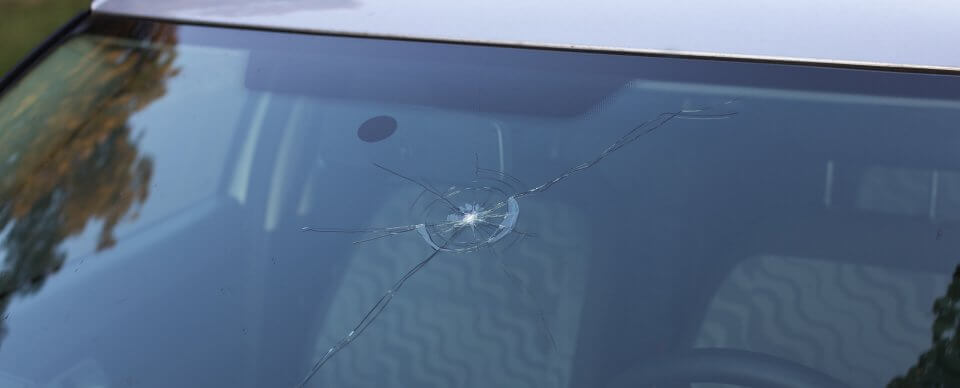
There are several damage types to know. Chips are small marks from stones or debris. Cracks can be long or short lines on the glass. Bullseye damage looks like a circle with a dot in the center. Star breaks have lines radiating from a central point. Combination breaks mix chips and cracks. Each type needs a different repair approach.
Credit: www.freeway.com
Insurance Policies And Windshield Repairs
Understanding how insurance policies handle windshield repairs helps avoid surprises. Not all policies cover windshield cracks the same way. Some cover repairs fully, while others require a deductible or no coverage at all. Knowing what your policy includes saves time and money.
Coverage Options To Look For
Check if your policy offers glass coverage or a separate windshield clause. Some insurers include glass repair as part of their comprehensive coverage. Others may offer it as an add-on you can buy. Look for terms like “glass repair,” “windshield replacement,” or “zero deductible” for repairs. These options reduce your out-of-pocket costs and speed up service.
Comprehensive Vs Collision Coverage
Comprehensive coverage usually covers windshield damage from non-collision events. This includes cracks caused by rocks, storms, or vandalism. Collision coverage mainly handles damage from accidents involving other vehicles or objects. Windshield repairs rarely fall under collision coverage unless damaged in a crash. Knowing the difference helps you file the correct claim.
Filing A Claim For Windshield Repair
Filing a claim for windshield repair can save money on costly fixes. Insurance often covers windshield cracks, depending on the policy. Knowing the right steps makes the process smooth and quick.
Steps To Take After Damage
First, check the crack size and location. Small chips can turn into large cracks fast. Avoid driving on rough roads to prevent damage from worsening. Contact your insurance company right away. They explain if your policy covers windshield repair. Follow their instructions to start the claim. Schedule an appointment with an approved repair shop. Keep the damaged area clean but do not apply any sealants.
Documentation And Evidence Needed
Take clear photos of the crack from different angles. Capture the entire windshield and close-up shots. Gather your insurance policy number and personal details. Write down when and how the damage happened. Some insurers require a repair estimate from a certified shop. Submit all documents online or via email, as instructed. Keep copies of everything for your records. Good documentation speeds up the claim approval.
Credit: www.allstate.com
Deductibles And Repair Costs
Understanding deductibles and repair costs helps to know insurance coverage for windshield cracks. These factors impact whether insurance pays for the repair or replacement. Knowing them saves money and avoids surprises during claims.
How Deductibles Affect Claims
Deductibles are the amount you pay before insurance covers the rest. If the repair cost is less than your deductible, insurance may not pay. For example, if your deductible is $500 and repair costs $300, you pay all $300. If repair costs $600, insurance pays $100 after your $500 deductible. Deductibles vary by policy and affect claim decisions.
Typical Repair Vs Replacement Costs
Repairing a small crack or chip usually costs between $50 and $150. Replacement of the entire windshield can cost $200 to $500 or more. Insurance often covers full replacement only if damage is severe. Smaller repairs might be cheaper than your deductible, so insurance won’t pay. Knowing these costs helps decide whether to file a claim or pay out of pocket.
Choosing Repair Vs Replacement
Choosing between windshield repair and replacement depends on the damage size and location. Small cracks or chips often need repair. Large or deep cracks usually require full replacement. Making the right choice saves money and keeps you safe on the road.
When Repair Is Enough
Repair works well for chips smaller than a quarter. Cracks shorter than three inches also qualify. Repairs restore glass strength and stop cracks from growing. They take less time and cost less than replacements. Clear visibility stays intact after repair.
When Replacement Is Necessary
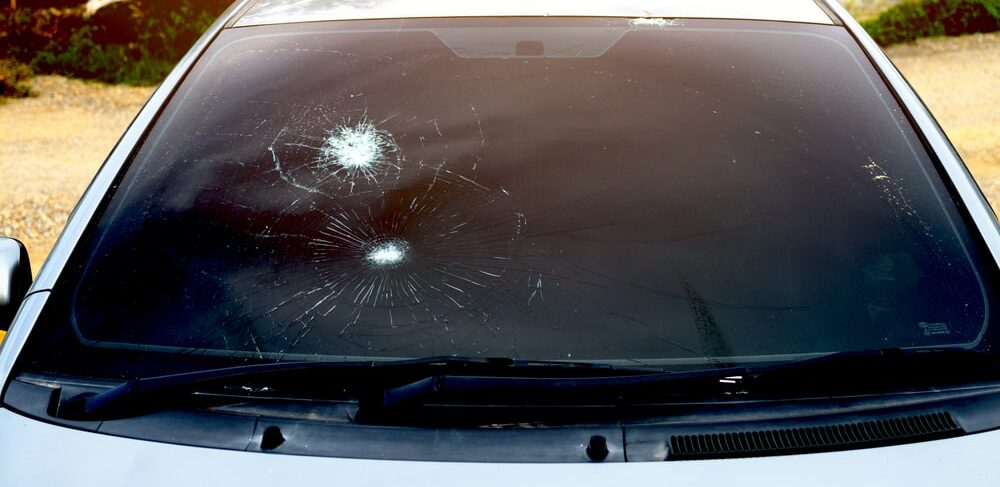
Replace the windshield if cracks are long or deep. Damage in the driver’s direct view needs replacement too. Multiple cracks or spider web patterns mean replacement is safer. Large breaks compromise the glass structure. Replacing ensures full protection during accidents.
Credit: 5starautoglass.ca
Tips To Save On Windshield Repairs
Saving money on windshield repairs can be simple with the right approach. Small cracks can become big expenses if ignored. Early repair keeps costs low and your car safe. Explore ways to cut costs without losing quality service.
Using Glass Repair Discounts
Many auto shops offer discounts on glass repairs. Check for coupons or online deals before booking. Insurance companies sometimes provide discounts for approved vendors. Ask your insurer about any savings programs. Using discounts lowers your bill and helps you repair faster.
Selecting Approved Repair Shops
Choose repair shops approved by your insurance provider. These shops meet quality and pricing standards. Insurance companies may cover more of the cost at these locations. Approved shops often use quality parts and skilled technicians. This choice protects your car and your wallet.
Frequently Asked Questions
Does Insurance Cover Windshield Crack Repair?
Yes, many insurance policies cover windshield crack repair. Coverage depends on your policy type and deductible. Comprehensive auto insurance usually includes glass damage repairs. Check your policy details or contact your insurer for confirmation.
Is Windshield Repair Free With Insurance?
Windshield repair may be free if your policy has zero deductible for glass claims. Some insurers offer full coverage without extra costs. Verify your policy terms or ask your insurance agent to confirm.
Will Insurance Rates Increase After Windshield Repair?
Typically, windshield repairs do not raise insurance premiums. Glass damage claims are often considered minor and do not affect rates. However, confirm with your insurer as policies vary by company.
What Types Of Windshield Damage Does Insurance Cover?
Insurance usually covers cracks, chips, and shattered glass. Coverage depends on damage size and cause. Repairs are preferred over replacements when damage is minor. Always review your policy for specific coverage.
Conclusion
Insurance may cover windshield crack repair, depending on your policy. Some plans include glass coverage, while others do not. Deductibles can affect whether it’s worth filing a claim. Small cracks often repair quickly and cost less than full replacements. Acting early can prevent bigger damage and higher expenses.
Always check your insurance details before deciding. Quick repairs keep your car safe and clear. Understanding your coverage helps avoid surprises later. Keep this in mind when dealing with windshield cracks.
Leave a Reply