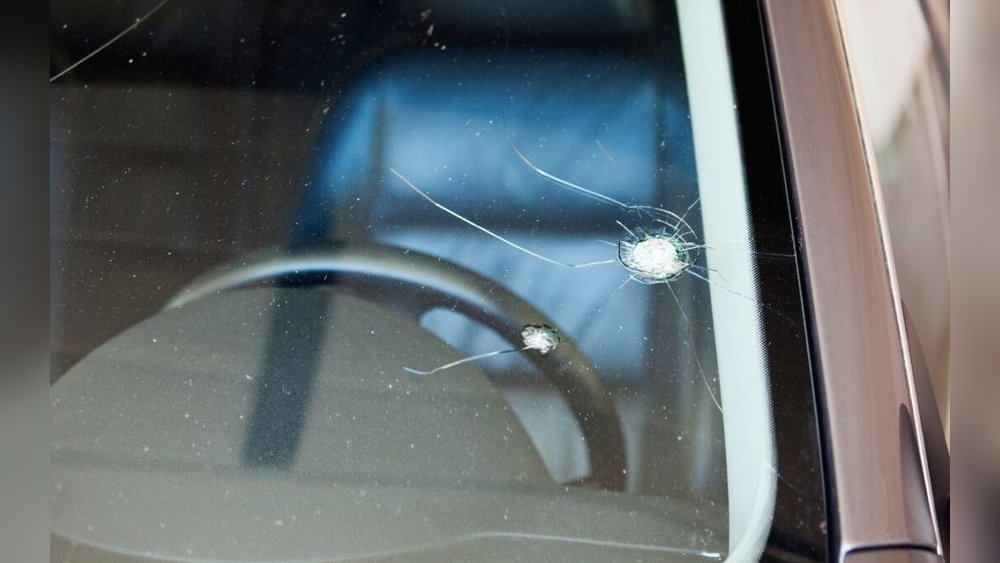
Have you ever noticed a small crack on your windshield and wondered if the hot weather could make it worse? You might think that a little heat won’t cause harm, but the truth could surprise you.
Understanding how temperature affects your windshield can save you from costly repairs and keep you safe on the road. You’ll discover why heat matters when it comes to windshield cracks and what you can do to protect your car. Keep reading—your windshield’s health depends on it.
How Windshield Cracks Form
Windshield cracks start from small chips or stress points on the glass. These weak spots grow over time. Changes in temperature or pressure can make cracks spread fast.
Understanding how these cracks form helps prevent bigger damage. It also guides when to fix or replace the windshield. The type and cause of damage affect how cracks develop.
Common Causes Of Cracks
Small rocks or debris hitting the glass cause most cracks. Sudden temperature changes can also create stress on the windshield. For example, pouring hot water on a cold windshield may crack it.
Car accidents and collisions often cause large cracks or shattered glass. Poor installation or old age can weaken the glass too. Even pressure from closing a door hard might cause small cracks.
Types Of Windshield Damage
Chips are tiny breaks usually caused by small stones. They look like little dots or stars on the glass. Cracks are longer lines that can spread quickly across the windshield.
Stress cracks happen from pressure or temperature changes. Bullseye cracks have a round shape with a dark center. Combination breaks mix chips and cracks in one spot.

Credit: www.reddit.com
Effects Of Heat On Windshields
Heat affects windshields in several ways. It causes the glass to expand and contract. This expansion puts pressure on the windshield surface. The stress can weaken the glass over time.
Existing cracks or chips become more vulnerable. Heat can make small problems turn into big ones. Understanding how heat impacts windshields helps in proper care and maintenance.
Heat Expansion And Stress
Glass expands when exposed to heat. This expansion is uneven across the windshield. Some parts heat up faster than others. This difference creates stress inside the glass.
The stress can cause the windshield to warp slightly. Repeated heating and cooling cycles increase this effect. Over time, the glass becomes more fragile and prone to damage.
Impact On Existing Cracks
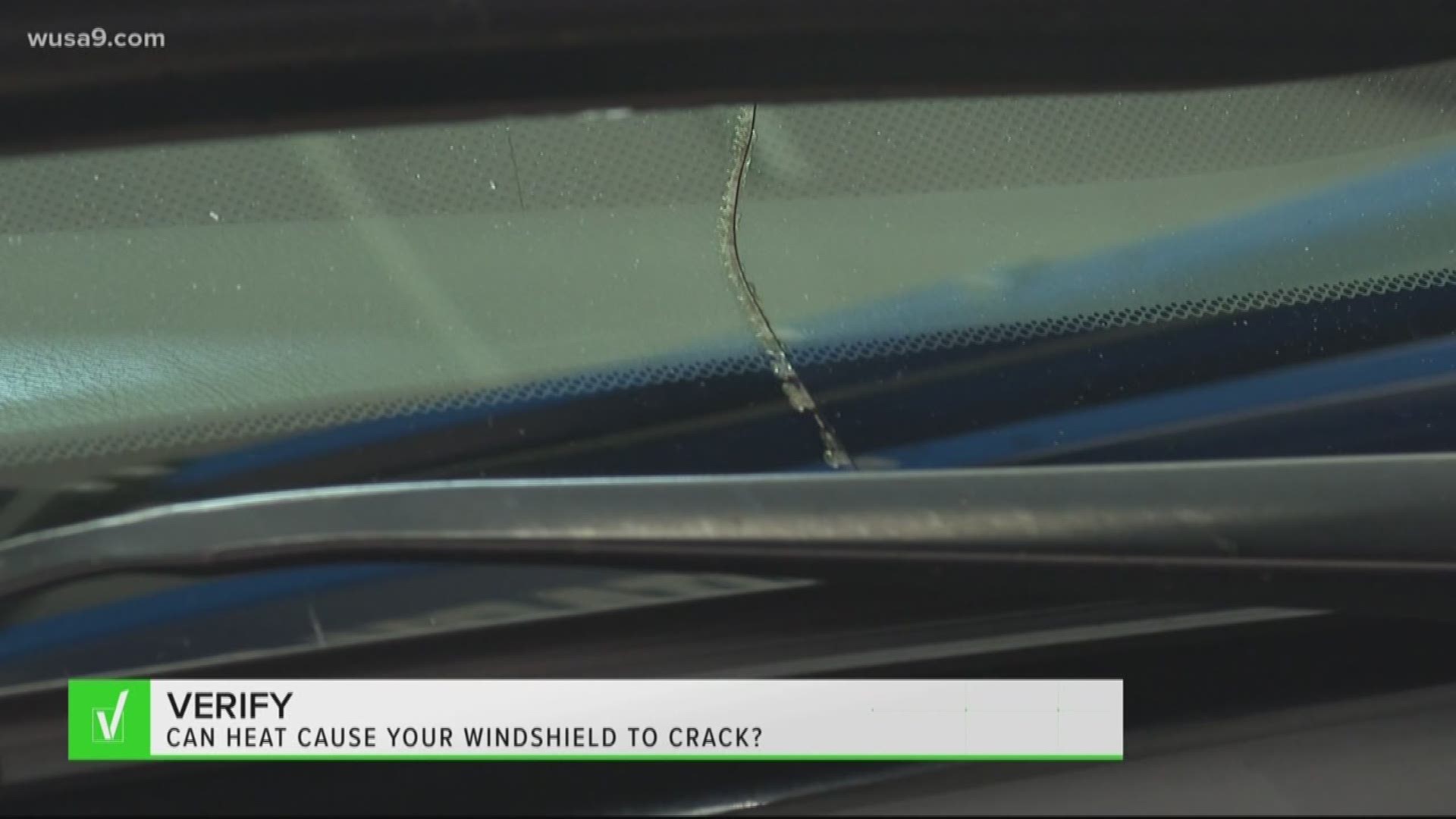
Cracks in the windshield respond badly to heat. The expansion widens these cracks. Tiny chips can grow into long cracks. Heat makes the glass around the crack weaker.
Even small temperature changes cause the crack to spread. This damage worsens faster in hot weather. Fixing cracks early can prevent big problems later.
Cold Vs. Heat On Windshield Cracks
Windshield cracks react differently to cold and heat. Understanding their effects helps protect your glass. Cracks expand or worsen based on temperature changes. Both cold and heat can harm, but in distinct ways. Knowing these differences aids in better windshield care.
Temperature Fluctuations And Damage
Glass expands when heated and shrinks when cold. Rapid changes cause stress on the windshield. This stress forces cracks to grow or spread. Constant temperature swings make the damage worse. Slow, steady changes are less harmful to the glass.
Which Condition Is More Harmful?
Cold weather can make cracks sharper and longer. Ice or frost can push cracks further. Heat causes the glass to expand and widen cracks. Sudden heat, like hot sun or heaters, worsens damage fast. Both cold and heat have risks, but sudden heat often causes quicker crack growth.
Credit: www.wusa9.com
Preventing Crack Worsening In Heat
Heat can make a windshield crack worse by causing the glass to expand. This expansion puts stress on the crack, making it grow. Preventing this damage is important to keep your windshield safe and strong. Simple steps can reduce the risk of cracks spreading in hot weather.
Safe Parking Tips
Park your car in shaded areas whenever possible. Shade lowers the temperature inside the car and on the windshield. Avoid parking under direct sunlight for long periods. If shaded parking is not available, try to park facing away from the sun. This helps keep the windshield cooler and reduces stress on cracks.
Using Sunshades And Covers
Sunshades block sunlight from heating the windshield. Place a sunshade inside your car whenever it is parked. This reduces heat buildup and protects the glass. You can also use windshield covers outside the car. These covers reflect sunlight and keep the glass cool. Both sunshades and covers help slow down crack growth caused by heat.
Repair Options For Cracks
Cracks in a windshield can grow worse over time, especially with heat changes. Fixing these cracks quickly helps keep your windshield safe. There are two main ways to repair cracks. One is using DIY repair kits. The other is seeking professional services. Both options can stop cracks from spreading further.
Diy Repair Kits
DIY repair kits are easy to use at home. They include resin that fills the crack. The resin hardens and stops the crack from growing. These kits work best for small cracks or chips. Follow the instructions carefully for the best result. Kits are affordable and save time. They are a good choice for minor damage.
Professional Services
Professional services offer expert windshield repair. Technicians use special tools and strong resins. They can fix larger or more complex cracks. Professionals inspect damage and choose the right repair method. Repairs by experts last longer and look better. They also check if the windshield needs full replacement. Professional help is safer for serious cracks.

Credit: www.reddit.com
When To Replace Your Windshield
Knowing when to replace your windshield is important for safety and car care. A cracked windshield can get worse with heat and affect your view while driving. It is key to spot the signs early. Acting fast can prevent bigger problems and higher costs. Below are clear points to help you decide if replacement is needed.
Signs Replacement Is Necessary
Deep cracks that spread across the glass need replacement. Small chips can turn into large cracks with heat. Cracks near the edges weaken the entire windshield. If cracks block your view, replacement is safest. Multiple cracks or spider web patterns also require a new windshield. Quick action keeps you safe on the road.
Cost Considerations
Replacing a windshield costs more than repairing chips. Repair is cheaper but only works on small cracks. Delaying replacement can cause bigger damage and higher bills. Insurance might cover replacement, lowering your out-of-pocket cost. Choose a trusted shop to avoid hidden fees. Investing in a new windshield protects your safety and wallet.
Frequently Asked Questions
Does Heat Cause Windshield Cracks To Expand Faster?
Yes, heat causes the glass to expand, making existing cracks grow quickly. Temperature changes stress the glass, worsening damage.
Can Hot Weather Alone Crack A Windshield?
Hot weather alone rarely cracks a windshield but can worsen small chips or existing cracks. Sudden heat changes are riskier.
Is It Worse To Cool Or Heat A Cracked Windshield?
Rapid heating or cooling can worsen cracks by stressing the glass. Gradual temperature changes are safer for damaged windshields.
How Does Sunlight Affect Windshield Cracks?
Direct sunlight heats the glass, causing expansion and pressure on cracks. This can make cracks spread more rapidly over time.
Conclusion
Heat can make windshield cracks grow faster. Glass expands with heat, causing pressure around cracks. Small cracks can turn into big problems quickly. Avoid parking in direct sunlight to reduce risk. Repair cracks early to prevent costly damage. Keeping your windshield cool helps maintain safety.
Remember, quick action saves money and stress. Stay aware of your windshield’s condition always.
Leave a Reply