Have you ever noticed a small chip on your windshield and wondered if the heat outside could make it worse? You might think a little warmth won’t cause any harm, but the truth could surprise you.
Understanding how heat affects that tiny crack can save you from costly repairs or even a dangerous situation. Keep reading to find out what really happens to your windshield chip when temperatures rise—and what you should do to protect your car and yourself.
How Windshield Chips Form
Windshield chips form when small objects hit your glass. These tiny cracks often start from sudden impacts. The glass surface breaks but does not shatter. Over time, these chips can grow into larger cracks. Understanding how chips form helps protect your windshield better.
Common Causes Of Chips
Rocks and gravel thrown by other cars cause many chips. Driving on highways or gravel roads increases risk. Sudden temperature changes can also stress the glass. Even small debris from construction sites can damage your windshield. Birds or falling tree branches may cause chips too.
Types Of Windshield Damage
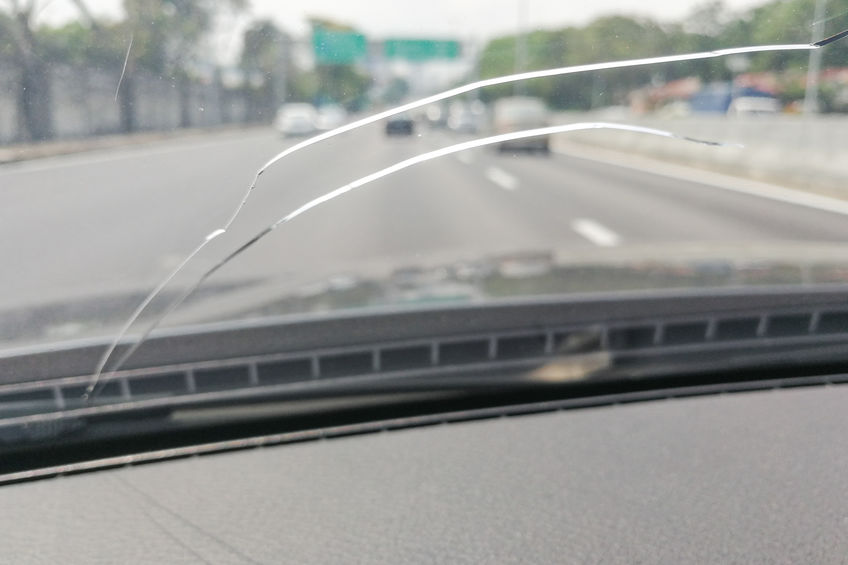
Chips come in different shapes and sizes. Bullseye chips look like a circle with a dark center. Star breaks have lines radiating from the impact point. Crack damage can spread across the glass quickly. Each type affects windshield safety in different ways.
Credit: only1autoglass.com
Impact Of Heat On Windshield Chips
Heat can affect small chips on your windshield in surprising ways. Understanding how heat impacts these chips helps in taking better care of your windshield. Changes in temperature cause the glass to expand and contract, which can make chips grow bigger. This growth weakens the glass and can lead to cracks.
Thermal Expansion And Stress
Glass expands when heated and shrinks when cooled. This process is called thermal expansion. The chip area reacts differently than the rest of the glass. It causes stress around the damaged part. Stress puts pressure on the chip’s edges. This pressure can make the chip crack or spread.
Heat And Chip Growth
Hot weather increases the chance of chip growth. Heat softens the glass near the chip. This softness allows the chip to widen or deepen. Even small temperature changes can cause damage. Leaving your car in direct sunlight can speed up this process. Protecting your windshield from heat reduces chip growth risk.
Cold Vs. Heat: Which Is Worse?
Heat and cold both impact windshield chips differently. Understanding which is worse helps protect your glass better. Temperature changes cause stress on the windshield, affecting chip growth. Some climates carry higher risks than others. Knowing these details keeps your windshield safer.
Effects Of Temperature Changes
Windshield glass expands and contracts with temperature shifts. Heat makes the glass expand, putting pressure on the chip’s edges. Cold causes the glass to shrink, which can also worsen cracks. Rapid temperature changes are most harmful. For example, pouring hot water on a frozen windshield can cause chips to spread quickly. Both heat and cold create stress points that grow chips.
Risk Factors In Different Climates
Hot climates often cause chips to enlarge due to constant heat exposure. Sunlight can weaken the glass around the chip. Cold climates bring the risk of ice and frost. Freezing temperatures cause chips to expand as water seeps inside and freezes. Areas with large temperature swings face the highest chip risks. Sudden weather changes can worsen damage faster than steady climates.
Preventing Chip Damage In Hot Weather
Hot weather can make windshield chips worse. Heat causes glass to expand. This expansion can turn small chips into big cracks. Preventing chip damage in hot weather is important for your car’s safety. Taking steps early can save you money and trouble later.
Best Practices For Car Owners
Park your car in shaded areas to avoid direct sunlight. Use a windshield cover to reduce heat buildup. Avoid leaving your car in extreme heat for long periods. Check your windshield regularly for new chips or cracks. Clean the glass gently to prevent stress on damaged areas.
Using Protective Measures
Apply a windshield repair kit quickly after noticing a chip. These kits help stop chips from spreading. Use a windshield protector film to add a layer of defense. Avoid sudden temperature changes like washing your car with cold water. Keep your car’s interior cool by using sunshades or air conditioning.
Repairing Chips Exposed To Heat
Heat can change the way a windshield chip behaves. Warm temperatures make glass expand and soften. This can cause small chips to spread or crack further. Repairing chips exposed to heat needs care and quick action. The right repair can stop damage from growing. This keeps the windshield strong and safe.
When To Repair Or Replace
Small chips under the size of a quarter usually need repair. Heat can make these chips worse fast. If cracks go longer than a few inches, replacement is best. Deep damage near the edges also calls for new glass. Repairing early saves money and avoids bigger problems. Watch for chips that change size or shape in heat.
Repair Techniques For Heat-damaged Chips
Repair starts by cleaning the chip carefully. Heat-damaged chips may have dirt or moisture inside. A special resin fills the chip and hardens with UV light. This resin stops cracks from growing. For heat damage, technicians may use stronger resins. Sometimes, they apply heat in a controlled way during repair. This helps the resin bond well with the glass. Proper repair restores strength and clears the chip.
Credit: www.wusa9.com
Myths About Heat And Windshield Damage
Many people worry about heat making windshield chips worse. Some believe hot weather can cause cracks to grow fast. Others think cold makes damage spread more. These ideas shape how people treat small chips. It is important to know what is true and what is not.
Common Misconceptions
One myth says heat causes windshield chips to expand quickly. People imagine the glass swelling and breaking more. Another myth claims cold weather makes cracks spread. Some think sudden temperature changes break the glass. Many assume leaving a car in the sun is very harmful. These ideas spread widely but lack proof.
Scientific Facts Vs. Myths
Heat can make glass expand slightly but not enough to break it. Small chips usually stay stable in warm weather. Cracks grow more from impacts or stress on the glass. Sudden temperature changes can cause damage but need extreme conditions. Regular summer heat or cold rarely cause windshield chips to get worse. The main cause of cracks growing is physical force, not normal heat.

Credit: www.reddit.com
Frequently Asked Questions
Does Heat Make Windshield Chips Worse?
Yes, heat causes glass to expand, which can enlarge windshield chips. Rapid temperature changes increase stress around the chip, making it spread faster. Avoid parking in direct sunlight after a chip appears to minimize damage.
Can Hot Weather Cause Windshield Cracks?
Hot weather alone rarely causes cracks, but combined with existing chips, it can. Heat weakens damaged glass areas, promoting crack growth. Maintaining a stable temperature helps prevent chips from turning into cracks.
How Does Temperature Affect Windshield Repairs?
High temperatures can affect resin curing during repairs, causing improper bonding. Repairs done in moderate temperatures ensure resin sets correctly, restoring strength. It’s best to repair chips in stable, moderate weather for optimal results.
Is It Safe To Drive With A Chip In Hot Weather?
Driving with a chip in hot weather is risky as heat can worsen the damage. Increased glass expansion may lead to cracks, compromising safety. Get the chip repaired promptly to avoid costly windshield replacement.
Conclusion
Heat can make windshield chips grow bigger and cause cracks. Small chips may turn into large cracks faster in hot weather. This can make your windshield weaker and unsafe. Repairing chips early helps avoid costly replacements later. Keep your car in shade or cool places to protect your windshield.
Watch for changes in chips after hot days. Taking care of chips quickly keeps your windshield strong and clear. Don’t let heat damage your car glass more than it already has. Simple steps can save you time and money.
Leave a Reply