
Have you ever wondered if the condition of your car’s glass can impact its roadworthiness? You might think a small crack or chip is just a minor issue, but it could be putting you at serious risk.
Your safety and your vehicle’s ability to pass inspections depend more on your glass than you realize. Keep reading to discover why glass safety matters and how it affects your car’s performance on the road. This information could save you money, stress, and even your life.

Credit: www.sweeneymerrigan.com
Glass Safety Standards
Glass safety standards play a key role in roadworthiness. They ensure that automotive glass protects drivers and passengers. Proper standards reduce injuries from accidents and improve visibility. Meeting these standards means the vehicle is safer and more reliable on the road.
Understanding these standards helps drivers and manufacturers maintain vehicle safety. It also helps authorities enforce laws that keep roads safer for everyone.
Types Of Automotive Glass
Automotive glass comes in mainly two types: laminated and tempered. Laminated glass has a plastic layer between two glass sheets. It stays in place even if broken. This glass is common in windshields. Tempered glass is heat-treated to be stronger. It breaks into small, blunt pieces. This type is often used in side and rear windows.
Regulations And Certifications
Vehicles must follow strict glass safety regulations. These rules vary by country but share common goals. Certifications like DOT (Department of Transportation) and ECE (Economic Commission for Europe) confirm glass meets safety tests. Certified glass passes tests for strength and visibility. It also resists UV rays and weather damage. Using certified glass helps pass vehicle inspections and legal checks.
Impact Resistance And Durability
Impact resistance measures how well glass handles force. Durable glass protects passengers from flying debris and crashes. Laminated glass holds together under impact, reducing injury risks. Tempered glass resists scratches and breaks safely. Both types must withstand changes in temperature and pressure. Strong, durable glass keeps drivers safe in many road conditions.

Credit: truittlodge.com
Roadworthiness Criteria
Roadworthiness criteria ensure vehicles meet safety and environmental standards. These rules help keep drivers, passengers, and others safe on the road. Vehicle inspections check many parts, including the engine, brakes, lights, and glass. Glass safety is a key factor in passing these inspections.
Understanding these criteria helps drivers maintain their vehicles properly. It also reduces the risk of accidents caused by faulty parts. Clear, intact glass improves visibility and protects occupants during crashes.
Vehicle Inspection Requirements
Vehicles must pass regular inspections to stay roadworthy. Inspectors check many systems and components for safety. These checks include brakes, tires, lights, and windshield condition. The vehicle must have no major defects that affect safety. Glass damage is one of the main inspection points.
Role Of Glass In Safety Checks
Glass is vital for driver visibility and protection. Inspectors look for cracks, chips, and damage that block vision. The windshield must not have cracks in the driver’s line of sight. Side and rear windows should be intact and secure. Safety glass must meet specific strength and quality standards.
Common Glass-related Failures
Cracks or chips in the windshield often cause inspection failures. Large cracks reduce visibility and weaken glass strength. Damaged glass can shatter more easily in accidents. Missing or broken side and rear windows also fail inspections. Tinting that is too dark or peeling can lead to rejection.
Effects Of Damaged Glass
Damaged glass on a vehicle can cause several problems. It affects more than just the look of the car. The glass plays a key role in safety and roadworthiness. Small cracks or chips can turn into bigger issues quickly. Understanding these effects helps keep drivers safe and cars legal.
Even minor damage can reduce the strength of the glass. This weakens the vehicle’s overall structure. It also changes how the driver sees the road. These changes can increase the risk of accidents and legal troubles.
Visibility And Driver Safety
Damaged glass often causes blurred or distorted vision. Cracks can spread light in odd ways. This creates glare, especially at night or in bright sunlight. Drivers may miss important road signs or obstacles. Clear glass is vital for quick reactions and safe driving.
Small chips can grow into large cracks. These cracks can distract the driver or block parts of the road view. Damaged glass can also shatter more easily during sudden stops or collisions. This increases the chance of injury inside the vehicle.
Structural Integrity Concerns
Windshields and windows add strength to a car’s frame. They help keep the cabin intact during crashes or rollovers. Damaged glass weakens this support. The vehicle may be less able to protect its occupants in an accident.
Broken glass may also fail to hold up airbags properly. This affects airbag deployment and reduces their effectiveness. Maintaining intact glass helps maintain the car’s safety features. Repair or replacement is important to avoid these risks.
Legal Implications
Most regions have laws about vehicle glass condition. Driving with cracked or chipped glass may lead to fines or failed inspections. This can make the vehicle illegal to drive until fixed. Law enforcement often looks at windshield damage during roadside checks.
Insurance claims might be denied if damage is not repaired. Some policies require timely fixing of glass issues. Ignoring damage risks legal trouble and higher costs later. Keeping glass in good shape meets legal rules and ensures roadworthiness.
Maintenance And Replacement
Maintaining and replacing glass on your vehicle is crucial for road safety. Glass that is cracked or damaged can reduce visibility and weaken the car’s structure. Regular checks help catch problems early. Proper care extends the life of your vehicle’s glass and keeps you safe on the road.
Repair Vs. Replacement Guidelines
Small chips and cracks may be repaired without full replacement. Repairs save time and money if done early. Large cracks or shattered glass need full replacement. Damaged glass that affects driver vision must be replaced. Follow safety standards and local laws for repairs and replacements.
Choosing Quality Glass Materials
Use high-quality glass designed for vehicles. Quality glass resists impacts and weather damage better. It also reduces glare and improves visibility. Cheaper glass may crack easily and block vision. Always select materials that meet safety certifications for road use.
Professional Installation Importance
Experts ensure the glass fits perfectly and seals tightly. Poor installation can cause leaks or glass to loosen. Professionals use the right tools and follow safety rules. Proper installation keeps airbags working correctly. Trust trained technicians to maintain your vehicle’s roadworthiness.
Technological Advances
Technological advances have changed car glass in many ways. These changes help improve safety and the overall roadworthiness of vehicles. Today’s automotive glass does more than just protect drivers from wind and rain. It helps prevent accidents and makes driving safer for everyone.
Smart Glass Features
Smart glass can change its tint to block sunlight or reduce glare. This reduces eye strain and improves visibility. Some smart glass can even clear fog or ice quickly. These features keep drivers focused and alert. They add comfort and safety during all weather conditions.
Enhanced Safety Technologies
Modern automotive glass often includes sensors and cameras. These tools help with lane detection and collision warnings. Laminated glass can hold together after breaking, preventing sharp shards. This reduces injury risks in crashes. Safety glass designs also improve sound insulation, lowering driver stress.
Future Trends In Automotive Glass
Future car glass may include heads-up displays on the windshield. These displays show speed, navigation, and alerts without distraction. Glass might also adapt automatically to light and weather changes. Advances in materials will make glass stronger and lighter. These trends promise safer and smarter driving experiences.
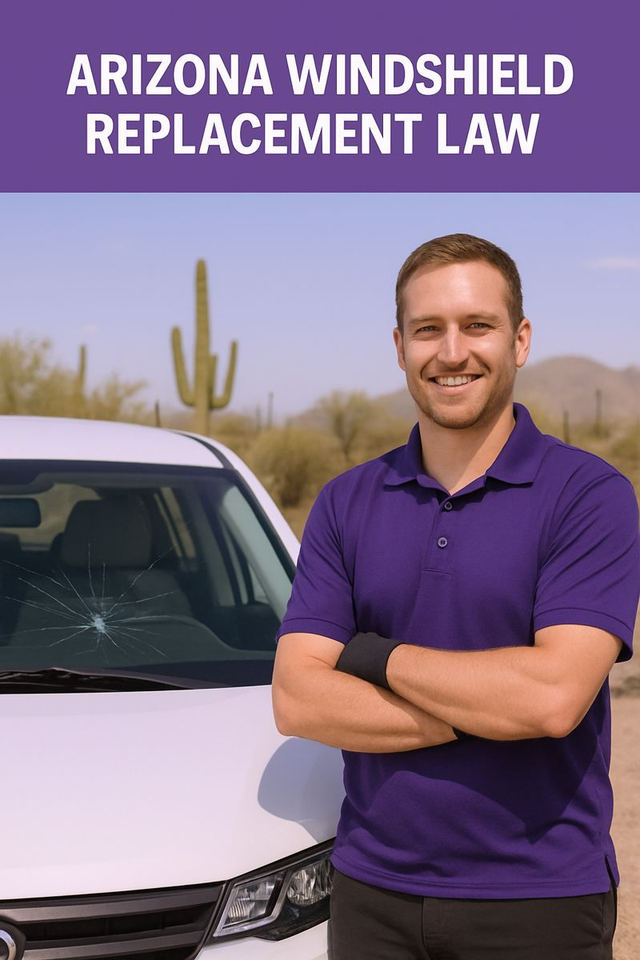
Credit: www.diamondbackautoglass.com
Frequently Asked Questions
Does Glass Safety Impact Vehicle Roadworthiness?
Yes, glass safety directly affects roadworthiness. Damaged or non-compliant glass can impair driver visibility and increase accident risks. Properly maintained safety glass ensures structural integrity and meets legal standards, making your vehicle safer and roadworthy.
What Glass Defects Fail A Roadworthiness Test?
Common defects include cracks, chips, and excessive scratches on windshields or windows. These impair visibility and compromise structural strength. Safety regulations require clear, intact glass to pass roadworthiness inspections.
How Does Windshield Condition Affect Driving Safety?
A damaged windshield reduces visibility and weakens vehicle structure during crashes. It can also affect airbag deployment. Maintaining a clear, intact windshield is vital for safe driving and passing safety inspections.
Can Cracked Glass Cause A Vehicle To Fail Inspection?
Yes, even small cracks can lead to inspection failure. They obstruct the driver’s view and may worsen under stress, posing safety risks. Repair or replacement is often required for roadworthiness certification.
Conclusion
Glass safety plays a key role in a vehicle’s roadworthiness. Cracked or damaged glass can reduce driver visibility and increase accident risk. Properly maintained windows and windshields protect passengers during collisions. Regular checks help ensure glass meets safety standards. Clear, strong glass supports safe driving every day.
Don’t overlook glass condition when assessing your vehicle’s safety. Good glass means better protection and safer roads. Always fix chips or cracks promptly to stay roadworthy. Safety starts with clear vision and solid glass.
Leave a Reply