Category: Windshield Problems

  • Can Windshield Be Replaced in Hot Weather: Essential Tips Revealed

    Can Windshield Be Replaced in Hot Weather: Essential Tips Revealed

    Have you ever wondered if your windshield can be safely replaced when the weather is scorching hot? If you’re facing a cracked or damaged windshield during the summer, you might hesitate to get it fixed right away.

    You want to protect your car and stay safe, but you’re unsure if the heat will cause problems. You’ll discover what really happens when a windshield is replaced in hot weather, what risks to watch out for, and how to make sure your repair lasts.

    Keep reading—your car’s safety and your peace of mind depend on it.

    Can Windshield Be Replaced in Hot Weather: Essential Tips Revealed

    Credit: cagiautoglass.com

    Challenges Of Hot Weather

    Replacing a windshield in hot weather brings unique challenges. High temperatures affect materials and processes needed for a proper installation. Understanding these challenges helps ensure safety and durability after replacement.

    Heat Impact On Adhesives

    Adhesives used to fix windshields can weaken under strong heat. Hot weather may cause the glue to dry too fast or become less sticky. This affects how well the windshield stays in place over time. Proper curing of adhesives is crucial for a strong bond.

    Glass Expansion Issues

    Glass expands when heated. In hot weather, the windshield may be slightly larger than normal. This expansion can cause fitting problems during replacement. If the glass does not fit perfectly, it can lead to leaks or cracks later.

    Safety Concerns

    Incorrect windshield installation in hot weather can lead to safety risks. A weak bond may cause the glass to pop out during an accident. Also, sudden temperature changes can stress the windshield and cause it to break. Ensuring proper installation is vital for driver and passenger safety.

    Can Windshield Be Replaced in Hot Weather: Essential Tips Revealed

    Credit: www.amazon.com

    Preparing For Replacement

    Preparing for a windshield replacement in hot weather requires careful planning. High temperatures can affect the installation process and the materials used. Taking the right steps before the replacement can ensure a smooth and safe experience.

    Choosing The Right Time

    Pick a cooler part of the day for the replacement. Early morning or late afternoon works best. Avoid midday when the sun is strongest. This reduces the risk of the adhesive drying too fast. It also helps the technician work more comfortably.

    Selecting Quality Materials

    Use high-quality adhesives designed for hot weather. These adhesives stay strong even under heat. Choose a windshield that matches your vehicle exactly. Quality materials last longer and fit better. This prevents leaks and cracks later.

    Tools And Equipment Needed

    Prepare all necessary tools before starting. This includes adhesive applicators, suction cups, and cleaning supplies. Use equipment made for windshield replacement. Proper tools ensure the glass fits correctly. They also help avoid damage during installation.

    Step-by-step Replacement Process

    Replacing a windshield in hot weather requires careful attention. The heat can affect materials and the adhesive. Following a clear, step-by-step process helps ensure the windshield fits well and stays secure. This guide breaks down the main steps to replace your windshield safely and correctly.

    Removing The Old Windshield

    Start by protecting your car’s interior and exterior. Use plastic sheets or covers to avoid damage. Carefully cut through the adhesive that holds the windshield. Use a special cutting tool or wire. Take your time to avoid cracking the glass. Remove the glass gently with help from another person. Place the old windshield on a soft surface.

    Cleaning And Prepping The Frame

    Remove old adhesive from the frame completely. Use a scraper or razor blade for this job. Clean the frame with a glass cleaner to remove dust and dirt. Make sure the surface is dry before applying new adhesive. Check the frame for any rust or damage. Repair small issues to prevent leaks later.

    Applying Adhesive Correctly

    Choose an adhesive designed for hot weather conditions. Apply a uniform bead of adhesive around the frame’s edge. Use a caulking gun for better control. Avoid gaps or thin spots in the adhesive. Press the new windshield firmly into place. Hold it steady until the adhesive begins to set. Follow the adhesive’s curing time before driving the car.

    Can Windshield Be Replaced in Hot Weather: Essential Tips Revealed

    Credit: www.msglassoutlet.com

    Post-replacement Care

    After a windshield replacement in hot weather, care is very important. Proper steps help the glass set well and last longer. This also keeps you safe while driving.

    Curing Time In Hot Weather

    Hot weather speeds up the glue drying process. The adhesive sets faster but still needs time to bond well. Wait at least one hour before driving. Avoid heavy winds or rain during this time. Let the glue cure fully for best strength.

    Avoiding Stress On The Glass

    Stress can cause cracks or damage to the new windshield. Avoid sudden bumps or sharp turns right after replacement. Do not slam doors hard. Keep the car parked in shade if possible. Gentle handling helps the glass stay safe and strong.

    Maintenance Tips

    Clean the windshield with soft cloths and mild soap. Avoid harsh chemicals or scrapers. Check the seals regularly for leaks or gaps. Replace wiper blades often to prevent scratches. Proper care keeps your windshield clear and durable.

    Professional Vs Diy Replacement

    Replacing a windshield in hot weather has its challenges. You might wonder if you should do it yourself or hire a professional. Each choice has its own benefits and risks. Understanding these can help you make the right decision for your car and safety.

    Benefits Of Hiring Experts

    Professionals have the right tools and skills for windshield replacement. They ensure the glass fits perfectly and seals well. Experts work quickly, reducing the time your car is out of use. They also check for other damage you might miss. Using experts lowers the chance of leaks or cracks later. Your safety improves with a properly installed windshield.

    Common Diy Mistakes

    Many DIYers struggle to remove the old windshield without damage. Improper sealing can cause leaks or wind noise. Some use wrong adhesives that fail under heat. Without experience, alignment often goes wrong, risking cracks. DIY jobs might not meet safety standards. Mistakes can cost more to fix than hiring a pro.

    Cost Considerations

    DIY seems cheaper at first. You save on labor costs but buy tools and materials. Mistakes can lead to expensive repairs or replacements. Professional services include warranty and insurance. This protects you from extra costs later. Consider long-term value, not just the initial price.

    Frequently Asked Questions

    Can Windshield Be Replaced In Hot Weather Safely?

    Yes, windshield replacement in hot weather is safe. Professionals use heat-resistant adhesives that cure properly even in high temperatures. However, extreme heat may affect curing time, so it’s essential to follow expert advice for optimal results and safety.

    Does Hot Weather Affect Windshield Adhesive Curing?

    Hot weather can speed up adhesive curing but may cause uneven bonding. Proper temperature control and professional installation ensure the adhesive sets correctly, maintaining windshield strength and safety during and after replacement.

    Is It Better To Replace Windshield In Cooler Weather?

    Cooler weather offers more controlled curing conditions, reducing risks of adhesive issues. However, modern adhesives work well in varied temperatures, so replacement in hot weather remains effective if done by experienced technicians.

    How Long Should I Wait After Windshield Replacement In Heat?

    Typically, wait at least one hour after replacement before driving in hot weather. This allows the adhesive to set properly, ensuring the windshield stays securely in place and maintains safety standards.

    Conclusion

    Replacing a windshield in hot weather is possible with care. Heat can affect the glue and installation process. Choose a shady spot or cooler time of day for best results. A professional technician knows how to handle hot conditions safely.

    Proper curing time is important to avoid problems later. Taking these steps helps ensure your windshield fits well and lasts long. Keep your car cool before and after replacement. Stay safe on the road with a strong, clear windshield.

  • Can Side Window Tint Cause Glass Break? Debunking Myths Fast

    Can Side Window Tint Cause Glass Break? Debunking Myths Fast

    Have you ever wondered if tinting your car’s side windows could actually cause the glass to break? It’s a question many car owners ask but rarely get a clear answer to.

    You want to protect your privacy and keep your car cool, but the fear of damaging your windows might be holding you back. You’ll discover the surprising truth behind side window tinting and glass breakage. By the end, you’ll know exactly what to watch out for and how to keep your windows safe while enjoying the benefits of tint.

    Keep reading—you don’t want to miss this!

    Common Myths About Window Tint

    Many people believe window tint can cause glass to break. These ideas come from myths and misunderstandings. It is important to clear up these common myths. This helps car owners make smart choices about tinting. Here are some facts to know.

    Tinting And Glass Integrity

    Window tint is a thin film applied to glass. It does not change the glass itself. The film is flexible and does not weaken glass. Tempered glass is strong and made to resist breaking. Tinting does not affect this strength in any way. The glass’s integrity stays the same after tinting.

    Heat And Stress Factors

    Some people think tint traps heat and causes glass to break. Tint can reduce heat inside the car by blocking sunlight. It lowers the temperature on the glass surface. Heat alone rarely causes glass to break. Sudden temperature changes or impacts are bigger risks. Tinting helps protect against heat damage more than it causes it.

    Installation Mistakes

    Problems happen when tint is installed poorly. Bubbles or dirt under the film can stress the glass. Wrong type of tint or cutting errors cause issues too. Proper installation by a skilled professional avoids these risks. Good care during installation keeps the glass safe and sound.

    Can Side Window Tint Cause Glass Break? Debunking Myths Fast

    Credit: www.glassfixitauto.com

    How Window Tint Works

    Window tinting changes the way glass works in cars and buildings. It adds a thin layer to the glass surface. This layer can block sunlight and heat. It also helps protect the inside from harmful rays. Understanding how window tint works clarifies if it affects glass strength.

    Material Composition

    Window tint is made from polyester film. This film is very thin but strong. It has dyes or metals added for color and protection. Some tints include ceramic particles for better heat blocking. The film sticks tightly to the glass surface. This bond helps the tint stay in place without peeling.

    Heat And Uv Protection

    Tint blocks a large part of sunlight and UV rays. It reduces the heat that passes through the glass. This keeps the inside cooler and protects skin from damage. UV protection stops fading of car seats and home furniture. The tint film absorbs or reflects sunlight energy efficiently.

    Impact On Glass Strength

    Tint film adds a slight layer of protection to glass. It can hold glass fragments together if the glass breaks. Tint does not make the glass weaker. It actually helps prevent shattering and flying shards. The glass itself remains the main source of strength. Tint only supports glass in small ways during impact.

    Factors That Actually Cause Glass Breakage

    Glass breakage on side windows often puzzles car owners. Many wonder if window tint causes cracks or shatters. The truth lies in several key factors that actually cause glass to break. Understanding these helps clear up common myths about window tint and damage.

    Manufacturing Defects

    Sometimes glass has tiny flaws from the factory. These weak spots grow over time and cause cracks. Such defects make the glass fragile and prone to breaking even under small pressure. These issues are rare but important to consider.

    Environmental Stress

    Heat and cold changes can stress glass greatly. Sudden temperature shifts cause glass to expand or contract quickly. This creates tension that may lead to cracks. Sun exposure or freezing weather can worsen this effect on car windows.

    Physical Impact

    Direct hits from stones, branches, or accidents cause most glass breaks. Sharp or strong impacts make the glass crack or shatter. Window tint does not cause this damage but can sometimes hide small cracks until they grow bigger.

    Can Side Window Tint Cause Glass Break? Debunking Myths Fast

    Credit: www.reddit.com

    Studies And Expert Opinions

    Many people worry if side window tint can cause glass to break. Experts and studies have explored this concern. Their findings help us understand the real risks. This section shares what research and professionals say about this topic.

    Industry Research Findings

    Research shows that quality window tint does not cause glass to break. Tests on tinted windows reveal no increased risk of cracking. Glass strength remains stable after tint application. Tint films are designed to flex with glass, not stress it.

    Some old or poor-quality films may cause problems. These can trap heat or create pressure points. Still, such cases are rare and often due to bad installation. Most studies confirm that proper tinting is safe for side windows.

    Professional Installer Insights

    Installers say glass breaking after tinting is uncommon. They stress the importance of choosing the right film and applying it correctly. Experienced installers check the glass condition before tinting.

    They also avoid tinting on already damaged or weak glass. Professionals use tools and techniques that prevent stress on the glass. They report few incidents of breakage linked directly to tint application.

    Proper Tint Installation Tips

    Proper tint installation is key to avoid glass break issues. It ensures the film sticks well and stays strong over time. Careful steps help protect your windows and give you the benefits of tint.

    Following the right tips reduces the risk of damage and improves the look of your car. Correct installation also helps your tint last longer without bubbles or cracks.

    Choosing Quality Film

    Pick tint film from trusted brands. Cheap films can shrink or peel quickly. High-quality film is more flexible and resists cracking. It fits well on curved windows without stress. Good films block heat and UV rays better. This reduces pressure on the glass from sunlight.

    Avoiding Common Errors

    Clean the glass thoroughly before applying tint. Dirt or dust causes bubbles and weak spots. Cut the film carefully to fit the window size. Do not stretch the film too much. Stretching creates tension that can crack glass. Use a proper squeegee to press out air pockets. Work slowly and evenly for best results.

    Maintenance For Longevity

    Wait a few days before rolling down tinted windows. This lets the film bond fully with the glass. Clean tint gently with mild soap and water. Avoid sharp tools or harsh chemicals. Check edges regularly for lifting or damage. Fix small problems early to prevent glass stress. Proper care keeps tint strong and your windows safe.

    When To Inspect Your Tinted Windows

    Knowing when to inspect your tinted windows helps keep your car safe. Tinted windows can sometimes cause stress on the glass. This stress might lead to cracks or breaks if not caught early. Regular checks can prevent costly repairs and improve your driving experience.

    Checking your tinted windows often helps spot small problems before they grow. This way, you keep your windows strong and clear.

    Signs Of Potential Problems

    Look for small cracks or chips around the edges of the glass. Bubbles or peeling in the tint can show damage underneath. Strange noises when opening or closing doors might mean stress on the glass. Warped or cloudy tint may also point to issues. These signs suggest it is time to inspect closely.

    Regular Checkup Recommendations

    Inspect your tinted windows every few months. Clean the glass gently to avoid adding stress. Check for any changes after extreme weather, like heat or cold. If you notice any damage, consult a professional quickly. Routine care helps keep your windows safe and lasting longer.

    Can Side Window Tint Cause Glass Break? Debunking Myths Fast

    Credit: www.msglassoutlet.com

    Frequently Asked Questions

    Can Window Tint Cause Car Glass To Break?

    Window tint itself rarely causes glass to break. Poor installation or defective tint can create stress points. Extreme heat or cold may worsen this. Properly applied tint usually does not damage glass or cause breakage.

    Does Heat From Tint Increase Glass Break Risk?

    Tint can slightly increase heat absorption, but modern films manage heat well. Excessive heat may stress glass, especially if it has existing flaws. High-quality tint with UV protection reduces heat buildup and break risk.

    Can Tint Installation Lead To Glass Damage?

    Improper tint installation can trap moisture or create air bubbles. These may weaken glass over time if not corrected. Experienced professionals ensure smooth, even application to prevent damage or breakage.

    How To Prevent Glass Breakage After Tinting?

    Choose high-quality tint and professional installation. Regularly inspect windows for chips or cracks. Avoid sudden temperature changes which can stress glass. Proper care extends glass life after tinting.

    Conclusion

    Side window tint rarely causes glass to break on its own. Poor installation or low-quality tint can lead to problems. Stress from heat or impact may cause cracks, but tint itself is usually safe. Choose trusted professionals to apply tint properly.

    Regularly check windows for damage or signs of wear. Protect your glass by avoiding sharp impacts and extreme heat. Tint adds comfort and style without harming your windows. Stay informed and take good care of your car glass. Safe tinting keeps your ride cool and secure.

  • Can Windshield Replacement Leak: Signs, Risks & Prevention Tips

    Can Windshield Replacement Leak: Signs, Risks & Prevention Tips

    Have you ever noticed water dripping inside your car after a fresh windshield replacement? It’s frustrating and worrying because your car should feel safe and dry.

    But can a new windshield actually leak? If you’re asking yourself this question, you’re not alone. Understanding why leaks happen after windshield replacement can save you from costly repairs and stress. Keep reading, and you’ll discover what causes these leaks, how to spot them early, and what you can do to fix the problem before it gets worse.

    Your car deserves the best care, and so do you.

    Can Windshield Replacement Leak: Signs, Risks & Prevention Tips

    Credit: www.youtube.com

    Causes Of Windshield Leaks

    Windshield leaks can cause many problems inside a vehicle. Water can damage the interior, cause mold, and reduce visibility. Knowing the causes of windshield leaks helps in preventing them early. Several factors may lead to leaks after windshield replacement.

    Poor Installation

    Poor installation is a common cause of leaks. If the windshield is not placed correctly, gaps can form. These gaps let water pass through during rain or car washes. Using the wrong adhesive or rushing the job can cause poor sealing.

    Damaged Sealant

    Sealant holds the windshield tightly in place. Damage to this sealant allows water to seep inside. Sun exposure, chemicals, or rough cleaning can weaken the sealant. Cracked or missing sealant needs immediate attention.

    Cracked Windshield

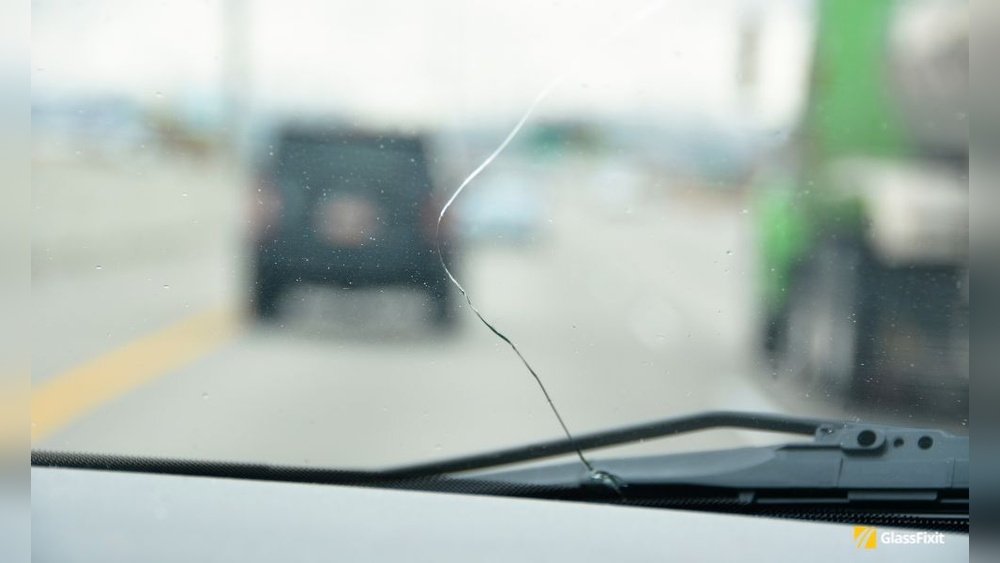
    Cracks in the windshield can also cause leaks. Even small cracks let water enter the car. Cracks often grow larger over time, increasing the leak risk. Replacing a cracked windshield prevents further damage.

    Wear And Tear Over Time

    Windshields face constant stress from weather and road conditions. Over time, wear and tear affect the seals and glass. Old seals shrink or crack, creating leak paths. Regular inspection helps catch issues before leaks start.

    Signs Of A Windshield Leak

    Windshield leaks can cause many problems inside your car. Early signs help catch these leaks before serious damage happens. Watch for small clues that show water might be entering your vehicle.

    These signs may seem minor at first. Ignoring them can lead to bigger issues like mold or rust. Knowing what to look for keeps your car safe and dry.

    Water Spots On Interior

    Small water spots or stains on your car’s ceiling or dashboard are a clear sign. These spots may appear after rain or washing your car. They show water has leaked past the windshield seal.

    Fogging Inside The Car

    Foggy windows inside your car can mean a leak. Moisture enters and causes condensation on glass. This fogging happens even when your car is not cold outside.

    Musty Odors

    A damp smell inside your car points to moisture buildup. This musty odor comes from mold or mildew growing due to leaks. It often grows in hidden areas like under seats or carpets.

    Visible Moisture Or Drips

    See water dripping or wet patches near the windshield? These are obvious signs of a leak. Moisture may appear on the dashboard or floor after rain. This means the windshield needs attention.

    Risks Associated With Windshield Leaks

    Windshield leaks may seem minor but pose serious risks. Water entering through gaps can damage your vehicle and safety. Understanding these risks helps highlight why timely repairs matter.

    Structural Integrity Compromise

    The windshield supports the car’s frame during impacts. Leaks allow water to weaken the glue holding it in place. This weak bond reduces the windshield’s strength. The car may be less safe in a crash.

    Electrical System Damage

    Water can drip onto wires inside the dashboard. Moisture causes short circuits or corrosion in electrical parts. This leads to malfunctioning lights, sensors, or controls. Electrical problems can be costly to fix.

    Mold And Mildew Growth

    Moisture trapped inside the car creates a perfect environment for mold. Mold causes bad odors and can trigger allergies. It also damages upholstery and interior surfaces. Removing mold often requires professional cleaning.

    Reduced Visibility And Safety

    Leaking water can fog or stain the windshield glass. Dirty or foggy glass makes driving dangerous. Clear vision is critical to avoid accidents. A leaking windshield reduces your ability to see clearly.

    Can Windshield Replacement Leak: Signs, Risks & Prevention Tips

    Credit: drbswindshieldrepair.com

    Preventing Windshield Leaks

    Windshield leaks can cause many problems, including water damage and mold growth inside your car. Preventing these leaks starts with good care and smart choices. Taking the right steps can keep your windshield secure and dry.

    Choosing Quality Replacement Services

    Pick a trusted service for windshield replacement. Experts use the right tools and materials. This helps ensure a tight fit and strong seal. Poor service may cause gaps and leaks later. Quality work protects your car from water damage.

    Regular Inspections And Maintenance

    Check your windshield often for cracks or gaps. Early signs of leaks can be small and hard to see. Clean around the edges to spot problems fast. Fix issues quickly to stop leaks from getting worse. Regular care keeps your windshield safe and dry.

    Proper Sealant Application

    Sealant holds the windshield firmly in place. It must be applied evenly and fully. Missing spots can let water slip inside. Use sealant made for windshields only. Proper application stops leaks and strengthens the bond.

    Avoiding Diy Installation

    Do not replace your windshield yourself. Lack of experience can cause leaks or damage. Professionals know how to handle glass and sealants safely. DIY jobs often miss small details that matter. Trust experts to keep your car leak-free.

    What To Do If You Suspect A Leak

    Suspecting a windshield leak can cause worry. Water inside the car damages interiors and electronics. Early action saves money and stress. Knowing what to do helps protect your vehicle. Follow these steps to handle a leak safely and quickly.

    Immediate Inspection Tips

    Check the windshield edges for visible gaps or cracks. Look inside the car for wet spots or water stains. Use a flashlight to spot moisture around the dashboard. Run your hand along the seal to feel for soft or loose areas. Avoid driving in heavy rain until you inspect the leak.

    Professional Repair Options

    Contact a certified auto glass technician for a thorough check. Professionals use special tools to find hidden leaks. They can reseal or replace the windshield properly. Repairs prevent mold and further damage to your car. Choose a service with good reviews and warranty offers.

    Temporary Fixes Before Service

    Apply clear waterproof tape over small cracks or gaps outside. Use a plastic sheet inside the car to cover wet areas. Keep a towel handy to absorb water during rain. Avoid washing your car until the leak is fixed. These steps reduce damage until a professional can help.

    Can Windshield Replacement Leak: Signs, Risks & Prevention Tips

    Credit: sirautoglass.com

    Frequently Asked Questions

    Can Windshield Replacement Cause Leaks?

    Yes, windshield replacement can cause leaks if the sealant is improperly applied or if the frame is damaged. Proper installation and curing time prevent leaks effectively.

    How Soon After Replacement Can Leaks Appear?

    Leaks may appear within a few days if the seal isn’t secure. Early signs include water spots or dampness inside the car.

    What Causes Windshield Replacement Leaks?

    Leaks usually result from poor adhesive application, incorrect fitting, or damaged weatherstripping. Moisture can seep through gaps if these issues occur.

    How To Prevent Windshield Leaks After Replacement?

    Ensure a certified technician installs the windshield using quality sealants. Allow proper curing time and inspect for gaps or cracks immediately.

    Conclusion

    Windshield replacement can sometimes cause leaks if not done right. A proper seal is key to stopping water from entering. Choose a skilled technician to avoid problems later. Check the windshield soon after replacement for any signs of leaks. Early fixes save you from costly repairs.

    A well-installed windshield keeps you safe and dry. Don’t ignore small leaks—they often get worse over time. Taking care of your windshield helps protect your car’s interior and your comfort. Keep an eye on it, and act quickly if you notice trouble.

  • How to Stop Windshield Chip from Spreading: Easy DIY Fixes

    How to Stop Windshield Chip from Spreading: Easy DIY Fixes

    Have you noticed a small chip on your windshield and worry it might turn into a big crack? That tiny damage can quickly spread, putting your safety at risk and costing you more to fix.

    But don’t panic—there are simple steps you can take right now to stop that chip from getting worse. You’ll discover easy and effective ways to protect your windshield and save yourself time and money. Keep reading to learn exactly what you need to do before it’s too late.

    Causes Of Windshield Chips

    Windshield chips start small but can quickly grow into big cracks. Knowing what causes these chips helps prevent further damage. This section explains the main causes of windshield chips and what makes them worse.

    Common Sources Of Chips

    Small rocks and gravel hitting the windshield cause most chips. These come from other vehicles on highways and roads. Construction sites and loose debris also increase chip chances. Sudden impacts from hard objects create tiny cracks. Even hitting a pothole can stress the glass and cause chips.

    Factors That Worsen Damage

    Temperature changes make chips spread fast. Hot sun and cold nights create stress inside the glass. Driving on rough or bumpy roads shakes the windshield. This movement helps cracks grow larger. Ignoring small chips lets dirt and moisture enter, weakening the glass. Using harsh chemicals or poor cleaning methods can also damage the windshield.

    How to Stop Windshield Chip from Spreading: Easy DIY Fixes

    Credit: allstar-glass.com

    Risks Of Ignoring Chips

    Ignoring a small chip on your windshield can cause big problems. That tiny crack may seem harmless, but it can grow fast. Changes in temperature, bumps on the road, or even simple vibrations can make the chip spread. This weakens the windshield and puts you at risk.

    Understanding the risks helps you see why quick action matters. The damage may affect more than just your glass. It can impact your safety and your wallet.

    Safety Concerns

    A cracked windshield is less strong and can break easily. It may fail to protect you in an accident. Sharp chips can also block your view while driving. This increases the chance of a crash. Windshield damage reduces the support for the roof too. This is dangerous in a rollover accident. Ignoring chips puts you and others in danger.

    Costly Repairs Later

    Fixing a small chip costs much less than replacing the whole windshield. Chips that spread turn into big cracks. Large cracks often mean a full windshield replacement. This repair is expensive and takes more time. Insurance may not cover damage caused by neglect. Acting fast saves money and stress. Small repairs protect your budget and your car.

    Tools Needed For Diy Fixes

    Stopping a windshield chip from spreading needs the right tools. Having these tools ready helps you fix the chip quickly. Quick action can save you money and keep your windshield safe. This section lists the tools needed for easy DIY repairs.

    Essential Repair Kits

    Windshield repair kits are a must-have for chip fixes. These kits include resin that fills the chip and stops cracks. Most kits come with an injector to push resin into the damaged area. They also have curing strips to protect the resin as it dries. Using a repair kit can make your chip less visible and prevent it from growing.

    Additional Supplies

    Besides repair kits, some extra supplies help with the repair. Clean cloths are needed to wipe dust and dirt from the windshield. A razor blade removes excess resin after curing. Tape can hold the curing strip in place. You may also need gloves to protect your hands during the process. These simple supplies make repairs easier and cleaner.

    How to Stop Windshield Chip from Spreading: Easy DIY Fixes

    Credit: www.wikihow.com

    Step-by-step Chip Repair

    Fixing a windshield chip early stops cracks from growing. The repair process is simple and saves money. Follow these clear steps to repair your chip quickly. You need a chip repair kit and a steady hand.

    Cleaning The Damaged Area

    First, clean the chip well. Use a soft cloth and some rubbing alcohol. Remove any dirt or glass shards gently. This step helps the resin stick better. Avoid blowing air or using water.

    Applying Resin

    Next, apply the resin from the repair kit. Use the syringe or applicator carefully. Fill the chip completely with resin. This fills cracks and stops air from entering. Work slowly to avoid bubbles.

    Curing And Finishing

    After applying resin, let it cure under sunlight or UV light. This takes 5 to 10 minutes. The resin hardens and bonds to the glass. Finally, scrape off extra resin with a razor blade. Your windshield looks smooth again.

    Preventive Measures

    Taking steps to stop a windshield chip from spreading saves money and stress. Small chips can turn into big cracks fast. Preventive measures help keep your windshield strong and clear.

    Simple habits protect your glass. Careful driving and smart parking reduce damage risks.

    Avoiding Road Debris

    Road debris causes many windshield chips. Stones and gravel fly up from other vehicles. Keep a safe distance from trucks and cars carrying loose materials.

    Drive slower on gravel roads. This reduces chances of hitting flying debris. Avoid sudden braking or sharp turns near construction zones.

    Use mud flaps if possible. They stop small rocks from hitting your windshield. Regularly check your tires for stuck stones.

    Parking Tips

    Parking under trees can lead to falling branches or sap on glass. Choose open spaces away from trees or tall structures.

    Park inside a garage or covered area. This protects your windshield from weather damage and debris.

    Watch for tight parking spots. Avoid places where other cars may accidentally hit your windshield.

    Use sunshades to protect from sun damage. Heat can weaken glass and make chips worse.
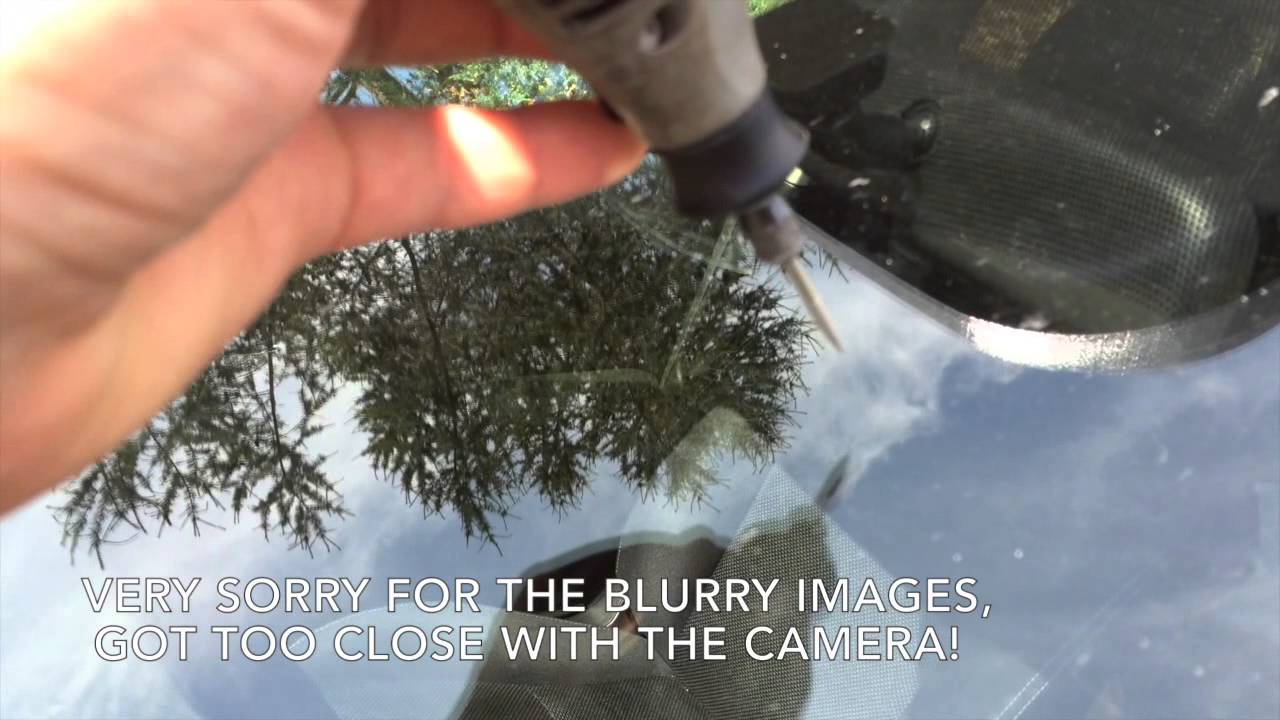
    How to Stop Windshield Chip from Spreading: Easy DIY Fixes

    Credit: www.youtube.com

    When To Seek Professional Help

    Knowing when to seek professional help is crucial to stop a windshield chip from spreading. Small cracks may seem easy to fix at home. Yet, some damages need expert care to avoid bigger problems. A timely visit to a specialist can save money and ensure your safety.

    Limitations Of Diy Fixes

    DIY kits work best for tiny chips and cracks. They may not seal the damage fully. This leaves the glass weak and prone to spreading. Poor repairs can cause bubbles or cloudiness. Tools at home cannot match professional-grade equipment. Some cracks hide deeper damage that is hard to see. Wrong fixes may also reduce the windshield’s strength. This can be dangerous in an accident.

    Signs You Need Expert Repair

    Large chips or long cracks need expert attention. Damage near the edges of the glass is risky. Cracks that are spreading quickly require immediate repair. Visibility issues caused by damage call for a professional. Multiple cracks or shattered glass always need expert help. Professionals can assess and fix hidden damage. They use special resins that restore strength and clarity.

    Frequently Asked Questions

    How Can I Prevent A Windshield Chip From Spreading?

    To prevent spreading, apply clear tape over the chip immediately. Avoid extreme temperatures and drive carefully to reduce stress on the glass.

    Is Diy Windshield Chip Repair Effective?

    DIY kits can stop small chips from spreading temporarily. For best results, professional repair is recommended to ensure safety and durability.

    When Should I Repair A Windshield Chip?

    Repair chips as soon as possible, ideally within 24-48 hours. Early repair prevents cracks from worsening and avoids costly windshield replacement.

    Does Temperature Affect Windshield Chip Spreading?

    Yes, extreme heat or cold can cause chips to expand and spread. Park in shaded areas and avoid sudden temperature changes to protect your windshield.

    Conclusion

    Stopping a windshield chip from spreading takes quick action. Clean the area gently to remove dirt and moisture. Use clear tape or a windshield repair kit to cover the chip. Avoid extreme temperatures and rough roads as much as possible.

    Small chips can turn into big cracks if ignored. Taking care early saves money and keeps you safe. Keep an eye on the chip and repair it soon. Protect your windshield to avoid costly replacements later. Simple steps can make a big difference.
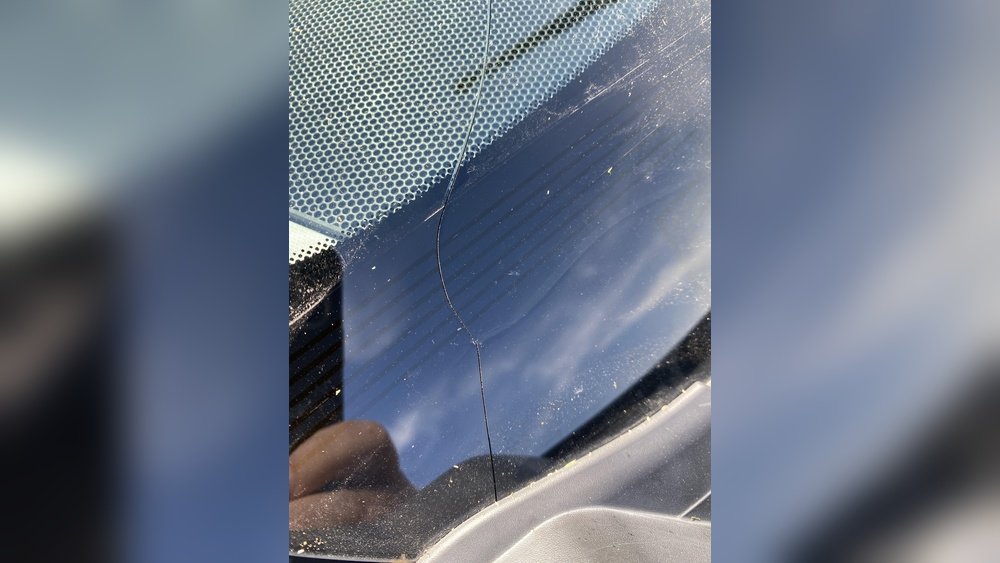
  • Why Windshield Cracks Without Impact: Shocking Causes Revealed

    Why Windshield Cracks Without Impact: Shocking Causes Revealed

    Have you ever noticed a crack suddenly appear on your windshield without any clear cause? It can be confusing and frustrating to see damage when you haven’t hit anything or been in an accident.

    But cracks don’t always need a direct impact to form. Understanding why your windshield can crack on its own helps you protect your car better and avoid costly repairs. Keep reading to discover the surprising reasons behind these mysterious cracks and learn how to prevent them from ruining your view.

    Common Causes Of Non-impact Cracks

    Windshields can crack without any hit or impact. These cracks may seem strange but happen often. Understanding why these cracks form helps in preventing bigger damage. Several common causes lead to non-impact cracks.

    Temperature Fluctuations

    Glass expands and contracts with heat and cold. Fast changes in temperature create stress inside the windshield. For example, pouring hot water on frozen glass can cause cracks. This stress breaks the glass without any outside force.

    Manufacturing Defects

    Some windshields have tiny flaws from the factory. These defects weaken the glass structure. Over time, small cracks grow even without impact. Poor quality glass or errors during production cause these problems.

    Improper Installation

    Incorrect fitting puts uneven pressure on the windshield. This stress can cause cracks over time. Using wrong tools or not sealing the glass properly leads to weak spots. These weak spots often crack without hitting anything.

    Stress From Vehicle Frame

    The vehicle frame moves and flexes during driving. This movement puts strain on the windshield. If the frame is bent or damaged, it increases pressure on the glass. This stress causes cracks without any direct impact.

    Environmental Factors Affecting Windshields

    Windshields can crack without any direct hit. Many times, the environment causes these cracks. Understanding these factors helps protect your glass better. The weather and surroundings affect the windshield’s strength and durability.

    Sun Exposure And Uv Damage

    Sunlight heats the windshield all day. The glass expands from heat and shrinks when cool. This constant change creates tiny stress points. Over time, these stress points turn into cracks. UV rays also weaken the glass and sealant. This damage makes the windshield brittle and prone to cracking.

    Road Debris And Dust

    Small stones and dust hit the windshield often. These tiny impacts cause small chips or scratches. Dust can settle in these spots and weaken the glass further. Over time, these minor damages grow into larger cracks. Dust and dirt also wear down the protective layer, reducing the glass’s strength.

    Extreme Weather Conditions

    Hot summers and cold winters stress the windshield. Sudden temperature changes cause the glass to expand and contract quickly. This rapid change creates pressure inside the glass. Ice forming on the glass can cause cracks as it expands. Storms with strong winds can also push debris harder against the windshield.

    How Internal Stress Leads To Cracks

    Internal stress inside a windshield can cause cracks without any direct hit. This stress builds up over time and weakens the glass. Understanding how this happens helps explain why cracks appear suddenly.

    Glass Expansion And Contraction

    Glass changes size with temperature. It expands when hot and shrinks when cold. This constant change creates stress inside the windshield. Over time, the repeated expansion and contraction cause tiny cracks to grow. These cracks can spread without any outside force.

    Structural Weaknesses

    Manufacturing flaws or previous damage can weaken glass. These weak spots hold more stress than the rest of the windshield. Internal pressure targets these areas first. Cracks start at the weak points and slowly move outward. The glass breaks without any impact.

    Impact Of Vibrations

    Driving causes constant vibrations in the car. These vibrations shake the windshield in small ways. Over time, they add to the internal stress. The shaking worsens tiny cracks or weak spots. This can lead to cracks forming without a hit.

    Why Windshield Cracks Without Impact: Shocking Causes Revealed

    Credit: delawareautoglass.com

    Preventing Windshield Cracks

    Preventing windshield cracks starts with care and attention. Small cracks can grow fast, leading to costly repairs or replacements. Taking steps to protect your windshield helps keep it strong and clear for a long time.

    Proper Installation Techniques

    Windshields need correct fitting to avoid stress cracks. A skilled technician uses the right tools and materials. They ensure the glass sits evenly without pressure points. Proper sealing keeps water and air from causing damage. Avoid cheap or quick fixes that risk poor installation.

    Regular Maintenance Tips

    Clean your windshield gently with soft cloths and mild cleaners. Avoid harsh chemicals that weaken the glass. Check for small chips or cracks often. Repair tiny damage immediately before it spreads. Inspect rubber seals and replace them if cracked or loose.

    Protective Measures Against Weather

    Extreme heat or cold can make glass crack. Park in shaded spots to reduce sun damage. Use a windshield cover during winter to block ice and frost. Avoid sudden temperature changes, like pouring hot water on frozen glass. Drive carefully to prevent stress from road bumps.

    When To Repair Or Replace Your Windshield

    Knowing when to repair or replace your windshield saves time and money. Cracks can start small but grow fast. Acting early stops bigger problems. Safety matters most. A damaged windshield can break easily or block your view. Understanding your options helps you decide the best choice.

    Assessing Crack Severity

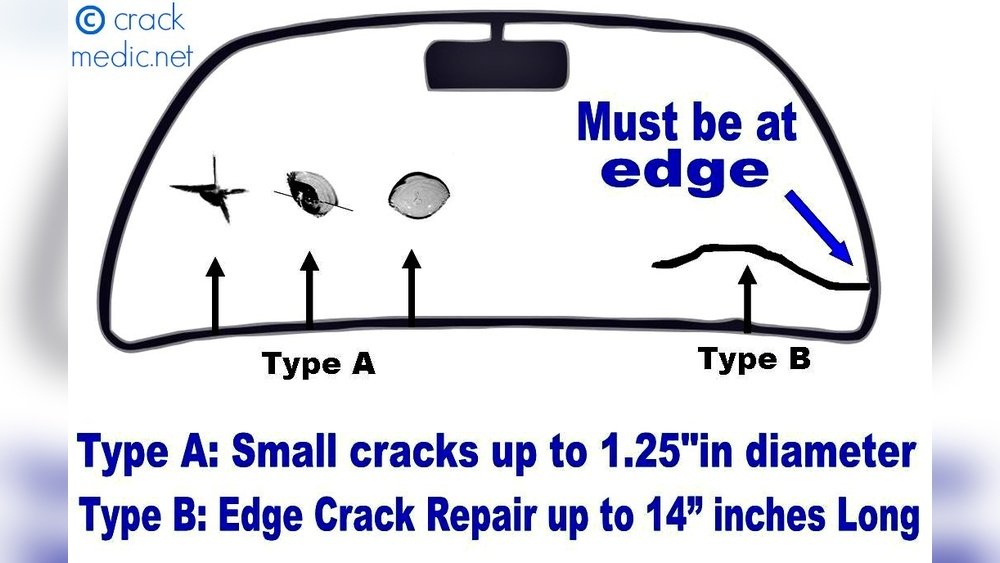
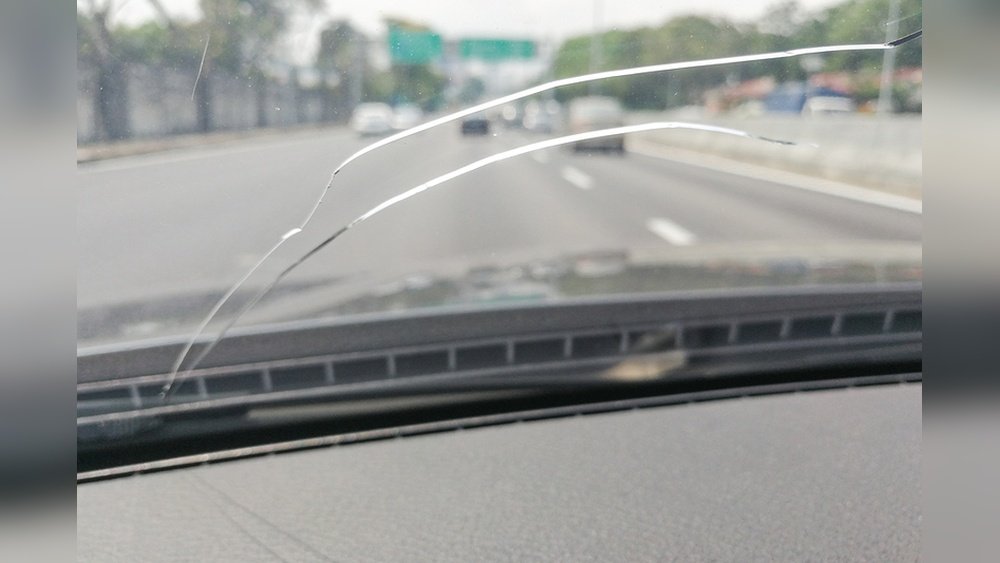
    Check the crack size and location first. Small chips under six inches usually need repair. Cracks longer than a dollar bill often require replacement. Cracks near the edges weaken the glass more. Deep cracks that reach multiple layers call for full replacement. Look for spiderweb patterns or cracks that spread fast.

    Cost Implications

    Repairing costs less than replacing. Repairs often cost under $100, depending on damage. Replacement can cost several hundred dollars or more. Insurance may cover repair but not always replacement. Fixing early prevents the crack from growing. A small repair is cheaper and faster than a full replacement.

    Safety Considerations

    A cracked windshield can shatter on impact. It may fail to protect during an accident. Cracks can block your view and cause accidents. Some cracks weaken the structure supporting airbags. Driving with a damaged windshield risks your safety and others. Repair or replace before it becomes a hazard.

    Why Windshield Cracks Without Impact: Shocking Causes Revealed

    Credit: www.reddit.com

    Why Windshield Cracks Without Impact: Shocking Causes Revealed

    Credit: www.reddit.com

    Frequently Asked Questions

    Why Does My Windshield Crack Without Any Impact?

    Windshields can crack due to temperature changes, manufacturing defects, or stress buildup. These factors cause glass expansion and contraction, leading to cracks without physical impact.

    Can Extreme Heat Cause Windshield Cracks?

    Yes, intense heat causes the glass to expand rapidly. Uneven heating creates stress points, which can result in cracks, especially in older or damaged windshields.

    How Do Temperature Fluctuations Affect Windshield Integrity?

    Rapid temperature changes cause glass to expand and contract. Repeated cycles create stress, weakening the windshield and causing cracks to form without any direct impact.

    Are Manufacturing Defects Responsible For Spontaneous Windshield Cracks?

    Sometimes, yes. Flaws like impurities, uneven thickness, or improper lamination can weaken the glass. These defects make the windshield prone to cracking spontaneously.

    Conclusion

    Windshield cracks can appear without any hit or impact. Changes in temperature, stress, or tiny flaws can cause cracks. These cracks may start small but grow fast. Ignoring them can lead to bigger problems and safety risks. Regularly check your windshield for any signs of damage.

    Early action can save money and keep you safe. Understanding why cracks happen helps you protect your car better. Stay alert and handle windshield issues quickly. Your safety on the road depends on it.

  • How Much Does Side Window Glass Replacement Cost: Ultimate Guide 2025

    How Much Does Side Window Glass Replacement Cost: Ultimate Guide 2025

    Have you ever noticed a crack or chip on your car’s side window and wondered how much it would cost to fix? You might be surprised to learn that the price can vary widely depending on several factors.

    Understanding these costs upfront can help you avoid unexpected expenses and make the best decision for your vehicle. You’ll discover everything you need to know about side window glass replacement costs, so you can protect your car and your wallet.

    Keep reading to find out what influences the price and how to get the best value for your repair.

    How Much Does Side Window Glass Replacement Cost: Ultimate Guide 2025

    Credit: www.glassfixitauto.com

    Factors Influencing Replacement Costs

    Several factors affect the cost of side window glass replacement. Knowing these can help you understand the price better. The type of vehicle, the quality of glass, labor costs, and location all play key roles.

    Type Of Vehicle

    The make and model of your vehicle impact the replacement cost. Luxury cars often require expensive glass parts. Older or rare vehicles might need custom glass, raising the price. Standard cars usually have more affordable options.

    Glass Quality And Brand

    Glass quality varies from basic to premium. OEM (Original Equipment Manufacturer) glass costs more than aftermarket glass. Premium brands offer better durability and clarity. Cheaper glass might save money but may not last long.

    Labor Charges

    Labor fees depend on the complexity of the job. Replacing a side window can take from one to two hours. Skilled technicians charge higher rates but ensure quality work. Some shops include labor in the total price, others charge separately.

    Location Variations

    Prices differ between cities and regions. Urban areas often have higher costs due to overheads. Rural locations might charge less but may lack quick service. Local demand and competition also affect prices.

    How Much Does Side Window Glass Replacement Cost: Ultimate Guide 2025

    Credit: www.autozone.com

    Average Price Range

    Replacing a side window glass varies in cost. It depends on the type of car and the glass quality. Knowing the average price range helps plan your budget. Prices change based on car models and labor fees.

    Economy Cars

    Side window glass for economy cars is usually the cheapest. Prices often range from $100 to $200. These cars use standard glass, which is easy to replace. Labor costs are also lower for economy models.

    Mid-range Vehicles

    Mid-range vehicles have a higher price for side window replacement. Expect to pay between $200 and $400. These cars may need stronger or tinted glass. Labor fees can increase the total cost as well.

    Luxury And Exotic Cars

    Luxury and exotic cars have the highest replacement costs. Prices can go from $400 to over $1,000. Special glass types and designs raise the price. Skilled labor and extra care add to the expense.

    Diy Vs Professional Replacement

    Deciding between fixing your side window glass yourself or hiring a professional is important. Both options have pros and cons. Understanding these can help you choose the best method for your situation.

    Risks Of Diy Replacement

    Replacing side window glass yourself can save money. But it also comes with risks. Handling glass is dangerous and can cause cuts. Incorrect installation may lead to leaks or noise. You might damage the window frame or car paint. Mistakes can cost more to fix later. Lack of proper tools can make the job harder. Safety is a big concern during DIY replacement.

    Benefits Of Professional Service

    Professionals have the right tools and experience. They replace glass quickly and safely. Quality installation reduces the chance of leaks and damage. Most services offer warranties for their work. Professionals can clean up broken glass properly. They ensure the window fits perfectly. Choosing a pro saves time and stress. Your car stays protected with expert care.

    Cost Comparison

    DIY replacement costs less upfront. You only pay for glass and tools. But hidden costs may appear if mistakes happen. Professional service is more expensive at first. Prices include labor, tools, and disposal. Warranties add extra value to professional jobs. The cost varies by car make and model. Consider long-term savings with professional repair. Avoiding errors can save money and hassle.

    Insurance Coverage And Claims

    Understanding insurance coverage can help reduce side window glass replacement costs. Insurance policies vary, but many offer some form of protection. Knowing what your policy covers helps you plan your expenses better.

    What Insurance Typically Covers

    Most auto insurance policies cover glass damage under comprehensive coverage. This includes cracks, chips, and full window replacement. Some policies offer full glass coverage without affecting your premium.

    Coverage often depends on the cause of damage. Vandalism, accidents, and natural events usually qualify. Damage from wear and tear or neglect is typically not covered.

    Filing A Claim Process

    Start by contacting your insurance provider soon after the damage occurs. Provide details like the date, cause, and photos of the damage. Your insurer will guide you through the next steps.

    Many companies work with approved glass repair shops. They may recommend or require using these shops for the replacement. This can speed up your claim and repair process.

    Deductibles And Out-of-pocket Expenses

    Most policies include a deductible you must pay before insurance covers the rest. Deductible amounts vary, often between $100 and $500. Choosing a higher deductible lowers your premium but raises your out-of-pocket cost.

    Some insurers waive the deductible for glass repairs, not replacements. Check your policy details for such benefits. Knowing your deductible upfront helps avoid surprise costs.

    Tips To Save On Side Window Replacement

    Saving money on side window glass replacement is possible with smart choices. Simple tips can reduce costs without lowering quality. Small steps matter when planning repairs.

    Choosing The Right Service Provider

    Pick a repair shop with good reviews and fair prices. Local shops often charge less than big dealerships. Ask for quotes from multiple places. Check if they offer warranties on their work.

    Using Oem Vs Aftermarket Glass

    OEM glass is made by your car’s maker and fits perfectly. Aftermarket glass is cheaper but may vary in quality. Choose aftermarket glass to save money but ensure it meets safety standards. Ask the shop about the glass type before repair.

    Timing And Scheduling Repairs

    Repair your window soon after damage to avoid extra costs. Waiting can cause more damage and higher bills. Schedule repairs during weekdays or off-peak hours for better deals. Some shops offer discounts in slow seasons.

    Signs You Need A Side Window Replacement

    Side window glass can get damaged over time. Noticing the signs early helps avoid bigger problems. Replacing the glass on time keeps your car safe and looking good. Here are key signs that show you need a side window replacement.

    Visible Cracks And Chips

    Cracks and chips on the glass are clear signs of damage. Even small cracks can grow larger quickly. Sunlight and temperature changes make cracks spread. Chips can weaken the glass, making it unsafe to use. Replacing the glass stops damage from getting worse.

    Window Function Issues

    If your window moves slowly or gets stuck, it may need replacement. Problems with rolling up or down show the glass or mechanism has issues. Strange noises during window operation also signal trouble. A window that does not close properly lets in wind and rain. Fixing or replacing the glass solves these problems.

    Safety Concerns

    Damaged side windows reduce your protection in accidents. Broken or weak glass cannot shield you from outside dangers. It also lowers the car’s security against theft. Sharp edges on cracked glass can cause injuries. Changing the glass restores safety and prevents harm.

    How Much Does Side Window Glass Replacement Cost: Ultimate Guide 2025

    Credit: www.reddit.com

    Frequently Asked Questions

    How Much Does Side Window Glass Replacement Cost?

    Side window glass replacement typically costs between $150 and $400. Prices vary based on car model, glass type, and labor fees. Luxury vehicles or specialty glass may increase costs. Always get a detailed quote from a trusted auto shop before proceeding.

    What Factors Affect Side Window Glass Replacement Price?

    Prices depend on glass quality, vehicle make, and labor charges. OEM glass costs more than aftermarket options. Additional repairs or calibration of sensors may raise the total cost. Location and service center reputation also influence pricing.

    Can Insurance Cover Side Window Glass Replacement?

    Many insurance policies cover side window glass replacement under comprehensive coverage. Deductibles and coverage limits vary by policy. Check with your insurance provider to understand your benefits and whether repair costs exceed your deductible.

    How Long Does Side Window Glass Replacement Take?

    Replacement usually takes 1 to 2 hours. Time varies depending on vehicle complexity and technician experience. Some shops offer same-day service, while others may require scheduling in advance. Quick replacement minimizes exposure to weather and theft.

    Conclusion

    Side window glass replacement costs vary by car type and damage. Expect to pay between $100 and $400 on average. Choosing a reliable service ensures safety and quality. Don’t delay repairs to avoid bigger problems later. Knowing the price helps you plan your budget better.

    Protect your vehicle and drive with confidence. Simple steps can save time and money. Stay informed and make smart choices for your car.

  • Can Windshield Chip Be Repaired Permanently: Expert Solutions Explained

    Can Windshield Chip Be Repaired Permanently: Expert Solutions Explained

    Have you ever noticed a tiny chip on your windshield and wondered if it could just stay fixed forever? You might think it’s just a small crack, but left untreated, it can quickly turn into a bigger, more expensive problem.

    What if you could stop that damage in its tracks and keep your windshield strong without the need for a full replacement? You’ll discover whether a windshield chip can really be repaired permanently and what you need to know to protect your car—and your wallet.

    Keep reading to find out how to handle those chips the right way before they get out of control.

    Can Windshield Chip Be Repaired Permanently: Expert Solutions Explained

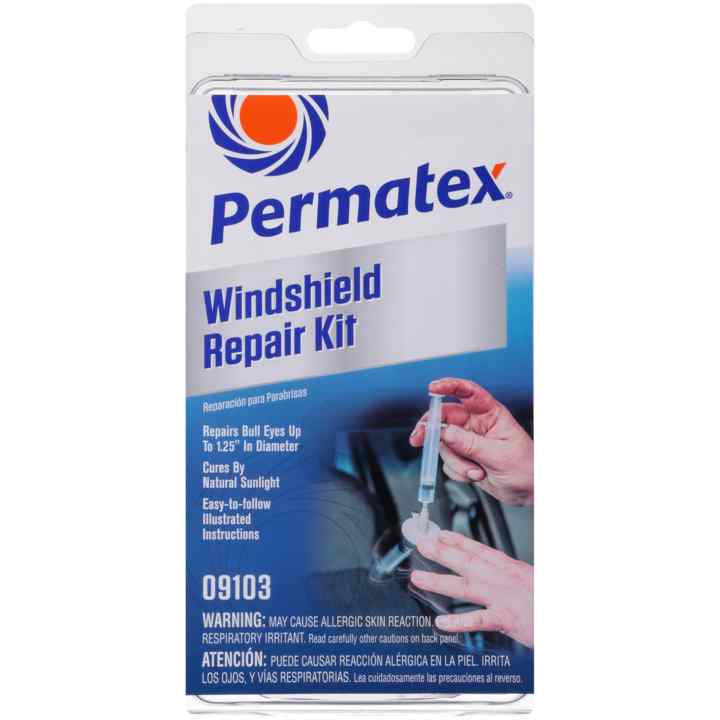
    Credit: www.permatex.com

    Causes Of Windshield Chips

    Windshield chips happen fast and often without warning. Tiny stones, debris, or sudden impacts can cause small damages. Understanding what causes these chips helps in preventing further harm.

    Knowing the causes also guides whether a chip can be repaired permanently. Some damages stay small and easy to fix. Others grow and need full windshield replacement.

    Common Sources Of Damage

    Small rocks and gravel on roads hit windshields at high speed. These hits cause tiny chips or cracks. Weather changes, such as heat or cold, can make glass weak. Sudden temperature shifts make chips spread faster. Poor road conditions and careless driving increase risks. Even hail or tree branches can leave marks on your glass.

    Types Of Chips And Cracks

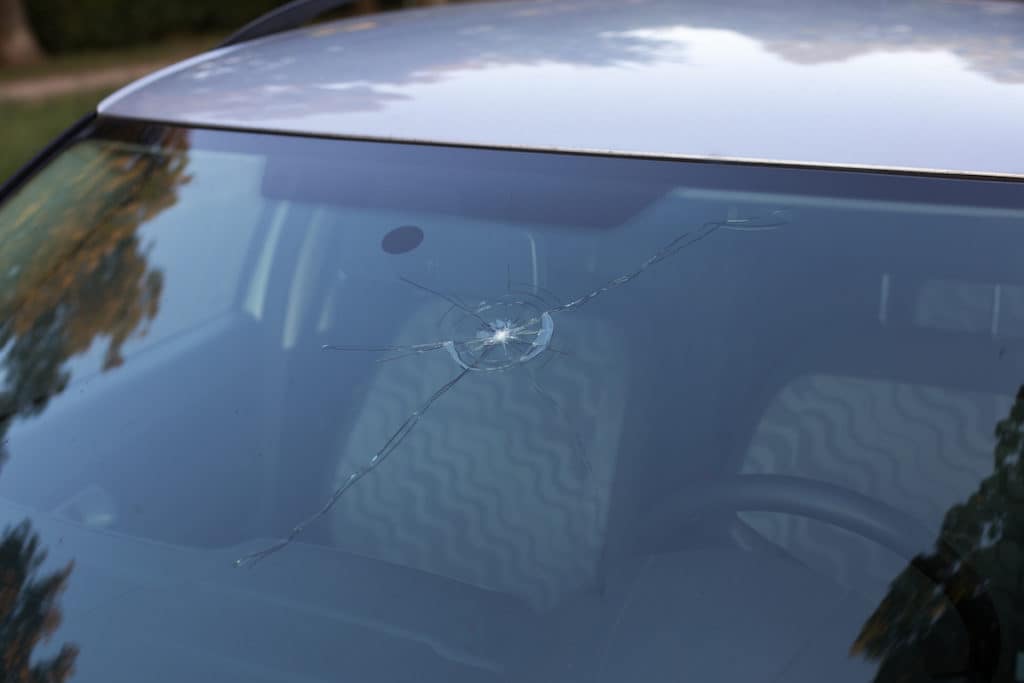
    Not all chips look the same. Star breaks have lines that spread out like a star. Bullseye chips look like a circle with a dark center. Crack types include long cracks or tiny hairline cracks. The size and shape affect the repair options. Small chips often heal well if fixed early. Big cracks usually need full glass replacement to stay safe.

    Can Windshield Chip Be Repaired Permanently: Expert Solutions Explained

    Credit: www.permatex.com

    When Repair Is Possible

    Knowing when a windshield chip can be repaired is important. Not every chip can be fixed permanently. Some chips need full windshield replacement. Understanding the limits helps save money and time.

    Experts check the chip size and its location on the glass. The damage type also matters. Small chips in the right spots often get repaired well. Large or deep cracks usually do not heal fully.

    Size And Location Limits

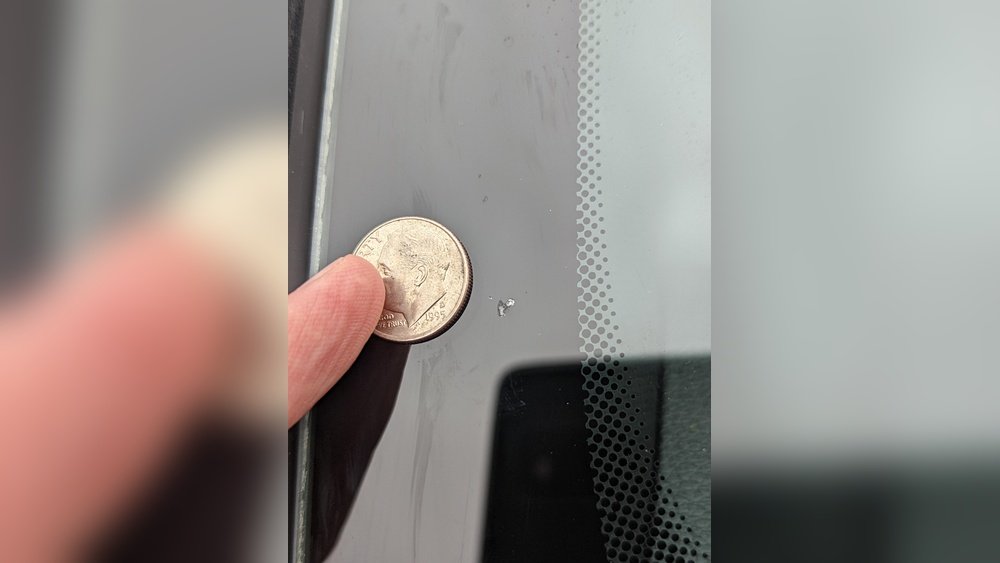
    Most repair shops fix chips smaller than a quarter. Chips larger than this need replacement. The chip must not be too close to the edges. Edge cracks can spread easily and weaken the glass. Chips in the driver’s line of sight may also be risky to repair. Clear visibility is crucial for safety.

    Assessing The Damage

    Technicians use special tools to inspect the chip. They check for cracks spreading under the surface. The depth of the chip matters too. Surface chips are easier to fix. Deep chips that reach inner layers are harder. Clean chips without dirt or moisture heal better. Damage that is old or contaminated may not bond well with repair resin.

    Repair Techniques

    Windshield chips need proper repair methods for lasting results. The right technique stops cracks from spreading. It restores strength and visibility. Two main repair methods are used today. Each plays a key role in fixing chips effectively.

    Resin Injection Method

    This method fills the chip with a special resin. The resin seeps deep into the crack. It bonds with the glass to stop further damage. The process removes air pockets inside the chip. This makes the repaired area stronger and clearer. The resin matches the glass closely. It helps keep your windshield safe and smooth.

    Uv Curing Process

    After resin injection, UV light hardens the resin. The light cures the resin quickly and evenly. It turns the resin solid and durable. This step locks the repair in place permanently. UV curing also improves clarity at the chip site. The result is a nearly invisible repair. This process ensures the chip does not grow back.

    Can Windshield Chip Be Repaired Permanently: Expert Solutions Explained

    Credit: www.amazon.com

    Factors Affecting Repair Longevity

    Several factors influence how long a windshield chip repair lasts. Understanding these factors helps set the right expectations. Some repairs may hold up well, while others might need follow-up work.

    Each element plays a role in the strength and durability of the repair. The right approach ensures the chip stays sealed and clear for a long time.

    Quality Of Materials Used

    The resin quality directly affects the repair’s strength. High-grade resin fills chips better and bonds firmly. Cheap materials may crack or yellow quickly. Using good materials prevents the chip from spreading. It also keeps the glass clear and safe.

    Skill Of The Technician

    A skilled technician can remove air bubbles from the chip. They control the resin flow and curing process precisely. Poor technique leaves gaps or weak spots. Proper repair restores the glass strength almost like new. Experience matters a lot in achieving lasting results.

    Environmental Influences

    Extreme temperatures stress repaired glass over time. Hot sun or freezing cold can cause expansion and contraction. Road debris or vibrations may worsen weak repairs. Parking in shade and avoiding rough roads help. Environmental care supports the repair’s longevity.

    Signs Repair Is Not Enough

    Not all windshield chips can be fixed with a simple repair. Some signs show that repair might not be enough to restore the glass safely. Recognizing these signs helps decide if a full replacement is needed instead.

    Spread Of Cracks

    Cracks that grow longer or wider indicate a bigger problem. Small chips can turn into large cracks quickly. Temperature changes, road bumps, or even vibrations can cause cracks to spread. Repairing a chip will not stop spreading cracks. The glass becomes weaker and more likely to break.

    Compromised Structural Integrity

    The windshield supports the vehicle’s structure. Deep chips or cracks can weaken this support. If damage is near the edges, the glass may lose strength. A weak windshield may fail during an accident. Repair may not restore full strength. Replacement ensures the vehicle stays safe and strong.

    Professional Vs Diy Repairs

    Deciding between professional and DIY windshield chip repairs affects the result and safety. Both options aim to fix the chip, but the quality and durability vary greatly. Understanding the benefits and risks of each method helps choose the best path for a lasting repair.

    Advantages Of Expert Services

    Professionals use specialized tools for precise repairs. Their experience ensures chips are filled fully and sealed correctly. Experts inspect the damage to check for cracks that can worsen. They apply resins that match the windshield’s strength and clarity. Repairs by pros often come with warranties for peace of mind. Quick and clean work reduces the chance of future problems. Professionals also handle insurance claims, saving time and hassle.

    Risks Of Diy Attempts

    DIY kits may not fill the chip completely. Poor repair can cause the chip to spread into cracks. Kits often lack the pressure tools needed for proper resin flow. Mistakes can leave bubbles or dirt trapped inside the repair. Incorrect application weakens the windshield’s strength. Without experience, it is hard to judge if the damage needs replacement. DIY repairs might not hold up in extreme weather or impacts.

    Maintenance After Repair

    After a windshield chip repair, proper care is important. Maintenance helps keep the repair strong and the glass clear. Small efforts can stop new damage and keep your windshield safe.

    Cleaning Tips

    Use a soft cloth to clean the windshield gently. Avoid harsh chemicals or strong cleaners. Mild soap and water work best for cleaning. Dry with a clean, soft towel to prevent scratches. Clean the glass regularly to keep visibility clear.

    Avoiding Further Damage

    Drive carefully on rough roads to reduce stress on the windshield. Avoid sudden temperature changes like hot water on cold glass. Park in shaded areas to protect the glass from heat. Check the repair often for any new cracks or chips. Early action can prevent bigger damage later.

    Cost Considerations

    Cost plays a big role in deciding whether to repair or replace a windshield chip. Understanding the costs helps you make a smart choice. Some factors affect the price, like chip size and location. Knowing these costs saves you money and stress.

    Repair Vs Replacement Expenses

    Repairing a windshield chip usually costs less than replacing the entire glass. Small chips or cracks often cost under $100 to fix. Replacing a windshield can cost several hundred dollars or more. Repairs take less time, which also lowers labor costs. The price depends on damage size and type.

    Insurance Coverage

    Many insurance plans cover windshield repairs with little or no cost to you. Coverage for replacement may require a deductible. Repairing a chip early can keep your insurance costs down. Always check your policy to understand what is covered. Some plans prefer repair over replacement to save money.

    Frequently Asked Questions

    Can A Windshield Chip Be Repaired Permanently?

    Yes, many windshield chips can be repaired permanently using resin injection. This process restores strength and clarity, preventing cracks from spreading. However, large or deep chips may require windshield replacement for lasting safety.

    How Long Does Windshield Chip Repair Last?

    Windshield chip repairs typically last for years when done promptly by professionals. Proper repair prevents chip expansion and maintains structural integrity. Timely fixes increase durability and reduce the chance of further damage.

    When Should I Replace Instead Of Repair My Windshield?

    Replace your windshield if chips are larger than a quarter or near edges. Deep cracks or extensive damage compromise safety and cannot be reliably repaired. Professional assessment helps decide between repair and replacement.

    Does Windshield Chip Repair Affect Visibility?

    Properly done repairs are nearly invisible and do not affect visibility. Resin fills the chip and restores glass clarity. Poor repairs may leave slight marks, but professional work ensures clear vision.

    Conclusion

    Windshield chips can often be fixed to last a long time. Small chips heal better than large cracks. Quick repair stops damage from growing. Proper care keeps your windshield clear and safe. Still, some chips need full glass replacement. Regularly check your windshield for any new damage.

    Acting fast saves money and stress later. Trust certified experts to handle the repair right. Your windshield’s strength matters for safe driving. Keep it strong, keep yourself safe on the road.

  • Is Windshield Chip Dangerous: Hidden Risks You Must Know

    Is Windshield Chip Dangerous: Hidden Risks You Must Know

    Have you ever noticed a small chip on your windshield and wondered, “Is this really a big deal?” You might think it’s just a minor flaw, but ignoring it could put you and your passengers at risk. That tiny crack can quickly turn into a dangerous problem, leading to costly repairs or even accidents.

    You’ll discover why windshield chips are more serious than they seem and what steps you should take to keep your car—and your safety—intact. Keep reading to protect yourself from a hazard that’s closer than you think.

    Causes Of Windshield Chips

    Windshield chips happen for many reasons. Small cracks or chips can grow into bigger problems fast. Understanding what causes these chips helps keep your windshield safe and clear.

    Common Sources Of Chips

    Many chips start from stones and small rocks. These often fly up from other cars on the road. Even a tiny chip can spread if not fixed soon. Driving close behind trucks or cars increases the risk.

    Sometimes, careless driving near construction zones causes chips. Loose gravel and sharp debris can hit your windshield. Slow driving in these areas can help reduce damage.

    Impact Of Road Debris

    Road debris is a major cause of windshield chips. Broken glass, metal pieces, and trash can strike your windshield. These hits may seem small but cause cracks inside the glass. Debris on highways moves fast and hits with force.

    Driving through areas with poor road maintenance can increase debris risks. Potholes and broken pavement often hide loose stones. Avoiding these spots protects your windshield.

    Weather-related Factors

    Weather changes also cause windshield chips. Hot sun can weaken glass over time. Cold weather makes glass brittle and easier to crack. Rapid temperature changes cause stress on the glass.

    Hailstorms create strong impacts that chip windshields. Ice and snow can hide debris that hits your glass. Regular inspection helps catch small chips caused by weather.

    Is Windshield Chip Dangerous: Hidden Risks You Must Know

    Credit: www.holmanhondacentennial.com

    Types Of Windshield Damage

    Windshield damage comes in various forms. Understanding the types helps you know the risk level. Some damage looks small but can cause big problems later. Knowing the difference can save time and money.

    Chips Vs Cracks

    Chips are small, round breaks on the glass surface. They often happen from stones hitting the windshield. Cracks are long lines that can stretch across the glass. Chips may seem harmless, but cracks are more serious.

    Severity Levels

    Damage severity depends on size, depth, and location. Small chips under a quarter are less risky. Large cracks over several inches are very dangerous. Damage near the driver’s view reduces safety the most.

    How Damage Spreads

    Windshield damage spreads over time. Temperature changes and bumps cause cracks to grow. Water and dirt can worsen the damage inside the glass. Quick repair stops small damage from becoming big.

    Risks Of Ignoring Chips

    Ignoring a chip in your windshield can cause serious problems. The damage may seem small but it can grow quickly. Small chips can turn into large cracks. This weakens your windshield and puts you at risk.

    Many drivers think a chip is harmless. This mistake can lead to safety risks and higher costs. Understanding the dangers helps you act fast and protect yourself.

    Compromised Structural Integrity

    The windshield supports your vehicle’s roof. A chip weakens this support. In a crash, a damaged windshield may fail. This increases the risk of injury. A strong windshield keeps you safe.

    Safety Hazards While Driving

    Chips can distort your view. They create glare and shadows. This distracts you while driving. Cracks can spread quickly from bumps or temperature changes. This sudden damage can cause accidents.

    Higher Repair Costs

    Fixing a small chip is cheaper than replacing a full windshield. Ignoring chips lets damage grow. Once cracks spread, repair may not be possible. Replacing the windshield costs much more money. Acting early saves money and hassle.

    Is Windshield Chip Dangerous: Hidden Risks You Must Know

    Credit: www.windshieldexperts.com

    When To Repair Or Replace

    Deciding whether to repair or replace a windshield chip depends on its size, location, and severity. Small chips might only need quick repairs. Larger or badly placed damage often requires full replacement. Understanding these factors helps protect your safety and save money.

    Assessing Damage Size And Location

    Small chips under the size of a quarter usually qualify for repair. Chips larger than this often need replacement. Location matters too. Chips in the driver’s direct view can cause dangerous vision problems. Damage near the edges weakens the glass structure. Both cases often require a full windshield replacement.

    Professional Repair Options

    Experts use special resin to fill small chips and cracks. This process stops the damage from spreading. Repairs are quick and cost-effective. It restores some strength and clarity to the glass. Always choose a certified technician for repairs. Poor repairs can lead to more damage.

    Replacement Indicators

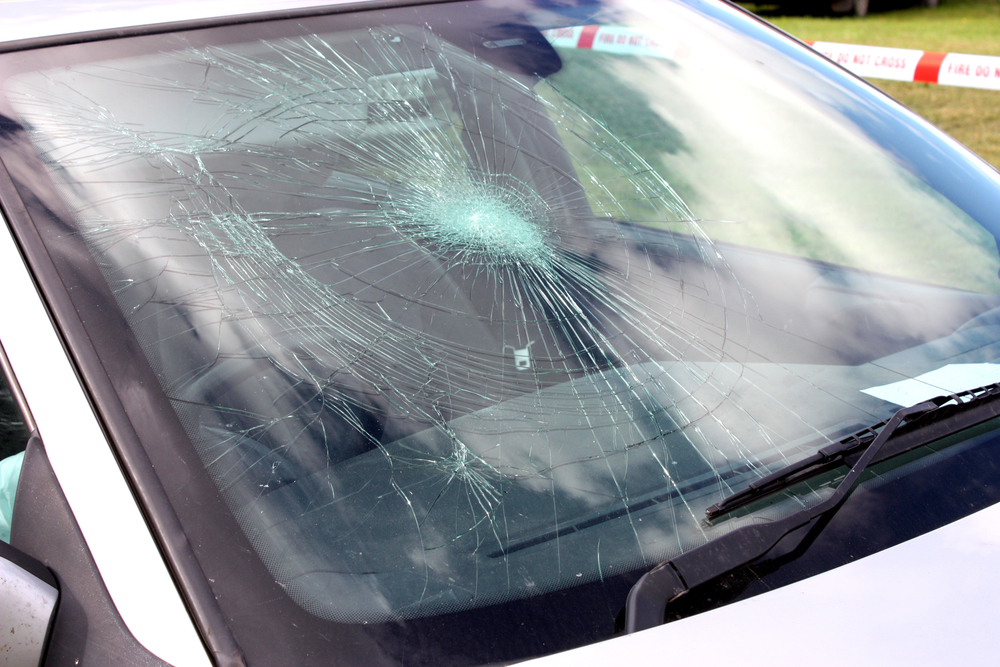
    Replace the windshield if cracks are longer than six inches. Multiple chips or cracks also mean replacement. Damage that affects windshield sensors or heating elements needs a new glass. If cracks block the driver’s view, replacement is safer. Replacement ensures full strength and clear vision.

    Preventing Windshield Damage

    Preventing windshield damage is important to keep your car safe and clear. Small chips can turn into big cracks if ignored. Taking steps to protect your windshield helps avoid costly repairs and dangerous driving conditions. Simple actions can make a big difference over time.

    Safe Driving Tips

    Drive carefully on rough roads to avoid flying stones. Keep a safe distance from large trucks. They can throw debris that hits your windshield. Avoid sudden stops and sharp turns to reduce stress on the glass. Slow down near construction zones or gravel roads.

    Protective Films And Coatings

    Apply a clear protective film on your windshield. It adds a layer of defense against chips and scratches. Some coatings help repel water and dirt too. These treatments keep your windshield cleaner and stronger. They cost less than windshield replacements.

    Regular Inspections

    Check your windshield often for small chips or cracks. Early detection helps stop damage from growing. Use a flashlight to spot tiny flaws. Visit a professional for thorough inspections at least twice a year. Quick repairs can save money and improve safety.

    Is Windshield Chip Dangerous: Hidden Risks You Must Know

    Credit: www.toyotaofbristol.com

    Frequently Asked Questions

    Can A Windshield Chip Turn Into A Crack?

    Yes, a chip can expand into a crack due to temperature changes or vibrations. Prompt repair prevents costly windshield damage.

    Is Driving With A Windshield Chip Unsafe?

    Driving with a chip reduces windshield strength and visibility. It increases injury risk during accidents and should be repaired quickly.

    How Much Does It Cost To Fix A Windshield Chip?

    Repair costs range from $50 to $150 depending on chip size and location. Early repair is affordable and prevents expensive replacements.

    Can A Windshield Chip Affect Vehicle Inspection?

    Yes, many states fail vehicles with visible chips or cracks. Repairing chips ensures your vehicle passes safety inspections and avoids fines.

    Conclusion

    A windshield chip might seem small but can cause big problems. It can grow into a crack fast. Cracks reduce your view and make driving unsafe. Fixing chips early saves money and stress. Ignoring them risks costly windshield replacements. Stay safe by checking your windshield often.

    Repair chips as soon as possible. Keep your car’s glass strong and clear. Don’t wait until the damage spreads. Protect yourself and others on the road. A little care goes a long way.

  • What Causes Side Window Glass Break: Top Reasons Revealed

    What Causes Side Window Glass Break: Top Reasons Revealed

    Have you ever wondered why your car’s side window glass suddenly shatters? It can happen when you least expect it, leaving you confused and frustrated.

    Understanding what causes side window glass to break can help you protect your vehicle and avoid costly repairs. You’ll discover the common reasons behind those unexpected cracks and breaks, so you can stay one step ahead. Keep reading to learn how to keep your windows safe and what to do if the worst happens.

    What Causes Side Window Glass Break: Top Reasons Revealed

    Credit: ramautoglass.ca

    Common Causes Of Side Window Glass Breakage

    Side window glass breaks more often than many expect. Understanding common causes helps prevent damage and costly repairs. Many factors can lead to cracks or shattering. Some happen fast, others over time.

    Knowing these causes helps drivers protect their vehicles better. It also guides quick action after damage occurs. Below are typical reasons side window glass breaks.

    Impact From Road Debris

    Small rocks and debris fly from other vehicles. They hit side windows with strong force. Even tiny stones can cause chips or cracks. Over time, these cracks can grow and break the glass.

    Driving on gravel roads or behind trucks raises this risk. Slower speeds reduce damage but do not prevent it. Always stay alert to avoid flying debris.

    Vehicle Accidents

    Collisions cause direct damage to side windows. The glass may shatter from impact or pressure. Side swipes or crashes can break windows instantly. Even minor accidents can weaken the glass structure.

    Windows near the point of impact suffer the most damage. Repair or replacement is often necessary after an accident. Safety is the priority after any crash.

    Vandalism And Theft Attempts

    Side windows are common targets for vandals and thieves. Breaking glass allows quick entry into a vehicle. Thieves use tools or blunt objects to smash windows. Vandalism can happen anywhere, even in busy places.

    Installing security measures can reduce the risk. Always park in well-lit, secure areas to avoid damage.

    Extreme Weather Conditions

    Heat and cold stress side window glass. Sudden temperature changes cause the glass to expand or contract. This may lead to cracks or breaks over time. Hailstorms can also cause direct damage.

    Freezing weather can weaken glass, making it fragile. Protect windows by parking in covered areas when possible. Regular checks help spot damage early.

    What Causes Side Window Glass Break: Top Reasons Revealed

    Credit: www.obrien.com.au

    Material Defects And Manufacturing Issues

    Material defects and manufacturing issues often cause side window glass to break. These problems can make the glass weak or more likely to crack. Understanding these causes helps you protect your vehicle better.

    Weak Spots In Glass

    Glass can have tiny weak spots from the start. These spots form during the manufacturing process. Small air bubbles or impurities may get trapped inside. Such flaws reduce the glass strength. Pressure or impact can easily cause cracks near these weak spots. Even small hits can lead to big breaks later. Weak spots often go unnoticed until damage appears.

    Improper Installation

    Incorrect installation can stress the glass unevenly. If the glass is not placed right, pressure points form. These points may cause cracks over time. Using wrong tools or poor techniques also damages glass edges. Glass edges are sensitive and prone to breakage. Proper installation ensures the glass fits well and stays safe. Poor installation increases the chance of side window glass breakage.

    Thermal Stress And Temperature Changes

    Thermal stress and temperature changes often cause side window glass to break. Glass expands when heated and contracts when cooled. This constant change puts pressure on the glass. Over time, the stress can create cracks or even shatter the glass. Understanding how heat affects your car’s side windows can help prevent damage.

    Rapid Heating And Cooling

    Rapid changes in temperature stress the glass. For example, a cold window exposed suddenly to hot air can crack. The glass does not have time to adjust. This sudden change causes uneven expansion. Small cracks can grow quickly and break the window.

    Direct Sunlight Exposure

    Direct sunlight heats the glass unevenly. Some parts of the window get hotter than others. This difference causes the glass to expand at different rates. Over time, this creates weak points. These weak spots can lead to cracks or breaks in the glass.

    Mechanical Stress And Vibrations

    Mechanical stress and vibrations play a big role in breaking side window glass. These forces push and pull the glass, making it weak over time. Small cracks can grow without being noticed. Eventually, the glass may shatter with little impact.

    Cars face many types of mechanical stress during daily use. Stress comes from closing doors, bumps on the road, and even temperature changes. Vibrations from the engine and road also add pressure. Understanding these causes helps protect your car’s windows better.

    Door Slams And Physical Pressure

    Slamming a car door hard puts sudden force on the side window glass. The glass can flex slightly but not much. Repeated slamming creates small cracks or weak spots. These areas get weaker each time the door closes.

    Applying pressure near the window, like leaning or pushing, adds extra stress. Over time, this can cause the glass to chip or crack. Even a small chip can lead to bigger breaks later.

    Road-induced Vibrations

    Driving on rough roads causes constant vibrations in the car frame. The side window glass shakes with every bump and turn. This shaking creates tiny fractures inside the glass.

    Over months or years, these fractures grow. The glass becomes more likely to break from minor impacts. Smooth roads reduce this risk, but vibrations still affect the window glass.

    Preventive Measures To Protect Side Window Glass

    Protecting side window glass helps avoid costly repairs. Small steps can prevent cracks and breaks. Understanding simple preventive measures keeps your glass safe. These actions save time and money.

    Choosing Quality Glass

    Pick side window glass made with strong materials. Tempered or laminated glass resists impacts better. Quality glass reduces the chance of shattering. Always buy from trusted suppliers for best results.

    Regular Maintenance And Inspection

    Check your side windows often for small chips or cracks. Early repairs stop damage from getting worse. Clean windows gently to avoid scratches. Maintain seals and frames to keep glass stable.

    Safe Parking Practices

    Park in secure areas away from heavy traffic. Avoid spots near construction or places with falling debris. Choose shaded spots to protect glass from heat stress. These habits lower risks of accidental glass breaks.

    What Causes Side Window Glass Break: Top Reasons Revealed

    Credit: www.windshieldexperts.com

    Frequently Asked Questions

    What Are The Common Causes Of Side Window Glass Break?

    Side window glass often breaks due to impacts from road debris, accidents, or vandalism. Sudden temperature changes and manufacturing defects can also cause cracks or shattering.

    Can Temperature Changes Cause Side Window Glass To Break?

    Yes, rapid temperature shifts can cause stress in the glass, leading to cracks. Extreme heat or cold can expand or contract the glass unevenly, causing it to break.

    How Does Road Debris Damage Side Window Glass?

    Small rocks or debris hitting the window at high speed can chip or crack the glass. Over time, even minor damage can lead to full breakage.

    Are Side Window Glass Breaks Common In Accidents?

    Yes, side windows are vulnerable during collisions. Side impacts or rollovers often cause the glass to shatter due to the force applied.

    Conclusion

    Side window glass breaks for many reasons. Strong impacts, sudden temperature changes, or weak glass cause cracks. Small chips can grow into big breaks over time. Regular checks help spot damage early and keep windows safe. Fixing cracks quickly prevents more problems later.

    Knowing what causes breaks helps you protect your car better. Stay alert and handle any damage right away. This care keeps your windows strong and your ride safe.

  • Is Windshield Chip Illegal to Drive With? Essential Safety Facts

    Is Windshield Chip Illegal to Drive With? Essential Safety Facts

    Have you ever noticed a small chip on your windshield and wondered if it’s actually illegal to drive with it? That tiny crack might seem harmless, but it could put you at risk without you even realizing it.

    Knowing the truth about windshield chips and the laws around them can save you from costly fines or even dangerous accidents. Keep reading to find out what you need to watch for and how to stay safe—and legal—on the road.

    Legal Limits For Windshield Damage

    Understanding the legal limits for windshield damage is important for every driver. Laws exist to keep roads safe. These rules tell you when a chip or crack becomes a problem. Ignoring damage can lead to fines or unsafe driving conditions. Knowing the size and location rules helps you avoid trouble.

    Size And Location Restrictions

    Most states set size limits on windshield damage. Small chips or cracks may be allowed. Usually, damage bigger than a few inches is illegal. The exact size limit varies by state. Location matters too. Damage in the driver’s line of sight is often not allowed. This area must stay clear for safety. Other parts of the windshield may have different rules.

    State-by-state Variations

    Each state has its own laws about windshield damage. Some states are strict about any cracks or chips. Others allow minor damage if it does not block the driver. Penalties for breaking these laws vary. Some places fine drivers, while others require repair before driving. Checking local laws is important. This helps you know what is safe and legal on your roads.

    Safety Risks Of Driving With A Chip

    Driving with a chipped windshield is risky. Small damage can lead to big problems. It affects your safety on the road. Understanding these risks helps you decide what to do next.

    Visibility Impairment

    A chip on the windshield can block your view. It creates glare from sunlight or headlights. This glare can distract you while driving. Cracks can also distort what you see. Clear vision is critical for safe driving. Even a small chip can reduce your ability to see hazards.

    Structural Integrity Concerns

    The windshield supports the car’s structure. A chip weakens the glass and can spread into cracks. This damage lowers the strength of the windshield. In an accident, a damaged windshield may fail to protect you. It can even affect airbag deployment. Keeping the glass intact is essential for your safety.

    When To Repair Or Replace

    Knowing when to repair or replace a windshield chip is important for safety and legal reasons. Small damage might only need a quick fix. Larger damage can require a full replacement. Understanding the difference helps keep your view clear and your car legal to drive.

    Acting fast can prevent chips from turning into dangerous cracks. Your decision depends on the size, location, and depth of the damage.

    Minor Chips Vs. Cracks

    Minor chips are small, usually less than a quarter in size. They do not spread quickly and can often be repaired easily. Cracks are longer and grow over time. Even a small crack can spread due to heat or bumps on the road. Chips near the edge of the windshield often turn into cracks faster. Repairing chips is cheaper and faster than replacing the windshield.

    Timing For Repairs

    Repair chips as soon as possible. Waiting allows dirt and moisture to enter, making repairs harder. Fixing a chip early prevents cracks from forming. Most repair shops recommend repair within a few days of damage. If damage is ignored, replacement might be the only option later. Quick action saves money and keeps your car safe.

    Is Windshield Chip Illegal to Drive With? Essential Safety Facts

    Credit: www.novusglass.com

    Consequences Of Ignoring Damage

    Ignoring a windshield chip may seem harmless at first. Small cracks can quickly turn into bigger problems. The damage may reduce your visibility and increase the risk of accidents. There are also legal and financial risks. Driving with a damaged windshield can lead to serious consequences.

    Fines And Penalties

    Many states have laws about windshield damage. Driving with a chip or crack in your windshield can lead to fines. Law enforcement may stop you for unsafe vehicle conditions. The size and location of the chip affect the penalty. Some places require repair or replacement within a set time. Fines can increase if you ignore the problem. You might also face points on your license.

    Insurance Implications

    Insurance companies view windshield damage as a risk. Ignoring a chip can affect your coverage. Some policies may refuse to pay for further damage. Repair costs might rise if the chip spreads. Insurance claims can become complicated or denied. Timely repairs keep your insurance valid and costs down. A small chip fixed early saves money in the long run.

    Preventive Measures And Tips

    Preventing windshield chips from becoming a bigger problem helps keep you safe and legal. Small cracks or chips can quickly grow, making driving dangerous. Taking simple steps can stop damage and save money on repairs or replacements.

    Proper Maintenance

    Check your windshield often for small chips or cracks. Clean it gently with soft cloths and mild cleaners. Avoid harsh chemicals that can weaken the glass. Park your car in shaded or covered areas to protect the windshield from extreme heat and cold. Fix chips quickly before they spread. Use repair kits designed for windshield damage if you cannot visit a professional right away.

    Safe Driving Practices

    Keep a safe distance from other vehicles, especially trucks. Stones and debris can fly up and hit your windshield. Drive slower on gravel or dirt roads to reduce the chance of chips. Avoid sudden stops and sharp turns that can stress the glass. Be extra careful during bad weather, as rain or ice can hide cracks and chips. Regular driving habits protect your windshield and keep you safe on the road.

    Is Windshield Chip Illegal to Drive With? Essential Safety Facts

    Credit: www.youtube.com

    Is Windshield Chip Illegal to Drive With? Essential Safety Facts

    Credit: www.wolfchasehyundai.com

    Frequently Asked Questions

    Is It Illegal To Drive With A Windshield Chip?

    Driving with a small windshield chip is generally not illegal. However, if the chip obstructs the driver’s view, it can violate traffic laws. Always check local regulations, as rules vary by state or country. Repair or replace damaged windshields promptly for safety.

    When Does A Windshield Chip Become Illegal?

    A chip becomes illegal when it obstructs the driver’s clear view of the road. Large cracks or chips in the driver’s line of sight often violate vehicle safety laws. It’s best to fix chips early to avoid legal issues and ensure safe driving.

    Can I Get A Ticket For A Windshield Chip?

    Yes, you can be ticketed if the chip significantly blocks your view. Law enforcement may issue citations if the damage poses a safety risk. Repairing chips quickly helps prevent tickets and maintains windshield integrity.

    How Does A Windshield Chip Affect Driving Safety?

    Windshield chips can weaken glass integrity, risking cracks during driving. Chips obstructing vision increase accident risk. Timely repair is crucial to keep your windshield safe and maintain clear visibility while driving.

    Conclusion

    Driving with a windshield chip can be risky and sometimes illegal. Small chips may seem harmless but can grow quickly. Laws differ by state, so check local rules carefully. Fixing chips early helps keep your windshield strong and clear. It also avoids fines and keeps you safer on the road.

    Don’t ignore even minor damage. Taking action now saves trouble later. Stay safe and drive smart with a clear windshield.