Category: Windshield Problems

  • Can Tape Stop Windshield Chip: Effective Quick Fix or Myth?

    Can Tape Stop Windshield Chip: Effective Quick Fix or Myth?

    Have you ever noticed a small chip on your windshield and wondered if a simple piece of tape could stop it from getting worse? That tiny crack might seem harmless now, but if left untreated, it can quickly spread and lead to expensive repairs.

    You’re probably asking yourself, “Can tape really protect my windshield, or is it just a temporary fix? ” Keep reading, because understanding what tape can and can’t do might save you time, money, and a lot of frustration down the road.

    Let’s uncover the truth together.

    Can Tape Stop Windshield Chip: Effective Quick Fix or Myth?

    Credit: www.novusglass.com

    How Windshield Chips Form

    Windshield chips start small but can cause big problems. They form when the glass faces sudden stress or impact. Tiny cracks or chips can spread fast, weakening the windshield. Understanding how these chips form helps protect your vehicle better.

    Common Causes Of Chips

    Small stones and gravel hit the windshield while driving. This impact creates tiny chips or cracks. Sudden temperature changes also stress the glass, causing damage. Extreme heat or cold can make chips grow quickly. Road debris, like loose metal or sticks, can cause chips too.

    Types Of Windshield Damage

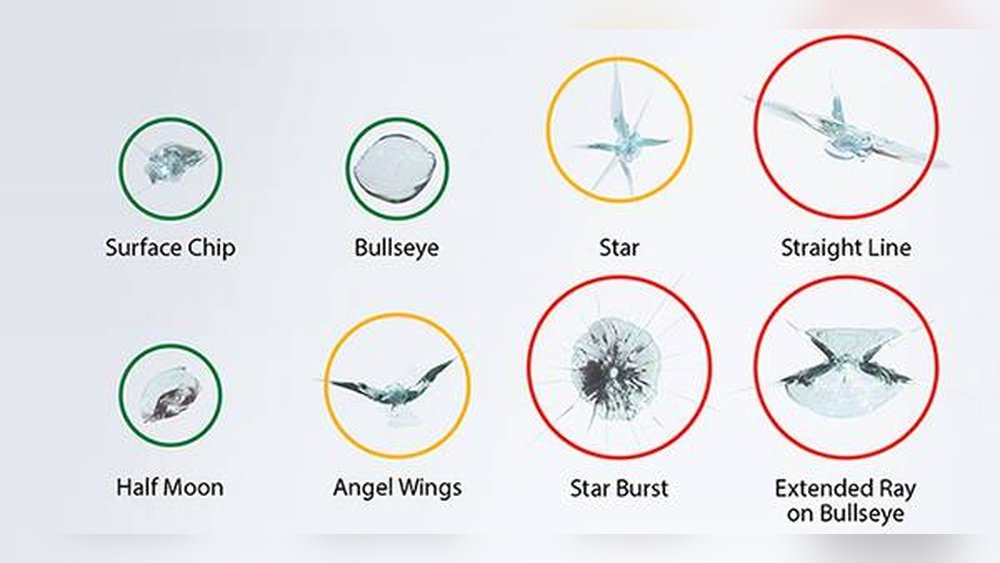
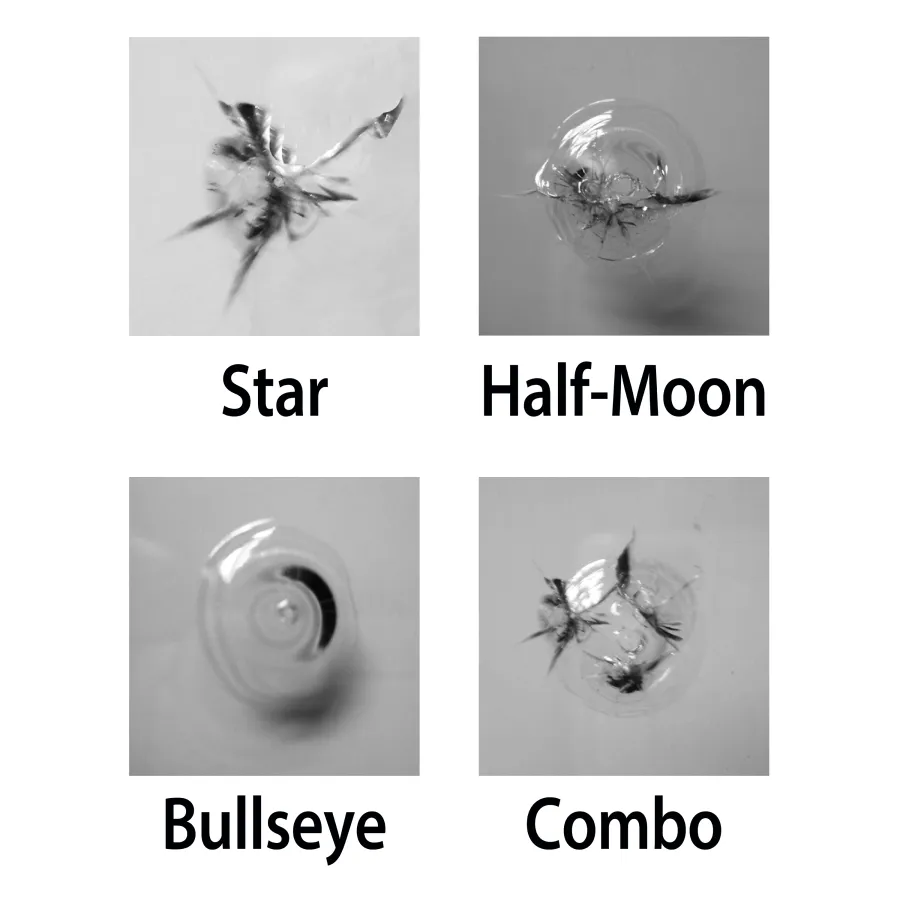
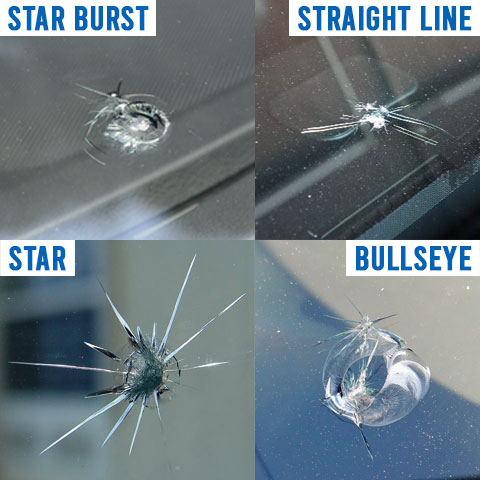
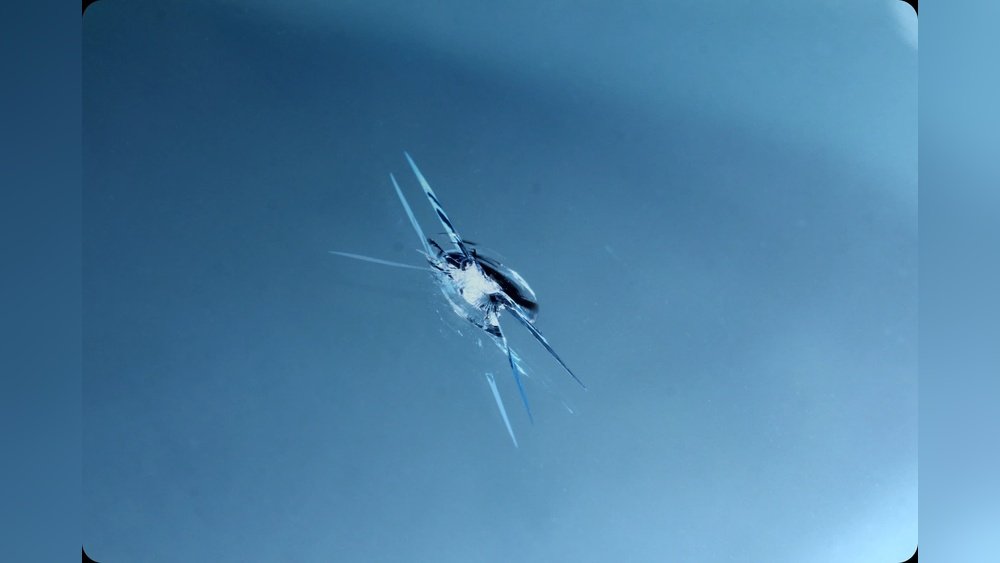
    Chips often appear as small, round marks on the glass. Cracks can be short or long lines spreading from the chip. Bullseye chips have a circle with a dark center. Star breaks look like a star with many cracks. Combination breaks mix different chip and crack types.

    Can Tape Stop Windshield Chip: Effective Quick Fix or Myth?

    Credit: www.novusglass.com

    Role Of Tape On Windshield Chips

    Tape can help protect windshield chips from getting worse. It stops dirt and moisture from entering the crack. This can slow down the damage. Tape also keeps the chip clean for repair later.

    Applying tape is a quick and easy step. It is not a fix but a temporary shield. Using the right tape is important for the best results.

    Types Of Tape Used

    Clear packing tape is the most common choice. It sticks well and does not block the view. Some people use scotch tape as a simple option. Specialized windshield repair tapes are also available. These tapes have stronger adhesive and better clarity.

    Avoid using duct tape or colored tapes. They can leave residue or block vision. Clear tapes are best for safety and effectiveness.

    Purpose Of Applying Tape

    The main goal is to keep dirt out of the chip. Dirt can make repairs harder or impossible. Tape also prevents water from seeping inside. Water can freeze and expand, causing more cracks.

    Tape holds the chip edges together. This reduces the risk of the chip spreading. It buys time until you can get a proper repair. Tape keeps the windshield safer during daily drives.

    Effectiveness Of Tape As A Quick Fix

    Tape can act as a quick fix for a windshield chip. It is a simple and easy method that many drivers try. Using tape helps keep dirt and moisture out of the chip. This can slow down the damage until proper repair is done. Tape is not a permanent solution, but it can help in the short term.

    Temporary Protection Benefits

    Tape covers the chip and stops dust from entering the crack. It also keeps water from seeping inside the glass. This helps prevent the chip from growing larger. Tape can protect the windshield during rain or car washes. It is easy to apply and remove. This makes tape a handy option for quick protection.

    Limitations And Risks

    Tape does not fix the chip or stop it fully. The adhesive may wear off in a few days. Heat and sun can weaken the tape’s hold. Dirt or moisture can still get trapped under the tape. This can cause the chip to spread faster. Relying on tape too long can lead to more costly repairs. Professional repair is the best way to save the windshield.

    Can Tape Stop Windshield Chip: Effective Quick Fix or Myth?

    Credit: www.wikihow.com

    Professional Repair Vs. Tape

    When a windshield chip appears, many wonder if tape can stop it. Tape may seem like a quick fix. It can keep dirt and moisture out for a short time. But it does not repair the damage. Professional repair offers a permanent solution. Understanding the difference helps protect your windshield better.

    Repair Techniques

    Professional repair uses special resin to fill chips and cracks. The resin bonds with the glass and stops damage from spreading. Experts use tools to remove air and moisture before filling. The process restores strength and clarity to the windshield. Tape only covers the chip without fixing the glass structure.

    When To Seek Professional Help

    Small chips and cracks need quick attention to prevent growth. If the chip is larger than a coin or in the driver’s view, see a pro fast. Professionals can assess if the windshield needs repair or replacement. Tape cannot stop chips from spreading or cracking further. Timely repair saves money and keeps you safe on the road.

    Preventing Windshield Damage

    Preventing windshield damage is key to avoiding costly repairs. Small chips can turn into big cracks fast. Taking steps to protect your windshield helps keep your car safe and your view clear. Simple habits and care make a big difference over time.

    Stopping damage before it starts saves money and stress. Drive carefully and maintain your windshield well. These actions reduce the chance of chips and cracks.

    Safe Driving Tips

    Keep a safe distance from other vehicles. Rocks and debris often fly from tires. Avoid following trucks or gravel trucks closely. Slow down on rough or unpaved roads. Driving slower reduces impact force on the glass. Watch the road for loose stones and avoid them. Use smooth steering and braking to prevent sudden jolts.

    Maintenance Practices

    Regularly clean your windshield with soft cloths and mild cleaners. Dirt and grime can hide small chips and cause scratches. Check for chips or cracks often. Repair small chips quickly to stop spread. Replace old or worn wiper blades to avoid scratches. Park in shaded or covered areas to protect glass from sun damage. Avoid extreme temperature changes to prevent stress on the glass.

    Frequently Asked Questions

    Can Tape Prevent A Windshield Chip From Spreading?

    Tape can temporarily protect a windshield chip from dirt and moisture. However, it does not stop the chip from spreading. Professional repair or replacement is recommended for long-term safety and durability.

    What Type Of Tape Is Best For Covering Windshield Chips?

    Clear packing tape or automotive tape works best to cover windshield chips. They seal the area from dirt and moisture. Avoid colored or duct tape as they may leave residue or block visibility.

    How Long Can Tape Be Used On A Windshield Chip?

    Tape is a short-term solution for windshield chips. It can be used for a few days to protect the chip until repair. Long-term use is not advised as tape won’t stop crack expansion.

    Does Tape Affect Professional Windshield Chip Repairs?

    Using tape before professional repair does not affect the repair process. It helps keep the chip clean and dry, improving repair quality. Always remove old tape before bringing your vehicle for service.

    Conclusion

    Tape can help keep dirt and moisture out of a windshield chip. It may slow down the crack from spreading for a short time. Still, tape does not fix the damage or make the glass stronger. Getting the chip repaired by a professional is the safest choice.

    Waiting too long can lead to bigger cracks and higher costs. Use tape only as a temporary step to protect your windshield. Acting quickly can save your windshield and your money.
  • Can Windshield Chip Spread While Driving? Shocking Truth Revealed!

    Can Windshield Chip Spread While Driving? Shocking Truth Revealed!

    Have you ever noticed a small chip on your windshield and wondered if it could get worse while you’re driving? That tiny crack might seem harmless now, but it could quickly turn into a bigger problem.

    You might be risking your safety without even realizing it. You’ll discover why windshield chips spread, what factors make them worse on the road, and how you can protect yourself from costly repairs. Keep reading—your windshield’s condition could be more important than you think.

    How Windshield Chips Form

    Windshield chips often start small but can grow into larger cracks. Understanding how these chips form helps prevent further damage. The process begins with a tiny impact on the glass surface. This impact creates a small chip or crack, which can worsen over time.

    Common Causes Of Chips

    Flying debris is a major cause of windshield chips. Small stones or gravel hit the glass at high speeds. Temperature changes also affect the glass. Hot sun and cold air can cause stress, leading to chips. Poor road conditions and loose materials increase the risk. Even a sudden bump or pothole can worsen existing chips.

    Material Weakness In Glass

    Windshields are made from laminated safety glass. This glass has a plastic layer between two sheets of glass. The plastic helps hold the glass together after impact. Still, this material can weaken over time. Age, wear, and previous damage reduce its strength. Weak spots in the glass form easily, causing chips to spread faster during driving.

    Factors Influencing Chip Spread

    Small chips on a windshield can grow and turn into big cracks. Several factors affect how fast and how far a chip can spread. Understanding these can help you protect your windshield better.

    Some things make the glass weaker and cause the chip to expand. Others add pressure or stress to the damaged area. Knowing these factors helps you avoid making the damage worse.

    Temperature Fluctuations

    Glass expands and contracts with heat and cold. When the temperature changes quickly, the chip’s edges feel stress. This stress can cause tiny cracks to grow larger. Hot sunlight in the day and cold nights make chips spread faster.

    Road Vibrations And Impacts

    Driving on rough roads shakes the car and windshield. These vibrations put pressure on the chip. Bumps and potholes add sudden shocks that can worsen the damage. Smooth roads help keep chips from growing.

    Speed And Driving Conditions

    High speeds increase wind pressure on the glass. Strong wind pushes against the chip, making cracks grow. Bad weather, like rain or hail, also puts extra stress on the windshield. Slow driving reduces the risk of chip spread.

    Risks Of Driving With A Chip

    Driving with a windshield chip can cause serious problems. Small chips might seem harmless. Yet, they can quickly turn into bigger issues. The risks go beyond just looks. Your safety and the car’s structure might be at stake. Understanding these risks helps you decide the next steps.

    Safety Hazards

    A chip weakens the windshield’s strength. It lowers the glass’s ability to protect you. In an accident, the windshield might shatter more easily. Flying glass can cause injuries. Also, a damaged windshield may reduce visibility. Cracks and chips create glare and distort your view.

    Potential For Larger Cracks

    Road bumps and vibrations can make chips grow. Heat from the sun causes glass to expand. Cold weather makes it contract. These changes put pressure on the chip. The chip can quickly spread into a long crack. Once cracks start, repair costs rise sharply. A large crack often means full windshield replacement.

    Can Windshield Chip Spread While Driving? Shocking Truth Revealed!

    Credit: www.reddit.com

    When Chips Turn Into Cracks

    Small chips on your windshield may seem harmless at first. They can quickly change and turn into long cracks. This change happens because of stress on the glass during driving. Even tiny impacts from road bumps or temperature changes can cause this spread. Understanding when chips become cracks helps you act fast. Acting fast can save your windshield and prevent costly repairs.

    Signs Of Spread

    Watch for lines growing out from the chip. These lines can be thin or jagged. You might see small spiderweb patterns forming. Notice if the chip feels rough or sharp. Look for changes after hitting bumps or potholes. Temperature changes can also worsen the damage. Cracks often appear after the glass cools or heats quickly.

    Timeline Of Damage Progression

    Damage can spread within days or weeks. Some cracks grow slowly over months. Driving on rough roads speeds up the process. Cold weather makes glass contract and crack faster. Hot sun can expand the glass and spread chips. Ignoring chips can lead to full windshield replacement. Early repair helps keep the damage small and manageable.

    Preventing Chip Expansion

    Small chips on your windshield can quickly turn into large cracks. Preventing chip expansion helps keep your glass safe and clear. Acting fast is key to stopping damage from spreading. Simple steps can protect your windshield while you drive. Quick attention saves money and avoids bigger repairs later.

    Immediate Repair Options

    Repair kits are available for small chips. These kits fill the chip with resin to stop spreading. Use a kit as soon as you notice damage. Some auto shops offer quick windshield repair services. Professionals can fix chips before they turn into cracks. Early repair strengthens the glass and keeps vision clear.

    Protective Measures While Driving

    Drive carefully over bumps and rough roads. Sudden jolts increase the chance of chip growth. Avoid extreme temperature changes inside your car. Use sunshades on hot days and park in the shade. Keep the windshield clean to spot new chips early. Gentle driving helps protect your windshield from damage.

    Repair Vs Replacement

    Deciding between repairing or replacing a windshield chip depends on many factors. The right choice can save money and keep your car safe. Understanding the damage and what each option involves helps make a smart decision. Below, we explore the key points to consider.

    Evaluating Damage Severity

    Small chips or cracks under the size of a quarter often qualify for repair. If the damage is deep or spreads across the glass, replacement may be necessary. Damage near the edges weakens the windshield more quickly. Cracks that block the driver’s view require immediate attention. Assessing the size, location, and depth helps decide the best action.

    Cost And Time Considerations

    Repairing a chip usually costs less than replacing the whole windshield. It takes less time too, often under an hour. Replacement involves removing and installing a new windshield, which takes several hours. Insurance may cover repair costs fully or partially. Choosing repair can save money and get you back on the road fast.

    Expert Tips For Windshield Care

    Taking care of your windshield helps keep it safe and clear. Small chips can turn into big cracks fast. Knowing how to care for your windshield can stop damage from spreading. Follow these expert tips to protect your glass and avoid costly repairs.

    Simple checks and good habits make a big difference. Your windshield stays strong longer with the right care.

    Regular Inspection

    Look at your windshield often for any chips or cracks. Use good light to see small damage clearly. Catching chips early helps prevent cracks from growing. Take pictures if you find new damage. This helps track changes over time. Visit a professional if you see any spreading damage.

    Safe Driving Practices

    Drive carefully to avoid stones and debris hitting your windshield. Keep a safe distance from vehicles in front. Gravel and loose rocks can fly up and cause chips. Avoid sudden stops and sharp turns that stress the glass. Slow down on rough or gravel roads. Smooth driving helps keep your windshield intact.

    Can Windshield Chip Spread While Driving? Shocking Truth Revealed!

    Credit: glassdoctor.com

    Can Windshield Chip Spread While Driving? Shocking Truth Revealed!

    Credit: libertyautoglass.us

    Frequently Asked Questions

    Can A Windshield Chip Worsen While Driving?

    Yes, driving can cause a windshield chip to spread. Vibrations, temperature changes, and road bumps increase stress on the glass. These factors can turn a small chip into a larger crack quickly, compromising safety and visibility.

    How Does Temperature Affect Windshield Chips?

    Temperature changes cause glass to expand and contract. This movement stresses the chip area, making cracks grow. Hot sun or cold weather accelerates this process. Avoid extreme temperature shifts to prevent chip spread.

    Is It Safe To Drive With A Windshield Chip?

    Driving with a chip is risky. The damage weakens the glass, increasing crack spread chances. It can impair your vision and compromise safety. Repair or replace the windshield promptly to avoid accidents.

    Can Road Vibrations Cause Windshield Chips To Spread?

    Yes, road vibrations create constant pressure on the chip. This stress causes micro-fractures to widen and lengthen. Rough roads or potholes increase the risk. Minimizing rough driving helps prevent chip expansion.

    Conclusion

    A windshield chip can spread while driving, especially on rough roads. Changes in temperature and vibrations make cracks grow fast. Small chips can turn into big cracks quickly. This can block your view and cause danger. Fixing chips early saves money and keeps you safe.

    Check your windshield often for any damage. Don’t wait until the chip becomes a crack. Taking care of your windshield helps avoid bigger problems later. Drive safely and watch out for windshield damage.

  • What is Bullseye Crack Windshield: Causes, Risks & Fixes

    What is Bullseye Crack Windshield: Causes, Risks & Fixes

    Have you ever noticed a small, round chip on your windshield that looks like a tiny bullseye? That’s called a bullseye crack, and it might seem harmless at first.

    But if you ignore it, it can quickly turn into a bigger problem, costing you more money and risking your safety. Understanding what a bullseye crack is and how it affects your windshield is the first step to protecting your car and yourself.

    Keep reading to learn everything you need to know about bullseye cracks and what you should do if you spot one on your windshield.

    What is Bullseye Crack Windshield: Causes, Risks & Fixes

    Credit: www.jbweld.com

    Bullseye Crack Basics

    Bullseye cracks are common types of damage found on windshields. They happen when small rocks or debris hit the glass with force. These cracks look like a circular bullseye target. Understanding their basics helps you recognize the damage and decide on repairs quickly.

    Knowing what a bullseye crack looks like and where it usually forms can save you time and money. Early detection can prevent the crack from growing larger. Let’s explore the key features of bullseye cracks.

    Appearance And Shape

    Bullseye cracks have a round shape with a clear center point. They often have a dark ring around the center. The center is where the rock or object hit the windshield. The crack spreads out in a circle, like a small target.

    The edges of a bullseye crack are usually smooth and well-defined. The crack may have small lines branching from the circle. The size can vary but is often about the size of a coin. This type of crack is easier to identify than others.

    Common Locations On Windshield

    Bullseye cracks often appear in the driver’s line of sight or near the windshield’s edges. The center area is more prone to these cracks because debris hits here first. Corners and edges are weaker spots too.

    Road debris from other vehicles causes many bullseye cracks. They can happen anywhere but usually show up on the lower half of the windshield. Checking these areas regularly helps catch cracks early.

    What is Bullseye Crack Windshield: Causes, Risks & Fixes

    Credit: appleglasscompany.com

    Main Causes Of Bullseye Cracks

    Bullseye cracks on windshields are common and frustrating. They look like small circles with a clear center. These cracks reduce your visibility and can grow over time. Understanding what causes these cracks helps in preventing or fixing them early.

    Impact From Road Debris

    Small rocks or gravel hit the windshield while driving. The force creates a round chip in the glass. Even tiny debris can cause a bullseye crack. High speeds make the impact stronger and damage worse.

    Temperature Fluctuations

    Glass expands when hot and shrinks when cold. Rapid changes in temperature stress the glass. This stress can cause bullseye cracks to form. Parking under direct sun and then using cold water on the glass is risky.

    Stress And Pressure Points

    Pressure from the car frame or poor installation weakens the windshield. Stress points become spots where cracks start easily. Vibrations and bumps during driving add extra pressure. Over time, these cracks can grow into bigger problems.

    Dangers Of Ignoring Bullseye Cracks

    Bullseye cracks on windshields may seem small and harmless. Ignoring them can cause serious problems. These cracks weaken the glass and create safety risks. Acting early helps avoid bigger damage and higher repair costs.

    Reduced Structural Integrity

    Bullseye cracks reduce the strength of your windshield. The glass supports the car’s roof and frame. A cracked windshield can fail in a crash. This increases the risk of injury. Your car becomes less safe on the road.

    Visibility Issues

    Cracks distort your view while driving. Light can scatter through the crack and cause glare. This makes it hard to see clearly. Poor visibility increases chances of accidents. Your focus and reaction time get affected.

    Risk Of Crack Expansion

    Small bullseye cracks often grow over time. Changes in temperature and road bumps make cracks worse. A tiny crack can spread across the windshield. Repair costs rise as the damage grows. Replacing the whole windshield may become necessary.

    What is Bullseye Crack Windshield: Causes, Risks & Fixes

    Credit: ramautoglass.ca

    Repair Options For Bullseye Cracks

    Bullseye cracks on windshields need quick attention to stop spreading. Repair options vary based on crack size and damage depth. Choosing the right method saves money and keeps the glass strong. Here are common repair options for bullseye cracks.

    Diy Repair Kits

    DIY repair kits offer a simple fix for small bullseye cracks. They include resin and tools to fill the crack. Clear instructions help users apply resin correctly. These kits work best on cracks smaller than a quarter. They stop cracks from growing and improve appearance. DIY kits save time and money but need careful use.

    Professional Resin Injection

    Professional repair uses special resin injected under pressure. Experts clean and dry the damaged area first. Then they inject resin to fill and seal the crack. This method restores strength and clarity better than DIY kits. Professionals can handle larger or deeper bullseye cracks. Repairs usually take less than an hour. This service extends windshield life effectively.

    When Replacement Is Necessary

    Sometimes repair is not enough for bullseye cracks. If the crack is too large or near the edge, replacement is safer. Deep cracks that affect driver vision also require new glass. Replacement restores full strength and safety. It prevents accidents caused by shattered windshields. Always choose replacement when repair cannot guarantee safety.

    Preventing Future Bullseye Cracks

    Preventing future bullseye cracks helps keep your windshield strong and clear. Small cracks can grow quickly and lead to costly repairs. Taking simple steps can reduce the risk of damage. Protect your windshield with good habits and regular care.

    Safe Driving Practices

    Drive carefully on rough roads and avoid sudden stops. Keep a safe distance from other vehicles to prevent flying debris. Slow down near construction zones or gravel areas. Avoid sharp turns and quick lane changes to reduce stress on the glass.

    Parking Strategies

    Park away from trees and places with loose rocks. Avoid parking under power lines or near busy streets. Choose shaded areas to prevent heat stress on the glass. Use covered parking or garages when possible to protect your windshield from weather damage.

    Regular Windshield Maintenance

    Clean your windshield regularly to spot small chips early. Use soft cloths and mild cleaners to avoid scratches. Check for damage after bad weather or road trips. Repair chips immediately to stop cracks from spreading further.

    Frequently Asked Questions

    What Is A Bullseye Crack Windshield?

    A bullseye crack is a circular chip on your windshield. It looks like a small bullseye target, caused by rocks or debris. This damage can spread if untreated and may require repair or replacement.

    How Does A Bullseye Crack Form On Glass?

    Bullseye cracks form when small objects hit the windshield with force. The impact creates a circular break with a dark center and clear outer ring. Temperature changes and vibrations can worsen the crack over time.

    Can A Bullseye Crack Windshield Be Repaired?

    Yes, most bullseye cracks can be repaired if they are smaller than a quarter. Repair uses resin to fill and seal the crack, preventing spreading. Quick repairs save money and maintain windshield strength.

    How Long Does It Take To Fix A Bullseye Crack?

    Repairing a bullseye crack usually takes 30 to 60 minutes. The process is quick and often can be done without removing the windshield. Early repair helps avoid more costly replacements.

    Conclusion

    A bullseye crack is a common windshield damage. It looks like a small circle with a dark center. This type of crack can spread if not fixed quickly. Repairing it early saves money and keeps you safe. Always watch for any new cracks or chips.

    Taking care of your windshield helps avoid bigger problems later. Stay alert and act fast to protect your car’s glass.

  • Is It Safe to Drive With Windshield Crack: Essential Safety Tips

    Is It Safe to Drive With Windshield Crack: Essential Safety Tips

    You’ve just noticed a crack on your windshield, and now you’re wondering: is it really safe to drive like this? It’s a question that many drivers face, and the answer isn’t always clear.

    That small crack might seem harmless, but it could quickly turn into a bigger problem that affects your safety and your wallet. You’ll discover exactly what risks you’re taking when you drive with a cracked windshield, how to spot the warning signs, and what steps you should take right now to protect yourself and your vehicle.

    Keep reading—your safety depends on it.

    Is It Safe to Drive With Windshield Crack: Essential Safety Tips

    Credit: www.glasshopperautoglass.com

    Risks Of Driving With A Cracked Windshield

    Driving with a cracked windshield poses serious risks. The damage might seem small, but it can quickly grow worse. Cracks weaken your car’s safety and can distract you on the road. Understanding these risks helps you stay safe and avoid trouble.

    Impact On Structural Integrity

    The windshield supports the roof and frame of your car. Cracks reduce this support, making your vehicle less safe in a crash. A broken windshield may fail during an accident, increasing injury risk. It also affects airbag deployment, which can cause harm.

    Visibility Concerns

    Cracks block your view and create glare from sunlight or headlights. This reduces your ability to see other cars, pedestrians, or road signs. Small cracks can quickly spread, making it harder to drive safely. Poor visibility increases the chance of accidents.

    Legal Implications

    Many places have laws against driving with damaged windshields. Police can stop you and issue fines for cracked glass. Insurance companies might refuse claims if damage caused an accident. Fixing cracks early prevents legal and financial problems.

    Types Of Windshield Cracks

    Windshield cracks come in different shapes and sizes. Each type affects the glass differently. Knowing the types helps you decide if driving is safe.

    Some cracks are small and easy to fix. Others spread fast and need quick attention. Understanding these types can protect you on the road.

    Chip And Bullseye

    A chip looks like a small circle or dot on the glass. A bullseye is a round crack with a dark center. These cracks usually happen from small rocks hitting the windshield. They are often shallow but can grow larger if ignored.

    Star Break

    This crack looks like a star with lines spreading out. It often starts at a single point and branches in several directions. Star breaks can weaken the windshield’s strength. They may spread quickly with bumps or temperature changes.

    Edge Crack

    Edge cracks start at the windshield’s edge and move inward. They are dangerous because they affect the glass frame. These cracks grow fast due to pressure and temperature changes. Repairing edge cracks is urgent to keep the windshield stable.

    When To Avoid Driving

    Driving with a cracked windshield can be risky. Knowing when to avoid driving is key for safety. Some cracks are small and seem harmless. Others can block your view or worsen quickly. Certain conditions make driving unsafe with a cracked windshield. These factors help decide if you should stay off the road.

    Size And Location Factors

    Large cracks affect windshield strength and visibility. Cracks near the driver’s line of sight are dangerous. Small chips far from the driver might be less risky. Cracks on the edges can weaken the whole glass. Avoid driving if cracks are big or in critical spots.

    Weather Conditions

    Cold weather can make cracks grow fast. Heat causes glass to expand, worsening cracks. Rain reduces visibility through damaged glass. Avoid driving during extreme cold, heat, or heavy rain with a cracked windshield. Weather changes can quickly make cracks worse.

    Potential For Crack Expansion

    Vibrations from driving can spread cracks. Bumps or potholes increase crack size quickly. Sudden stops or accidents may shatter weakened glass. Avoid driving if the crack looks like it will grow. Waiting can lead to more expensive repairs or danger.

    Is It Safe to Drive With Windshield Crack: Essential Safety Tips

    Credit: www.smileysglass.com

    Temporary Safety Measures

    Driving with a cracked windshield can be risky. Temporary safety measures help reduce danger until you get it fixed. These steps slow down the crack from growing. They keep the glass stronger for a short time. Use these tips to stay safer on the road.

    Using Clear Tape

    Place clear tape over the crack. This stops dirt and moisture from entering. It also holds the crack together. Use tape on both sides of the glass. Replace the tape if it starts to peel off.

    Avoiding Sudden Temperature Changes

    Heat or cold can make the crack bigger. Avoid parking in direct sunlight or near heaters. Do not use hot water to defrost the windshield. Keep the temperature steady to protect the glass.

    Driving With Caution

    Drive slowly and avoid rough roads. Sudden bumps can worsen the crack. Keep a safe distance from other cars. Avoid heavy braking or sharp turns. Focus on the road and stay alert.

    Repair Vs Replacement

    Deciding between repairing or replacing a cracked windshield affects safety and cost. Small cracks might be fixed quickly. Large cracks often need a full replacement. Knowing which option fits your situation saves time and money.
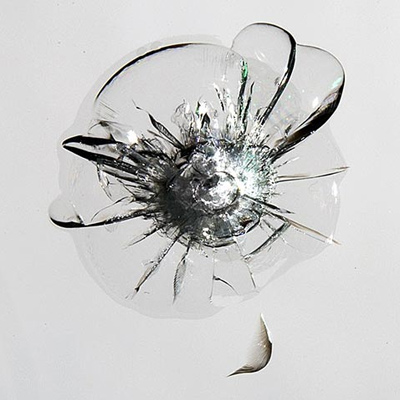
    Repair Criteria

    Cracks smaller than six inches usually qualify for repair. Chips or bulls-eye cracks near the center can be fixed. Repairs stop cracks from spreading further. The crack must not block the driver’s view. Repair works best on simple, shallow damage.

    Replacement Indicators

    Long cracks over six inches need replacement. Cracks at the edges weaken the glass structure. Damage inside the driver’s direct line of sight requires new glass. Multiple cracks or deep damage also mean replacement. Severe damage reduces windshield strength and safety.

    Cost Considerations

    Repair costs less than full replacement. Repairs take less time and require fewer materials. Replacement costs vary by vehicle type and glass quality. Insurance may cover repairs fully or partially. Choosing repair or replacement depends on budget and damage severity.

    Professional Inspection Tips

    Professional inspection is key to knowing if your cracked windshield is safe. Experts can spot damage you might miss. Their advice helps decide if repair or replacement is best.

    Getting a proper check keeps you safe and can save money. Here are tips for a good professional inspection.
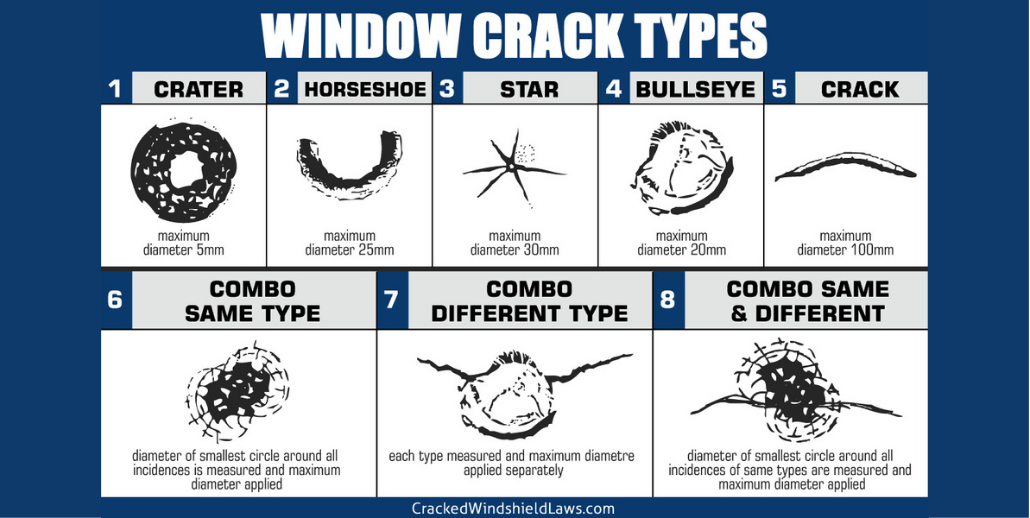
    Choosing A Reputable Service

    Pick a service with good reviews and experience. Ask about their certifications and training. A trusted shop uses quality tools and materials. Avoid places that rush or give vague answers. A reliable service cares about your safety.

    Questions To Ask Technicians

    Ask how deep the crack is and if it can grow. Find out if repair or full replacement is safer. Request details on the repair process and materials used. Check if the shop offers a warranty on their work. Clear answers show the technician’s knowledge and honesty.

    Timing For Repairs

    Fix the crack as soon as possible. Small cracks can quickly become bigger. Weather changes and road bumps make damage worse. Early repairs cost less and keep you safer. Delaying can mean full windshield replacement later.

    Preventing Future Cracks

    Preventing future cracks in your windshield is key to keeping your car safe and your view clear. Small cracks can grow fast due to stress from driving or weather. Taking simple steps helps protect your windshield and avoids costly repairs.

    Safe Driving Practices

    Drive carefully on rough roads to reduce windshield stress. Avoid sudden stops and sharp turns. Keep a safe distance from large trucks. They can throw rocks that crack your glass. Slow down on gravel roads to lessen impact.

    Parking Strategies

    Park in shaded areas to protect your windshield from heat damage. Avoid parking under trees that drop sap or branches. Use a car cover if shade is not available. Park away from busy streets to reduce the chance of accidents or vandalism.

    Windshield Maintenance

    Clean your windshield regularly with gentle products. Avoid harsh chemicals that weaken glass. Check for small chips and cracks often. Repair minor damage quickly to stop it from spreading. Replace windshield wipers when they wear out to prevent scratches.

    Is It Safe to Drive With Windshield Crack: Essential Safety Tips

    Credit: www.bakerglassinc.com

    Frequently Asked Questions

    Is It Dangerous To Drive With A Cracked Windshield?

    Yes, driving with a cracked windshield is dangerous. It can impair visibility and weaken the glass, increasing accident risks.

    How Does A Crack Affect Windshield Safety?

    A crack compromises the windshield’s structural integrity. It may shatter easily during impacts, reducing protection for passengers and increasing injury risk.

    Can Small Windshield Cracks Worsen While Driving?

    Yes, small cracks can quickly expand due to road vibrations and temperature changes, making repairs more difficult and expensive.

    When Should You Replace A Cracked Windshield?

    Replace the windshield if the crack is large, obstructs vision, or spreads rapidly. Prompt replacement ensures safety and legal compliance.

    Conclusion

    Driving with a cracked windshield can be risky. Small cracks might seem harmless but can grow quickly. Cracks can block your view and cause accidents. Safety should always come first on the road. Repair or replace a cracked windshield as soon as possible.

    This helps keep you and others safe. Remember, a clear windshield means better vision and safer driving. Don’t wait until the crack gets worse. Act now to protect yourself and your passengers. Safe driving starts with a clear, strong windshield.

  • Does Windshield Crack Affect Airbag: Crucial Safety Insights Revealed

    Does Windshield Crack Affect Airbag: Crucial Safety Insights Revealed

    Have you ever wondered if a crack in your windshield can affect your airbag? It might seem like a small issue, but that tiny crack could have a big impact on your safety.

    Your windshield plays a crucial role in how your airbag works during a crash. Ignoring even a minor crack might put you at risk without you even realizing it. Keep reading to find out how windshield damage can affect your airbag and why you should never overlook it.

    Your safety depends on knowing the truth.

    How Windshield Integrity Impacts Airbag Performance

    The windshield plays a crucial role in the safety system of a car. Its condition affects how well the airbag works during a crash. A cracked windshield can weaken the overall strength of the glass. This, in turn, may impact airbag deployment and the protection it offers.

    Role Of Windshield In Airbag Deployment

    The windshield acts as a support for the passenger-side airbag. It helps the airbag inflate in the right direction and with the right force. Without a strong windshield, the airbag may not deploy properly. The glass must hold firm to keep the airbag in place during inflation. This support reduces injuries by cushioning the impact.

    Effect Of Cracks On Structural Support

    Cracks weaken the windshield’s strength and stability. They create weak points that can cause the glass to break under pressure. A damaged windshield may not hold the airbag correctly. This can lead to poor airbag performance and higher injury risk. Maintaining a crack-free windshield ensures the car’s safety systems work as designed.

    Does Windshield Crack Affect Airbag: Crucial Safety Insights Revealed

    Credit: www.modifiedrides.net

    Types Of Windshield Damage And Airbag Risks

    Understanding the types of windshield damage helps explain airbag risks. The windshield plays a key role in airbag performance during a crash. Different damage types affect this safety feature in unique ways. Knowing these can protect you better on the road.

    Minor Chips Vs. Major Cracks

    Minor chips are small and often look like tiny dots or stars. They usually don’t spread quickly or weaken the windshield much. These chips rarely affect airbag deployment or safety.

    Major cracks run across large parts of the windshield. They may spread fast and reduce the glass’s strength. A cracked windshield cannot support the airbag properly. This might cause the airbag to fail or deploy unevenly.

    Location Of Damage And Safety Implications

    Damage near the center of the windshield is more dangerous for airbags. This area supports the passenger side airbag during inflation. Cracks or chips here can lead to poor airbag function.

    Damage near edges might not affect the airbag as much. Yet, it can still weaken the glass and increase injury risks. Always check the damage location carefully for safety concerns.

    Safety Standards And Manufacturer Guidelines

    Safety standards and manufacturer guidelines ensure that airbags and windshields work together properly. These rules protect drivers and passengers during accidents. Car makers design systems where the windshield supports airbag deployment. A cracked windshield may affect this balance. Understanding these standards helps keep your vehicle safe.

    Windshield Repair And Replacement Protocols

    Car manufacturers set clear rules for fixing or replacing windshields. A damaged windshield must be repaired or changed quickly. Small cracks can weaken the glass and affect airbag performance. Repair shops follow strict methods to restore the windshield’s strength. Using the right materials and techniques is vital. Poor repairs can lead to airbags not working as planned.

    Airbag Sensor Sensitivity To Windshield Condition

    Airbag sensors depend on the windshield’s condition. Sensors detect impact and trigger airbags fast. A cracked windshield can confuse these sensors. It may cause delayed or failed airbag deployment. Manufacturers test sensor responses with different windshield conditions. Proper windshield care ensures sensors function correctly. This helps airbags protect you better in crashes.

    Does Windshield Crack Affect Airbag: Crucial Safety Insights Revealed

    Credit: affordableautoglasswi.com

    Repairing Cracks: When To Fix Or Replace

    Repairing cracks in a windshield is important for safety and airbag performance. Small cracks can often be fixed without replacing the whole glass. Large or deep cracks may need a full replacement to keep the windshield strong. Knowing when to repair or replace helps protect you and your passengers.

    Professional Repair Techniques

    Experts use special tools to fill cracks with resin. This stops the crack from growing and restores some strength. The resin hardens quickly and becomes clear. This makes the crack less visible and safer. Technicians clean the area before repair for better results. Repair works best on small chips or cracks under six inches.

    Cost Vs. Safety Considerations

    Repairing small cracks costs less than replacing the windshield. Repairs may cost between $50 and $150. Replacement can cost several hundred dollars or more. Safety is the top concern. Large cracks weaken the glass and affect airbag deployment. Replacing the windshield keeps the car safer during accidents. Choose repair only if the crack is small and not in the driver’s view.

    Preventive Measures For Windshield And Airbag Safety

    Taking care of your windshield helps keep the airbag working properly. The windshield supports the airbag during a crash. A cracked windshield may weaken this support. Preventive steps can protect both your windshield and airbag. These measures improve your car’s safety and reduce repair costs.

    Regular Inspections

    Check your windshield often for cracks or chips. Small damage can grow quickly over time. Inspect after hitting stones or debris on the road. Visit a professional to assess any damage. Early repairs prevent bigger problems later. Professionals ensure the windshield stays strong for airbag support.

    Driving Habits To Minimize Damage

    Drive carefully on rough or gravel roads. Avoid sudden stops near construction sites. Keep a safe distance from trucks to avoid flying rocks. Slow down on uneven surfaces to reduce windshield stress. These habits lower the chance of cracks or chips. Safe driving helps maintain both windshield and airbag safety.

    Does Windshield Crack Affect Airbag: Crucial Safety Insights Revealed

    Credit: www.avrek.com

    Frequently Asked Questions

    Does A Cracked Windshield Affect Airbag Deployment?

    Yes, a cracked windshield can impact airbag deployment. The windshield supports the airbag’s proper inflation and deployment angle. A damaged windshield may fail to provide this support, reducing airbag effectiveness during a crash, which compromises passenger safety.

    Can Windshield Damage Cause Airbag Malfunction?

    Windshield damage can cause airbag malfunction. Cracks weaken the structural integrity needed for airbags to deploy correctly. If the windshield fails under crash forces, airbags may not inflate properly, increasing injury risks for vehicle occupants.

    Should A Cracked Windshield Be Repaired Before Airbag Use?

    Yes, repairing a cracked windshield before airbag use is crucial. A stable windshield ensures airbags function as designed. Delaying repairs can lead to deployment failures or injuries during collisions, making prompt maintenance essential for safety.

    How Does Windshield Strength Impact Airbag Performance?

    Windshield strength directly impacts airbag performance. A strong, intact windshield acts as a backstop for airbags to deploy effectively. A weakened windshield may break or shift, hindering airbag inflation and reducing crash protection.

    Conclusion

    A cracked windshield can weaken your car’s safety system. It may stop the airbag from working right in a crash. Fixing cracks quickly keeps your vehicle safer. Don’t ignore small chips or cracks on your glass. Regular checks help catch damage early.

    Protect yourself by keeping your windshield strong. Safety matters every time you drive.

  • Can Side Window Glass Shatter Suddenly? Shocking Truth Revealed!

    Can Side Window Glass Shatter Suddenly? Shocking Truth Revealed!

    Have you ever wondered if your car’s side window glass can shatter suddenly without any warning? It’s a scary thought because you rely on those windows every day for safety and comfort.

    Imagine driving down the road when, out of nowhere, the glass breaks—what would you do? Understanding why this can happen to your side window glass is crucial. You’ll discover the surprising reasons behind sudden glass shattering and how to protect yourself from it.

    Keep reading to learn what you need to know to stay safe and avoid costly repairs.

    Causes Of Sudden Side Window Glass Shattering

    Side window glass can shatter suddenly without warning. Understanding the causes helps prevent damage and ensures safety. Several factors can lead to unexpected glass breakage. Each cause affects the glass in a unique way.

    Temperature Fluctuations

    Glass expands and contracts with temperature changes. Rapid shifts from hot to cold stress the glass. This stress can cause cracks and sudden shattering. Parking a car under direct sun then spraying cold water can be risky. Extreme weather changes increase the chance of glass breaking.

    Manufacturing Defects

    Sometimes glass has hidden faults from production. Tiny air bubbles or impurities weaken its structure. These flaws grow over time and cause sudden breaks. Poor quality control can leave weak spots in the glass. Defective glass is more likely to shatter without impact.

    Impact And Stress Factors

    Small hits or pressure can damage the glass internally. Even minor impacts can create invisible cracks. Stress from closing doors too hard adds to the problem. Over time, these stresses build up and cause sudden shattering. Objects hitting the window pose a direct risk.

    Improper Installation

    Incorrect fitting puts uneven pressure on the glass edges. Gaps or tight spots increase stress points on the glass. Poor installation makes the window vulnerable to breaking. The glass may look fine but is prone to shatter suddenly. Proper installation is essential for glass safety.

    Can Side Window Glass Shatter Suddenly? Shocking Truth Revealed!

    Credit: www.glassfixitauto.com

    Types Of Glass Used In Side Windows

    Side window glass plays a key role in vehicle safety and comfort. Different types of glass are used in side windows. Each type has unique features and strength. Knowing these types helps understand why glass may shatter suddenly.

    Tempered Glass

    Tempered glass is common in side windows. It is heat-treated to increase strength. This glass breaks into small, blunt pieces. This reduces the chance of injury. It is more resistant to impact than regular glass. Still, strong hits can cause sudden shattering.

    Laminated Glass

    Laminated glass has a plastic layer between two glass sheets. This layer holds the glass together if broken. It usually cracks but does not fall apart. Laminated glass is less common for side windows. It offers better protection against shattering and theft.

    Differences In Durability

    Tempered glass is stronger but breaks completely on impact. Laminated glass resists breaking and stays in place if cracked. Both types protect against accidents differently. Tempered glass is cheaper and easier to replace. Laminated glass provides better safety and noise reduction.

    Real-life Incidents And Case Studies

    Side window glass can break without warning. Real stories and studies help us understand why this happens. These examples show common causes and rare events. They give clear ideas about risks and safety.

    Common Scenarios

    Car accidents often cause side window glass to shatter. Even small collisions can crack the glass. Stones or debris hit at high speed also break windows. Sudden temperature changes can stress the glass. For example, a cold night followed by hot sun.

    Sometimes, poor installation or old glass leads to breaks. Small chips or cracks can grow over time. This weakens the glass until it finally breaks. Drivers often notice a small crack before the glass shatters.

    Unexpected Shattering Events

    Some windows break with no clear cause. People report glass shattering while parked or driving slowly. Strong vibrations or loud noises might trigger the break. In rare cases, manufacturing defects weaken the glass.

    One case involved a car parked near a construction site. Dust and vibrations caused the side window to shatter suddenly. Another report showed a window breaking after a sudden thunderclap. These events show glass can fail without impact.

    Can Side Window Glass Shatter Suddenly? Shocking Truth Revealed!

    Credit: www.reddit.com

    Preventive Measures To Avoid Shattering

    Side window glass can shatter suddenly, causing danger and inconvenience. Taking preventive steps helps keep the glass strong and safe. Small actions prevent big problems. Here are key ways to avoid shattering.

    Regular Inspection

    Check side windows often for cracks or chips. Even tiny damage can grow over time. Look closely at edges and corners. Early spotting helps fix issues before breaking occurs. Use a flashlight to see clearly in low light.

    Safe Driving Practices

    Drive carefully on rough roads to reduce glass stress. Avoid hitting potholes or curbs hard. Keep distance from trucks that may throw stones. Slow down in bad weather to prevent sudden impacts. Gentle driving protects your car’s glass.

    Proper Maintenance Tips

    Clean windows with soft cloths and mild cleaner. Harsh chemicals can weaken the glass. Avoid slamming doors, as sudden force affects the glass. Repair small chips quickly with a professional. Protect your windows from extreme temperature changes.

    What To Do If Your Side Window Shatters

    Discovering your side window shattered can be a shock. Knowing the right steps helps keep you safe and reduces damage. Acting quickly protects you and your vehicle.

    Immediate Safety Steps

    First, move away from broken glass to avoid cuts. Carefully remove large shards from the window frame. Cover the opening with a plastic sheet or cardboard to block wind and rain. Avoid touching the broken glass with bare hands. Keep children and pets away from the area. Check for injuries and clean any small cuts with care.

    Glass Replacement Options

    Choose between professional repair or full replacement. Temporary fixes can help until you find a shop. Auto glass specialists use tempered or laminated glass. They fit the glass precisely to your vehicle’s make and model. Some shops offer mobile service to replace the glass at your location. Ensure the glass meets safety standards for your car.

    Cost Considerations

    Prices vary based on car type and glass quality. Insurance may cover some or all of the cost. Deductibles affect how much you pay out of pocket. Compare quotes from several repair shops before deciding. Cheaper options may use lower-quality glass or materials. Choose a trusted provider for the best balance of price and safety.

    Can Side Window Glass Shatter Suddenly? Shocking Truth Revealed!

    Credit: www.reddit.com

    Frequently Asked Questions

    Can Side Window Glass Shatter Without Impact?

    Yes, side window glass can shatter suddenly due to internal stress or temperature changes. Manufacturing defects or weakened glass increase this risk.

    What Causes Side Window Glass To Weaken?

    Side window glass weakens from chips, cracks, and exposure to extreme temperatures. These factors create stress points that lead to sudden shattering.

    How To Prevent Sudden Side Window Glass Shattering?

    Regularly inspect for damage and avoid slamming doors. Park in shaded areas to reduce temperature stress on the glass.

    Is Tempered Glass Safer For Side Windows?

    Yes, tempered glass is stronger and shatters into small, less harmful pieces. This reduces injury risk compared to regular glass.

    Conclusion

    Side window glass can shatter suddenly under certain conditions. Temperature changes, sharp impacts, or existing cracks can cause breakage. Regular checks help spot damage early and keep you safe. Avoid hitting the glass hard or exposing it to extreme heat.

    Taking care of your car windows reduces the risk of sudden shattering. Stay alert and maintain your vehicle for safer drives every day.

  • Is Windshield Crack Repair Permanent? Truths You Must Know

    Is Windshield Crack Repair Permanent? Truths You Must Know

    Have you noticed a crack spreading across your windshield and wondered if fixing it will truly last? You’re not alone.

    When your windshield cracks, it’s natural to ask: Is windshield crack repair permanent? You want a solution that sticks, saves you money, and keeps your car safe. But how do you know if a repair will hold up over time or if that crack will come back to haunt you?

    Keep reading to uncover the facts that will help you protect your vehicle and your peace of mind.

    How Windshield Cracks Form

    Windshield cracks appear from stress on the glass. Small impacts or pressure cause tiny fractures.

    These fractures grow over time. Temperature changes and vibrations make cracks worse.

    Understanding how cracks form helps protect your windshield better.

    Common Causes Of Cracks

    Road debris like rocks often hit the windshield. This impact can cause chips or cracks.

    Extreme heat or cold causes glass to expand or contract. This stress can create cracks.

    Sudden temperature changes, such as using hot water on a frozen windshield, also cause cracks.

    Car accidents or bumps add pressure, leading to breaks in the glass.

    Types Of Windshield Damage

    Chips are small, shallow damages usually caused by stones. They are easier to repair.

    Cracks are longer breaks that can spread across the glass surface.

    Star breaks have lines radiating from the impact point, like a star shape.

    Bullseye cracks look like a small circle with a ring around it.

    Combination breaks are a mix of chips and cracks, often harder to fix.

    Is Windshield Crack Repair Permanent? Truths You Must Know

    Credit: www.ebay.com

    Windshield Repair Methods

    Windshield cracks need quick attention to stop them from growing. Repairing these cracks uses different methods. Each method depends on the crack size, location, and severity. Understanding these methods helps you choose the best repair option. This section explains common windshield repair techniques.

    Resin Injection Process

    The resin injection process is common for small cracks and chips. A special resin fills the crack to restore strength. The resin hardens under UV light, bonding glass pieces. This process improves the glass’s appearance and prevents further cracking. It takes about 30 minutes and is cost-effective. The repair is strong but not always invisible. It helps keep the windshield safe and clear.

    Diy Repair Kits Vs Professional Services

    DIY repair kits offer a simple way to fix small chips. They include resin and tools for home use. These kits save money but may not fully repair damage. Skill and patience affect results. Professional services use advanced tools and trained staff. They provide better repair quality and safety. Professionals assess crack depth and decide repair or replacement. For large or complex cracks, professionals are safer and more reliable.

    Durability Of Windshield Repairs

    Windshield repairs can restore strength and clarity to damaged glass. The durability of these repairs depends on many factors. Proper repair can keep cracks from spreading. It also helps maintain safety and visibility. Understanding what affects repair life helps set the right expectations.

    Factors Affecting Repair Longevity

    The size and type of crack matter a lot. Small chips and bullseye cracks heal better than long cracks. The repair quality depends on the resin used. High-quality resin seals cracks and bonds well with glass. Temperature and weather affect repair success too. Extreme heat or cold can weaken the repair over time. A skilled technician ensures proper cleaning and resin injection. This prevents bubbles and gaps inside the crack. Clean, dry conditions during repair improve resin curing.

    When Repairs Fail

    Repairs may fail if cracks grow after fixing. This can happen from impact or stress on the glass. Poor repair technique or low-quality resin causes weak spots. Moisture entering the crack leads to cloudiness or discoloration. Visible damage may return, requiring full windshield replacement. Regular inspection of repaired areas helps catch problems early. Driving carefully avoids new damage and extends repair life.

    Is Windshield Crack Repair Permanent? Truths You Must Know

    Credit: www.amazon.com

    Signs You Need A Replacement

    Not all windshield cracks can be repaired. Sometimes, the damage is too big or too deep. This means the glass must be replaced. Knowing the signs helps you decide quickly. It keeps you safe and avoids more problems.

    Check your windshield closely. Notice any changes in the crack size or shape. Watch for cracks that spread fast or look very damaged. These are key signs to consider replacement.

    Severe Damage Indicators

    Large cracks longer than six inches need replacement. Cracks near the edges weaken the glass structure. Multiple cracks or deep chips also mean repair is not enough. Look for spider web cracks covering a big area. These cannot be fixed properly and need full replacement.

    Safety Concerns

    A damaged windshield may fail during an accident. It protects you and supports the car’s roof. Weak glass can shatter easily on impact. Also, cracks in the driver’s line of sight reduce visibility. This increases the risk of accidents. Replacing the windshield restores safety and strength.

    Maintenance Tips After Repair

    After repairing a windshield crack, proper care is essential. Maintaining the repaired area helps keep the glass strong and safe. Small steps can make a big difference in durability. Follow these tips to protect your investment and enjoy a clear view.

    Caring For A Repaired Windshield

    Keep the repaired area clean and dry. Avoid washing your car for at least 24 hours after repair. Use gentle cleaning products and a soft cloth to prevent damage. Do not apply heavy pressure on the repair spot. Avoid extreme temperature changes, like hot water on a cold windshield.

    Preventing Future Cracks

    Park your car in shaded areas to reduce sun damage. Drive carefully over bumps and potholes to avoid stress on the glass. Keep a safe distance from large trucks that may throw stones. Regularly inspect your windshield for small chips and cracks. Address any new damage quickly to stop it from growing.

    Is Windshield Crack Repair Permanent? Truths You Must Know

    Credit: www.walmart.com

    Frequently Asked Questions

    Is Windshield Crack Repair A Permanent Solution?

    Windshield crack repair can be long-lasting but not always permanent. It prevents crack spread and restores strength. However, some repairs may need monitoring or replacement if damage worsens.

    How Long Does Windshield Crack Repair Last?

    Typically, a repaired windshield crack lasts several years with proper care. Exposure to extreme temperatures or impacts can reduce repair lifespan. Regular inspections help ensure repair durability.

    Can All Windshield Cracks Be Repaired Permanently?

    Not all cracks qualify for permanent repair. Small chips and short cracks under six inches are repairable. Large, deep, or edge cracks usually require windshield replacement.

    Does Windshield Crack Repair Restore Original Strength?

    Repair improves windshield strength but rarely fully restores it to original condition. It prevents further damage and maintains safety standards. Replacement is best for severe cracks.

    Conclusion

    Windshield crack repair can last a long time if done right. Small cracks heal better than big or deep ones. Repair stops cracks from growing and keeps you safe. Still, some damage may need full windshield replacement. Act quickly to avoid dirt and moisture inside cracks.

    Regular checks help catch new damage early. Trust experts to fix your windshield properly. This keeps your view clear and your car strong. Repair is often a smart, cost-saving choice. But remember, not all cracks can be fixed forever.

  • Can Windshield Replacement Cause Wind Noise? Shocking Truth Revealed!

    Can Windshield Replacement Cause Wind Noise? Shocking Truth Revealed!

    Have you noticed an annoying wind noise after getting your windshield replaced? It’s frustrating when a simple repair leads to a new problem.

    You might be wondering if the replacement itself is causing this noise or if something else is to blame. Understanding why this happens can save you from ongoing discomfort and costly fixes. Keep reading to discover the surprising reasons behind windshield replacement and wind noise—and what you can do to fix it fast.

    Can Windshield Replacement Cause Wind Noise? Shocking Truth Revealed!

    Credit: g87.bimmerpost.com

    Causes Of Wind Noise After Replacement

    Wind noise after a windshield replacement is a common problem. It often comes from small mistakes during the replacement process. Understanding the causes helps you spot the issue fast. This section explains the main reasons for wind noise after replacement.

    Improper Installation Issues

    Windshield installation needs skill and care. Poor installation leaves gaps where air can enter. These gaps cause loud wind noise when driving. Even a small misstep can create a noisy seal.

    Seal And Adhesive Problems

    The seal and adhesive hold the windshield tight. If the adhesive is old or applied unevenly, the seal breaks. Air leaks through these weak spots and creates noise. Using the wrong adhesive also weakens the seal.

    Material Differences

    Not all windshields are the same. Some use different glass or materials. These changes affect how the glass fits and seals. A different material can cause vibration and noise during driving.

    Alignment And Fitment Errors

    Correct alignment is key to a tight fit. If the windshield is not aligned well, it does not sit flush. This misfit causes air to rush in and creates wind noise. Proper fitment avoids these gaps and noise issues.

    Can Windshield Replacement Cause Wind Noise? Shocking Truth Revealed!

    Credit: www.youtube.com

    How Wind Noise Affects Driving Experience

    Wind noise can change how you feel while driving. It is more than just a small sound. It can affect comfort, safety, and even your car’s condition. Understanding these effects helps you see why proper windshield replacement matters.

    Impact On Comfort

    Wind noise makes driving less pleasant. Loud sounds cause stress and tiredness. Talking or listening to music becomes hard. Quiet rides feel safer and more relaxing.

    Safety Concerns

    High wind noise can hide important sounds. Sirens, horns, and other alerts may go unnoticed. This delay can cause accidents. Clear hearing helps you react faster on the road.

    Long-term Vehicle Wear

    Wind noise often means air leaks. These leaks can bring water and dust inside. Over time, this damages interior parts. Proper sealing protects your car’s value and durability.

    Detecting Wind Noise Sources

    Detecting wind noise sources is key to solving annoying sounds after a windshield replacement. Wind noise can distract drivers and reduce comfort. Knowing where noise comes from helps in fixing the problem quickly. Careful checking can save time and money in the long run.

    Common Noise Locations

    Wind noise often comes from gaps around the windshield edges. The seal between glass and frame may not be tight. Side mirrors also create wind turbulence. Roof rails and door seals can let air slip in. Even small cracks or chips can cause noise.

    Testing Methods

    Drive your car at different speeds to notice noise changes. Open windows slightly to compare sounds. Use your hand near edges to feel air leaks. A thin strip of tissue paper can show where air moves. Record sounds with a phone for closer study later.

    Professional Inspection Tips

    Experts use special tools like smoke machines to find leaks. They check the windshield fit and seal carefully. Professionals look at weatherstripping and door alignment too. Sometimes, adjusting the glass or replacing seals stops noise. Trust trained eyes to spot hidden problems.

    Preventing Wind Noise Post-replacement

    Preventing wind noise after a windshield replacement is important for a quiet and comfortable drive. Wind noise can distract drivers and reduce the overall driving experience. Taking the right steps can help avoid this problem. Careful selection of parts, skilled technicians, proper installation, and regular checks keep wind noise at bay.

    Choosing Quality Parts

    Using high-quality windshield parts ensures a good fit and seal. Cheap or low-grade glass may not match the car’s design. This mismatch can cause gaps where air passes through. Quality parts reduce the chance of leaks and noise. Always choose parts that meet the car maker’s standards.

    Selecting Skilled Technicians

    Experienced technicians know how to handle windshield replacements well. They understand how to avoid gaps and misalignments. Skilled workers follow precise methods to secure the glass tightly. This skill limits air from entering through edges. Trusting experts helps reduce wind noise risks.

    Proper Installation Techniques

    Correct installation is key to preventing wind noise. Technicians must clean and prepare the frame properly. Using the right adhesive and letting it cure fully matter. The glass must fit flush with the car body. Proper sealing stops air from sneaking in and causing noise.

    Regular Maintenance Checks

    Regular inspections keep the windshield seal in good shape. Over time, seals may wear or crack and let air through. Checking the glass and frame often helps catch issues early. Fixing small problems prevents wind noise before it worsens. Routine care maintains a quiet cabin.

    Fixes For Wind Noise Issues

    Wind noise after a windshield replacement can be annoying. It may affect your comfort while driving. Fixing this issue often requires simple steps. These fixes help stop the noise and improve your ride quality.

    Resealing And Re-caulking

    Wind noise often comes from gaps around the windshield. Resealing these gaps can block air leaks. Use a high-quality automotive sealant for best results. Apply the sealant evenly around the windshield edges. Let it dry fully before driving. This fix usually reduces or stops wind noise quickly.

    Adjusting Windshield Position

    Sometimes the windshield is not placed correctly. Small misalignment can cause air to flow inside. Adjusting the windshield position helps close gaps. This adjustment requires care to avoid damage. Make sure the windshield fits snugly in its frame. Proper alignment lowers wind noise and improves safety.

    Using Noise Dampening Materials

    Noise dampening materials absorb sound and reduce wind noise. Apply these materials inside door panels or near the windshield frame. Foam strips or rubber seals work well. These materials block air and soften noise. They add comfort without major repairs or costs.

    When To Seek Professional Help

    Some wind noise issues need expert attention. If noise continues after simple fixes, call a professional. Experts can check for hidden gaps or damage. They use special tools to ensure perfect sealing. Professional help ensures your windshield is secure and quiet.

    Can Windshield Replacement Cause Wind Noise? Shocking Truth Revealed!

    Credit: www.reddit.com

    Frequently Asked Questions

    Can Windshield Replacement Increase Wind Noise?

    Yes, improper windshield installation can cause gaps or misalignment. These issues let wind enter, creating noticeable noise while driving.

    How Does Sealant Affect Windshield Wind Noise?

    Poor or insufficient sealant can allow air leaks around the windshield. Proper sealing is essential to prevent wind noise after replacement.

    When Should I Worry About Wind Noise After Replacement?

    If wind noise persists or worsens days after replacement, it may indicate faulty installation or damaged seals needing professional inspection.

    Can The Type Of Windshield Glass Impact Wind Noise?

    Yes, thicker or laminated glass can reduce wind noise. The glass type and quality influence how much wind noise you experience.

    Conclusion

    Windshield replacement can sometimes cause wind noise if not done right. Small gaps or poor sealing let air in and create noise. Skilled technicians use proper tools and materials to avoid this. Checking the seals after replacement helps catch problems early.

    Clear windshields improve safety and comfort while driving. Pay attention to any unusual sounds after replacement. Fixing wind noise quickly keeps your drive quiet and pleasant. Choose experienced professionals for windshield work to reduce noise risks. Quiet rides start with good installation and proper care.

  • Does Side Window Glass Have Tint: Truths You Need to Know

    Does Side Window Glass Have Tint: Truths You Need to Know

    Have you ever looked at your car’s side windows and wondered if they have tint? You’re not alone.

    Many people ask, “Does side window glass have tint? ” because it’s not always easy to tell. The answer affects your comfort, privacy, and even safety while driving. You’ll discover the truth about side window tinting and why it matters for your car.

    Keep reading to find out what you need to know before making any decisions about your windows.

    Types Of Side Window Glass

    Side window glass comes in different types based on its source and features. Each type has unique qualities affecting appearance, safety, and tint options. Understanding these types helps in choosing the right glass for your vehicle.

    Oem Glass Varieties

    OEM stands for Original Equipment Manufacturer. This glass matches the exact specifications of your car’s original windows. It offers the same quality and tint as the factory-installed glass. OEM glass fits perfectly and maintains the car’s look and safety standards. Often, OEM glass includes built-in tint to reduce glare and heat.

    Aftermarket Glass Options

    Aftermarket glass comes from suppliers other than the car maker. These options may vary in quality and tint levels. Some aftermarket glass offers stronger tint to improve privacy and block sunlight. Others focus on affordability and basic replacement needs. Choosing aftermarket glass requires checking its fit and tint features carefully.

    Factory Tinting Explained

    Factory tinting refers to the slight shading or coloring applied to side window glass at the factory. This tint is not very dark but helps reduce glare and heat. Many new cars come with this light tint on their side windows. It is different from aftermarket tinting, which is darker and added later.

    Standard Tint Levels

    Factory tint usually blocks 15% to 35% of visible light. This means it lets most light through but reduces brightness. The tint is often green, gray, or light bronze. The goal is to keep the glass clear enough for safety and visibility. It is lighter than the tint you see on rear windows.

    Purpose Of Factory Tints

    Factory tints help reduce heat inside the car. They protect passengers from some UV rays. The tint also cuts down on glare from the sun and headlights. This makes driving safer and more comfortable. Factory tint adds privacy without making the glass too dark.

    Legal Tint Limits On Side Windows

    Legal tint limits on side windows vary widely across regions. These rules control how dark or reflective the window tint can be. The main goal is safety—ensuring drivers see clearly and law enforcement can see inside vehicles. Understanding these limits helps avoid fines and keeps you safe on the road.

    State And Country Regulations

    Each state or country sets its own rules for window tinting. Some allow darker tints on rear side windows, but not on front side windows. Many places specify a minimum light transmission level. This level shows how much light must pass through the glass. Common limits range from 30% to 70% visible light transmission. Some areas ban tinting on front side windows completely. Always check local laws before tinting your vehicle’s side windows.

    Consequences Of Illegal Tinting

    Illegal tinting can lead to fines or penalties. Police may stop drivers for dark or reflective tints. Your vehicle might fail safety inspections. In some cases, you must remove the tint at your expense. Illegal tint reduces visibility at night, increasing accident risk. It can also block emergency responders’ view inside your car. Following tint laws protects you and others on the road.

    Does Side Window Glass Have Tint: Truths You Need to Know

    Credit: www.reddit.com

    Benefits Of Tinted Side Windows

    Tinted side windows offer many advantages for drivers and passengers. They improve comfort inside the vehicle. They protect from harmful sun rays. Tints also add a layer of privacy and security. These benefits make tinted windows a popular choice.

    Understanding these benefits helps you decide if tinting is right for your car. It is not just about looks but also about safety and comfort.

    Heat And Uv Protection

    Tinted windows reduce the amount of heat entering your car. This keeps the interior cooler on sunny days. It lowers the need for air conditioning. This can save fuel and reduce energy use.

    These windows block a large part of harmful UV rays. UV rays can damage skin and fade car upholstery. Tinting helps protect both your skin and the car’s interior. It creates a safer, more pleasant ride.

    Privacy And Security Enhancements

    Tinted side windows offer more privacy for passengers. It is harder for people outside to see inside the car. This can protect belongings from prying eyes.

    Privacy also adds a sense of security. It makes the car less attractive to thieves. Tinted windows act as a simple way to keep your car and its contents safer.

    How To Identify Tint On Side Windows

    Identifying tint on side windows helps you understand your vehicle better. Tint affects visibility, heat, and privacy. It also matters for legal reasons. Knowing how to spot tint is useful for car buyers and owners. Some tints are easy to see, while others require tools or careful checks.

    Visual Inspection Tips

    Start with a close look at the window glass. Hold the window at different angles. A tinted window often has a darker shade than untinted glass. Check if the window looks slightly colored or reflective. Look for a green, gray, or black hue. Untinted glass is usually clear or slightly blue.

    Look outside the car at the window. Does it reduce the view inside? If yes, tint is likely present. Also, check the edges of the glass. Some tints show a thin film or a slight line near the border. Clean windows show these signs clearly. Dirt or water can hide tint clues.

    Using Tint Meters

    Tint meters measure how much light passes through the glass. The device tells the exact percentage of visible light transmission (VLT). Lower VLT means darker tint. This tool gives a clear and accurate reading. It helps verify if the tint follows local laws.

    To use a tint meter, place it on the window surface. Turn on the device and wait for the reading. The number shows how much light the glass allows. Professionals use tint meters during inspections or sales. You can buy a simple meter for personal use too.

    Does Side Window Glass Have Tint: Truths You Need to Know

    Credit: www.youtube.com

    Diy Vs Professional Tinting

    Choosing between DIY and professional tinting affects your car’s side window glass look and function. Tinting changes how much light and heat enter your vehicle. It also adds privacy and style. Both methods have benefits and challenges. Understanding these helps you decide the best option for your car and budget.

    Pros And Cons Of Diy

    DIY tinting saves money on labor costs. You can buy tint film online or at stores. Applying it yourself gives control over timing and process. However, it needs careful work and patience. Mistakes like bubbles or wrinkles are common. Removing and reapplying tint can waste material. DIY kits might not have the best quality films. This can affect durability and appearance. DIY is good for small projects or learning. But it requires steady hands and time.

    When To Choose Professional Services

    Professionals have tools and experience for smooth tint application. They know how to cut and fit tint perfectly. Professionals use high-quality films with warranties. Their work lasts longer and looks cleaner. Professionals can handle tricky windows and curves. They often finish the job faster than DIY. Professional tinting costs more but offers peace of mind. Choose pros if you want a flawless look. Also pick pros if you want a warranty and fast service.

    Maintaining Tinted Side Windows

    Maintaining tinted side windows keeps them clear and long-lasting. Proper care protects the tint from damage and fading. Simple steps can improve the look and life of your windows.

    Cleaning Techniques

    Use a soft cloth or microfiber towel for cleaning. Avoid paper towels that can scratch the tint. Spray a mild soap and water mix on the cloth, not directly on the glass.

    Wipe the windows gently in circular motions. Dry the glass with a clean, dry cloth. Avoid using ammonia-based cleaners as they harm the tint film.

    Avoiding Damage

    Do not use sharp objects or abrasive materials on tinted glass. Avoid rolling windows down too fast to prevent peeling. Park in shaded areas to reduce sun damage to the tint.

    Check for small tears or bubbles and fix them quickly. Protect the tint from harsh chemicals like window defoggers or cleaners with alcohol. Careful maintenance keeps the tint clear and intact.

    Does Side Window Glass Have Tint: Truths You Need to Know

    Credit: protintorlando.com

    Frequently Asked Questions

    Does Side Window Glass Usually Come With Tint?

    Most side window glass comes with a factory-installed light tint. It reduces glare and blocks some UV rays. However, the level of tint varies by vehicle make and model.

    Can I Add Tint To My Side Window Glass?

    Yes, you can add aftermarket tint films to side windows. These films improve privacy, reduce heat, and protect against UV damage. Just ensure the tint complies with your local laws.

    Is Tinted Side Window Glass Legal Everywhere?

    Tint laws vary by region and state. Some places allow only light tint on side windows, while others permit darker shades. Always check your local regulations before tinting.

    How Does Tint Affect Side Window Visibility?

    Properly applied tint reduces glare without significantly affecting visibility. High-quality tint films maintain clear vision even in low light. Darker tints, however, may reduce visibility at night.

    Conclusion

    Side window glass often has a light tint from the factory. This tint helps reduce glare and heat inside the car. Some drivers choose to add darker tints for privacy or style. Laws about window tinting vary by location. Always check local rules before making changes.

    Clear side windows let in more light but offer less privacy. Tinting can protect your skin and interior from sun damage. Understanding your side window tint options helps you make smart choices. Choose what fits your needs and follows the law.

  • What is Combination Windshield Chip: Causes, Risks & Repairs

    What is Combination Windshield Chip: Causes, Risks & Repairs

    Have you ever noticed a small crack or chip on your windshield and wondered what it really means? A combination windshield chip might seem like just a tiny flaw, but it can affect your safety and your car’s value more than you think.

    Understanding what a combination chip is and how it differs from other types of damage is key to knowing when to repair or replace your windshield. Keep reading to discover everything you need to know about combination windshield chips and how to protect your vehicle—and yourself—on the road.

    What is Combination Windshield Chip: Causes, Risks & Repairs

    Credit: www.windshieldexperts.com

    Combination Windshield Chip Explained

    A combination windshield chip is a common type of damage on car windshields. It includes more than one type of crack or chip in one spot. This damage can be tricky because it is not just one kind of chip. It often needs special attention to repair properly.

    Understanding what a combination chip is helps you know how to handle it. It also helps you recognize the damage on your windshield. Early repair can stop the damage from getting worse and save you money.

    Types Of Chips And Cracks

    There are many types of chips and cracks that can appear on a windshield. A bullseye chip looks like a circle with a dark center. A star chip has small cracks spreading out like a star. A crack is a long line that can grow over time. Combination chips are a mix of these types in one spot.

    For example, a chip may have a bullseye at the center with star cracks around it. Or it may have a crack running through a bullseye chip. The mix makes it harder to fix than a single chip or crack.

    How Combination Chips Form

    Combination chips form when a windshield hits an object hard. Small rocks or debris on the road often cause this damage. The force breaks the glass in more than one way. This causes different types of chips and cracks to appear together.

    The glass layers inside the windshield also affect the damage. The outer layer may crack while the inner layer stays intact. This creates a mix of chip types in one area. Understanding how these chips form helps with proper repair and safety.

    What is Combination Windshield Chip: Causes, Risks & Repairs

    Credit: gomechanic.in

    Common Causes Of Combination Chips

    Combination windshield chips happen due to several common causes. These factors put stress on the glass. Over time, small cracks can turn into larger, more complex chips. Understanding these causes helps in preventing damage and maintaining a clear windshield.

    Road Debris Impact

    Road debris like stones and small rocks often hit the windshield. The force creates small chips or cracks. Even tiny debris can cause damage at high speeds. This impact is the most frequent cause of combination chips.

    Temperature Fluctuations

    Glass expands and contracts with temperature changes. Sudden shifts from hot to cold cause stress. This stress can lead to cracks spreading or new chips forming. Rapid temperature changes increase the risk of combination chips.

    Poor Road Conditions

    Potholes and rough roads cause vibrations and jolts. These shocks affect the windshield’s strength. Weak spots can develop into combination chips. Driving on bad roads raises the chance of windshield damage.

    Risks Of Ignoring Combination Chips

    Ignoring combination windshield chips can lead to serious problems. These chips often start small but can quickly grow. Over time, they weaken the glass, making your windshield unsafe. Understanding the risks helps you act fast and avoid bigger issues.

    Safety Hazards

    Combination chips reduce the strength of your windshield. A weak windshield may shatter during a minor accident. This increases the risk of injury from glass shards. Driving with damaged glass also puts you and passengers in danger.

    Visibility Impairment

    Chips can distort your view of the road. Light can scatter through cracks, causing glare. This makes it hard to see clearly, especially at night. Poor visibility increases the chance of accidents.

    Costly Repairs

    Small chips are easier and cheaper to fix. Ignoring them often leads to larger cracks. Large cracks usually mean a full windshield replacement. Replacement costs much more than simple chip repair.

    Repair Options For Combination Chips

    Combination windshield chips need quick action to avoid bigger damage. Choosing the right repair option can save your windshield. Several ways exist to fix these chips. Each has benefits and limits. Understanding these helps you pick the best solution.

    Diy Repair Kits

    DIY repair kits offer a simple way to fix small chips. They include resin and tools to fill the damaged area. Kits are affordable and easy to use at home. They work best for minor chips that do not spread. Clean the chip carefully before applying the resin. Follow the instructions closely for the best result. These kits save time but may not work for deep or complex chips.

    Professional Repair Services

    Experts use advanced tools to repair combination chips. They inject high-quality resin that bonds strongly to glass. Professionals can fix larger or more complex chips safely. The repair looks clearer and lasts longer than DIY fixes. They also check for hidden cracks. Professional service costs more but offers the best protection for your windshield.

    When To Replace The Windshield

    Some chips cannot be repaired and need a full replacement. Large chips, cracks over six inches, or chips near edges require replacement. Multiple chips or cracks that spread quickly also need new glass. Replacement ensures safety and clear vision while driving. Consult a professional to decide if repair or replacement is necessary.

    Preventing Windshield Damage

    Preventing windshield damage helps keep your glass clear and safe. Small chips can grow into big cracks. This makes driving dangerous and costly to fix. Taking simple steps can protect your windshield from harm. These actions save money and keep your view clear.

    Safe Driving Tips

    Drive at a steady speed on highways. Avoid sudden stops or sharp turns. Keep a good distance from the car ahead. Rocks and debris fly from tires and cause chips. Slow down on gravel or rough roads. Watch out for construction zones and avoid them if possible.

    Protective Measures

    Use a windshield protector when parked outside. Park in shaded or covered spots to avoid heat damage. Replace old windshield wipers to prevent scratches. Avoid slamming car doors to reduce vibrations. Use high-quality windshield glass for better strength. Cover your car during storms or hail.

    Regular Maintenance

    Clean your windshield regularly with a soft cloth. Check for small chips or cracks often. Fix tiny chips immediately before they spread. Inspect wiper blades and replace if worn out. Schedule professional windshield checks yearly. Maintaining your windshield ensures clear vision and safety.

    What is Combination Windshield Chip: Causes, Risks & Repairs

    Credit: elmersautobody.com

    Frequently Asked Questions

    What Is A Combination Windshield Chip?

    A combination windshield chip is a type of crack that includes multiple damage forms. It often has a bullseye, star, or crack all in one. This chip can weaken your windshield and needs timely repair to prevent spreading.

    How Does A Combination Chip Affect Windshield Safety?

    Combination chips compromise the windshield’s structural integrity. They reduce visibility and increase the risk of glass shattering during impacts. Repairing or replacing the windshield promptly is essential to maintain safety.

    Can A Combination Chip Be Repaired?

    Yes, many combination chips can be repaired if addressed early. Specialized resin fills cracks and restores strength. However, large or severe chips may require full windshield replacement.

    What Causes Combination Windshield Chips?

    Combination chips usually result from impact by debris like rocks or road hazards. Sudden temperature changes can worsen these chips. Driving conditions and speed also influence damage severity.

    Conclusion

    A combination windshield chip affects both the glass surface and inside layers. It can grow bigger if not fixed soon. Small chips may turn into cracks that are costly to repair. Early repair keeps your windshield strong and clear. Watch for any chips after driving on rough roads.

    Taking quick action helps keep you safe on the road. Remember, a healthy windshield protects you and your passengers well.