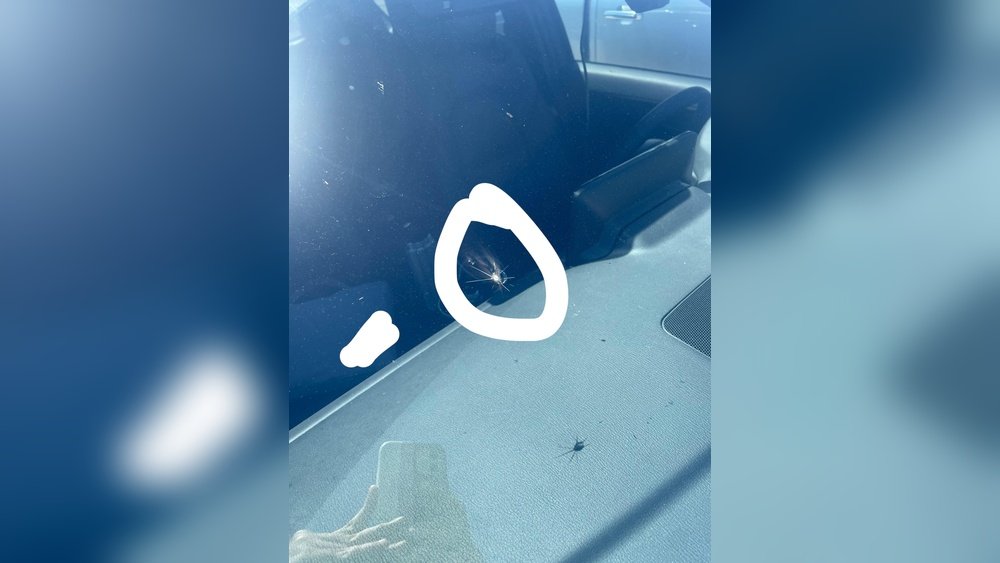
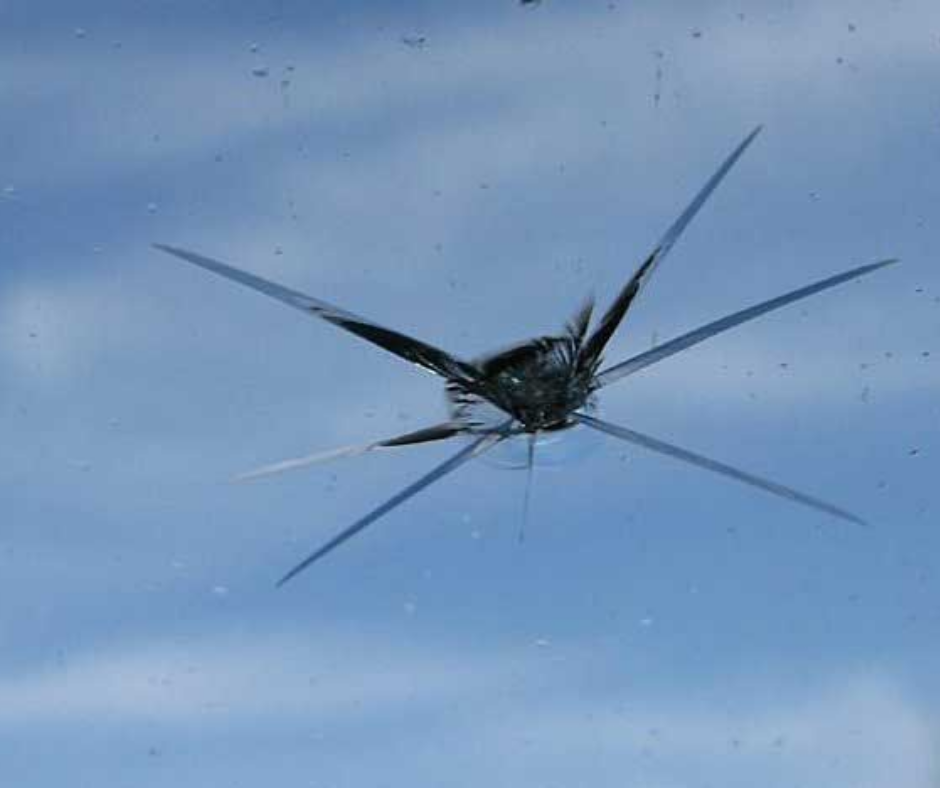
Have you ever wondered if replacing your windshield could mess with your car’s sensors? If your vehicle relies on advanced safety features like rain sensors, cameras, or lane assist, this question is more important than you might think.
Your windshield isn’t just glass—it’s a key part of your car’s smart system. You’ll discover exactly how windshield replacement can affect these sensors and what you need to watch out for. Keep reading to make sure your car stays safe and fully functional after the repair.
Credit: hightech-autoglass.com
Role Of Windshield Sensors
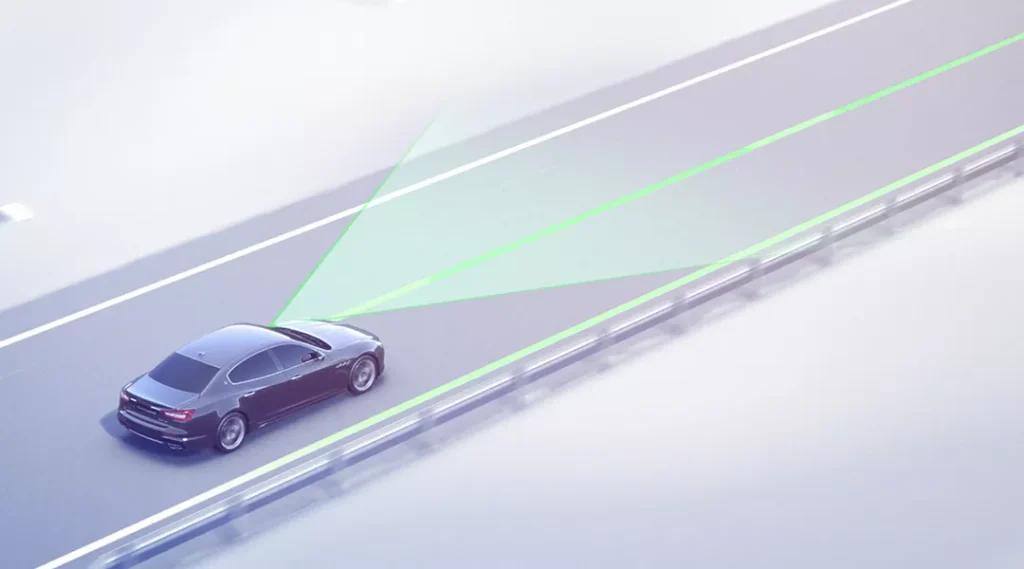
Windshield sensors play a key part in modern car safety systems. These sensors are built right into the glass. They help the vehicle detect and respond to its environment.
The sensors collect data that supports important safety features. These include automatic braking and lane keeping. They also assist with lighting and wiper control. Proper sensor function helps keep drivers safe on the road.
Types Of Sensors Embedded
Many windshields have several types of sensors. Rain sensors detect water on the glass. This triggers the wipers to start. Light sensors measure outside brightness. They adjust the headlights automatically.
Some windshields include cameras for lane departure warnings. Others have sensors to detect collisions. These sensors send signals to activate safety systems fast.
Functions In Vehicle Safety
Windshield sensors support many safety features. They help avoid accidents by alerting the driver. Sensors activate emergency brakes when a crash is likely. Lane assist sensors keep the car centered on roads.
Automatic lights improve visibility at night. Rain sensors turn on wipers for clear vision. All these functions depend on sensors working well. A damaged sensor can reduce safety system effectiveness.
Impact Of Replacement On Sensors
Replacing a windshield can affect the sensors attached to it. Modern vehicles use sensors on or near the windshield for safety features like lane assist, rain detection, and automatic headlights. These sensors rely on precise positioning and calibration to work correctly. If the windshield is replaced without proper care, sensor problems may arise. Understanding the impact of replacement on sensors helps prevent issues and keeps safety features functioning well.
Common Sensor Issues After Replacement
Sensors may stop working or give wrong signals after windshield replacement. Some sensors might fail to detect rain or lane markings properly. Others may cause warning lights on the dashboard to appear. The main cause is often misalignment or damage during the replacement process. Dirt or adhesive on the sensor can also block its view. These problems reduce the effectiveness of safety systems and can cause frustration.
Calibration Needs Post Replacement
Calibration is essential after replacing a windshield with sensors. It adjusts the sensors to their exact positions and settings. Without calibration, sensors may not perform as intended. Calibration often requires special tools and software. It ensures features like automatic braking and lane keeping work safely. Professional technicians usually handle this step. Skipping calibration can lead to malfunctioning sensors and safety risks.
Replacement Process And Sensor Care
Replacing a windshield is not just about glass. Modern vehicles have many sensors attached to the glass. These sensors help with safety features and driver assistance. Careful handling during replacement keeps these sensors working well. The process requires skill and attention to detail. Proper care avoids sensor damage and keeps your vehicle safe.
Choosing A Qualified Technician
Pick a technician with experience in sensor-equipped windshields. They understand sensor locations and how to avoid damage. Certified technicians follow proper steps for removal and installation. They use special tools to protect sensors. Trusting an expert reduces the risk of sensor failure.
Steps To Protect Sensors During Replacement
First, the technician inspects sensors before removal. This helps identify any pre-existing issues. Next, sensors are carefully disconnected if needed. The windshield is removed slowly to avoid sensor damage. New glass is aligned precisely with sensor positions. After installation, sensors are tested and recalibrated. This ensures they work correctly and safely.
Sensor Calibration Techniques
Sensor calibration is crucial after replacing a windshield. Sensors help with safety features like automatic braking and lane assist. Proper calibration ensures these systems work correctly. Different techniques exist to adjust the sensors back to their original settings.
Manual Vs. Automatic Calibration
Manual calibration involves a technician adjusting sensors by hand. It requires skill and knowledge of the vehicle’s systems. Technicians use specific instructions to align sensors perfectly. This method can be time-consuming but is very precise.
Automatic calibration uses special machines to reset sensors. The vehicle often needs to be driven on a test track or road. Sensors adjust themselves based on data from the drive. This method is faster and less prone to human error.
Tools And Equipment Used
Calibration needs advanced tools to measure sensor positions accurately. Laser alignment tools help ensure sensors point in the right direction. Diagnostic scanners connect to the car’s computer to reset sensor data.
Some tools include camera calibrators and radar alignment devices. These devices check that sensors detect objects correctly. Using the right equipment prevents sensor malfunctions and safety risks.
Costs And Warranty Considerations
Replacing a windshield can affect your car’s sensors. These sensors help with safety and driving features. Understanding the costs and warranty details is important. This helps you avoid surprises after the replacement.
Additional Expenses For Sensor Services
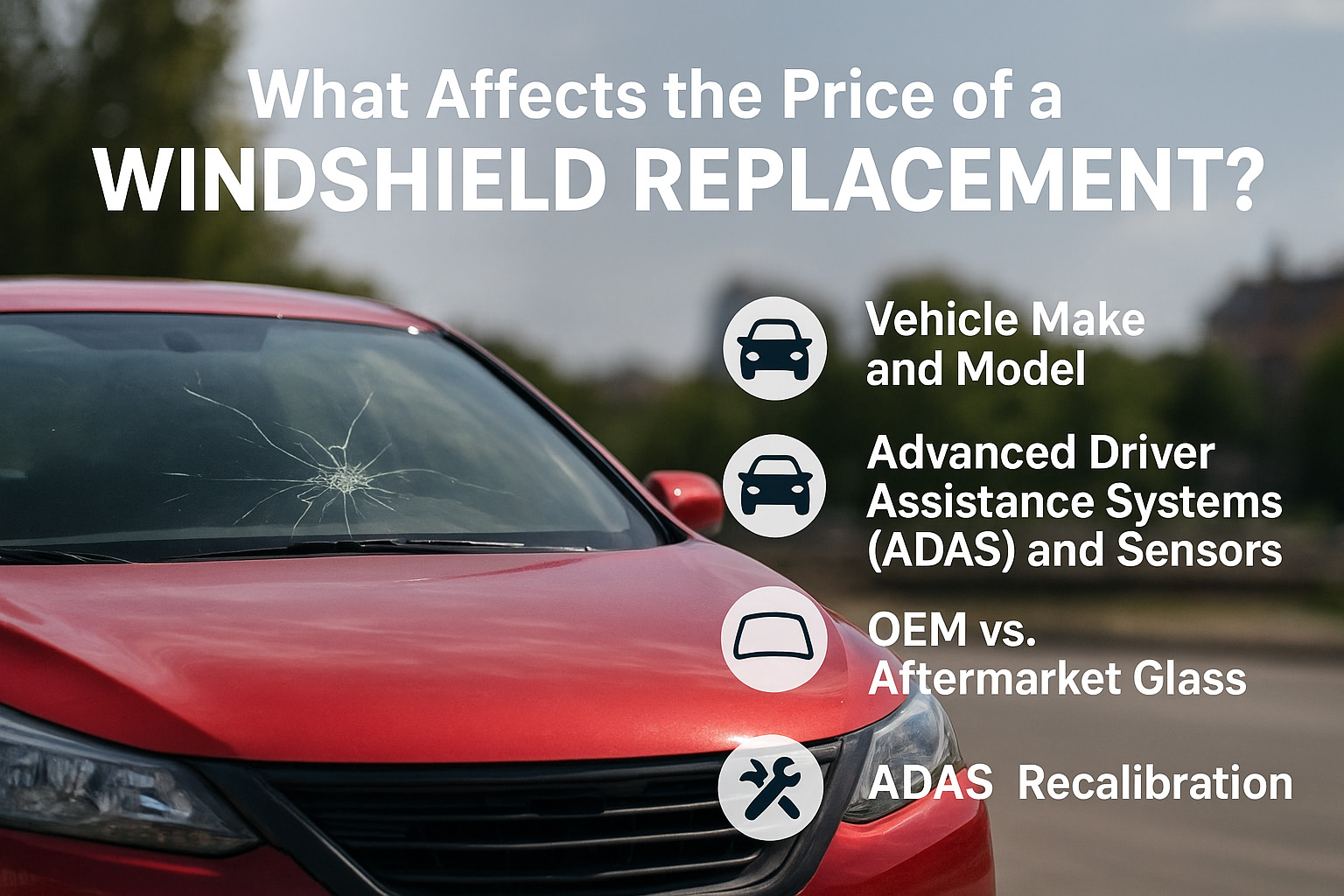
Windshield replacement may require sensor recalibration. This service costs extra and varies by vehicle type. Some sensors need removal before the glass is replaced. Reinstalling and testing them adds to the bill. Ask your service provider about these extra fees. Budget for these costs to avoid unexpected expenses.
Warranty Implications Of Windshield Replacement
Check if your windshield warranty covers sensor issues. Some warranties become void if sensors are not handled correctly. Proper installation by trained technicians keeps the warranty valid. Ask about warranty terms before starting the repair. A good warranty protects you from future sensor problems.
Credit: www.mnadas.com
Signs Of Sensor Malfunction
After a windshield replacement, sensors on your car may not work properly. It is important to spot signs of sensor malfunction early. This helps keep your vehicle safe and avoids costly repairs. Pay attention to changes in dashboard lights and vehicle behavior. These signs often show sensor problems.
Warning Indicators On Dashboard
Your dashboard shows warning lights if sensors fail. Look for symbols like the check engine light or ABS warning. A sudden or constant warning light after windshield work is a red flag. These lights mean the sensor data is off or missing. Do not ignore them. They signal a need for inspection.
Performance Changes To Watch
The car may drive oddly if sensors malfunction. Notice changes in braking, lane assist, or cruise control. The system might react late or not at all. Sensors help with safety features. Poor performance means sensors may be misaligned or damaged. Report these issues to a mechanic quickly.
Preventing Sensor Damage
Preventing sensor damage during windshield replacement is very important. Modern cars have many sensors in or near the windshield. These sensors help with safety features like automatic braking and lane keeping.
Wrong handling or poor installation can harm these sensors. Damage can cause sensors to stop working or give wrong information. This can make driving unsafe and lead to costly repairs.
Best Practices For Windshield Maintenance
Keep your windshield clean using soft cloths and gentle cleaners. Avoid harsh chemicals that can damage sensor covers. Check for cracks or chips early to prevent sensor problems. Use sunshades to protect sensors from extreme heat. Schedule regular inspections to ensure sensors work properly.
Tips For Safe Driving Post Replacement
Drive carefully after windshield replacement. Avoid sudden stops or sharp turns for a few days. Let the adhesive fully cure to keep the glass and sensors stable. Watch for warning lights on your dashboard. Report any unusual sensor behavior to your mechanic immediately.
Credit: blog.glass.net
Frequently Asked Questions
Does Windshield Replacement Affect Adas Sensors?
Yes, windshield replacement can impact ADAS sensors. Proper recalibration ensures sensors like cameras and radar work accurately after replacement.
How Is Sensor Recalibration Done After Windshield Replacement?
Technicians use specialized tools to recalibrate sensors. This step aligns the sensors with the new windshield for optimal performance.
Can Ignoring Sensor Recalibration Cause Safety Issues?
Ignoring recalibration can lead to sensor errors. This affects safety features like collision warnings and lane assist, risking driver safety.
Is Sensor Recalibration Included In Windshield Replacement Cost?
Sensor recalibration is sometimes an additional cost. Always confirm with your service provider to ensure proper sensor functionality.
Conclusion
Windshield replacement can impact your car’s sensors. Sensors need proper alignment to work right. Poor installation may cause sensor errors or failures. Always choose a skilled technician for replacement. They ensure sensors stay accurate and safe. Regular checks after replacement help catch issues early.
A well-done job keeps your car’s safety features working. Don’t ignore sensor problems after changing your windshield. Your car’s smart systems depend on clear, correct sensor signals. Take care of your windshield and sensors together.