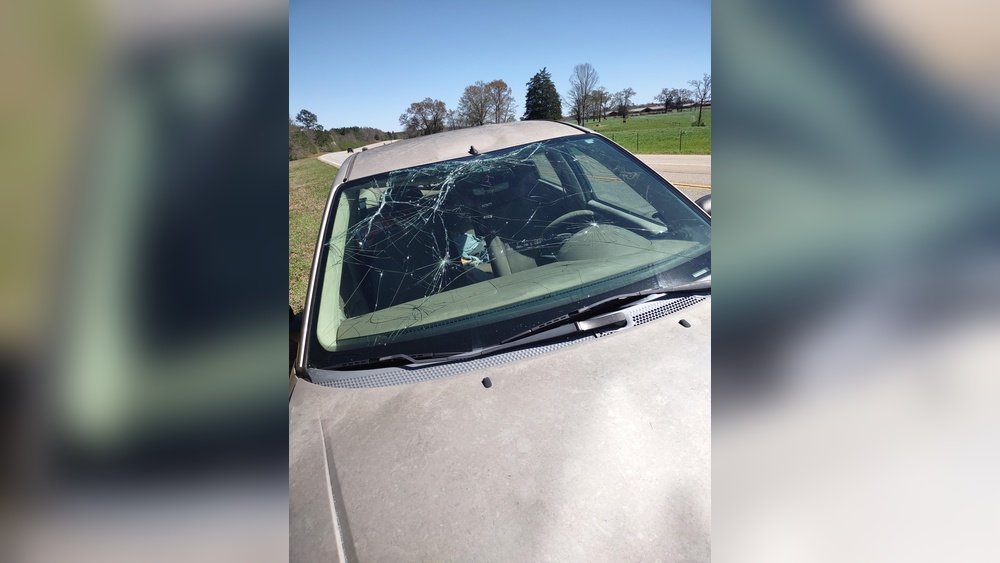
Category: Windshield Problems

  • What is Bullseye Windshield Chip: Causes, Repairs & Prevention

    What is Bullseye Windshield Chip: Causes, Repairs & Prevention

    Have you ever noticed a small, round chip on your windshield that looks like a tiny bullseye target? That’s what people call a Bullseye Windshield Chip.

    It might seem harmless at first, but ignoring it can lead to bigger cracks and costly repairs. Understanding what this chip is and how it affects your car’s safety is important for every driver. Keep reading to discover how to spot a Bullseye Chip, why it happens, and what you should do to protect your windshield—and your wallet.

    What is Bullseye Windshield Chip: Causes, Repairs & Prevention

    Credit: www.jbweld.com

    Bullseye Chip Basics

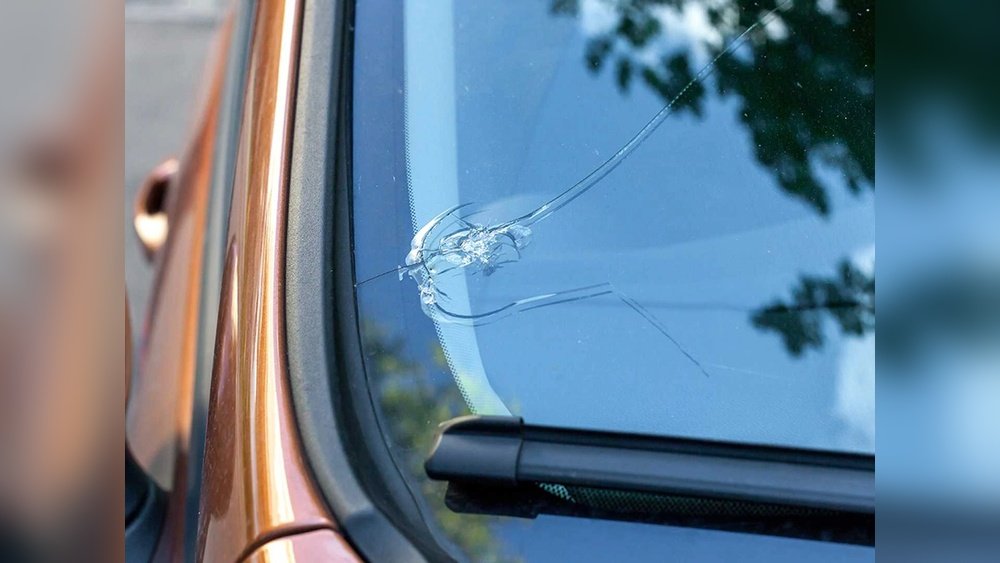
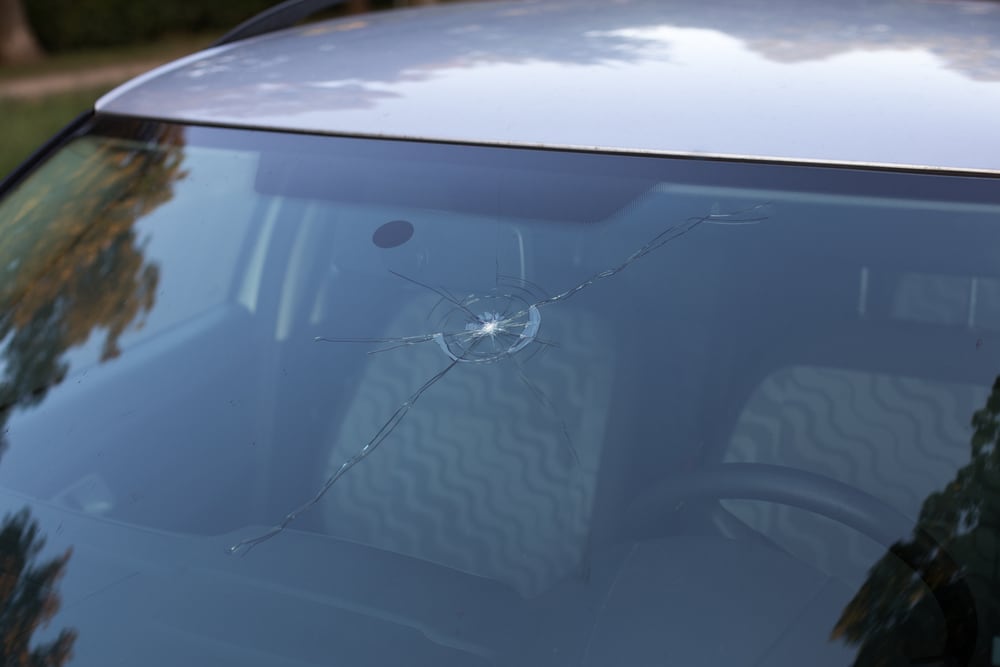
    A Bullseye windshield chip is a common type of damage seen on car glass. It looks like a small circle with a dark dot in the center. This chip usually happens when a small rock or debris hits the windshield. Understanding the basics of a Bullseye chip helps in deciding the right repair method.

    This type of chip can affect your visibility and may grow if not fixed. Repairing it quickly can save your windshield from cracking further. Knowing its features and how it differs from other chips is important for proper care.

    Characteristics Of A Bullseye Chip

    A Bullseye chip has a round shape with a dark center. It often looks like a target or a bullseye symbol. The center is where the impact happened, and it usually has a small crater. The surrounding area may have small cracks or fractures.

    This chip is usually less than a quarter in size. It does not spread as fast as other types of damage. Most Bullseye chips stay stable if repaired early. They are easier to fix than cracks or star-shaped chips.

    How It Differs From Other Chips

    Bullseye chips differ from other windshield damages in shape and size. Unlike cracks, they remain circular and compact. Star chips have sharp, spiked edges while Bullseyes are smooth and round.

    Other chips can be larger and cause more glass weakness. Bullseye chips tend to be smaller and more contained. This makes them quicker and cheaper to repair. Recognizing the type of chip helps in choosing the best repair option.

    What is Bullseye Windshield Chip: Causes, Repairs & Prevention

    Credit: kcautoglass.net

    Common Causes

    Bullseye windshield chips happen for a few common reasons. These small cracks look like a bullseye target, with a round center and rings around it. Knowing what causes them helps protect your windshield better. Most causes involve impacts or stress on the glass.

    Impact From Small Rocks

    Small rocks hit your windshield at high speed. They come from other vehicles or the road. The force causes tiny chips that can grow into bullseyes. Even a small rock can make a big crack.

    Temperature Changes

    Glass expands and contracts with heat and cold. Rapid temperature changes stress the windshield. This stress can cause weak spots to crack. A small chip can turn into a bullseye after the glass moves.

    Road Debris

    Debris on the road can hit your windshield. Pieces of metal, gravel, or dirt cause damage. These hits often create bullseye chips. They start small but can spread quickly over time.

    Repair Options

    When a bullseye windshield chip appears, quick action helps prevent bigger damage. Repair options depend on the chip size and location. Some fixes are simple and can be done at home. Others require professional tools and skills. Understanding these options helps protect your windshield and save money.

    Diy Repair Kits

    DIY repair kits work well for small bullseye chips. These kits include resin and tools to fill the chip. The resin stops cracks from growing and improves visibility. Follow the instructions carefully for best results. Kits cost less and save time. Avoid using kits on large or deep chips.

    Professional Repair Services

    Experts use special tools to repair bullseye chips. They clean the damaged area and inject resin under pressure. Professionals cure the resin with UV light for a strong bond. Repairs look clear and last longer. Services cost more than kits but provide better results. Choose professionals for chips near edges or in the driver’s view.

    When Replacement Is Needed

    Some bullseye chips require full windshield replacement. Large chips over three inches often weaken the glass. Chips with cracks spreading from them also need replacement. Chips in the driver’s line of sight may blur vision after repair. Replacement is more expensive but ensures safety and clarity. A damaged windshield can break easily in a crash.

    What is Bullseye Windshield Chip: Causes, Repairs & Prevention

    Credit: appleglasscompany.com

    Prevention Tips

    Preventing bullseye windshield chips saves money and stress. These small cracks can grow fast if not stopped early. Follow simple steps to keep your windshield safe and strong.

    Safe Driving Practices

    Drive carefully to avoid rocks and debris. Keep a good distance from other vehicles. Avoid sudden stops near trucks carrying loose materials. Slow down on gravel roads to reduce flying stones. Always stay alert to road conditions.

    Protective Films And Covers

    Use windshield protection films to block small impacts. These films absorb shock and prevent cracks. Park your car in shaded areas or use covers. Covers protect your windshield from weather damage. Both help reduce the chance of chips.

    Regular Windshield Inspections

    Check your windshield often for small chips or cracks. Early detection stops chips from growing bigger. Clean your windshield gently to avoid scratches. Repair minor chips quickly to keep your glass strong. Regular checks keep your windshield safe and clear.

    Frequently Asked Questions

    What Is A Bullseye Windshield Chip?

    A bullseye windshield chip is a round, circular crack with a dark center. It resembles a target’s bullseye and often occurs from small impacts like stones.

    How Does A Bullseye Chip Affect Windshield Safety?

    A bullseye chip weakens the glass structure. It can spread quickly, reducing visibility and risking windshield failure during accidents or sudden temperature changes.

    Can A Bullseye Windshield Chip Be Repaired?

    Yes, most bullseye chips can be repaired if caught early. Professional repair stops cracks from spreading and restores the windshield’s strength and clarity.

    How Much Does Bullseye Chip Repair Typically Cost?

    Repair costs range from $50 to $150. Prices depend on chip size, location, and repair shop, but it’s cheaper than a full windshield replacement.

    Conclusion

    A bullseye windshield chip is a common type of glass damage. It looks like a small circle with a dot in the center. This chip can grow if not fixed soon. Repairing it early saves money and keeps the glass strong.

    Small chips are easier to repair than large cracks. Watch your windshield closely for any new chips. Taking quick action helps keep you safe on the road. Remember, a clear view means safer driving every day.

  • How Long Does Cracked Windshield Last: Essential Lifespan Insights

    How Long Does Cracked Windshield Last: Essential Lifespan Insights

    Have you ever noticed a crack spreading across your windshield and wondered how long it will last before it becomes a real problem? That tiny crack might seem harmless now, but it can quickly turn into a safety hazard or an expensive repair if ignored.

    You probably want to know if you can keep driving safely or if it’s time to act fast. You’ll discover exactly how long a cracked windshield lasts, what factors affect its lifespan, and what you should do to protect yourself and your car.

    Keep reading to find out how to avoid costly mistakes and stay safe on the road.

    How Long Does Cracked Windshield Last: Essential Lifespan Insights

    Credit: www.msglassoutlet.com

    Factors Affecting Crack Longevity

    Several factors affect how long a cracked windshield lasts. Some cracks stay stable for weeks or months. Others grow quickly and need fast repair. Understanding what influences crack longevity helps in taking the right steps.

    Type And Size Of The Crack

    Small chips and tiny cracks often last longer without spreading. Long cracks or star-shaped breaks tend to worsen fast. The crack’s shape and length play a big role in its stability. Sharp edges and deep cracks are more likely to grow.

    Weather Conditions

    Hot sun can expand the glass and make cracks grow. Cold weather causes glass to contract, which also stresses cracks. Rapid temperature changes increase the risk of the crack spreading. Rain and moisture can seep into cracks, weakening the windshield.

    Driving Habits

    Rough roads cause more vibrations, which can worsen cracks. Sudden stops and sharp turns put pressure on the windshield. Driving at high speeds increases the chance of cracks spreading. Smooth and careful driving helps keep cracks stable longer.

    Quality Of Glass

    Higher quality glass resists cracking better than cheaper options. Factory-installed windshields usually have stronger, more durable glass. Aftermarket glass may crack and spread faster. Proper installation also affects how well the glass holds up.

    How Long Does Cracked Windshield Last: Essential Lifespan Insights

    Credit: trueblueautoglass.com

    Risks Of Ignoring A Cracked Windshield

    A cracked windshield may seem harmless at first. Small cracks can grow quickly. Ignoring them brings serious risks. These risks affect safety, legal standing, and your wallet. Understanding these dangers helps you decide to act fast.

    Safety Hazards

    A cracked windshield weakens the car’s structure. It may shatter more easily during accidents. Cracks can block the driver’s view. This reduces reaction time and increases crash risk. The windshield also supports airbags. A damaged windshield can make airbags less effective.

    Legal Implications

    Driving with a cracked windshield may break the law. Many places require clear, undamaged windshields. Police can stop drivers and give fines. Insurance claims might be denied if damage is ignored. Having a clean windshield keeps you legal and safe.

    Costly Repairs

    Small cracks often cost less to fix. Waiting lets cracks grow larger and deeper. Large cracks need full windshield replacement, which is expensive. Repairing early saves money and effort. Fix small cracks before they become big problems.

    Repair Vs Replacement

    Deciding between repairing or replacing a cracked windshield depends on the crack’s size, location, and severity. Both options have benefits and drawbacks. Understanding when to repair or replace helps protect your safety and saves money.

    When To Repair

    Small chips and cracks less than 6 inches usually qualify for repair. Repair stops cracks from spreading and restores the glass strength. Cracks not in the driver’s direct view are easier to fix. Fast repairs are less costly and take little time. Timely repair improves visibility and prevents further damage.

    When To Replace

    Large cracks longer than 6 inches need replacement. Cracks at the edge weaken the glass structure. Damage in the driver’s line of sight affects safety and calls for new glass. Multiple cracks or deep cracks also require replacing. Replacement ensures full protection and restores windshield strength.

    Cost Comparison

    Repairing a windshield crack costs much less than replacement. Repair usually costs between $50 and $150. Replacement can range from $200 to $500 or more. Insurance may cover repair fully but only partly cover replacement. Repair is a budget-friendly choice if done early.

    Maintenance Tips To Extend Windshield Life

    Maintaining a cracked windshield helps prevent further damage. Small cracks can grow fast without care. Simple steps protect your glass and save money. Follow these tips to keep your windshield safe longer.

    Protecting From Extreme Temperatures

    Heat and cold stress the glass. Avoid parking under direct sun for hours. Use sunshades inside the car. In winter, do not pour hot water on the windshield. Sudden temperature changes cause cracks to widen.

    Regular Inspections

    Check your windshield often for new cracks or chips. Small damage can turn into big problems quickly. Use a flashlight to see tiny cracks clearly. Visit a professional if you notice any changes. Early repair stops cracks from spreading.

    Safe Driving Practices

    Drive carefully on rough or gravel roads. Avoid following large trucks closely. Stones can hit and worsen cracks. Slow down on bumpy streets. Gentle driving reduces stress on the windshield and keeps cracks from growing.

    Signs That Indicate Immediate Attention

    Cracks on a windshield do not always wait for your schedule to fix them. Some signs show the damage needs urgent care. Ignoring these signs can make the problem worse. Pay close attention to how your windshield looks and feels. This helps keep you and others safe on the road.

    Rapid Crack Expansion

    Cracks that spread fast need urgent repair. Changes in temperature and road bumps can make cracks grow quickly. A small crack today can become a large, costly problem tomorrow. Watch for new lines or branches coming from the crack. Immediate action can stop the damage from worsening.

    Obstructed Driver Vision

    Cracks in the driver’s line of sight are dangerous. They block clear views of the road and traffic signals. Even small cracks can cause glare or blur when sunlight hits them. This distraction increases the risk of accidents. Fixing these cracks right away keeps vision clear and driving safe.

    Structural Weakness

    The windshield supports the roof during accidents. Cracks weaken this support and reduce safety. A cracked windshield might shatter more easily in a crash. This puts passengers at higher risk of injury. Immediate repair or replacement helps maintain the vehicle’s strength and protection.

    How Long Does Cracked Windshield Last: Essential Lifespan Insights

    Credit: www.reddit.com

    Frequently Asked Questions

    How Long Does A Cracked Windshield Typically Last?

    A cracked windshield can last from a few days to several months. Its durability depends on crack size, location, and driving conditions. Prompt repair is recommended to prevent further damage and ensure safety. Ignoring cracks can lead to costly replacements.

    Can Temperature Changes Affect Cracked Windshield Lifespan?

    Yes, temperature fluctuations can worsen windshield cracks. Heat causes expansion, and cold causes contraction, making cracks grow faster. Rapid changes increase stress on the glass. Protect your windshield by parking in shaded or garage areas to slow crack progression.

    Is It Safe To Drive With A Cracked Windshield?

    Driving with a cracked windshield is risky and often illegal. Cracks impair visibility and weaken structural integrity. Small chips may be manageable temporarily, but larger cracks require immediate repair or replacement for safety and compliance with traffic laws.

    When Should I Replace A Cracked Windshield?

    Replace your windshield if cracks exceed 6 inches or impair vision. Multiple cracks or damage near the edges also warrant replacement. Timely replacement ensures safety, prevents accidents, and maintains vehicle structural strength.

    Conclusion

    A cracked windshield does not last forever. Small cracks can grow quickly with heat or bumps. Leaving cracks unattended can be dangerous. Repairing early saves money and keeps you safe. Check your windshield often for any damage. Fix cracks before they spread too much.

    Drive carefully to avoid making cracks worse. Your windshield protects you every time you drive. Taking care of it helps protect your car too. Don’t wait until the crack becomes a big problem. Stay safe on the road by acting fast.

  • What Causes Windshield Chips: Surprising Reasons You Must Know

    What Causes Windshield Chips: Surprising Reasons You Must Know

    Have you ever noticed a tiny chip on your windshield and wondered how it got there? That small crack might seem harmless, but it can quickly turn into a bigger problem if you don’t understand what caused it.

    Knowing what causes windshield chips can help you protect your car and save money on repairs. You’ll discover the common reasons behind those annoying chips and learn how to prevent them from ruining your view. Keep reading—you’ll want to know these simple facts before your next drive.

    What Causes Windshield Chips: Surprising Reasons You Must Know

    Credit: delawareautoglass.com

    Common Causes Of Windshield Chips

    Windshield chips happen for many reasons. Understanding these causes helps keep your glass safe. Some factors are common and happen often on the road. Knowing what causes chips can help you avoid costly repairs.

    Flying Debris On Roads

    Small stones and gravel fly up from tires on highways. These pieces hit your windshield with strong force. Even tiny debris can cause noticeable chips. Construction zones and gravel roads increase this risk. Driving behind large trucks raises chances of flying debris hits.

    Temperature Changes And Stress

    Glass expands and contracts with temperature shifts. Sudden heat or cold puts stress on the windshield. This stress weakens the glass over time. Cracks or chips can form from this pressure. Parking in direct sunlight or freezing conditions affects windshield strength.

    Poor Road Conditions

    Bumpy roads and potholes cause vibrations and shocks. These jolts can weaken the windshield glass. Rough surfaces make flying debris more common. Driving fast on bad roads increases chip risk. Maintaining your vehicle’s suspension helps reduce windshield damage.

    Unexpected Factors Leading To Chips

    Windshield chips often come from obvious sources like flying stones or road debris. Yet, some unexpected factors also cause these small cracks. These surprising causes can catch drivers off guard. Understanding them helps protect your windshield better.

    Construction Zones And Equipment

    Construction zones have loose gravel and heavy machines. These machines can kick up rocks and debris. Even small stones can hit your windshield hard. Dust and dirt also reduce visibility, raising accident risks. Drive carefully near construction areas to avoid chips.

    Animals And Insects Impact

    Animals crossing roads may collide with vehicles. Birds, deer, and other wildlife cause sudden impacts. Insects hitting the windshield at high speed can create tiny chips. These impacts might seem minor but damage glass over time. Watch for wildlife signs and slow down.

    Carrying Heavy Loads

    Heavy loads can shift and drop items unexpectedly. Loose tools or cargo may fall onto the windshield. Vibrations from heavy loads also stress the glass. This stress can cause small cracks or chips. Secure all items properly before driving to prevent damage.

    Environmental Influences

    Environmental factors play a big role in causing windshield chips. These factors include weather conditions and objects around your car. They can damage your windshield without warning. Understanding these influences helps protect your vehicle better.

    Hail And Extreme Weather

    Hail can hit your windshield hard. Small to large hailstones cause cracks and chips. Strong winds can blow debris against the glass. Sudden storms bring heavy rain and hail. This makes your windshield more likely to chip.

    Tree Branches And Falling Objects

    Branches often fall during storms or windy days. They can scratch or chip your windshield. Leaves and small twigs can also cause minor damage. Falling objects like fruits or nuts add to the risk. Parking near trees increases this danger.

    Parking Lot Hazards

    Parking lots have many risks for your windshield. Other cars may kick up stones and debris. Shopping carts can accidentally hit your vehicle. Pedestrians or children might drop hard objects nearby. Careful parking reduces chances of damage.

    What Causes Windshield Chips: Surprising Reasons You Must Know

    Credit: www.glassfixitauto.com

    Human-related Causes

    Many windshield chips happen because of human actions. These causes often come from everyday habits and mistakes. Understanding these can help you avoid damage and keep your windshield clear and safe.

    Improper Cleaning Techniques

    Using rough cloths or scrapers can scratch your windshield. Cleaning with dirty rags spreads dirt and grit, causing chips. Applying too much pressure while cleaning can weaken the glass. Always use soft cloths and gentle cleaners designed for glass.

    Vandalism And Accidents

    Some windshield chips come from vandalism or careless accidents. People throwing stones or objects at cars can cause damage. Parking near construction sites or busy streets increases risk. Always park in safe places to reduce chances of harm.

    Diy Repairs Gone Wrong

    Trying to fix chips without proper tools can cause more damage. Incorrect use of repair kits may crack the glass further. Many DIY methods do not fill chips properly, leading to bigger problems. It is best to seek professional help for repairs.

    Preventing Windshield Chips

    Preventing windshield chips is easier than fixing them. Small chips can grow into large cracks. This can lead to costly repairs or even windshield replacement. Simple steps help protect your windshield every day. Staying aware and taking care of your glass keeps it clear and strong.

    Safe Driving Tips

    Keep a safe distance from the car ahead. Rocks and debris often fly from tires. Avoid driving too close to large trucks. They can kick up more stones and dirt. Slow down on gravel roads or near construction sites. This reduces the chance of chips and cracks.

    Regular Maintenance Checks

    Inspect your windshield regularly for small chips or cracks. Catching damage early helps prevent it from spreading. Clean your windshield with soft cloths and gentle cleaners. Replace worn wiper blades to avoid scratches. Take your car to a professional if you see any damage.

    Choosing Protective Films

    Consider adding a protective film to your windshield. These films absorb impact from small stones. They also reduce scratches and chips. Many films are clear and do not affect visibility. Installing one adds an extra layer of protection for your glass.

    What Causes Windshield Chips: Surprising Reasons You Must Know

    Credit: www.tcautoglass.net

    Frequently Asked Questions

    What Are Common Causes Of Windshield Chips?

    Windshield chips often result from small rocks or debris hitting the glass. Road debris thrown by other vehicles is the primary cause. Temperature changes and poor road conditions can also contribute to chip formation.

    Can Weather Conditions Cause Windshield Chips?

    Yes, extreme temperature changes can cause windshield stress. Rapid heating or cooling may lead to small cracks or chips. Severe weather like hailstorms can also physically damage the glass surface.

    How Does Driving Behind Trucks Cause Chips?

    Trucks often kick up gravel and debris at high speeds. This debris can strike your windshield with force, causing chips. Maintaining a safe distance reduces the risk of damage.

    Are Windshield Chips Preventable?

    While not all chips are avoidable, cautious driving helps. Avoiding gravel roads and keeping distance from heavy vehicles minimizes risk. Using protective films can also reduce chip damage.

    Conclusion

    Windshield chips happen mostly from small rocks or debris hitting the glass. Changes in temperature can also cause the glass to crack. Driving on rough roads or behind trucks increases the chance of chips. Even tiny chips can grow into bigger cracks over time.

    Catching and fixing chips early saves money and keeps you safe. Regularly check your windshield for any damage. Taking care of your windshield helps protect your car and your view on the road. Stay alert and drive safely to avoid chips and cracks.

  • Can Theft Cause Side Window Glass Break? Shocking Truth Revealed!

    Can Theft Cause Side Window Glass Break? Shocking Truth Revealed!

    Have you ever wondered if theft can cause your car’s side window glass to break? It’s a question many car owners face, especially after a close call or an unfortunate incident.

    Understanding how theft attempts impact your vehicle helps you protect your investment and stay safe. Keep reading to discover the surprising ways thieves can damage your side windows—and what you can do to prevent it. Don’t let a moment of vulnerability turn into a costly repair.

    Your car’s safety starts with knowing the facts.

    Theft And Window Damage

    Theft often leads to damage beyond just losing belongings. One common damage is broken side window glass. Thieves break windows to get inside quickly. This causes costly repairs and safety concerns for vehicle owners.

    Understanding how theft causes window damage helps prevent it. It also prepares owners for what to expect after an incident. Knowing common targets and breaking methods is important.

    Common Targets During Theft

    Thieves often target side windows to enter vehicles fast. Side windows are easier to break than windshields. Cars parked on streets or in dark places face higher risk.

    Valuables visible through windows attract thieves. Bags, electronics, and wallets are common targets. Side windows near the driver or passenger seats are hit most.

    Methods Thieves Use To Break Windows

    Thieves use small, hard objects to break side windows. Rocks, hammers, or metal tools are common. They strike quickly to avoid drawing attention.

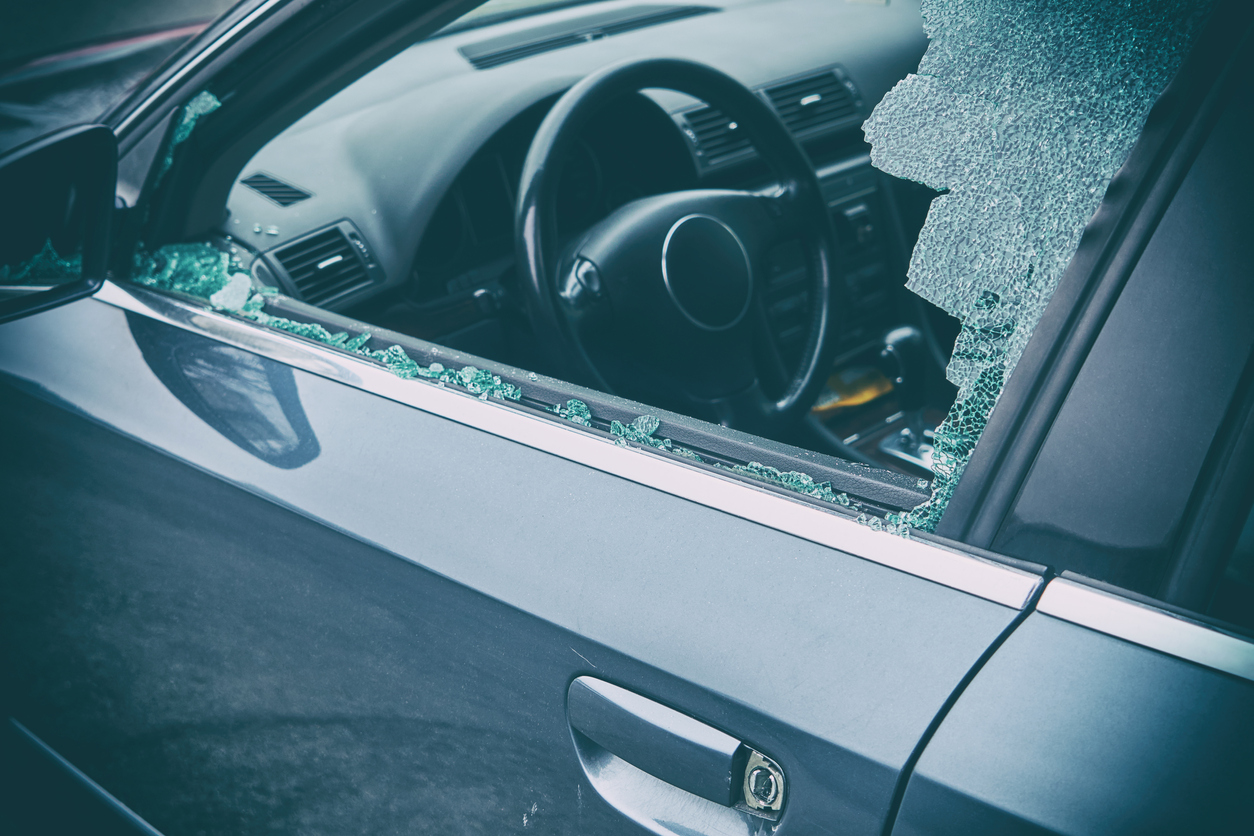
    Some use glass punches designed to shatter tempered glass easily. A single sharp hit can cause the entire window to break. This shattering helps thieves reach inside and unlock doors.

    Can Theft Cause Side Window Glass Break? Shocking Truth Revealed!

    Credit: www.championautoglass.com.au

    How Side Window Glass Breaks

    Side window glass can break in many ways. It is not always clear why the glass shatters or cracks. Understanding how side window glass breaks helps protect your car better. Knowing the types of glass and what causes breakage is useful.

    Glass is strong but also delicate. Small impacts or stress can cause it to fail. Theft attempts often target side windows, which can lead to damage. Let’s explore the types of side window glass and factors that cause breakage.

    Types Of Side Window Glass

    Most cars use two types of glass for side windows: tempered and laminated. Tempered glass is common. It shatters into small pieces when broken. This reduces injury risk. Laminated glass has a plastic layer between two glass sheets. It stays in place when cracked. This makes it harder to break through.

    Some luxury cars use laminated glass for all windows. It offers better security and noise reduction. Knowing the type of glass helps understand how it breaks.

    Factors Leading To Glass Breakage

    Several factors cause side window glass to break. Direct impact from a hard object is the most common. Thieves often hit windows with rocks or tools. This impact can crack or shatter the glass.

    Temperature changes also affect glass strength. Rapid heating or cooling can cause stress and cracks. Weak spots from previous damage make breakage easier. Poor installation or frame damage may increase risk too.

    Vibrations while driving on rough roads can weaken glass over time. Pressure from inside the car, like leaning on the window, adds stress. Understanding these factors helps in taking precautions to protect your side windows.

    Can Theft Directly Cause Glass Breakage?

    Theft can cause side window glass to break, but not always directly. Glass damage often happens during the thief’s attempt to enter the vehicle. Understanding how theft leads to glass breakage helps in preventing and handling such incidents. Below are key ways theft might cause the side window to break.

    Impact Of Forced Entry

    Thieves often break glass to enter quickly. They use tools or heavy objects to smash the side window. The force causes the glass to shatter immediately. Side windows are easier targets than windshields. The glass breaks under the strong impact from rocks, hammers, or crowbars. This is the most common cause of glass breakage during theft.

    Accidental Damage During Theft

    Sometimes glass breaks by accident during theft. Thieves may struggle with locks or handles near the window. Their movements can cause the glass to crack or break. Items inside the car might also hit the glass. In rare cases, the window breaks from shaking or banging. This damage happens without direct smashing but still results from theft actions.

    Signs Of Theft-related Glass Damage

    Signs of theft-related glass damage help identify if a side window was broken during a theft. Thieves often target side windows to gain quick access. Detecting the type of break can reveal whether it was accidental or forced entry. Understanding these signs can help protect your vehicle and support insurance claims.

    Patterns Of Breakage

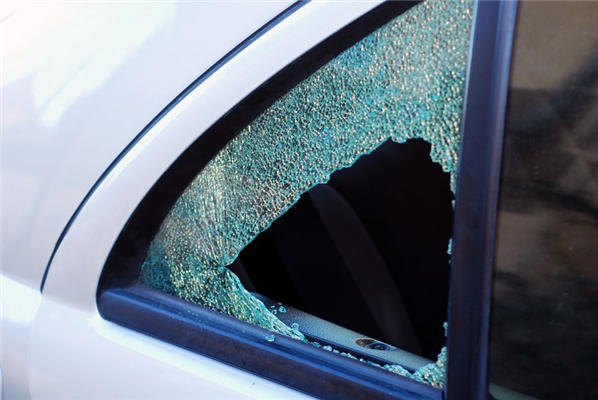
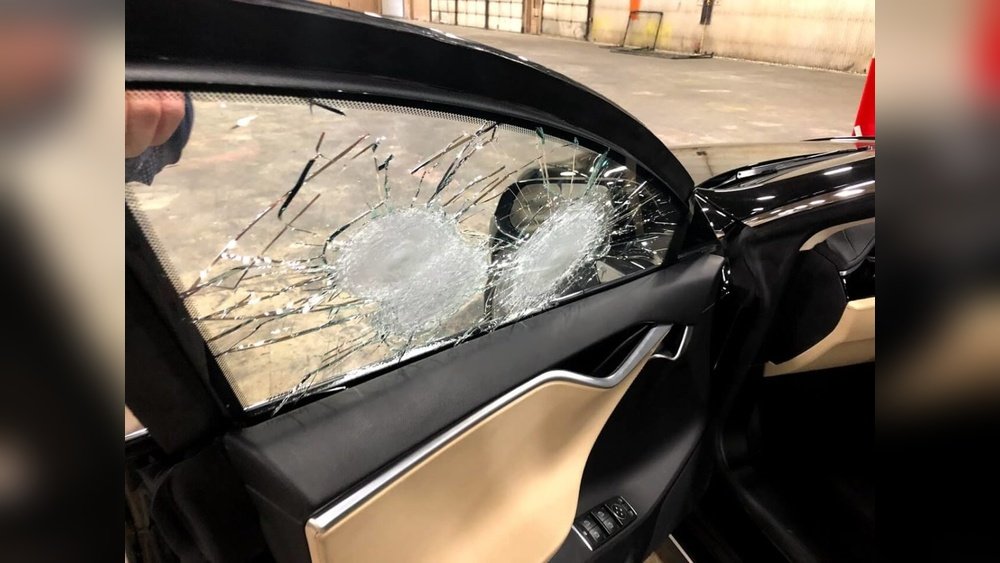
    The break pattern on side window glass often shows sharp, jagged edges. Thieves use tools like rocks or screwdrivers to smash the glass. The glass may have spider-web cracks spreading from a single point. Sometimes, the glass is shattered into small pieces scattered inside the car. These patterns differ from cracks caused by road debris or accidents.

    Other Indicators Of Forced Entry

    Look for scratches or dents near the window frame or door handle. Forced entry may leave tool marks around the lock or door edges. The window seal might be disturbed or warped from prying. Interior items may be moved or missing, signaling a break-in. These signs combined with broken glass confirm theft-related damage.

    Preventing Window Breakage From Theft

    Preventing window breakage from theft is key to protecting your home and belongings. Side window glass is often a target for thieves. Taking steps to secure these windows can reduce the risk of damage and loss. Simple measures help keep your windows safe and your home secure.

    Security Measures For Windows

    Install sturdy locks on all side windows. Use window sensors that alert you if a window opens or breaks. Keep bushes and trees trimmed to avoid hiding spots near windows. Motion sensor lights around windows can scare off intruders. Regularly check window frames for weaknesses or damage.

    Protective Window Films And Bars

    Apply protective window films to make glass harder to break. These films hold shattered glass together, reducing injury and entry chance. Window bars provide a strong physical barrier against break-ins. Choose bars that can be opened from inside for safety. Combine films and bars for extra protection.

    Can Theft Cause Side Window Glass Break? Shocking Truth Revealed!

    Credit: agworkers.com

    Repairing And Replacing Broken Side Windows

    Broken side windows need quick care to keep your car safe and secure. Repairing or replacing these windows depends on the damage type and size. Timely action stops further problems like weather damage or theft risk.

    Choosing the right fix saves money and keeps your car looking good. Knowing what to do after damage helps you act fast and smart. Below are key steps and choices for handling broken side windows.

    Immediate Steps After Damage

    Check the window and car for extra damage. Remove loose glass carefully to avoid injury. Cover the broken window with plastic or tape to block rain and dust. Avoid driving if the damage blocks your view or feels unsafe. Contact a professional to inspect and guide the next steps.

    Choosing Repair Vs Replacement

    Small cracks or chips might be repaired without full replacement. Repairs save time and cost less. Large cracks or shattered glass require full replacement for safety. Replacement restores full strength and function of the window. A technician can advise on the best choice based on damage severity.

    Insurance And Theft-related Window Damage

    Theft can cause damage to a car’s side window glass. This damage often leads to insurance claims. Understanding insurance and theft-related window damage helps protect your finances.

    Insurance covers many types of glass damage caused by theft. Knowing how to file claims and what your policy covers is important. This knowledge saves time and avoids surprises during the claim process.

    Filing Claims For Glass Damage

    Start by reporting the theft to the police. You need a police report to file an insurance claim. Next, contact your insurance company quickly. Provide all details about the damage and theft.

    Take photos of the broken window. Keep all documents related to the incident. This evidence supports your claim and speeds up approval. Your insurer may send an adjuster to inspect the damage.

    Follow the insurer’s instructions carefully. They will guide you on repair options and claim steps. Acting fast helps you get your car fixed sooner.

    Coverage Considerations

    Check your insurance policy for glass coverage. Some policies include full glass repair or replacement. Others may require a deductible before coverage starts.

    Theft-related window damage usually falls under comprehensive coverage. This coverage protects against theft, vandalism, and natural disasters. Without it, you may have to pay all repair costs yourself.

    Review your policy limits and exclusions. Understand what is covered and what is not. This helps prevent unexpected expenses after theft-related damage.

    Can Theft Cause Side Window Glass Break? Shocking Truth Revealed!

    Credit: www.carrchevrolet.com

    Frequently Asked Questions

    Can Theft Attempts Break Side Window Glass?

    Yes, thieves often break side window glass to quickly access the vehicle. The glass is designed to be breakable under force, making it vulnerable during theft attempts.

    Why Is Side Window Glass Easy To Break?

    Side window glass is tempered, which makes it strong but shatters easily on impact. This design helps protect passengers but also allows quick breakage during theft.

    How Can I Prevent Side Window Glass Theft?

    Use security films, park in well-lit areas, and install alarms. These measures strengthen the glass and deter thieves from targeting your vehicle.

    Does Insurance Cover Side Window Glass Breakage?

    Most comprehensive car insurance policies cover side window glass breakage. Check your policy details to confirm coverage and any applicable deductibles for glass repairs.

    Conclusion

    Theft can definitely cause side window glass to break. Thieves often break windows to get inside quickly. This damage can be costly and frustrating. Protecting your vehicle with alarms and locks helps a lot. Stay aware of your surroundings to avoid risks.

    Fix broken glass as soon as possible to stay safe. Taking small steps can reduce the chance of theft. Always keep your car locked and valuables hidden. Safety matters most when it comes to your vehicle.

  • When Side Window Glass Needs Replacement: Essential Tips & Signs

    When Side Window Glass Needs Replacement: Essential Tips & Signs

    Have you ever noticed a small crack or chip on your car’s side window and wondered if it really needs to be replaced? Ignoring these signs might seem harmless at first, but your safety and comfort could be at risk.

    Your side window glass is more than just a barrier against the weather—it protects you from outside dangers and keeps your vehicle secure. You’ll discover exactly when it’s time to replace that side window glass, how to spot the warning signs, and why acting quickly can save you money and stress.

    Keep reading to make sure your ride stays safe and sound.

    Common Causes Of Side Window Damage

    Side window glass can break or crack for many reasons. Knowing these reasons helps you act fast. Quick action can keep your car safe and looking good. Below are common causes of side window damage.

    Impact From Accidents

    Car accidents often cause side window damage. Even small crashes can crack the glass. Flying debris during a collision also breaks windows. Such impacts weaken the glass and need quick repair.

    Weather-related Damage

    Extreme weather harms side windows. Hailstones can leave dents and cracks. Sudden temperature changes cause glass to expand or shrink. This stress can break the window over time.

    Wear And Tear Over Time

    Old cars may have worn side windows. Constant exposure to sun and rain weakens glass. Tiny scratches grow into bigger cracks. Aging seals also let in moisture, harming the glass.

    Vandalism And Theft Attempts

    Side windows are targets for thieves and vandals. They break glass to enter a vehicle fast. Scratches and cracks from such attempts need replacement. Protecting your car can prevent costly damage.

    When Side Window Glass Needs Replacement: Essential Tips & Signs

    Credit: maiamidwifery.com

    Key Signs To Replace Side Window Glass

    Side window glass is important for safety and comfort while driving. It protects you from wind, rain, and noise. Damaged glass can cause problems and risks. Knowing the key signs helps you decide when to replace it. Early replacement keeps your vehicle secure and comfortable.

    Visible Cracks And Chips

    Cracks and chips on the side window glass are easy to spot. Even small cracks can grow bigger over time. These damages weaken the glass. They can cause the glass to break suddenly. Replacing glass with visible damage prevents accidents.

    Difficulty In Window Operation

    Windows that move slowly or get stuck need attention. Problems with rolling the window up or down show damage. The glass might be warped or the mechanism could fail. Replacing the glass can restore smooth window function.

    Unusual Noises Or Rattling

    Rattling or strange sounds from the window area are warning signs. Loose or damaged glass causes these noises. They can distract the driver or passengers. Fixing the glass stops the noise and improves safety.

    Water Leaks Inside The Vehicle

    Water inside the car after rain or washing signals a problem. Damaged side window glass can let water in. Leaks cause damage to the interior and electronics. Replacing the glass stops leaks and protects your vehicle.

    Safety Risks Of Ignoring Damage

    Ignoring damage to your side window glass poses serious safety risks. Small cracks or chips can grow quickly and weaken the glass. This puts you and others in danger every time you drive. Understanding these risks helps you see why prompt replacement matters.

    Compromised Structural Integrity

    Side windows help keep your vehicle strong during accidents. Damaged glass can shatter easily on impact. This lowers the car’s overall strength and protection. Your safety depends on solid, intact glass.

    Reduced Protection From Elements

    Cracked windows let rain, wind, and dust inside. This damages the interior and makes driving uncomfortable. Cold air or heat can enter quickly. Good glass keeps your car sealed and cozy.

    Increased Risk Of Theft

    Broken or cracked windows attract thieves. They can break in faster through weak glass. This puts your belongings and vehicle at risk. Strong windows act as a deterrent against theft.

    Legal Implications

    Driving with damaged side windows may break traffic laws. Some states require clear, undamaged glass. Fines and penalties can follow if you ignore the damage. Keeping your windows in good shape avoids legal trouble.

    When Side Window Glass Needs Replacement: Essential Tips & Signs

    Credit: www.olyautoglass.pro

    Choosing The Right Replacement Glass

    Choosing the right replacement glass for your side window is important. It affects your car’s safety and appearance. Picking the best glass means understanding different options. This helps you make a smart choice. Consider the type of glass, its quality, and how it fits your vehicle.

    Each choice has pros and cons. Knowing these can save you time and money. Let’s explore the main factors to think about.

    Oem Vs. Aftermarket Options

    OEM glass comes from the car maker. It matches your original window exactly. This means perfect fit and finish. OEM glass usually costs more. Aftermarket glass is made by other companies. It can be cheaper but may not fit as well. Quality varies. Choose OEM for best match and safety. Aftermarket can work if budget is tight.

    Types Of Glass Materials

    Most side windows use tempered glass. It breaks into small pieces for safety. Some cars may use laminated glass. This glass stays in place if broken. Laminated glass offers more security. Check your car’s original glass type. Match it to keep safety features intact.

    Tint And Coating Considerations

    Tinted glass reduces glare and heat. It also adds privacy. Some glass has special coatings for UV protection. These coatings help protect your skin and car interior. Choose tint and coatings based on your climate and needs. Make sure the replacement glass matches your car’s style.

    Certified Installation Services

    Proper installation is key for safety and durability. Certified technicians have training to install glass correctly. They use right tools and adhesives. Bad installation can cause leaks or damage. Choose a service with good reviews and certification. This ensures your new glass fits well and lasts longer.

    Diy Vs. Professional Replacement

    Deciding between DIY and professional replacement for side window glass matters. Each choice has clear pros and cons. Understanding these helps you make the right call for your situation. Safety, cost, and quality play big roles here.

    Benefits Of Professional Service

    Professional services bring experience and tools. Experts handle glass carefully to avoid damage. They ensure a perfect fit and seal. This work protects your car from leaks and wind noise. Professionals also follow safety rules strictly. They dispose of broken glass safely, too.

    Risks Of Diy Repairs

    DIY repairs might seem cheaper but carry risks. Wrong installation can cause leaks or cracks later. Glass is sharp and can cause injury. Without proper tools, you may damage the window or car frame. Poor sealing can lead to water damage inside your car.

    Cost Comparisons

    DIY kits cost less upfront. You pay for tools and the glass only. Professional service costs more but includes labor and warranty. Sometimes, fixing mistakes from DIY can be very expensive. Consider the total cost over time, not just the first price.

    When To Seek Expert Help

    Choose professional help for large cracks or shattered glass. If the window motor or frame is damaged, avoid DIY. Professionals handle complex repairs safely and correctly. Also call an expert if you lack tools or experience. It saves time and prevents extra problems.

    When Side Window Glass Needs Replacement: Essential Tips & Signs

    Credit: maiamidwifery.com

    Maintenance Tips To Extend Window Life

    Maintaining side window glass helps it last longer and stay clear. Simple care can prevent damage and keep windows working well. Follow easy steps to protect your glass and avoid costly replacements.

    Regular Cleaning Practices

    Clean windows often with soft cloths or sponges. Use warm water mixed with mild soap. Rinse well to remove dirt and grime. Avoid letting dirt build up, as it can scratch the glass.

    Avoiding Harsh Chemicals

    Stay away from strong cleaners with ammonia or bleach. These can damage glass and window seals. Choose gentle, glass-safe cleaning products instead. They keep the glass clear without harm.

    Proper Window Operation

    Open and close windows carefully to avoid stress on glass. Use handles and locks gently. Do not force windows if they stick or jam. Proper use reduces cracks and breaks.

    Timely Repairs Of Minor Damage

    Fix small chips or cracks quickly. Minor damage can spread if ignored. Contact a professional for repairs before problems grow. Early care saves money and keeps windows safe.

    Frequently Asked Questions

    When Should I Replace My Car’s Side Window Glass?

    Replace side window glass if it’s cracked, shattered, or chipped deeply. Damaged glass risks safety, visibility, and weather protection. Prompt replacement avoids further damage and maintains your vehicle’s security.

    How Much Does Side Window Glass Replacement Cost?

    Side window glass replacement cost varies by vehicle type and glass quality. On average, expect $150 to $400. Labor fees and additional repairs may increase the total price.

    Can I Drive With A Cracked Side Window Glass?

    Driving with a cracked side window is unsafe and often illegal. Cracks can worsen, impairing visibility and risking glass shattering. It’s best to replace the glass before driving.

    How Long Does Side Window Glass Replacement Take?

    Replacing a side window glass usually takes 1 to 2 hours. Time depends on the vehicle model and extent of damage. Professional service ensures proper installation and safety.

    Conclusion

    Side window glass needs replacement when cracks or chips appear. Small damage can quickly grow larger. Driving with broken glass is unsafe and illegal. Replace damaged glass promptly to protect yourself and others. Choose a trusted service to ensure proper installation.

    Clear, intact windows improve visibility and comfort. Regular checks help spot problems early. Don’t ignore signs of damage. Keeping your side windows in good shape keeps your car safe and secure.

  • How Much Does Windshield Replacement Cost for Crack: Ultimate Guide

    How Much Does Windshield Replacement Cost for Crack: Ultimate Guide

    Have you noticed a crack spreading across your windshield? You might be wondering, how much will it cost to replace it?

    Knowing the price ahead of time can help you avoid surprises and make smart decisions for your safety and budget. You’ll discover the key factors that affect windshield replacement costs and learn how to get the best value. Keep reading to protect your car and your wallet.

    How Much Does Windshield Replacement Cost for Crack: Ultimate Guide

    Credit: www.connectbyamfam.com

    Factors Affecting Windshield Replacement Cost

    Several factors affect the cost of windshield replacement for cracks. Understanding these factors helps in estimating the price accurately. Costs vary widely based on different conditions and choices. Each factor plays a key role in the final bill.

    Type Of Vehicle

    Different vehicles have different windshield sizes and shapes. Luxury cars often need special glass, raising the price. Common cars usually have lower replacement costs. Some models require extra sensors or cameras, increasing complexity and cost.

    Extent Of Damage

    Small cracks or chips might only need repairs. Large cracks or shattered glass require full replacement. Deeper damage means more labor and materials. The bigger the damage, the higher the cost.

    Glass Quality

    Standard glass is cheaper but less durable. OEM (original equipment manufacturer) glass matches car factory quality. High-quality glass often includes better clarity and strength. Choosing better glass raises the replacement price.

    Labor Charges

    Labor costs depend on the technician’s skill and time needed. Complex installations take longer and cost more. Some cars need special tools or extra care. Labor rates vary by shop and region.

    Location And Service Provider

    Costs differ by city and state due to living expenses. Authorized dealers usually charge more than local shops. Mobile services might add fees for travel. Comparing providers can help find fair prices.

    How Much Does Windshield Replacement Cost for Crack: Ultimate Guide

    Credit: starwindshield.ca

    Average Price Range For Windshield Replacement

    The cost of windshield replacement varies widely. Several factors affect the price, including car type and damage size. Knowing the average price helps plan your budget.

    Most drivers want a clear idea of what to expect. Prices range from affordable to quite high. Understanding these ranges helps avoid surprises during repair.

    Standard Cars

    For standard cars, windshield replacement usually costs between $100 and $400. Basic models with common glass types fall in this range. Most repair shops offer competitive prices for these vehicles.

    The price depends on the glass quality and labor fees. Simple cracks or chips may cost less. Larger or more complex damage increases the cost.

    Luxury And Specialty Vehicles

    Luxury and specialty vehicles require special glass and care. Windshield replacement can cost between $400 and $1,500 or more. These cars often use advanced materials and sensors.

    Extra technology like rain sensors or heads-up displays raise the price. Skilled technicians are needed for proper installation. This adds to labor costs.

    Additional Costs To Consider

    Other costs might appear beyond the basic price. Calibration of sensors or extra parts can add $50 to $200. Some shops charge for disposal of old glass.

    Insurance coverage can lower your out-of-pocket expense. Deductibles and policy limits affect final payment. Always check your policy details before repair.

    Insurance Coverage And Windshield Repair

    Understanding insurance coverage can lower the cost of windshield replacement. Many insurance policies cover windshield repairs and replacements. Knowing what your policy offers helps you avoid surprise expenses.

    Insurance can pay for part or all of the repair costs. Some policies even waive deductibles for windshield repairs. This makes fixing cracks easier and cheaper.

    Comprehensive Insurance Policies

    Comprehensive insurance usually covers windshield damage. It protects against cracks caused by rocks or accidents. This coverage may include full glass replacement.

    Check if your policy includes glass coverage. Some policies require adding a glass rider. Without this, repairs might not be covered.

    Deductibles And Out-of-pocket Expenses

    Deductibles are the amount you pay before insurance pays. Some policies have low or no deductibles for glass repairs. This reduces your out-of-pocket cost.

    Out-of-pocket expenses depend on your policy terms. Knowing your deductible helps you budget for repairs. Sometimes, small cracks cost less than your deductible.

    Claim Process Tips

    Report windshield damage to your insurer quickly. Provide clear photos and details about the crack. Prompt claims often get faster approval.

    Use approved repair shops to avoid claim issues. Some insurers have preferred providers for quality work. Keep all receipts and documents for your records.

    Diy Windshield Repair Vs Professional Replacement

    Choosing between DIY windshield repair and professional replacement can be confusing. Small cracks might seem easy to fix at home. But bigger damage often needs expert help. Understanding the difference helps protect your car and your safety.

    When To Choose Diy

    Small chips or cracks less than six inches can be repaired at home. DIY kits are affordable and easy to find. Quick fixes stop cracks from growing larger. Use DIY repair only if damage is simple and not in the driver’s line of sight.

    Risks Of Diy Repair

    Improper repair can weaken the windshield. DIY kits might not seal cracks fully. This causes moisture or dirt to enter and worsen damage. Poor repairs reduce visibility and safety on the road. Mistakes may lead to costly replacements later.

    Benefits Of Professional Services

    Professionals use advanced tools and materials. They restore windshield strength and clarity. Experts assess damage and recommend replacement if needed. Professional work comes with warranties for peace of mind. Certified technicians ensure your safety and car value.

    Tips To Lower Windshield Replacement Costs

    Replacing a cracked windshield can be expensive. Small steps save money on this repair. These tips help lower your windshield replacement costs. Save by planning and choosing wisely.

    Comparing Quotes

    Get multiple price quotes from different repair shops. Prices vary, so compare carefully. Look beyond the price. Check reviews and service quality too. Choose the best value, not just the cheapest option. This saves money and avoids future problems.

    Using Oem Vs Aftermarket Glass

    OEM glass comes from the car maker. Aftermarket glass is made by other companies. Aftermarket glass usually costs less. It fits well and meets safety rules. Ask the shop about both options. Pick the one that suits your budget and needs.

    Timing Your Repair

    Fix cracks early to avoid full replacement. Small chips often cost less to repair. Delaying can worsen the damage. Some shops offer discounts in low seasons. Plan repairs during these times to save. Quick action keeps costs down.

    How Much Does Windshield Replacement Cost for Crack: Ultimate Guide

    Credit: chipproutah.com

    Signs You Need Windshield Replacement

    Knowing the signs that your windshield needs replacement can save you money and keep you safe. A small crack or chip might seem harmless. But it can quickly turn into a big problem. Watch for clear signals that your windshield needs attention. This helps you act before the damage worsens.

    Crack Size And Location

    Large cracks usually mean replacement is necessary. Small cracks under six inches might be repairable. Cracks near the edges are more dangerous. They can spread faster and weaken the glass. Look carefully at where the crack is. Center cracks affect visibility more. Edge cracks affect the glass’s strength. Both need quick action.

    Impact On Visibility

    Cracks or chips that block your view are serious. Even small marks in the driver’s line of sight cause problems. Sunlight can reflect off cracks and create glare. This makes driving unsafe. A clear windshield is crucial for good visibility. Replace the windshield if cracks disturb your view.

    Structural Safety Concerns

    The windshield is part of your car’s structure. It supports the roof and helps in accidents. A cracked windshield is weaker. It may not protect you well in a crash. Airbags also rely on the windshield to work properly. Structural damage means replacement is the safest choice. Don’t risk your safety with a damaged windshield.

    Frequently Asked Questions

    How Much Does Windshield Replacement Cost For A Crack?

    Windshield replacement costs vary between $150 and $400. Prices depend on car model, crack size, and labor. Insurance may cover some costs. Early replacement prevents further damage and higher expenses.

    Can Insurance Cover Windshield Replacement For Cracks?

    Many insurance policies cover windshield replacement with full glass coverage. Coverage depends on your policy and deductible. Check with your provider to confirm terms. Filing a claim often reduces out-of-pocket expenses.

    When Should I Replace A Cracked Windshield?

    Replace a windshield if cracks exceed six inches or impair vision. Small chips can sometimes be repaired. Immediate replacement ensures safety and prevents cracks from spreading further.

    Does Windshield Replacement Cost Vary By Vehicle Type?

    Yes, luxury or rare vehicle windshields cost more to replace. Standard cars have more affordable replacement parts. Labor complexity and glass quality also affect total price.

    Conclusion

    Windshield replacement costs depend on crack size and location. Small cracks often cost less to fix than large ones. Your car model also affects the price. Choosing a trusted repair shop saves money and time. Quick repairs prevent bigger damage and higher costs later.

    Keep your windshield safe for clear driving and safety. Knowing costs helps you plan and avoid surprises. Act fast when you spot a crack on your windshield.

  • When Does a Windshield Crack Need Replacement: Essential Guide

    When Does a Windshield Crack Need Replacement: Essential Guide

    Have you noticed a crack on your windshield and wondered if it’s serious enough to need a full replacement? It’s a common concern, and making the right choice can save you time, money, and keep you safe on the road.

    Your windshield is more than just glass—it’s a key part of your vehicle’s safety system. But how do you know when a crack is just a minor flaw or a sign that the whole windshield should be replaced? Keep reading, because understanding this can protect you, prevent bigger problems, and help you avoid costly repairs down the line.

    Types Of Windshield Cracks

    Windshield cracks come in various types. Each type affects your vehicle’s safety differently. Knowing the types helps decide if replacement is needed. Some cracks are small and fixable. Others spread quickly and need new glass.

    Chips And Bulls-eyes

    Chips are small marks on the glass surface. They often look like tiny dots or pits. Bulls-eyes are circular cracks with a dark center. These cracks usually happen from rocks hitting the windshield. Chips and bulls-eyes are often repairable if caught early.

    Crack Lengths And Patterns

    Cracks vary in length and shape. Short cracks under 6 inches are easier to fix. Long cracks over 6 inches usually need replacement. Patterns include straight, star-shaped, or spider web cracks. Complex patterns weaken the glass and spread faster.

    Stress Cracks

    Stress cracks appear without impact damage. They form from temperature changes or pressure. These cracks often start at the edge of the glass. They grow slowly but reduce windshield strength. Stress cracks usually require replacement to keep safety.

    Factors Affecting Replacement

    Knowing the factors that affect windshield crack replacement helps you decide fast. Not all cracks need a new windshield. Some can be fixed. The choice depends on key points. Understanding these makes it easier to keep your car safe.

    Crack Size And Location

    Small chips under a few inches often get repaired. Large cracks that spread across the glass usually need replacement. Cracks near the edge weaken the glass more. These cracks grow faster and risk breaking. Size and place matter a lot.

    Impact On Driver Visibility

    Cracks in the driver’s direct view can block sight. Any crack that blurs or distorts vision is dangerous. Repair may not fix visibility problems. Replacing the windshield restores a clear line of sight.

    Safety Concerns

    The windshield supports the car’s structure during crashes. Cracks reduce strength and increase injury risk. Airbags may not work properly if the glass is weak. Safety rules often require replacement for big cracks.

    When Repair Is Possible

    Knowing when a windshield crack can be repaired saves time and money. Repairs work best for small damages that do not spread fast. Early action stops cracks from growing and keeps the glass strong. Understanding repair limits helps you choose the right fix.

    Small Chips Under A Quarter

    Chips smaller than a quarter often qualify for repair. These chips do not usually weaken the windshield much. Repairing them early stops dirt and moisture from entering. Clean chips with no cracks around the edges heal better.

    Cracks Under Six Inches

    Cracks shorter than six inches can sometimes be fixed. These cracks must not be deep or wide. Repair works well if the crack is straight or slightly curved. Long, jagged cracks or those near edges usually need replacement.

    Tools And Techniques

    Technicians use special tools to fix chips and small cracks. A resin fills the damaged area and seals it tightly. The resin hardens under UV light to restore strength. Proper tools and skill are key for a good repair.

    Signs You Need Replacement

    Knowing the signs of a windshield crack needing replacement helps keep you safe. Small cracks can grow and cause more problems. Some cracks affect your driving more than others.

    Cracks In Driver’s Line Of Sight

    Cracks right in front of the driver block clear vision. Even small cracks here can distract or confuse the eyes. Replacing the windshield ensures a clean and safe view.

    Multiple Or Spreading Cracks

    Several cracks or ones that spread quickly weaken the glass. These cracks can join and cause the windshield to fail suddenly. Replacement stops dangerous situations before they happen.

    Damaged Structural Integrity

    The windshield supports the car’s frame and airbags. Cracks that weaken this support reduce safety in crashes. A damaged windshield needs replacing to keep the car strong.

    Risks Of Delaying Replacement

    Delaying the replacement of a cracked windshield can cause serious problems. Small cracks may seem harmless at first. Yet, they often worsen and bring risks that affect your safety, money, and legal standing. Acting early helps avoid these troubles.

    Safety Hazards

    A cracked windshield weakens your car’s structure. It may shatter more easily during a collision. This can lead to injuries from broken glass. Also, cracks can block your view, making driving risky. Clear vision keeps you safe on the road.

    Increased Repair Costs

    Ignoring a crack lets it grow bigger. Larger cracks need more expensive repairs or full windshield replacement. Repair shops may charge more for late fixes. Fix small cracks quickly to save money.

    Legal Implications

    Driving with a cracked windshield may break traffic laws. Many places require windshields to be in good condition. Police can give tickets or fines if cracks impair your view. Follow local rules to avoid legal trouble.

    When Does a Windshield Crack Need Replacement: Essential Guide

    Credit: trueblueautoglass.com

    Choosing A Replacement Service

    Choosing the right service for windshield replacement is important. It affects safety, cost, and the quality of the job. Many services offer different benefits. Knowing what to check helps make the best choice. Below are key points to consider.

    Certified Technicians

    Certified technicians have special training for windshield work. They understand how to handle glass safely. Their skills ensure the windshield fits correctly. Proper installation prevents leaks and cracks. Check if the service lists their certifications. This shows they meet industry standards.

    Warranty And Insurance

    A good replacement service offers a warranty. This covers defects or problems after installation. It gives peace of mind for your investment. Also, confirm if the service accepts insurance. Some services work directly with your insurance provider. This can reduce your out-of-pocket costs.

    Mobile Vs. In-shop Services

    Mobile services come to your home or work. They save time and add convenience. In-shop services have more tools and space. They may offer a faster or more thorough job. Choose based on your schedule and preference. Both options can deliver quality results.

    Preventing Future Windshield Damage

    Preventing future windshield damage is key to keeping your car safe and saving money. Small cracks can grow quickly and lead to costly replacements. Taking simple steps helps protect your windshield from chips and cracks. This section covers easy ways to avoid damage through driving habits, parking choices, and regular care.

    Safe Driving Practices

    Drive carefully on rough roads and avoid potholes. Keep a safe distance from other cars to prevent rocks hitting your windshield. Slow down near construction zones or gravel roads. Avoid sudden stops and sharp turns. These actions reduce the chance of debris striking your windshield.

    Parking Strategies

    Park your car away from trees and tall buildings. Falling branches or debris can crack your glass. Choose shaded areas to protect from sun damage. Avoid parking under power lines or near busy streets. Safe parking spots lower the risk of windshield damage.

    Regular Maintenance

    Check your windshield for small chips and cracks often. Repair minor damage quickly to stop it from spreading. Clean your windshield gently with soft cloths and proper cleaners. Replace worn wiper blades to avoid scratches. Routine care keeps your windshield strong and clear.

    When Does a Windshield Crack Need Replacement: Essential Guide

    Credit: chipproutah.com

    When Does a Windshield Crack Need Replacement: Essential Guide

    Credit: weareprotech.com

    Frequently Asked Questions

    When Is A Cracked Windshield Beyond Repair?

    A windshield crack is beyond repair if it is longer than 6 inches. Cracks that impair driver visibility or are located at the edges usually require replacement. Extensive spiderweb cracks or multiple cracks also make repair impossible, necessitating a full windshield replacement for safety.

    How Does Crack Size Affect Windshield Replacement?

    Crack size significantly impacts whether to repair or replace. Small chips under 1 inch can often be repaired. Cracks longer than 6 inches usually mean the windshield must be replaced to maintain structural integrity and visibility.

    Can A Cracked Windshield Affect Vehicle Safety?

    Yes, a cracked windshield compromises vehicle safety. It weakens the structural strength of the car, especially during accidents or rollovers. Cracks also reduce visibility, increasing the risk of collisions. Replacing a cracked windshield ensures both safety and clarity.

    What Cracks Require Immediate Windshield Replacement?

    Cracks that spread quickly, are larger than 6 inches, or impair driver vision need immediate replacement. Cracks near the edges or those causing glass to loosen also require urgent attention to prevent accidents.

    Conclusion

    A cracked windshield can be risky. Small chips might be repairable. But large cracks or those in the driver’s line of sight need replacement. Driving with a damaged windshield reduces safety. It can also lead to fines. Act quickly to avoid bigger problems.

    Regular checks help spot damage early. Choose a trusted service for repairs or replacement. Keep your windshield clear and strong for safe driving. Don’t wait until the crack grows or worsens. Safety comes first on every trip.

  • What Type of Cracks Need Windshield Replacement: Essential Guide

    What Type of Cracks Need Windshield Replacement: Essential Guide

    Have you noticed cracks on your windshield and wondered if you need a full replacement? Not all cracks are the same, and knowing which ones require immediate action can save you time, money, and even keep you safe on the road.

    You’ll learn exactly what types of cracks mean it’s time to replace your windshield—and which ones might still be repairable. Keep reading to protect your car and yourself from unexpected dangers.

    Common Windshield Crack Types

    Windshield cracks come in various shapes and sizes. Knowing the common types helps decide if replacement is needed. Some cracks are small and harmless. Others can spread fast and block your view. Understanding these cracks keeps you safe on the road.

    Chip Cracks

    Chip cracks look like small dots on the glass. They happen when a tiny rock hits the windshield. Usually, chips are less than an inch wide. Small chips can sometimes be repaired. But chips in the driver’s line of sight often need replacement.

    Bullseye Cracks

    Bullseye cracks have a circular shape with a dark center. They look like a target or a bullseye. These cracks are caused by strong impacts. Bullseye cracks often weaken the glass. They can grow and cause visibility problems.

    Star Cracks

    Star cracks have lines radiating from the center. They look like a star shape on the glass. These cracks happen from sharp hits or stress. Star cracks can spread quickly. They usually require fast repair or replacement.

    Combination Cracks

    Combination cracks include more than one type of crack. They mix chips, bullseyes, and star cracks. These are the most complex and dangerous cracks. Combination cracks weaken the windshield a lot. Replacement is often the safest option.

    What Type of Cracks Need Windshield Replacement: Essential Guide

    Credit: www.krygerglass.com

    Size And Location Impact

    The size and location of a crack play a big role in deciding if a windshield needs replacement. Small cracks in the right spot might only need repair. Larger cracks or cracks in certain places often require a full replacement. Understanding these details helps keep your windshield safe and clear.

    Crack Length Limits

    Cracks longer than six inches usually need replacement. Small cracks under three inches can often be repaired. Cracks between three and six inches may need expert advice. Longer cracks spread faster and weaken the glass structure.

    Edge Vs Center Cracks

    Cracks near the edge of the windshield are more dangerous. They can cause the glass to break more easily. Center cracks are less risky but still need attention. Edge cracks often require replacement to keep the glass stable.

    Cracks Near Sensors Or Cameras

    Modern windshields have sensors and cameras for safety systems. Cracks near these parts can affect their function. Even small cracks here may need full windshield replacement. Proper sensor alignment is critical for driving safety features.

    Safety Concerns With Cracks

    Cracks in a windshield are more than just an eyesore. They can lead to serious safety problems. Understanding these risks helps decide if a replacement is necessary. Some cracks weaken the glass, while others block the driver’s view. Both affect driving safety and car performance.

    Structural Integrity Risks

    The windshield helps keep the car strong. A crack can weaken this support. This makes the car less safe in crashes. The glass may break easily under pressure. This puts passengers at greater risk of injury.

    Visibility Issues

    Cracks can block or distort your view. This makes it hard to see the road clearly. Small cracks can grow and spread over time. Driving with poor visibility increases the chance of accidents. Clear vision is critical for safe driving.

    Airbag Deployment Impact

    The windshield supports airbag deployment. A damaged windshield may fail in this role. Cracks can cause airbags to deploy incorrectly. This reduces protection in a crash. A sturdy windshield helps airbags work properly.

    What Type of Cracks Need Windshield Replacement: Essential Guide

    Credit: www.waxwerks.com

    When Repair Is Enough

    Knowing when a windshield crack can be repaired saves time and money. Not every crack needs a full windshield replacement. Some small cracks can be fixed easily and safely. Repairing these cracks helps keep the glass strong and clear. It also prevents the damage from getting worse. Understanding the limits of repair helps you make the right choice.

    Small Crack Repair Criteria

    Cracks smaller than three inches often qualify for repair. Chips or bullseye cracks under this size are good candidates. The damage should not be in the driver’s line of sight. The crack must not reach the edge of the windshield. Multiple cracks close together may require replacement instead. Clear and dry damage is easier to fix well.

    Cost Benefits Of Repair

    Repairing a small crack costs less than replacing the windshield. Insurance often covers repair with no deductible. Repairs take less time, usually under an hour. Fixing cracks early avoids full replacement later. It helps maintain the original factory glass. This keeps the car’s value higher over time.

    Repair Limitations

    Large cracks or those longer than six inches need replacement. Cracks in the driver’s view can blur vision after repair. Deep cracks that penetrate the glass layers are unsafe to fix. Windshield damage near the edges weakens the glass structure. Old or dirty cracks may not bond well with repair resin. In these cases, replacement is the safer option.

    Signs You Need Replacement

    Knowing the signs that your windshield needs replacement can save you money and keep you safe. Not all cracks require a full replacement, but some do. Recognizing the right signs helps you act quickly. Below are key indicators that a windshield replacement is necessary.

    Crack Growth Patterns

    Cracks that grow larger over time need immediate attention. Small chips may stay the same, but some cracks spread fast. Temperature changes and bumps can make cracks longer. Once a crack reaches several inches, replacement is often the best choice. Stopping crack growth is very hard.

    Multiple Cracks

    Having more than one crack weakens the windshield a lot. Even small cracks add up and reduce strength. Multiple cracks make repairs less effective. When cracks appear in several places, replacement keeps the glass safe. A windshield with many cracks cannot protect you well.

    Cracks Affecting Driver’s View

    Cracks in the driver’s line of sight are dangerous. They block or blur vision, risking accidents. Repairs cannot fully clear cracks in this area. Replacement restores clear vision and safety. Any crack that distracts or hides the road needs a new windshield.

    What Type of Cracks Need Windshield Replacement: Essential Guide

    Credit: www.acg.aaa.com

    Professional Inspection Tips

    Professional inspection plays a key role in deciding if a cracked windshield needs replacement. Experts assess the damage carefully. This helps avoid costly mistakes. They check the size, location, and depth of cracks. Knowing these details guides the repair or replacement choice. Below are tips to understand this process better.

    Choosing A Reliable Technician

    Pick a technician with proper training and experience. Check for certifications and positive reviews. A skilled technician uses the right tools. They follow safety standards strictly. Trustworthy experts explain the problem clearly. They answer questions patiently. This ensures you feel confident about the service.

    Inspection Procedures

    The technician cleans the windshield first. Dirt can hide cracks or chips. Then, they measure the crack length and width. Cracks longer than six inches often need replacement. The location matters too. Cracks near the edges weaken the glass more. Depth is checked using special tools. Deep cracks usually mean the glass is unsafe.

    Estimating Repair Vs Replacement

    Small cracks or chips can often be repaired. Repairs save money and keep the glass strong. Large or deep cracks usually require replacement. Repairs might not hold if damage is severe. The technician compares costs and safety risks. They suggest the best option for your car. Your safety comes first in every decision.

    Preventing Future Windshield Damage

    Preventing future windshield damage helps keep your car safe and saves money. Small cracks can grow fast without care. Taking steps to protect your windshield lowers the chance of needing a full replacement. Simple habits and regular checks make a big difference.

    Safe Driving Habits

    Drive carefully on rough roads and avoid potholes. Keep a safe distance from other cars to avoid flying stones. Slow down when behind trucks or construction vehicles. Avoid sudden stops that can stress the windshield. These habits reduce the risk of chips and cracks.

    Protective Films And Treatments

    Use protective films to shield your windshield from small debris. These films add a layer of strength against impacts. Treatments can also help repel water and dirt. This keeps your glass clearer and less likely to develop damage. Applying these is an easy way to protect your investment.

    Regular Maintenance Checks

    Check your windshield often for small chips or cracks. Repair minor damage quickly before it worsens. Clean the glass with gentle, non-abrasive products. Inspect windshield wipers and replace them if worn out. Regular care prevents damage from growing and extends windshield life.

    Frequently Asked Questions

    What Types Of Windshield Cracks Need Replacement?

    Long cracks over 12 inches usually need windshield replacement. Star-shaped or multiple cracks also require replacement. Small chips can often be repaired but extensive damage compromises safety.

    Can A Windshield With A Bullseye Crack Be Repaired?

    Bullseye cracks under 1 inch can often be repaired. Larger bullseye cracks weaken the glass and need replacement. Prompt repair prevents crack expansion and maintains windshield strength.

    When Do Edge Cracks Require Windshield Replacement?

    Edge cracks often spread quickly and weaken the glass. Cracks touching the windshield’s edge typically require replacement. Repair is risky as it may not restore full strength.

    Are Multiple Cracks A Sign For Windshield Replacement?

    Multiple cracks indicate severe windshield damage and usually require replacement. Repairing multiple cracks is difficult and may not restore safety. Replacement ensures structural integrity and driver visibility.

    Conclusion

    Cracks that spread or are large need windshield replacement. Small chips or cracks near the edge can grow fast. Driving with damaged glass is unsafe and risky. Replacing the windshield keeps you and others protected. Always check cracks carefully and act quickly.

    A clear, strong windshield helps you see the road well. Don’t ignore damage—it can get worse over time. Safety matters most when it comes to your car.

  • Does Cold Weather Worsen Windshield Chip? Shocking Truth Revealed

    Does Cold Weather Worsen Windshield Chip? Shocking Truth Revealed

    Have you ever noticed a small chip on your windshield and wondered if cold weather could make it worse? That tiny crack might seem harmless now, but when temperatures drop, it can turn into a big problem fast.

    You might be risking costly repairs or even a full windshield replacement without realizing it. Understanding how cold weather affects your windshield chip can save you time, money, and stress. Keep reading to find out what really happens when the cold hits your car’s glass—and what you can do to protect it.

    How Windshield Chips Form

    Windshield chips start from small impacts that weaken the glass. These tiny damages can grow over time and cause cracks. Understanding how chips form helps protect your windshield better.

    Common Causes Of Chips

    Small stones and debris hit the windshield while driving. This impact can cause tiny chips or cracks. Sudden bumps on rough roads also increase the risk. Fast-moving traffic sprays small rocks from tires. Even hail or falling branches can cause damage. Most chips begin as a sharp hit at one spot.

    Impact Of Temperature Changes

    Glass expands and contracts with temperature shifts. Cold weather makes glass shrink and more brittle. Warm weather causes the glass to expand again. This constant change can make chips grow into cracks. Sudden heat, like from the sun or heater, stresses the chip area. Cold air hitting a warm windshield can worsen damage quickly. Temperature swings make small chips more dangerous.

    Does Cold Weather Worsen Windshield Chip? Shocking Truth Revealed

    Credit: cftproducts.com

    Cold Weather Effects On Glass

    Cold weather affects car windshields in many ways. The glass reacts to temperature changes, which can cause problems. Understanding how cold impacts the glass helps protect your windshield from damage.

    Low temperatures make the glass shrink and expand differently. This constant change can worsen small chips and cracks. Let’s explore how glass behaves in cold weather and what happens to windshield chips.

    Glass Expansion And Contraction

    Glass expands when heated and contracts when cooled. In cold weather, the glass shrinks quickly. This constant shrinking puts pressure on small chips in the windshield.

    Rapid changes in temperature cause the glass to move unevenly. The edges of chips may open up more, making cracks grow. This process weakens the windshield over time.

    Stress Points In Windshields

    Windshields have natural weak spots called stress points. Cold weather increases stress on these points. Chips near stress points are more likely to spread into cracks.

    Pressure from cold wind and ice can push on these weak areas. This pressure makes chips bigger and damages the glass structure. Small chips become a bigger problem in winter.

    Does Cold Weather Make Chips Worse?

    Cold weather can affect windshield chips in many ways. The drop in temperature causes the glass to contract, which may worsen existing chips. Cracks can spread faster in freezing conditions. Understanding this helps protect your windshield better during winter months.

    Scientific Insights

    Glass expands and contracts with temperature changes. In cold weather, the glass shrinks. This puts stress on areas with chips or cracks. Water can enter these tiny cracks. When water freezes, it expands and pushes the glass apart. This makes the chip larger and may cause cracks to grow quickly.

    Real-life Examples

    Many drivers notice chips spreading after cold nights. A small chip in the morning can turn into a large crack by afternoon. Road salt and debris worsen the damage. Repair costs rise if chips are ignored during winter. Quick repairs prevent bigger problems and keep the windshield safe.
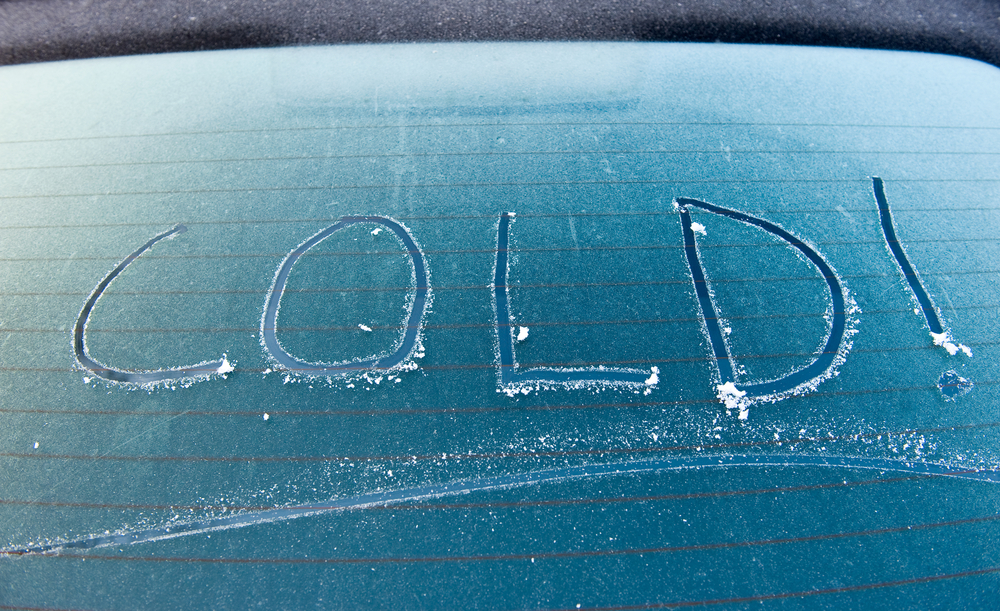
    Does Cold Weather Worsen Windshield Chip? Shocking Truth Revealed

    Credit: www.glasshopperautoglass.com

    Risks Of Ignoring Windshield Chips

    Ignoring windshield chips can cause serious problems. Small chips may seem harmless but can quickly turn into big cracks. Cold weather makes glass contract and expand, worsening these chips. This leads to safety risks and higher repair costs. Acting fast can prevent many issues.

    Safety Concerns

    Windshield chips weaken the glass structure. A small chip can grow and reduce visibility. Cracks distract drivers and increase accident risks. In cold weather, sudden temperature changes make cracks spread faster. A damaged windshield may fail during a crash. Protect yourself by fixing chips early.

    Cost Implications

    Fixing a small chip costs much less than replacing a windshield. Ignoring chips leads to bigger cracks that need full replacement. Replacing glass is expensive and takes more time. Insurance might not cover damage caused by neglect. Early repair saves money and avoids future hassles.

    Preventing Chip Damage In Winter

    Winter can be tough on your windshield. Cold weather makes chips worse and cracks spread faster. Taking steps to protect your windshield helps avoid costly repairs. A few simple actions keep small chips from turning into big problems.

    Temperature Management Tips

    Rapid changes in temperature cause glass to expand and contract. This makes chips grow into cracks. Avoid pouring hot water on a cold windshield. Use a scraper or de-icer spray instead. Park your car in a garage or shaded spot. This reduces extreme temperature shifts. Warm up the car slowly. Let the heater gently warm the windshield. Sudden heat can stress the glass.

    Protective Measures

    Cover your windshield with a frost guard or blanket at night. This prevents ice buildup and protects from cold air. Fix small chips quickly with a windshield repair kit. These kits stop chips from spreading. Avoid driving on rough roads or behind trucks that kick up stones. Clean your windshield gently to avoid scratching weakened glass. Taking these steps lowers damage risk during winter months.

    Repair Options For Windshield Chips

    Windshield chips need quick attention to avoid bigger damage. Cold weather can make chips spread faster. Choosing the right repair option saves money and keeps you safe. Understanding repair choices helps protect your vehicle.

    Diy Vs Professional Repair

    DIY repair kits are cheap and easy to find. They work well on small chips and cracks. These kits fill the chip to stop spreading. Careful cleaning is needed before repair. DIY repair may not fully restore strength.

    Professional repair uses special tools and resins. Experts can fix larger or hidden damage. They check the windshield for safety issues. Repairs done by pros last longer and look better. Professionals ensure the chip does not grow again.

    When To Replace The Windshield

    Replace the windshield if the chip is large or deep. Cracks longer than a few inches weaken the glass. Damage near the edges often requires replacement. If cracks block your view, replace immediately. Safety rules say to replace if repair can’t fix it.

    Cold weather can worsen chips, making replacement more urgent. A new windshield keeps you safe during harsh conditions. Always ask a professional for advice on replacement. Timely action prevents accidents and costly repairs later.

    Does Cold Weather Worsen Windshield Chip? Shocking Truth Revealed

    Credit: cftproducts.com

    Frequently Asked Questions

    Does Cold Weather Make Windshield Chips Worse?

    Yes, cold weather causes glass to contract, worsening windshield chips. Temperature changes can expand cracks, making chips larger and more damaging.

    Why Do Windshield Chips Spread Faster In Winter?

    Cold temperatures cause glass to contract and expand. This pressure worsens chips and cracks, causing them to spread faster during winter months.

    Can Freezing Temperatures Cause Windshield Cracks To Form?

    Freezing temperatures cause water in chips to freeze and expand. This expansion puts pressure on glass, often leading to new cracks forming.

    How Can I Prevent Windshield Chips From Worsening In Cold?

    Park your car in a garage or shaded area. Avoid sudden temperature changes and repair chips promptly to prevent worsening in cold weather.

    Conclusion

    Cold weather can make windshield chips worse by causing cracks to spread. Tiny changes in temperature put stress on the glass. This makes small chips turn into bigger cracks faster. Fixing chips early helps keep your windshield strong. Don’t wait until winter to repair damage.

    A small chip today might mean a costly replacement tomorrow. Protect your car and stay safe on icy roads. Regular checks and quick repairs make a big difference. Keep your windshield clear and your drive worry-free.
  • How to Clean Windshield With Chip Safely: Expert Tips Revealed

    How to Clean Windshield With Chip Safely: Expert Tips Revealed

    Your windshield is one of the most important parts of your car, keeping you safe while you drive. But what do you do when it has a chip?

    Cleaning your windshield with a chip requires extra care to avoid making the damage worse. If you want to keep your glass clear and your chip from spreading, you need the right steps. This guide will show you exactly how to clean your windshield with a chip safely, so you can protect your view and your vehicle.

    Keep reading to learn simple, effective tips that anyone can follow.

    Assessing The Chip Damage

    Before cleaning a windshield chip, it is important to assess the damage. This step helps decide the best way to clean and repair the chip. Careful assessment protects the glass from further harm. It saves time and money by preventing unnecessary repairs.

    Assessing chip damage means checking its type, size, and depth. This information guides the cleaning process and repair methods. Proper assessment ensures the chip does not spread or worsen.

    Identifying Chip Types

    There are different types of chips on windshields. Common ones include bullseye, star, and combination chips. Bullseye chips look like a circle with a dark center. Star chips have cracks radiating from the impact point. Combination chips show features of both bullseye and star chips. Identifying the type helps choose the right cleaning and repair tools.

    Evaluating Chip Size And Depth

    Chip size matters for cleaning safety. Small chips under the size of a quarter are easier to clean. Large chips may require professional repair. Depth is also important. Surface chips are shallow and less risky. Deep chips reach the inner layers of glass. Deep chips can weaken the windshield. Measuring size and depth guides the cleaning approach.

    How to Clean Windshield With Chip Safely: Expert Tips Revealed

    Credit: www.glassfixitauto.com

    Gathering Cleaning Supplies

    Gathering the right cleaning supplies is the first step to clean a windshield with a chip safely. Using the proper materials protects the glass and prevents the chip from getting worse. It also makes the cleaning process easier and more effective. This section covers how to pick safe cleaning solutions and suitable tools for the job.

    Choosing Safe Cleaning Solutions

    Pick cleaning solutions made specifically for glass surfaces. Avoid harsh chemicals that can damage the windshield or the chip. Mild soap mixed with water works well and is gentle. Alcohol-based cleaners can help remove grease but use them sparingly. Stay away from ammonia or bleach, as they can weaken the glass. Always test the cleaner on a small area first to check for any damage.

    Selecting Appropriate Tools

    Use soft, non-abrasive cloths like microfiber towels to avoid scratching. Avoid rough sponges or brushes. A soft-bristle brush can help clean dirt around the chip carefully. Use a spray bottle to apply the cleaning solution evenly. Avoid applying too much pressure when cleaning near the chip. Gentle wiping helps keep the chip intact and stops it from spreading.

    Preparing The Windshield

    Preparing the windshield is the first step to cleaning it safely when it has a chip. This step helps avoid making the chip worse. It also makes the cleaning process easier and more effective.

    Start by clearing away any loose dirt and debris. Then, protect the areas around the chip. This prevents damage to your car’s paint and parts. Careful preparation saves time and keeps your windshield safe.

    Removing Loose Dirt And Debris

    Use a soft brush or a microfiber cloth to remove dirt from the windshield. Gently sweep away dust, leaves, and small stones. Avoid pressing hard near the chip to stop cracks from spreading.

    If needed, rinse the windshield with clean water. This loosens stuck dirt without harming the glass. Dry the surface with a clean cloth before moving to the next step.

    Protecting Surrounding Areas

    Cover the area around the chip with painter’s tape or masking tape. This shields the car’s paint from cleaners or tools. Make sure the tape sticks well but does not touch the chip directly.

    Also, use plastic sheets or paper to cover nearby parts. Protect the windshield wipers and the car hood. This prevents accidental scratches or damage during cleaning.

    How to Clean Windshield With Chip Safely: Expert Tips Revealed

    Credit: soldierglass.com

    Cleaning Around The Chip

    Cleaning around a windshield chip requires care. Dirt and grime can hide in the small cracks. Removing them gently keeps the chip from getting worse. This step helps prepare the glass for repair. Use soft tools and mild cleaners to protect the glass.

    Gentle Cleaning Techniques

    Start with a soft microfiber cloth. Dampen it slightly with water or a mild soap solution. Wipe gently around the chip, not directly on it. Avoid scrubbing hard or using rough sponges. Use a soft brush to remove dirt from edges. Pat dry with a clean cloth afterward.

    Avoiding Further Damage

    Do not use harsh chemicals or glass cleaners with ammonia. Avoid pressing too hard near the chip. Do not use sharp objects to scrape dirt. Protect the chip from sudden temperature changes during cleaning. Keep the area dry to prevent water from seeping inside. Clean carefully to keep the chip stable before repair.

    Treating The Chip Area

    Treating the chip area on your windshield is important to stop damage from growing. Dirt and moisture can enter the chip and cause cracks to spread. Cleaning and sealing the chip helps keep your windshield strong and clear. Use gentle methods to protect the glass and avoid making the chip worse.

    Applying Resin Or Sealant

    Resin fills the chip and bonds with the glass. It stops moisture from getting inside the crack. First, clean the chip area with a soft cloth. Avoid pushing dirt deeper into the chip. Apply the resin carefully, using a small tool or brush. Let the resin dry fully before touching the glass. This process makes the chip less visible and safer.

    Using Repair Kits Safely

    Repair kits have all the tools needed to fix small chips. Follow the instructions step-by-step. Wear gloves to keep hands clean and avoid oils on the glass. Work in a shaded place to prevent resin from drying too fast. Use the included curing strips to harden the resin properly. Take your time for the best results. Avoid rushing to keep the repair neat and effective.

    Post-cleaning Care

    Post-cleaning care is important after cleaning a windshield with a chip. It helps keep the chip from getting worse. Taking care of the chip can save you money and keep your windshield safe. Simple steps after cleaning protect the glass and avoid bigger problems.

    Monitoring The Chip Condition

    Check the chip often for any changes. Look for cracks spreading from the chip. Watch for dirt or moisture getting inside the chip. Take photos to compare the chip over time. Early signs of damage can warn you to act fast.

    When To Seek Professional Help

    Contact a professional if the chip grows or cracks appear. Seek help when the chip blocks your view while driving. Get advice if dirt or water stays inside the chip. Experts can repair or replace the windshield safely. Acting quickly can prevent costly damage later.

    How to Clean Windshield With Chip Safely: Expert Tips Revealed

    Credit: www.walmart.com

    Frequently Asked Questions

    How Do I Clean A Windshield With A Chip Safely?

    Use a soft microfiber cloth and gentle glass cleaner. Avoid harsh chemicals and abrasive tools. Clean around the chip carefully to prevent damage. Always dry the area with a clean cloth to avoid streaks.

    Can I Use Household Cleaners On Chipped Windshields?

    No, avoid household cleaners with ammonia or alcohol. These can worsen the chip and damage the glass. Use a cleaner specifically designed for automotive glass instead. This ensures safe and effective cleaning.

    Should I Repair A Windshield Chip Before Cleaning?

    It is best to clean gently before repair. Cleaning removes dirt and debris that can affect repair quality. Avoid applying pressure on the chip to prevent cracks. After cleaning, seek professional repair promptly.

    What Tools Are Safe For Cleaning Chipped Windshields?

    Use a soft microfiber cloth and automotive glass cleaner. Avoid abrasive pads or brushes that can scratch the glass. A gentle touch prevents further damage around the chip. Always handle chipped areas with care.

    Conclusion

    Cleaning a windshield with a chip needs care and patience. Use gentle tools and soft cloths to avoid damage. Always clean in small, circular motions around the chip. Avoid harsh chemicals that can worsen the crack. Regular cleaning keeps your windshield clear and safe.

    This simple routine protects your glass and saves money. Take your time, and handle your windshield gently. Clear vision matters for safe driving every day.