Category: Windshield Problems

  • Is Side Window Glass Tempered: Safety Facts You Must Know

    Is Side Window Glass Tempered: Safety Facts You Must Know

    Have you ever wondered what makes your car’s side windows so safe? You might assume they’re just ordinary glass, but there’s more to it than meets the eye.

    Understanding whether your side window glass is tempered can change how you think about your safety on the road. You’ll discover the surprising truth about side window glass, why it matters to you, and how it protects you every time you drive.

    Keep reading to find out what sets tempered glass apart and why knowing this could make a difference for you and your passengers.

    Is Side Window Glass Tempered: Safety Facts You Must Know

    Credit: www.pirouette-editions.fr

    Tempered Glass Basics

    Tempered glass is a special type of glass used in many places, including car side windows. It is stronger and safer than regular glass. Understanding the basics of tempered glass helps explain why it is used in side windows.

    This section explains what tempered glass is and how it is made. Both points are important to know for anyone curious about car window safety.

    What Is Tempered Glass

    Tempered glass is a type of safety glass. It is much stronger than normal glass. When it breaks, it shatters into small, blunt pieces. These pieces are less likely to cause injury. That is why tempered glass is used in car windows and doors.

    How Tempered Glass Is Made

    The making process of tempered glass involves heating and cooling. First, the glass is heated to about 620°C (1148°F). This makes the glass soft and flexible. Then, it is quickly cooled by blowing cold air on the surface. This process creates pressure inside the glass. This pressure makes the glass stronger and safer. The quick cooling also causes the glass to break into small pieces if shattered.

    Is Side Window Glass Tempered: Safety Facts You Must Know

    Credit: www.pirouette-editions.fr

    Side Window Glass Types

    Side window glass plays a key role in vehicle safety and comfort. Different types of glass offer various benefits. Understanding these types helps in choosing the right glass for your vehicle. Two main types of side window glass are tempered and laminated glass. Each has unique features and uses in vehicles.

    Tempered Vs Laminated Glass

    Tempered glass is heat-treated to increase strength. It breaks into small, blunt pieces when shattered. This reduces injury risk during accidents. Laminated glass has a plastic layer between two glass sheets. This layer holds the glass together when broken. It prevents sharp shards from flying. Tempered glass is stronger but shatters more easily. Laminated glass is safer but less strong.

    Common Uses In Vehicles

    Most side windows use tempered glass. It offers good strength and clear visibility. Laminated glass appears in some luxury cars or special vehicles. It improves sound insulation and security. Windshields always use laminated glass for safety. Rear windows sometimes use tempered glass. Choosing the right glass depends on safety needs and vehicle design.

    Safety Benefits Of Tempered Glass

    Tempered glass offers important safety benefits for side windows. It is designed to protect passengers during accidents. The glass is stronger and safer than regular glass. This makes side windows more reliable in everyday use.

    Impact Resistance

    Tempered glass is much tougher than normal glass. It can handle strong hits without breaking easily. This resistance helps protect people from flying glass shards. Side windows made from tempered glass reduce injuries during collisions. The strength comes from a special heating and cooling process.

    Shatter Behavior

    When tempered glass breaks, it does not create sharp pieces. Instead, it shatters into small, dull cubes. These tiny pieces are less likely to cut or hurt someone. This type of breakage is safer for passengers and pedestrians. The glass is designed to reduce harm if broken.

    Signs Your Side Window Is Tempered

    Knowing if your side window glass is tempered is important for safety. Tempered glass breaks differently than regular glass. It shatters into small, blunt pieces instead of sharp shards. This reduces injury risk during accidents. Some signs can help you identify tempered side windows quickly.

    Visual Inspection Tips

    Start with a close look at the glass surface. Tempered glass often has a slight ripple or wave pattern. This happens during the heating process used to strengthen it. The edges might look smooth and rounded, not sharp. Try tapping the glass gently; tempered glass sounds solid and dull. Regular glass has a higher-pitched, clear sound.

    Manufacturer Markings

    Check for small labels or etchings on the glass corners. Tempered glass usually has a stamp from the maker. The mark may include words like “tempered” or “safety glass.” It might also show a certification symbol or a code. These markings prove the glass meets safety standards. Sometimes the stamp is hard to see without cleaning the glass first.

    Regulations And Standards

    Vehicle glass must follow strict rules for safety and quality. These rules protect drivers, passengers, and pedestrians from harm. Regulations and standards ensure glass meets strong safety tests.

    Side window glass often must be tempered. Tempered glass breaks into small, less dangerous pieces. This reduces injury risk during accidents or impacts. Laws and testing confirm glass is safe and reliable.

    Legal Requirements For Vehicle Glass

    Many countries have laws for vehicle glass types. Side windows usually require tempered glass or laminated glass. These laws aim to reduce injury in crashes. Glass must pass specific criteria before use in cars. Manufacturers follow these legal rules closely.

    Failure to meet glass laws can cause fines or bans. Vehicle inspections check glass compliance regularly. Drivers should know their vehicle glass meets these rules.

    Safety Testing Procedures

    Glass undergoes tough tests to ensure safety. Tests include impact resistance, break pattern, and strength checks. Tempered glass must break into small pieces. This test confirms it meets safety standards.

    Other tests check for clarity and durability. Testing labs certify glass for vehicle use. Only certified glass gets approval for car windows. These procedures protect everyone on the road.

    Is Side Window Glass Tempered: Safety Facts You Must Know

    Credit: www.martinispa.com

    Replacement And Repair Insights

    Replacing or repairing side window glass needs careful thought. Choosing the correct glass type and getting expert help matter a lot. These choices affect your safety and comfort while driving.

    Understanding the difference between glass types helps you make better decisions. Proper installation keeps your vehicle secure and prevents future problems.

    Choosing The Right Glass Type

    Side window glass is usually tempered. This glass breaks into small pieces, reducing injury risk. Some vehicles might use laminated glass for extra protection. It stays in place even when cracked. Check your car manual or ask a professional. Selecting the right glass keeps you safe and meets legal rules.

    Professional Installation Importance

    Installing side window glass needs skill and the right tools. Experts ensure the glass fits perfectly and seals correctly. Poor installation can cause leaks and noise. It may weaken the glass and cause early damage. A professional also checks for hidden damage during replacement. Trusting a trained installer protects your vehicle and yourself.

    Common Myths About Side Window Glass

    Side window glass has many myths around it. These myths can cause confusion about its use and safety. Understanding the truth helps you make better decisions about your car’s glass.

    Durability Misconceptions

    Many believe side window glass breaks easily. This is not always true. Side windows are made of tempered glass. Tempered glass is stronger than regular glass. It can handle small hits without breaking.

    People think side windows shatter with slight pressure. Actually, tempered glass resists impact well. It breaks only under strong force. This makes it safer in accidents. The glass breaks into small, less harmful pieces.

    Safety Misunderstandings

    Some think side window glass is unsafe in crashes. The truth is opposite. Tempered glass is designed for safety. It reduces injury by breaking into tiny bits.

    Others assume side windows do not protect from outside threats. Tempered glass offers good protection. It can stop objects from easily entering the car. This adds security for passengers inside.

    Frequently Asked Questions

    Is Side Window Glass Always Tempered?

    Side window glass in most vehicles is tempered for safety. Tempered glass shatters into small pieces on impact, reducing injury risk. However, some vehicles use laminated glass for side windows, especially luxury or newer models, for added noise reduction and security.

    How Does Tempered Glass Differ From Laminated Glass?

    Tempered glass is heat-treated to increase strength and breaks into small pieces. Laminated glass consists of two glass layers with a plastic layer in between, holding shards together when broken. Both enhance safety but serve different purposes in vehicle windows.

    Why Is Tempered Glass Used In Car Side Windows?

    Tempered glass is used because it is strong and breaks safely. It reduces injury risk during accidents by shattering into small, blunt pieces. This makes it ideal for side windows where impact risk is higher.

    Can Side Window Glass Be Replaced With Laminated Glass?

    Yes, some vehicles allow replacing tempered side windows with laminated glass. Laminated glass offers better sound insulation and security. However, replacement must meet vehicle safety standards and manufacturer recommendations.

    Conclusion

    Side window glass in cars is usually tempered for safety. It breaks into small, less harmful pieces on impact. This helps reduce injuries during accidents. Tempered glass is strong and resists shattering easily. Knowing this can help you understand vehicle safety better.

    Always choose a car with proper safety glass installed. Safety matters every time you drive or ride. Keep this in mind when checking your vehicle’s windows. It’s a small detail that makes a big difference.

  • How to Tell If Windshield Needs Replacement: Key Signs to Watch

    How to Tell If Windshield Needs Replacement: Key Signs to Watch

    Your windshield is more than just a piece of glass—it’s a vital part of your safety on the road. But how do you know when it’s time to replace it?

    Small cracks or chips might seem harmless, but they can quickly turn into serious hazards. You’ll discover simple signs to watch for that signal your windshield needs replacement. By paying attention to these clues, you’ll protect yourself, your passengers, and avoid costly repairs down the line.

    Keep reading to learn exactly what to look for and why acting early matters.

    How to Tell If Windshield Needs Replacement: Key Signs to Watch

    Credit: www.vannyorkgm.com

    Visible Cracks And Chips

    Visible cracks and chips on a windshield are clear signs of damage. They affect how well you see the road. They also reduce the strength of the glass. Knowing the difference between small chips and large cracks helps decide the right action. This section explains these differences and their effects on safety.

    Small Chips Vs Large Cracks

    Small chips usually come from tiny stones hitting the glass. They look like small dots or tiny circles. Most small chips can be fixed easily. Large cracks are longer and deeper. They often spread across the windshield. These cracks are harder to repair and may need replacement.

    Impact On Safety

    Cracks and chips weaken the windshield. A damaged windshield cannot protect you well during accidents. Large cracks can block your view while driving. This increases the chance of accidents. Even small chips can grow bigger over time. Driving with a damaged windshield is risky.

    When Repairs Aren’t Enough

    Repairs work only for small chips and short cracks. If the damage spreads, repairs fail. Cracks near the edges are hard to fix. Deep cracks also need replacement. A new windshield restores strength and clear vision. Replace the windshield to keep safe on the road.

    Distorted Vision While Driving

    Distorted vision while driving can signal a serious problem with your windshield. Clear sight is crucial for safe driving. Any change in how you see the road can increase risks. Watch for signs that your windshield might need replacement. These signs often start with subtle vision problems.

    Blurriness And Warping

    Blurriness makes it hard to see road details. Warping bends the light, causing shapes to look strange. Small cracks or chips can cause these effects. Even clean windshields can distort if damaged. Driving with a warped windshield can confuse your eyes.

    Effects On Night Driving

    Night driving becomes tougher with a damaged windshield. Light from street lamps and headlights can scatter. This creates glare that hurts your vision. You may see halos or streaks around lights. These effects increase the chance of accidents.

    How Damage Affects Visibility

    Damage blocks or changes what you see. Cracks can grow and blur your view. Dirt and moisture stick more easily on damaged glass. This lowers your ability to spot hazards. Replace a damaged windshield to keep clear vision.

    Water Leaks Inside The Car

    Water leaks inside the car can signal a serious issue with your windshield. Moisture entering your vehicle is not normal and should not be ignored. It can cause discomfort and damage to the car’s interior. Identifying these leaks early helps avoid costly repairs later.

    Signs Of Water Intrusion

    Wet spots on the dashboard or floor mats indicate water intrusion. Damp smells inside the car often suggest hidden leaks. Foggy windows that do not clear up easily may point to moisture buildup. Watch for these signs after rain or washing your car.

    Consequences Of Leaks

    Water leaks can damage your car’s electronics and upholstery. Mold and mildew grow quickly in damp environments, causing bad odors. Continuous leaks weaken the windshield seal, risking further water entry. Ignoring leaks can lead to expensive repairs and unsafe driving conditions.

    Checking Seal Integrity

    Inspect the rubber seal around the windshield for cracks or gaps. Press gently along the edges to feel for loose spots. Use a flashlight to check for visible damage or missing adhesive. Regular checks ensure the seal stays strong and prevents leaks.

    How to Tell If Windshield Needs Replacement: Key Signs to Watch

    Credit: www.reddit.com

    Unusual Noises During Driving

    Unusual noises during driving can signal a problem with your windshield. These sounds often come from air or loose parts. They may seem small but indicate bigger issues. Paying attention helps keep your car safe and quiet.

    Wind Noise And Rattling

    Wind noise is a common sign of windshield problems. It sounds like a whistle or whoosh near the windows. This happens when air leaks through gaps around the glass. Rattling noises may follow, caused by loose or damaged seals. Both noises distract you and reduce driving comfort.

    Causes Linked To Windshield Issues

    Cracks or chips can create gaps for air to pass through. Old or worn-out seals fail to hold the windshield tight. Improper installation also causes poor fitting and noise. These issues let wind enter the cabin, causing noise and discomfort. Fixing the windshield or seals stops these sounds and improves safety.

    Airbag Deployment Concerns

    Airbag deployment is a critical safety feature in vehicles. The windshield plays an important part in this process. A damaged or weak windshield can affect how airbags work during a crash. Understanding these concerns helps you know when to replace your windshield.

    Windshield’s Role In Airbag Safety

    The windshield supports the passenger-side airbag during deployment. It stops the airbag from pushing out of place. This keeps passengers safer by directing the airbag correctly. A strong windshield helps the airbag protect the passenger fully.

    Risks Of A Compromised Windshield

    A cracked or chipped windshield may fail in a crash. It might break or detach under airbag pressure. This reduces the airbag’s effectiveness and raises injury risk. A damaged windshield puts everyone inside the car in danger.

    Age And Wear Factors

    Windshield damage does not always come from one big hit. Often, age and daily wear cause slow damage. Over time, the glass can weaken and become less safe. Understanding these factors helps you know when replacement is needed.

    Lifespan Of A Windshield

    Most windshields last between 5 to 10 years. This depends on driving habits and care. Older windshields may develop tiny cracks and chips. These small flaws can grow and affect visibility. A windshield past its prime may not protect well in crashes.

    Effects Of Weather And Uv Exposure

    Sunlight and heat cause the glass to weaken. UV rays can make the windshield cloudy or brittle. Cold weather may cause cracks to grow faster. Frequent changes in temperature stress the glass. These conditions speed up wear and tear on the windshield.

    Professional Inspection Tips

    Professional inspection helps decide if your windshield needs replacement. Experts use tools and experience to spot problems early. This saves money and keeps you safe on the road.

    When To Seek Expert Advice

    Visit a technician if cracks spread more than a few inches. Chips larger than a quarter also need checking. Windshield damage near the driver’s view is risky. Sudden temperature changes can worsen small cracks quickly. Strange noises or leaks around the glass require expert attention.

    What Technicians Look For

    Technicians check for cracks, chips, and glass distortion. They inspect the seal to ensure no water or air leaks. Damage affecting the driver’s line of sight raises concerns. They also evaluate if repairs are possible or replacement is needed. Safety standards guide their decision on windshield condition.

    How to Tell If Windshield Needs Replacement: Key Signs to Watch

    Credit: only1autoglass.com

    Frequently Asked Questions

    How Do I Know If My Windshield Needs Replacement?

    Check for large cracks, deep chips, or spiderweb cracks. If damage obstructs your view or worsens quickly, replacement is necessary.

    Can Small Chips In Windshield Be Repaired Or Replaced?

    Small chips under six inches can often be repaired. However, if chips spread or affect safety, replacement is recommended.

    What Safety Risks Come With A Damaged Windshield?

    A damaged windshield reduces structural integrity and airbag effectiveness. It also impairs visibility, increasing accident risks. Immediate repair or replacement is crucial.

    How Long Does Windshield Replacement Usually Take?

    Windshield replacement typically takes 30 minutes to an hour. Drying time may add extra time before driving safely.

    Conclusion

    A cracked or chipped windshield can be dangerous. Small damage can grow and block your view. Clear glass helps you drive safely every day. Check your windshield often for any signs of wear. Don’t wait until cracks get worse. Replace the windshield if damage affects your vision or safety.

    Taking care of your windshield protects you and others on the road. Stay alert and keep your car safe.

  • Is Oem Windshield Better Than Aftermarket: Expert Comparison Revealed

    Is Oem Windshield Better Than Aftermarket: Expert Comparison Revealed

    When your windshield needs replacing, you might wonder: Is an OEM windshield better than an aftermarket one? This decision can affect your safety, your car’s look, and even your wallet.

    You want the best choice for your vehicle, but the options can be confusing. You’ll discover the key differences between OEM and aftermarket windshields. By the end, you’ll feel confident making the right choice—one that keeps you safe and saves you money.

    Keep reading to find out what really matters when replacing your windshield.

    Is Oem Windshield Better Than Aftermarket: Expert Comparison Revealed

    Credit: www.reddit.com

    Oem Vs Aftermarket Windshields

    Choosing between OEM and aftermarket windshields can affect your vehicle’s safety and look. Both types serve the same purpose but differ in key ways. Understanding these differences helps you pick the best option for your car.

    What Sets Them Apart

    OEM windshields are made by the car’s original manufacturer. They match the exact design and fit of the first glass. Aftermarket windshields come from third-party companies. Their designs may vary slightly to fit many car models. This can affect how well they fit your vehicle.

    Manufacturing Standards

    OEM windshields follow strict guidelines set by car makers. These rules ensure safety and quality. Aftermarket glass must meet general safety rules but may not match OEM’s exact standards. This difference can impact durability and performance.

    Material Quality

    OEM windshields use high-grade materials chosen for your specific car. They often include better glass and adhesives. Aftermarket windshields may use lower-cost materials to reduce price. This may affect clarity, strength, and longevity of the glass.

    Is Oem Windshield Better Than Aftermarket: Expert Comparison Revealed

    Credit: www.subarupartsplus.com

    Performance And Safety

    Performance and safety are critical factors when choosing between OEM and aftermarket windshields. The windshield protects passengers and supports the vehicle’s structure. Choosing the right type affects how well the glass performs in crashes and daily use. This section explains how OEM and aftermarket windshields compare in impact resistance, visibility, and fit quality.

    Impact Resistance

    OEM windshields meet strict safety standards set by car makers. They use high-quality glass designed to absorb impact well. This helps reduce injury risk during accidents. Aftermarket windshields sometimes use lower-grade materials. They may not handle impacts as effectively. Poor impact resistance can lead to cracks or shattering more easily.

    Visibility And Clarity

    Clear vision is essential for safe driving. OEM glass offers excellent optical clarity. It reduces glare and distortion, helping drivers see better. Aftermarket windshields can vary in quality. Some have slight visual imperfections or tint differences. These flaws can strain the eyes and reduce focus on the road.

    Fit And Seal Integrity

    OEM windshields fit precisely into the vehicle frame. This ensures a tight seal against water and air leaks. A good seal also supports airbags during collisions. Aftermarket glass may not fit perfectly. Gaps or weak seals can cause leaks and noise. Poor fit may also weaken structural safety in crashes.

    Cost Considerations

    Cost plays a big role when choosing between an OEM windshield and an aftermarket one. It is important to know what you pay for now and later. The total cost includes the initial price, how long it lasts, and any warranty benefits.

    Price Differences

    OEM windshields usually cost more than aftermarket options. They come from the car’s original maker and match the car exactly. Aftermarket windshields are made by other companies and often cost less. The lower price may attract buyers on a tight budget.

    Long-term Value

    OEM windshields often last longer and fit better. This can reduce future repair costs. Aftermarket parts might save money upfront but could need replacement sooner. Think about how long you plan to keep your car before choosing.

    Warranty And Coverage

    OEM windshields usually come with better warranty coverage. This protects against defects and damage for a longer time. Aftermarket warranties vary and can be shorter or less comprehensive. Checking warranty details helps avoid extra costs later.

    Is Oem Windshield Better Than Aftermarket: Expert Comparison Revealed

    Credit: autoglassservice.com

    Installation Process

    The installation process of a windshield plays a big role in choosing between OEM and aftermarket options. Proper installation ensures safety and a perfect fit. It also affects how long the windshield lasts. Understanding the differences in installation helps in making a smart choice.

    Professional Vs Diy

    Professional installation offers experience and the right tools. Experts fit the windshield quickly and correctly. They check for leaks and ensure strong bonding. DIY installation may save money but requires skill. Mistakes can lead to leaks or weak fitting. Professionals reduce the risk of damage during installation.

    Time And Effort Required

    Professional installers complete the job in about one hour. They work efficiently and clean up after. DIY installation takes more time, sometimes several hours. It needs patience and careful handling. Rushing can cause errors that affect safety. Professionals handle all steps smoothly, saving effort.

    Common Installation Issues

    Common problems include poor sealing and misalignment. Air or water leaks may happen if the windshield is not set properly. Using the wrong adhesive can weaken the bond. Scratches or cracks might appear from improper handling. Professionals know how to avoid these problems for a secure fit.

    Consumer Experiences

    Consumer experiences reveal much about the quality of OEM and aftermarket windshields. Real feedback from users helps others decide which option fits their needs. These experiences cover satisfaction, durability, and overall value. Below are insights from different sources that show what people think.

    Customer Reviews

    Many customers share their thoughts online after windshield replacement. Some say OEM windshields fit perfectly and look just like the original. Others find aftermarket options cheaper but worry about glass clarity and fit. Some report that aftermarket glass may fog or scratch more easily. Overall, customers value clear vision and good sealing the most.

    Expert Opinions

    Auto repair experts prefer OEM windshields for their precise fit and safety standards. They say OEM glass meets strict manufacturer tests. Aftermarket windshields can vary in quality depending on the brand. Some experts warn about poor adhesives or weaker glass in cheaper aftermarket products. They advise checking certifications before choosing any windshield.

    Case Studies

    Several case studies show OEM windshields last longer and resist cracks better. Aftermarket windshields sometimes develop leaks or distort vision over time. One study found that cars with OEM glass had fewer warranty claims. Another case showed that poor fitting aftermarket glass caused windshield noise. These studies highlight the benefits of OEM for long-term use.

    Environmental Impact

    The environmental impact of choosing between OEM and aftermarket windshields matters a lot. Car owners care about how their choices affect the planet. This section explores how each type of windshield affects the environment in different ways. Understanding these differences helps make better decisions for a greener future.

    Sustainability Of Materials

    OEM windshields often use higher quality glass with better durability. This means they last longer and need fewer replacements. Fewer replacements reduce waste over time. Aftermarket windshields sometimes use lower-grade materials. These may break or wear out sooner. Using materials that last longer helps reduce environmental harm.

    Recycling And Disposal

    OEM manufacturers usually have better recycling programs. They design windshields for easier recycling after use. This reduces landfill waste and pollution. Aftermarket parts may lack clear recycling options. Improper disposal can harm the environment. Recycling glass saves energy and raw materials. Proper disposal is key to minimizing environmental damage.

    Manufacturing Footprint

    OEM windshields often come from factories with stricter environmental rules. These factories tend to use cleaner energy and less waste. Aftermarket production can vary widely and may not follow strict controls. Manufacturing with less pollution helps protect air and water quality. Choosing parts from responsible factories supports lower carbon footprints.

    Choosing The Right Windshield

    Choosing the right windshield is important for your vehicle’s safety and performance. Not all windshields are the same. Some fit better, last longer, and protect you more. Understanding your needs helps you make the best choice.

    Different factors affect which windshield suits you best. Think about your car type, how you use it, your budget, and safety needs. These points guide you to pick between OEM and aftermarket options.

    Vehicle Type And Usage

    Your car’s make and model affect windshield choice. Luxury and sports cars often require exact OEM parts. Daily drivers or older cars may work well with aftermarket windshields. Consider how much you drive and road conditions. Rough roads might need stronger, well-fitted glass.

    Budget Constraints

    Price plays a big role in choosing a windshield. OEM windshields usually cost more. Aftermarket glass offers a cheaper option. Balance cost with quality. Sometimes spending more means better durability and fit. Other times, a good aftermarket windshield saves money without much loss in quality.

    Safety Priorities

    Safety matters most in any windshield choice. OEM windshields match factory standards. They fit perfectly and keep airbags working right. Aftermarket windshields may vary in quality. Check if the glass meets safety rules and has proper certification. A safe windshield protects you in crashes and bad weather.

    Frequently Asked Questions

    What Is The Difference Between Oem And Aftermarket Windshields?

    OEM windshields are made by the vehicle’s original manufacturer. Aftermarket windshields come from third-party companies. OEM parts match original specs, while aftermarket parts may vary in quality and fit.

    Are Oem Windshields More Durable Than Aftermarket?

    Generally, OEM windshields offer better durability. They undergo strict quality control and meet original safety standards. Aftermarket windshields can vary widely, with some lacking the same strength or clarity.

    Does Insurance Cover Oem Or Aftermarket Windshield Replacements?

    Insurance policies vary on coverage for OEM or aftermarket glass. Some cover OEM parts fully, others prefer aftermarket due to cost. Always check your policy details before windshield replacement.

    How Does Windshield Quality Affect Vehicle Safety?

    High-quality windshields provide better impact resistance and support airbags properly. OEM glass usually ensures optimal safety performance. Lower-quality aftermarket glass may compromise visibility and safety during accidents.

    Conclusion

    Choosing between OEM and aftermarket windshields depends on your needs. OEM glass often fits perfectly and matches original quality. Aftermarket options can be cheaper and more available. Think about safety, price, and warranty before deciding. Quality matters most for your car and driving safety.

    Take time to compare both choices carefully. This helps you get the best value for your money. Your car deserves a windshield that keeps you safe and comfortable.

  • Does Insurance Cover Windshield Chip Repair? Find Out Now!

    Have you ever noticed a small chip on your windshield and wondered if your insurance would cover the repair? That tiny crack might seem harmless now, but if left untreated, it can quickly turn into a costly problem.

    Understanding whether your insurance covers windshield chip repair can save you both time and money. You’ll discover the key facts you need to know to protect your car and your wallet. Keep reading to find out how to handle those pesky chips before they become a bigger headache.

    Does Insurance Cover Windshield Chip Repair? Find Out Now!

    Credit: utahmobileautoglass.com

    Insurance And Windshield Repairs

    Insurance can help with the cost of windshield repairs. Many car insurance plans include coverage for glass damage. Understanding what your insurance covers helps you save money. It also makes the repair process easier and faster.

    Types Of Coverage

    Comprehensive insurance often covers windshield chips and cracks. This coverage pays for repairs caused by things like rocks or debris. Some policies include full glass coverage with no deductible. Other plans require you to pay a small fee before insurance helps. Check your policy details to see what applies to you.

    How Claims Work

    Filing a claim for windshield repair is usually simple. Contact your insurance company and report the damage. They may ask for photos or details about how it happened. Some insurers work directly with repair shops for quick service. You might not have to pay anything out of pocket. Always confirm the process before starting repairs.

    When Repairs Are Covered

    Understanding when insurance covers windshield chip repair helps you save money and avoid surprises. Insurance policies vary, and coverage depends on damage size and your plan details. Knowing these factors guides you in making the right claim decisions.

    Small Chips Vs. Large Cracks

    Insurance often covers small chips because they are easier and cheaper to fix. Small chips usually do not affect driving safety if repaired quickly. Large cracks are harder to repair and may need full windshield replacement. Many insurers treat large cracks as a total loss, which may affect coverage and costs.

    Impact Of Deductibles

    Deductibles play a key role in windshield repair coverage. A deductible is the amount you pay before insurance helps. If the repair cost is less than your deductible, insurance may not cover it. For costly repairs, insurance coverage often kicks in after you pay the deductible amount.

    Steps To File A Claim

    Filing a claim for windshield chip repair starts with clear steps. Following these steps helps you get the repair done fast. It also makes sure your insurance covers the cost properly. Knowing what to do saves time and avoids confusion.

    Documenting The Damage

    Take clear photos of the chip from different angles. Show the size and location on the windshield. Write down the date and how the chip happened. Keep any repair estimates or receipts. This proof helps your insurer understand the damage.

    Contacting Your Insurer

    Call your insurance company as soon as possible. Give them your policy number and details about the chip. Share the photos and any documents you have. Ask about your coverage and the next steps. Follow their instructions to complete the claim.

    Does Insurance Cover Windshield Chip Repair? Find Out Now!

    Credit: www.calcas.com

    Cost Factors For Repairs

    Repairing a windshield chip can cost different amounts depending on several factors. Understanding these cost factors helps you decide if repair or replacement is better. Insurance coverage also plays a key role in managing expenses.

    Repair Vs. Replacement

    Small chips and cracks usually cost less to repair. Repairing keeps most of the glass intact. It takes less time and materials. Replacing a windshield is more expensive. It requires a full new glass and labor. The size and location of the damage affect the choice. Large cracks often need replacement. Minor chips can be fixed quickly and cheaply.

    Influence Of Insurance Policies

    Insurance policies differ in coverage for windshield repairs. Some cover repairs fully with no deductible. Others require you to pay part of the cost. Comprehensive coverage often includes glass damage. Check your policy details before making a claim. Using insurance might increase future premiums. Some drivers prefer to pay out of pocket for minor repairs. Insurance can save money for bigger damages.

    Preventing Further Damage

    Small chips on your windshield seem harmless at first. They do not just stay small. These chips can grow into large cracks. This can make your windshield unsafe and costly to fix. Preventing further damage is important to keep your car safe and save money.

    Acting quickly can stop a small chip from turning into a big problem. Taking care of your windshield helps keep your view clear while driving. It also keeps your car strong and safe during accidents.

    Timely Repairs

    Repairing a chip as soon as possible is key. Dust and moisture can enter the chip and cause more damage. A quick repair stops dirt from weakening the glass. It also prevents cracks from spreading. Many insurance plans cover small chip repairs, lowering your cost.

    Maintaining Your Windshield

    Keep your windshield clean and free of debris. Use gentle cleaning tools to avoid scratches. Park your car in shaded or covered areas to protect from sun damage. Avoid slamming doors and rough roads that shake the glass. Proper care keeps your windshield strong and clear.

    Does Insurance Cover Windshield Chip Repair? Find Out Now!

    Credit: stormwisehailrepair.com

    Alternatives To Insurance Coverage

    Not all windshield chip repairs fall under insurance coverage. Some repairs may cost less than your deductible. Choosing other options can save time and money. Understanding these alternatives helps you decide the best way to fix your windshield.

    Out-of-pocket Repairs

    Paying for repairs yourself is often the quickest option. Many shops offer affordable rates for small chip repairs. This method avoids raising your insurance premium. You keep full control over the repair process. Small chips can cost between $50 and $100 to fix.

    Warranty And Roadside Assistance

    Some car warranties cover windshield repairs. Check your vehicle’s warranty for glass damage coverage. Roadside assistance plans sometimes include chip repair services. These options reduce or eliminate repair costs. Review your plan details to know what is covered.

    Frequently Asked Questions

    Does Insurance Cover Windshield Chip Repair Costs?

    Most insurance policies cover windshield chip repair under comprehensive coverage. Check your policy details for deductible and claim limits. Repairs often avoid deductible charges, saving you money compared to full replacement.

    Will Filing A Claim Raise My Insurance Premium?

    Filing a windshield chip repair claim usually does not increase premiums. Insurers often treat glass repairs separately to encourage quick fixes. Confirm with your provider to understand policy-specific impacts on rates.

    What Types Of Damage Qualify For Insurance Repair Coverage?

    Insurance typically covers chips and cracks caused by road debris or accidents. Damage must be minor and repairable without full windshield replacement. Larger cracks may require replacement and could affect claim eligibility.

    How Quickly Should I Repair A Windshield Chip?

    Repair chips promptly to prevent crack expansion and maintain safety. Insurance may require timely repairs for coverage validity. Early repair often costs less and avoids more extensive damage.

    Conclusion

    Windshield chip repair may or may not be covered by insurance. Many policies cover repairs but check your specific plan. Small chips often cost less than a deductible, so paying out of pocket can be easier. Repairing chips quickly prevents bigger cracks and saves money.

    Always contact your insurance provider to understand your coverage. Timely repairs keep your windshield strong and safe. Don’t ignore small chips—they can grow fast. Stay informed and protect your vehicle wisely.

  • How Much Does Windshield Crack Repair Cost: Affordable Solutions Revealed

    How Much Does Windshield Crack Repair Cost: Affordable Solutions Revealed

    Have you noticed a crack spreading across your windshield and wondered, “How much is this going to cost me?” You’re not alone. A small chip or crack can quickly turn into a bigger problem if left untreated.

    But before you panic about expensive repairs, it’s important to understand what affects the price and what options you have. You’ll discover the real costs behind windshield crack repair and how to save money without risking your safety. Keep reading to get the facts and make the best choice for your car and your wallet.

    Factors Influencing Repair Costs

    Several factors affect the cost of windshield crack repair. Understanding these helps you estimate the price better. Each factor plays a role in the final bill.

    Type Of Crack Or Chip

    Different cracks and chips require different repair methods. Small chips cost less to fix than long cracks. Some cracks need special tools or resins. The type of damage affects the time and materials needed.

    Size And Location

    Larger cracks or chips usually cost more to repair. The location matters too. Cracks near the edges are harder to fix. They may weaken the windshield more. This can increase repair costs or lead to replacement.

    Vehicle Make And Model

    Luxury or rare cars often have higher repair costs. Their windshields may use special glass or sensors. Some models require more work to remove and install the glass. This raises the price of repair or replacement.

    Repair Vs Replacement

    Repairing a crack is cheaper than replacing the whole windshield. But some damages cannot be repaired. Large or deep cracks often need full replacement. Replacement is more expensive but ensures safety and durability.

    How Much Does Windshield Crack Repair Cost: Affordable Solutions Revealed

    Credit: chipproutah.com

    Typical Price Ranges

    Understanding the typical price ranges for windshield crack repair helps in planning your budget. Costs vary based on crack size, location, and repair method. Knowing these ranges keeps you prepared for expenses.

    Small Crack Repair Costs

    Small cracks usually cost between $50 and $150 to fix. These repairs take less time and use fewer materials. Many shops can complete small crack repairs in under an hour. Quick fixes often prevent cracks from growing larger.

    Large Crack Repair Costs

    Large cracks cost more to repair, generally from $150 to $300. These repairs require more resin and careful work. Not all large cracks can be fixed properly. Sometimes, technicians advise replacement instead of repair.

    Replacement Expenses

    Replacing a windshield costs between $200 and $500 or more. Prices depend on car make and model. Luxury or rare cars often have higher replacement costs. Replacement takes longer and requires full glass removal.

    Affordable Repair Options

    Affordable repair options help save money on windshield crack fixes. Small cracks can turn into big problems. Fixing them early costs less. Choose the best method based on your budget and needs.

    Mobile Repair Services

    Mobile repair services come to your home or work. This saves travel time and extra fees. Technicians use special tools to fix cracks quickly. Prices are often lower than traditional shops. Mobile service fits a busy schedule well.

    Diy Repair Kits

    DIY repair kits cost less than professional repairs. They include resin and tools to fill small cracks. Follow instructions carefully for the best results. Kits work well on chips and tiny cracks. Not good for large or deep damage.

    Insurance Coverage And Claims

    Many insurance plans cover windshield repairs. Check your policy for coverage details. Filing a claim might lower your out-of-pocket cost. Some insurers waive deductibles for glass repair. Use insurance to reduce repair expenses.

    How Much Does Windshield Crack Repair Cost: Affordable Solutions Revealed

    Credit: www.connectbyamfam.com

    Choosing The Right Repair Service

    Choosing the right windshield crack repair service matters a lot. A good service saves money and time. It ensures your car stays safe to drive. Quality work stops cracks from spreading. It also keeps your windshield clear and strong.

    Certified Technicians

    Certified technicians have training and skills for windshield repair. They know how to fix cracks correctly. This reduces the chance of damage later. Certified workers follow safety rules. They use the best tools and materials. Choose a service with certified staff for quality repair.

    Warranty And Guarantees

    A repair warranty protects you from future problems. It promises the work will last for a set time. Guarantees show the company trusts its work. They fix issues if cracks return. Check the warranty details before choosing a service. This adds value and peace of mind.

    Customer Reviews

    Customer reviews reveal real experiences with repair shops. Positive reviews suggest good service and results. Negative reviews warn of poor work or delays. Read reviews on trusted sites to learn about the company. Choose a service with many happy customers for better results.

    Tips To Prevent Future Cracks

    Preventing future windshield cracks saves money and stress. Small cracks can grow fast and cause safety issues. Use simple steps to protect your windshield and keep it strong.

    Safe Driving Practices

    Drive carefully on rough roads. Avoid sudden stops and sharp turns. Keep a good distance from other cars. Rocks and debris can hit your windshield and cause cracks.

    Slow down near construction zones. Watch out for loose gravel. These habits reduce the chance of windshield damage.

    Protective Films And Coatings

    Apply a protective film on your windshield. It acts as a shield against small stones and dirt. Some coatings also help resist cracks from temperature changes.

    These layers add extra strength. They make your windshield last longer and look clear.

    Regular Maintenance Checks

    Check your windshield often for tiny chips or cracks. Fix small problems quickly before they spread. Clean your windshield with gentle products to avoid scratches.

    Inspect wipers and replace them if worn out. Good wipers keep the glass clear and safe. Regular care helps prevent cracks and costly repairs.

    How Much Does Windshield Crack Repair Cost: Affordable Solutions Revealed

    Credit: tsautoglass.com

    Frequently Asked Questions

    How Much Does Windshield Crack Repair Typically Cost?

    Windshield crack repair usually costs between $50 and $150. The price depends on crack size, location, and repair method. Insurance coverage may reduce your out-of-pocket expense. Timely repair prevents further damage and saves money.

    Does Insurance Cover Windshield Crack Repair Cost?

    Many auto insurance policies cover windshield crack repair with little or no deductible. Coverage depends on your policy and provider. Comprehensive insurance often includes glass repair benefits. Always check with your insurer before scheduling repairs.

    What Factors Influence Windshield Crack Repair Prices?

    Repair costs vary by crack size, type, and location. Larger or complex cracks require more labor and materials. Vehicle make and model can affect pricing. Repair shop rates and geographic location also impact the final cost.

    Is Windshield Crack Repair Cheaper Than Replacement?

    Yes, repair is usually cheaper than full windshield replacement. Small cracks or chips can be fixed quickly and affordably. Replacement is necessary for large or severe damage. Repair preserves the original glass and saves money.

    Conclusion

    Windshield crack repair costs vary by size and location of the damage. Small chips often cost less than large cracks. Repair is usually cheaper than full replacement. Acting quickly can save money and prevent bigger problems. Choose a trusted shop for quality and safety.

    Keeping your windshield in good shape protects you on the road. Remember, timely repair helps avoid extra expenses later. Take care of cracks soon to drive safely and save money.

  • How Long to Wait After Windshield Replacement: Essential Guide

    How Long to Wait After Windshield Replacement: Essential Guide

    If you’ve just had your windshield replaced, you’re probably wondering, “How long do I need to wait before driving or doing anything else?” This question is more important than you might think. The right waiting time can keep you safe and ensure your new windshield stays strong and secure.

    You’ll discover exactly how long to wait after a windshield replacement and why it matters for your safety and peace of mind. Keep reading to learn what you should do next to protect your investment and yourself.

    Curing Time For Windshield Adhesive

    The curing time for windshield adhesive is an important part of windshield replacement. This time allows the glue to harden and hold the glass firmly in place. Knowing how long to wait after replacement helps keep you safe on the road. The curing time depends on the type of adhesive used and other conditions.

    Types Of Adhesives Used

    Most windshield adhesives are made from urethane. Urethane is strong and flexible. It bonds well with glass and metal. Some adhesives use silicone or butyl. These types are less common. Urethane adhesives are best for quick and strong curing.

    Standard Drying Times

    The usual drying time for urethane adhesive is 1 to 2 hours. Some fast-dry adhesives can cure in 30 minutes. Full strength may take up to 24 hours. During this time, the adhesive hardens and seals the windshield. Avoid driving too soon to prevent leaks or glass movement.

    Factors Affecting Curing Speed

    Temperature plays a big role in curing. Warmer weather helps the adhesive dry faster. Cold or wet conditions slow down the process. Humidity also affects drying time. A busy road or vibrations can disturb the curing adhesive. Proper curing needs calm conditions and good temperature.

    Recommended Waiting Periods

    Knowing the right waiting time after a windshield replacement is important. It helps the adhesive set properly. This ensures the windshield stays strong and safe. Following the recommended waiting periods keeps you and your vehicle secure.

    Immediate Post-replacement Care

    Right after the replacement, avoid touching or pressing the glass. Stay clear of the windshield from the outside. Do not clean the glass or the frame for at least a few hours. This lets the glue start bonding well.

    Minimum Wait Before Driving

    Wait at least one hour before driving the car. Some adhesives need more time, up to 24 hours. Check the technician’s advice for your specific situation. Driving too soon can weaken the seal and cause leaks.

    Avoiding Pressure On The Windshield

    Keep heavy objects away from the glass. Do not slam car doors near the windshield. Avoid rough roads or bumps for the first day. Pressure or shocks can break the still-curing adhesive bond.

    Weather Impact On Drying

    The weather plays a big role in how fast your new windshield dries. The drying process depends on sunlight, temperature, and moisture in the air. Different weather conditions can either speed up or slow down the glue’s hardening. Knowing how weather affects drying helps you protect your windshield better after replacement.

    Effects Of Temperature

    Warm temperatures help the glue dry faster. Heat makes the adhesive cure quickly and bond well. Cold weather slows down the drying process. When it is chilly, the glue stays soft longer. Avoid driving too soon in cold weather to keep the windshield secure.

    Humidity Considerations

    High humidity means more moisture in the air. Moisture can delay the glue from drying properly. On humid days, the drying time can double. Dry air helps the glue set faster and stronger. Check the humidity before planning your drive after replacement.

    Handling Rain And Moisture

    Rain can harm the drying glue and weaken the seal. Water might get between the glass and frame. Keep your vehicle in a covered spot after replacement. Avoid washing the car for at least 24 hours. Wet conditions increase the risk of leaks and damage.

    How Long to Wait After Windshield Replacement: Essential Guide

    Credit: windshieldstore.in

    Signs Your Windshield Is Ready

    Knowing when your windshield is ready after replacement is important. This helps ensure safety and prevents damage. Signs your windshield is ready show it has set properly and is secure.

    Check your windshield carefully. Small tests can tell if it is strong enough to drive safely. Follow these tips to confirm the windshield is ready to use.

    Visual Inspection Tips

    Look closely at the edges of the windshield. The seal should be smooth and even. No gaps or bubbles should appear around the glass. Clear, tight edges mean the adhesive has dried well. Check for cracks or chips. The glass should be clean and intact without flaws.

    Touch And Pressure Tests

    Gently press on the windshield in different spots. It should feel firm and not move. Avoid pressing too hard to prevent damage. The glass must not flex under light pressure. Test the corners where the adhesive is thickest. No soft spots or wiggle show the adhesive is set.

    Professional Confirmation

    Ask the technician to confirm the windshield is secure. Professionals use tools to check the adhesive strength. They can spot issues you might miss. A final inspection by a pro gives peace of mind. Trust their advice before driving the car.

    Risks Of Driving Too Soon

    Driving soon after a windshield replacement carries serious risks. The adhesive needs time to dry and hold the glass firmly. Ignoring this waiting period can lead to problems that affect safety and cost you money. Understanding these risks helps you protect yourself and your vehicle.

    Windshield Shifting Or Leaking

    The adhesive is soft right after installation. Driving too soon can cause the windshield to move out of place. This shift can create gaps where water leaks inside. Water damage can harm the car’s interior and electronics.

    Compromised Safety

    The windshield supports the roof during a crash. A loose windshield may not hold up in an accident. Airbags depend on the windshield to work correctly. Driving early puts you at higher risk of injury.

    Potential For Costly Repairs

    Fixing a shifted or leaking windshield costs more than waiting. The repair may need removing and reinstalling the glass. Insurance might not cover damage caused by rushing. Waiting saves money and avoids extra trouble.

    How Long to Wait After Windshield Replacement: Essential Guide

    Credit: affordableautoglasswi.com

    Tips For Aftercare

    After replacing your windshield, proper care helps keep it strong and clear. Small actions can protect your new glass and ensure safety on the road. Follow these tips for the best aftercare.

    Avoiding Car Washes

    Do not wash your car for at least 24 hours after replacement. Water pressure and harsh soaps can weaken the seal. Hand washing is safer if needed. Wait until the adhesive fully cures to avoid leaks.

    Safe Driving Practices

    Drive carefully after the replacement. Avoid sudden stops and bumpy roads. Keep a safe distance from other vehicles to prevent debris hits. Gentle driving helps the adhesive set properly and keeps the windshield intact.

    Regular Inspection

    Check the windshield daily for cracks or chips. Look for any signs of leaks inside the car. Early detection helps fix small issues before they grow. Report problems to your technician immediately for quick repairs.

    When To Contact A Professional

    Knowing when to contact a professional after a windshield replacement is important. Early action can prevent bigger problems. Some signs show the adhesive might not be holding well. Other issues may appear after the replacement. Scheduling a follow-up check can help ensure your safety on the road.

    Signs Of Adhesive Failure

    Look for gaps between the glass and frame. Water leaking inside the car is a clear sign. Wind noise may increase near the windshield edges. The glass might feel loose when pressed gently. Any cracks or chips near the new seal need attention.

    Post-replacement Issues

    Fogging inside the windshield can indicate a poor seal. The windshield may fog up faster than before. Strange smells could mean adhesive problems. The glass might shift slightly during driving. These problems can affect your view and safety.

    Scheduling Follow-up Checks

    Plan a checkup within a week of replacement. Professionals can confirm the adhesive set properly. Early checks catch problems before they worsen. Keep your appointment even if no issues appear. This step ensures your windshield stays secure.

    How Long to Wait After Windshield Replacement: Essential Guide

    Credit: autoglassmn.com

    Frequently Asked Questions

    How Long Should I Wait Before Driving After Windshield Replacement?

    You should wait at least 1 hour before driving after a windshield replacement. This allows the adhesive to set properly and ensures safety on the road.

    When Is It Safe To Wash My Car Post Windshield Replacement?

    Avoid washing your car for at least 24 hours after windshield replacement. This prevents water from weakening the adhesive and ensures a strong bond.

    Can I Expose My Car To Extreme Weather After Replacement?

    It’s best to avoid extreme temperatures and heavy rain for 24 hours after replacement. This helps the adhesive cure effectively without interference from weather.

    How Long Does Windshield Adhesive Take To Fully Cure?

    Windshield adhesive typically takes 24 hours to fully cure. Avoid stress on the glass during this period for maximum durability and safety.

    Conclusion

    Waiting time after a windshield replacement matters for safety and strength. Usually, avoid driving for at least one hour. Stick to gentle driving for the first 24 hours. Keep windows closed to help the adhesive set well. Avoid washing your car for a day or two.

    These small steps protect your new windshield. They also help avoid leaks or cracks later. Taking care now saves trouble and extra costs later. Stay safe on the road with a well-set windshield. Simple patience makes a big difference.

  • What Size Crack Requires Windshield Replacement: Essential Guide

    What Size Crack Requires Windshield Replacement: Essential Guide

    Have you ever noticed a crack on your windshield and wondered if it’s serious enough to need a full replacement? You’re not alone.

    Knowing what size crack requires windshield replacement can save you time, money, and keep you safe on the road. You’ll learn the key signs to watch for and exactly when a crack crosses the line from repairable to dangerous. By the end, you’ll feel confident making the right decision for your car and your peace of mind.

    Keep reading to protect your drive and avoid costly mistakes.

    What Size Crack Requires Windshield Replacement: Essential Guide

    Credit: www.acg.aaa.com

    Types Of Windshield Cracks

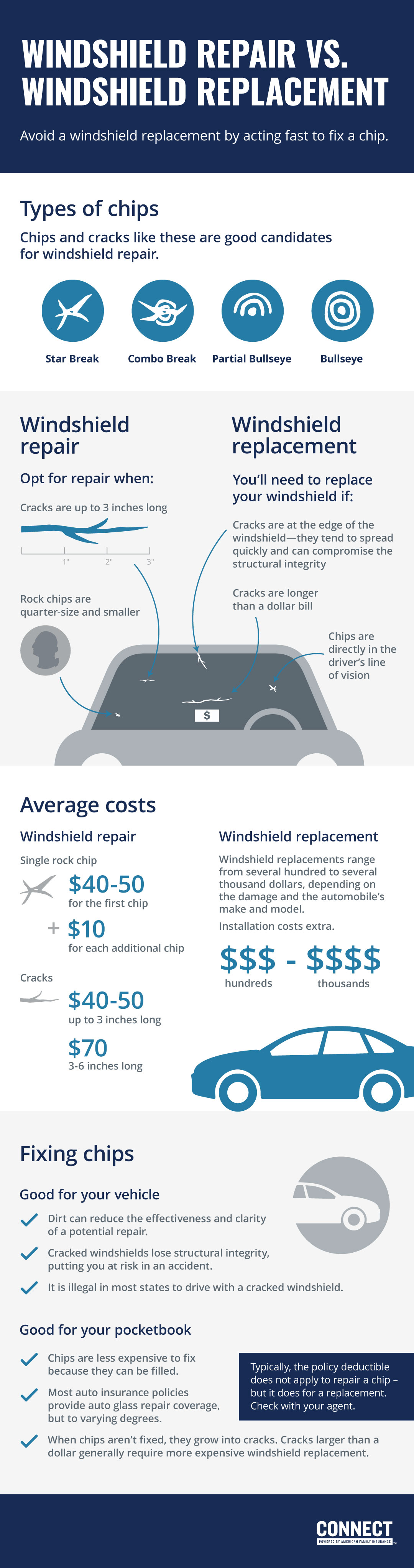
    Understanding the types of windshield cracks helps decide on repair or replacement. Different cracks affect the glass in various ways. Some cracks are minor, while others threaten the whole windshield’s safety. Knowing these cracks can save time and money.

    Chip And Bullseye

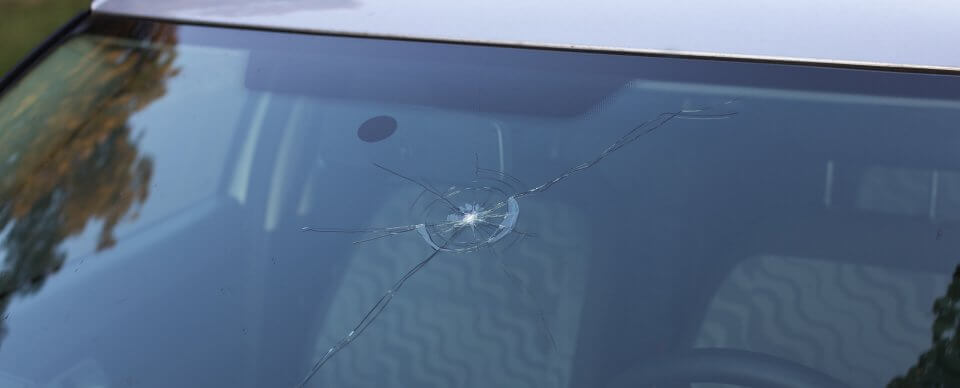
    A chip is a small, round damage on the glass surface. It looks like a tiny pit or crater. A bullseye crack looks like a circular ring around the chip. These cracks are usually caused by small stones hitting the windshield. They are often repairable if caught early.

    Star Breaks

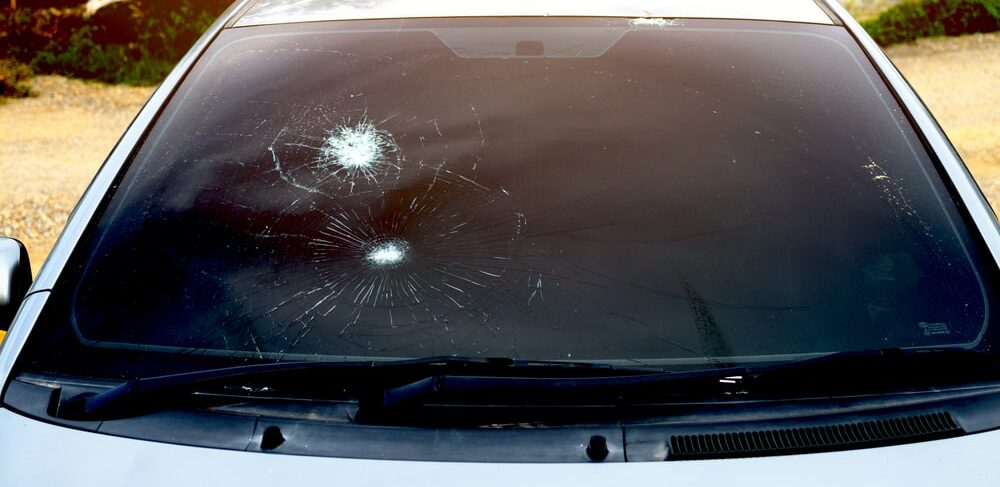
    Star breaks have lines radiating from the impact point. The cracks resemble a star shape. They can spread quickly if not treated. Star breaks weaken the windshield’s strength and can obscure the driver’s view.

    Combination Cracks

    Combination cracks include more than one type of crack. They may have chips, star breaks, and long cracks all together. These cracks are complex and harder to repair. They often require full windshield replacement for safety.

    Edge Cracks

    Edge cracks start near the windshield’s edge and move inward. These cracks are dangerous because they can grow fast. The edges hold the glass firmly in place. Damage here weakens the entire windshield structure.

    Factors Affecting Replacement Decisions

    Deciding whether to replace a windshield depends on several important factors. These help determine if a crack can be repaired or if the entire glass needs replacement. Understanding these factors can save time and money.

    Each factor affects the safety and durability of the windshield. Knowing them helps make the right choice for your vehicle.

    Crack Length And Width

    Long cracks usually require windshield replacement. Cracks longer than six inches often cannot be fixed safely. Narrow cracks under one-quarter inch might be repairable. Width plays a key role in repair options. Wider cracks weaken the glass more.

    Location On The Windshield

    Cracks near the driver’s line of sight often need replacement. These cracks can distract or block vision. Cracks close to the edges are risky too. They can spread faster and weaken the structure. Center cracks away from sight might be repairable.

    Depth Of The Damage

    Shallow cracks that only affect the outer layer may be fixed. Deep cracks that reach the inner layers require replacement. Damage through all layers weakens the glass greatly. Depth shows how severe the impact was. Deeper damage reduces the windshield’s strength.

    When Cracks Require Replacement

    Deciding between windshield repair and replacement depends on several key factors. Understanding these helps protect your safety and wallet. It also ensures your windshield lasts longer after service. Below are the main criteria to consider.

    Safety Considerations

    A cracked windshield can weaken the glass structure. Small chips might stay safe to repair. Large cracks reduce visibility and strength. Cracks near the edges risk spreading quickly. Replacement is safer for major damage. It restores full protection during accidents.

    Cost Implications

    Repairing small chips costs less than replacement. Fixing cracks under six inches is usually affordable. Bigger cracks often need full glass replacement. Replacement costs more but prevents future expenses. Repair saves money only if done early.

    Longevity Of Repairs

    Repairs stop cracks from growing temporarily. Small repairs can last for years if done right. Large cracks repaired may reappear or spread again. Replacement gives a fresh start with no cracks. It ensures your windshield stays strong longer.

    What Size Crack Requires Windshield Replacement: Essential Guide

    Credit: weareprotech.com

    Repair Vs Replacement Criteria

    Preventing further damage to a cracked windshield is important to keep you safe. Even a small crack can grow quickly. Taking the right steps right after noticing a crack can save you money and avoid bigger problems. Protecting your windshield early helps maintain clear vision and vehicle strength.

    Immediate Actions After A Crack

    Check the crack size and location. Avoid touching or pressing the crack. Cover the crack with clear tape to stop dirt and moisture from entering. Park your car in a shaded area or garage. Do not wash your car immediately. Contact a professional to inspect the damage as soon as possible.

    Driving Tips To Avoid Worsening

    Drive slowly on rough roads. Avoid sudden stops and sharp turns. Keep a safe distance from other vehicles. Do not slam doors as vibrations can spread the crack. Avoid speeding over bumps or potholes. Smooth driving reduces stress on the windshield glass.

    Environmental Factors To Consider

    Heat changes can expand cracks fast. Avoid parking under direct sunlight for long. Cold weather can make cracks worse too. Try to keep your car inside during extreme weather. Sudden temperature changes cause glass to flex and crack more. Protecting the windshield from weather helps prevent damage growth.

    Preventing Further Damage

    Professional assessment is key to deciding if a windshield crack needs replacement. Experts use special tools and knowledge to check the damage. They ensure safety and help avoid bigger problems. Trusting skilled services gives clear answers and quality repairs.

    Inspection Procedures

    Technicians examine the crack size, depth, and location carefully. They use magnifiers and measuring tools to assess damage. They check if the crack affects driver vision or vehicle safety. The expert decides if repair or replacement is best.

    Choosing A Certified Technician

    Certified technicians have proper training and experience in glass repair. They follow industry standards for safe and correct work. Using certified pros reduces risk of faulty repairs. They use quality materials that fit your vehicle model.

    Warranty And Service Guarantees

    Reliable services offer warranties on parts and labor. Guarantees protect against defects and future issues. This ensures peace of mind after windshield work. Ask about warranty terms before starting the repair or replacement.
    What Size Crack Requires Windshield Replacement: Essential Guide

    Credit: www.connectbyamfam.com

    Frequently Asked Questions

    What Crack Size Needs Windshield Replacement?

    Cracks longer than 6 inches usually require windshield replacement. Small chips or cracks under 3 inches often qualify for repair instead.

    Can A 3-inch Crack Be Repaired Or Replaced?

    A 3-inch crack is often repairable if it’s not in the driver’s line of sight. Larger or spreading cracks need replacement.

    Why Is Crack Location Important For Windshield Repair?

    Cracks in the driver’s direct view usually need replacement for safety reasons. Peripheral cracks under 6 inches can often be repaired.

    How Does Crack Depth Affect Windshield Replacement?

    Deep cracks that penetrate multiple glass layers typically require replacement. Surface-level cracks can sometimes be repaired without full replacement.

    Conclusion

    Small cracks can often be repaired easily and affordably. Large cracks, especially those longer than six inches, usually need full windshield replacement. Cracks near the edges weaken the glass and may spread quickly. Safety matters most—damaged windshields can fail in accidents.

    Regularly check your windshield for chips or cracks. Fixing problems early saves money and keeps you safe. Don’t ignore even small damage. Quick action protects your vision and the car’s structure. Always choose professional help for repair or replacement. Your safety on the road depends on a strong windshield.
  • Does Insurance Cover Windshield Crack Repair? Find Out Now!

    Have you noticed a crack on your windshield and wondered if your insurance will cover the repair? It’s a common concern that can cause stress and confusion.

    You might be asking yourself, “Will this cost me a fortune, or will my insurance step in to help? ” Understanding what your insurance covers can save you time, money, and a headache. Keep reading to find out exactly how windshield crack repairs work with insurance, so you can make the best choice for your car and your wallet.

    How Windshield Damage Happens

    Windshield damage happens in many ways. Small problems can turn into big cracks fast. Understanding how damage occurs helps protect your car. It also guides you in getting the right repair.

    Some causes are easy to avoid. Others happen without warning. Knowing the types of damage helps you spot issues early.

    Common Causes Of Cracks

    Flying rocks or debris often hit the windshield. They leave small chips that grow over time. Sudden temperature changes can also cause cracks. Hot sun and cold air create stress on the glass. Car accidents or bumps can crack the windshield too. Even hitting a pothole might cause damage. Poor installation or old glass may crack more easily.

    Types Of Windshield Damage

    There are several damage types to know. Chips are small marks from stones or debris. Cracks can be long or short lines on the glass. Bullseye damage looks like a circle with a dot in the center. Star breaks have lines radiating from a central point. Combination breaks mix chips and cracks. Each type needs a different repair approach.

    Does Insurance Cover Windshield Crack Repair? Find Out Now!

    Credit: www.freeway.com

    Insurance Policies And Windshield Repairs

    Understanding how insurance policies handle windshield repairs helps avoid surprises. Not all policies cover windshield cracks the same way. Some cover repairs fully, while others require a deductible or no coverage at all. Knowing what your policy includes saves time and money.

    Coverage Options To Look For

    Check if your policy offers glass coverage or a separate windshield clause. Some insurers include glass repair as part of their comprehensive coverage. Others may offer it as an add-on you can buy. Look for terms like “glass repair,” “windshield replacement,” or “zero deductible” for repairs. These options reduce your out-of-pocket costs and speed up service.

    Comprehensive Vs Collision Coverage

    Comprehensive coverage usually covers windshield damage from non-collision events. This includes cracks caused by rocks, storms, or vandalism. Collision coverage mainly handles damage from accidents involving other vehicles or objects. Windshield repairs rarely fall under collision coverage unless damaged in a crash. Knowing the difference helps you file the correct claim.

    Filing A Claim For Windshield Repair

    Filing a claim for windshield repair can save money on costly fixes. Insurance often covers windshield cracks, depending on the policy. Knowing the right steps makes the process smooth and quick.

    Steps To Take After Damage

    First, check the crack size and location. Small chips can turn into large cracks fast. Avoid driving on rough roads to prevent damage from worsening. Contact your insurance company right away. They explain if your policy covers windshield repair. Follow their instructions to start the claim. Schedule an appointment with an approved repair shop. Keep the damaged area clean but do not apply any sealants.

    Documentation And Evidence Needed

    Take clear photos of the crack from different angles. Capture the entire windshield and close-up shots. Gather your insurance policy number and personal details. Write down when and how the damage happened. Some insurers require a repair estimate from a certified shop. Submit all documents online or via email, as instructed. Keep copies of everything for your records. Good documentation speeds up the claim approval.

    Does Insurance Cover Windshield Crack Repair? Find Out Now!

    Credit: www.allstate.com

    Deductibles And Repair Costs

    Understanding deductibles and repair costs helps to know insurance coverage for windshield cracks. These factors impact whether insurance pays for the repair or replacement. Knowing them saves money and avoids surprises during claims.

    How Deductibles Affect Claims

    Deductibles are the amount you pay before insurance covers the rest. If the repair cost is less than your deductible, insurance may not pay. For example, if your deductible is $500 and repair costs $300, you pay all $300. If repair costs $600, insurance pays $100 after your $500 deductible. Deductibles vary by policy and affect claim decisions.

    Typical Repair Vs Replacement Costs

    Repairing a small crack or chip usually costs between $50 and $150. Replacement of the entire windshield can cost $200 to $500 or more. Insurance often covers full replacement only if damage is severe. Smaller repairs might be cheaper than your deductible, so insurance won’t pay. Knowing these costs helps decide whether to file a claim or pay out of pocket.

    Choosing Repair Vs Replacement

    Choosing between windshield repair and replacement depends on the damage size and location. Small cracks or chips often need repair. Large or deep cracks usually require full replacement. Making the right choice saves money and keeps you safe on the road.

    When Repair Is Enough

    Repair works well for chips smaller than a quarter. Cracks shorter than three inches also qualify. Repairs restore glass strength and stop cracks from growing. They take less time and cost less than replacements. Clear visibility stays intact after repair.

    When Replacement Is Necessary

    Replace the windshield if cracks are long or deep. Damage in the driver’s direct view needs replacement too. Multiple cracks or spider web patterns mean replacement is safer. Large breaks compromise the glass structure. Replacing ensures full protection during accidents.

    Does Insurance Cover Windshield Crack Repair? Find Out Now!

    Credit: 5starautoglass.ca

    Tips To Save On Windshield Repairs

    Saving money on windshield repairs can be simple with the right approach. Small cracks can become big expenses if ignored. Early repair keeps costs low and your car safe. Explore ways to cut costs without losing quality service.

    Using Glass Repair Discounts

    Many auto shops offer discounts on glass repairs. Check for coupons or online deals before booking. Insurance companies sometimes provide discounts for approved vendors. Ask your insurer about any savings programs. Using discounts lowers your bill and helps you repair faster.

    Selecting Approved Repair Shops

    Choose repair shops approved by your insurance provider. These shops meet quality and pricing standards. Insurance companies may cover more of the cost at these locations. Approved shops often use quality parts and skilled technicians. This choice protects your car and your wallet.

    Frequently Asked Questions

    Does Insurance Cover Windshield Crack Repair?

    Yes, many insurance policies cover windshield crack repair. Coverage depends on your policy type and deductible. Comprehensive auto insurance usually includes glass damage repairs. Check your policy details or contact your insurer for confirmation.

    Is Windshield Repair Free With Insurance?

    Windshield repair may be free if your policy has zero deductible for glass claims. Some insurers offer full coverage without extra costs. Verify your policy terms or ask your insurance agent to confirm.

    Will Insurance Rates Increase After Windshield Repair?

    Typically, windshield repairs do not raise insurance premiums. Glass damage claims are often considered minor and do not affect rates. However, confirm with your insurer as policies vary by company.

    What Types Of Windshield Damage Does Insurance Cover?

    Insurance usually covers cracks, chips, and shattered glass. Coverage depends on damage size and cause. Repairs are preferred over replacements when damage is minor. Always review your policy for specific coverage.

    Conclusion

    Insurance may cover windshield crack repair, depending on your policy. Some plans include glass coverage, while others do not. Deductibles can affect whether it’s worth filing a claim. Small cracks often repair quickly and cost less than full replacements. Acting early can prevent bigger damage and higher expenses.

    Always check your insurance details before deciding. Quick repairs keep your car safe and clear. Understanding your coverage helps avoid surprises later. Keep this in mind when dealing with windshield cracks.

  • Does Cold Weather Crack Windshield? Shocking Truth Revealed!

    Does Cold Weather Crack Windshield? Shocking Truth Revealed!

    Have you ever noticed tiny cracks spreading across your windshield on a chilly morning? It’s frustrating and can leave you wondering if the cold weather is to blame.

    You might be asking yourself, “Does cold weather crack my windshield? ” Understanding how cold temperatures affect your glass can save you from unexpected damage and costly repairs. You’ll discover the surprising reasons behind windshield cracks in cold weather and learn simple steps to protect your car.

    Keep reading—your windshield will thank you.

    Does Cold Weather Crack Windshield? Shocking Truth Revealed!

    Credit: www.reddit.com

    Cold Weather And Windshield Damage

    Cold weather can be tough on your car’s windshield. The glass faces stress from freezing temperatures and sudden changes in heat. This stress can lead to cracks and chips. Understanding how cold affects your windshield helps protect it better.

    Many people notice small cracks appear after a cold night or a sharp frost. These cracks might start tiny but can grow fast. Knowing what causes them can save you costly repairs.

    How Temperature Affects Glass

    Glass expands and contracts with temperature changes. In cold weather, glass contracts and becomes less flexible. When the glass is cold, a small impact can cause it to crack more easily. Sudden heat from a heater or warm water causes rapid expansion. This quick change puts extra pressure on the glass. Stress points appear, leading to cracks or chips.

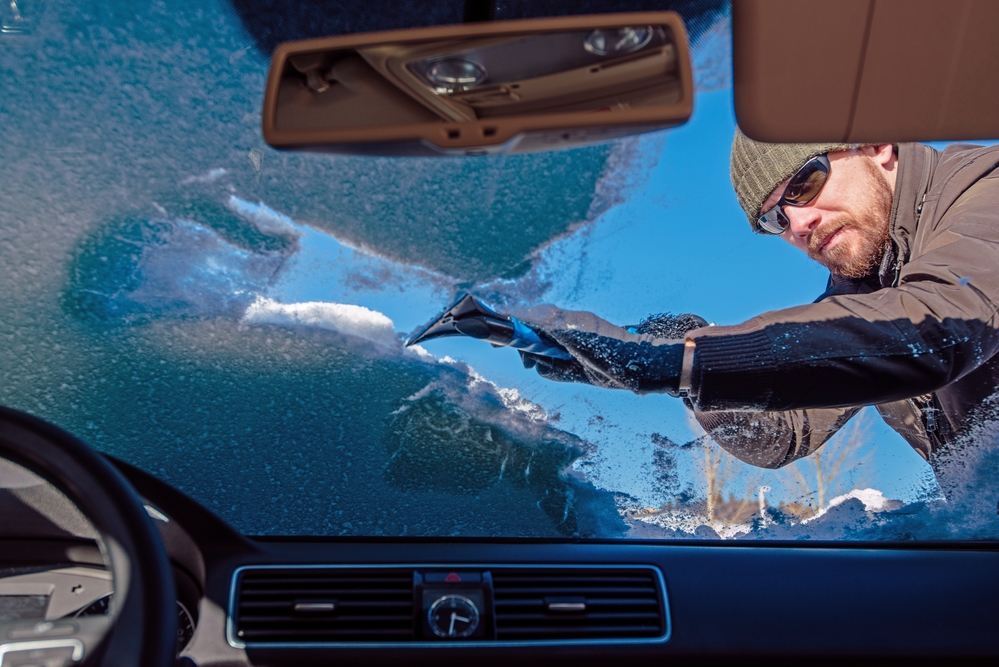
    Frost and ice also add weight to the windshield. Scraping ice can cause scratches or weaken the glass. These small damages grow worse with temperature changes.

    Common Types Of Windshield Cracks

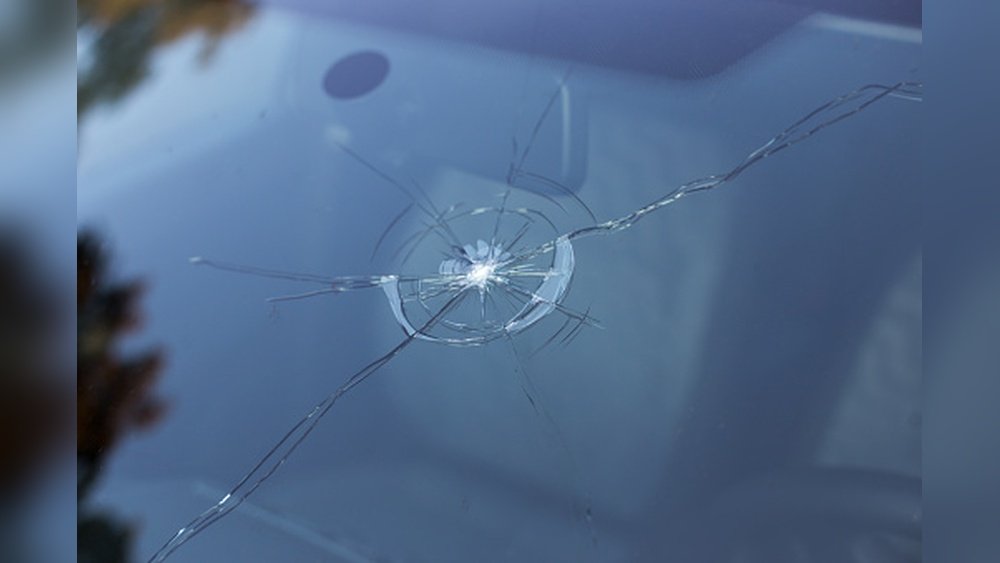
    Cold weather causes several common crack types. A “star break” looks like a small star with lines spreading out. This happens from sharp impacts on cold glass. “Bullseye” cracks are round and dark in the center. They form from small hits, often worsened by cold.

    Long cracks can start small but grow quickly in freezing temperatures. “Edge cracks” appear near the windshield frame. Cold and stress make these cracks spread faster. Small chips also worsen in the cold, turning into bigger cracks over time.

    Does Cold Weather Crack Windshield? Shocking Truth Revealed!

    Credit: www.glasshopperautoglass.com

    Causes Of Cracks In Cold Weather

    Cold weather can cause many problems for car windshields. One common issue is cracking. Understanding what causes these cracks helps protect your glass during winter months. Several factors linked to cold weather increase the risk of damage.

    Rapid Temperature Changes

    Glass expands and contracts with temperature shifts. When the temperature drops quickly, the glass may not adjust fast enough. This sudden change creates stress inside the windshield. Tiny weak spots can turn into cracks under this pressure.

    Impact Of Ice And Snow

    Ice and snow add extra weight and pressure on the windshield. Scraping ice with hard tools can cause scratches or chips. These small damages grow into cracks as the glass faces cold stress. Even falling snow or ice chunks can cause cracks.

    Stress From Defrosting And Heating

    Using the defrost or heater blasts warm air on a cold windshield. The sudden heat causes uneven expansion in the glass. This uneven heating puts stress on the windshield. Over time, this stress may cause cracks or worsen existing ones.

    Signs Your Windshield Is Vulnerable

    Cold weather puts extra stress on your windshield. It can cause damage more easily than warm weather. Knowing the signs of a weak windshield helps you act fast.

    Check your windshield often. Small problems can turn into big cracks in freezing temperatures. Spotting these signs early keeps your glass safe and strong.

    Existing Chips And Small Cracks

    Tiny chips or cracks look harmless. They are not. Cold air makes them grow quickly. Ice expands in these small spaces and pushes the glass apart. A small chip can turn into a long crack overnight.

    Even a tiny nick needs attention. It weakens the glass and makes it easy to break. Fix chips early before cold weather arrives.

    Age And Condition Of The Glass

    Older windshields get weaker over time. The glass loses strength from sun, dirt, and wear. Cold weather puts added pressure on old glass. It can crack with sudden temperature changes.

    Look for signs of wear like dull spots or scratches. These areas are more likely to break. Consider replacing very old or damaged windshields before winter.

    Preventing Windshield Cracks In Winter

    Cold weather can cause windshield cracks if not handled carefully. Preventing these cracks helps keep your car safe and saves money on repairs. Simple steps during winter protect your windshield from damage.

    Using the right methods avoids stress on the glass. Small habits make a big difference in winter weather.

    Proper De-icing Techniques

    Never use hot water to melt ice on your windshield. Hot water causes rapid temperature changes, leading to cracks. Use a plastic scraper gently to remove ice. Spray a commercial de-icer or a mix of water and rubbing alcohol. These methods melt ice without harming the glass.

    Using Protective Covers

    Covering your windshield overnight prevents ice buildup. Use a windshield cover or a thick cloth. This keeps frost and ice away from the glass. Removing the cover is easier than scraping ice. It protects the glass from sudden temperature changes.

    Safe Heating Practices

    Turn on your car’s defroster before driving. Let the car warm up slowly to warm the windshield. Avoid using the heater directly on cold glass. Sudden heat can stress and crack the windshield. Maintain a steady, gentle warming process.

    Repair Vs Replacement In Cold Conditions

    Cold weather can make windshield damage worse. The glass contracts in low temperatures, causing cracks to expand quickly. Choosing between repair and replacement depends on the size and location of the damage. Acting fast can save money and keep your windshield safe during winter months.

    When To Repair

    Small chips and cracks less than a dollar bill size can usually be repaired. Repairs are best done soon after damage occurs to prevent spreading. Cold weather slows repair curing time, so schedule it promptly. Repairs keep the original glass strong and clear. A quick fix avoids higher costs later.

    When Replacement Is Necessary

    Large cracks or damage near the edges often need replacement. Cold temperatures can cause damaged areas to grow rapidly. Deep cracks or shattered glass weaken the windshield’s structure. Safety systems like airbags depend on a strong windshield. Replacement ensures full protection and clear visibility in cold weather.
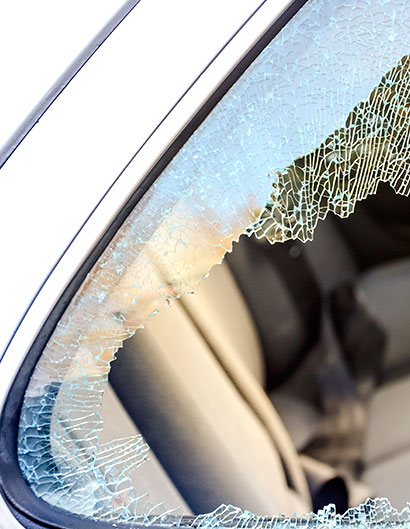
    Does Cold Weather Crack Windshield? Shocking Truth Revealed!

    Credit: only1autoglass.com

    Tips For Maintaining Windshield Health Year-round

    Keeping your windshield in good shape is important all year. Weather changes can cause small cracks to grow fast. Cold weather can make glass brittle. Heat can cause it to expand. Both can weaken the windshield over time.

    Simple care steps help protect your windshield. These steps stop small problems from turning big. A strong windshield keeps you safe on the road. Here are easy tips for windshield care every season.

    Regular Inspections

    Check your windshield often. Look for small chips or cracks. Even tiny damage can spread quickly. Early fixes cost less and keep glass strong. Use a clean cloth to wipe dirt away. Clear glass helps spot damage faster. Schedule a professional check at least once a year.

    Avoiding Sudden Temperature Swings

    Glass reacts badly to quick temperature changes. Pouring hot water on ice can crack it. Park in shaded or covered areas when possible. Use a windshield cover in winter. Warm up your car slowly before driving. These steps reduce stress on the glass. Protect the windshield from sudden heat or cold.

    Frequently Asked Questions

    Can Cold Weather Cause Windshield Cracks?

    Yes, cold weather can cause windshields to crack. Rapid temperature drops make glass contract quickly. This sudden change increases stress, leading to cracks or chips expanding.

    Why Does Ice Damage My Windshield?

    Ice can damage your windshield by creating surface stress. Using sharp tools to remove ice can scratch or chip glass. These imperfections can grow into cracks when exposed to cold.

    How To Prevent Windshield Cracks In Winter?

    To prevent cracks, avoid sudden temperature changes. Use a windshield cover to reduce frost buildup. Warm the car gradually, and never pour hot water on frozen glass.

    Are Older Windshields More Prone To Cracking?

    Yes, older windshields are more vulnerable. Over time, small chips weaken the glass structure. Cold weather worsens these weaknesses, causing cracks to form or expand more easily.

    Conclusion

    Cold weather can cause windshields to crack, especially if the glass is already weak. Rapid temperature changes put pressure on the glass, leading to cracks. Small chips can grow larger in freezing temperatures. Regularly check your windshield for damage. Use proper care to avoid sudden temperature shifts.

    Protect your glass by warming your car slowly. Taking these steps helps keep your windshield safe during cold months. Stay cautious and act quickly if you notice any cracks forming. This simple care can save you from costly repairs later.

  • Does Windshield Chip Repair Leave Marks? Expert Insights Revealed

    Does Windshield Chip Repair Leave Marks? Expert Insights Revealed

    Have you ever noticed a small chip on your windshield and wondered if fixing it will leave a mark? You’re not alone.

    Many people hesitate to repair windshield chips because they worry about visible scars or damage afterward. But what if the repair could be nearly invisible? Understanding how windshield chip repair works and what to expect can save you time, money, and stress.

    Keep reading to discover the truth about windshield chip repairs and whether they really leave marks on your glass.

    Does Windshield Chip Repair Leave Marks? Expert Insights Revealed

    Credit: www.reddit.com

    How Windshield Chips Occur

    Windshield chips happen when small objects hit the glass surface. These impacts create tiny cracks or holes. These chips can grow larger if left untreated. Understanding how these chips form helps you protect your windshield better.

    Different forces and materials cause different types of damage. Some chips are easy to fix. Others may need more attention or full replacement.

    Common Causes Of Chips

    Small rocks or gravel kicked up by other cars often cause chips. Road debris and loose sand also hit windshields. Weather changes can make chips worse. Hot sun or cold frost can expand cracks. Even careless driving can lead to chips on the glass.

    Types Of Windshield Damage

    Chips vary in size and shape. Bullseye chips look like small circles with a dark center. Star chips have cracks radiating out like a star. Combination chips mix both types. Large cracks can spread across the windshield. Each type needs different repair methods to prevent further damage.

    Does Windshield Chip Repair Leave Marks? Expert Insights Revealed

    Credit: www.reddit.com

    Repair Process Explained

    Understanding the windshield chip repair process helps set clear expectations. Many wonder if the repair leaves marks. The answer depends on the method used and the chip’s size. The repair process aims to restore the windshield’s strength and clarity. Skilled technicians use special tools and materials to fix chips quickly and neatly.

    Tools And Materials Used

    Technicians use a resin injector to fill the chip. This resin matches the glass’s color and transparency. A curing light hardens the resin inside the chip. Other tools include a bridge and suction cups to hold the injector steady. Razor blades smooth the surface after curing. Clean cloths and glass cleaner finish the job.

    Step-by-step Repair Method

    The technician first cleans the chip area carefully. Dirt and moisture can affect the repair quality. Next, they attach the injector over the chip. The resin is injected slowly to fill cracks and holes. The curing light then hardens the resin in minutes. After curing, the technician removes the injector and smooths the surface. Finally, the glass is cleaned to check the repair’s clarity.

    Effectiveness Of Chip Repairs

    Windshield chip repairs aim to restore the glass’s strength and clarity. The effectiveness varies depending on the damage and repair method. Proper repairs can prevent cracks from spreading and maintain safety. Understanding how repairs affect appearance helps set realistic expectations.

    How Repairs Affect Appearance

    Most chip repairs leave a small mark on the glass. The mark is usually less visible after repair. Clear resin fills the chip to restore the surface. Light may reflect differently on the repaired spot. Some chips may still show faint lines or spots. Repairs improve safety more than appearance. The goal is to stop damage, not make it invisible.

    Factors Influencing Repair Quality

    Size and location of the chip matter a lot. Small chips in the driver’s line of sight are harder to hide. The skill of the technician affects results greatly. High-quality resin and tools improve repair clarity. Timing also plays a role; quicker repairs work better. Older or larger chips may not repair well. Clean, dry glass allows the resin to bond better.

    When Marks Are Visible

    Windshield chip repair often improves the glass, but marks can still show. These marks depend on many factors. Some chips heal almost fully, while others leave visible traces. Understanding when marks appear helps set realistic expectations.

    Size And Location Of Chips

    Small chips usually leave fewer marks after repair. Chips smaller than a quarter often blend well with the glass. Large chips are harder to fix without leaving signs. Chips near edges or curves may show more marks. These areas are tricky to treat perfectly.

    Limitations Of Repair Techniques

    Repair tools cannot remove all damage completely. Resin fills cracks but may leave a slight haze. Some chips have deep cracks that are hard to cover. Light reflection can reveal repaired spots under sunlight. Repairs improve strength but may not erase all marks.

    Expert Tips To Minimize Marks

    Windshield chip repair can sometimes leave marks on the glass. These marks depend on the repair quality and method. Following expert tips helps reduce visible marks and keeps your windshield clear.

    Choosing The Right Repair Service

    Pick a repair service with good reviews and experience. Skilled technicians use the right tools and materials. They work carefully to fill chips without leaving marks. Avoid quick fixes that may make marks worse.

    Timing Repairs For Best Results

    Fix chips as soon as possible to prevent spreading cracks. Early repair reduces the chance of large marks. Delaying repairs makes damage harder to fix cleanly. Quick action helps keep your windshield smooth.

    Does Windshield Chip Repair Leave Marks? Expert Insights Revealed

    Credit: www.windshieldexperts.com

    Alternatives To Chip Repair

    Sometimes, chip repair is not the best choice for your windshield. Small chips can grow or hide bigger problems. Alternatives to chip repair exist and might suit your situation better. Choosing the right option depends on the chip size, location, and your budget.

    Windshield Replacement Options

    Replacing the windshield removes all marks and damage. It is the best choice for large cracks or chips in the driver’s view. A new windshield restores full strength and clarity. You get a clean, smooth surface without any marks.

    There are different types of replacement windshields. OEM (Original Equipment Manufacturer) glass matches the original perfectly. Aftermarket glass is cheaper but may vary in quality. Your choice affects the final look and durability.

    Cost And Time Considerations

    Chip repair is cheaper and faster than replacement. Repairs usually take 30 minutes or less. Replacements can take several hours to complete. Cost depends on the type of glass and labor involved.

    Insurance might cover repairs or replacements differently. Repairs often have lower deductibles. Replacements may require full deductible payment. Check your policy before deciding.

    Frequently Asked Questions

    Does Windshield Chip Repair Leave Visible Marks?

    Windshield chip repair may leave slight marks, but they are usually minimal. Proper repair techniques reduce visibility, restoring clarity and strength effectively.

    How Long Does A Windshield Chip Repair Take?

    Most windshield chip repairs take about 30 minutes. Quick repairs prevent chip expansion and maintain your windshield’s integrity.

    Can Repaired Chips Weaken My Windshield?

    Properly repaired chips do not weaken the windshield. Repairs restore strength and prevent cracks from spreading further.

    Will Insurance Cover Windshield Chip Repair?

    Many insurance policies cover windshield chip repair with little or no deductible. Check your policy for specific coverage details.

    Conclusion

    Windshield chip repair often leaves little to no visible marks. Skilled technicians use special resins that blend with glass. Small chips become less noticeable and the crack stops growing. Some minor imperfections might remain but they rarely affect safety. Repair saves money and prevents the need for full windshield replacement.

    Quick and easy fixes keep your view clear and safe. Choosing repair soon after damage helps achieve better results. Clear windshields improve driving comfort and reduce distractions. Trust the process to restore your windshield’s strength and look.