Category: Windshield Problems

  • What Not to Do With Windshield Chip: Avoid These Costly Mistakes!

    What Not to Do With Windshield Chip: Avoid These Costly Mistakes!

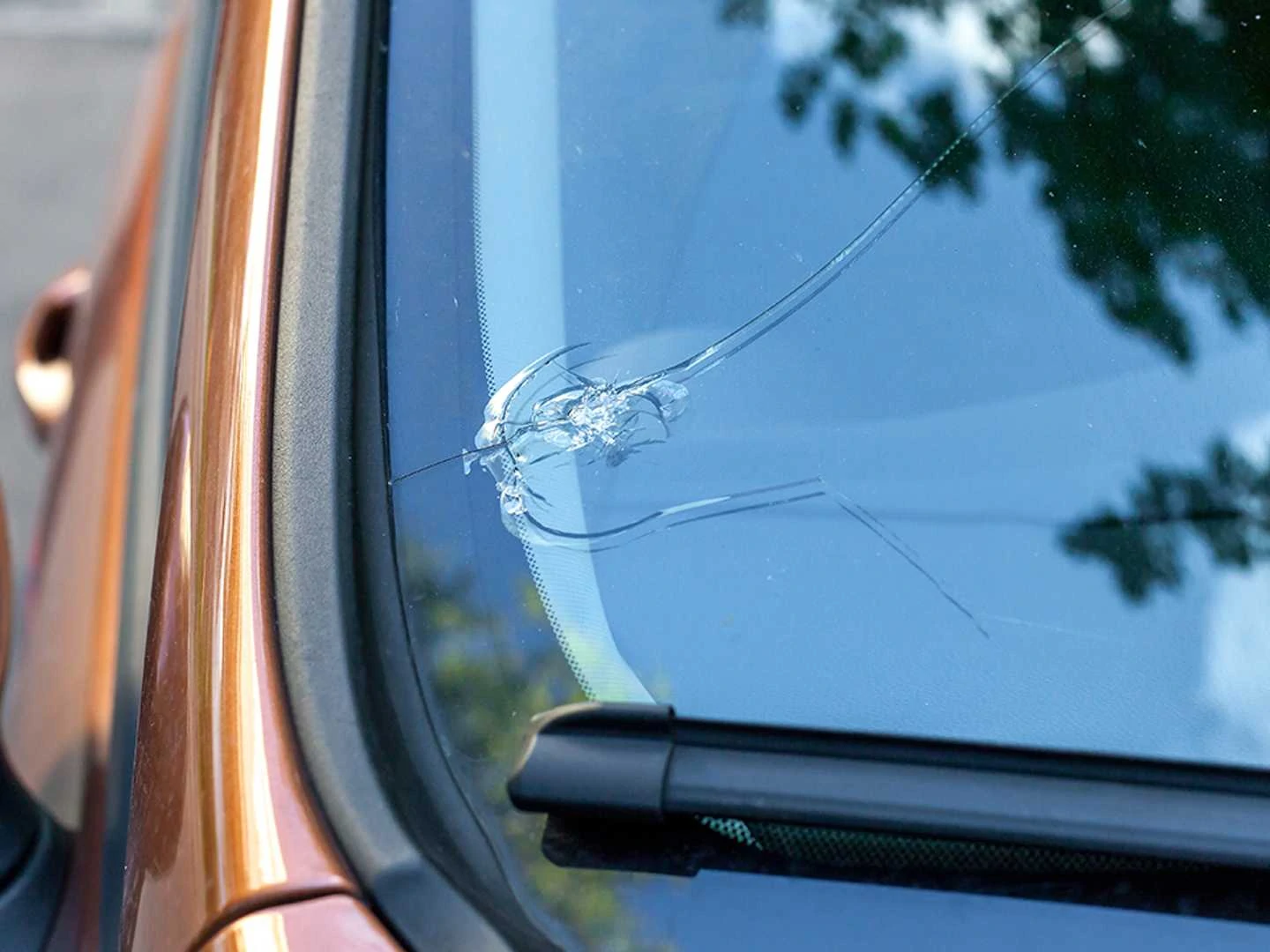
    You just noticed a chip on your windshield. It might seem small, but what you do next can save you time, money, and stress—or make things much worse.

    You might be tempted to ignore it, try a quick fix, or even use the wrong products. But these common mistakes can turn a tiny chip into a costly crack. If you care about your safety and your wallet, you need to know exactly what NOT to do with that windshield chip.

    Keep reading to protect your car and avoid costly repairs.

    What Not to Do With Windshield Chip: Avoid These Costly Mistakes!

    Credit: miracleagc.com

    Ignoring The Chip

    Ignoring a windshield chip might seem harmless at first. Many drivers think a small chip won’t cause real damage. This belief leads to waiting too long before fixing it. Such delays can cause bigger problems. Understanding why ignoring the chip is risky helps protect your windshield and safety.

    Risks Of Delayed Repair

    Delaying repair lets dirt and moisture enter the chip. This weakens the glass around the damage. The chip can turn into a crack, growing larger fast. Repair costs rise as damage spreads. In some cases, the whole windshield needs replacement.

    How Chips Can Spread

    Temperature changes cause glass to expand and contract. This movement makes chips grow into cracks. Even small bumps or vibrations can worsen the damage. Cracks reduce the windshield’s strength and visibility. They make driving unsafe and increase accident risk.

    Using Temporary Fixes

    Using temporary fixes on a windshield chip might seem like a quick solution. Many people try to stop the damage from spreading by using items they have at home. These fixes may seem helpful at first. Yet, they often do more harm than good. Understanding why these quick fixes fall short is important. It helps you protect your windshield better.

    Why Tape Isn’t Enough

    Placing tape over a windshield chip can block dirt and moisture. This may slow down the damage temporarily. But tape does not stop cracks from growing. It cannot fix the broken glass underneath. Heat from the sun can weaken the tape and make it fall off. Water and dust can still get inside through small gaps. Tape is not a strong or lasting solution.

    Dangers Of Diy Solutions

    Many DIY methods use household items to fix chips. Some try to fill chips with glue or nail polish. These materials can cloud the glass and hide damage. They may also prevent proper repair later. Using the wrong tools can cause cracks to spread faster. Mistakes during DIY repairs can make the windshield unsafe. Professionals have the right tools and materials for repairs.

    Delaying Professional Help

    Delaying professional help for a windshield chip can cause bigger problems. Small chips may look harmless, but they often grow into large cracks. Waiting too long makes repairs harder and more expensive. It also risks your safety on the road.

    When To Seek Expert Repair

    Call a professional as soon as you notice a chip. Even tiny chips can spread fast. Experts can fix the damage before it worsens. Look for chips that appear after a hit from rocks or debris. Also, seek help if the chip is in your line of sight while driving.

    Cost Implications Of Waiting

    Ignoring a chip can lead to costly repairs. Small chips usually need simple fixes. Large cracks often require a full windshield replacement. Replacement costs much more than repair. Waiting increases the chance of needing new glass. Early repair saves money and keeps your car safe.

    What Not to Do With Windshield Chip: Avoid These Costly Mistakes!

    Credit: glassdoctor.com

    Cleaning The Chip Incorrectly

    Cleaning a windshield chip might seem simple. Many try to clean the chip quickly. This can cause more harm than good. Incorrect cleaning can make the chip worse. It can spread cracks or reduce repair success. Care is needed when cleaning a chip.

    Avoiding Harsh Chemicals

    Harsh chemicals can damage the glass around the chip. Some cleaners eat away the glass surface. Avoid products with ammonia or strong acids. These chemicals can weaken the windshield. They may cause small cracks to grow. Use mild soap and water instead. This keeps the glass safe and clean.

    Proper Cleaning Techniques

    Use a soft cloth or microfiber towel. Gently wipe around the chip. Do not scrub or apply too much pressure. Avoid using sharp tools or hard brushes. Clean the area with light, circular motions. Ensure no dirt or debris stays inside the chip. Dirt can block repair resin from filling the chip. Dry the area carefully before repair.

    Ignoring Insurance Coverage

    Ignoring your insurance coverage for a windshield chip can lead to bigger problems. Many drivers think small chips do not need insurance help. This mistake can cause higher costs later. Insurance often covers windshield repair or replacement. Knowing your coverage saves money and stress.

    Checking Your Policy

    Start by reading your insurance policy carefully. Look for sections about glass damage or windshield repair. Some policies cover chips without a deductible. Others may require you to pay a small fee. Understanding your coverage helps you decide the best action quickly. Don’t guess. Check your policy details before any repair.

    Filing Claims Efficiently

    File your insurance claim as soon as you spot the chip. Provide clear information about the damage. Use photos to show the chip size and location. Follow your insurer’s instructions carefully. Quick claims avoid delays and reduce risk of the chip growing. Efficient filing helps you get repairs done faster and cheaper.

    Driving Aggressively Post-damage

    Attempting incomplete repairs on a windshield chip may seem like a quick fix. Many think a small patch will solve the problem. This approach can lead to bigger issues. Chips that are not fully repaired can spread and weaken the glass. Understanding the risks of partial fixes and knowing when full replacement is necessary helps keep you safe.

    Risks Of Partial Fixes

    Partial repairs often fail to stop cracks from growing. Moisture and dirt can get inside the chip. This contamination makes the damage worse. The windshield can lose strength and clarity. Driving with a partially fixed chip is unsafe. It may also cost more to fix later.

    Importance Of Full Replacement When Needed

    Some chips are too large or deep for simple repair. Full replacement restores the windshield’s strength and safety. It prevents accidents caused by glass failure. A new windshield also improves visibility. Professionals assess damage and suggest replacement if needed. Trust the experts to protect you on the road.

    What Not to Do With Windshield Chip: Avoid These Costly Mistakes!

    Credit: www.windshieldexperts.com

    Frequently Asked Questions

    Can I Ignore A Small Windshield Chip?

    No, ignoring a small chip can lead to cracks. Immediate repair prevents costly replacements and maintains safety. Act quickly to avoid damage spreading.

    Is Using Tape On A Windshield Chip Helpful?

    No, tape traps moisture and dirt, worsening the chip. It’s better to get professional repair promptly to prevent damage.

    Should I Drive With A Windshield Chip?

    Driving with a chip risks further cracking from vibrations and temperature changes. Repair or replace the windshield as soon as possible.

    Can Diy Repair Kits Fix All Windshield Chips?

    DIY kits work for minor chips but not for large cracks or deep damage. Professional repair ensures safety and durability.

    Conclusion

    Avoid ignoring windshield chips to prevent bigger problems later. Don’t try fixing chips with household items or wrong tools. Acting fast helps keep your windshield safe and clear. Small damage can turn into costly repairs if left untreated. Trust professionals for proper care and repair work.

    Protect your car and your safety by handling chips right. Simple steps can save money and avoid headaches. Stay cautious and fix chips as soon as possible. Your windshield deserves the best care to last longer.

  • Can Windshield Chip Spread While Parked? Shocking Truth Revealed

    Can Windshield Chip Spread While Parked? Shocking Truth Revealed

    Have you ever noticed a small chip on your windshield and wondered if it could get worse while your car is just sitting there? You might think a chip only spreads when you’re driving, but the truth could surprise you.

    Understanding what causes a windshield chip to spread—even when parked—can save you time, money, and a lot of hassle. Keep reading to discover why that tiny crack shouldn’t be ignored and what you can do to stop it from turning into a big problem.

    Can Windshield Chip Spread While Parked? Shocking Truth Revealed

    Credit: libertyautoglass.us

    How Windshield Chips Form

    Windshield chips form from small impacts that damage the glass surface. These tiny cracks can start from a single hit. Over time, they may grow and spread across the windshield. Understanding how these chips form helps in preventing further damage.

    Common Causes Of Chips

    Flying stones or debris are the main cause of windshield chips. A small rock kicked up by another car can hit your windshield hard. Sudden temperature changes also stress the glass, causing cracks. Poor road conditions increase the chance of debris hitting your windshield. Even parking under trees can lead to chips from falling branches or debris.

    Materials And Vulnerabilities

    Windshields are made of laminated glass with a plastic layer inside. This design helps keep glass shards together if broken. Despite this, windshields are still vulnerable to sharp impacts. The outer glass layer can crack easily under pressure. Chips often start in weak spots, such as edges or areas with small scratches. Temperature swings can make glass more brittle, increasing chip risks.

    Can Windshield Chip Spread While Parked? Shocking Truth Revealed

    Credit: www.reddit.com

    Factors Influencing Chip Spread

    Windshield chips can spread even when your car is parked. Several factors affect how fast or slow this happens. Understanding these helps you protect your windshield and avoid costly repairs.

    Temperature Fluctuations

    Changes in temperature cause glass to expand and contract. This movement stresses the chip area. Hot days followed by cold nights make the chip grow faster. Extreme heat or cold weakens the glass around the chip.

    Stress From Vehicle Movement

    Parking itself does not cause movement stress. But starting the engine or closing doors can. Vibrations shake the glass and worsen the chip. Rough roads after parking also add stress.

    Environmental Conditions

    Sunlight, rain, and dirt affect chip spread. Water can seep into the chip and freeze. Ice expands and cracks the glass further. Dust and debris get stuck, increasing damage.

    Can Chips Spread When Parked?

    Can windshield chips spread while your car is parked? Many people assume that chips only grow when driving, but parked cars can also face risks. Various factors affect chip growth, even if the car is not moving. Understanding these helps protect your windshield from further damage.

    Effects Of Heat And Cold

    Temperature changes cause glass to expand and contract. Heat makes the glass expand, putting stress on the chip edges. Cold causes the glass to contract, which can open cracks wider. Sudden temperature swings, like parking in the sun then cooling at night, worsen this effect. These changes can make small chips turn into larger cracks.

    Impact Of Pressure Changes

    Pressure changes inside and outside the car affect the windshield. Parking in tight spaces or under heavy objects can add pressure to the glass. Even small pressure shifts cause stress near the chip. This stress may cause cracks to spread slowly over time. Pressure from inside the car, like air conditioning, also plays a role.

    Role Of Moisture

    Water can enter the chip and cause damage. Rain, dew, or washing the car lets moisture seep into cracks. When water freezes, it expands and pushes the chip edges apart. Moisture also weakens the glass structure around the chip. Wet conditions make it easier for cracks to grow, even while parked.

    Can Windshield Chip Spread While Parked? Shocking Truth Revealed

    Credit: allstar-glass.com

    Risks Of Ignoring Windshield Chips

    Ignoring windshield chips can lead to serious problems. Small chips may seem harmless but can quickly grow. Temperature changes, vibrations, or even parked heat can make cracks spread. Understanding these risks helps protect your safety and wallet.

    Safety Concerns

    A damaged windshield weakens the vehicle’s structure. Chips can turn into large cracks during driving. Cracks reduce visibility and increase accident risk. In a collision, a cracked windshield may fail to protect properly. Addressing chips early keeps you safer on the road.

    Cost Implications

    Repairing small chips costs less than fixing big cracks. Ignored chips often require full windshield replacement. Replacements are much more expensive and take more time. Early repair prevents costly damage and saves money. Waiting increases repair bills and downtime.

    Legal Considerations

    Many regions have laws about windshield damage. Driving with large cracks can lead to fines or failed inspections. A damaged windshield may violate vehicle safety standards. Repairing chips keeps your car legal and road-ready. Avoid trouble by fixing chips promptly.

    Preventing Chip Spread

    Preventing a windshield chip from spreading saves money and avoids bigger problems. Small chips can grow into large cracks, especially if not handled properly. Taking quick and careful steps helps keep your windshield intact and safe.

    Immediate Actions

    Cover the chip with clear tape to keep dirt out. Avoid touching the chip with your fingers. Do not use hot water or try to fix it yourself. Visit a repair shop as soon as possible. Quick action stops the chip from growing.

    Proper Parking Tips

    Park your car in shaded or covered areas. Avoid parking under trees or near construction sites. Choose spots away from heavy traffic. This lowers the chance of new damage. A safe parking spot protects your windshield from debris and temperature changes.

    Regular Maintenance

    Check your windshield often for chips or cracks. Clean it gently with a soft cloth and mild cleaner. Avoid strong chemicals or rough materials. Inspect your windshield seals to prevent leaks. Regular care helps catch problems early and keeps your glass strong.

    Repair Options For Windshield Chips

    Windshield chips can cause safety issues if left untreated. Choosing the right repair option helps keep your windshield strong. Several solutions exist depending on the chip size and damage.

    Diy Repair Kits

    DIY kits offer a simple way to fix small chips. These kits include resin and tools to fill the chip. They are affordable and easy to use at home. Use them quickly after the chip appears for best results. Follow instructions carefully for a smooth repair. DIY kits work well for chips smaller than a quarter.

    Professional Services

    Experts provide thorough repair for larger or complex chips. They use special tools and resins to restore the windshield. Professionals ensure the chip does not spread further. Repairs are often covered by insurance. Scheduling a repair soon after damage helps prevent cracks. Professional service is best for chips near the edges or in the driver’s line of sight.

    When To Replace The Windshield

    Replacement is necessary if chips turn into large cracks. Deep chips or multiple damages weaken the glass. If visibility is affected, replace the windshield immediately. Cracks longer than a few inches cannot be repaired safely. Replacing the windshield restores strength and safety to your vehicle.

    Frequently Asked Questions

    Can A Windshield Chip Worsen When Car Is Parked?

    Yes, windshield chips can spread while parked due to temperature changes and moisture. Expansion and contraction cause cracks to grow.

    What Causes Windshield Chips To Spread While Parked?

    Temperature fluctuations, moisture, and vibrations can cause chips to expand. Sun exposure heats the glass, leading to stress around the chip.

    How To Prevent Windshield Chips From Spreading When Parked?

    Park in shaded or covered areas to reduce temperature changes. Avoid moisture exposure and repair chips promptly to prevent spreading.

    Is It Safe To Drive With A Windshield Chip?

    Small chips may be safe temporarily, but they can worsen quickly. Repair chips as soon as possible to avoid safety risks.

    Conclusion

    Windshield chips can grow even when your car is parked. Changes in temperature and pressure cause cracks to spread. Small chips might seem harmless at first. Ignoring them can lead to larger, costly damage. Repairing chips early keeps your windshield strong and safe.

    Take action quickly to avoid bigger problems later. A little care now saves time and money. Keep an eye on any chips you find. Your windshield’s health matters for clear vision and safety.

  • Does Heat Affect Windshield Chip? Surprising Truths Revealed!

    Does Heat Affect Windshield Chip? Surprising Truths Revealed!

    Have you ever noticed a small chip on your windshield and wondered if the heat outside could make it worse? You might think a little warmth won’t cause any harm, but the truth could surprise you.

    Understanding how heat affects that tiny crack can save you from costly repairs or even a dangerous situation. Keep reading to find out what really happens to your windshield chip when temperatures rise—and what you should do to protect your car and yourself.

    How Windshield Chips Form

    Windshield chips form when small objects hit your glass. These tiny cracks often start from sudden impacts. The glass surface breaks but does not shatter. Over time, these chips can grow into larger cracks. Understanding how chips form helps protect your windshield better.

    Common Causes Of Chips

    Rocks and gravel thrown by other cars cause many chips. Driving on highways or gravel roads increases risk. Sudden temperature changes can also stress the glass. Even small debris from construction sites can damage your windshield. Birds or falling tree branches may cause chips too.

    Types Of Windshield Damage

    Chips come in different shapes and sizes. Bullseye chips look like a circle with a dark center. Star breaks have lines radiating from the impact point. Crack damage can spread across the glass quickly. Each type affects windshield safety in different ways.

    Does Heat Affect Windshield Chip? Surprising Truths Revealed!

    Credit: only1autoglass.com

    Impact Of Heat On Windshield Chips

    Heat can affect small chips on your windshield in surprising ways. Understanding how heat impacts these chips helps in taking better care of your windshield. Changes in temperature cause the glass to expand and contract, which can make chips grow bigger. This growth weakens the glass and can lead to cracks.

    Thermal Expansion And Stress

    Glass expands when heated and shrinks when cooled. This process is called thermal expansion. The chip area reacts differently than the rest of the glass. It causes stress around the damaged part. Stress puts pressure on the chip’s edges. This pressure can make the chip crack or spread.

    Heat And Chip Growth

    Hot weather increases the chance of chip growth. Heat softens the glass near the chip. This softness allows the chip to widen or deepen. Even small temperature changes can cause damage. Leaving your car in direct sunlight can speed up this process. Protecting your windshield from heat reduces chip growth risk.

    Cold Vs. Heat: Which Is Worse?

    Heat and cold both impact windshield chips differently. Understanding which is worse helps protect your glass better. Temperature changes cause stress on the windshield, affecting chip growth. Some climates carry higher risks than others. Knowing these details keeps your windshield safer.

    Effects Of Temperature Changes

    Windshield glass expands and contracts with temperature shifts. Heat makes the glass expand, putting pressure on the chip’s edges. Cold causes the glass to shrink, which can also worsen cracks. Rapid temperature changes are most harmful. For example, pouring hot water on a frozen windshield can cause chips to spread quickly. Both heat and cold create stress points that grow chips.

    Risk Factors In Different Climates

    Hot climates often cause chips to enlarge due to constant heat exposure. Sunlight can weaken the glass around the chip. Cold climates bring the risk of ice and frost. Freezing temperatures cause chips to expand as water seeps inside and freezes. Areas with large temperature swings face the highest chip risks. Sudden weather changes can worsen damage faster than steady climates.

    Preventing Chip Damage In Hot Weather

    Hot weather can make windshield chips worse. Heat causes glass to expand. This expansion can turn small chips into big cracks. Preventing chip damage in hot weather is important for your car’s safety. Taking steps early can save you money and trouble later.

    Best Practices For Car Owners

    Park your car in shaded areas to avoid direct sunlight. Use a windshield cover to reduce heat buildup. Avoid leaving your car in extreme heat for long periods. Check your windshield regularly for new chips or cracks. Clean the glass gently to prevent stress on damaged areas.

    Using Protective Measures

    Apply a windshield repair kit quickly after noticing a chip. These kits help stop chips from spreading. Use a windshield protector film to add a layer of defense. Avoid sudden temperature changes like washing your car with cold water. Keep your car’s interior cool by using sunshades or air conditioning.

    Repairing Chips Exposed To Heat

    Heat can change the way a windshield chip behaves. Warm temperatures make glass expand and soften. This can cause small chips to spread or crack further. Repairing chips exposed to heat needs care and quick action. The right repair can stop damage from growing. This keeps the windshield strong and safe.

    When To Repair Or Replace

    Small chips under the size of a quarter usually need repair. Heat can make these chips worse fast. If cracks go longer than a few inches, replacement is best. Deep damage near the edges also calls for new glass. Repairing early saves money and avoids bigger problems. Watch for chips that change size or shape in heat.

    Repair Techniques For Heat-damaged Chips

    Repair starts by cleaning the chip carefully. Heat-damaged chips may have dirt or moisture inside. A special resin fills the chip and hardens with UV light. This resin stops cracks from growing. For heat damage, technicians may use stronger resins. Sometimes, they apply heat in a controlled way during repair. This helps the resin bond well with the glass. Proper repair restores strength and clears the chip.

    Does Heat Affect Windshield Chip? Surprising Truths Revealed!

    Credit: www.wusa9.com

    Myths About Heat And Windshield Damage

    Many people worry about heat making windshield chips worse. Some believe hot weather can cause cracks to grow fast. Others think cold makes damage spread more. These ideas shape how people treat small chips. It is important to know what is true and what is not.

    Common Misconceptions

    One myth says heat causes windshield chips to expand quickly. People imagine the glass swelling and breaking more. Another myth claims cold weather makes cracks spread. Some think sudden temperature changes break the glass. Many assume leaving a car in the sun is very harmful. These ideas spread widely but lack proof.

    Scientific Facts Vs. Myths

    Heat can make glass expand slightly but not enough to break it. Small chips usually stay stable in warm weather. Cracks grow more from impacts or stress on the glass. Sudden temperature changes can cause damage but need extreme conditions. Regular summer heat or cold rarely cause windshield chips to get worse. The main cause of cracks growing is physical force, not normal heat.

    Does Heat Affect Windshield Chip? Surprising Truths Revealed!

    Credit: www.reddit.com

    Frequently Asked Questions

    Does Heat Make Windshield Chips Worse?

    Yes, heat causes glass to expand, which can enlarge windshield chips. Rapid temperature changes increase stress around the chip, making it spread faster. Avoid parking in direct sunlight after a chip appears to minimize damage.

    Can Hot Weather Cause Windshield Cracks?

    Hot weather alone rarely causes cracks, but combined with existing chips, it can. Heat weakens damaged glass areas, promoting crack growth. Maintaining a stable temperature helps prevent chips from turning into cracks.

    How Does Temperature Affect Windshield Repairs?

    High temperatures can affect resin curing during repairs, causing improper bonding. Repairs done in moderate temperatures ensure resin sets correctly, restoring strength. It’s best to repair chips in stable, moderate weather for optimal results.

    Is It Safe To Drive With A Chip In Hot Weather?

    Driving with a chip in hot weather is risky as heat can worsen the damage. Increased glass expansion may lead to cracks, compromising safety. Get the chip repaired promptly to avoid costly windshield replacement.

    Conclusion

    Heat can make windshield chips grow bigger and cause cracks. Small chips may turn into large cracks faster in hot weather. This can make your windshield weaker and unsafe. Repairing chips early helps avoid costly replacements later. Keep your car in shade or cool places to protect your windshield.

    Watch for changes in chips after hot days. Taking care of chips quickly keeps your windshield strong and clear. Don’t let heat damage your car glass more than it already has. Simple steps can save you time and money.

  • What is Half Moon Windshield Chip: Causes, Risks & Repairs

    Have you ever noticed a small, crescent-shaped crack on your car’s windshield and wondered what it is? That little flaw might be what experts call a Half Moon Windshield Chip.

    It’s more than just a tiny crack—it can affect your safety and the integrity of your windshield. Understanding what causes this chip and how it can grow is key to protecting your car and yourself on the road. Keep reading to find out everything you need to know about Half Moon Windshield Chips and why you shouldn’t ignore them.

    What is Half Moon Windshield Chip: Causes, Risks & Repairs

    Credit: fastglassinc.com

    Half Moon Chip Basics

    The half moon chip is a common type of windshield damage. It happens when small stones or debris hit the glass. Understanding the basics helps you spot and address it quickly. Early repair can prevent bigger cracks and costly replacements.

    Appearance And Shape

    This chip looks like a small crescent or half circle. It usually has smooth, rounded edges. The size can vary but often stays under an inch wide. The shape resembles a half moon or a small arc on the glass.

    Common Names

    People call it by different names. “Half moon chip” is the most popular. Some say “crescent chip” or “semi-circle chip.” These names describe its curved, half-circle form. Knowing these terms helps when talking to repair shops.

    Causes Of Half Moon Chips

    Half moon windshield chips appear as small, crescent-shaped cracks on your car’s glass. These chips often start small but can grow quickly if not addressed. Understanding what causes these chips helps in preventing further damage and costly repairs. Several factors contribute to the formation of half moon chips, mostly related to external impacts and environmental stress.

    Road Debris Impact

    Small stones and debris hit windshields at high speed. This impact creates tiny chips or cracks. Half moon chips often form where debris strikes with force. Loose gravel on roads is a common culprit. Even a small rock can cause damage when thrown by other vehicles.

    Temperature Changes

    Glass expands and contracts with temperature shifts. Sudden heat or cold stresses the windshield surface. These changes can cause weak points to crack. Half moon chips grow larger when exposed to extreme temperature swings. Parking in direct sun or freezing weather adds to the risk.

    Vehicle Speed Effects

    Higher speeds increase the force of debris impact. Fast-moving vehicles face more risk of windshield chips. The faster the car, the stronger the hit from road debris. Speed also affects how cracks spread after the initial chip forms. Driving slower in rough areas reduces chip chances.

    Risks Associated With Half Moon Chips

    Half moon windshield chips may seem small but carry serious risks. These chips affect more than just the glass surface. They can lead to safety, legal, and visibility problems that drivers should not ignore.

    Visibility Issues

    Half moon chips block part of the driver’s view. Light can scatter through the cracked glass. This causes glare and distraction while driving. Poor visibility raises the chance of accidents. Even small chips make it hard to see clearly.

    Structural Integrity

    Windshields protect you in crashes. A half moon chip weakens the glass. Cracks can grow with heat or pressure changes. This damage lowers the windshield’s strength. It might shatter more easily during impact. Safety is at risk without a strong windshield.

    Legal Concerns

    Driving with a damaged windshield can break laws. Many places have rules against cracked glass. Half moon chips in the driver’s line of sight often lead to fines. Law enforcement may require immediate repair. Ignoring this can cause legal trouble and higher costs later.

    What is Half Moon Windshield Chip: Causes, Risks & Repairs

    Credit: eliteautoglasspluspa.com

    Repair Options

    Half moon windshield chips need quick attention. Leaving them can cause cracks to spread. Repairing early saves money and keeps driving safe. Several options exist for fixing these chips. Each option suits different budgets and skill levels. Choose the right repair method based on chip size and location.

    Diy Repair Kits

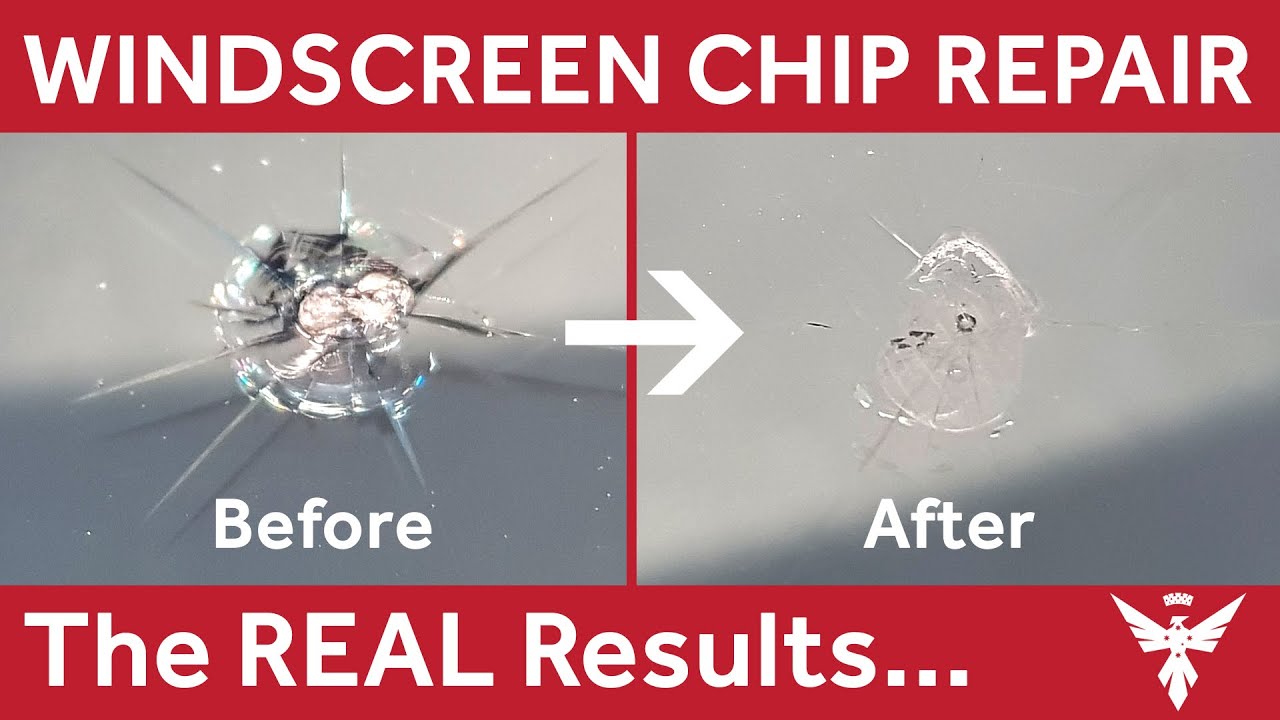
    DIY repair kits offer a simple fix for small chips. These kits include resin and tools to fill the chip. Follow instructions carefully to get the best result. Clean the chip area before applying resin. Let the resin dry fully to restore glass strength. DIY kits save money but work best on minor damage.

    Professional Services

    Professional services provide expert repair for half moon chips. Technicians use specialized tools and high-quality resin. They ensure the chip is cleaned and sealed perfectly. Professionals can handle larger or deeper chips safely. Repairs done by experts last longer and look better. Service costs more but offers peace of mind.

    When To Replace The Windshield

    Replacement is necessary if the chip grows or cracks spread. Chips near the edge or in the driver’s view may require new glass. Deep damage that affects windshield strength also needs replacement. A cracked windshield reduces safety and visibility. Replacement ensures the car remains safe to drive.

    Preventing Windshield Damage

    Preventing windshield damage is important to keep your vehicle safe. Small chips can grow into big cracks. These cracks reduce visibility and can be costly to fix. Taking steps to protect your windshield helps avoid damage and saves money.

    Safe Driving Tips

    Drive carefully behind other vehicles. Keep a safe distance to avoid flying debris. Avoid gravel roads if possible. Slow down in construction zones where loose stones are common. Be alert to sudden stops that can cause accidents. Clean your windshield often for better visibility.

    Protective Measures

    Use a windshield sunshade when parked to protect from heat. Avoid parking under trees where branches or debris can fall. Consider using a clear protective film on your windshield. Replace old wiper blades to prevent scratches. Use gentle cleaning products to avoid damage to the glass.

    Regular Maintenance

    Inspect your windshield for small chips or cracks regularly. Fix minor damage quickly to prevent spreading. Check the windshield seal to avoid leaks or loosening. Schedule professional inspections during routine car maintenance. Keep your car in a garage or covered area when possible.

    What is Half Moon Windshield Chip: Causes, Risks & Repairs

    Credit: autoglassottawa.ca

    Frequently Asked Questions

    What Is A Half Moon Windshield Chip?

    A half moon windshield chip is a circular crack resembling a half moon. It usually results from small debris hitting the glass. This chip can weaken the windshield and may spread if not repaired promptly.

    How Does A Half Moon Chip Affect Windshield Safety?

    This chip compromises windshield integrity and reduces its strength. It can obstruct vision and may worsen during temperature changes or vibrations. Repairing it quickly restores safety and prevents further damage.

    Can A Half Moon Chip Be Repaired Or Replaced?

    Most half moon chips can be repaired if caught early. Repair fills the crack and restores strength. However, large or spreading chips may require full windshield replacement for safety.

    How Quickly Should I Fix A Half Moon Chip?

    Repair the chip as soon as possible to prevent spreading. Quick repair saves money and avoids the need for costly windshield replacement. Delaying repairs risks increased damage and safety hazards.

    Conclusion

    A half moon windshield chip is a small, crescent-shaped crack on glass. It often appears from small rocks hitting your windshield. Ignoring it can lead to bigger cracks and costly repairs. Fixing the chip early saves money and keeps you safe.

    Watch for these chips after driving on gravel roads. Quick action helps maintain clear vision while driving. Keep your windshield in good shape for safe journeys ahead.

  • Is Windshield Crack Dangerous: Essential Risks You Must Know

    Is Windshield Crack Dangerous: Essential Risks You Must Know

    Have you ever noticed a crack on your windshield and wondered, “Is this really dangerous?” It might seem small or harmless at first, but that tiny crack could be putting you and everyone in your car at risk. Your windshield isn’t just a piece of glass—it’s a crucial part of your safety.

    Ignoring a crack can lead to bigger problems, costly repairs, or even accidents. Keep reading to find out why that crack matters more than you think and what you should do about it before it’s too late.

    Is Windshield Crack Dangerous: Essential Risks You Must Know

    Credit: www.windshieldexperts.com

    Types Of Windshield Cracks

    Windshield cracks come in many shapes and sizes. Each type affects the glass differently. Some cracks are small and easy to fix. Others spread fast and need immediate attention. Knowing the types helps you act fast and stay safe.

    Chips And Bulls-eyes

    Chips are tiny spots where small rocks hit the glass. Bulls-eyes look like a circle with a dark center. Both are common and usually do not block your view. They can grow bigger if ignored. Repairing them early stops cracks from spreading.

    Crack Patterns

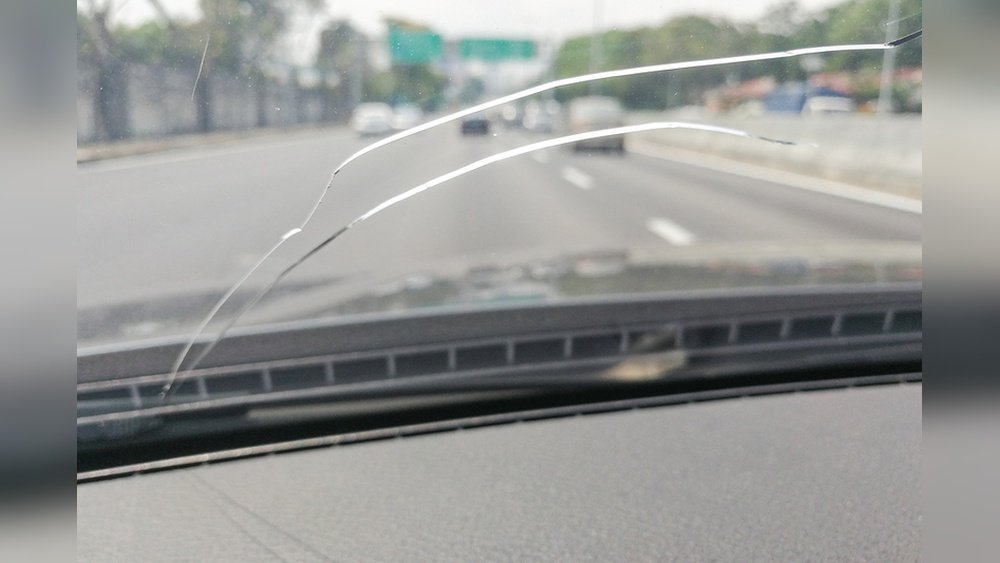
    Cracks often form patterns that tell their cause. Straight cracks run in one line across the glass. Long cracks can weaken the windshield’s strength. Curved cracks bend and twist, making repair harder. Identifying the pattern helps decide repair or replacement.

    Star Breaks

    Star breaks have lines radiating from a central point. They look like a star or spider web. These cracks weaken the glass quickly. Star breaks often start from a small impact. Fixing them fast prevents bigger damage and keeps you safe.

    How Cracks Affect Safety

    Cracks on a windshield do more than just look bad. They affect your safety in several ways. Understanding these effects helps you see why fixing cracks is important. Small cracks can quickly turn into big problems. This section explains how cracks affect your safety on the road.

    Compromised Structural Integrity

    A cracked windshield loses strength. It cannot protect you well in accidents. The windshield supports the roof during a crash. A weak windshield may collapse, causing serious injuries. Cracks make the glass easy to break. This reduces the car’s overall safety.

    Impaired Visibility

    Cracks blur your view of the road. They create glare from sunlight or headlights. This makes driving harder, especially at night. Small cracks can grow and spread quickly. Poor visibility increases the chance of accidents. Clear vision is key for safe driving.

    Airbag Deployment Risks

    The windshield helps airbags work properly. It acts as a backstop for passenger airbags. A cracked windshield may fail to hold airbags in place. This can cause airbags to deploy incorrectly. Incorrect airbag deployment can lead to injuries. A strong windshield ensures airbags protect you well.

    Factors Influencing Crack Severity

    Cracks on a windshield vary in danger depending on several factors. Some cracks remain small and harmless, while others grow quickly and weaken the glass. Understanding what influences crack severity helps you know when to act fast.

    These factors affect how the crack spreads and the risk it poses to your safety. Below are the main aspects that influence the seriousness of a windshield crack.

    Location Of The Crack

    Cracks near the driver’s line of sight are more dangerous. They can block vision and distract while driving. Cracks close to the edges weaken the glass structure. They tend to grow faster and cause windshield failure.

    Size And Depth

    Small cracks less than a few inches may be less urgent. Deep cracks that penetrate multiple layers are more serious. Larger cracks reduce the glass strength and increase the chance of shattering. Monitoring size changes is important.

    Climate And Temperature Changes

    Extreme heat or cold causes the glass to expand and contract. This movement can make cracks grow quickly. Sudden temperature changes, like pouring hot water on ice, worsen cracks. Areas with harsh weather need extra attention.

    Potential Hazards On The Road

    Cracks in your windshield can create serious dangers while driving. The damage may seem small at first, but it can quickly turn into a big problem. Understanding the risks helps you stay safe on the road.

    Sudden Crack Expansion

    Temperature changes and bumps can make cracks grow fast. A small crack can turn into a large spiderweb in seconds. This sudden change can block your view and distract you.

    Increased Accident Risk

    Cracks weaken the windshield’s strength. In a crash, the glass might break more easily. Broken glass can hurt you and make it harder to control the car.

    Legal Implications

    Driving with a cracked windshield may break traffic laws. Police can stop you and issue fines. Some states require windshield repair for your safety and others on the road.

    Repair Vs. Replacement

    When a windshield cracks, the choice between repair and replacement matters a lot. Both options affect safety, cost, and convenience. Knowing when to fix and when to replace helps you save money and stay safe on the road.

    When Repair Is Viable

    Small chips and cracks less than six inches can often be repaired. Repairs stop cracks from spreading and restore the windshield’s strength. The damage should not be in the driver’s direct line of sight. Repairs are quick and usually cost less than replacement.

    Signs You Need Replacement

    Large cracks or those longer than six inches need full replacement. Damage near the edges weakens the windshield’s structure. Multiple cracks or shattered glass mean replacement is safer. Also, repairs cannot fix cracks that block the driver’s view clearly.

    Cost Considerations

    Repairing a small crack costs less than replacing the entire windshield. Insurance may cover repairs with little or no deductible. Replacement costs more but ensures full safety and clarity. Choosing the right option saves money and keeps your car safe.

    Is Windshield Crack Dangerous: Essential Risks You Must Know

    Credit: www.msglassoutlet.com

    Preventing Windshield Damage

    Preventing windshield damage helps keep you safe on the road. A strong windshield protects you from wind, rain, and debris. Small cracks can grow bigger and cause danger. Taking steps early can save money and avoid accidents.

    Simple actions can keep your windshield clear and strong. These easy habits stop cracks and chips before they start.

    Safe Driving Practices

    Drive carefully to avoid windshield damage. Keep a safe distance from other cars. Rocks and debris can fly from their tires. Slow down on rough roads to reduce impact. Avoid sudden stops and sharp turns near construction areas.

    Regular Inspections

    Check your windshield often for small cracks or chips. Early detection helps fix problems quickly. Clean your windshield regularly to spot damage easily. Use a soft cloth and mild cleaner to avoid scratches. Inspect after storms or hitting debris on the road.

    Protective Measures

    Park in shaded or covered areas to protect your windshield. Sun exposure can weaken glass over time. Use a windshield cover during extreme weather. Replace old wiper blades to prevent scratches. Avoid placing heavy items on the windshield.

    Is Windshield Crack Dangerous: Essential Risks You Must Know

    Credit: www.holmanhondacentennial.com

    Frequently Asked Questions

    Is A Windshield Crack Dangerous While Driving?

    Yes, a cracked windshield can impair visibility and weaken structural integrity. It increases the risk of accidents and injury during collisions.

    Can A Small Windshield Crack Get Worse?

    Absolutely, temperature changes and vibrations can expand small cracks quickly. Prompt repair prevents further damage and higher repair costs.

    Does A Windshield Crack Affect Car Safety?

    Yes, cracks reduce the windshield’s ability to protect occupants in crashes. They compromise the roof’s support and airbag deployment.

    When Should I Repair A Windshield Crack?

    Repair cracks immediately if they are in the driver’s line of sight or larger than a dollar bill. Early repair ensures safety.

    Conclusion

    A cracked windshield can cause serious safety risks. It weakens the glass and may break easily in accidents. Small cracks often grow bigger over time. Driving with a damaged windshield reduces your view and focus. Fixing cracks early can save money and avoid bigger problems.

    Always check your windshield’s condition before driving. Staying safe on the road matters most. Don’t ignore even minor cracks. Protect yourself and others by keeping your windshield strong.

  • Is Windshield Chip Covered Without Deductible? Key Facts Revealed

    Is Windshield Chip Covered Without Deductible? Key Facts Revealed

    Have you ever noticed a tiny chip on your windshield and wondered if fixing it will cost you extra? You might be surprised to learn that in some cases, this repair is covered without you having to pay a deductible.

    Imagine getting your windshield fixed quickly and without dipping into your wallet. But how does this work? And what should you know before making a claim? Keep reading to find out exactly when your windshield chip might be covered without a deductible and how to make the most of your insurance benefits.

    Your car’s safety—and your peace of mind—could depend on it.

    Is Windshield Chip Covered Without Deductible? Key Facts Revealed

    Credit: www.progressive.com

    Windshield Chip Coverage Basics

    Windshield chip coverage is an important part of car insurance. It helps protect your windshield from small cracks and chips caused by road debris. Understanding this coverage helps you avoid paying out of pocket for repairs. It also keeps your windshield safe and clear.

    Many drivers wonder if windshield chip repairs come with a deductible. This depends on the insurance policy and the type of coverage you have. Knowing the basics lets you make better decisions about your auto insurance.

    What Insurance Policies Include

    Windshield chip coverage is often part of comprehensive insurance. This coverage protects against damage not caused by a collision. Some policies offer full glass coverage, which means no deductible for repairs or replacements. Other policies require a deductible, which is the amount you pay before insurance pays. Check your policy to see if glass coverage is included and what your deductible is.

    Types Of Damage Covered

    This coverage usually includes chips, cracks, and small breaks. Chips caused by stones or debris on the road are common. Larger cracks may also be covered but might need full windshield replacement. Some policies cover only repairs, not replacements. Repairs prevent cracks from growing and keep your windshield strong. Knowing what damage is covered helps you use your insurance wisely.
    Is Windshield Chip Covered Without Deductible? Key Facts Revealed

    Credit: www.connectbyamfam.com

    Deductibles And Glass Repairs

    Understanding deductibles is important when dealing with windshield repairs. A deductible is the amount you pay before your insurance helps. This affects how much you spend out of pocket for glass repairs. Knowing how deductibles work can help you save money and avoid surprises.

    Some situations allow glass repairs without paying a deductible. This depends on your insurance policy and the type of damage. Clear knowledge about these cases helps you choose the right repair option.

    How Deductibles Work

    Deductibles are fixed amounts set in your insurance policy. You pay this amount for any claim before insurance covers the rest. For example, with a $200 deductible, you pay $200 first. Insurance pays any repair cost above that. Deductibles vary depending on your policy and provider.

    Higher deductibles usually mean lower monthly premiums. Lower deductibles may increase your premium but reduce out-of-pocket costs. Deductibles apply to most claims, including windshield repairs. It is important to check your policy details.

    Situations With No Deductible

    Some insurance plans cover windshield chips without charging a deductible. This is common in full glass coverage or special glass insurance. Small chips often get repaired for free under these plans. Repairs may include filling cracks or minor chip fixes.

    Some states require insurance companies to waive deductibles for glass repairs. This law helps drivers avoid paying extra for small damages. Your insurer may offer deductible waivers as part of your coverage. Always ask your agent about no deductible options.

    Factors Affecting Coverage

    Understanding factors that affect windshield chip coverage helps you know what to expect. Not all insurance plans treat windshield damage the same. Several elements influence whether a chip is covered without a deductible. These details can save you money and stress during a claim.

    Insurance Provider Variations

    Each insurance company sets its own rules for windshield coverage. Some providers offer full coverage without any deductible. Others may require you to pay a small fee. Certain insurers might exclude windshield chips from coverage entirely. Check your provider’s policy to know your benefits clearly.

    Policy Limits And Conditions

    Your insurance policy has specific limits and conditions. Coverage may depend on the size and location of the chip. Some policies cover only repairs, not full replacements. Others might cover replacement if the damage is severe. Deductibles can vary based on your plan’s terms. Reading your policy details helps avoid surprises later.

    Is Windshield Chip Covered Without Deductible? Key Facts Revealed

    Credit: www.allstate.com

    Claim Process For Chip Repairs

    Handling a windshield chip claim can be simple if you know the steps. The process starts with understanding how to file a claim and ends with choosing repair or replacement. Knowing these details helps you act fast and save money.

    Filing A Claim

    First, check your insurance policy for chip coverage details. Some policies cover chip repairs without a deductible. Contact your insurance company to report the damage. Provide clear pictures of the chip and your policy number. An adjuster may inspect the damage or approve the repair directly. Follow the insurer’s instructions carefully to avoid delays.

    Repair Vs Replacement

    Small chips usually qualify for repair. Repair keeps your windshield strong and costs less. Large cracks or damaged areas might need replacement. Replacement is more expensive and may include a deductible. Your insurance provider decides based on damage size and location. Quick repairs prevent chips from growing into cracks.

    Tips To Avoid Deductible Charges

    Paying a deductible for windshield repairs can feel like an extra burden. Some plans cover chips without any deductible charge. Others require you to pay a part of the cost. Avoiding deductible charges is possible with smart choices and habits. Here are some tips to help you save money on windshield chip repairs.

    Choosing The Right Policy

    Select a policy that offers full glass coverage. Look for plans with zero deductible for windshield repairs. Compare different insurance providers before you buy. Check the fine print for glass coverage details. Some insurers include free chip repair without any cost. Choose a policy that fits your budget and needs.

    Preventive Measures

    Drive carefully to avoid road debris and rocks. Keep a safe distance from other vehicles. Park your car in a garage or covered area. Avoid sudden temperature changes that can worsen chips. Fix small chips quickly to prevent spreading. Using protective film on your windshield can help too.

    Frequently Asked Questions

    Is Windshield Chip Repair Covered Without Deductible?

    Some insurance policies cover windshield chip repairs without a deductible. It depends on your insurer and coverage type. Comprehensive insurance often includes this benefit. Check your policy details or call your agent to confirm if your windshield chip repair is deductible-free.

    Does Comprehensive Insurance Cover Windshield Chips Fully?

    Comprehensive insurance generally covers windshield chip repairs. Many insurers waive the deductible for minor glass damage. This coverage helps avoid out-of-pocket costs for small chips. Always verify with your insurance provider as coverage varies by policy and state laws.

    Can I Get Windshield Chip Fixed For Free?

    If your insurance covers glass repair without deductible, you may get it fixed free. Some insurers partner with repair shops for no-cost repairs. Also, some warranty plans include free windshield chip repair. Check your insurance and warranty terms for eligibility.

    What Happens If I Ignore A Windshield Chip?

    Ignoring a windshield chip can cause cracks to spread. This damages the windshield and reduces visibility. It may lead to costly replacements rather than simple repairs. Timely repair prevents further damage and keeps your insurance benefits intact.

    Conclusion

    Windshield chip coverage without deductible depends on your insurance policy. Some insurers offer full coverage with no extra cost. Others may require you to pay a small fee. Knowing your policy details saves surprises later. Small chips can turn into big cracks if ignored.

    Fixing chips early keeps your windshield strong and safe. Always ask your insurance provider about chip repair options. Protect your car without unexpected expenses. Simple steps help you avoid bigger problems down the road.

  • How Much Does Windshield Chip Repair Cost: Affordable Insights Revealed

    How Much Does Windshield Chip Repair Cost: Affordable Insights Revealed

    Have you noticed a small chip on your windshield and wondered, “How much will it cost to fix this?” You’re not alone. Even a tiny chip can turn into a big problem if left untreated, but the repair might be more affordable than you think.

    Knowing the real cost upfront can save you time, stress, and money. You’ll discover what affects windshield chip repair prices and how to get the best value for your money. Keep reading to protect your car—and your wallet.

    Factors Influencing Repair Cost

    Several factors affect the cost of windshield chip repair. Each repair job is unique. Understanding these factors helps you know what to expect. Costs vary based on the damage and the vehicle.

    Size And Location Of The Chip

    Small chips cost less to fix than large ones. Chips near the edge of the windshield may cost more. This area is harder to repair. The size and location influence the time and effort needed.

    Type Of Damage

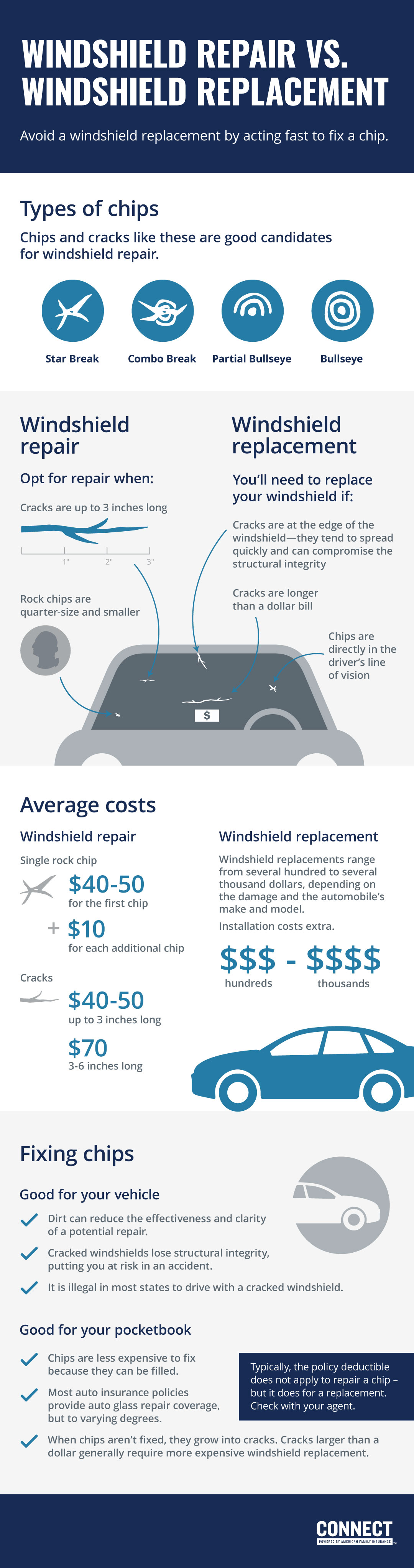
    Different damage types affect the price. Star breaks, bullseyes, and cracks require different repair methods. Cracks usually cost more than simple chips. The complexity of the damage changes the repair cost.

    Vehicle Make And Model

    Luxury or rare cars often have higher repair costs. Windshields for these vehicles can be expensive. Common cars usually have cheaper repair options. The parts and labor vary by vehicle type.

    Repair Vs Replacement

    Sometimes repair is not enough. Large or severe damage may need full windshield replacement. Replacement costs much more than repair. The choice affects the total expense you pay.

    Average Price Range

    Understanding the average price range for windshield chip repair helps you plan your budget. Costs can vary based on chip size, number, and location. Knowing these factors makes it easier to decide on quick repairs or replacements.

    Typical Cost For Small Chips

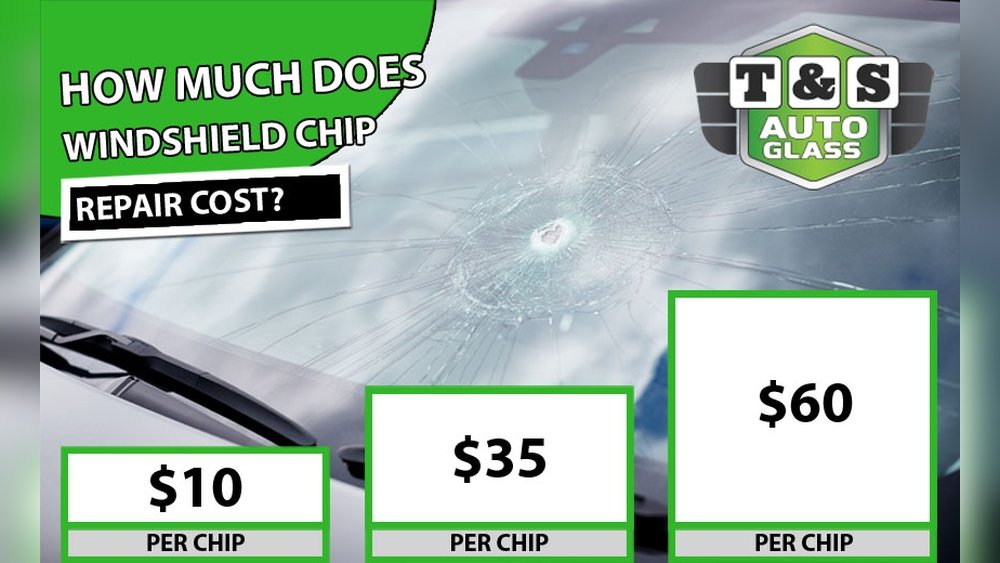
    Small chips usually cost between $50 and $75 to repair. These repairs take less time and use fewer materials. Most shops offer quick service for small chips, often done the same day.

    Cost For Larger Or Multiple Chips

    Larger chips or multiple chips cost more to fix. Expect to pay $100 or more depending on damage severity. Sometimes, a windshield replacement is better for many chips.

    Geographical Price Variations

    Prices change depending on your location. Urban areas tend to have higher prices than rural spots. Local demand and competition affect repair costs too.

    Insurance Coverage And Costs

    Repairing a windshield chip can be affordable or costly, depending on insurance coverage. Understanding how insurance helps pay for repairs saves money and stress. Insurance policies vary, so knowing what to expect is useful.

    When Insurance Covers Repairs

    Most car insurance plans cover windshield chip repairs under comprehensive coverage. This coverage protects against damages not caused by collisions. Chips from rocks or debris usually qualify. Some insurers offer full repair payments with no cost to you. Check your policy or call your agent to confirm coverage.

    Deductibles And Out-of-pocket Expenses

    Deductibles are the amounts you pay before insurance helps. If your deductible is higher than the repair cost, you pay fully. Many windshield chip repairs cost less than $100. Some companies waive deductibles for glass repairs. Always ask about deductible rules before scheduling repairs.

    Impact On Premiums

    Small repairs often do not raise insurance premiums. Insurers may not consider chip repairs as claims. Larger claims or multiple repairs can increase rates. Reporting minor damage quickly avoids bigger issues later. Keep your insurer informed to prevent surprises.

    How Much Does Windshield Chip Repair Cost: Affordable Insights Revealed

    Credit: www.youtube.com

    Diy Repair Kits

    DIY repair kits offer a cheap way to fix small windshield chips. These kits come with tools and resin to fill cracks at home. They save time and money compared to professional repairs. Yet, they work best for minor damage only. Understanding costs, effectiveness, and safety helps decide if a kit is right for you.

    Cost Comparison

    DIY repair kits usually cost between $10 and $30. Professional repairs start around $50 and can go higher. Kits save money upfront but may not fix all chips well. The cost difference makes kits tempting for simple cracks.

    Effectiveness And Limitations

    Kits work well on small chips under the size of a quarter. They fill cracks and prevent spreading. Large or deep cracks need professional help. Using a kit on bad damage may not stop the crack from growing. Results depend on careful use and the chip’s condition.

    Safety Considerations

    Using kits needs caution to avoid injury or damage. The resin chemicals can irritate skin and eyes. Follow instructions strictly and wear gloves if possible. Poor repairs can weaken the windshield and cause safety risks. A clean, dry chip area is important for success.

    Choosing The Right Repair Service

    Choosing the right windshield chip repair service is important. The service affects the cost, quality, and time of the repair. Finding a trustworthy and skilled repair shop helps save money and ensures safety. This section guides you on how to pick the best repair option.

    Mobile Vs In-shop Repairs

    Mobile repairs come to your location. They save time and add convenience. In-shop repairs might take longer but use better tools. Shops often offer a more controlled environment. Choose based on your schedule and the chip size. Some chips need shop repairs for a better fix.

    Warranty And Guarantees

    Check if the repair service offers a warranty. A warranty shows they trust their work. It covers repairs if problems appear later. Guarantees give peace of mind and protect your money. Avoid services without clear warranty terms. Ask how long the warranty lasts and what it covers.

    Reviews And Recommendations

    Read customer reviews before choosing a service. Reviews reveal the quality and reliability of the repair. Ask friends or family for recommendations. Good feedback means better chances of a solid repair. Avoid places with many complaints or negative reviews. Choose services with clear, honest customer experiences.

    How Much Does Windshield Chip Repair Cost: Affordable Insights Revealed

    Credit: tsautoglass.com

    Tips To Save On Repair Costs

    Repairing a windshield chip can be affordable with smart choices. Saving money means acting fast and using resources wisely. Simple steps help reduce costs without risking safety.

    Timely Repairs

    Fix chips quickly to stop cracks from growing. Small chips cost less to repair than big cracks. Acting fast means cheaper and easier fixes. Delaying repairs can lead to costly windshield replacements.

    Bundling Services

    Combine windshield repair with other car services. Many shops offer discounts for multiple jobs. This saves money and time. Ask about package deals before booking any service.

    Using Insurance Wisely

    Check your insurance policy for windshield coverage. Some plans cover repair costs with no deductible. Use insurance only if it saves money. Avoid claims that raise future premiums.

    How Much Does Windshield Chip Repair Cost: Affordable Insights Revealed

    Credit: www.rbmofatlanta.com

    Frequently Asked Questions

    How Much Does Windshield Chip Repair Usually Cost?

    Windshield chip repair typically costs between $50 and $150. Prices vary based on chip size, location, and repair shop rates.

    Does Insurance Cover Windshield Chip Repair Cost?

    Many insurance policies cover windshield chip repair with little or no deductible. Check your specific policy details for coverage options.

    Can Small Windshield Chips Be Repaired Affordably?

    Yes, small chips under the size of a quarter are usually inexpensive to fix. Early repair prevents costly windshield replacement.

    How Does The Chip Size Affect Repair Cost?

    Larger chips require more materials and time, increasing repair costs. Small chips generally cost less due to quicker repairs.

    Conclusion

    Windshield chip repair costs vary based on damage size and location. Small chips usually cost less and fix quickly. Repairing early saves money and prevents bigger cracks. Many repair shops offer affordable options for chip fixes. Acting fast keeps your windshield strong and safe.

    Choose a trusted service to ensure quality repair. Protect your car with timely windshield care. Simple repairs today avoid costly replacements tomorrow.

  • How Long Can You Drive With a Cracked Windshield: Safety Tips

    How Long Can You Drive With a Cracked Windshield: Safety Tips

    Have you noticed a crack spreading across your windshield and wondered how long you can keep driving without fixing it? You might think it’s just a small issue, but that crack can quickly turn into a bigger problem that affects your safety and could even cost you more money.

    You’ll learn exactly how long it’s safe to drive with a cracked windshield and what risks you should be aware of. Keep reading to protect yourself, your passengers, and your wallet before it’s too late.

    Risks Of Driving With A Cracked Windshield

    Driving with a cracked windshield carries several risks that affect your safety and driving experience. The damage may seem minor at first. Yet cracks can grow quickly and cause serious problems. Understanding these risks helps you decide when to repair or replace your windshield.

    Impact On Visibility

    Cracks distort your view of the road. Sunlight can create glare through the crack. Night driving becomes harder with light reflection. Small cracks can block your sight of pedestrians or signs. This increases the chance of accidents.

    Structural Safety Concerns

    The windshield supports your car’s structure. A crack weakens this support. In a crash, the windshield may shatter more easily. This raises the risk of injury from glass or roof collapse. Airbags rely on the windshield to deploy properly. A damaged windshield can reduce airbag effectiveness.

    Legal Implications

    Many places have laws about windshield damage. Driving with big cracks can lead to fines. Some states require immediate repair or replacement. Police may stop you for unsafe vehicle conditions. Insurance claims can be denied if damage is ignored. Check local rules to avoid penalties.

    How Long Can You Drive With a Cracked Windshield: Safety Tips

    Credit: www.novusglass.com

    Factors Influencing Crack Severity

    Understanding the factors that affect crack severity helps decide how long you can drive with a cracked windshield. Not all cracks are the same. Some may stay small for a while, while others grow fast. The size, type, and weather play important roles in this.

    Size And Location Of Crack

    Small cracks usually cause less worry than large ones. A tiny chip may stay stable for days or weeks. Large cracks spread quickly and weaken the glass. Cracks near the driver’s line of sight are more dangerous. They block vision and can cause accidents. Cracks at the edges often grow faster. Stress from the car’s frame can widen these cracks.

    Type Of Crack

    Different cracks show different risks. Star cracks have lines spreading out like a star. They may get bigger with bumps or vibrations. Bullseye cracks form a circle and usually stay contained. Long cracks, also called stress cracks, spread fast. They weaken the windshield more than small chips. Knowing the crack type helps estimate how soon it might worsen.

    Weather And Temperature Effects

    Heat and cold affect windshield cracks. Hot weather makes glass expand and cracks grow. Cold causes glass to contract and can spread cracks too. Sudden temperature changes are the worst. For example, using hot water on a frozen windshield can cause cracks to spread fast. Rain can seep into cracks and weaken the glass. Driving in rough weather shakes the glass and can make cracks worse.

    When To Replace Vs. Repair

    Deciding between repairing or replacing a cracked windshield depends on several factors. The size, location, and depth of the crack affect the choice. Safety is a top concern. A small chip might be fixable, but a large crack often needs full replacement. Understanding when to repair or replace helps keep your car safe and road legal.

    Repair Eligibility Criteria

    Small chips or cracks less than six inches usually qualify for repair. Cracks that do not block the driver’s view are easier to fix. Repairs work best when damage is on the outer layer only. If the crack is clean and not spreading, repair is possible. Quick repair prevents dirt from entering and worsening the damage. Repair saves time and money compared to replacement.

    Signs You Need A Full Replacement

    Large cracks longer than six inches need full replacement. Cracks near the edges weaken the windshield’s strength. Damage that blocks the driver’s line of sight is unsafe. Multiple cracks or deep cracks through both layers require replacement. If the glass is shattered or spider-webbed, replace it immediately. A new windshield restores safety and visibility fully.

    Driving Tips With A Cracked Windshield

    Driving with a cracked windshield needs care and attention. Small cracks can grow fast if you do not handle your car properly. These tips help keep the crack from getting worse. They also keep you safe on the road.

    Avoiding Rough Roads

    Rough roads shake your car. This makes cracks spread quickly. Try to drive on smooth roads as much as possible. Slow down over bumps and potholes. This reduces the stress on your windshield.

    Controlling Temperature Changes

    Hot and cold changes can make cracks bigger. Avoid parking your car in direct sunlight. Use shade or a car cover if you can. In cold weather, warm up your car slowly. Sudden temperature changes cause glass to expand or shrink fast.

    Regular Monitoring

    Check your windshield every day. Look for new cracks or changes in size. Take photos to track the damage over time. Early spotting helps you decide when to fix or replace the glass. Stay alert to keep your windshield safe.

    Preventive Measures For Windshield Damage

    Preventive measures help protect your windshield from cracks and damage. Taking simple steps can save money and keep you safe. A strong windshield supports your car’s structure and keeps debris out.

    Small cracks can grow fast. Stopping damage early prevents costly repairs. Follow these tips to maintain a clear, strong windshield.

    Safe Driving Practices

    Drive carefully to avoid stones and debris hitting the glass. Keep a safe distance from trucks and construction zones. Avoid sudden stops and sharp turns that stress the windshield. Slow down on rough roads to reduce vibration damage.

    Parking Strategies

    Park your car in shaded or covered areas to protect from sun damage. Avoid parking under trees that drop branches or sap. Choose spots away from busy streets to reduce risk of accidents. Use a windshield cover in harsh weather to prevent cracks.

    Routine Maintenance

    Check your windshield regularly for small chips and cracks. Clean glass with gentle, non-abrasive products to avoid scratches. Replace worn windshield wipers to prevent streaks and damage. Fix small chips quickly to stop cracks from spreading.

    How Long Can You Drive With a Cracked Windshield: Safety Tips

    Credit: www.reddit.com

    Choosing A Repair Or Replacement Service

    Choosing the right service for windshield repair or replacement matters a lot. This decision affects your safety and the cost you pay. Pick a service that fits your needs and budget. Understanding key factors helps you make a smart choice.

    Certification And Experience

    Check if the technician is certified. Certification shows they have proper training. Experienced technicians handle repairs and replacements better. They know how to work with different car models. Trust services that have positive reviews and proven skills.

    Cost And Warranty Considerations

    Compare prices from different shops. Low cost may mean poor quality. High cost does not always guarantee the best work. Ask about warranties on parts and labor. A good warranty protects you against future problems. Choose a service with clear and fair warranty terms.

    Mobile Repair Options

    Mobile repair services come to your location. This saves time and effort. Mobile teams often handle small cracks well. They use special tools for quick fixes. Make sure the mobile service has good reviews. Confirm they offer the same quality as in-shop repairs.

    How Long Can You Drive With a Cracked Windshield: Safety Tips

    Credit: www.glasshopperautoglass.com

    Frequently Asked Questions

    How Long Is It Safe To Drive With A Cracked Windshield?

    Driving with a cracked windshield is risky. Minor cracks might last a few days, but they can worsen quickly. It’s best to repair or replace it promptly to ensure safety and avoid legal issues.

    Can I Drive With A Cracked Windshield Legally?

    Laws vary by location, but many places prohibit driving with significant windshield damage. Cracks that impair visibility can lead to fines or failed vehicle inspections. Check local regulations and repair your windshield as soon as possible.

    Does A Cracked Windshield Affect Car Safety?

    Yes, a cracked windshield compromises structural integrity. It reduces protection during accidents and increases the risk of the glass shattering. Fixing cracks promptly helps maintain vehicle safety and occupant protection.

    What Causes A Windshield Crack To Worsen?

    Temperature changes, road vibrations, and moisture can expand cracks quickly. Driving on rough roads or hitting bumps also worsens damage. Repairing cracks early prevents them from spreading and saves costs.

    Conclusion

    A cracked windshield can be dangerous and unsafe. Small cracks may last longer, but they can grow quickly. Driving with a damaged windshield reduces your view and increases risk. Fixing or replacing it soon keeps you safe on the road.

    Don’t wait until the crack gets worse. Take action early to avoid bigger problems. Your safety matters most every time you drive.

  • Can Rain Damage a Cracked Windshield? Shocking Truth Revealed!

    Can Rain Damage a Cracked Windshield? Shocking Truth Revealed!

    Have you ever noticed a small crack on your windshield and wondered if rain could make it worse? You might think a little water won’t cause much harm, but the truth could surprise you.

    Your cracked windshield is more fragile than you realize, and something as simple as rain might speed up the damage. If you want to protect your car and avoid costly repairs, it’s important to understand exactly how rain affects that crack.

    Keep reading to find out what really happens when water meets a damaged windshield—and what you should do next.

    Can Rain Damage a Cracked Windshield? Shocking Truth Revealed!

    Credit: www.windshieldexperts.com

    How Rain Interacts With Cracks

    Rain affects cracks in a windshield in several ways. The interaction between water and cracks can make damage worse. Understanding this helps protect your windshield and avoid costly repairs.

    Water Seepage And Expansion

    Water seeps into tiny cracks on the glass surface. Inside these cracks, water can expand when temperatures drop. This expansion pushes the glass apart, making cracks bigger. Over time, repeated wetting and drying worsen the damage.

    Effect Of Temperature Changes

    Rain cools the windshield, causing the glass to contract. When the sun returns, the glass heats up and expands. These constant changes in size stress the cracked area. This stress causes cracks to grow or spread further.

    Contaminants In Rainwater

    Rainwater often contains dirt, dust, and chemicals. These contaminants settle inside cracks and weaken the glass. Pollutants can also cause stains and corrosion around the damaged area. This makes repair more difficult and less effective.

    Can Rain Damage a Cracked Windshield? Shocking Truth Revealed!

    Credit: www.amazon.com

    Risks Of Driving With A Cracked Windshield In Rain

    Driving with a cracked windshield during rain brings many dangers. Water drops can blur the cracks, making it hard to see. Rain also adds pressure to the damaged glass, raising safety risks. The cracks might grow faster, leading to bigger problems on the road.

    Reduced Visibility Issues

    Rainwater collects in windshield cracks, distorting the driver’s view. Light reflects unevenly off the cracked surface. This reflection causes glare, making it tough to spot road signs or obstacles. Poor visibility increases chances of accidents, especially in heavy rain.

    Structural Weakness And Safety Concerns

    A cracked windshield loses strength. Rain adds weight and pressure to the glass. This weak glass may shatter more easily during sudden stops or collisions. The windshield protects you from flying debris and keeps the car’s roof stable. A damaged windshield fails to do these jobs well.

    Potential For Crack Growth

    Water seeps into cracks, making them worse over time. Temperature changes from rain can cause the glass to expand and contract. This movement spreads cracks quickly. Driving in rain puts extra stress on the windshield, helping cracks grow larger and deeper.

    Myths About Rain And Windshield Damage

    Many people worry about rain making cracks in windshields worse. Some think rain alone can break glass further. These ideas cause confusion and fear. It helps to clear up what is true and what is not.

    Rain Alone Can’t Cause New Cracks

    Rain is just water falling on glass. Water itself does not create new cracks. Cracks form from strong forces or impacts. Temperature changes can make cracks bigger, not rain. Wet glass does not suddenly break without other reasons.

    Common Misconceptions Debunked

    Some believe rain pressure can split glass. This is not true. The pressure of rain drops is too light to harm glass. Another myth says rain seeps into cracks and breaks glass. Water can enter cracks but does not cause breaking alone. Cracks grow mainly from stress, heat, or impacts, not water.

    Preventing Further Damage

    Rain can make a cracked windshield worse if you do not act fast. Water seeps into cracks and causes them to grow. Dirt and debris also enter, making damage deeper and harder to fix. Stopping this damage early saves money and keeps your car safe.

    Immediate Temporary Fixes

    Cover the crack with clear tape or a plastic sheet. This blocks water from entering the crack. Avoid using colored tape or stickers that can block your view. Dry the area before applying the tape for better hold. Do not try to drive fast or on rough roads until fixed.

    When To Seek Professional Repair

    Look for a windshield expert if the crack grows or spreads. Small chips under the size of a dollar can often be repaired. Large cracks or deep damage need full windshield replacement. Professionals use special tools to stop cracks from spreading. Early repair is cheaper and safer than waiting.

    Tips For Windshield Maintenance In Wet Conditions

    Keep your windshield clean to avoid dirt filling cracks. Use wipers regularly and change blades if they leave streaks. Park your car in covered areas to reduce rain exposure. Avoid sudden temperature changes; hot water on a cold windshield can cause more cracks. Check your windshield often during rainy seasons.

    Long-term Impact Of Ignoring Cracks

    Ignoring cracks on a windshield can cause serious problems over time. Small damage may seem harmless now but can grow larger. Rain, temperature changes, and road vibrations push cracks to spread. This leads to bigger issues that cost more and risk safety.

    Cost Implications

    Cracks often start small but get bigger quickly. Repairing a small chip costs less than replacing the whole windshield. Ignoring cracks means facing a full replacement later. Replacement is expensive and takes more time. Repairing early saves money and avoids extra costs.

    Safety Risks Over Time

    A cracked windshield is weaker and less safe. Cracks reduce the glass strength and visibility. Rain makes cracks harder to see and can distract drivers. Larger cracks may shatter in an accident. This puts passengers at greater risk of injury.

    Insurance Considerations

    Insurance may cover small repairs but not full replacements. Some policies require quick action to keep coverage. Delaying repair might lead to denied claims. Reporting damage early helps protect your rights. Keep records and photos for insurance purposes.

    Can Rain Damage a Cracked Windshield? Shocking Truth Revealed!

    Credit: www.treasurecoastlexus.com

    Frequently Asked Questions

    Can Rain Worsen A Cracked Windshield?

    Yes, rain can worsen a cracked windshield by seeping into the crack. Water causes expansion and increases damage. Over time, this can lead to a larger crack and costly repairs.

    Does Temperature Change Affect A Cracked Windshield In Rain?

    Yes, temperature changes during rain can cause the glass to expand and contract. This stress worsens the crack and may cause it to spread faster.

    Should I Avoid Driving In Rain With A Cracked Windshield?

    It’s best to avoid driving in heavy rain with a cracked windshield. Reduced visibility and weakened glass increase safety risks. Repair or replace the windshield promptly.

    Can Rainwater Cause Interior Damage Through A Cracked Windshield?

    Yes, rainwater can leak through a cracked windshield and damage the car interior. Water may harm electronics, upholstery, and cause mold growth inside the vehicle.

    Conclusion

    Rain can make a cracked windshield worse over time. Water seeps into cracks and causes damage inside the glass. Small cracks may grow larger, making driving unsafe. Fixing cracks quickly helps keep your windshield strong. Avoid waiting, as rain and weather make cracks spread.
    Taking care of your windshield protects you and your car. Stay safe by checking and repairing cracks soon. Don’t let rain turn a small crack into a big problem.

  • When Should Windshield Crack Be Repaired: Essential Timing Tips

    When Should Windshield Crack Be Repaired: Essential Timing Tips

    Have you noticed a crack spreading across your windshield? You might wonder if it’s something you can ignore or a problem that needs immediate attention.

    The truth is, knowing when to repair that crack can save you money, keep you safe, and protect your car’s value. You’ll discover the key signs that tell you exactly when it’s time to fix your windshield before the damage gets worse.

    Keep reading to learn how a simple decision now can prevent bigger headaches later.

    When Should Windshield Crack Be Repaired: Essential Timing Tips

    Credit: www.ultrabond.com

    Signs Of A Damaged Windshield

    A damaged windshield is not always easy to spot. Some signs show up quickly, while others grow over time. Knowing these signs helps you decide when to repair your windshield. Early repairs keep you safe and save money.

    Small Chips And Cracks

    Small chips often look like tiny dots or dings. They usually happen from small stones hitting the glass. Cracks can start tiny but may grow larger. These chips and cracks weaken the windshield’s strength. Repairing them early stops them from spreading.

    Spiderweb Cracks

    Spiderweb cracks spread out from a single point. They look like a spider’s web or a star. These cracks reduce visibility and make the glass fragile. Driving with spiderweb cracks is risky. They need quick attention to avoid bigger problems.

    Impact Spots

    Impact spots are areas where something hit hard. They often have a small hole or deep crack. These spots can cause the glass to shatter under pressure. Impact spots affect the windshield’s safety features. Fixing them fast is important for your protection.

    Risks Of Delaying Repairs

    Delaying windshield crack repairs can lead to serious problems. Small cracks may seem harmless at first. They can quickly grow and cause bigger issues. Understanding the risks helps you decide when to fix the damage.

    Safety Hazards

    A cracked windshield weakens your car’s structure. It may not protect you well in a crash. Cracks can block your view while driving. This increases the chance of accidents. Waiting to repair puts everyone at risk.

    Worsening Damage

    Cracks spread with time and stress. Heat, cold, and road bumps make cracks worse. A small chip can turn into a large crack. Once too big, it may need full windshield replacement. Early repair stops damage from growing.

    Cost Implications

    Fixing small cracks costs less than replacing a windshield. Ignoring damage can lead to expensive repairs later. Insurance might cover small repairs but not replacements. Timely action saves money and hassle.

    Ideal Timeframe For Repairs

    Knowing the ideal time to repair a windshield crack helps avoid bigger problems. Cracks can grow quickly from heat, cold, or driving bumps. Fixing a crack soon can save money and keep your car safe.

    Immediate Fixes

    Small cracks or chips need quick repair. Fixing them fast stops dirt and moisture from entering. These elements can make the crack worse. Quick repairs keep the glass strong and clear.

    Window For Repair Vs Replacement

    Cracks shorter than 6 inches usually can be repaired. Larger cracks often need full windshield replacement. Location matters too. Cracks near the edge or driver’s view usually need replacement. Acting early keeps repair costs low and avoids replacement.

    When Should Windshield Crack Be Repaired: Essential Timing Tips

    Credit: bluediamondautoglass.com

    Factors Affecting Repair Timing

    Timing for windshield crack repair depends on several key factors. These factors help decide how soon you should fix the crack. Acting quickly can prevent further damage and keep you safe. Understanding these points makes it easier to choose the right time for repair.

    Each factor plays a role in the crack’s growth and the overall safety of your vehicle. Paying attention to these details can save money and avoid bigger problems later.

    Weather Conditions

    Weather has a big impact on windshield cracks. Hot weather makes glass expand, which can widen cracks quickly. Cold weather causes glass to contract, also making cracks worse. Rain and moisture can seep into the crack, weakening the glass. Repairing cracks before extreme weather hits is best to stop spreading.

    Type And Location Of Crack

    Different cracks need different repair times. Small chips and short cracks repair easily and fast. Long cracks or those near the edges are more risky. Cracks in the driver’s line of sight must be fixed right away. The location affects how the crack changes and how safe the windshield stays.

    Vehicle Usage

    How often and where you drive matters for repair timing. Daily drivers need quick fixes to avoid accidents or fines. Off-road or rough-road vehicles face more shaking, which can grow cracks faster. Less-used cars might allow a bit more time but repair remains important. Safety and clear vision should always come first.

    Choosing Repair Vs Replacement

    Deciding between repairing or replacing a cracked windshield is important. The right choice keeps you safe and saves money. Some cracks can be fixed easily. Others need a full replacement for safety reasons.

    When Repair Is Possible

    Small cracks or chips often qualify for repair. Repairs work best when damage is less than six inches long. Damage away from the edges is easier to fix. Repairs stop cracks from spreading further. A quick repair takes less time and costs less. It keeps the original windshield strong. Clear resin fills the crack and restores visibility. Repair works well if the crack is shallow. Repair does not weaken the windshield if done early.
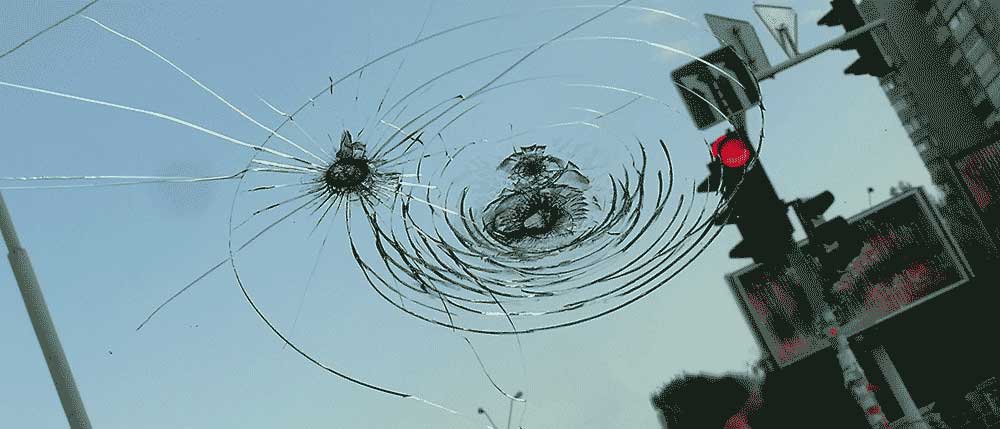
    When Replacement Is Necessary

    Large cracks or chips usually need a full replacement. Damage longer than six inches often requires replacement. Cracks near the edges weaken the windshield’s structure. Deep cracks that reach inside layers cannot be repaired. A windshield with multiple cracks is unsafe to repair. Replacement restores full strength and safety. Severe damage can block your view while driving. Windshields with structural damage fail safety tests. Replacement takes more time but ensures lasting protection.

    When Should Windshield Crack Be Repaired: Essential Timing Tips

    Credit: www.krygerglass.com

    Preventive Measures After Repair

    After repairing a windshield crack, taking care of your glass is very important. Proper preventive steps can stop new cracks from forming. They also help keep the repair strong and long-lasting.

    Avoiding Stress On Glass

    Stress on the glass can cause the repaired area to weaken again. Avoid slamming car doors. Sudden shocks can harm the windshield. Park in shaded areas to reduce heat stress. Extreme temperature changes make glass expand and contract. This can lead to more cracks. Drive carefully on rough roads to avoid vibrations.

    Regular Inspection Tips

    Check your windshield often for small chips or cracks. Early signs can be fixed quickly. Use a clean cloth to wipe the glass and see damage clearly. If you spot any new cracks, visit a repair shop fast. Regular inspections help keep your windshield safe and clear.

    Frequently Asked Questions

    When Is The Best Time To Repair A Windshield Crack?

    Repair a windshield crack as soon as you notice it. Early repair prevents the crack from spreading and reduces repair costs. Delaying can lead to full windshield replacement, which is more expensive and time-consuming.

    How Large Can A Windshield Crack Be For Repair?

    Most cracks up to 6 inches long can be repaired. Small chips and cracks under this size usually don’t require full replacement. Larger cracks often need windshield replacement for safety reasons.

    Will Temperature Changes Affect Windshield Crack Repair Timing?

    Yes, temperature changes can make cracks worse quickly. Repairing cracks before extreme weather helps prevent spreading. Avoid waiting during cold or hot seasons for better repair results.

    Can All Types Of Windshield Cracks Be Repaired?

    Not all cracks can be fixed. Star breaks, bullseyes, and small cracks are repairable. Long, deep cracks or those on the edges often require full replacement for safety.

    Conclusion

    Small windshield cracks can quickly turn into big problems. Fixing cracks early saves money and keeps you safe. Cracks in the driver’s line of sight need fast repair. Temperature changes and bumps make cracks worse over time. Waiting too long may require a full windshield replacement.

    Always watch for new cracks or chips after damage. Prompt repair helps keep your windshield strong and clear. Don’t let a small crack become a costly issue. Act soon to protect your car and yourself.