Category: Glass Safety

  • Can Door Slamming Affect Glass Safety: Risks You Must Know

    Can Door Slamming Affect Glass Safety: Risks You Must Know

    Have you ever slammed a door and wondered if it could damage the glass nearby? You might think a quick bang won’t cause any harm, but the truth could surprise you.

    Your glass windows, doors, or panels might be more vulnerable than you realize. Understanding how door slamming affects glass safety can help you protect your home and avoid costly repairs. Keep reading to discover what really happens when doors slam and how you can keep your glass strong and secure.

    Impact Of Door Slamming On Glass

    Door slamming can have a serious effect on the glass used in doors. The sudden impact creates a strong force that the glass must handle. Over time, this force can weaken or even break the glass. Understanding how door slamming affects glass helps protect your doors and keeps your home safe.

    Force Generated By Slamming

    Slamming a door creates a sharp, strong force. This force travels through the door frame to the glass. The harder the slam, the greater the force. Glass does not absorb shock well. Repeated slams increase the chance of cracks or breaks.

    Types Of Glass Used In Doors

    Doors use several glass types, each with different strengths. Tempered glass is common; it is strong and breaks into small pieces. Laminated glass has a plastic layer that holds shards together. Regular glass is weaker and breaks easily. Choosing the right glass improves door safety.

    How Glass Reacts To Sudden Impacts

    Glass reacts quickly to sudden impacts. Strong hits cause stress that leads to cracks. Small cracks grow over time, making glass fragile. Tempered glass can shatter but is safer than regular glass. Laminated glass stays mostly intact but may show surface damage.

    Common Risks To Glass Safety

    Door slamming can cause serious problems for glass safety. Repeated force puts stress on glass panels. Over time, this stress leads to damage that may not be visible at first. Understanding these risks helps prevent accidents and costly repairs.

    Cracks And Chips Formation

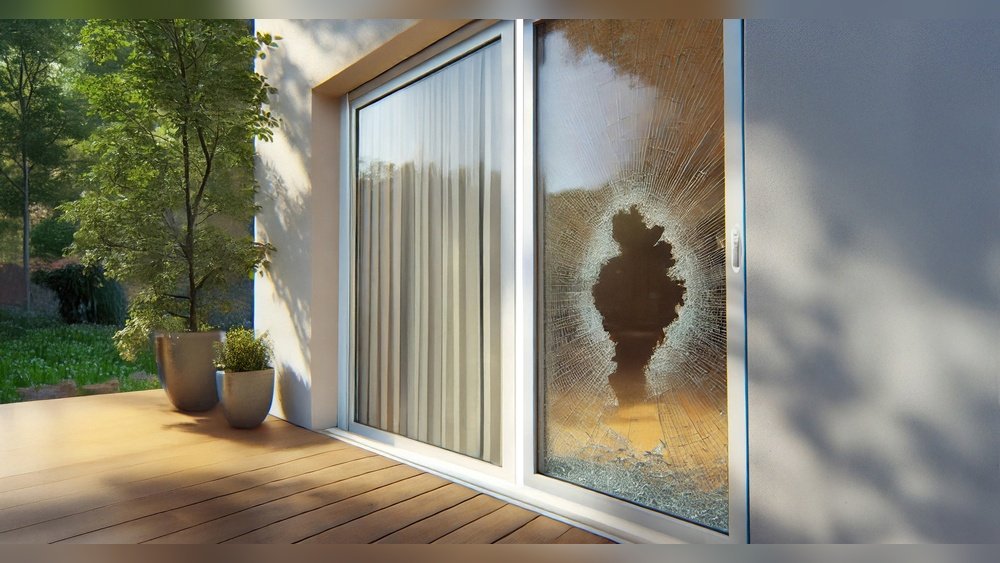
    Strong impacts from door slams can create small cracks and chips. These damages often start at the edges or corners. Even tiny cracks weaken the glass structure. These flaws can grow larger with time and use. Early cracks are a warning sign of future breakage.

    Complete Glass Breakage

    Severe door slamming can cause the glass to shatter. Sudden breakage happens when stress exceeds the glass strength. Broken glass can cause injuries and property damage. Safety glass reduces risks but is not unbreakable. Avoiding strong impacts extends glass life.

    Compromised Structural Integrity

    Repeated slamming weakens the overall strength of glass doors. The glass may lose its ability to hold weight or pressure. This loss of strength increases the chance of failure. Doors may become unsafe for daily use. Regular checks help identify weakened glass early.

    Factors Influencing Glass Damage

    Many factors affect how door slamming impacts glass safety. The risk of damage depends on the glass type, door setup, and how often the door is slammed. Understanding these factors helps protect glass and keep it safe.

    Glass Thickness And Quality

    Thicker glass usually stands up better to shocks. Thin glass cracks more easily from sudden force. Quality matters too. Tempered glass is stronger and resists breaking better than regular glass. Poor quality glass may shatter with less impact.

    Door Frame And Installation

    A strong door frame supports glass well. Loose or weak frames let the glass move more. Movement adds stress and can cause cracks. Proper installation reduces stress on glass. Frames must hold glass firmly without pressure points.

    Frequency And Intensity Of Slamming

    Repeated slamming wears down glass strength. Each slam adds tiny cracks or stress. Over time, damage grows and glass may break. Hard slams cause more damage than soft ones. Gentle closing helps keep glass intact longer.

    Can Door Slamming Affect Glass Safety: Risks You Must Know

    Credit: optima-schlafsysteme.de

    Preventive Measures To Protect Glass

    Protecting glass from damage caused by door slamming requires smart steps. Taking care can extend the life of glass panels. It also keeps your space safe and neat. Understanding simple methods helps reduce risks and avoid costly repairs.

    Soft-close Door Mechanisms

    Soft-close door mechanisms slow down door movement. They stop doors from slamming shut. These devices protect glass from sudden shocks. Installing them is an easy way to lower impact damage. Soft-close doors add quietness and safety to any room.

    Use Of Tempered Or Laminated Glass

    Tempered and laminated glass are stronger than regular glass. They resist breaking under pressure. Tempered glass shatters into small, safe pieces if broken. Laminated glass holds together with a plastic layer inside. Choosing these types adds extra protection against impact.

    Proper Door Handling Practices

    Handle doors gently to avoid strong hits on glass. Teach family members or workers to close doors softly. Avoid pushing or pulling doors too hard. Regularly check door hinges and locks for smooth operation. Good habits reduce the chance of glass damage.

    When To Replace Or Repair Glass

    Knowing when to replace or repair glass after door slamming is important. Damaged glass can be risky and affect your home’s safety. Acting early can save money and prevent accidents.

    Identifying Damage Signs

    Check the glass closely for cracks or chips. Look for spider web patterns or small fractures. Notice if the glass feels loose or wobbly. Foggy or cloudy spots inside the glass may appear. These signs show that the glass is weak.

    Safety Concerns With Damaged Glass

    Cracked glass can break suddenly and cause injuries. Sharp edges from broken glass are dangerous. Weak glass cannot protect from outside elements well. It may also fail during extreme weather. Keeping damaged glass is a safety risk.

    Professional Repair Vs. Replacement

    Small cracks or chips can sometimes be repaired. Repairs stop cracks from growing bigger. Repair costs less than full replacement. Large cracks or shattered glass need replacement. A professional can advise which option fits best. Always use a skilled technician for safety.

    Can Door Slamming Affect Glass Safety: Risks You Must Know

    Credit: barrysautobody.com

    Can Door Slamming Affect Glass Safety: Risks You Must Know

    Credit: en.dictator.de

    Frequently Asked Questions

    Can Door Slamming Cause Glass To Crack?

    Yes, forceful door slamming can create vibrations that stress glass panes. Over time, this may cause cracks or weaken the glass, especially if it’s thin or already damaged.

    Does Door Slamming Affect Tempered Glass Safety?

    Tempered glass is more resistant to impact, but repeated door slamming can still weaken its structure. It’s best to avoid slamming to maintain glass integrity and safety.

    How To Prevent Glass Damage From Door Slamming?

    Use soft-close door mechanisms or door stoppers to reduce impact. These measures absorb shock and minimize vibrations, protecting glass from damage caused by slamming.

    Is Glass More Vulnerable Near Doors?

    Glass installed close to doors experiences more vibrations from slamming. This increases the risk of cracks and safety hazards, so extra care is needed in such areas.

    Conclusion

    Slamming doors can weaken glass over time. Small cracks or chips may appear unnoticed. These can grow and cause glass to break suddenly. Protect your glass by closing doors gently. Regular checks help spot damage early. Safe habits keep your home secure and sound.

    Think of glass like something fragile. Treat it with care to avoid accidents. Your safety depends on simple daily actions.


  • Can Unsafe Glass Increase Accident Risk? Shocking Truth Revealed

    Can Unsafe Glass Increase Accident Risk? Shocking Truth Revealed

    Have you ever stopped to think about the glass around you—your windows, doors, or even your car windshield? It might seem harmless, but unsafe glass can put you and your loved ones at serious risk.

    Imagine a sudden accident where the glass shatters unexpectedly—could it cause more harm than good? You’ll discover how unsafe glass increases accident risk and what you can do to protect yourself. Keep reading to learn the hidden dangers you might be overlooking every day.

    Can Unsafe Glass Increase Accident Risk? Shocking Truth Revealed

    Credit: www.mccoyandsparks.com

    Types Of Glass Used In Construction

    Glass plays a key role in building safety and design. Different types of glass have different strength and safety features. Choosing the right glass helps reduce accident risks. Understanding common glass types used in construction is important for safety awareness.

    Tempered Glass

    Tempered glass is heat-treated to increase strength. It breaks into small, blunt pieces instead of sharp shards. This lowers injury risks during accidents. You see tempered glass in doors, windows, and shower enclosures. It offers good resistance to impact and heat.

    Laminated Glass

    Laminated glass has a plastic layer between two glass sheets. This layer holds the glass together if it breaks. It prevents glass from falling apart and causing harm. Laminated glass is common in car windshields and skylights. It also reduces noise and blocks UV rays.

    Annealed Glass

    Annealed glass is the most basic type of glass. It is cooled slowly after manufacturing to reduce internal stress. This glass breaks into large, sharp pieces. It is less safe compared to tempered or laminated glass. Annealed glass is often used in windows and picture frames.

    Risks Linked To Unsafe Glass

    Unsafe glass poses serious risks that can lead to accidents and injuries. This type of glass often lacks strength and proper safety features. It may break easily or have sharp edges that cause harm. Understanding these risks is crucial to keep homes and workplaces safe.

    Shattering Hazards

    Unsafe glass can shatter suddenly with little force. Broken pieces scatter quickly and unpredictably. This increases the chance of hitting people nearby. Shattered glass can cause panic and confusion. Safety glass reduces these dangers by breaking into small, less harmful pieces.

    Sharp Edges And Cuts

    Broken unsafe glass creates jagged, sharp edges. These edges can cut skin deeply and cause serious wounds. Handling broken glass without protection is very risky. Even small cracks can lead to dangerous sharp points. Proper glass reduces the chance of sharp edges forming.

    Visibility Issues

    Unsafe glass often has scratches, cracks, or cloudiness. These flaws reduce clear vision through the glass. Poor visibility can cause accidents, especially in cars or windows. Drivers may misjudge distances or obstacles. Clear, quality glass ensures better visibility and safety.

    Common Accident Scenarios

    Unsafe glass can lead to many types of accidents. It is often overlooked as a danger in daily life. Several common places and situations show how risky poor-quality glass can be. Understanding these scenarios helps us stay safer.

    These accidents often cause serious injuries or property damage. Knowing where and how these incidents happen is key to prevention.

    Home And Office Incidents

    Glass doors and windows can shatter unexpectedly. Cheap or old glass breaks easily on impact. People may get cuts from shattered glass pieces. Office partitions made of glass can collapse during minor accidents. Unsafe glass furniture, like tables, can break and cause injuries. Children and pets are at higher risk in these environments.

    Automobile Glass Failures

    Car windshields protect drivers and passengers. Faulty or damaged glass can crack or shatter in crashes. This increases the chance of serious injuries. Side and rear windows may break during minor collisions. Poor-quality glass may not hold up to road debris or weather changes. Unsafe glass can also impair driver vision, causing accidents.

    Public Spaces And Infrastructure

    Public buildings use glass for walls and railings. Unsafe glass in these areas can break during crowds or storms. Glass in bus stops or kiosks can shatter unexpectedly. This puts many people at risk of injury. Bridges, stations, and airports often have glass structures. If the glass is not strong enough, accidents can happen quickly.

    Regulations And Safety Standards

    Unsafe glass greatly increases the risk of accidents. Strict rules and safety standards exist to reduce this danger. These guidelines ensure glass breaks safely and protects people.

    Building Codes

    Building codes set rules for glass used in homes and offices. They require safety glass in doors, windows, and walls. This glass is less likely to shatter into sharp pieces. Following these codes helps prevent injuries from broken glass. Inspectors check that buildings use approved glass types. This keeps occupants safer during accidents or impacts.

    Automotive Glass Standards

    Cars must use special glass to protect drivers and passengers. Windshields are made from laminated glass that stays in place when broken. Side and rear windows use tempered glass that shatters into small, dull pieces. These standards reduce cuts and serious injuries in crashes. Car manufacturers must meet strict guidelines before selling vehicles. Proper automotive glass saves lives on the road.

    International Safety Norms

    Many countries follow international safety norms for glass products. These rules create a common safety level worldwide. They cover testing methods, glass strength, and impact resistance. Meeting these norms ensures glass is safe no matter where it is used. Exported glass products must pass these tests before shipment. International cooperation improves glass safety for everyone.

    Detecting Unsafe Glass

    Detecting unsafe glass is important to keep homes and workplaces safe. Unsafe glass can break easily and cause accidents. Knowing how to spot it helps prevent injuries and costly repairs.

    Visual Inspection Tips

    Start by checking the glass for cracks or chips. Look closely at edges and corners. These spots often show damage first. Check for discoloration or cloudiness, which can mean the glass is weak. Tap the glass gently. A clear, sharp sound usually means strong glass. A dull sound can signal problems. Also, see if the glass is thick enough for its use. Thin glass may break more easily.

    Professional Testing Methods

    Experts use special tools to test glass safety. They measure thickness and strength with precise devices. Some tests check how glass reacts under pressure. Others look for hidden flaws inside the glass. Professionals also test the type of glass, such as tempered or laminated. These tests ensure glass meets safety standards. Hiring a professional is best for reliable results.

    Can Unsafe Glass Increase Accident Risk? Shocking Truth Revealed

    Credit: www.aboutlawsuits.com

    Preventing Glass-related Accidents

    Preventing accidents related to glass is essential for safety at home and work. Unsafe glass can break easily, causing injuries. Taking steps to choose safe glass and maintain it helps reduce risks. Proper installation also plays a big role in keeping glass secure and strong.

    Choosing The Right Glass

    Select glass that meets safety standards. Tempered glass is stronger and breaks into small, less harmful pieces. Laminated glass holds together when shattered. Avoid regular glass in high-risk areas like doors and windows. Use safety glass to protect against sharp shards and serious cuts.

    Proper Installation Practices

    Install glass carefully to avoid weak spots. Use skilled professionals who follow guidelines. Ensure frames fit tightly without gaps. Check that glass edges are smooth and sealed. Poor installation leads to cracks and easy breakage. Secure glass properly to handle pressure and impacts.

    Maintenance And Repairs

    Regularly inspect glass for chips or cracks. Small damage can grow and cause accidents. Clean glass gently to prevent scratches. Fix any damage immediately with proper materials. Replace glass that shows signs of weakening. Well-maintained glass lasts longer and stays safer.

    Impact Of Unsafe Glass On Insurance

    Unsafe glass can affect more than just safety. It also impacts insurance policies and costs. Insurers check glass quality before approving coverage. Poor glass increases the risk of accidents and claims. This risk can raise premiums or cause denial of claims.

    Claims And Liability

    Accidents involving unsafe glass often lead to insurance claims. Insurers may question the cause and safety measures. Property owners can face liability if glass breaks easily. Insurance companies might refuse claims if glass was unsafe. This leaves owners responsible for repair and medical bills.

    Cost Implications

    Using unsafe glass can increase insurance costs over time. Higher risk means higher premiums for policyholders. Repairs from glass damage can be expensive. Frequent claims also hurt insurance standing and future rates. Investing in safe glass reduces these financial risks.

    Can Unsafe Glass Increase Accident Risk? Shocking Truth Revealed

    Credit: www.hoffmannpersonalinjury.com

    Frequently Asked Questions

    What Makes Glass Unsafe In Homes And Vehicles?

    Unsafe glass lacks proper strength and shatter resistance. It can break into sharp, dangerous shards. This increases injury risk during accidents or impact.

    How Does Unsafe Glass Increase Accident Risks?

    Unsafe glass shatters easily, causing severe cuts. It also reduces visibility due to scratches or cracks. This leads to higher chances of collisions or falls.

    Can Replacing Glass Reduce Accident Chances?

    Yes, upgrading to tempered or laminated glass improves safety. These types resist breakage and stay intact if shattered. This minimizes injuries and accidents significantly.

    What Types Of Glass Are Safest For Accident Prevention?

    Tempered and laminated glass are safest. Tempered glass breaks into small, blunt pieces. Laminated glass holds shards together, preventing sharp fragments.

    Conclusion

    Unsafe glass can cause serious accidents and injuries. It breaks easily and creates sharp pieces. Choosing strong, tested glass reduces these risks a lot. Always check glass quality before use. Safe glass protects people at home and work. Small steps in safety make a big difference.

    Don’t ignore the dangers of bad glass. Stay alert and keep your space safe.

  • What Role Glass Safety Plays in Side Impacts: Critical Protection Insights

    What Role Glass Safety Plays in Side Impacts: Critical Protection Insights

    When you think about car safety, you probably focus on airbags and seat belts. But have you ever considered how much glass can protect you in a side impact?

    The windows and doors around you do more than just let light in—they play a crucial role in keeping you safe during a crash. Understanding how glass safety works could make a real difference in your protection on the road.

    Keep reading to discover why the right glass matters and how it helps shield you when every second counts.

    What Role Glass Safety Plays in Side Impacts: Critical Protection Insights

    Credit: www.maxautoglass.com

    Side Impact Risks

    Side impact crashes pose serious dangers to vehicle occupants. These collisions hit the car’s side, where less space exists to absorb force. The risk of injury rises sharply because side areas often lack strong barriers like those in front or rear impacts.

    Glass safety plays a key role in reducing harm during these crashes. Proper glass design helps keep passengers inside and prevents sharp shards from causing cuts. Understanding where impacts happen and what injuries occur clarifies why glass matters so much.

    Common Injuries In Side Collisions

    Side crashes often cause injuries to the head, chest, and abdomen. Passengers may suffer broken ribs or bruised lungs from the force. The head can hit windows or door frames, leading to concussions or cuts.

    Glass shards can cause deep wounds or eye injuries. Without strong safety glass, these risks increase. Side airbags and reinforced glass help lower injury chances by cushioning blows and blocking glass fragments.

    Impact Zones On Vehicle Sides

    Side impact zones include doors, windows, and pillars. Doors absorb most of the crash force, but windows often shatter. Pillars support the roof but are thinner than front or rear frames.

    Glass in windows and doors must be strong yet break safely. Laminated glass stays mostly intact, while tempered glass breaks into small pieces. Both types reduce harm but serve different safety functions.

    Glass Types In Vehicles

    Vehicles use different types of glass to protect passengers during side impacts. Each glass type has unique features that help reduce injuries. Understanding these glass types shows how they improve safety.

    Glass in cars is designed to stay strong or break safely during crashes. This reduces the chance of sharp glass pieces harming people inside the vehicle.

    Tempered Glass Features

    Tempered glass is heat-treated to become very strong. It breaks into small, blunt pieces that are less likely to cause cuts. This glass is often used in side and rear windows.

    Its quick shattering helps passengers escape after an accident. The glass does not stay in large sharp shards that can hurt people.

    Laminated Glass Benefits

    Laminated glass has a plastic layer between two glass sheets. This layer holds the glass together if it breaks. It is mostly used in windshields but is also found in some side windows.

    This glass stops objects from entering the vehicle during side impacts. It also keeps passengers inside, reducing the risk of ejection. Laminated glass improves overall vehicle safety.

    Glass Behavior During Side Impacts

    Glass plays a critical role during side impacts in vehicles. It must protect passengers by staying intact and resisting breakage. The way glass behaves affects both safety and injury risk. Understanding glass behavior helps improve vehicle design and passenger protection.

    Fracture Patterns

    During a side impact, glass can crack in specific ways. The fracture patterns depend on the glass type and impact force. Tempered glass breaks into small, blunt pieces to reduce injury. Laminated glass, used in side windows, cracks but stays mostly in place. This prevents sharp shards from flying inside the car.

    Shatter Resistance

    Shatter resistance is vital for side impact safety. Laminated glass has a plastic layer between glass sheets. This layer holds broken glass pieces together. It stops glass from falling apart quickly. Shatter-resistant glass protects passengers by maintaining a barrier. It also helps keep passengers inside the vehicle during crashes.

    What Role Glass Safety Plays in Side Impacts: Critical Protection Insights

    Credit: www.instron.com

    Safety Standards For Automotive Glass

    Automotive glass plays a crucial role in protecting passengers during side impacts. Safety standards for automotive glass ensure that windows and windshields can withstand crashes and reduce injuries. These standards guide manufacturers to produce glass that breaks safely and keeps the car’s structure intact.

    These safety standards cover materials, strength, and impact resistance. They help minimize cuts and ejections during accidents. Understanding these standards shows how much care goes into making cars safer.

    Regulatory Requirements

    Government agencies set rules for automotive glass to protect drivers and passengers. These rules require glass to meet specific strength and safety levels. Different countries have their own regulations, but all aim to reduce injury risks.

    For example, the United States follows Federal Motor Vehicle Safety Standard 205. Europe uses the ECE Regulation 43. These regulations define what type of glass is allowed in vehicles and how it must perform.

    Manufacturers must follow these laws to sell cars legally. Meeting these requirements means the glass has passed strict safety checks.

    Testing Procedures

    Testing is key to ensuring automotive glass meets safety standards. Labs use special machines to simulate side impacts. They drop heavy objects or use air blasts to test glass strength.

    Tests check how glass breaks and how much force it can take. Tempered glass is designed to shatter into small, less dangerous pieces. Laminated glass holds together even if cracked.

    These procedures help find weak points and improve glass designs. Only glass that passes all tests gets approval for cars.

    Advancements In Glass Technology

    Glass technology has improved a lot in recent years. These changes help protect people during side impacts in vehicles. Stronger, smarter glass means better safety for passengers. New materials and designs reduce injuries and keep glass from breaking easily.

    Advancements focus on stopping glass from shattering. They also work to control how glass behaves during a crash. These improvements help save lives and reduce cuts from broken glass. Let’s explore key innovations in glass technology for side impact safety.

    Smart Glass Innovations

    Smart glass changes its properties based on conditions. It can become stronger or softer when needed. This helps absorb impact energy better during a side collision. Some types of smart glass can darken to reduce glare. Others can become more transparent for better visibility. These features improve safety and comfort for passengers.

    Enhanced Laminates

    Enhanced laminates use multiple layers of glass and plastic. This makes the glass much tougher than regular glass. In a side impact, these layers hold together instead of shattering. This reduces the risk of serious cuts from sharp glass pieces. Laminated glass also keeps passengers inside the vehicle during a crash.

    Role Of Glass In Passenger Protection

    Glass plays a critical role in protecting passengers during side impacts. It acts as a barrier that helps keep people inside the vehicle. The design and strength of automotive glass reduce the risk of severe injury. Side windows and windshields use special glass that breaks safely under pressure. This safety glass absorbs impact and prevents sharp shards from causing harm.

    Preventing Ejection

    One main job of safety glass is to stop passengers from being thrown out. During a side impact, strong forces can push occupants toward the windows. Laminated or tempered glass stays mostly intact, holding people inside the car. This reduces the chance of ejection, which often leads to serious or fatal injuries. Keeping passengers inside is vital for their survival and safety.

    Minimizing Injury From Debris

    Side impacts can cause glass to break and scatter inside the vehicle. Safety glass is designed to break into small, less harmful pieces. Laminated glass holds together, preventing sharp shards from flying. This limits cuts and wounds from debris during a crash. The glass also helps block outside objects from entering the passenger space. This protection lowers the risk of injury from flying debris.

    Integration With Other Safety Systems

    Glass safety is not just about strong glass. It works closely with other safety parts of a car. This teamwork helps protect passengers during side impacts. Each system supports the glass to reduce injury risks. Together, they create a safer environment inside the vehicle.

    Side Airbags And Glass

    Side airbags deploy quickly in a side crash. They create a cushion between passengers and the glass. This cushion reduces the chance of glass cutting or hitting the body. The glass is designed to break safely to help airbags work better. Both systems protect the head and chest in a crash.

    Structural Reinforcements

    Car frames have strong parts near the doors and windows. These reinforcements hold the glass in place during impact. They stop the glass from flying into the cabin. The strong frame also absorbs crash energy, lessening the force on passengers. This support improves how glass safety performs in crashes.

    What Role Glass Safety Plays in Side Impacts: Critical Protection Insights

    Credit: www.amazon.com

    Future Trends In Glass Safety

    Glass safety is evolving to better protect passengers in side impacts. New technologies will make car glass stronger and smarter. These advancements aim to reduce injuries and improve crash outcomes. Safety is not just about strength but also about how glass behaves during impact. The future holds promising solutions to enhance this critical car feature.

    Nanotechnology Applications

    Nanotechnology helps create stronger and lighter glass. Tiny particles improve glass resistance to cracks and shattering. This means glass can absorb more impact force. It also keeps passengers safe from sharp shards. Nanotech coatings can make glass self-cleaning and scratch-resistant too. These features add durability and safety in one package.

    Real-time Damage Detection

    Smart glass can now detect damage instantly. Sensors embedded in the glass monitor cracks or chips. The system alerts drivers about any glass weakness. Early warnings allow quick repairs before accidents happen. This technology improves safety by preventing sudden glass failure. It also helps maintain the glass’s protective role over time.

    Frequently Asked Questions

    What Is The Importance Of Glass Safety In Side Impacts?

    Glass safety prevents severe injuries by reducing sharp glass shards during side impacts. It absorbs impact forces and maintains cabin integrity. Laminated or tempered glass enhances occupant protection and minimizes ejection risk, crucial for side collisions where space is limited.

    How Does Tempered Glass Improve Side Impact Safety?

    Tempered glass shatters into small, blunt pieces instead of sharp shards. This reduces injury risk from broken glass during side impacts. It also maintains vehicle structure by resisting breakage under stress, providing better protection for passengers.

    Can Laminated Glass Prevent Ejection In Side Crashes?

    Yes, laminated glass holds together when shattered, reducing occupant ejection risk. It acts as a barrier during side impacts, maintaining window integrity. This helps keep passengers inside the vehicle, significantly increasing survival chances.

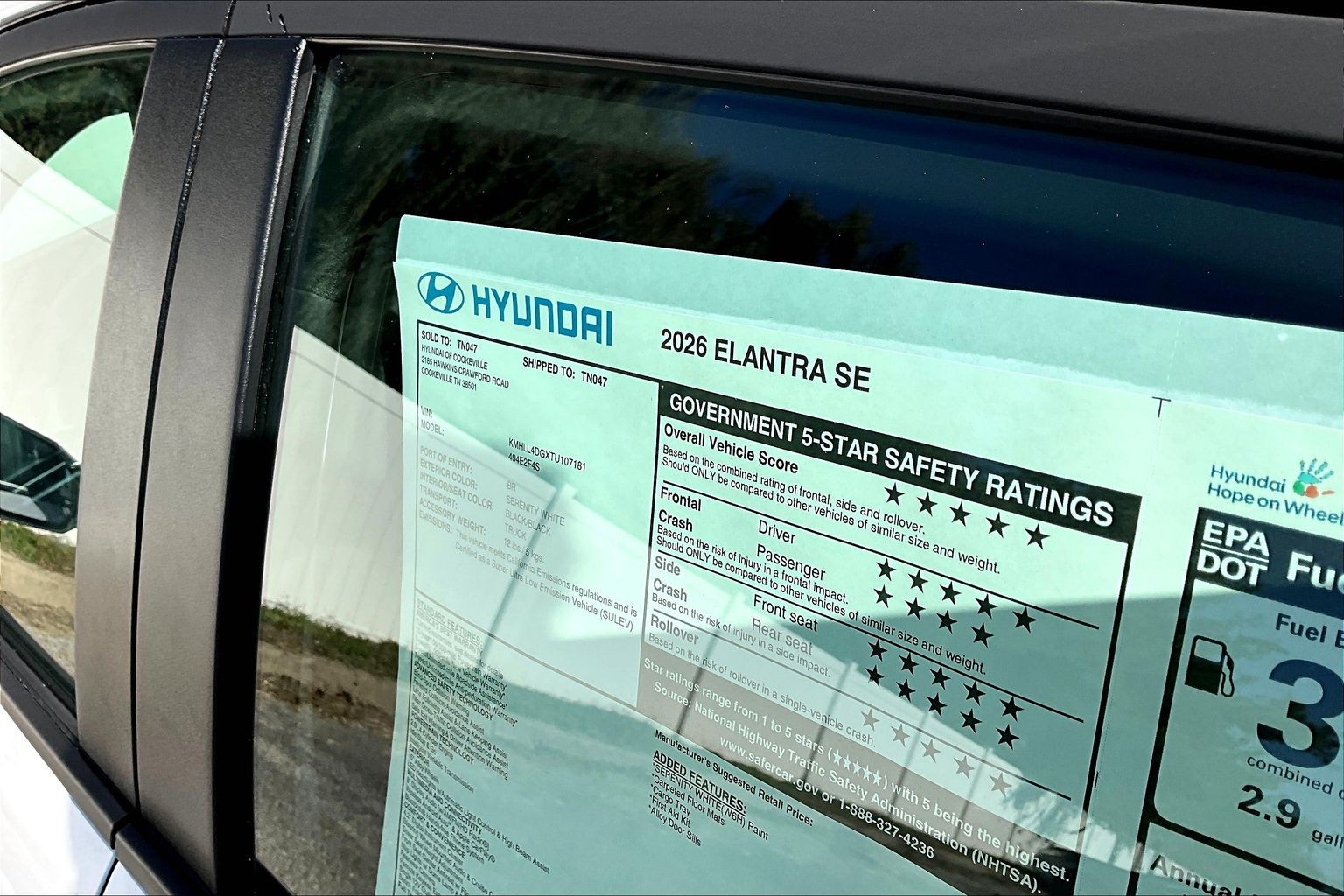
    How Does Glass Safety Affect Vehicle Crash Ratings?

    Vehicles with advanced glass safety features score higher in crash tests. Glass strength and shatter behavior influence side impact ratings. Safer glass designs contribute to overall occupant protection and better safety evaluations.

    Conclusion

    Glass safety greatly reduces injuries during side impacts. Strong, well-designed glass helps protect passengers inside vehicles. It keeps sharp pieces from causing harm. Cars with better glass safety offer more peace of mind. Every driver should understand this crucial safety feature.

    Choosing vehicles with safe glass can save lives. It’s a simple but important step for road safety. Safety starts with small details like side-impact glass. Stay aware, stay protected, and drive safely.

  • How Glass Safety Impacts Rollover Accidents: Crucial Life-Saving Insights

    Imagine being in a rollover accident—your car flips, glass shatters around you. What happens next can make all the difference between minor injuries and something far worse.

    You might not realize it, but the safety of your car’s glass plays a crucial role in protecting you during these terrifying moments. You’ll discover how glass safety affects rollover accidents and why it’s something you can’t afford to ignore.

    Keep reading to learn what can keep you safer when the unexpected happens.

    Glass Behavior In Rollover Crashes

    Glass behavior plays a crucial role in rollover accidents. It affects how well the vehicle protects its occupants. During a rollover, glass can either stay intact or break into pieces. This impacts injury risk and escape chances. Understanding glass behavior helps improve car safety and reduce harm.

    Types Of Automotive Glass

    Cars use mainly two types of glass: laminated and tempered. Laminated glass consists of two glass layers with a plastic layer between. Tempered glass is heat-treated to increase strength. Each type reacts differently during crashes. Knowing these types helps explain their safety effects.

    Shatter Patterns And Consequences

    Tempered glass breaks into small, blunt pieces. This reduces cuts but allows glass to fall out. Laminated glass cracks but usually stays in place. This prevents ejection and keeps the car structure stable. Shatter patterns influence injury risk and protection during rollovers.

    Role Of Laminated And Tempered Glass

    Laminated glass is often used for windshields. It holds together after impact, protecting occupants. Tempered glass is common in side and rear windows. It breaks away more easily, which can be dangerous in rollovers. Choosing the right glass type improves safety in rollover crashes.

    How Glass Safety Impacts Rollover Accidents: Crucial Life-Saving Insights

    Credit: www.rkmlaw.net

    Injury Risks From Glass In Rollovers

    Glass plays a big role in the dangers of rollover accidents. Broken glass can cause serious injuries and make rescue harder. Understanding these risks helps improve safety in vehicles.

    Common Injuries Caused By Broken Glass

    Sharp glass pieces can cut the skin deeply. These cuts may cause heavy bleeding and infections. Eyes can get injured from flying glass shards. Small glass fragments can cause painful scratches and bruises. Glass injuries often need medical care and stitches.

    Impact On Passenger Ejection

    Broken glass can increase the chance of passengers being thrown out. Windows and windshields may shatter, leaving openings. Without glass barriers, passengers can be ejected during the rollover. Ejection greatly raises the risk of serious injuries or death.

    Glass-related Complications For Rescue

    Rescuers face challenges with glass shards blocking access. Sharp glass can harm both victims and emergency workers. Removing broken glass takes extra time during rescue. Delays may reduce the chances of saving injured passengers.

    Advancements In Glass Safety Technology

    Advancements in glass safety technology have greatly improved protection during rollover accidents. Car manufacturers now use stronger and smarter glass to reduce injuries. These changes help keep drivers and passengers safer inside the vehicle. The glass not only resists breaking but also works with other safety features.

    Innovations In Strength And Durability

    Modern automotive glass is much stronger than before. Laminated glass layers hold together even if cracked. Tempered glass breaks into small, less harmful pieces. These features prevent sharp shards from injuring passengers. The glass also resists impacts from debris during rollovers. This strength helps keep the car’s structure intact.

    Smart Glass Features

    Smart glass can change its properties based on conditions. Some types darken automatically to reduce glare. Others become more shatter-resistant when sensors detect a crash. This glass can help limit the spread of cracks. It also improves visibility for drivers in tough situations. Smart glass adds an extra layer of safety and comfort.

    Integration With Vehicle Safety Systems

    Glass safety now works with airbags and seat belts. Sensors in the glass can trigger airbags faster during rollovers. The glass also supports the roof to prevent collapse. It helps maintain the passenger space inside the car. Connected safety systems create a better overall protection network. This teamwork reduces injuries in serious accidents.

    How Glass Safety Impacts Rollover Accidents: Crucial Life-Saving Insights

    Credit: www.hyundaioflouisville.com

    Regulations And Standards For Glass Safety

    Glass safety plays a crucial role in protecting passengers during rollover accidents. Strict regulations and standards guide the design and testing of vehicle glass. These rules aim to reduce injuries caused by glass breakage. Understanding these standards helps explain how glass safety improves crash outcomes.

    Global Safety Standards

    Different countries follow specific global safety standards for vehicle glass. The most common rules come from organizations like the United Nations and the International Organization for Standardization. These standards set minimum strength and durability requirements. They ensure glass can withstand impacts and prevent passengers from being ejected. Many manufacturers design glass to meet or exceed these global standards.

    Testing Procedures For Rollover Scenarios

    Testing vehicle glass for rollover accidents involves strict procedures. Simulated rollovers measure how glass reacts under pressure and impact. Tests check if the glass stays intact or breaks safely into small pieces. Glass must protect occupants while avoiding sharp shards. These tests help improve glass design for stronger, safer windows and windshields.

    Compliance And Enforcement Challenges

    Ensuring all vehicles meet glass safety standards is a challenge. Some regions lack strict enforcement of these rules. Older cars may have outdated or weak glass. Monitoring compliance requires regular inspections and recalls. Weak enforcement can increase risks during rollovers. Strong regulations need equal enforcement to protect all drivers and passengers.

    Practical Tips To Enhance Glass Safety

    Glass safety plays a key role in protecting passengers during rollover accidents. Strong, well-maintained glass can prevent serious injuries by keeping people inside the vehicle and blocking sharp debris. Taking practical steps to improve glass safety helps reduce risks and increases survival chances in such crashes.

    Choosing Vehicles With Advanced Glass

    Select cars with laminated or tempered glass for better protection. Laminated glass holds together after breaking, reducing injury from sharp edges. Tempered glass shatters into small, less harmful pieces. Check for vehicles with side and rear windows made of safety glass. These features add extra safety during rollovers.

    Maintenance And Inspection Guidelines

    Regularly check your vehicle’s glass for cracks or chips. Small damage can weaken the glass and make it break easily. Clean windows often to spot hidden cracks early. Replace damaged glass quickly to keep safety intact. Follow your car manual for specific care instructions.

    Emergency Response Strategies

    Learn how to safely exit a vehicle if glass breaks during a rollover. Keep a glass-breaking tool in your car for emergencies. Practice calm and slow movements to avoid injury from broken glass. Teaching passengers about glass safety can save lives in critical moments.

    How Glass Safety Impacts Rollover Accidents: Crucial Life-Saving Insights

    Credit: www.chappell.law

    Frequently Asked Questions

    How Does Glass Safety Affect Rollover Accident Injuries?

    Glass safety reduces the risk of severe cuts and ejections during rollovers. Strong, laminated glass stays intact longer, protecting passengers from flying shards and keeping them inside the vehicle, which significantly lowers injury severity.

    What Types Of Glass Improve Rollover Accident Survival?

    Laminated and tempered glass are key for rollover safety. Laminated glass holds together when shattered, while tempered glass breaks into small, less harmful pieces. Both types enhance passenger protection by minimizing glass-related injuries during accidents.

    Why Is Windshield Strength Crucial In Rollover Crashes?

    The windshield supports the vehicle’s roof during rollovers. A strong windshield prevents roof collapse and keeps passengers inside. Laminated windshields offer better structural integrity, increasing survival chances in rollover accidents.

    Can Improved Glass Safety Reduce Fatal Rollover Accidents?

    Yes, enhanced glass safety can lower fatalities. By preventing ejections and reducing sharp glass injuries, safer glass materials improve occupant protection. This leads to fewer life-threatening injuries in rollover crashes.

    Conclusion

    Glass safety plays a key role in rollover accident outcomes. Strong, well-designed glass helps keep passengers inside. It also reduces injuries from broken shards. Car makers must focus on improving glass quality. Drivers should choose vehicles with safe glass features.

    Understanding glass safety can save lives during rollovers. Small changes in glass design make a big difference. Safety starts with the materials that protect us. Remember, glass safety matters more than many realize. Stay informed and drive with caution every time.

  • How Glass Safety Relates to Airbag Deployment: Critical Insights

    How Glass Safety Relates to Airbag Deployment: Critical Insights

    Have you ever wondered what happens to the glass around you the moment an airbag deploys? It’s not just a random break or crack.

    The way glass reacts during airbag deployment is carefully designed to keep you safe. Understanding this connection could make a big difference the next time you’re in a car. Keep reading to discover how glass safety plays a crucial role in protecting you when airbags spring into action.

    This knowledge might surprise you—and could even save your life.

    Glass Types In Vehicles

    Vehicles use different types of glass for safety and durability. Each glass type plays a specific role during an airbag deployment. Understanding these types helps explain how glass behaves in a crash.

    Tempered Glass Features

    Tempered glass is strong and breaks into small pieces. This reduces the risk of serious cuts during accidents. It is used mainly for side and rear windows. The glass shatters quickly to avoid trapping passengers. Its fast breakage allows airbags to deploy without delay.

    Laminated Glass Benefits

    Laminated glass consists of two layers with a plastic layer between. This design keeps the glass mostly in place when broken. It is used for windshields to protect passengers from flying glass. Laminated glass supports airbags by staying intact longer. It also helps maintain visibility after impact, aiding driver safety.

    How Glass Safety Relates to Airbag Deployment: Critical Insights

    Credit: www.dreamstime.com

    Airbag Deployment Mechanics

    Airbag deployment mechanics play a key role in vehicle safety. These systems work fast to protect passengers during a crash. Understanding how airbags deploy helps explain their connection to glass safety. The process starts with detecting a collision and ends with inflating the airbag cushion.

    Every step must happen within milliseconds. This quick response reduces injuries from impact and broken glass. The system relies on precise sensors and a rapid inflation process.

    Triggering Sensors

    Triggering sensors detect a crash almost instantly. They monitor sudden changes in speed or force. These sensors send an electric signal to the airbag system. This signal starts the inflation sequence. Sensors are placed in key vehicle areas to catch impacts quickly.

    Some sensors also detect the angle of collision. This helps the system decide which airbags to deploy. Correct airbag deployment can prevent passengers from hitting glass surfaces. Sensors play a vital role in timing and safety.

    Inflation Process

    The inflation process happens in a split second. Once triggered, a small explosive charge ignites gas generators. These generators produce nitrogen gas to fill the airbag. The airbag inflates fully within 20 to 30 milliseconds.

    The inflated bag forms a soft barrier between passengers and hard surfaces. It cushions impact forces and broken glass shards. The material and design of airbags help absorb energy safely. Quick inflation protects passengers from flying glass during a collision.

    Interaction Between Glass And Airbags

    Airbags and glass in vehicles work closely during a crash. Their interaction affects how well airbags protect passengers. Understanding this link helps improve car safety designs.

    Glass Breakage Patterns

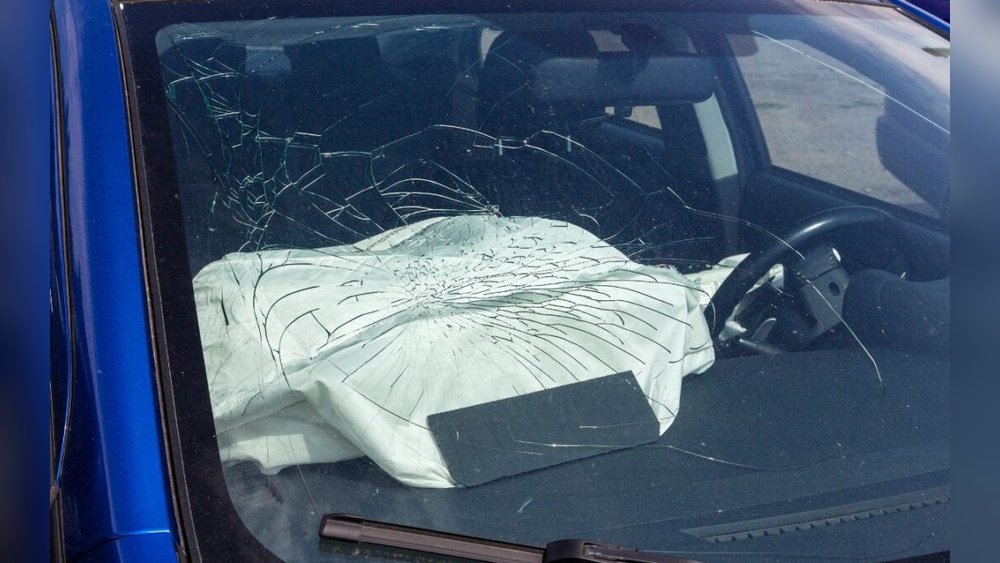
    Car glass is made to break in certain ways. Windshields usually crack but stay mostly in one piece. Side windows shatter into small, blunt pieces. This design lowers injury risks from sharp glass. The pattern of glass breakage can change how airbags unfold. Broken glass may block or slow airbag deployment. Safe glass breakage helps airbags work without delay.

    Impact On Airbag Effectiveness

    Airbags need clear space to inflate quickly. Sharp glass fragments can damage airbags or hurt passengers. Proper glass design reduces these risks. When glass breaks safely, airbags cushion passengers better. Poor glass breakage can cause airbags to fail or cause extra harm. Car makers test airbags and glass together for best results.

    How Glass Safety Relates to Airbag Deployment: Critical Insights

    Credit: www.modifiedrides.net

    Safety Standards For Glass And Airbags

    Safety standards for glass and airbags protect passengers during accidents. Proper glass design works with airbags to reduce injuries. Both must meet strict rules to keep people safe. These rules guide how glass breaks and how airbags deploy.

    Regulatory Requirements

    Government agencies set rules for car safety parts. Glass must meet standards for strength and shatter patterns. Airbags must inflate quickly and correctly to protect passengers. Both parts must pass safety checks before cars are sold. These rules help save lives in crashes.

    Testing Procedures

    Testing ensures glass and airbags work well together. Glass is tested to break safely without sharp pieces. Airbags are tested for timing and force during deployment. Crash tests show how glass and airbags protect people. These tests improve car safety designs every year.

    Common Risks During Deployment

    Airbags save lives by inflating quickly during a crash. But the sudden force can cause glass to break inside the car. This broken glass can create serious risks for passengers. Knowing these risks helps improve safety and reduce injuries.

    Glass shards can fly with great speed and sharp edges. These shards can cut skin or damage eyes. The windshield and side windows are the main glass sources. The type of glass used affects the risk level.

    Glass Shards Hazards

    Windshields use laminated glass. It holds together when cracked but can still produce small shards. Side and rear windows use tempered glass. It breaks into tiny, less harmful pieces. Despite this, shards can still cause cuts and bruises.

    During airbag deployment, glass shards can hit the face and hands. This adds to the trauma of the crash. Injuries may include cuts, eye damage, and infections. Quick medical care is important to treat these wounds.

    Mitigation Strategies

    Car makers use special glass and coatings to reduce shard risks. Laminated glass is common on windshields. It stays in place even if cracked. Side windows may have safety films to hold shards together.

    Some cars have airbags designed to reduce glass impact. Sensors control airbag force and timing. This helps lower the chance of glass injuries. Keeping windows intact is a key safety goal.

    Passengers should sit properly and wear seat belts. This reduces movement during crashes. Less movement means fewer chances of hitting broken glass. Safe seating habits add an important layer of protection.

    Advancements In Glass Technology

    Advancements in glass technology have improved car safety significantly. These changes help airbags work better and protect passengers more effectively. Modern glass designs focus on strength and smart features. These features support airbag deployment and reduce injuries during crashes.

    Smart Glass Integration

    Smart glass can change its properties during a crash. It can become more rigid to support airbags. This helps keep passengers safe by controlling the glass breakage. Smart glass also helps sensors detect impacts faster. Faster detection means airbags deploy at the right time. This reduces the risk of injury from broken glass.

    Improved Material Strength

    New materials make car glass stronger and tougher. Laminated glass holds together even when cracked. It prevents sharp pieces from flying inside the car. This allows airbags to work without glass shards causing harm. Stronger glass also absorbs some crash energy. This helps reduce the force on airbags and passengers. These materials improve overall crash safety and comfort.

    Future Trends In Vehicle Safety

    Vehicle safety continues to improve with new technology. Future trends focus on better protection for passengers. Glass safety and airbag deployment work together to reduce injuries. Innovations aim to make cars safer in crashes.

    Enhanced Airbag Systems

    Airbags will become smarter and faster. Sensors will detect crash types and adjust inflation speed. Some airbags will cover windows and doors. This protects passengers from broken glass and impact. New designs will reduce airbag-related injuries. The goal is to offer better cushioning for all body parts.

    Innovative Glass Solutions

    Glass technology will improve to support airbag safety. Stronger, more flexible glass will reduce sharp shards. Some glass will absorb impact energy to protect passengers. Smart glass may change transparency during a crash. It can help airbags deploy more safely. Combining glass and airbag tech will create safer cabins.

    How Glass Safety Relates to Airbag Deployment: Critical Insights

    Credit: www.gotodobbs.com

    Frequently Asked Questions

    How Does Glass Safety Affect Airbag Deployment?

    Glass safety impacts airbag deployment by ensuring proper sensor activation. Modern safety glass breaks in a controlled way, allowing sensors to detect impact quickly. This leads to timely and effective airbag inflation, protecting passengers during collisions.

    Why Is Tempered Glass Important For Airbags?

    Tempered glass shatters into small, blunt pieces, reducing injury risk. It also triggers crash sensors accurately, enabling airbags to deploy swiftly. This glass type enhances overall vehicle safety by working seamlessly with airbag systems.

    Can Windshield Glass Influence Airbag Timing?

    Yes, windshield glass quality influences airbag timing. A properly installed, safety-rated windshield helps sensors detect collisions instantly. This ensures airbags deploy at the right moment, maximizing passenger protection.

    What Role Does Laminated Glass Play In Airbag Safety?

    Laminated glass holds shards together during impact, preventing debris injuries. It maintains structural integrity, aiding sensor function for airbag activation. Laminated glass thus supports safer, more reliable airbag deployment.

    Conclusion

    Glass safety plays a key role in how airbags work during crashes. Strong glass helps airbags deploy correctly and protect passengers. Weak or broken glass can cause problems and reduce safety. Car makers test glass and airbags together for best results.

    Understanding this link helps you see why both matter for your safety. Always choose cars with good safety ratings for glass and airbags. Safe glass means safer airbag action and better crash protection. Keep these facts in mind when thinking about car safety.

  • Does Tempered Glass Improve Safety: Essential Facts Revealed

    Have you ever wondered if tempered glass really makes a difference when it comes to your safety? Whether it’s in your car, home, or office, the glass around you plays a bigger role than you might think.

    Imagine a window that won’t shatter into dangerous shards or a phone screen that can survive a drop. Sounds reassuring, right? You’ll discover how tempered glass works and why it could be the smart choice to protect you and your loved ones.

    Keep reading to find out if upgrading your glass is worth it for your peace of mind.

    Does Tempered Glass Improve Safety: Essential Facts Revealed

    Credit: www.amazon.com

    Tempered Glass Basics

    Tempered glass is a special type of glass made to be stronger and safer than regular glass. It is common in windows, doors, and car windshields. Understanding the basics helps explain why it improves safety.

    This section covers what tempered glass is, how it is made, and its key properties. These points show why it is a popular choice for safety applications.

    What Is Tempered Glass

    Tempered glass is glass that has been heat-treated to increase its strength. It is much stronger than normal glass. It is designed to break into small, less harmful pieces instead of sharp shards. This reduces the risk of injury.

    Manufacturing Process

    The glass is first cut and shaped. Then it is heated to about 600 degrees Celsius. After heating, it cools quickly with cold air. This process creates tension in the glass, making it stronger. The fast cooling is called quenching.

    Key Properties

    Tempered glass can resist high impact and temperature changes. It also resists scratches better than regular glass. When broken, it crumbles into small, blunt pieces. This reduces cuts and injuries. Its strength makes it a safer option for many uses.

    Safety Features

    Tempered glass is designed with safety in mind. It has special features that reduce injury risks. These features make it a popular choice for many applications like car windows and building doors.

    The safety features mainly focus on how the glass reacts to impacts and breaks. Understanding these details helps to see why tempered glass is safer than regular glass.

    Impact Resistance

    Tempered glass is stronger than regular glass. It can handle strong hits without breaking easily. This strength comes from a special heating and cooling process during production.

    Because of this process, tempered glass resists impacts better. It is less likely to crack or shatter from bumps or hits. This makes it safer in places prone to accidents.

    Shatter Behavior

    If tempered glass breaks, it does not form sharp shards. Instead, it breaks into small, blunt pieces. These pieces are less likely to cause serious cuts or injuries.

    This shatter behavior is a key safety feature. It protects people from deep cuts and accidents caused by broken glass. It is very useful in homes, cars, and public buildings.

    Comparison With Regular Glass

    Regular glass breaks into large, sharp pieces. These pieces can cause serious injuries. It also cracks more easily under pressure or impact.

    Tempered glass offers much better protection. It is stronger and breaks safer. This makes it a smarter choice for many safety-critical uses.

    Common Applications

    Tempered glass is used in many areas to improve safety. Its strength and break-resistance make it a popular choice. Many industries rely on tempered glass to protect people and property. Below are common places where tempered glass is essential.

    Automotive Use

    Cars often use tempered glass for side and rear windows. It breaks into small, blunt pieces instead of sharp shards. This reduces injury during accidents. Windshields usually use laminated glass, but tempered glass is common elsewhere in vehicles. It also helps resist impacts from road debris.

    Building And Architecture

    Tempered glass is common in buildings. It is used for doors, windows, and glass walls. It offers safety in case of breakage, avoiding dangerous shards. Many public spaces use tempered glass for partitions and railings. It also meets strict building codes for safety and durability.

    Consumer Electronics

    Screen protectors on phones and tablets often use tempered glass. It helps prevent scratches and cracks from drops. Some laptops and monitors also have tempered glass screens. This protects devices and extends their lifespan. The glass stays clear and smooth for easy use.

    Limitations And Risks

    Tempered glass offers better safety than regular glass in many cases. It breaks into small, less harmful pieces. But it has its limits and risks. Knowing these helps in making smart choices.

    Edge Vulnerability

    The edges of tempered glass are weaker than the center. Small chips or cracks at the edge can cause the glass to shatter suddenly. Handling and installation need care to protect the edges. Damage during transport or fitting raises the risk of breakage.

    Thermal Stress Issues

    Tempered glass handles heat better than normal glass. Still, rapid temperature changes can cause it to crack. Putting hot and cold objects on the glass surface quickly may lead to thermal stress. This stress can cause unexpected breaks even without strong impact.

    Misconceptions About Safety

    Many think tempered glass never breaks. It does break, just safer. Some believe it stops all injuries. It reduces risk but does not remove it completely. Using tempered glass does not replace the need for caution around glass.

    Standards And Regulations

    Tempered glass must follow strict rules to ensure safety. These rules come from different standards and laws. They guide how tempered glass is made and used. These rules help protect people in homes, cars, and buildings. Understanding these standards shows how tempered glass improves safety.

    Safety Certifications

    Tempered glass earns certifications after passing tests. These tests check strength and break patterns. Certified glass breaks into small, less harmful pieces. This reduces injury risk during accidents. Certifications prove the glass meets safety demands.

    Building Codes

    Building codes require tempered glass in many places. These include doors, windows, and glass walls. Codes aim to prevent serious injuries from broken glass. Builders must follow these rules to get approval. This keeps buildings safer for all occupants.

    Automotive Standards

    Cars use tempered glass for side and rear windows. Automotive rules ensure glass can handle impacts. Glass must shatter safely, protecting passengers. These standards reduce injuries in crashes. They make roads safer for drivers and passengers.

    Does Tempered Glass Improve Safety: Essential Facts Revealed

    Credit: www.amazon.com

    Maintenance And Care

    Proper maintenance and care extend the life of tempered glass and keep it safe. Regular attention prevents damage and maintains clarity. Understanding how to clean, protect, and know when to replace tempered glass improves safety significantly.

    Cleaning Tips

    Use a soft cloth or sponge for cleaning tempered glass. Avoid abrasive materials that can scratch the surface. Mild soap and water work well for daily cleaning. Rinse with clean water and dry with a lint-free cloth. Avoid harsh chemicals like ammonia or bleach, which can weaken the glass.

    Damage Prevention

    Prevent heavy impacts or sudden temperature changes to avoid cracks. Do not hit or drop hard objects on the glass surface. Use protective films or coatings in high-risk areas. Avoid placing hot items directly on tempered glass. Keep sharp objects away from the edges to reduce chipping risk.

    When To Replace

    Replace tempered glass if cracks or chips appear. Small damages can quickly grow and compromise safety. Cloudy or scratched glass reduces visibility and strength. If the glass no longer fits securely, replace it immediately. Regularly inspect tempered glass for any signs of wear or damage.

    Does Tempered Glass Improve Safety: Essential Facts Revealed

    Credit: www.moyesglass.com

    Frequently Asked Questions

    What Is Tempered Glass And How Is It Made?

    Tempered glass is heat-treated to increase strength. It is rapidly cooled after heating, creating balanced internal stresses. This process makes it stronger and more resistant to impact than regular glass.

    Does Tempered Glass Reduce Injury Risk During Accidents?

    Yes, tempered glass reduces injury risk. When broken, it shatters into small, blunt pieces instead of sharp shards, minimizing cuts and serious injuries.

    Can Tempered Glass Improve Home Safety Significantly?

    Tempered glass enhances home safety by being more impact-resistant. It withstands force better and reduces breakage risk during accidents or natural events like storms.

    Is Tempered Glass Safer For Car Windows?

    Tempered glass is commonly used in side and rear car windows. Its break pattern improves passenger safety by reducing sharp edges during collisions.

    Conclusion

    Tempered glass offers better protection than regular glass. It breaks into small, less harmful pieces. This reduces the risk of serious injury. Many buildings and cars use tempered glass for safety. It also resists heat and pressure well. Choosing tempered glass means choosing safer environments.

    Simple steps can protect you and your loved ones. Safety matters, and tempered glass helps keep it. Consider it for homes, offices, and vehicles. Small changes create a big difference in safety.

  • How Does Glass Safety Reduce Injuries: Proven Protection Tips

    How Does Glass Safety Reduce Injuries: Proven Protection Tips

    Have you ever stopped to think about how glass in your home or workplace keeps you safe? Glass safety might seem like a small detail, but it plays a huge role in preventing injuries.

    Imagine a broken window or a shattered glass door—without the right safety measures, accidents can happen in an instant. You’ll discover exactly how glass safety works to protect you and your loved ones from harm. Keep reading to learn simple yet powerful ways glass safety reduces injuries and why it matters more than you might think.

    How Does Glass Safety Reduce Injuries: Proven Protection Tips

    Credit: www.hillcrestvision.com

    Glass Hazards At Home And Work

    Glass is common in homes and workplaces. It adds beauty and light but also brings risks. Glass hazards can cause serious injuries if not handled well. Understanding these risks helps prevent accidents and keeps everyone safe.

    Common Injury Causes

    Broken glass is the main cause of injuries. Sharp edges cut skin easily. Slippery glass surfaces lead to falls. Glass doors and windows can hit people unexpectedly. Poorly installed glass may fall and break. Handling glass without proper tools increases danger.

    High-risk Areas

    Kitchens often have glass jars and containers. Bathrooms have mirrors and glass shelves. Office spaces use glass partitions and doors. Shops display items behind glass cases. Construction sites handle large glass panels. Each area needs special attention to avoid accidents.

    Types Of Safety Glass

    Safety glass plays a key role in reducing injuries from broken glass. Different types of safety glass have unique features. Each type helps protect people in various settings like homes, cars, and public places.

    Understanding these types helps choose the right glass for safety and durability.

    Tempered Glass Features

    Tempered glass is strong and breaks into tiny pieces. These small pieces are less likely to cause cuts. It is made by heating glass and cooling it quickly. This process makes it much tougher than regular glass. You often find tempered glass in car windows and shower doors. It resists heat and impact well.

    Laminated Glass Benefits

    Laminated glass has two layers of glass with a plastic layer between them. If it breaks, the plastic holds the pieces together. This stops glass shards from flying and causing injuries. Laminated glass also blocks noise and harmful UV rays. It is common in car windshields and building windows. This glass provides extra protection against break-ins and accidents.

    Other Safety Glass Varieties

    Other types include wired glass and heat-strengthened glass. Wired glass contains a metal mesh for added strength. It holds together even if cracked. Heat-strengthened glass is stronger than regular glass but not as strong as tempered glass. These types suit specific safety needs in schools and factories. Choosing the right safety glass depends on the use and risk involved.

    Installation Best Practices

    Installation best practices play a key role in glass safety. Correct installation helps prevent glass from breaking. It also reduces risks of injuries from sharp edges or falling glass. Following simple steps ensures strong, safe glass fittings. Proper framing and sealing are essential parts of this process.

    Proper Framing Techniques

    Framing must fit the glass size exactly. Frames that are too tight can stress the glass. Loose frames let the glass move and break easily. Use materials that hold glass firmly in place. Metal or wood frames should be smooth and free of splinters. Frames should support the entire edge of the glass. This support prevents pressure points that cause cracks.

    Sealing And Support Tips

    Sealing stops water and air from reaching the glass edges. Moisture can weaken the glass over time. Use high-quality sealants made for glass installation. Sealants should be flexible to absorb movement without cracking. Support under glass panels adds extra safety. Use rubber or plastic pads to cushion glass edges. These pads reduce impact and protect from damage.

    Protective Measures For Glass Use

    Using glass safely can greatly reduce injuries in homes and workplaces. Protective measures help keep glass strong and prevent accidents. These methods also protect people from sharp edges and broken pieces.

    Simple changes can make glass much safer. They help avoid cuts and serious harm. Two common protective steps include using films and coatings, and adding safety bars and guards.

    Using Films And Coatings

    Films and coatings stick to glass surfaces. They hold glass pieces together if the glass breaks. This stops sharp shards from flying around.

    These layers add strength and reduce the chance of cracks. They also block harmful UV rays, protecting skin and furniture. Applying films is an easy way to improve glass safety.

    Safety Bars And Guards

    Safety bars and guards act as physical barriers. They stop people from hitting glass or falling through it. These supports are common on windows and glass doors.

    They absorb impact and help hold glass in place. Guards reduce injuries by preventing direct contact with glass. Installing these bars adds a strong layer of protection.

    Maintenance And Inspection

    Maintenance and inspection play a key role in glass safety. Regular care helps spot problems early. This stops accidents before they happen. Safe glass reduces injuries and keeps everyone secure.

    Routine Checks

    Routine checks find cracks, chips, or loose fittings. Inspect glass surfaces and frames often. Use a soft cloth and gentle light for better view. Small issues can turn into big dangers. Catch them early to keep glass strong and safe.

    Repairing Minor Damages

    Minor damages need quick repair to avoid risks. Fix chips and cracks with proper tools and products. Replace broken seals or worn-out parts fast. Timely repairs stop damage from growing. Safe glass means fewer injuries and safer spaces.

    How Does Glass Safety Reduce Injuries: Proven Protection Tips

    Credit: bisonlifeusa.com

    Emergency Response To Glass Injuries

    Glass injuries can cause pain and bleeding quickly. Knowing how to act fast helps reduce damage. Emergency response to glass injuries is key to safer outcomes. Proper care lowers the risk of infection and serious harm.

    First Aid Steps

    Stop the bleeding by applying gentle pressure with a clean cloth. Avoid using dirty materials to prevent infection. Clean the wound carefully with water to remove dirt and glass shards. Do not rub the injury, as it may cause more damage. Cover the wound with a sterile bandage or dressing. Keep the injured area raised to reduce swelling and bleeding. Watch for signs of shock, such as pale skin or dizziness. Stay calm and keep the person still until help arrives.

    When To Seek Medical Help

    Seek medical care if the wound is deep or bleeding does not stop. Large or jagged cuts need professional treatment. Go to the doctor if glass remains inside the wound. Visit emergency services if the injury is near the eyes or face. Get help if there are signs of infection like redness or pus. Call for help if the injured person feels weak or faint. Always better to be safe than sorry with glass injuries.

    Regulations And Standards

    Glass safety plays a key role in reducing injuries in homes and workplaces. Regulations and standards guide how glass should be made and used. These rules help prevent accidents by ensuring glass is strong and safe. They set clear safety requirements for manufacturers and builders. Following these rules protects people from cuts and falls caused by broken glass.

    Building Codes

    Building codes include specific rules about glass safety. They require using tempered or laminated glass in certain areas. For example, glass near doors and windows must resist breaking easily. These codes also set size limits for glass panels. They ensure glass is installed securely to avoid accidents. Builders must follow these codes to meet safety standards. Inspectors check compliance to protect public safety.

    Industry Safety Guidelines

    Industry safety guidelines help manufacturers create safer glass products. These guidelines cover the type of glass, thickness, and treatment. They recommend safety features such as shatterproof coatings. Factories test glass to meet these guidelines before selling it. Workers handling glass also follow safety protocols. These guidelines reduce risks during production and use. They help lower injury rates related to glass accidents.

    Innovations In Glass Safety

    Innovations in glass safety have greatly reduced injuries in homes, cars, and public spaces. New technologies focus on making glass stronger and smarter. These advances help prevent accidents and protect people from sharp shards.

    Smart Glass Technologies

    Smart glass changes its properties based on the environment. It can become opaque or clear with a simple switch. This helps reduce glare and heat, making spaces safer and more comfortable. Some smart glass types can even detect impacts and alert users. This early warning helps avoid injuries.

    Impact-resistant Materials

    Impact-resistant glass uses special layers to absorb shocks. Laminated glass holds together even when it breaks. This stops sharp pieces from falling and hurting people. Tempered glass is heat-treated for extra strength. It breaks into small, less harmful pieces. Both materials are common in cars and buildings for safety.

    How Does Glass Safety Reduce Injuries: Proven Protection Tips

    Credit: joegardener.com

    Frequently Asked Questions

    What Is The Role Of Glass Safety In Injury Prevention?

    Glass safety reduces injuries by using stronger, shatter-resistant materials. It prevents sharp shards from causing cuts during breakage. Safety glass absorbs impact to minimize harm. This protective design is crucial in homes, vehicles, and workplaces.

    How Does Tempered Glass Reduce Injury Risks?

    Tempered glass is heat-treated to enhance strength. When broken, it shatters into small, blunt pieces. This reduces the chance of deep cuts and serious injuries. It’s commonly used in car windows and shower doors for safety.

    Why Is Laminated Glass Safer Than Regular Glass?

    Laminated glass contains a plastic interlayer that holds shards together. Upon impact, it cracks but stays intact. This prevents glass from flying and causing injuries. It is widely used in windshields and skylights for added protection.

    Where Is Safety Glass Most Commonly Used?

    Safety glass is used in vehicles, building windows, doors, and furniture. It’s essential in public spaces and homes to prevent injury. Its use is mandated by safety codes in many regions for risk reduction.

    Conclusion

    Glass safety plays a key role in preventing injuries. Stronger glass breaks less and holds together when cracked. This reduces sharp edges and flying shards. Safety glass protects people in homes, cars, and offices. It helps avoid cuts and serious accidents.

    Choosing the right glass can save lives and lower risks. Simple safety steps make a big difference every day. Stay aware and pick safer glass options. Your health and safety matter most.