Have you ever wondered just how tough the safety glass in your car really is? You rely on it every day to protect you from flying debris, sudden impacts, and even accidents.
But how much force can it actually take before it breaks? Understanding the strength of your car’s safety glass isn’t just interesting—it’s essential for your safety on the road. Keep reading to discover the surprising facts about this crucial part of your vehicle and learn why it matters more than you might think.

Credit: jcblarmouringsolutions.com
Types Of Safety Glass In Vehicles
Safety glass in cars protects passengers during crashes and accidents. It helps reduce injuries from broken glass. Different types of safety glass are used in vehicles. Each type has unique features and benefits. Understanding these types helps explain how strong safety glass really is.
Car manufacturers choose glass based on safety needs and placement. Front windshields use one type, while side and rear windows use another. This choice affects how glass breaks and protects people inside the car.
Tempered Glass Features
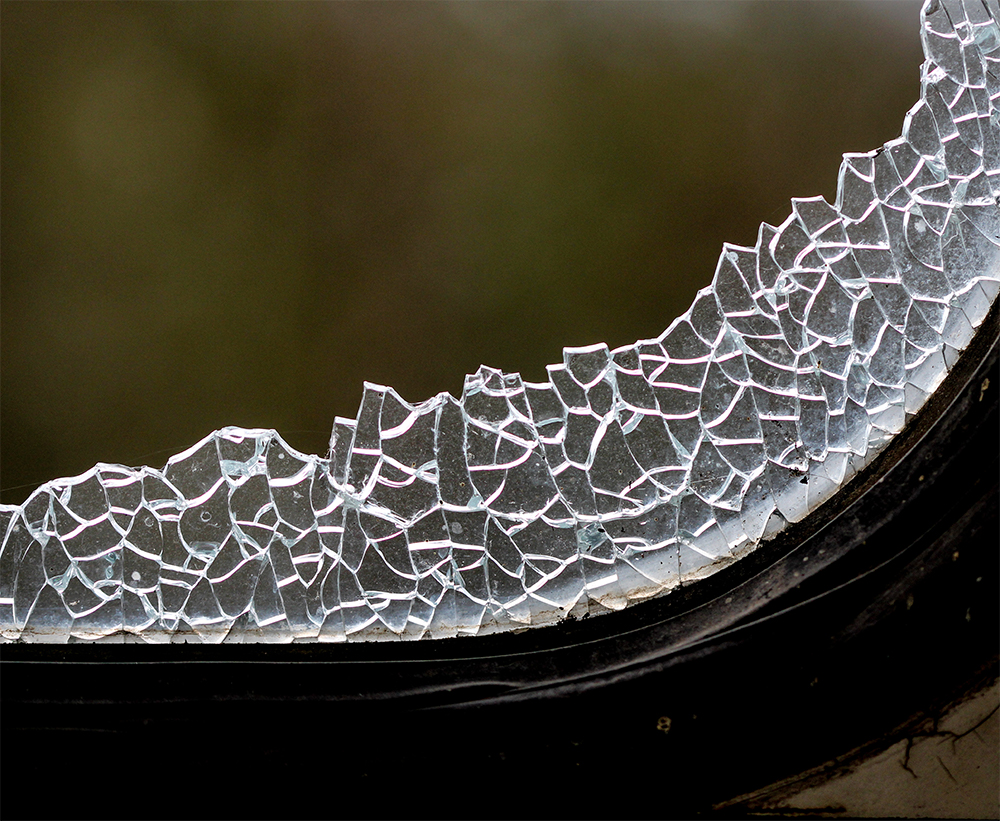
Tempered glass is heat-treated to increase strength. It is much stronger than regular glass. When broken, it shatters into small, blunt pieces. These pieces are less likely to cause cuts. Tempered glass is common for side and rear windows. It breaks easily on impact to let passengers escape.
Laminated Glass Features
Laminated glass has two glass layers with a plastic layer between. This plastic holds the glass together if it cracks. It does not shatter easily. Laminated glass is mainly used for front windshields. It keeps the glass in place during accidents. This stops passengers from being thrown out.
Comparison Of Glass Types
Tempered glass is strong but breaks into small pieces. Laminated glass is less likely to break fully. It stays mostly intact due to its plastic layer. Tempered glass offers quick exit in emergencies. Laminated glass protects better from objects and weather. Both types improve car safety in different ways.
Manufacturing Process Of Safety Glass
Safety glass in cars goes through a careful manufacturing process. This process makes the glass strong and safe for passengers. Different methods help improve its strength and ability to protect.
Tempering Techniques
Tempering heats the glass to very high temperatures. Then, it cools down quickly using cold air. This process creates stress inside the glass. It makes the glass much stronger than normal glass. If broken, it shatters into small, blunt pieces. This reduces the chance of serious injury.
Lamination Methods
Lamination bonds two glass layers with a plastic film. This film holds the glass pieces together when broken. It stops glass from flying inside the car. The process uses heat and pressure to join layers. Laminated glass is common for windshields. It adds extra safety during accidents.
Quality Control Measures
Every safety glass piece goes through strict quality checks. Machines test glass strength and thickness. Experts check for cracks or bubbles. These defects can weaken the glass. Only perfect glass moves to car assembly. This ensures safety and durability on the road.
Impact Resistance And Strength
Safety glass in cars is designed to protect passengers during crashes. It must resist strong impacts without breaking into sharp pieces. The glass needs to be strong enough to absorb energy and keep its shape. This section explains how safety glass handles impact and its strength.
Crash Test Standards
Car manufacturers follow strict crash test rules. These rules measure how well safety glass holds up in accidents. Tests use different forces to check glass strength. They simulate real crashes to make sure glass protects passengers. Passing these tests means glass meets safety laws. Regular updates to these standards keep glass tougher.
Force Distribution In Crashes
Safety glass spreads crash forces across its surface. This helps reduce the risk of sharp breaks. Laminated glass has a plastic layer inside. This layer holds glass shards together during impact. It lowers the chance of injury from broken glass. The glass bends slightly to absorb energy. This bending helps protect people inside the car.
Real-world Performance Examples
Many crash reports show safety glass saved lives. Drivers and passengers had fewer cuts and injuries. Cars with laminated windshields kept their shape better. Side windows often shattered but stayed mostly intact. This prevented people from being thrown out. Safety glass also helped emergency workers reach trapped passengers. Real accidents prove how strong this glass really is.
Safety Glass And Passenger Protection
Safety glass plays a key role in protecting passengers inside cars. It is designed to stay intact during crashes. This helps reduce the risk of injury from broken glass. The glass also supports other safety features that protect people during impacts.
Understanding how safety glass works helps us see its importance in vehicle safety. It keeps passengers safer by preventing sharp shards and keeping clear visibility. It also works with airbags to improve protection during accidents.
Preventing Shards And Injuries
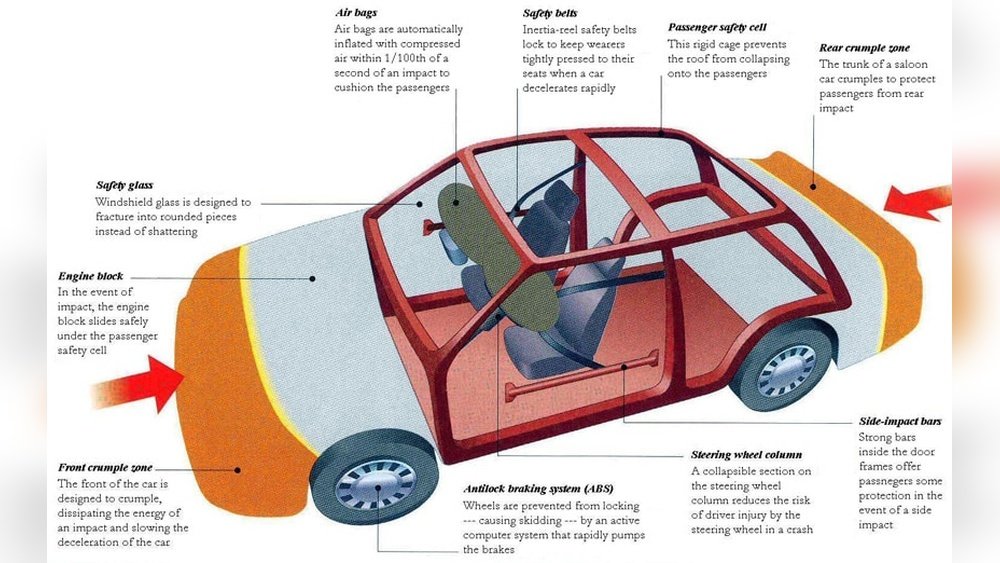
Safety glass is made to break safely. Instead of shattering into sharp pieces, it cracks into small, dull fragments. This lowers the chance of deep cuts and serious wounds inside the car.
The glass often has a plastic layer inside. This layer holds the glass pieces together. It stops shards from flying and hurting passengers during crashes.
Maintaining Visibility During Impact
Clear vision is crucial during accidents. Safety glass stays mostly clear even after being hit. This helps drivers see and react quickly after a collision.
It prevents the glass from falling apart and blocking the view. This reduces panic and confusion inside the vehicle. Passengers and drivers can better understand the situation outside.
Role In Airbag Deployment
Safety glass supports airbags in saving lives. It provides the right surface for airbags to push against. This ensures airbags open correctly and protect passengers fully.
When the glass stays in place, airbags can cushion the impact better. It also stops passengers from hitting the glass hard. This combined action lowers the risk of serious injuries.
Limitations Of Safety Glass
Safety glass in cars is designed to protect passengers during accidents. It is strong and reduces injury risks. Still, it has limits that every driver should know. Understanding these limits helps keep you safer on the road.
Vulnerabilities In Extreme Conditions
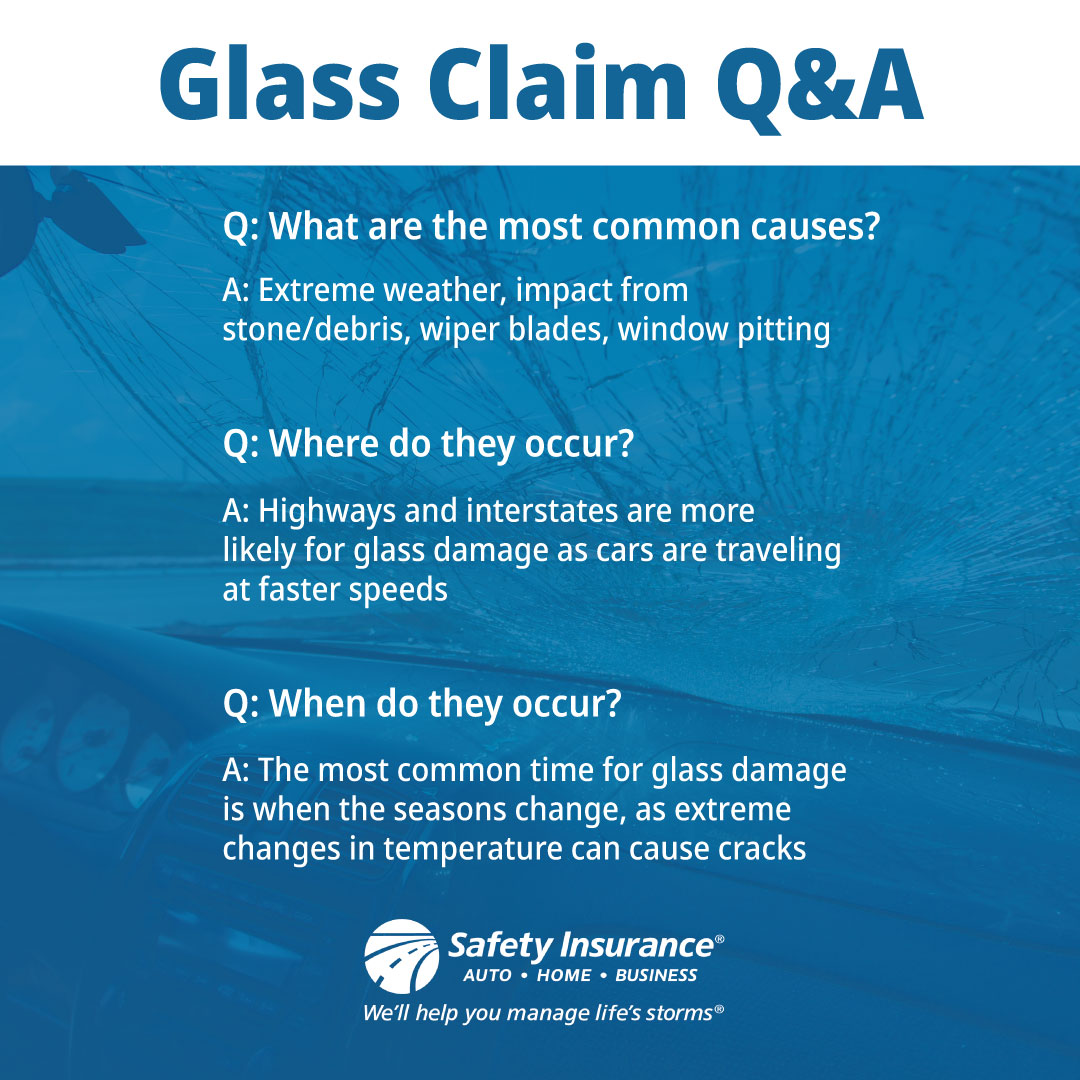
Safety glass can weaken in very cold or hot weather. Extreme heat may cause the glass to expand and crack. Very cold temperatures can make it brittle and easier to break. Sudden temperature changes can also cause stress on the glass.
Common Damage Types
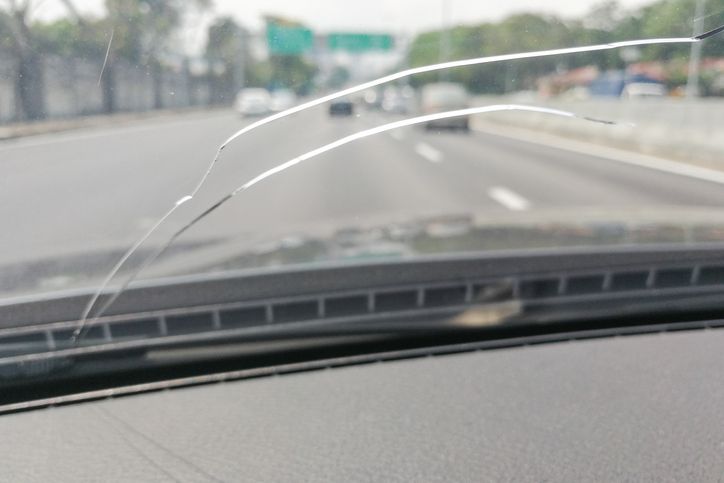
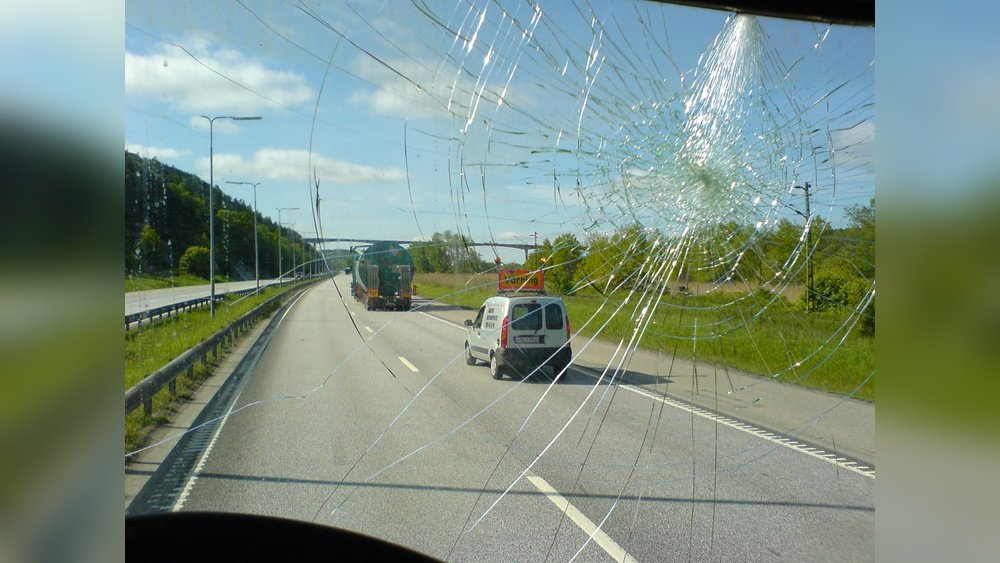
Small chips and cracks often happen from stones or debris. These damages can grow over time if not fixed. Stress cracks may appear from pressure or bending of the glass. Scratches can reduce visibility and weaken the glass surface.
When Replacement Is Necessary
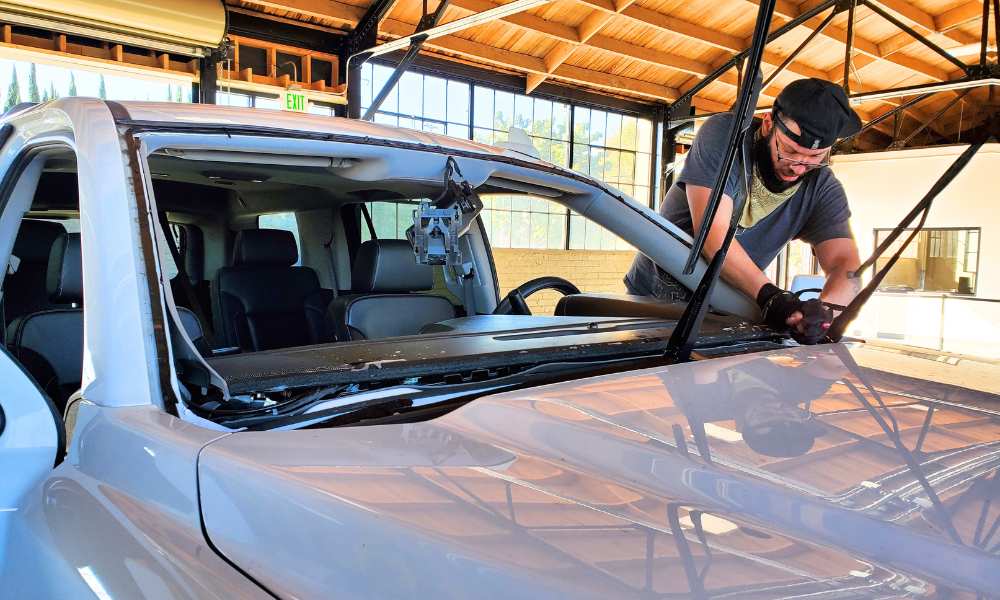
Replace safety glass when cracks are large or in the driver’s view. Chips that spread quickly need urgent attention. Glass that shatters or has deep cracks loses its strength. Always use professional services for safe replacement.
Innovations In Automotive Glass
Automotive glass has advanced a lot in recent years. These improvements make car windows safer and smarter. New technology helps protect drivers and passengers better than before.
Car manufacturers now use special glass that does more than just block wind and rain. This glass adds comfort, safety, and convenience to every ride.
Smart Glass Technologies
Smart glass can change its tint with a simple button press. This helps reduce glare from the sun and headlights. It also keeps the car cooler on hot days. Some smart glass adjusts automatically based on light levels.
Enhanced Uv Protection
New glass types block more harmful UV rays. UV protection helps protect skin from damage. It also prevents car interiors from fading or cracking. This glass keeps the car looking new longer.
Integration With Vehicle Sensors
Modern glass works with sensors to improve safety. Sensors can detect rain and trigger windshield wipers. Some glass can sense cracks and alert the driver. This helps keep the glass in good shape and the driver informed.
Maintenance Tips For Safety Glass
Maintaining safety glass in cars is important for your safety and the car’s lifespan. Good care keeps the glass strong and clear. Small problems can become big issues without proper attention. Follow simple steps to protect your windshield and windows.
Routine Inspection Practices
Check the glass often for chips, cracks, or scratches. Look closely at edges and corners. Early damage can spread quickly with heat or pressure. Use a clean cloth to wipe dirt away before inspecting. Note any changes from your last check. Regular checks help spot issues early and keep the glass safe.
Cleaning Techniques
Use mild soap and water to clean the glass. Avoid strong chemicals or abrasive tools. Soft cloths or sponges work best. Clean both inside and outside surfaces gently. Dirt and grime can weaken the glass over time. Dry the glass with a soft towel to avoid streaks. Clean glass improves visibility and safety.
Handling Minor Chips And Cracks
Small chips and cracks can grow quickly. Repair minor damage as soon as possible. Use windshield repair kits for tiny chips. Avoid extreme temperatures that worsen cracks. Drive carefully to prevent more damage. If damage is large or deep, visit a professional. Early repair saves money and keeps glass strong.
.jpg)
Credit: www.azom.com

Credit: www.novusglass.com
Frequently Asked Questions
How Strong Is Car Safety Glass Compared To Regular Glass?
Car safety glass is much stronger than regular glass. It is designed to resist impacts and reduce injury risks. Laminated or tempered glass types ensure durability and safety in collisions. This makes car windows safer in accidents and prevents shattering into sharp pieces.
What Makes Safety Glass In Cars Shatter-resistant?
Safety glass uses special layers and treatments to resist shattering. Laminated glass has a plastic layer that holds shards together. Tempered glass is heat-treated to increase strength and break into small, blunt pieces. These features reduce injury risks during accidents.
Can Safety Glass Protect Passengers During Crashes?
Yes, safety glass protects passengers by reducing glass-related injuries. It stays intact or breaks safely on impact. This prevents sharp fragments from flying inside the car. It also helps maintain the vehicle’s structural integrity during collisions.
How Does Laminated Glass Differ From Tempered Glass?
Laminated glass has a plastic layer between glass sheets, holding fragments together. Tempered glass is heat-treated to increase strength and breaks into small pieces. Laminated glass is mainly used for windshields, while tempered glass is common in side and rear windows.
Conclusion
Safety glass in cars offers strong protection during accidents. It resists breaking and holds together if cracked. This glass keeps passengers safer by reducing injury risks. Car manufacturers design it to meet strict safety rules. Regular glass would shatter and cause harm in crashes.
Safety glass also improves visibility for drivers. It stands up well to everyday wear and tear. Choosing cars with good safety glass adds peace of mind. The strength of this glass saves lives on the road. Simple but important for your safety and comfort.