Category: Glass Safety

  • Can Shattered Glass Cause Cuts: Risks and Safety Tips Revealed

    Can Shattered Glass Cause Cuts: Risks and Safety Tips Revealed

    Have you ever wondered if shattered glass can really cause cuts? It’s a question that matters because broken glass is all around us—in homes, cars, and even on the streets.

    If you’re not careful, those tiny sharp pieces can hurt you more than you expect. Understanding how shattered glass can affect your skin and what you should do if you get cut could save you from pain and infection. Keep reading to learn the truth about shattered glass and how to protect yourself and your loved ones.

    How Shattered Glass Causes Cuts

    Shattered glass can cause cuts in several ways. When glass breaks, it forms many small, sharp pieces. These pieces can easily cut skin if touched or stepped on. Understanding how shattered glass causes cuts helps in avoiding injuries and handling broken glass safely.

    Sharp Edges And Fragments

    Glass breaks into sharp edges and tiny fragments. These edges are thin and pointed, making them easy to pierce the skin. Even small pieces can cause deep cuts. The shape and size of the fragments affect how severe the injury can be. The sharper and thinner the piece, the higher the risk of cutting skin.

    Types Of Glass And Injury Severity

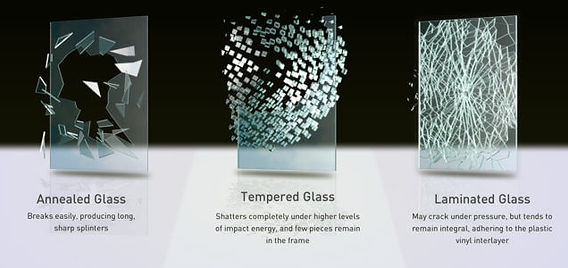
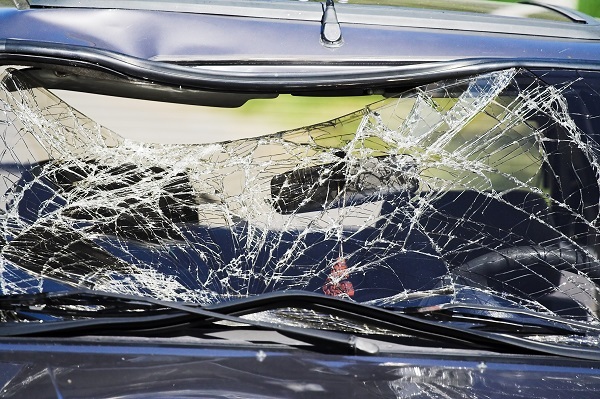
    Different types of glass break differently and cause various injury levels. Tempered glass shatters into small blunt pieces, usually causing minor cuts. Regular glass breaks into large, sharp shards that can cause serious injuries. Laminated glass tends to hold together, reducing the risk of deep cuts. Knowing the glass type helps predict the injury severity.
    Can Shattered Glass Cause Cuts: Risks and Safety Tips Revealed

    Credit: www.plotnicklaw.com

    Common Risks From Broken Glass

    Broken glass poses several risks that people often overlook. Its sharp edges can harm the skin easily. These injuries vary from small scratches to serious cuts. Each type of injury requires different care and attention. Understanding these risks helps prevent accidents and treat wounds properly.

    Minor Scratches To Deep Lacerations

    Shattered glass can cause injuries ranging from minor scratches to deep cuts. Small glass pieces may just scratch the skin. Larger shards can slice deeply, causing heavy bleeding. Deep lacerations may need stitches or medical care. Quick action is important to stop bleeding and reduce pain.

    Infection And Complications

    Broken glass wounds can get infected easily. Dirt and bacteria stick to glass shards. When glass cuts the skin, these germs enter the body. Infections cause redness, swelling, and pain around the wound. Ignoring infection risks serious health problems. Cleaning the wound and using antiseptic helps prevent infections.

    Hidden Dangers In Glass Shards

    Small glass pieces may stay inside the skin unnoticed. These hidden shards cause ongoing pain and swelling. They can lead to infection or slow healing. Removing glass fragments quickly is important. Medical help may be needed to find and remove them safely.

    Preventing Glass-related Injuries

    Preventing injuries from shattered glass is important for every home and workplace. Glass can break suddenly and cause sharp pieces to scatter. These sharp fragments can easily cut skin and cause serious wounds. Taking steps to handle broken glass safely reduces the risk of cuts and infections.

    Knowing how to manage broken glass helps protect yourself and others. Careful cleanup and protective gear play big roles. Keeping children and pets away from broken glass also lowers danger.

    Safe Handling And Cleanup

    Always avoid touching broken glass with bare hands. Use a broom and dustpan to sweep up shards. Small pieces can hide in carpets or corners. Dispose of glass in a thick, sealed container. Check the area again to find tiny fragments.

    Protective Gear Essentials

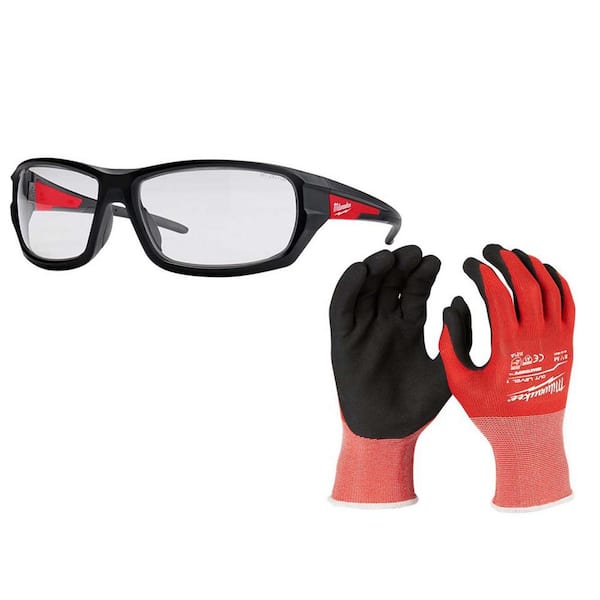
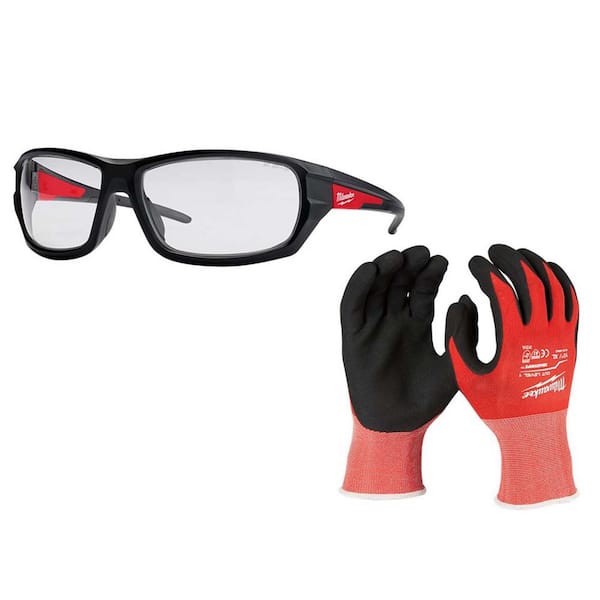
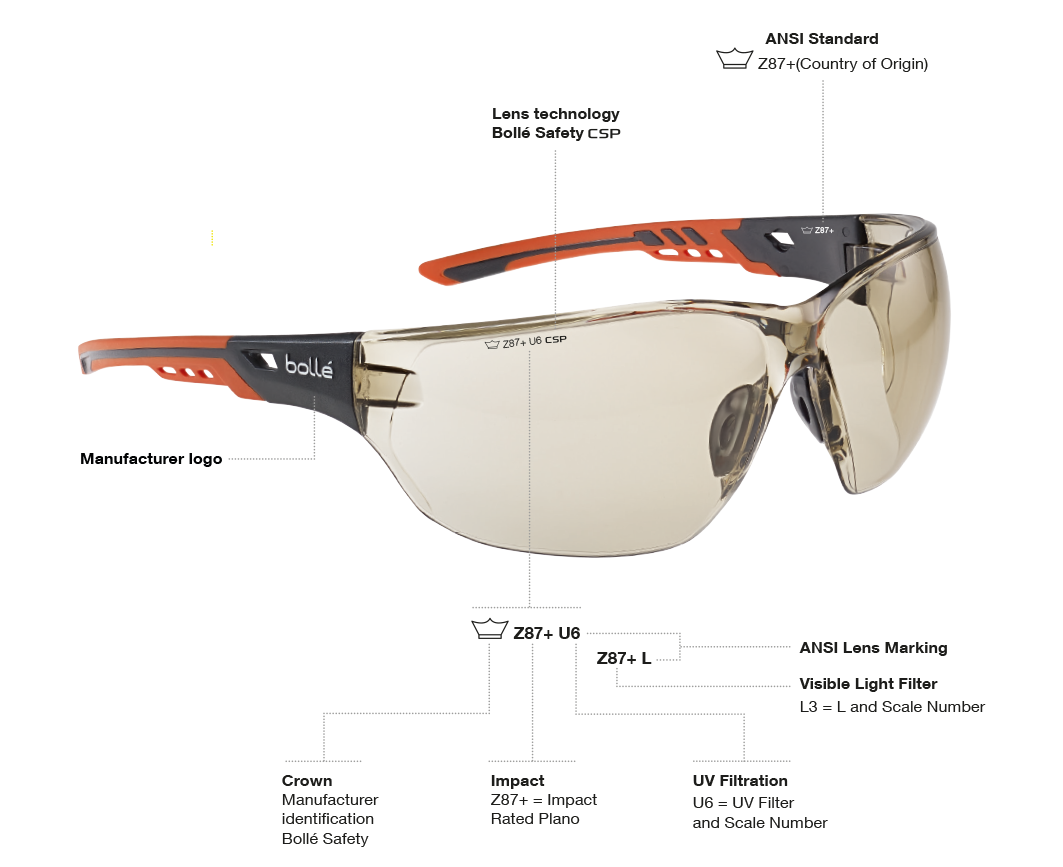
    Wear thick gloves to protect your hands. Safety goggles keep glass out of your eyes. Closed-toe shoes protect feet from sharp bits. Long sleeves and pants help shield your skin. Protective gear lowers the chance of injuries during cleanup.

    Child And Pet Safety Around Broken Glass

    Keep children and pets out of the area immediately. Block off the space with furniture or a barrier. Clean up glass quickly to remove hazards. Teach children to tell an adult if they see broken glass. Pets cannot understand danger and need extra protection.

    First Aid For Glass Cuts

    Glass cuts can be painful and may cause bleeding. Knowing the right first aid steps helps reduce harm. Acting fast protects against infection and serious injury. This section explains how to treat glass cuts safely and when to get medical help.

    Immediate Steps To Take

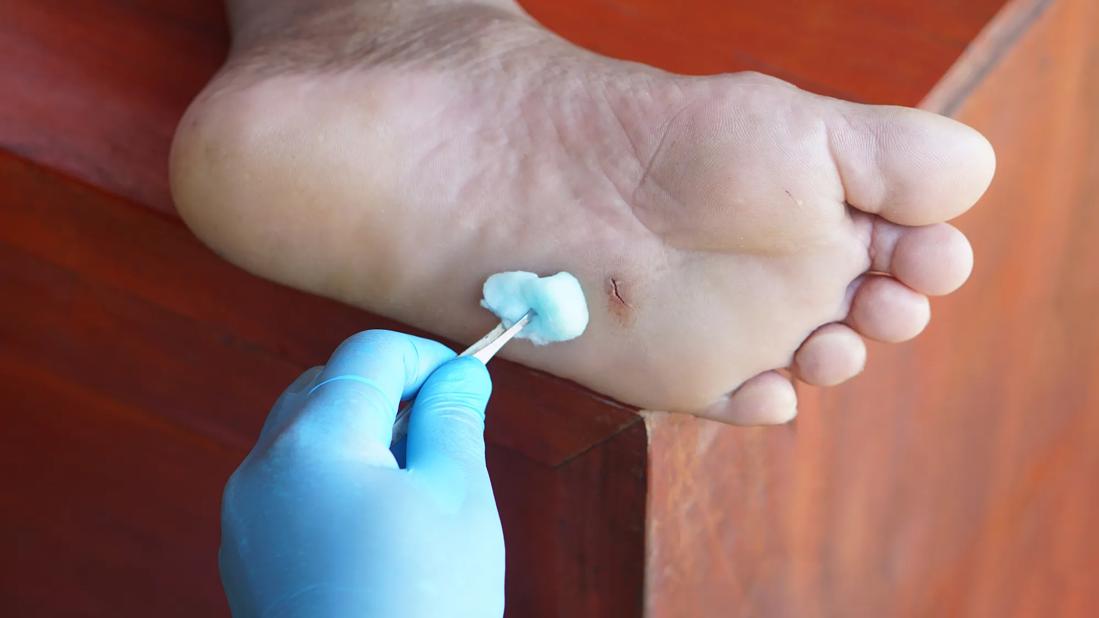
    Stop the bleeding by applying gentle pressure with a clean cloth. Avoid pressing too hard to prevent pushing glass deeper. Rinse the cut with clean water to remove dirt and small glass pieces. Do not use strong water pressure. Cover the wound with a sterile bandage or clean cloth.

    When To Seek Medical Help

    Visit a doctor if the cut is deep or bleeding does not stop. Seek help if glass pieces remain inside the wound. Look for signs of infection like redness, swelling, or pus. Get medical care if you cannot move the injured area. Also, see a doctor if you need a tetanus shot.

    Treating And Preventing Infection

    Keep the wound clean and dry after first aid. Change the bandage daily or if it becomes wet or dirty. Use an antibiotic ointment to prevent infection. Watch for redness or warmth around the cut. Avoid touching the wound with dirty hands. Clean hands help the healing process.

    Safer Alternatives To Traditional Glass

    Shattered glass can cause serious cuts. Finding safer alternatives helps reduce this risk. Many materials offer strength without sharp dangers. These options protect families and workplaces from injuries. Understanding these alternatives guides better choices for safety.

    Tempered And Laminated Glass

    Tempered glass is heat-treated for extra strength. It breaks into small, blunt pieces, not sharp shards. This reduces the chance of deep cuts. Laminated glass holds together with a plastic layer. Even if broken, pieces stay attached. This prevents glass from scattering dangerously. Both types offer safer protection than regular glass.

    Plastic And Acrylic Options

    Plastic and acrylic sheets are light and strong. They do not break into sharp pieces like glass. These materials resist impact and reduce injury risk. Used for windows, screens, and furniture covers. Easy to cut and shape for many uses. A good choice for safer glass alternatives.
    Can Shattered Glass Cause Cuts: Risks and Safety Tips Revealed

    Credit: www.bullseyeglass.com

    Can Shattered Glass Cause Cuts: Risks and Safety Tips Revealed

    Credit: health.clevelandclinic.org

    Frequently Asked Questions

    Can Shattered Glass Cause Serious Cuts?

    Yes, shattered glass can cause serious cuts due to its sharp, jagged edges. These edges easily puncture and tear the skin, leading to deep wounds that may require medical attention. Always handle broken glass carefully to avoid injuries.

    How To Treat Cuts From Shattered Glass?

    First, clean the wound gently with water to remove debris. Apply pressure with a clean cloth to stop bleeding. Use antiseptic and cover the cut with a sterile bandage. Seek medical help if the cut is deep or bleeding heavily.

    Why Is Shattered Glass More Dangerous Than Whole Glass?

    Shattered glass has sharp, irregular pieces that can easily penetrate the skin. Whole glass is typically smooth and less likely to cause deep cuts. Broken shards can also scatter, increasing the risk of multiple injuries.

    What Precautions Prevent Cuts From Shattered Glass?

    Wear protective gloves and eyewear when handling broken glass. Use thick cloth or heavy-duty tools to pick up shards. Dispose of shattered glass in a sealed container to avoid accidental contact.

    Conclusion

    Shattered glass can easily cause cuts on your skin. Even small pieces are sharp and dangerous. Always handle broken glass with care and wear gloves if possible. Clean up shards carefully to avoid accidents. Seek medical help for deep or bleeding wounds.

    Staying cautious helps prevent injuries and keeps you safe. Remember, glass is useful but must be treated carefully. Safety first.

  • How Weather Affects Glass Safety: Essential Tips to Protect Your Home

    Have you ever wondered how the weather outside can impact the safety of your glass windows and doors? Whether it’s a scorching summer day or a freezing winter night, changes in temperature and weather conditions play a big role in how glass holds up.

    Understanding these effects can help you protect your home, avoid costly repairs, and keep your family safe. Keep reading to discover surprising facts about weather and glass safety that could change the way you think about your windows forever.

    Weather And Glass Risks

    Weather plays a big role in glass safety. Different weather conditions can cause glass to weaken or break. Understanding these risks helps protect homes and buildings. Let’s explore how weather affects glass in detail.

    Impact Of Temperature Changes

    Glass expands and contracts with temperature shifts. Sudden hot or cold changes create stress inside the glass. This stress can cause cracks or shattering. Double-glazed windows handle temperature better but are not immune. Temperature changes must be considered in glass design and installation.

    Effects Of Humidity And Moisture

    Moisture can seep into glass frames and weaken seals. High humidity causes condensation, which may lead to mold or rot. Water trapped between glass layers reduces clarity and strength. Proper sealing and ventilation prevent moisture problems. Moisture damage lowers glass safety over time.

    Storms And Wind Pressure

    Strong winds push hard against glass surfaces. Storm debris can hit and crack glass easily. High wind pressure strains window frames and glass panels. Impact-resistant glass offers better protection against storms. Regular checks for damage ensure glass stays safe after storms.

    Sun Exposure And Uv Damage

    Sunlight causes gradual damage to glass and frames. UV rays weaken the glass surface over time. Prolonged sun exposure can cause discoloration and brittleness. Protective coatings help reduce UV damage. Glass exposed to sun needs extra care to stay safe.

    How Weather Affects Glass Safety: Essential Tips to Protect Your Home

    Credit: www.lowpriceautoglassescondido.com

    Common Glass Damage Types

    Glass damage occurs in many forms due to weather changes. Understanding these common types helps protect your glass surfaces. Weather elements like heat, cold, moisture, and wind play a big role in causing damage. Each type of damage affects glass safety and appearance differently.

    Cracks And Breakage

    Temperature changes cause glass to expand and contract. This stress can lead to cracks or complete breakage. Strong winds or hailstorms also cause impact damage. Cracks reduce the strength of glass and increase the risk of shattering.

    Fogging And Condensation

    Moisture trapped between glass layers causes fogging. This happens often in double-pane windows with broken seals. Fogging blocks clear vision and weakens glass insulation. Condensation also promotes mold growth around the glass edges.

    Discoloration And Fading

    Sunlight exposure can cause glass to discolor over time. UV rays fade coatings and tinting on glass surfaces. This damage affects the glass look and reduces its protective qualities. Discolored glass loses its original clarity and appeal.

    Seal Failures

    Seals keep glass panes tightly joined and insulated. Weather changes cause seals to crack or peel away. Seal failures let air and moisture inside the glass units. This leads to fogging, reduced insulation, and faster glass wear.

    Choosing Weather-resistant Glass

    Choosing the right glass can protect your home from harsh weather. Weather-resistant glass keeps you safe during storms, extreme heat, and cold. It helps maintain indoor comfort and lowers energy bills. Different types of glass serve different weather needs. Understanding these options helps you pick the best glass for your windows and doors.

    Tempered And Laminated Glass Benefits

    Tempered glass is strong and breaks into small, safe pieces. It resists impacts from wind-driven debris. Laminated glass has a plastic layer between two glass sheets. This layer holds glass together if it breaks. Laminated glass blocks harmful UV rays and reduces noise. Both types enhance safety and durability in bad weather.

    Low-e Coatings For Protection

    Low-E coatings reflect heat, keeping your home cooler in summer. They also keep warmth inside during winter. These coatings reduce glare and protect furniture from fading. Low-E glass improves energy efficiency and comfort. It works well in all climates and weather conditions.

    Double And Triple Glazing Options

    Double glazing has two glass panes with a space in between. This space acts as insulation against heat and cold. Triple glazing adds a third pane for extra protection. These options reduce noise from outside. They help maintain a steady indoor temperature year-round. Double and triple glazing increase glass strength and weather resistance.

    How Weather Affects Glass Safety: Essential Tips to Protect Your Home

    Credit: www.hughesandcoleman.com

    Maintenance Tips For Glass Safety

    Maintaining glass safety is important for every building. Weather can cause damage over time. Regular care helps protect glass and keeps it strong. Follow simple maintenance tips to avoid problems and extend glass life.

    Regular Cleaning Techniques

    Clean glass often to remove dirt and grime. Use soft cloths or sponges with mild soap. Avoid harsh chemicals that can weaken glass surfaces. Rinse well to stop residue build-up. Dry with a clean cloth to prevent streaks.

    Inspecting For Damage

    Check glass for cracks, chips, or scratches regularly. Small issues can grow bigger with weather changes. Look closely at edges and corners where damage starts. Early detection helps prevent accidents and costly repairs.

    Sealing And Caulking Tips

    Seal gaps around glass frames to keep out water and air. Use quality caulking that suits your climate. Replace old or cracked seals quickly. Proper sealing stops moisture damage and improves glass strength.

    Handling Repairs Promptly

    Fix any glass damage as soon as possible. Delays increase risks of breakage and injury. Call professionals for serious cracks or broken panes. Quick repairs keep glass safe and maintain building security.

    Preventive Measures For Extreme Weather

    Extreme weather can damage glass and cause safety issues. Taking steps before storms helps protect windows and glass doors. These measures reduce the risk of breakage and injury. Preparing your home increases safety and lowers repair costs.

    Installing Storm Shutters

    Storm shutters cover windows during high winds. They shield glass from flying debris and hail. Metal or heavy-duty plastic shutters work best. Attach them firmly to avoid gaps. Shutters also block wind pressure on glass. Use them in hurricane-prone areas for strong protection.

    Using Protective Films

    Protective films stick to glass surfaces. They hold shattered glass pieces together. Films reduce the chance of glass flying during breakage. Choose thick, clear films for better strength. Films also block some UV rays and heat. Apply films on all vulnerable windows.

    Landscaping To Reduce Impact

    Plants and trees can shield glass from debris. Use shrubs or bushes under windows. Keep trees trimmed to prevent broken branches. Avoid planting tall trees too close. Soft landscaping absorbs wind energy. This lowers the force hitting windows.

    Emergency Preparedness

    Prepare for glass damage during storms. Keep a supply of heavy tape to secure cracks. Have plywood sheets ready for quick window covers. Store a first aid kit nearby for injuries. Know where to find emergency contact numbers. Stay indoors and away from glass during storms.

    How Weather Affects Glass Safety: Essential Tips to Protect Your Home

    Credit: trueblueautoglass.com

    Frequently Asked Questions

    How Does Temperature Affect Glass Safety?

    Extreme temperatures cause glass to expand or contract. Rapid changes may lead to cracks or breakage, compromising safety.

    Can Weather Cause Glass To Shatter Unexpectedly?

    Yes, sudden weather shifts like hail or storms can stress glass. This increases the risk of spontaneous shattering.

    Does Humidity Impact Glass Durability?

    High humidity can weaken glass seals and frames. Over time, this reduces glass stability and safety.

    How Do Uv Rays Influence Glass Safety?

    UV rays degrade protective coatings on glass. This can reduce strength and make glass more prone to damage.

    Conclusion

    Weather can greatly impact glass safety in many ways. Hot sun can make glass expand and crack. Cold temperatures may cause glass to become brittle and break. Strong winds and storms add extra pressure, increasing the risk of damage. Knowing how weather affects glass helps keep homes and buildings safe.

    Regular checks and proper glass types can reduce risks. Stay aware and protect your glass from weather changes. Safety matters, no matter the season.

  • What Signs Indicate Unsafe Glass: Warning Signs You Must Know

    What Signs Indicate Unsafe Glass: Warning Signs You Must Know

    Have you ever stopped to think about the glass around you—your windows, doors, or even your car windshield? It might look fine, but what if it’s actually unsafe?

    Knowing the signs of unsafe glass can protect you from serious injuries and costly repairs. You’ll discover simple clues that reveal when glass is a hidden danger. By paying attention to these signs, you can keep yourself and your loved ones safe.

    Keep reading, because the safety of your home and your health could depend on it.

    What Signs Indicate Unsafe Glass: Warning Signs You Must Know

    Credit: voodooneon.com

    Common Glass Hazards

    Glass is a common material in homes and buildings. It looks nice but can be risky if it is unsafe. Knowing common glass hazards helps protect people from harm. This section explains signs that show glass might be dangerous.

    Cracks And Chips

    Cracks and chips weaken glass. They can grow larger with time. Even small cracks can cause glass to break suddenly. Check glass surfaces regularly for these damages.

    Cloudiness Or Discoloration

    Cloudy or discolored glass may have hidden damage. This can reduce strength and increase breakage risk. Clear glass should stay clear and bright.

    Loose Or Wobbly Glass

    Glass that moves or feels loose is unsafe. It may fall or shatter easily. Secure glass firmly in its frame to avoid accidents.

    Sharp Edges

    Glass with sharp or jagged edges can cut skin. Properly finished edges reduce injury risk. Always handle such glass with care.

    Visible Cracks And Chips

    Visible cracks and chips on glass are clear signs of damage. These flaws weaken the glass and make it unsafe. Ignoring them can lead to accidents or injuries. It is important to spot these issues early.

    How To Identify Visible Cracks

    Cracks appear as thin lines on the glass surface. They can be straight, curved, or spider-web shaped. Light may reflect differently around cracks. Check glass in good lighting to see them clearly.

    Common Causes Of Chips In Glass

    Chips happen from small impacts or drops. Stones, tools, or hard objects can cause chips. Even minor chips reduce the strength of glass. They often start small but can grow over time.

    Risks Of Using Glass With Cracks Or Chips

    Cracked or chipped glass can break unexpectedly. It may shatter into sharp pieces causing harm. Damaged glass also loses its ability to hold pressure. Using such glass is dangerous in homes or vehicles.

    When To Replace Damaged Glass

    Replace glass if cracks or chips are large. Small cracks near edges need quick attention too. Professional advice helps decide if repair is possible. Safety should always guide your choice on glass.

    Discoloration And Cloudiness

    Discoloration and cloudiness are common signs that glass may be unsafe. These changes affect the glass’s strength and clarity. They often result from damage or aging. Spotting these issues early can help prevent accidents and injuries.

    Discoloration can appear as yellow, brown, or greenish tints. Cloudiness looks like a foggy or milky layer on the glass surface. Both reduce visibility and can hide cracks or chips.

    Causes Of Discoloration In Glass

    Exposure to sunlight can cause glass to change color over time. Chemicals from cleaning products may also cause discoloration. Sometimes, impurities in the glass material lead to uneven color. These factors weaken the glass and make it unsafe.

    How Cloudiness Indicates Damage

    Cloudiness often means moisture has entered the glass layers. This happens in double-pane windows with broken seals. Moisture causes fogging and reduces insulation. Cloudy glass loses strength and can shatter more easily.

    Risks Of Ignoring Discoloration And Cloudiness

    Ignoring these signs can lead to sudden glass breakage. It can cause injuries or damage to property. Cloudy or discolored glass also lowers the aesthetic value of your home. Replacing unsafe glass improves safety and appearance.

    What Signs Indicate Unsafe Glass: Warning Signs You Must Know

    Credit: indianapublicradio.org

    Loose Or Unstable Glass Panels

    Loose or unstable glass panels are a serious safety concern. They can shift or fall, causing injury or damage. Identifying these panels early helps prevent accidents. Understanding the signs of instability keeps your space safe and secure.

    Wobbling Or Movement

    Glass panels should stay firmly in place. Any wobble or movement means the panel is loose. Test gently by pressing or nudging the glass. Noticeable movement signals a problem with the installation or frame.

    Gaps Between Glass And Frame

    Check for visible gaps around the edges of the glass. Gaps allow the panel to move or shift easily. This often means the sealing or adhesive has failed. Gaps also let in moisture, which can weaken the structure.

    Rattling Sounds

    Listen for rattling noises when the glass or surrounding area is touched. Rattling indicates the glass is not tightly secured. It can be a sign of loose clips, screws, or broken supports behind the panel.

    Cracks Near Mounting Points

    Inspect the glass near the mounting hardware. Small cracks or chips here suggest stress from looseness. These cracks can grow and cause the glass to break suddenly. Immediate repair is essential to avoid hazards.

    Bulging Or Warping

    Bulging or warping in glass is a clear sign of damage. This problem happens when glass bends out of shape. It can be a small curve or a bigger bulge. Both are dangerous and need attention fast.

    Glass should be flat and smooth. When it bulges, it loses strength. Warped glass can break easily. It also lets heat or cold pass through more. This means your home or office loses energy.

    How To Spot Bulging Or Warping

    Look closely at the glass surface. Notice if it curves or bows outward. Light reflections may look strange or uneven. Touch the glass carefully to feel bumps or waves. These signs show the glass is not safe.

    Risks Of Using Bulged Or Warped Glass

    Bulged glass can crack without warning. It may shatter with small pressure. This puts people at risk of injury. Warped glass also weakens window frames. This can cause leaks and drafts. It lowers the glass’s overall safety.

    Causes Of Bulging And Warping In Glass

    Heat is a common cause of bulging glass. Strong sunlight or fire nearby can bend the glass. Poor installation can also cause warping. If glass isn’t fitted well, pressure builds up. Moisture trapped inside can warp the glass too.

    Improper Installation Signs

    Improper installation can cause glass to become unsafe quickly. It weakens the glass and creates risks for damage or injury. Spotting signs of poor installation helps prevent accidents.

    Check for these common signals that glass was not installed correctly. Acting fast can keep your space safe and secure.

    Uneven Gaps Around The Glass

    Gaps that are too wide or too narrow show poor fitting. They let air and water in, which can cause damage. Uneven spaces also stress the glass unevenly, raising the chance of cracks.

    Loose Or Wobbly Glass Panels

    Glass should feel firm and steady. If it moves or shakes easily, the installation is weak. Loose glass can fall or break with little force, making it unsafe.

    Visible Sealant Damage

    Cracked or missing sealant weakens the glass hold. Sealant keeps the glass tight and stops moisture from entering. Damaged sealant needs quick repair to avoid bigger problems.

    Misaligned Frames

    Frames that do not line up properly stress the glass unevenly. This puts pressure on some points more than others. Misalignment can lead to cracks or breaks over time.

    Noise And Movement Indicators

    Noise and movement are key signs of unsafe glass. They often warn about hidden problems. Paying attention to these signs can prevent accidents and injuries.

    Unusual Sounds When Touching Or Moving The Glass

    Glass that makes creaking or popping sounds can be unsafe. These noises may mean the glass is loose or damaged. Normal glass stays quiet when touched or moved gently. Strange sounds signal stress or cracks inside the glass.

    Glass Shifting Or Moving In Its Frame

    Glass should fit tightly in its frame. Movement or wobbling shows poor installation or damage. Loose glass can fall out or break easily. Check for any shaking when you tap or push the glass lightly.

    Vibrations Or Buzzing Noises In Glass Panels

    Vibrations or buzzing sounds often occur with large glass panels. They indicate weak spots or tension in the glass. These noises mean the glass may break under pressure. Addressing these issues early keeps glass safe and stable.

    Deteriorating Seals And Frames

    Deteriorating seals and frames can signal unsafe glass in your windows or doors. These parts protect the glass and keep it stable. When they weaken, the glass can become loose or damaged. This creates risks of breakage or injury.

    Check seals and frames regularly. Small cracks or gaps in seals let moisture inside. This can fog up the glass and weaken it over time. Frames that are cracked or warped fail to hold the glass firmly. This increases the chance of the glass falling out or shattering.

    Deteriorating Seals Allow Moisture In

    Seals around glass keep air and water out. Over time, seals dry out and crack. Moisture can slip through these cracks. This causes fogging inside the glass layers. Foggy glass loses its strength and clarity.

    Moisture also leads to mold or mildew. This can cause health problems and damage your home. Deteriorated seals are a clear sign to replace or repair the glass unit.

    Frames That Are Cracked Or Warped

    Frames hold the glass in place. They must be strong and straight. Cracks or warping in frames reduce their support. This makes the glass vulnerable to impact and pressure.

    Wood frames may rot or swell. Metal frames can rust and bend. Both conditions weaken the structure. Loose or unstable glass is unsafe and must be fixed quickly.

    Signs To Watch For

    Look for peeling paint or rust on frames. Check for gaps between the frame and glass. Notice any fogging or moisture inside the glass. These signs mean the seals or frames are failing.

    Ignoring these signs can lead to broken glass and injury. Repair or replace damaged seals and frames promptly for safety.

    Testing Unsafe Glass

    Testing glass for safety is important to avoid accidents and injuries. Unsafe glass breaks easily and can cause sharp pieces. Knowing how to test glass helps protect your home and family. Simple checks can show if glass is strong or weak.

    Visual Inspection For Cracks And Chips

    Look closely at the glass surface. Small cracks or chips mean the glass is weak. Even tiny damage can grow and cause breakage. Check edges carefully, as they get damaged first. Damaged glass should be replaced quickly.

    Tap Test For Sound Quality

    Gently tap the glass with a small object. Strong glass makes a clear, sharp sound. Unsafe glass sounds dull or hollow. This test helps find glass with hidden cracks. Use light taps to avoid causing damage.

    Thickness Measurement

    Measure the glass thickness with a ruler or caliper. Thicker glass is usually safer and stronger. Thin glass breaks more easily under pressure. Compare thickness to standards for your glass type. Thin or uneven glass needs attention.

    Check For Tempering Marks

    Look for small etched marks in the corner of the glass. Tempered glass has these marks to show it is safe. Lack of marks may mean the glass is not tempered. Untempered glass breaks into sharp pieces. Tempered glass breaks into small, less dangerous bits.

    Preventive Measures For Safety

    Preventive measures help keep glass safe and avoid accidents. They protect people and property. Knowing how to act early can stop glass from breaking or causing harm. Simple steps make a big difference in safety.

    Regular Inspection Of Glass Surfaces

    Check glass often for cracks or chips. Small damages can grow and cause breaks. Use a bright light to see scratches clearly. Report any damage to a professional immediately. Early repair prevents bigger problems.

    Use Of Safety Films

    Apply safety films on glass doors and windows. These films hold broken glass pieces together. They reduce the risk of injury from sharp shards. Safety films also add extra strength to glass panels. Choose films approved for safety and durability.

    Proper Installation And Maintenance

    Install glass with care to avoid stress points. Use correct frames and supports. Poor installation can cause glass to weaken over time. Clean glass gently with suitable materials only. Avoid harsh chemicals that damage glass surfaces.

    Educate Family And Employees

    Teach others about safe glass handling and risks. Explain signs of unsafe glass clearly. Encourage reporting any glass damage immediately. Awareness helps prevent accidents and promotes quick action.

    What Signs Indicate Unsafe Glass: Warning Signs You Must Know

    Credit: news.azpm.org

    Frequently Asked Questions

    What Are Common Signs Of Unsafe Glass?

    Unsafe glass often has cracks, chips, or discoloration. It may also show signs of delamination or cloudiness. These defects weaken the glass and increase breakage risk, making it unsafe for use.

    How To Identify Glass With Structural Damage?

    Look for visible cracks, deep scratches, or shattered edges. Warping or bending can also indicate structural issues. Such damage compromises glass strength and safety.

    Why Does Glass Discoloration Indicate Danger?

    Discoloration may show chemical damage or weathering. It weakens the glass surface, reducing its durability and increasing break risk.

    Can Glass With Chips Still Be Safe?

    Small chips near edges can spread cracks under stress. Even minor damage can weaken glass, so chipped glass is often unsafe.

    Conclusion

    Unsafe glass shows clear signs you should not ignore. Cracks, chips, or cloudy spots mean danger. Loose or rattling glass can break easily. Scratches weaken glass strength over time. Always check edges for sharpness or roughness. Trust your eyes and hands to spot problems.

    Acting fast keeps you and others safe. Stay alert to these signs to avoid accidents. Safety starts with knowing what to watch for. Don’t wait until it’s too late.

  • What is Glass Safety: Essential Tips for Ultimate Protection

    What is Glass Safety: Essential Tips for Ultimate Protection

    Have you ever stopped to think about how safe the glass around you really is? Whether it’s the windows in your home, the screen on your phone, or the glass doors at work, glass safety plays a huge role in protecting you and your loved ones from harm.

    Understanding what glass safety means can help you make smarter choices and avoid accidents that might seem minor but can cause serious injuries. You’ll discover the key facts about glass safety, why it matters, and what you can do to keep yourself safe every day.

    Keep reading—your safety depends on it.

    Glass Safety Basics

    Glass safety is important to prevent injuries and accidents. It means using the right kind of glass and handling it carefully. Knowing the basics helps people stay safe around glass in homes, offices, and public places.

    This section explains the main types of safety glass, common dangers, and how glass breaks. Understanding these points helps make better choices and avoid harm.

    Types Of Safety Glass

    There are mainly two types of safety glass: tempered glass and laminated glass. Tempered glass is heat-treated to be stronger than regular glass. It breaks into small, blunt pieces instead of sharp shards.

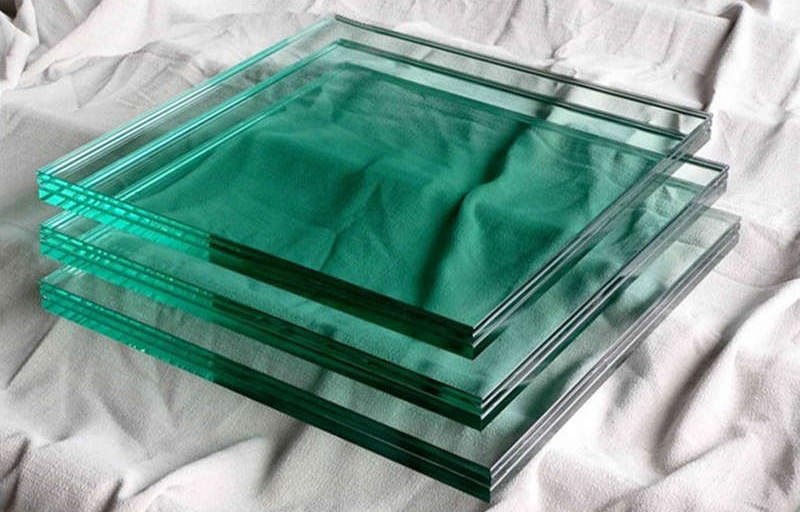
    Laminated glass has a plastic layer between two glass sheets. This layer holds the glass together if it breaks. Both types reduce the risk of serious injury.

    Common Hazards With Glass

    Broken glass can cause cuts and wounds. Sharp edges are especially dangerous. Glass can also shatter due to impact or pressure. Poor installation and old glass increase risks. Slippery surfaces near glass can lead to accidents too.

    How Glass Breaks

    Glass breaks from stress, impact, or temperature changes. Stress means pressure or force on the glass. Impact is a sudden hit or collision. Rapid temperature changes cause glass to crack. Knowing this helps prevent damage and injury.

    What is Glass Safety: Essential Tips for Ultimate Protection

    Credit: www.karseyglass.com

    Protective Glass Features

    Protective glass features keep people safe and protect property. These features make glass stronger and reduce injury risks. They help glass resist breaking and limit sharp shards. Different types of protective glass have unique benefits. They suit many uses in homes, cars, and offices.

    Tempered Glass Benefits

    Tempered glass is much stronger than regular glass. It breaks into tiny pieces instead of sharp shards. This reduces the risk of cuts and injuries. It can handle heat and impact better. Many doors, windows, and screens use tempered glass for safety.

    Laminated Glass Uses

    Laminated glass has a plastic layer between two glass sheets. This layer holds the glass together when broken. It stops glass from falling apart or causing harm. It also blocks harmful UV rays. Laminated glass is common in car windshields and skylights.

    Coatings And Treatments

    Special coatings make glass more durable and safe. Some coatings protect against scratches and stains. Others add strength or reduce glare. Treatments can also help glass resist heat and fire. These features improve glass performance in many settings.

    Safe Handling Practices

    Safe handling practices are essential to prevent accidents and injuries with glass. Glass can break easily and cause serious harm. Following proper steps helps keep everyone safe during installation, transport, and use.

    Proper Installation Tips

    Install glass carefully to avoid damage. Use the right tools and follow the manufacturer’s instructions. Make sure the glass fits well in its frame. Avoid forcing glass into place. Check for cracks or chips before installation. Secure the glass firmly to prevent movement or rattling.

    Handling And Transport

    Handle glass with care to prevent breakage. Always carry glass vertically, not flat. Use both hands and hold it firmly. Transport glass in a padded container or with protective covers. Avoid bumping glass against hard surfaces. Move slowly and watch for obstacles in the path.

    Personal Protective Equipment

    Wear protective gear when working with glass. Use safety gloves to protect hands from cuts. Wear safety glasses to shield eyes from shards. Consider long sleeves and sturdy clothing to protect skin. Use helmets if working overhead. Always check that your protective equipment fits well and is in good condition.

    What is Glass Safety: Essential Tips for Ultimate Protection

    Credit: www.hongjiaglass.com

    Home Glass Safety Tips

    Home glass safety is important to keep everyone safe. Glass in windows, doors, and other areas can cause injuries if not handled carefully. Small changes around the house can help prevent accidents.

    These tips focus on securing glass areas, protecting children, and regular checks. Safe glass areas mean less risk of cuts and breaks.

    Securing Windows And Doors

    Lock all windows and doors with glass to stop accidents. Use sturdy locks to prevent them from opening by mistake. Add safety film to glass to reduce shattering. This film keeps broken glass pieces together and lowers injury risks.

    Childproofing Glass Areas

    Place guards or stickers on large glass surfaces. These marks make glass more visible for children. Use safety gates near glass doors or windows. Keep furniture away from glass to avoid bumps and falls. Teach children to stay away from glass areas.

    Maintenance And Inspection

    Check glass regularly for cracks or chips. Replace damaged glass quickly to avoid bigger problems. Clean glass with gentle products to prevent scratches. Inspect window seals and frames for wear and tear. Fix any loose parts to keep glass secure.

    Workplace Glass Safety

    Workplace glass safety is essential to protect employees from injuries. Glass can break easily and cause cuts or worse. Proper safety measures reduce accidents and keep the work area secure.

    Employers must take steps to handle glass safely. This includes following rules, training staff, and preparing for emergencies. Clear guidelines help everyone know what to do.

    Regulations And Standards

    Workplaces must follow glass safety laws. These rules set limits on glass types and where to use them. Safety glass, like tempered or laminated, often replaces regular glass.

    These standards ensure glass is less likely to break or cause harm. Employers must check local and national regulations. Compliance avoids fines and keeps workers safe.

    Employee Training

    Training workers on glass safety is vital. Staff learn how to handle glass and spot risks. Proper use of tools and safety gear is included.

    Regular training refreshes knowledge and reduces careless mistakes. Everyone understands how to work safely around glass surfaces and containers.

    Emergency Procedures

    Having clear plans for glass accidents is critical. Employees must know how to respond quickly to cuts or broken glass. First aid kits should be accessible.

    Workplaces should practice emergency drills. This helps staff stay calm and act fast. Proper cleanup of broken glass prevents further injuries.

    Innovations In Glass Safety

    Glass safety has advanced with new technologies and materials. These innovations help protect people and property better than before. Safer glass options are now common in homes, cars, and workplaces. These improvements reduce injuries and increase security.

    Smart Glass Technologies

    Smart glass changes its properties depending on the environment. It can become opaque or clear with a switch. This helps control light and heat inside buildings. Smart glass also adds privacy without curtains or blinds. It improves energy efficiency and safety at the same time.

    Impact-resistant Materials

    New materials make glass much stronger and less likely to break. Laminated glass uses a plastic layer to hold shards together. Tempered glass is heated and cooled to increase strength. These types reduce the risk of sharp injuries. They are common in car windows and glass doors.

    Future Trends

    Researchers work on glass that can heal itself after cracks. Some glass types will warn users of damage using sensors. Transparent solar panels may combine safety with energy production. These trends aim to make glass safer and more useful.

    What is Glass Safety: Essential Tips for Ultimate Protection

    Credit: destinglass.com

    Frequently Asked Questions

    What Is Glass Safety In Buildings?

    Glass safety involves using materials and techniques that prevent injury from broken glass. It includes tempered, laminated, or coated glass to reduce breakage risks and protect occupants from sharp shards.

    Why Is Tempered Glass Safer Than Regular Glass?

    Tempered glass is heat-treated to increase strength. When broken, it shatters into small, blunt pieces instead of sharp shards, reducing injury risk and enhancing safety in homes and public spaces.

    How Does Laminated Glass Improve Safety?

    Laminated glass has a plastic layer between two glass sheets. This layer holds the glass together when broken, preventing shards from scattering and reducing the chance of cuts or falls.

    Where Is Safety Glass Required By Law?

    Safety glass is legally required in areas prone to impact, like doors, windows near floors, and bathrooms. Building codes mandate its use to minimize injury during accidents.

    Conclusion

    Glass safety protects people from serious injuries caused by broken glass. Using strong, tested glass reduces the risk of accidents. Safe glass breaks into small, less dangerous pieces. Always choose glass that meets safety rules and standards. Knowing about glass safety helps keep homes and workplaces secure.

    Stay aware and handle glass with care every day. This simple knowledge can prevent harm and save lives. Safety matters, especially with glass around us.

  • Does Fog Reduce Glass Safety: Shocking Risks You Must Know

    Have you ever noticed fog settling on your car windows or home glass and wondered if it could affect their safety? You might think fog is just a harmless mist, but could it actually make your glass weaker or more prone to damage?

    Understanding how fog interacts with glass is important for keeping you and your loved ones safe. You’ll discover the surprising facts about fog and glass safety—and what you can do to protect your windows and yourself. Keep reading to find out the truth behind this common question.

    Does Fog Reduce Glass Safety: Shocking Risks You Must Know

    Credit: www.homedepot.com

    Fog And Glass Interaction

    Fog affects glass in several ways that impact safety and visibility. Understanding how fog interacts with glass helps us see its effects better. Moisture from fog settles on glass surfaces, creating a thin water layer. This layer changes how light passes through the glass. It can cause blurriness or reduce clarity. Such effects may lead to safety concerns, especially while driving or using glass doors and windows.

    How Fog Forms On Glass

    Fog forms on glass when warm, moist air meets a cooler surface. The air cools down, and water vapor turns into tiny droplets. These droplets stick to the glass, creating fog. The process is similar to dew forming on grass early in the morning. Temperature differences and humidity levels are key factors. More moisture in the air means thicker fog on the glass. This fog can stay for hours until the glass warms up or dries.

    Common Types Of Glass Affected

    Not all glass reacts the same to fog. Single-pane glass fogs easily because it has one layer. Double-pane glass has two layers with air in between, reducing fog inside. However, fog can still form on the outside surface. Car windshields, windows, and glass doors often fog up. Some treated glass resists fog better due to special coatings. Still, most common glass surfaces can become foggy and affect visibility and safety.

    Impact On Visibility

    Fog creates a layer of moisture on glass surfaces. This moisture affects how well you can see through the glass. Visibility drops because the fog blurs the view. It changes how light passes through the glass. This can cause problems for safety in many situations.

    Reduced Clarity And Hazards

    Fog causes glass to lose its clear appearance. The tiny water droplets scatter light and blur images. This reduces the sharpness of what you see. Details become harder to notice. This can lead to mistakes or accidents. Hazards increase as objects appear fuzzy or distorted. People may not spot dangers in time.

    Effect On Driving And Outdoor Safety

    Fog on car windows makes driving risky. Drivers struggle to see roads, signs, and other vehicles. This raises the chance of collisions. Pedestrians and cyclists also face danger. Outdoor glass structures, like bus stops, become less safe. People may not see obstacles or slippery surfaces. Fog demands extra caution near glass in outdoor settings.

    Physical Effects On Glass

    Fog can affect glass in ways that may reduce its safety over time. The moisture and temperature changes cause physical changes on the glass surface. These changes can weaken the glass or cause damage that is not easy to see at first. Understanding these effects helps to maintain glass safety better.

    Condensation And Surface Damage

    Fog causes condensation on glass surfaces. Tiny water droplets form and stay on the glass. This moisture can lead to spots and streaks that block vision.

    Repeated wetting and drying can wear down the glass coating. This weakens the protective layer, making glass more prone to scratches. Scratches reduce the strength of the glass and its ability to resist impact.

    Long-term Wear And Tear

    Over time, fog exposure causes slow wear on the glass. The constant moisture can cause small cracks or pits. These tiny damages grow and can lead to bigger problems.

    Long-term wear reduces the glass’s ability to hold against pressure. It makes the glass more likely to break during storms or accidents. Regular cleaning and maintenance can help reduce this damage.

    Does Fog Reduce Glass Safety: Shocking Risks You Must Know

    Credit: www.globalglove.com

    Safety Risks Linked To Foggy Glass

    Foggy glass can hide dangers and create safety problems. It reduces visibility and makes it hard to see clearly. This effect can lead to accidents and slow reactions in urgent situations. Understanding these risks helps prevent harm and improve safety.

    Slip And Fall Incidents

    Fog on glass can hide wet floors or obstacles. People may not see hazards in time. This increases slip and fall chances. Such accidents can cause injuries like bruises or broken bones. Clear glass helps people stay aware of dangers around them.

    Impaired Emergency Responses

    Foggy glass can block clear views during emergencies. Firefighters or medical teams might miss important signs. It slows their response and makes rescue harder. Quick action is crucial to save lives. Clear visibility through glass supports fast emergency help.

    Preventive Measures

    Fog on glass can cause safety risks. It blocks clear vision and makes surfaces slippery. Taking steps to prevent fog build-up is important for safety. Simple actions can keep glass clear and safe.

    Anti-fog Coatings And Treatments

    Anti-fog coatings help stop moisture from forming on glass. These coatings create a thin layer that prevents water droplets. This keeps the glass clear even in humid or cold conditions. You can apply anti-fog sprays or films on windows and mirrors. These treatments last for weeks or months. They reduce the chance of fog making glass unsafe.

    Proper Ventilation And Maintenance

    Good airflow reduces fog on glass surfaces. Ventilation moves moist air away from glass areas. Use fans or open windows to improve air circulation. Regular cleaning removes dirt and grime that trap moisture. Check seals and fix leaks to keep air dry. Proper maintenance keeps glass clear and safer to use.

    Technology To Combat Fog

    Fog on glass can block vision and create unsafe conditions. Technology helps keep glass clear and safe. It improves visibility and reduces accidents caused by foggy glass.

    Heated Glass Solutions

    Heated glass uses thin wires or films inside the glass. These wires warm the surface, stopping fog from forming. The heat evaporates moisture quickly. This keeps the glass clear in cold or wet weather. Heated glass is common in car windshields and bathroom mirrors. It works quietly and uses little power.

    Smart Glass Innovations

    Smart glass can change its properties to fight fog. Some types use electric currents to control moisture buildup. Others adjust their tint to manage temperature and prevent fog. This glass reacts fast and keeps clear view. It is useful in homes, offices, and vehicles. Smart glass adds comfort and safety by improving visibility.

    Real-life Incidents

    Fog creates a thick, misty layer that blocks clear views. It affects visibility and can cause accidents. Glass surfaces, like car windows and building windows, become harder to see through. This raises questions about glass safety during foggy conditions.

    Real incidents highlight the risks fog poses to glass safety. These stories help us understand the dangers and how to prevent them. Let’s explore some real-life cases and the lessons they teach.

    Case Studies Of Fog-related Accidents

    A truck driver lost control on a foggy highway. The truck hit a glass barrier, shattering it. The fog made it impossible to see the barrier until it was too late. This accident caused injuries and traffic delays.

    In another case, a pedestrian walked near a glass storefront in heavy fog. The fog blurred the glass edges. The pedestrian accidentally walked into the glass and got hurt. The glass had no markings to warn about its presence.

    A driver crashed into a glass door at a parking garage entrance. Dense fog reduced visibility to just a few feet. The glass door did not have enough reflective signs. The driver could not see the door clearly.

    Lessons Learned

    Marking glass with stickers or decals increases visibility in fog. Reflective materials help drivers and pedestrians notice glass barriers. Clear signs near glass doors warn people about potential hazards.

    Using stronger glass types can reduce injuries if breakage occurs. Safety glass that cracks but stays in place offers better protection. Regular cleaning and maintenance improve visibility through glass surfaces.

    Drivers should reduce speed in foggy conditions and use fog lights. Pedestrians must stay alert and avoid walking close to large glass panels. Awareness and proper precautions can greatly improve glass safety during fog.

    Does Fog Reduce Glass Safety: Shocking Risks You Must Know

    Credit: www.homedepot.com

    Frequently Asked Questions

    Does Fog Make Glass More Fragile Or Unsafe?

    Fog itself does not weaken glass or make it fragile. Glass safety depends on its material and treatment, not fog presence. However, fog can reduce visibility, which may indirectly affect safety around glass surfaces.

    Can Fog Cause Glass To Crack Or Break?

    Fog does not cause glass to crack or break. Temperature changes and physical impacts are primary causes of glass damage. Fog may increase moisture but does not directly harm glass integrity.

    How Does Fog Affect Visibility Through Glass?

    Fog creates moisture droplets on glass, reducing clarity and visibility. This can impair vision through windows or windshields, requiring cleaning or defogging for safety. Fog impacts visibility, not the glass’s structural safety.

    Should Foggy Windows Be A Safety Concern?

    Foggy windows mainly cause visibility issues rather than structural safety risks. Proper ventilation and defogging methods help maintain clear glass surfaces and ensure safe viewing conditions.

    Conclusion

    Fog can make glass look unclear and slippery. This may cause some safety concerns. Still, fog alone does not break or weaken glass. Cleaning glass often helps keep it safe and strong. Using the right glass type also improves safety.

    Remember to check glass surfaces in foggy weather. Stay careful when handling glass in wet or foggy conditions. Clear vision and dry glass reduce accident risks. Safety depends on how you care for and use glass.

  • How Small Glass Damage Affects Safety: Crucial Risks Revealed

    How Small Glass Damage Affects Safety: Crucial Risks Revealed

    Have you ever noticed a tiny chip or crack on your car’s windshield and thought, “It’s just a small flaw”? You might be surprised to learn that even the smallest glass damage can put your safety at serious risk.

    Ignoring that tiny crack could mean more than just a cosmetic issue—it could lead to sudden glass failure when you least expect it. You’ll discover why small glass damage matters more than you think and what steps you should take right now to protect yourself and those you care about.

    Keep reading—you won’t want to miss this crucial information.

    How Small Glass Damage Affects Safety: Crucial Risks Revealed

    Credit: www.vecteezy.com

    Types Of Small Glass Damage

    Small glass damage can happen in many ways. Each type affects safety differently. Understanding these types helps you spot risks early. It also guides you on when to repair or replace the glass.

    Below are common types of small glass damage found on windows, windshields, and other glass surfaces.

    Chips And Cracks

    Chips are tiny pieces broken off the glass surface. Cracks are lines that spread from the chip or start alone. Both weaken the glass structure. They can grow larger with temperature changes or pressure. This makes glass more likely to shatter during impact.

    Stress Marks

    Stress marks look like faint lines or spider webs under the glass surface. They form from pressure or bending of the glass. These marks reduce the glass’s strength. Stress marks often lead to bigger cracks over time. They show the glass is under strain.

    Surface Scratches

    Surface scratches are shallow lines on the glass surface. They do not break through the glass but affect visibility. Scratches can weaken the glass by creating small weak spots. Deep scratches may catch dirt and moisture, causing further damage. Though less dangerous, they still reduce glass safety.

    Impact On Structural Integrity

    Small damage to glass can harm its strength and safety. Even tiny cracks or chips reduce how well glass holds up. This damage can spread, making the glass more likely to fail. Understanding the impact on structural integrity helps prevent accidents.

    Weakening Of Glass Strength

    Small cracks create weak points in the glass. These weak spots lower the overall strength. Glass may no longer support weight or pressure as before. This makes it unsafe for windows, doors, or other uses.

    Propagation Of Damage

    Damage often grows over time. Tiny cracks can spread across the glass surface. Changes in temperature or pressure speed up this process. The longer damage exists, the worse it gets.

    Risk Of Sudden Breakage

    Damaged glass can break without warning. Stress or impact can cause sudden shattering. This puts people nearby at risk of injury. Replacing damaged glass quickly is essential for safety.

    Safety Hazards From Damaged Glass

    Small glass damage might look harmless at first. Cracks or chips on glass surfaces can cause serious safety problems. These flaws weaken the glass and create risks that affect everyone around.

    Ignoring small damage can lead to bigger dangers. Understanding these safety hazards is important to prevent injuries and accidents.

    Injury Risks

    Damaged glass can break suddenly and sharply. This can cause cuts and deep wounds. Tiny glass shards can fly and injure eyes or skin. Even a small crack raises the chance of harm to people nearby.

    Compromised Visibility

    Cracks and chips distort vision through the glass. This makes it hard to see clearly. Drivers or workers may miss important details. Poor visibility increases the risk of mistakes and accidents.

    Potential For Accidents

    Weakened glass breaks more easily under pressure or impact. Falling glass can hit people or objects below. Broken glass on floors causes slips and falls. These accidents often lead to serious injuries or damage.

    Common Scenarios With Small Glass Damage

    Small glass damage happens in many places. It may seem minor, but it can cause big safety problems. Tiny chips or cracks can grow fast. This weakens the glass and can lead to accidents.

    Understanding where small damage occurs helps protect yourself and others. Here are common scenarios with small glass damage.

    Automotive Windshields

    Small chips often happen from stones hitting windshields. These cracks can spread while driving. A damaged windshield may break easily in crashes. It also reduces driver visibility. This makes driving unsafe.

    Residential Windows

    Small cracks in home windows appear from weather changes or impacts. Cracked glass loses strength and can shatter. Broken windows let cold air in and reduce security. Repairing small damage fast keeps homes safe.

    Commercial Glass Panels

    Glass panels in offices or stores face scratches and chips. Even small damage can cause cracks to grow. Weak panels may fall or break, risking injury. Regular checks and quick repairs protect people and property.

    Preventive Measures And Repairs

    Small glass damage can turn into big safety risks if ignored. Taking steps early helps keep glass strong and safe. Repairs and checks prevent accidents and keep your space secure.

    Early Damage Detection

    Spotting cracks or chips early saves money and danger later. Check glass surfaces often, especially after storms or impacts. Use a bright light to see small damage clearly. Early detection stops cracks from growing.

    Effective Repair Techniques

    Small chips can be fixed with resin injections. This method stops cracks from spreading and restores strength. Use professional repair kits for best results. Avoid DIY fixes that may worsen the damage.

    When To Replace Glass

    Replace glass if cracks are large or near edges. Deep damage weakens the whole pane and risks breaking. Cloudy or scratched glass also lowers safety and visibility. New glass ensures full protection and clear views.

    How Small Glass Damage Affects Safety: Crucial Risks Revealed

    Credit: throttleworldhq.com

    Legal And Insurance Considerations

    Small glass damage can cause big legal and insurance problems. Ignoring tiny cracks or chips might lead to safety risks and financial troubles. Understanding these issues helps protect you and others.

    Safety Regulations

    Many places have laws about glass safety. Cracks or chips can make glass weaker. Broken glass can cause accidents. Following safety rules keeps people safe. Regular inspections often catch small damage early. Fixing damage quickly meets legal requirements.

    Insurance Claims And Coverage

    Insurance policies may cover glass damage. Some only cover large breaks, not small chips. Reporting damage early can help with claims. Delays may reduce your coverage. Insurance companies check if damage affects safety. Proper documentation speeds up the claim process.

    Liability Issues

    Damaged glass can cause injuries. Owners might be responsible for accidents. Legal costs can rise from neglect. Fixing damage lowers risk of lawsuits. Clear glass safety shows care for others. Ignoring damage can lead to serious consequences.

    How Small Glass Damage Affects Safety: Crucial Risks Revealed

    Credit: d365academy.net

    Frequently Asked Questions

    What Risks Do Small Glass Damages Pose To Safety?

    Small glass damages can weaken the overall structure. They may lead to cracks spreading under pressure. This increases the chance of sudden glass failure. Such failures can cause injuries or accidents. Early repair helps maintain safety and durability.

    How Quickly Can Small Cracks Worsen In Glass?

    Small cracks can worsen rapidly with temperature changes. Vibrations and impacts also accelerate crack growth. Moisture can seep into cracks, expanding them further. Ignoring small damages increases the risk of breakage. Timely inspections and repairs prevent major damage.

    Can Small Glass Damage Affect Visibility?

    Yes, small glass damages can distort vision. Chips and cracks may scatter light, causing glare. This reduces clarity and increases eye strain. Impaired visibility can lead to accidents, especially while driving. Repairing damages ensures clear and safe vision.

    Is It Safe To Ignore Minor Glass Damages?

    Ignoring minor glass damages is unsafe. Small issues can escalate into dangerous breaks. This compromises structural integrity and safety. Early detection and repair prevent costly replacements. Always address glass damages promptly for safety.

    Conclusion

    Small glass damage can lead to bigger safety problems. Cracks grow over time and weaken the glass. This makes it easier to break during accidents. Ignoring tiny chips puts you and others at risk. Fixing small damage quickly keeps glass strong and secure.

    Stay alert and repair any damage without delay. Safety starts with small actions to avoid major harm. Remember, every crack matters when it comes to protection.

  • Can Unsafe Glass Fail Vehicle Inspection: Crucial Facts Revealed

    Have you ever wondered if a crack or chip in your car’s glass could stop you from passing a vehicle inspection? Your car’s glass isn’t just there for clear vision—it plays a big role in your safety and your vehicle’s overall condition.

    Unsafe glass can be more than just an eyesore; it can cause your vehicle to fail inspection and lead to costly repairs or even fines. Keep reading to find out exactly how your car’s glass affects inspection results and what you can do to avoid surprises.

    Importance Of Vehicle Inspection

    Vehicle inspection plays a crucial role in maintaining road safety. It checks every part of a car to ensure it is safe to drive. One key area is the vehicle glass. Cracks or damage can affect vision and increase risks. Regular inspections catch these problems early. This prevents accidents and helps drivers stay safe.

    Safety Standards For Glass

    Vehicle glass must meet strict safety standards. These rules protect passengers during crashes. Glass should be strong but break in a safe way. Laminated glass is common for windshields. It holds together even when cracked. Tempered glass is used for side and rear windows. It breaks into small, less harmful pieces. Inspections check if glass meets these safety rules.

    Role Of Glass In Vehicle Safety

    Glass protects passengers from outside elements. It keeps wind, rain, and debris out. Clear glass helps drivers see the road well. Damaged glass can blur or block vision. Broken glass can cause injury in accidents. Proper glass prevents passengers from being thrown out. It supports airbags during collisions. Vehicle inspections ensure glass is safe and reliable.

    Can Unsafe Glass Fail Vehicle Inspection: Crucial Facts Revealed

    Credit: www.reddit.com

    Common Types Of Unsafe Glass

    Unsafe glass in vehicles often leads to failed inspections. It poses safety risks for drivers and passengers. Understanding common types of unsafe glass helps maintain vehicle safety and pass inspections smoothly.

    Cracked Or Chipped Windshields

    Cracks and chips weaken the windshield’s strength. Small chips can grow into bigger cracks over time. These damages block clear vision and distract the driver. Inspectors often reject vehicles with visible cracks or chips. Repair or replace damaged windshields before inspection.

    Tinted Glass Issues

    Excessive window tint can fail vehicle inspection. Dark tints reduce visibility, especially at night. Some states have strict rules about tint darkness. Tints that do not meet legal limits cause inspection failure. Remove or adjust tint to comply with local laws.

    Improperly Installed Glass

    Glass that is not installed correctly can leak or fall out. Poor installation affects the vehicle’s structural integrity. Inspectors check for secure and proper glass fitting. Loose or misaligned glass causes inspection denial. Always use professional services for glass installation.

    Inspection Criteria For Vehicle Glass

    Vehicle glass must meet specific standards before passing inspection. Inspectors check the glass carefully to ensure safety. The inspection covers different areas like damage, strength, and legal rules. Each part is important to keep drivers and passengers safe.

    Visual Damage Assessment

    Inspectors look for cracks, chips, and scratches on the glass. Even small damage can affect the glass’s strength. Damage near the driver’s view can cause a failure. The glass must be clean and clear without any defects.

    Glass Strength And Integrity Tests

    Tests check how strong the glass is against impact. Laminated and tempered glass must meet safety standards. Weak or broken glass cannot protect passengers during accidents. Inspectors may tap or press the glass to check its condition.

    Legal Regulations And Requirements

    Each region has laws about vehicle glass standards. These laws include glass type, size, and placement rules. The glass must meet these legal requirements to pass inspection. Non-compliant glass can cause a vehicle to fail the test.

    Consequences Of Failing Glass Inspection

    Failing a vehicle glass inspection has serious consequences. Unsafe glass can cause your car to fail the inspection. This means you cannot legally drive your vehicle until the problem is fixed. The issues with your glass can affect safety and your wallet.

    Inspection Failure Impact

    Failing the glass inspection stops your vehicle from passing overall. You may face fines or penalties if you drive without fixing it. Your registration might be suspended. Insurance claims could be denied after accidents involving unsafe glass. Your vehicle’s safety rating may drop significantly.

    Repair And Replacement Costs

    Fixing unsafe glass can be expensive. Small chips might only need repair, which costs less. Large cracks or damaged windshields usually require full replacement. Using low-quality glass can cause more problems later. Regular maintenance can reduce these costs over time.

    Risks Of Driving With Unsafe Glass

    Unsafe glass weakens your car’s structure. It increases injury risks in crashes. Cracked glass reduces visibility, causing accidents. Sudden glass failure can startle drivers and cause loss of control. Avoid driving with damaged glass to stay safe on the road.

    Tips To Maintain Safe Vehicle Glass

    Maintaining safe vehicle glass is key to passing inspections and driving safely. Clear, strong glass protects you from road dangers. Small cracks or dirt can cause big problems. Follow simple steps to keep your glass in top shape. These tips help avoid inspection failure and keep your view clear.

    Regular Cleaning And Inspection

    Clean your vehicle glass often to remove dirt and grime. Dirt can hide cracks and chips. Check glass carefully for any damage or wear. Look for scratches, cracks, or chips that could grow. Clean glass helps you spot problems early. Inspect both inside and outside surfaces regularly.

    Prompt Repairs Of Damage

    Fix chips and cracks as soon as you see them. Small damage can spread quickly. Waiting may cause the glass to fail inspection. Repair stops damage from getting worse. Replace glass if damage is too big. Quick action keeps your glass safe and legal.

    Choosing Quality Glass Replacements

    Use high-quality glass for any replacements. Cheap glass may not meet safety standards. Proper glass fits better and lasts longer. Quality glass keeps you protected in accidents. Ask for certified products and professional installation. Good replacements help pass vehicle inspections with ease.

    Can Unsafe Glass Fail Vehicle Inspection: Crucial Facts Revealed

    Credit: store.thechecker.net

    Can Unsafe Glass Fail Vehicle Inspection: Crucial Facts Revealed

    Credit: www.chapelhilltire.com

    Frequently Asked Questions

    Can Unsafe Glass Cause Vehicle Inspection Failure?

    Yes, unsafe glass such as cracked or chipped windshields can cause your vehicle to fail inspection. Damaged glass impairs visibility and safety, leading to non-compliance with inspection standards.

    What Types Of Glass Damage Fail Vehicle Inspections?

    Common glass damages that fail inspections include large cracks, chips in the driver’s line of sight, and shattered glass. These defects compromise safety and visibility, resulting in inspection failure.

    How Does Unsafe Glass Affect Vehicle Safety?

    Unsafe glass reduces driver visibility and increases injury risk during accidents. It can shatter easily, causing harm to passengers and reducing overall vehicle safety compliance.

    Can Small Windshield Chips Pass Vehicle Inspections?

    Small chips outside the driver’s direct view may pass inspection if they don’t impair visibility. However, chips in critical areas often lead to failure and require repair or replacement.

    Conclusion

    Unsafe glass can cause your vehicle to fail inspection. Cracks, chips, or poor visibility make driving unsafe. Inspectors check for clear, undamaged glass on all windows. Fixing glass problems before inspection saves time and money. Safe glass helps protect you and others on the road.

    Keep your vehicle glass clean and free from damage. Passing inspection means your car meets safety rules. Don’t ignore glass damage—it affects your vehicle’s safety and legality. Stay safe. Drive smart.

  • Is Windshield Safety Glass Different from Window Glass: Key Facts Revealed

    Is Windshield Safety Glass Different from Window Glass: Key Facts Revealed

    Have you ever wondered why your car’s windshield feels different from the other windows? You might think all glass is the same, but when it comes to safety and protection, windshield safety glass and regular window glass are worlds apart.

    Understanding these differences isn’t just for car experts—it’s important for your safety every time you get behind the wheel. Keep reading, and you’ll discover what makes windshield glass special and why it matters for you and your passengers.

    Types Of Glass In Vehicles

    Vehicles use different types of glass for safety and comfort. Each type serves a special purpose. Understanding these types helps to know why windshield glass differs from window glass.

    Both glasses protect passengers but have unique designs and materials. This ensures safety while driving and in accidents.

    Characteristics Of Windshield Glass

    Windshield glass is made of laminated glass. It has two layers of glass with a plastic sheet in between. This design stops the glass from shattering.

    It protects passengers from wind, rain, and road debris. In accidents, it helps keep the car’s structure strong. It also prevents passengers from being thrown out.

    Windshield glass is tough and clear. It must allow drivers to see clearly without distortions. It also blocks harmful UV rays.

    Features Of Window Glass

    Window glass in vehicles is usually tempered glass. Tempered glass is heat-treated to become stronger than regular glass. When broken, it shatters into small, safe pieces.

    This glass offers protection but is not laminated. It is lighter and easier to replace than windshield glass. Window glass helps protect passengers from outside elements and noise.

    It also provides good visibility and can be tinted to reduce glare and heat inside the car.

    Materials Used In Windshield Safety Glass

    Windshield safety glass uses special materials for protection and strength. It differs from regular window glass in design and composition. These materials help resist impacts and prevent injuries.

    Laminated Glass Composition

    Laminated glass consists of two glass layers bonded together. A plastic layer lies between these glass sheets. This structure keeps the glass intact during impacts. It stops sharp glass pieces from flying. This makes windshields safer than normal glass.

    Role Of Polyvinyl Butyral (pvb) Layer

    The plastic layer is made of polyvinyl butyral (PVB). PVB adds flexibility and strength to the glass. It holds glass pieces in place if broken. This prevents injuries from sharp shards. PVB also reduces noise and blocks UV rays. It is crucial for windshield safety and comfort.

    Materials Used In Window Glass

    Window glass materials vary depending on their use and safety needs. Different types of glass provide unique properties. These properties affect strength, clarity, and safety. Understanding these materials helps explain why windshield glass differs from regular window glass.

    Tempered Glass Properties

    Tempered glass is stronger than normal glass. It breaks into small, blunt pieces instead of sharp shards. This reduces injury risk in accidents. Tempered glass also resists heat better. It withstands impact and pressure well. Many car side windows and building windows use tempered glass.

    Manufacturing Process Differences

    Tempered glass undergoes a special heating and cooling process. Glass is heated to high temperatures. Then, it cools quickly to create tension inside. This tension makes the glass stronger. Regular window glass does not have this treatment. It is simply cut and polished without heating steps. This difference changes how the glass behaves under stress.

    Is Windshield Safety Glass Different from Window Glass: Key Facts Revealed

    Credit: sirautoglass.com

    Safety Benefits Of Windshield Glass

    Windshield glass offers many safety benefits that regular window glass cannot match. It is made to protect passengers and drivers in tough situations. The unique design helps keep everyone inside the car safe.

    Impact Resistance And Shatter Prevention

    Windshield glass is stronger than regular window glass. It uses layers of special plastic between glass sheets. This design helps the glass absorb strong impacts without breaking into sharp pieces. It stops the glass from shattering into dangerous shards that can hurt people.

    Protection During Accidents

    During crashes, the windshield holds the car’s structure together. It helps keep the roof from collapsing. The glass also stops passengers from being thrown out of the vehicle. This added protection reduces serious injuries and saves lives.

    Safety Benefits Of Window Glass

    Window glass offers important safety benefits that protect people in many ways. It is designed not only to let light in but also to reduce injuries during accidents. This makes window glass a crucial part of building and vehicle safety.

    Understanding how window glass behaves during impact helps explain its safety features. These features focus on reducing harm and making glass safer for everyday use.

    Shattering Behavior

    Window glass breaks differently from regular glass. It is made to crack into small, less dangerous pieces. This stops large, sharp shards from flying around. The glass holds together longer, lowering the risk of cuts and wounds. This behavior protects people near the glass at the time of breakage.

    Injury Reduction Features

    Window glass often has layers that keep it strong. These layers absorb energy and stop glass from breaking easily. If it does break, the layers hold the shards in place. This stops glass from falling and hurting people. Such features reduce the chance of deep cuts and serious injuries.

    Regulations And Standards

    Regulations and standards play a key role in defining the safety and quality of automotive glass. Different rules apply to windshields and other car windows. These rules ensure that each type of glass offers the right protection to passengers. They also help manufacturers maintain consistent safety levels across all vehicles.

    Legal Requirements For Windshields

    Windshields must meet strict safety laws. They usually use laminated glass, which stays intact on impact. This reduces injury risk during accidents. Laws require windshields to block harmful UV rays. They also need to provide clear visibility without distortion. Most countries test windshields for strength and clarity before approval. These rules keep drivers and passengers safer on the road.

    Standards For Side And Rear Windows

    Side and rear windows follow different rules. They often use tempered glass, which shatters into small pieces. This type of glass minimizes injury during crashes. Standards focus on impact resistance and breakage patterns. These windows must also allow enough visibility for safe driving. Each window type serves a unique safety purpose. Standards ensure these purposes are fulfilled properly.

    Maintenance And Repair Differences

    Maintaining and repairing windshield safety glass differs from handling regular window glass. These differences affect how you manage damage and replacement. Understanding these can save time and money.

    Windshield Damage Handling

    Windshields use laminated glass. It has two layers of glass with a plastic layer in between. This design keeps the glass from shattering easily. Small cracks or chips can often be repaired without full replacement. Quick repair stops damage from spreading. Professionals use special resins to fill cracks. This restores strength and clarity. Large cracks or severe damage require full windshield replacement. A damaged windshield affects car safety. It protects you from wind, debris, and accidents. Always address windshield damage promptly.

    Window Glass Replacement

    Car side windows use tempered glass. This glass breaks into small, blunt pieces for safety. Once broken, tempered glass cannot be repaired. The entire window must be replaced. Replacement requires precise fitting and sealing. Proper installation prevents water leaks and wind noise. Window glass replacement is simpler but less forgiving than windshield repair. Always use high-quality glass made for your car model. Regularly check window operation and seals for damage.

    Is Windshield Safety Glass Different from Window Glass: Key Facts Revealed

    Credit: tintonwheels.info

    Cost Implications

    Understanding the cost differences between windshield safety glass and regular window glass helps car owners make better choices. Repair and replacement costs vary due to materials and manufacturing processes. Knowing these factors can save money and avoid surprises at the auto shop.

    Price Differences Between Glass Types

    Windshield safety glass costs more than regular window glass. This glass has layers of plastic and special coatings. These features make it stronger and safer in crashes. Regular window glass is simpler and cheaper to produce. The price gap reflects the advanced technology in safety glass.

    Factors Affecting Repair And Replacement Costs

    Repair costs depend on the type of damage and glass. Small chips in windshields may be fixed cheaply. Large cracks or broken glass need full replacement, raising costs. Labor fees vary by location and service provider. Some vehicles use custom-shaped glass, adding to the price. Insurance coverage also affects out-of-pocket expenses.

    Environmental And Energy Considerations

    Environmental and energy factors play a big role in choosing windshield safety glass or regular window glass. Both types have different effects on the planet and energy use. Understanding these differences helps make smarter choices for cars and buildings. This section explores glass recycling and energy efficiency impacts.

    Glass Recycling Practices

    Windshield safety glass is harder to recycle than window glass. It uses layers of plastic between glass sheets. These layers make separation tough during recycling. Most recycling centers accept window glass easily. It can be crushed and reused in new products. Recycling window glass saves raw materials and energy. Windshield glass often ends up in landfills due to recycling limits. Some plants develop special methods for windshield glass recycling. This process is still not widespread or cost-effective.

    Energy Efficiency Impact

    Windshield safety glass offers better insulation than regular window glass. Laminated glass reduces heat transfer and blocks UV rays. Cars stay cooler in summer and warmer in winter. This lowers the need for air conditioning and heating. Window glass varies in energy efficiency based on thickness and coatings. Energy-efficient window glass helps reduce electricity bills. Using safety glass can improve a vehicle’s overall energy use. Energy saved reduces pollution and fossil fuel consumption.

    Is Windshield Safety Glass Different from Window Glass: Key Facts Revealed

    Credit: setoglass.en.made-in-china.com

    Frequently Asked Questions

    What Makes Windshield Safety Glass Different From Window Glass?

    Windshield safety glass is laminated, combining two glass layers with a plastic layer. This prevents shattering on impact. Window glass is usually tempered, breaking into small pieces. These differences enhance windshield strength and safety during accidents.

    Why Is Laminated Glass Used For Windshields?

    Laminated glass holds together when cracked, reducing injury risk. It maintains visibility after impact. This safety feature is crucial for driver protection. Window glass lacks this lamination, making it less safe in collisions.

    Can Regular Window Glass Replace Windshield Safety Glass?

    No, regular window glass cannot replace windshield safety glass. Windshields require laminated glass to prevent shattering and protect occupants. Using non-laminated glass compromises vehicle safety and violates regulations. Always use manufacturer-recommended windshield glass types.

    How Does Tempered Glass Differ From Laminated Glass?

    Tempered glass is heat-treated to increase strength. It shatters into small, blunt pieces for safety. Laminated glass sandwiches plastic between glass layers, holding fragments together. Windshields use laminated glass for impact resistance, while side windows often use tempered glass.

    Conclusion

    Windshield safety glass and window glass serve different purposes. Safety glass is stronger and designed to protect you during accidents. It does not shatter into sharp pieces. Window glass is thinner and breaks more easily. Choosing the right glass matters for your safety.

    Always trust professionals for repairs or replacements. Knowing the difference helps you make smart choices. Stay safe on the road with the correct glass type. Safety first, every time you drive.

  • Why Glass Safety is Critical for Long Drives: Essential Tips

    Why Glass Safety is Critical for Long Drives: Essential Tips

    Imagine you’re on a long drive, enjoying the open road, when suddenly a small crack appears in your car’s windshield. It might seem harmless at first, but did you know that this tiny flaw can quickly turn into a major safety hazard?

    Your glass isn’t just a window to the outside world—it’s a crucial shield protecting you from unexpected dangers. Understanding why glass safety matters on long drives can save your life and keep your journey smooth. Keep reading to discover how paying attention to your car’s glass can make all the difference on every mile you travel.

    Importance Of Glass Safety

    Glass safety is a key part of vehicle security during long drives. Clear, strong glass helps drivers see the road and stay safe. It also shields passengers from dangers outside the car. Good glass can reduce injuries if an accident happens. Understanding why glass safety matters can help everyone drive with more confidence.

    Impact On Driver Visibility

    Clean and undamaged glass gives drivers a clear view. It reduces glare from the sun and headlights. Cracks or chips can block sight and cause distractions. Good visibility helps drivers spot hazards early. This lowers the chance of accidents on long trips.

    Protection Against Road Hazards

    Strong glass stops stones and debris from hitting inside. It keeps bugs and dust out of the cabin. Safety glass breaks into small pieces, not sharp shards. This reduces injury risks during crashes. Proper glass protects everyone inside the vehicle.

    Role In Vehicle Structural Integrity

    Glass supports the car’s frame and roof. It helps keep the cabin stable in crashes. Properly installed glass prevents the roof from collapsing. It also helps airbags work correctly. Glass safety improves overall protection during accidents.

    Common Glass Risks On Long Drives

    Driving long distances puts extra pressure on your vehicle’s glass. Small problems can turn into big dangers fast. Knowing common glass risks helps keep you safe on the road. Here are the most frequent issues that affect glass during long drives.

    Cracks And Chips

    Small cracks and chips can happen from stones or debris. These damages grow larger with road bumps and temperature changes. A tiny chip can become a big crack that blocks your view. Ignoring these can lead to costly repairs and unsafe driving.

    Sudden Glass Breakage

    Glass can break suddenly from impacts or stress. Fast driving increases the chance of hitting objects that shatter glass. Sudden breakage can cause injuries and distract the driver. It is important to fix weak spots before they fail completely.

    Weather-related Issues

    Heat, cold, and moisture affect glass stability. Extreme heat can expand glass and worsen cracks. Cold temperatures make glass brittle and prone to shattering. Rain and frost reduce visibility and cause slipping hazards on glass surfaces.

    Glass Maintenance Tips

    Glass maintenance is key for safe long drives. Clear and strong glass protects you from dust, wind, and accidents. Taking care of your car glass keeps visibility high and risk low.

    Regular Inspections

    Check your car glass often for cracks or chips. Small damage can grow and cause bigger problems. Look closely at edges and corners where cracks start. Early detection helps avoid dangerous situations on the road.

    Proper Cleaning Techniques

    Clean your glass with soft cloths and mild cleaners. Avoid harsh chemicals that can damage the glass surface. Use circular motions to remove dirt without scratching. Clean inside and outside for full visibility.

    Timely Repairs And Replacements

    Fix cracks and chips quickly to stop spreading. Use professional services for repair or replacement. Driving with damaged glass is unsafe and may break in accidents. Prompt action keeps your car safe and road-ready.

    Why Glass Safety is Critical for Long Drives: Essential Tips

    Credit: stpelaw.com

    Choosing The Right Glass

    Choosing the right glass for your vehicle is vital for safe long drives. Glass quality impacts visibility, protection, and comfort. Not all automotive glass offers the same safety features. Understanding the types helps you pick the best option for your car.

    Types Of Automotive Glass

    Two main types of glass protect drivers and passengers: laminated and tempered. Each type has unique properties and uses. Laminated glass is often used for windshields. Tempered glass usually fits side and rear windows. Knowing their differences ensures better safety on the road.

    Benefits Of Laminated Glass

    Laminated glass has two layers of glass with plastic in between. This plastic holds the glass together if it breaks. It stops shards from flying inside the car. Laminated glass also reduces noise and blocks harmful UV rays. It keeps you safer during accidents and long trips.

    Tempered Glass Advantages

    Tempered glass is heat-treated to increase strength. When it breaks, it shatters into small, blunt pieces. This reduces the chance of serious injury. Tempered glass is lighter and easier to replace. It offers good protection for side and rear windows during impacts.

    Safety Accessories For Glass Protection

    Glass safety is very important for long drives. Protecting your car’s glass helps avoid accidents and injuries. Safety accessories for glass protection keep the windshield and windows strong. They also improve visibility and comfort during the trip.

    Protective Films And Coatings

    Protective films add a clear layer on glass surfaces. They stop small stones and debris from causing cracks. Some films also block harmful UV rays from the sun. This helps reduce glare and keeps the car cooler. Coatings can make glass more scratch-resistant and easier to clean.

    Sunshades And Windshield Covers

    Sunshades fit inside the windshield to block sunlight. They keep the car interior cool and prevent glass from heating up. Windshield covers protect glass from frost and ice in cold weather. Using these accessories extends the life of your glass and improves safety.

    Emergency Glass Repair Kits

    Emergency kits help fix small chips or cracks quickly. They contain tools and resin to seal damage before it spreads. Carrying a repair kit on long drives can save money and avoid bigger problems. Quick repairs keep glass strong until professional help is available.

    Why Glass Safety is Critical for Long Drives: Essential Tips

    Credit: www.soloprotect.com

    Driving Habits For Glass Safety

    Good driving habits protect your car’s glass during long trips. Your windshield and windows face many risks on highways and city roads. Staying careful helps avoid cracks and chips that can block your view and cause accidents. Simple habits make a big difference for glass safety on long drives.

    Avoiding Debris And Construction Zones

    Road debris can hit your windshield and cause cracks. Watch for loose gravel, stones, or trash on the road. Construction zones often have more debris and uneven surfaces. Drive slowly and stay alert near these areas. Avoid sudden stops or sharp turns that may increase the risk of debris impact.

    Maintaining Safe Following Distance

    Keep a safe distance from the car in front. This gives you time to react if they hit debris or brake suddenly. A larger gap reduces the chance of stones flying onto your glass. Tailgating increases the risk of damage and limits your reaction time. Safe distance keeps your windshield safer and improves overall driving safety.

    Handling Extreme Weather Conditions

    Rain, snow, and hail can harm your car’s glass. Use windshield wipers and defrosters to keep visibility clear. Slow down on wet or icy roads to avoid skidding into obstacles. Protect your glass from sudden hailstorms by finding shelter quickly. Driving carefully in bad weather helps prevent glass damage and keeps you safe.

    Why Glass Safety is Critical for Long Drives: Essential Tips

    Credit: truckx.com

    Frequently Asked Questions

    Why Is Glass Safety Important For Long Drives?

    Glass safety prevents accidents caused by shattered or cracked windshields. It ensures clear visibility and protects passengers from flying debris during long drives.

    How Does Damaged Glass Affect Driving Safety?

    Damaged glass can impair vision, leading to unsafe driving conditions. It may also weaken the vehicle’s structural integrity, increasing injury risk in accidents.

    What Types Of Glass Are Safest For Vehicles?

    Tempered and laminated glass are safest. Laminated glass holds together when shattered, while tempered glass breaks into small, less harmful pieces, enhancing passenger safety.

    How Often Should Vehicle Glass Be Inspected On Long Trips?

    Inspect glass before every long trip and regularly during use. Promptly fix chips or cracks to maintain safety and prevent further damage.

    Conclusion

    Safe glass keeps drivers and passengers protected on long trips. Clear windows improve vision and reduce accidents. Regular checks help find cracks or chips early. Fixing damage quickly stops bigger problems later. Strong, clean glass makes every drive safer and more comfortable.

    Don’t ignore glass safety; it’s a simple step for peace of mind. Stay alert, keep your glass in good shape, and enjoy your journey. Safety starts with clear, strong glass.

  • Does Glass Safety Affect Visibility: Clear Insights Revealed

    Does Glass Safety Affect Visibility: Clear Insights Revealed

    Have you ever wondered if the safety features in your glass windows or windshields change how well you can see through them? Whether it’s the glass in your car, home, or office, safety often means extra layers or coatings.

    But does this come at a cost to your clear view? If you care about both protection and visibility, understanding how glass safety affects what you see is crucial. Keep reading to discover the surprising facts that could impact your daily comfort and security.

    Does Glass Safety Affect Visibility: Clear Insights Revealed

    Credit: safetyglassesusa.com

    Glass Safety Standards

    Glass safety standards are rules made to keep people safe using glass in homes, cars, and buildings. These standards make sure glass is strong and breaks in a way that does not hurt people. They also help keep glass clear so you can see through it easily. Understanding these rules helps you choose safe glass without losing visibility.

    Types Of Safety Glass

    There are two main types of safety glass. Tempered glass is heated and cooled quickly to become strong. It breaks into small, harmless pieces. Laminated glass has a plastic layer between two glass sheets. This layer holds the glass together if it breaks. Both types keep people safe but look clear to the eye.

    Certification And Testing

    Safety glass must pass tests before use. These tests check how glass reacts to heat, force, and impact. Certified glass meets national or international rules. Look for marks like ANSI, ASTM, or EN standards on glass products. These show the glass was tested and is safe to use.

    Impact Resistance

    Impact resistance means how much force glass can handle. Safety glass is made to resist hits and pressure. Tempered glass resists impact better than regular glass. Laminated glass holds together even if cracked. This keeps people safe and avoids sudden loss of visibility.

    Does Glass Safety Affect Visibility: Clear Insights Revealed

    Credit: www.bolle-safety.com

    Visibility Factors In Glass

    Glass safety plays a key role in how well you see through glass. Different factors affect visibility. These include how clear the glass is, how much light it lets pass, and if it bends or distorts the image. Understanding these helps in choosing the right glass for safety and clear vision.

    Clarity And Transparency

    Clarity refers to how clean and clear the glass looks. High clarity glass shows objects sharply without blur. Transparency means light passes through easily. Clear and transparent glass gives the best view. Safety treatments can sometimes reduce clarity. Choosing the right safety glass keeps visibility strong.

    Light Transmission

    Light transmission is the amount of light that passes through glass. More light means better visibility. Tinted or coated safety glass may reduce light. This can make the area darker. Clear glass with high light transmission improves sight. It helps people see details clearly and safely.

    Distortion And Refraction

    Distortion happens when glass bends or twists an image. Refraction is the bending of light as it passes through glass. Both can blur or change how things look. Safety glass must limit distortion for clear vision. Good quality glass keeps images true and sharp. This is important for both safety and comfort.

    Effects Of Safety Features On Visibility

    Safety features in glass can change how well you see through it. These features make glass stronger but may affect clarity. Understanding these effects helps choose the right glass for your needs.

    Laminated Vs Tempered Glass

    Laminated glass has two layers with a plastic sheet between. This plastic stops glass from shattering into sharp pieces. It keeps visibility clear but may add slight haze.

    Tempered glass is heat-treated to be tough. It breaks into small, safe pieces. It usually offers clearer views than laminated glass because it has no plastic layer.

    Coatings And Films

    Coatings can reduce glare and block UV rays. Some films add privacy or tint. These layers may darken the glass or reduce sharpness. Clear coatings keep visibility high while adding safety.

    Thickness And Layers

    Thicker glass is stronger but can reduce light passing through. Multiple layers add strength but may cause slight distortion. Choosing the right thickness balances safety and clear vision.

    Common Visibility Issues

    Visibility through glass is crucial for safety and comfort. Several common problems can reduce how well you see through glass. These issues affect driving, walking, or working environments. Understanding these problems helps maintain clear vision and safety.

    Fogging And Condensation

    Fogging happens when warm air meets cold glass. Tiny water droplets form and blur the view. Condensation can build up inside or outside the glass. This makes it hard to see clearly. It often occurs in cold or humid weather. Using anti-fog coatings or proper ventilation can reduce fogging.

    Scratches And Damage

    Scratches on glass create small lines that scatter light. This reduces clarity and causes glare. Deep scratches or cracks can distort vision more. Damaged glass can also weaken safety features. Regular cleaning and careful handling help avoid scratches. Replace glass if damage is severe.

    Color Tint And Uv Protection

    Glass tint changes how light passes through it. Dark tints reduce brightness but may lower visibility. Some tints block harmful UV rays, protecting eyes and skin. UV protection helps prevent glare and fading. Choose tints that balance protection and clear vision.

    Balancing Safety And Visibility

    Balancing safety and visibility in glass design is important for many spaces. Good visibility helps people see clearly and feel comfortable. Safety glass protects from injury but might affect how well you see through it. Finding the right balance keeps spaces both safe and bright.

    Designers and builders must think carefully about this balance. They choose the right glass types and shapes. They also consider how glass fits into the overall space. Each choice affects both safety and clarity.

    Design Considerations

    Design plays a key role in balancing glass safety and visibility. Using larger glass panels can improve visibility. Frames and supports should be slim to avoid blocking views. Placing glass at angles can reduce glare and reflections. Safety features like rounded edges keep glass safe without hurting sight lines.

    Material Innovations

    New materials help keep glass safe and clear. Tempered glass is strong and breaks into small pieces. Laminated glass stays in place even if cracked. Some glasses have coatings that reduce glare and improve clarity. These materials help keep spaces safe without reducing light or view quality.

    Maintenance Tips

    Keeping glass clean improves both safety and visibility. Dirt or smudges can block views and hide damage. Regular cleaning with gentle products keeps glass clear. Checking for cracks or chips helps catch problems early. Fixing or replacing damaged glass keeps the area safe and easy to see through.

    Applications Impacted By Glass Safety

    Glass safety plays a key role in many fields. It affects how well we see through glass and how safe we stay. Different industries depend on safe glass to protect people and keep things clear. Understanding where glass safety matters helps us see its true impact.

    Automotive Industry

    Cars use special safety glass in windows and windshields. This glass must not break into sharp pieces. It should stay clear for good driver vision. Safety glass helps prevent accidents and protects passengers from injury. Visibility and safety go hand in hand in every vehicle.

    Architectural Use

    Buildings use glass in windows, doors, and walls. Safety glass here keeps people safe from accidents. It also needs to let in light without distortion. Clear and strong glass improves comfort and security. This glass holds up in storms or if hit by objects.

    Consumer Electronics

    Phones, tablets, and screens use safety glass for protection. This glass guards against cracks and scratches. It keeps images sharp and colors bright. Good glass safety means devices last longer and work well. Clear screens make it easy to read and use devices.

    Does Glass Safety Affect Visibility: Clear Insights Revealed

    Credit: autoglassottawa.ca

    Frequently Asked Questions

    Does Glass Safety Reduce Visibility Quality?

    Glass safety treatments can slightly affect visibility, but modern safety glass ensures clear vision. Technologies minimize distortion while enhancing protection. Properly manufactured safety glass maintains transparency and clarity, balancing safety and visibility effectively.

    How Does Tempered Glass Impact Visibility?

    Tempered glass offers high strength and safety without compromising visibility. It is clear, with minimal visual distortion. Its uniform thickness and smooth surface help maintain excellent light transmission for clear views.

    Can Laminated Glass Affect Light Transmission?

    Laminated glass contains a plastic layer that can reduce light transmission slightly. However, high-quality laminates are designed to preserve visibility. They also enhance safety by holding shards together upon breakage.

    Is Visibility Compromised By Safety Coatings On Glass?

    Safety coatings may cause minor reflections but generally do not impair visibility. These coatings improve durability and resistance to damage while maintaining transparency. Advanced coatings balance safety and optical clarity efficiently.

    Conclusion

    Glass safety does play a role in how well you see through it. Clear, strong glass keeps your view sharp and bright. Damaged or low-quality glass can blur or block what you see. Choosing the right safety glass helps protect you without losing visibility.

    Remember, good glass means safer and clearer vision every day. Safety and clarity go hand in hand. It’s worth paying attention to the glass around you. Better glass means better sight and peace of mind. Simple, safe, and clear – that’s the goal.