Category: Glass Safety

  • What Penalties Apply for Unsafe Glass: Legal Risks Explained

    Have you ever stopped to think about the risks of using unsafe glass in your home or workplace? It’s not just about looks or convenience—unsafe glass can lead to serious accidents and costly legal troubles.

    If you’re wondering what penalties could come your way for ignoring glass safety, you need to know the facts now. Understanding these penalties can protect you from fines, lawsuits, and even more severe consequences. Keep reading to discover exactly what you’re up against and how to avoid costly mistakes that could impact your safety and wallet.

    What Penalties Apply for Unsafe Glass: Legal Risks Explained

    Credit: www.mlive.com

    Legal Standards For Glass Safety

    Legal standards for glass safety set clear rules for the use of glass in buildings. These standards protect people from injuries caused by unsafe glass. They also guide builders, designers, and manufacturers. Understanding these rules helps avoid penalties and ensures safer structures.

    Building Codes And Regulations

    Building codes require specific types of glass for safety. Tempered or laminated glass often must be used in certain areas. These rules vary by location but always focus on reducing breakage risks. Inspectors check if buildings follow these codes during construction.

    Industry Safety Guidelines

    Industry groups create safety guidelines for glass use. These guidelines suggest best practices for installation and handling. They help prevent accidents and improve overall quality. Following these guidelines can reduce liability and improve safety.

    Liability In Construction

    Builders and contractors can face legal action for unsafe glass. If glass breaks and causes injury, they may be held responsible. Liability increases if they ignore codes or guidelines. Using approved glass types helps limit legal risks and protect everyone involved.

    Common Hazards Of Unsafe Glass

    Unsafe glass causes many problems. It puts people and property at risk. Understanding these hazards helps to prevent accidents and damage.

    Unsafe glass often breaks easily. This can lead to serious injuries. It can also cause damage to buildings and belongings. The risks may grow over time if not fixed.

    Physical Injury Risks

    Broken glass can cause cuts and wounds. Sharp edges hurt skin easily. Falling glass may hit eyes or face. Injuries can be painful and need medical care. Children and elderly people are especially at risk.

    Property Damage

    Unsafe glass may shatter during storms or impacts. This breaks windows, doors, or glass walls. Water or wind can enter through broken glass. It can ruin furniture, electronics, and floors. Repairing damages costs time and money.

    Long-term Safety Concerns

    Old or poor-quality glass weakens over time. It may crack or fall without warning. This creates ongoing dangers in homes or offices. Replacing unsafe glass improves safety for years. It also helps avoid future accidents and losses.

    Types Of Penalties For Unsafe Glass

    Unsafe glass in buildings or vehicles can lead to serious consequences. Authorities impose various penalties to ensure safety and prevent harm. These penalties protect people from injuries caused by broken or faulty glass. Understanding the types of penalties helps businesses and homeowners stay compliant with safety rules.

    Fines And Financial Penalties

    Fines are common penalties for unsafe glass violations. They vary depending on the severity of the risk and the damage caused. Companies might pay thousands of dollars if they ignore safety standards. These fines act as a warning and encourage immediate repairs or replacements. Regular inspections often help avoid these costly penalties.

    Lawsuits And Compensation Claims

    Injuries from unsafe glass can lead to lawsuits. Victims seek compensation for medical bills and pain caused by accidents. Courts may order businesses to pay damages if negligence is proven. These legal actions motivate property owners to maintain safe glass installations. Lawsuits can result in high financial losses and damage to reputation.

    Criminal Charges And Sanctions

    Severe cases of unsafe glass may lead to criminal charges. Authorities pursue these charges if reckless behavior causes serious injury or death. Penalties can include fines, community service, or jail time. Criminal sanctions emphasize the importance of following safety laws strictly. They serve as a strong deterrent against neglecting glass safety.

    What Penalties Apply for Unsafe Glass: Legal Risks Explained

    Credit: www.lehighvalleynews.com

    Enforcement Agencies And Their Roles

    Enforcement agencies play a key role in managing unsafe glass issues. They protect public safety by ensuring glass products meet safety rules. Each agency has specific duties to check and control glass safety. Understanding these roles helps people know who to contact for problems and penalties.

    Building Inspection Authorities

    Building inspection authorities check glass used in construction. They ensure windows, doors, and panels meet safety codes. These inspectors visit sites and test glass quality. If glass fails safety tests, they can order removal or replacement. They can also issue fines to builders or owners for violations.

    Consumer Protection Bodies

    Consumer protection bodies guard buyers from unsafe glass products. They handle complaints about defective or dangerous glass items. These agencies investigate reports and may recall unsafe glass products. They also warn the public about risks. Penalties can include fines or bans on selling unsafe glass.

    Occupational Safety Organizations

    Occupational safety organizations focus on glass safety at workplaces. They set rules to protect workers from glass hazards. Inspectors check factories and work sites for compliance. Unsafe glass can lead to penalties or shutdowns. These groups educate employers and workers about safe glass handling.

    Case Studies On Glass Safety Violations

    Case studies on glass safety violations reveal real risks and legal consequences. They show how neglecting safety standards harms people and businesses. These examples highlight common mistakes and costly penalties. Learning from past incidents helps prevent future accidents.

    Notable Legal Cases

    One famous case involved a store that used unsafe glass doors. A customer slipped and broke the glass, causing serious injuries. The court fined the store heavily for ignoring safety rules. Another case concerned a building with faulty glass panels. After a storm, panels shattered and injured pedestrians below. The company faced lawsuits and government penalties.

    Lessons From Past Incidents

    These cases teach the importance of using safety-certified glass. Regular inspections can catch weak or damaged glass early. Businesses must follow local safety laws to avoid fines and lawsuits. Proper glass installation and maintenance reduce injury risks. Ignoring safety leads to costly legal trouble and damaged reputation.

    Preventing Legal Risks With Safe Glass

    Unsafe glass can lead to serious legal problems. Businesses and homeowners must act to reduce these risks. Using safe glass protects people and meets legal rules. This section explains steps to prevent legal issues with safe glass.

    Choosing Certified Glass Products

    Select glass that meets recognized safety standards. Certified glass has passed tests for strength and impact. Using certified products reduces chances of accidents. This choice shows responsibility and care for users. It also helps avoid fines and lawsuits.

    Regular Safety Inspections

    Check glass installations often to spot damage or wear. Inspections catch problems before they cause harm. Keep records of all safety checks and repairs. This practice proves compliance with safety laws. It ensures glass stays safe for daily use.

    Training And Awareness

    Teach staff and family about glass safety rules. Training helps people recognize unsafe glass conditions. Awareness lowers the risk of accidents and injuries. Clear instructions improve safe handling and maintenance. Everyone shares the duty to keep glass safe.

    What Penalties Apply for Unsafe Glass: Legal Risks Explained

    Credit: www.vicnasserlaw.com

    Frequently Asked Questions

    What Penalties Apply For Using Unsafe Glass?

    Penalties include fines, legal liabilities, and mandatory replacement orders. Unsafe glass risks injuries and violates safety codes, leading to costly consequences.

    How Are Unsafe Glass Violations Detected?

    Inspections by safety authorities or consumer complaints often reveal unsafe glass. These checks ensure compliance with safety standards and prevent hazards.

    Can Businesses Face Lawsuits For Unsafe Glass?

    Yes, businesses can be sued for injuries caused by unsafe glass. Legal action may result in compensation claims and damage to reputation.

    Are There Fines For Non-compliance With Glass Safety Laws?

    Fines vary by jurisdiction but are common for non-compliance. They aim to enforce safety standards and protect public health.

    Conclusion

    Penalties for unsafe glass protect people and property. They can include fines, legal action, and repair costs. Unsafe glass creates risks of injury and damage. Businesses and homeowners must follow safety rules. Regular checks help avoid penalties and keep spaces safe.

    Staying informed about laws prevents costly mistakes. Safety matters—glass must meet proper standards always.

  • What Laws Govern Glass Safety: Essential Rules You Must Know

    What Laws Govern Glass Safety: Essential Rules You Must Know

    When it comes to glass, safety isn’t just about being careful—it’s about following rules designed to protect you and everyone around you. But do you know what laws actually govern glass safety?

    Whether you’re handling glass at home, work, or in public spaces, understanding these laws can make a huge difference in preventing accidents and injuries. You’ll discover the key regulations and standards that keep glass use safe. Keep reading to learn exactly what you need to know to stay protected and compliant.

    What Laws Govern Glass Safety: Essential Rules You Must Know

    Credit: alabamareflector.com

    Key Glass Safety Laws

    Key glass safety laws ensure the protection of people and property. These laws set clear rules for using glass in homes, cars, and public spaces. They reduce the risk of injury from broken or sharp glass. Understanding these laws helps manufacturers, builders, and consumers stay safe.

    Glass safety laws exist at different levels. Some rules apply across the whole country. Others vary by state or region. International standards also influence how glass is made and tested worldwide.

    Federal Regulations

    Federal laws set basic safety standards for glass products. Agencies like the Consumer Product Safety Commission (CPSC) create rules for glass in household items. The Occupational Safety and Health Administration (OSHA) enforces safety in workplaces. Federal rules cover impact resistance and labeling requirements for glass.

    State-level Rules

    States add their own glass safety regulations. These can be stricter than federal laws. For example, building codes often require safety glass in doors and windows. Some states mandate tempered or laminated glass in certain places. State rules also govern glass use in vehicles and public buildings.

    International Standards

    International standards guide glass safety worldwide. Organizations like ISO and ASTM develop testing methods and quality benchmarks. These standards help ensure glass products meet safety needs in different countries. Manufacturers use them to create glass that is strong and safe for global markets.

    What Laws Govern Glass Safety: Essential Rules You Must Know

    Credit: www.okhouse.gov

    Glass Types And Safety Requirements

    Glass safety laws vary depending on the type of glass used. Different glass types have unique safety rules. These rules help prevent injuries and ensure glass performs well in buildings and vehicles. Understanding the safety requirements for each glass type is important for builders, designers, and homeowners.

    Tempered Glass Rules

    Tempered glass is strong and breaks into small pieces. Safety laws require it in doors, windows, and shower enclosures. This glass must meet impact and heat resistance standards. These rules protect people from sharp shards and serious cuts.

    Laminated Glass Standards

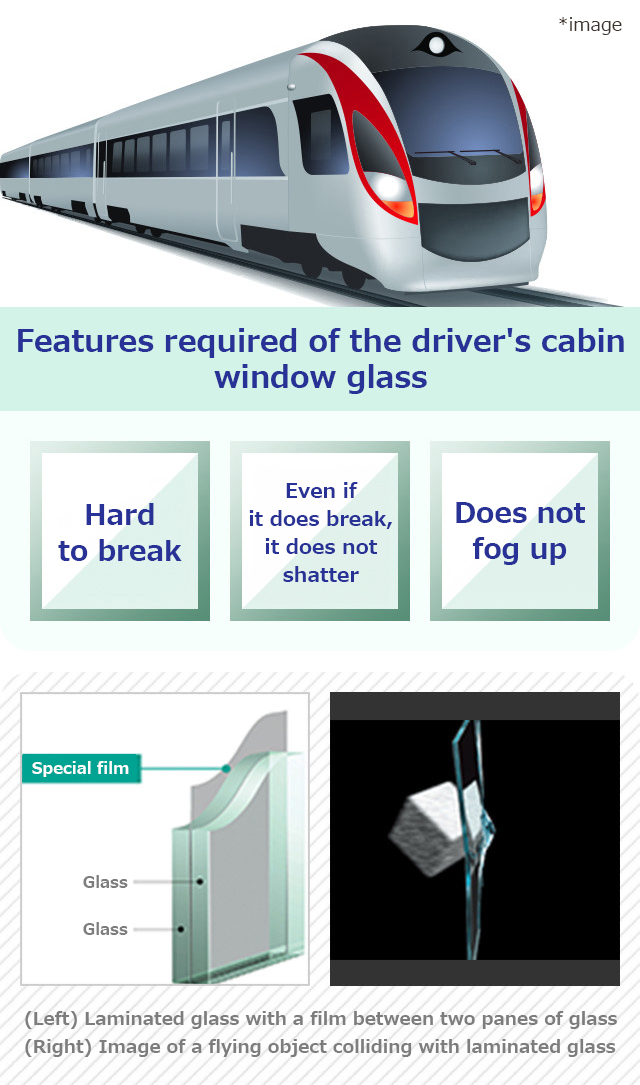
    Laminated glass holds together when broken. It has a plastic layer between glass sheets. Laws demand laminated glass in car windshields and skylights. This glass prevents glass from falling and reduces injury risks.

    Insulated Glass Criteria

    Insulated glass improves energy efficiency and soundproofing. It has two or more glass panes separated by a gas-filled space. Safety rules focus on strength and sealing quality. Proper insulated glass reduces heat loss and prevents condensation inside panes.

    Installation Guidelines

    Proper installation of glass is crucial for safety and durability. Glass must be installed following clear rules. These rules protect people and property from accidents and damage. Understanding these guidelines helps ensure safe and effective glass installation.

    Building Codes

    Building codes set the minimum safety standards for glass installation. They specify types of glass allowed in different areas. Codes require safety glass in places prone to impact. Installation must meet size, thickness, and strength rules. Inspectors check installations for code compliance. Following building codes prevents accidents and legal issues.

    Workplace Safety Standards

    Workplace safety standards protect workers handling and installing glass. These rules include using proper tools and protective gear. Training workers reduces risks of cuts and falls. Employers must ensure safe glass handling and installation methods. Safety standards also require clear signage around glass areas. Compliance creates a safer work environment.

    Public Space Regulations

    Public spaces have strict rules for glass installation. Glass must be strong and often laminated or tempered. It must resist breakage to protect the public. Installation must prevent sharp edges and hazards. Some places require markings on large glass panels. These rules keep public spaces safe for everyone.

    What Laws Govern Glass Safety: Essential Rules You Must Know

    Credit: www.senatorflynn.com

    Labeling And Certification

    Labeling and certification play a key role in glass safety laws. They ensure products meet safety standards. Clear labels and proper certification protect users and help manufacturers follow rules. This section explains how labeling and certification work for glass safety.

    Marking Requirements

    Glass products must have clear marks showing they meet safety rules. Marks include manufacturer name, safety standard, and type of glass. These labels help buyers know the glass is safe to use. Marking makes tracking and quality checks easier.

    Certification Processes

    Certification confirms glass products pass safety tests. Independent labs check glass strength and durability. If glass meets standards, it receives a certificate. This certificate proves the product is safe for use. Manufacturers must keep certificates for inspections.

    Compliance Testing

    Compliance testing checks if glass meets safety laws. Tests measure impact resistance, heat tolerance, and break patterns. Glass failing tests cannot be sold. Regular testing keeps products safe and reliable. Testing protects customers and builds trust.

    Penalties For Non-compliance

    Penalties for not following glass safety laws can be severe. These rules protect people from harm caused by unsafe glass products. Breaking these laws puts lives at risk and can lead to serious consequences. Companies and individuals must understand the penalties they face for non-compliance.

    Fines And Legal Actions

    Violating glass safety laws often results in heavy fines. These fines can reach thousands or even millions of dollars. Courts may also order legal actions against offenders. Lawsuits can come from government agencies or injured parties. Legal actions damage a company’s reputation and finances.

    Product Recalls

    Unsafe glass products may be recalled by authorities. Recalls force companies to remove dangerous items from the market. This process costs money and harms brand trust. It also delays new product launches and affects sales. Recalls show the serious impact of ignoring safety rules.

    Liability Issues

    Companies face liability if their glass causes injury or damage. Victims can sue for compensation in civil courts. Liability claims can lead to large payouts and settlements. Insurance may not cover all damages, increasing financial risks. Liability issues stress the importance of meeting safety standards.

    Recent Changes And Updates

    Recent changes in glass safety laws reflect growing concerns for public health and product reliability. These updates aim to reduce accidents and improve consumer protection. Both manufacturers and users now face new rules and standards that affect glass products.

    New Safety Innovations

    New technology improves glass strength and breakage patterns. Manufacturers use laminated and tempered glass more widely. These types reduce injury risks by holding glass pieces together.

    Smart glass options also emerge. They adjust transparency and can warn about damage or faults. These innovations support safer environments in homes and cars.

    Revised Legal Frameworks

    Authorities update laws to match modern glass technology. Standards now require clear labeling and testing before products reach the market. Safety certifications become mandatory for many glass items.

    Rules focus on energy efficiency and impact resistance. Governments set stricter limits on glass thickness and quality. These changes aim to prevent accidents and legal issues.

    Impact On Manufacturers And Consumers

    Producers must invest in new equipment and training. Compliance with updated laws means higher production costs but better safety. Companies face penalties if products fail to meet standards.

    Consumers gain safer glass products with longer life spans. They should check for official safety marks. Awareness helps people choose products that protect their families and property.

    Frequently Asked Questions

    What Laws Regulate Glass Safety Standards?

    Glass safety standards are regulated by laws like the Consumer Product Safety Act and ANSI Z97. 1. These laws ensure glass products meet safety and performance requirements to protect consumers from injury.

    Are Building Codes Related To Glass Safety Laws?

    Yes, building codes like the International Building Code include glass safety requirements. They regulate glass installation to ensure structural integrity and prevent accidents in buildings.

    How Does Osha Govern Glass Safety In Workplaces?

    OSHA sets workplace safety standards for handling and installing glass. These regulations reduce risks of cuts, falls, and other injuries related to glass in occupational settings.

    What Role Does The Fda Play In Glass Safety?

    The FDA regulates glass used in food and medical products. It ensures glass containers are safe, non-toxic, and do not contaminate the contents.

    Conclusion

    Glass safety laws protect people from harm every day. They set clear rules for making and using glass. These rules help prevent accidents in homes, cars, and workplaces. Understanding these laws helps you stay safe and informed. Always choose glass products that meet safety standards.

    Safety is not just a law but a smart choice. Stay aware and protect yourself and others around you. Safety matters, especially with glass.

  • What Cleaning Methods Improve Glass Safety: Top Expert Tips

    What Cleaning Methods Improve Glass Safety: Top Expert Tips

    Your glass surfaces play a bigger role in your safety than you might realize. When glass is not cleaned properly, tiny scratches or residues can weaken it, making it more prone to breaking.

    But what if the way you clean your glass could actually make it stronger and safer? You’ll discover simple, effective cleaning methods that protect your glass and keep your space secure. Ready to learn how a few easy steps can improve your glass safety?

    Keep reading—you won’t want to miss these game-changing tips.

    What Cleaning Methods Improve Glass Safety: Top Expert Tips

    Credit: www.homedepot.com

    Choosing Safe Cleaning Products

    Choosing safe cleaning products is key to keeping glass surfaces strong and clear. Harsh chemicals can weaken glass and cause damage over time. Safe cleaners protect glass while removing dirt and grime effectively. They also reduce health risks for people handling them. Selecting the right products helps maintain glass safety and appearance.

    Non-toxic Solutions

    Non-toxic cleaning products avoid harmful chemicals. They use natural ingredients that clean without risks. These solutions prevent damage to glass edges and coatings. Non-toxic cleaners also protect your skin and lungs from irritation. Using gentle formulas keeps glass safe and your home healthy.

    Avoiding Abrasive Chemicals

    Abrasive chemicals can scratch or weaken glass surfaces. Avoid products with acids, ammonia, or bleach. These substances can cause tiny cracks and cloudiness. Choose mild cleaners to preserve the glass’s strength. Gentle options clean well without wearing down the surface.

    Eco-friendly Options

    Eco-friendly cleaners are safe for glass and the planet. They use biodegradable ingredients that break down naturally. These products reduce chemical buildup on glass surfaces. Using eco-friendly options supports a cleaner environment. They clean glass safely and help protect nature.

    Proper Cleaning Techniques

    Proper cleaning techniques keep glass safe and clear. Using the right methods avoids scratches and damage. Clean glass lasts longer and stays strong. Follow simple steps to improve glass safety during cleaning.

    Using Soft Cloths And Sponges

    Choose soft cloths or sponges to clean glass. Rough materials can cause scratches. Microfiber cloths work best for delicate surfaces. Soft tools remove dirt without harming the glass. Avoid using paper towels or abrasive pads.

    Gentle Circular Motions

    Clean glass with gentle circular motions. This method lifts dirt without pressing hard. Circular movements cover the surface evenly. It helps avoid streaks and smudges. Slow, steady strokes protect the glass finish.

    Avoiding Excessive Pressure

    Do not press too hard while cleaning. Excessive pressure can crack or weaken glass. Light touch keeps the glass intact and safe. Let the cleaning solution do the work. Too much force increases the risk of damage.

    Maintaining Glass Integrity

    Maintaining glass integrity is key to keeping glass safe and durable. Glass can weaken over time due to damage or dirt buildup. Protecting the glass helps avoid accidents and costly repairs. Simple care steps extend the life and safety of your glass surfaces.

    Inspecting For Cracks And Chips

    Check glass often for cracks or chips. Small flaws can grow and cause breaks. Use good light and a close look. Report or fix any damage quickly. Early action stops bigger problems and keeps glass strong.

    Regular Cleaning Schedule

    Clean glass regularly to remove dirt and grime. Dirt can hide damage and weaken glass. Use soft cloths and gentle cleaners. Avoid harsh chemicals that can scratch or weaken glass. A clean surface reflects light better and stays safer.

    Protective Coatings And Treatments

    Apply protective coatings to strengthen glass. These treatments add a thin layer that resists scratches and breaks. Some coatings also repel water and dirt. Protective layers keep glass clear and tougher over time. Choose coatings made for your glass type.

    What Cleaning Methods Improve Glass Safety: Top Expert Tips

    Credit: serenevalleydesign.com

    Safety Precautions During Cleaning

    Cleaning glass surfaces requires care to keep everyone safe. Glass can break or cause cuts during cleaning. Taking proper safety steps prevents accidents and injuries. These precautions protect you and others around.

    Wearing Protective Gear

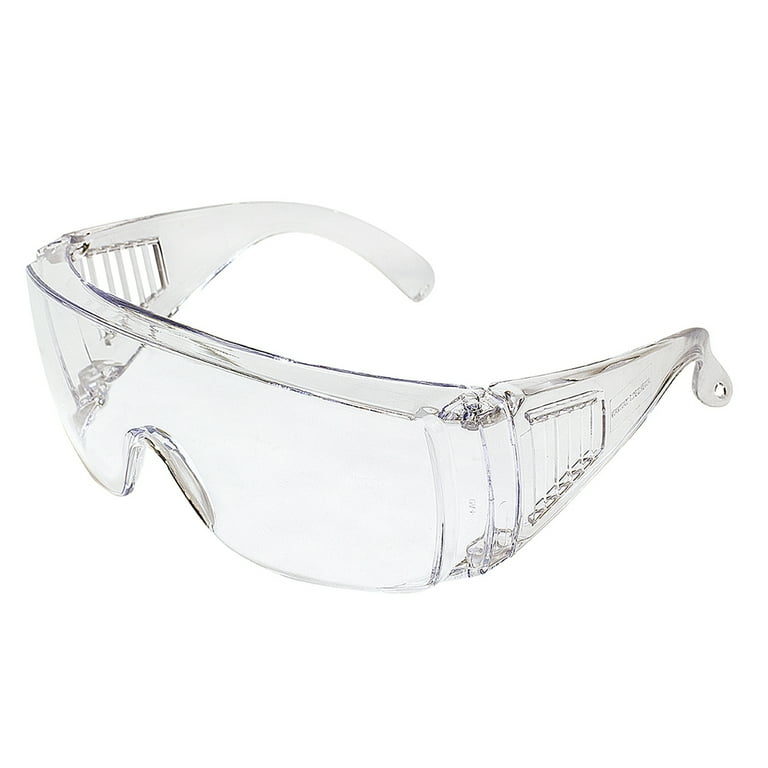
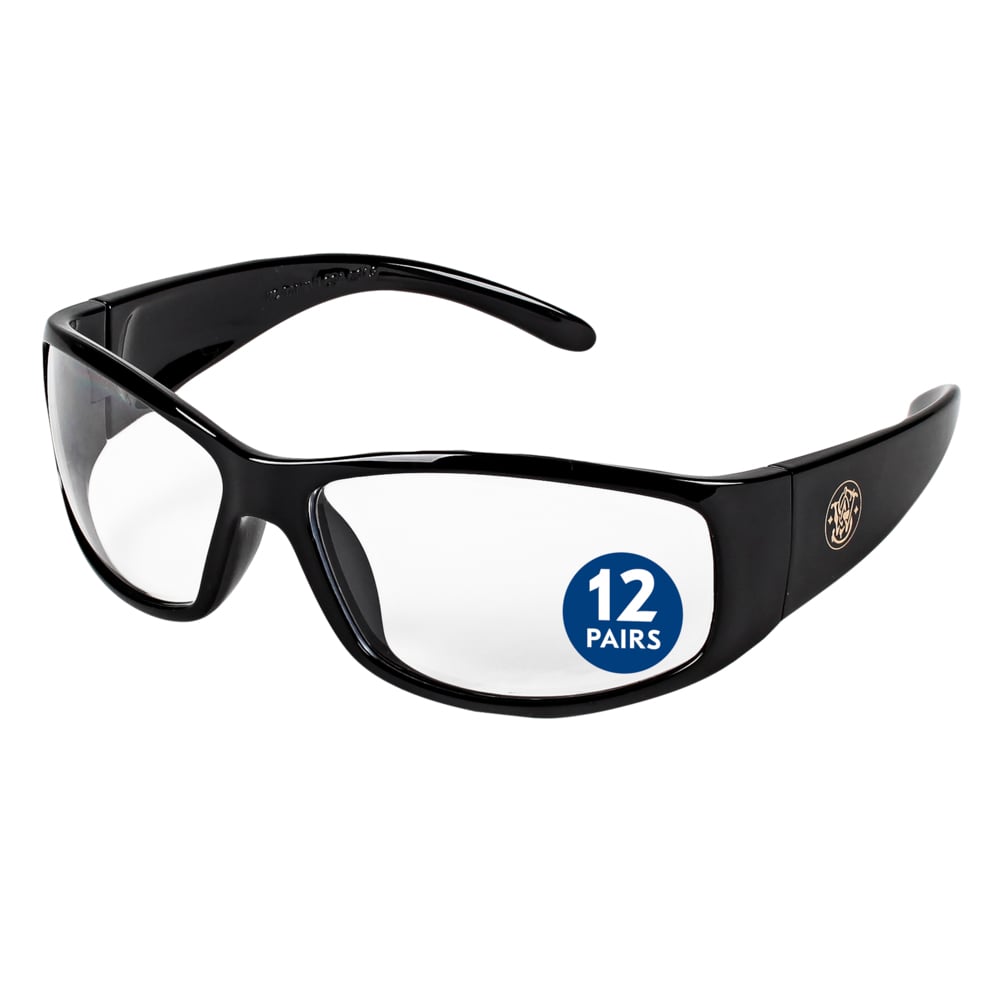
    Always wear gloves to protect your hands from sharp edges. Safety goggles keep your eyes safe from glass shards and cleaning chemicals. Use long sleeves to shield your arms from cuts. Proper clothing lowers the risk of injury while cleaning glass.

    Safe Handling Of Glass Panels

    Hold glass panels firmly but gently to avoid cracks. Carry glass vertically, not flat, to reduce breakage risk. Use suction cups or grips for large panels. Work slowly and carefully to prevent slips and drops. Clear the area of obstacles before moving glass.

    Disposing Of Broken Glass Safely

    Never throw broken glass in regular trash bags. Wrap shards in thick paper or cloth before disposal. Use a rigid container to hold broken pieces securely. Label the container as “broken glass” to warn others. Follow local rules for hazardous waste disposal.

    Expert Tips For Different Glass Types

    Different types of glass need different care for safety and cleanliness. Using the right cleaning method helps keep glass strong and clear. Avoid harsh chemicals and rough tools that can cause damage. Follow these expert tips for popular glass types.

    Tempered Glass Care

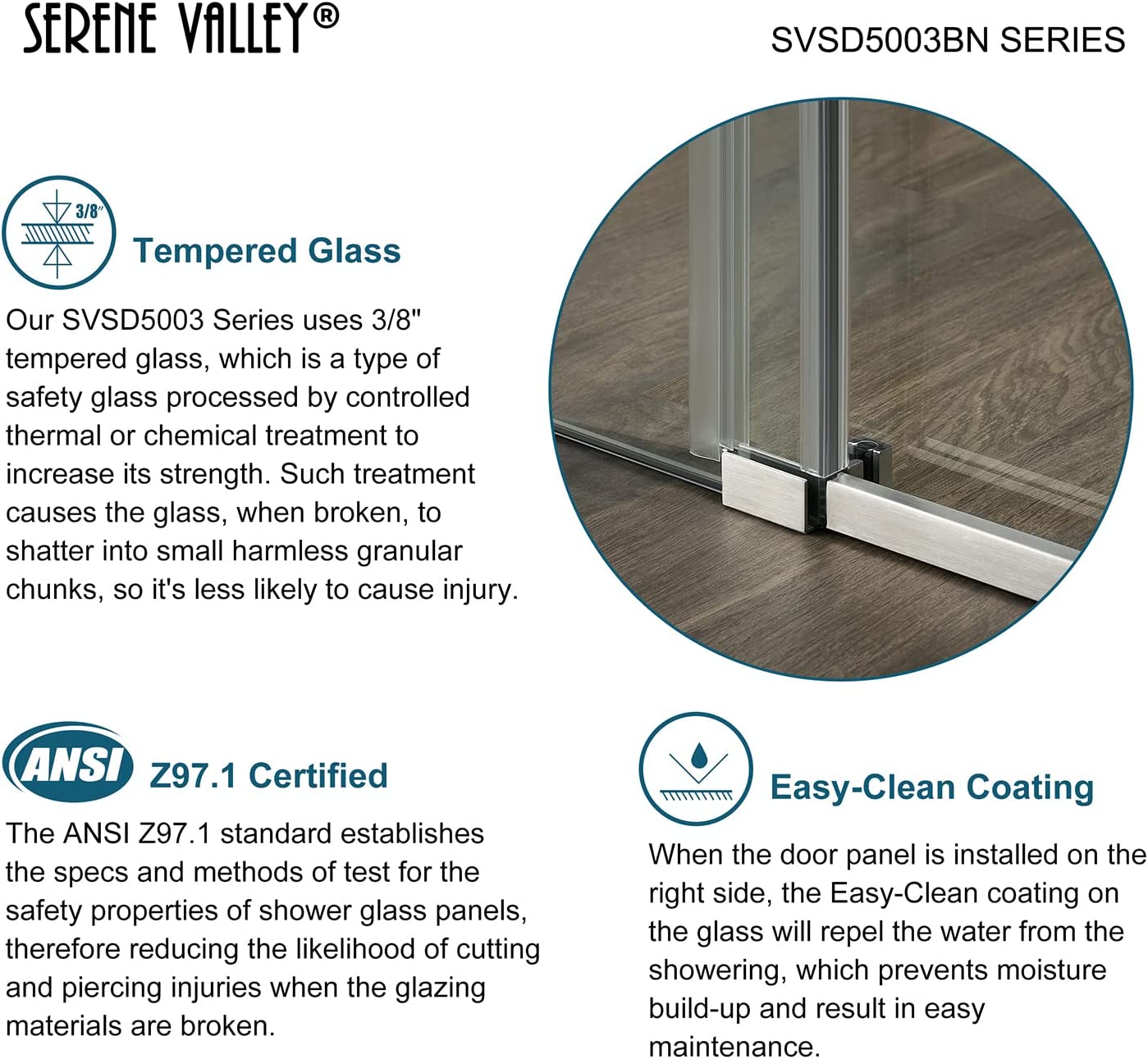
    Tempered glass is strong but can break if hit hard. Use a soft cloth and mild soap to clean it. Avoid sharp objects or abrasive sponges. Do not use ammonia or acid-based cleaners, as they can weaken the glass. Wipe gently to keep the surface smooth and safe.

    Laminated Glass Cleaning

    Laminated glass has a plastic layer inside for extra safety. Clean it with a non-abrasive cloth and mild detergent. Avoid soaking the edges to protect the inner layer. Use water and a soft sponge for best results. Dry with a clean cloth to prevent water spots.

    Stained And Decorative Glass

    Stained and decorative glass needs careful cleaning. Use a soft, damp cloth without strong chemicals. Avoid scrubbing to protect colors and designs. Test the cleaner on a small area before full cleaning. Clean gently to keep the glass beautiful and intact.

    What Cleaning Methods Improve Glass Safety: Top Expert Tips

    Credit: serenevalleydesign.com

    Frequently Asked Questions

    What Cleaning Methods Enhance Glass Safety Effectively?

    Using gentle, non-abrasive cleaners prevents scratches and damage. Regular cleaning removes dirt that weakens glass. Avoid harsh chemicals to maintain strength and clarity.

    How Does Regular Cleaning Improve Glass Safety?

    Regular cleaning removes dust and debris that cause surface wear. This prevents micro-cracks and maintains the glass’s structural integrity. Clean glass is easier to inspect for damages.

    Which Cleaning Products Are Safest For Glass Surfaces?

    Mild detergents, vinegar solutions, and commercial glass cleaners are safe. Avoid ammonia-based or acidic cleaners that can degrade glass coatings. Always use soft cloths or sponges.

    Can Improper Cleaning Reduce Glass Safety?

    Yes, abrasive materials or harsh chemicals can cause scratches and weaken glass. This increases the risk of breakage and injury. Proper cleaning methods preserve glass strength.

    Conclusion

    Safe glass cleaning protects both the glass and people around it. Using gentle, non-abrasive tools helps avoid scratches and cracks. Choosing the right cleaning solutions keeps glass strong and clear. Regular cleaning removes dirt that can weaken the surface. Always handle glass carefully during cleaning to prevent accidents.

    Clean glass not only looks better but lasts longer too. Simple steps make a big difference in glass safety. Keep these methods in mind for safer, cleaner glass every time.

  • How to Educate Drivers About Glass Safety: Essential Tips

    How to Educate Drivers About Glass Safety: Essential Tips

    Imagine you’re behind the wheel, and suddenly a small chip appears on your windshield. Do you know how dangerous it can be if left untreated?

    Glass safety isn’t just about keeping your car looking good—it’s about protecting your life and the lives of others on the road. You’ll learn simple but powerful ways to understand and teach glass safety to drivers. By the end, you’ll be equipped to make smarter choices every time you drive.

    Ready to discover how to stay safer and keep those around you safe too? Let’s dive in.

    How to Educate Drivers About Glass Safety: Essential Tips

    Credit: nl.edu

    Importance Of Glass Safety For Drivers

    Glass safety is vital for every driver on the road. Cracked or broken glass can cause serious injuries. It also blocks the driver’s view, increasing accident risks.

    Understanding glass safety helps drivers stay alert and cautious. It improves reaction time and decision-making during emergencies. Drivers can protect themselves and their passengers by knowing the right safety steps.

    Protecting Vision And Visibility

    Clear glass allows drivers to see the road clearly. Dirt, cracks, or fogged glass reduce visibility. Poor visibility leads to missed signs and hazards. Clean, intact glass helps avoid accidents and keeps roads safer.

    Preventing Injuries During Crashes

    Proper glass safety means using tempered or laminated glass. These types reduce sharp shards in crashes. Broken glass can cause cuts or worse injuries. Safe glass helps protect drivers and passengers from harm.

    Maintaining Vehicle Value

    Damaged glass lowers a car’s value. Repairing or replacing glass keeps the vehicle in good shape. Well-maintained glass also avoids costly repairs later. Drivers save money and keep their cars safe.

    Common Glass Hazards On The Road

    Glass hazards on the road pose serious risks for all drivers. These dangers can affect your safety and the safety of others. Understanding common glass issues helps you stay alert and take quick action.

    Knowing what to watch for keeps your drive safer. It also helps you act before small problems become big ones. Here are some common glass hazards every driver should know.

    Cracks And Chips

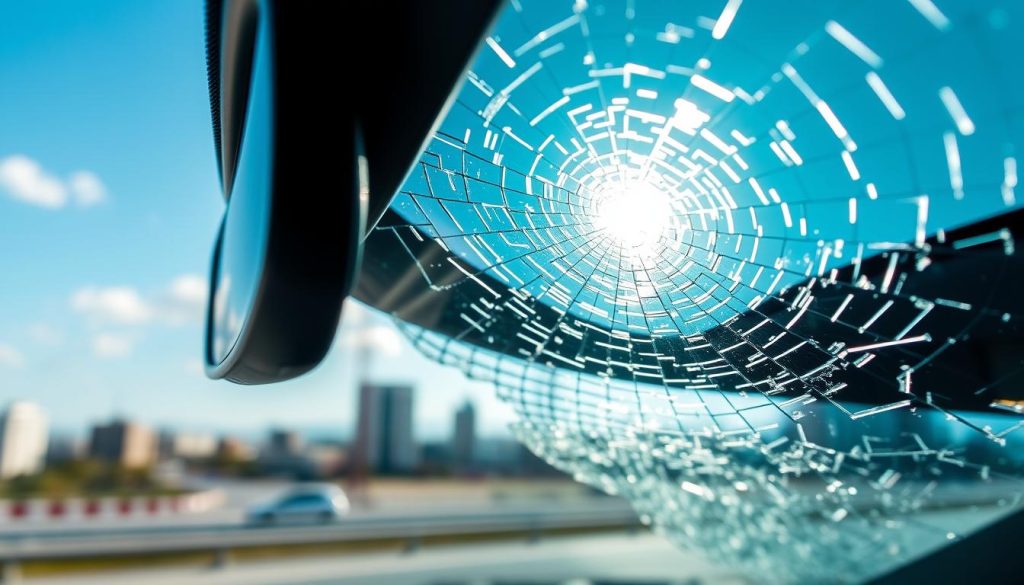
    Small cracks and chips can weaken your windshield. They start from minor impacts like stones or debris. Over time, these cracks grow and reduce glass strength. A damaged windshield may shatter more easily in accidents. Repair or replace glass at the first sign of damage.

    Shattered Windshields

    Shattered windshields happen from strong impacts or extreme pressure. Broken glass can cause injuries inside the car. It also blocks your view and control of the vehicle. Always replace shattered glass immediately to avoid danger on the road.

    Obstructed Visibility

    Dirty or fogged glass reduces your sight. Cracks and chips also blur your vision. Clear windows and windshields improve your ability to spot hazards. Clean and fix glass regularly to maintain a clear view. Safe driving depends on good visibility at all times.

    Safe Driving Practices To Protect Glass

    Safe driving helps protect your car’s glass from damage. Small cracks or chips can turn into big problems. Following safe driving habits reduces risks and keeps your glass clear and strong.

    Maintaining Safe Distance

    Keep enough space between your car and others. This distance helps avoid flying debris from other vehicles. It also gives time to react to sudden stops. A safe gap protects your windshield from cracks and chips.

    Avoiding Debris

    Watch the road carefully for loose objects. Rocks, sticks, and trash can hit your glass and cause damage. Drive around debris or slow down to reduce impact. Clean roads mean safer glass for your vehicle.

    Proper Speed Control

    Drive at speeds suitable for the road conditions. High speeds increase the chance of hitting debris hard. Slow speeds reduce impact force on your glass. Controlled speed helps keep your windshield intact and safe.

    How to Educate Drivers About Glass Safety: Essential Tips

    Credit: www.metro-magazine.com

    Regular Glass Inspection And Maintenance

    Regular glass inspection and maintenance keep drivers safe on the road. Small cracks or chips can grow quickly. These flaws weaken the glass and reduce visibility. Regular checks help catch problems early. Maintenance ensures the glass stays strong and clear. This section explains how to inspect, repair, and replace vehicle glass properly.

    Checking For Damage

    Look closely at the glass surface for cracks, chips, or scratches. Check both inside and outside. Use good light to see any damage. Even tiny chips can spread and cause big issues. Pay attention to areas near the edges. These spots are more likely to break under pressure. Regular checks prevent accidents caused by weak glass.

    Professional Repairs

    Small chips or cracks need fast repairs. Professionals use special tools and resins to fix damage. This process stops cracks from growing. Repairs keep the glass strong and clear. Do not ignore minor damage. Untreated cracks can cause the glass to shatter. Experts know the right repair methods for each type of damage.

    Replacing Damaged Glass

    Severe damage requires glass replacement. Large cracks or shattered glass cannot be repaired. Replacing glass restores strength and safety. Professionals remove the broken glass carefully. They install new glass that meets safety standards. Timely replacement prevents accidents and improves driving comfort. Always choose quality glass for replacement.

    Educating Drivers Through Training Programs

    Training programs play a key role in teaching drivers about glass safety. These programs help drivers understand risks and proper actions. They create safer roads for everyone. Training makes knowledge clear and easy to remember. Drivers gain skills to handle glass-related situations confidently.

    Incorporating Glass Safety In Curriculum

    Include glass safety topics in driver education courses. Explain the types of vehicle glass and their functions. Teach about glass damage signs and how to report them. Stress the importance of proper glass repair and replacement. Make glass safety a regular part of learning. This builds strong habits from the start.

    Using Visual Aids And Simulations

    Use pictures and videos to show glass hazards clearly. Simulations let drivers practice responses without real danger. Visual tools improve understanding and retention of safety rules. They make lessons more engaging and easier to follow. Drivers see real-life scenarios and learn the right actions. This hands-on approach boosts confidence and readiness.

    Hands-on Workshops

    Organize practical workshops for glass safety skills. Let drivers inspect glass for cracks and chips. Teach how to handle emergency glass breakage safely. Practice quick, calm actions in controlled settings. Hands-on work deepens learning and builds muscle memory. Drivers leave workshops better prepared for real events.

    Promoting Awareness With Campaigns

    Promoting awareness about glass safety helps keep drivers alert and protected. Campaigns teach important facts about windshield care and damage prevention. They reach many people fast, making the roads safer for everyone.

    Social Media Outreach

    Social media spreads glass safety tips quickly and widely. Short posts and videos show how to spot cracks and fix chips. Sharing real stories helps drivers understand risks and act early. Regular updates keep safety fresh in people’s minds.

    Community Events

    Community events bring people together for hands-on learning about glass safety. Demonstrations show how to check windshields for damage. Experts answer questions and share advice. These events build trust and make safety a local priority.

    Collaborations With Auto Shops

    Auto shops play a key role in promoting glass safety. They offer free inspections and explain repair options. Partnering with shops helps spread safety messages directly to car owners. This teamwork encourages timely fixes and prevents bigger problems.

    Emergency Response For Glass-related Incidents

    Glass-related incidents can cause serious injuries. Knowing how to respond quickly helps reduce harm. Drivers should learn emergency steps to handle cuts and broken glass safely. This knowledge can protect everyone in the vehicle.

    First Aid For Cuts

    Stop the bleeding by pressing a clean cloth on the cut. Keep pressure steady for several minutes. Avoid removing large glass pieces stuck in the wound. Clean small cuts gently with water. Cover the cut with a sterile bandage to prevent infection. Watch for signs of infection like redness or swelling.

    Safe Glass Removal

    Do not touch broken glass with bare hands. Use thick gloves or a cloth to pick up glass pieces. Clear the area to avoid more injuries. Dispose of glass in a sturdy container. Avoid sharp edges that can cause more cuts. Keep the vehicle clean to prevent glass fragments from spreading.

    When To Seek Professional Help

    Call emergency services if bleeding is heavy or won’t stop. Seek medical care for deep cuts or glass embedded in the skin. Visit a doctor if the injury shows signs of infection. Get help if vision changes after glass contact. Always choose professional care for serious glass injuries.

    How to Educate Drivers About Glass Safety: Essential Tips

    Credit: driveredsafety.com

    Frequently Asked Questions

    What Are The Key Glass Safety Tips For Drivers?

    Drivers should always check for cracks and chips in their windshields. Avoid sudden temperature changes to prevent glass breakage. Use proper protective gear when cleaning or repairing glass. Regular maintenance and professional inspections enhance overall glass safety on the road.

    How Can Drivers Recognize Hazardous Glass Conditions?

    Drivers should look for visible cracks, chips, or discoloration on the glass. Foggy or hazy windshields can impair visibility and indicate damage. Unusual noises or vibrations while driving may also signal glass issues needing immediate attention.

    Why Is Educating Drivers About Glass Safety Important?

    Educating drivers reduces accidents caused by impaired visibility or shattered glass. It promotes timely maintenance and repairs, ensuring safer driving conditions. Awareness helps prevent injury during collisions and supports responsible vehicle ownership.

    What Materials Help Improve Driver Awareness Of Glass Safety?

    Use clear, visual guides like infographics and videos demonstrating glass safety tips. Distribute brochures with common glass hazards and preventive measures. Interactive workshops and online courses can also enhance understanding and engagement.

    Conclusion

    Educating drivers about glass safety protects lives on the road. Clear information helps drivers understand risks and take action. Simple tips make it easy to remember and apply daily. Safe driving habits reduce accidents caused by glass damage. Everyone benefits from stronger awareness and better safety skills.

    Keep sharing knowledge to create safer roads for all. Small steps lead to big changes in driver safety. Stay alert, stay safe, and respect glass safety rules.

  • How to Improve Glass Safety in Daily Driving: Essential Tips & Tricks

    How to Improve Glass Safety in Daily Driving: Essential Tips & Tricks

    Your safety on the road depends on many things, but one often overlooked factor is the condition of your car’s glass. Cracks, chips, or weak windows can turn a simple drive into a dangerous situation.

    Imagine how quickly a small stone hitting your windshield could become a big problem if your glass isn’t strong enough. You might not realize it, but improving your glass safety can protect you, your passengers, and even save your life.

    You’ll discover easy and effective ways to boost your glass safety every time you get behind the wheel. Keep reading to learn how small changes can make a huge difference in your daily driving safety.

    Common Glass Hazards On The Road

    Glass safety is a key part of safe driving every day. Damaged or weak glass can cause accidents and injuries. Knowing common glass hazards helps drivers stay alert. This knowledge also guides timely repairs and better driving habits.

    Glass problems often start small but grow fast. Early signs should never be ignored. Understanding the types and causes of glass damage can prevent bigger issues on the road.

    Types Of Glass Damage

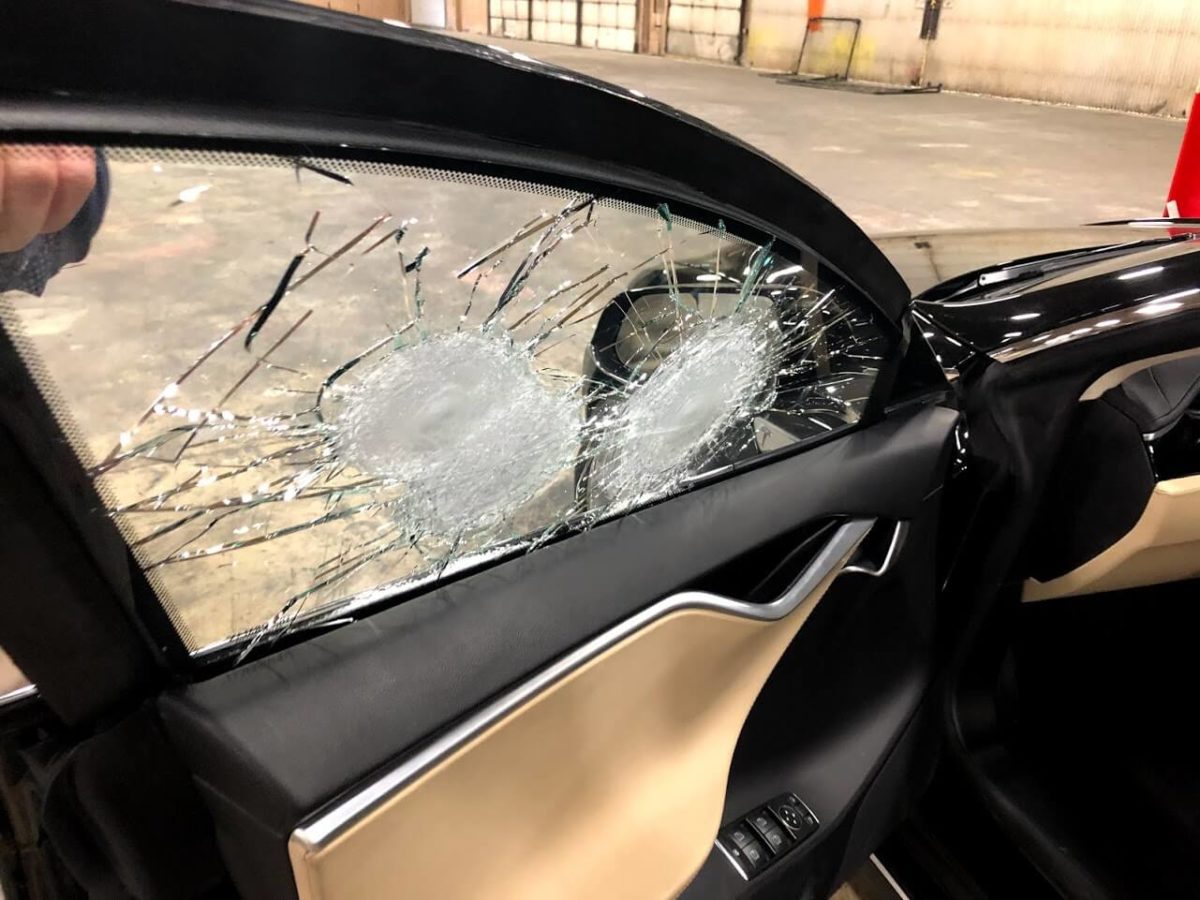
    Car glass can suffer from many types of damage. Chips and small cracks are the most common. Star breaks and bullseye cracks look like small circles or stars. Long cracks can spread across the windshield quickly. Each type weakens the glass differently.

    Causes Of Windshield Cracks

    Road debris like stones and gravel often hit the windshield. Sudden temperature changes cause stress in the glass. Poor installation or old age also make glass fragile. Even minor collisions can crack or shatter the glass.

    Risks Of Damaged Glass

    Damaged glass reduces visibility, increasing accident risk. It can shatter under pressure, causing injuries. Weak glass offers less protection in crashes. Repair delays can make damage worse and cost more later.

    How to Improve Glass Safety in Daily Driving: Essential Tips & Tricks

    Credit: www.thedailyworld.com

    Choosing The Right Glass Protection

    Choosing the right glass protection improves safety during daily driving. The right glass reduces injury risks in accidents. It also protects from debris and harsh weather. Understanding different glass types helps pick the best option.

    Benefits Of Laminated Glass

    Laminated glass has two glass layers with a plastic layer in between. It stays intact if broken, preventing sharp shards. This reduces the chance of injury during crashes. Laminated glass also blocks harmful UV rays. It lowers noise from outside, making driving quieter.

    Tempered Glass Features

    Tempered glass is heat-treated to increase strength. It breaks into small, blunt pieces on impact. This lowers the risk of cuts in accidents. It is lighter and more resistant to temperature changes. Tempered glass is often used for side and rear windows.

    Protective Films And Coatings

    Protective films add an extra layer to existing glass. They help hold glass together if it breaks. Some films reduce glare and block UV rays. Coatings can make glass scratch-resistant and easier to clean. Films and coatings improve glass durability and safety.

    Regular Maintenance Practices

    Regular maintenance keeps your car glass safe and clear. It helps spot small problems early. This prevents big, costly damage later. Clean, well-kept glass improves your view on the road. It reduces glare and distractions. Follow simple steps to care for your vehicle’s glass daily.

    Cleaning Techniques For Clear Visibility

    Use a soft cloth and glass cleaner for cleaning. Avoid harsh chemicals that can damage the glass. Clean inside and outside for best results. Wipe in circular motions to remove dirt and streaks. Replace windshield wipers regularly to keep glass clear in rain. Clear visibility helps avoid accidents.

    Inspecting For Chips And Cracks

    Look closely at your windshield for small chips or cracks. Check after driving on rough roads or after storms. Even tiny chips can grow over time. Use good lighting to spot damage early. Inspect all car windows, not just the windshield. Early detection helps keep glass strong and safe.

    Timely Repairs To Prevent Damage

    Fix chips and cracks as soon as possible. Small repairs cost less and stop damage from spreading. Visit a professional repair shop for the best results. Avoid driving with damaged glass during extreme weather. Timely repairs keep your glass safe and your drive smooth.

    How to Improve Glass Safety in Daily Driving: Essential Tips & Tricks

    Credit: www.fleetio.com

    Safe Driving Habits For Glass Safety

    Safe driving habits play a big role in protecting your car’s glass. Small actions while driving help prevent cracks and chips. These habits also keep you and others safer on the road.

    Focus on driving carefully and paying attention to road conditions. This can reduce the risk of damage to your windshield and windows. Let’s explore key habits that improve glass safety during daily driving.

    Maintaining Safe Following Distance

    Keep enough space between your car and the vehicle ahead. A good distance helps avoid flying debris and sudden stops. It also gives you more time to react to hazards on the road. Stay alert and adjust distance in heavy traffic or bad weather.

    Avoiding Gravel And Debris

    Drive away from loose gravel or debris on the road. Stones and small objects can hit your windshield and cause chips. If you see debris, slow down or change lanes safely. Be extra careful near construction zones and unpaved roads.

    Handling Extreme Weather Conditions

    Weather affects glass safety a lot. Rain, snow, and ice can weaken your windshield. Use windshield wipers and defrosters to keep glass clear. Drive slower in bad weather to avoid accidents and glass damage. Never use hot water to defrost glass; it may cause cracks.

    Upgrading Your Vehicle’s Glass Features

    Upgrading your vehicle’s glass features can greatly improve safety during daily driving. New glass technologies help you see better and protect you from harsh weather and sun. These improvements make driving more comfortable and reduce risks on the road.

    Installing Rain Sensors

    Rain sensors detect water on the windshield. They turn on the wipers automatically. This keeps your view clear without needing to touch controls. Sensors adjust the wiper speed based on rain intensity. This helps maintain good visibility in all weather.

    Using Heated Windshields

    Heated windshields remove frost and ice quickly. They use thin wires or films inside the glass to warm it. This prevents ice build-up in cold weather. Heated glass also clears fog faster. It saves time and keeps your vision clear.

    Adding Uv Protection Films

    UV protection films block harmful sun rays. They reduce glare and heat inside the car. These films protect your skin and eyes from UV damage. They also help keep the interior cooler. UV films improve comfort and safety during sunny drives.

    How to Improve Glass Safety in Daily Driving: Essential Tips & Tricks

    Credit: www.amazon.com

    Emergency Steps For Glass Damage

    Glass damage can happen anytime during driving. Acting quickly helps keep you safe. Knowing what to do in emergencies reduces risks. This guide covers steps to handle glass damage on the road.

    Temporary Fixes For Cracks

    Small cracks can get worse fast. Cover the crack with clear tape. This stops dirt and moisture from entering. Avoid touching or pressing the crack. Drive slowly to reduce vibration on the glass. Use a windshield repair kit for minor cracks. These kits fill cracks and prevent spreading.

    When To Seek Professional Help

    Large cracks or chips need expert care. If the crack is longer than a dollar bill, call a specialist. Cracks near the edges weaken the glass more. Sudden changes in temperature can make cracks grow. Visit an auto glass shop for inspection. They can repair or replace the glass safely.

    Preventing Further Damage On The Road

    Keep a safe distance from other vehicles. Stones or debris can hit your glass and cause damage. Avoid potholes and rough roads to reduce stress on glass. Park your car in shaded areas to avoid heat stress. Use a sunshade to protect your windshield. Check glass regularly for new cracks or chips.

    Frequently Asked Questions

    How Can I Prevent Windshield Cracks While Driving?

    Avoid sudden temperature changes and road debris. Maintain safe distance from trucks. Regularly inspect for small chips and repair them promptly to prevent cracks from spreading.

    What Is The Best Glass Type For Car Safety?

    Laminated safety glass is ideal. It holds together when shattered, reducing injury risk. It also minimizes glass shards inside the vehicle during accidents.

    How Often Should I Check My Car’s Glass Condition?

    Inspect your car glass monthly for chips, cracks, or scratches. Early detection helps maintain safety and visibility. Prompt repairs ensure better protection during daily driving.

    Can Tinted Windows Improve Glass Safety?

    Yes, tinted windows can reduce glare and UV exposure. They also help hold shattered glass together, enhancing occupant safety during accidents or break-ins.

    Conclusion

    Safe glass helps protect you every time you drive. Regular checks keep cracks and chips from growing. Clean windows improve your view and reduce accidents. Use quality products to keep glass strong and clear. Small habits, like careful parking, prevent damage.

    Stay alert to road conditions that may harm your glass. Taking these steps makes driving safer for you and others. Simple actions protect your car and your life. Keep your glass safe, drive with confidence every day.

  • How Glare Impacts Glass Safety: Essential Risks Revealed

    How Glare Impacts Glass Safety: Essential Risks Revealed

    Have you ever noticed how glare on glass can catch your eye and make it hard to see clearly? That bright reflection might seem harmless, but it can actually affect the safety of the glass you rely on every day.

    Whether it’s the windows in your home, the windshield of your car, or the glass doors at work, glare can create hidden risks you might not realize. You’ll discover how glare impacts glass safety and what you can do to protect yourself and those around you.

    Keep reading—your safety depends on understanding this surprising connection.

    Glare And Its Sources

    Glare is a common issue affecting glass safety. It reduces visibility and causes discomfort. Many sources create glare, making glass surfaces hard to see through. Understanding these sources helps reduce glare risks. This section explains the main sources of glare.

    Natural Light And Sun Glare

    Sunlight is the strongest natural glare source. Bright sunlight reflects directly off glass. This causes intense glare that blinds eyes briefly. Morning and evening sun create sharp glare angles. These times increase the risk of accidents near glass. Trees or buildings can also reflect sunlight onto glass surfaces.

    Artificial Lighting Effects

    Artificial lights can produce harsh glare on glass. Bright lamps and LED lights reflect off smooth glass surfaces. Poorly placed lights increase glare intensity. Office or home lighting without proper covers can cause eye strain. Glare from artificial lights reduces clear vision through glass.

    Reflective Surfaces

    Surrounding reflective surfaces add to glass glare. Shiny floors, cars, and metal objects bounce light onto glass. This reflection creates confusing visual patterns. It makes it hard to see clearly through glass doors or windows. Reflective surfaces near glass increase safety risks.

    Glare’s Impact On Visibility

    Glare affects how clearly people see through glass. It creates bright spots and reflections that block the view. This can make glass less safe in many settings.

    Understanding glare’s impact on visibility helps improve safety and comfort. It shows why glare control matters for windows, windshields, and glass doors.

    Reduced Clarity Through Glass

    Glare lowers the sharpness of what you see through glass. Bright light reflections blur objects behind the glass. This makes it hard to notice details and shapes. Reduced clarity can cause accidents or mistakes.

    Distorted Perception

    Glare changes how the brain interprets images through glass. It can make objects appear bigger, smaller, or in the wrong place. This distortion confuses the eyes and mind. People may misjudge distances or directions.

    Increased Eye Strain

    Bright glare forces the eyes to work harder. Constant squinting and focusing cause tired eyes. Eye strain leads to headaches and discomfort. Over time, this reduces alertness and safety.

    Safety Risks Linked To Glare

    Glare on glass surfaces is more than a visual annoyance. It creates real safety risks that affect everyone. Bright reflections can blur vision and cause distractions. These issues increase the chance of accidents and injuries in homes, workplaces, and public spaces.

    Understanding how glare impacts safety helps in finding ways to reduce its dangers. Below are the key safety risks linked to glare on glass.

    Accidents And Injuries

    Glare can cause sudden blindness or discomfort. This leads to slips, trips, and falls around glass doors or windows. Drivers and pedestrians also face risks when glare blocks clear sight. Injuries from collisions or falls often happen because glare hides hazards.

    Impaired Decision-making

    Bright reflections confuse the eyes and brain. This slows reaction time and affects judgment. People may misjudge distances or miss important signs. Poor decisions in risky areas increase the chance of harm.

    Delayed Hazard Detection

    Glare makes it hard to see obstacles or warning signals. This delays spotting dangers near glass panels or screens. The longer hazards go unnoticed, the higher the risk of accidents. Early detection is key for safety, but glare blocks it.

    How Glare Impacts Glass Safety: Essential Risks Revealed

    Credit: www.walmart.com

    Vulnerable Environments

    Glare affects glass safety in many places. Some environments face greater risks from glare. These places need careful attention to reduce glare problems. Glare can cause accidents, reduce visibility, and increase eye strain. Understanding where glare impacts safety helps protect people and property.

    Automotive And Transportation

    Glare is a serious issue in cars, buses, and trains. Bright sunlight or headlights can blind drivers temporarily. This increases the chance of crashes. Glass windows and windshields must reduce glare to keep drivers safe. Special coatings or films can help lower glare. Clear vision is critical for quick responses on the road.

    Residential And Commercial Buildings

    Glare also affects homes and offices. Large windows can let in too much sunlight. This creates hot spots and makes it hard to see screens. Glare can cause discomfort and reduce productivity. Using tinted glass or blinds helps control glare. It keeps indoor spaces safer and more comfortable for everyone.

    Workplace Settings

    Workplaces with glass walls or windows often face glare problems. Glare can distract workers and cause eye fatigue. Tasks requiring focus and detail become harder. Factories, labs, and offices benefit from glare-reducing glass. Reducing glare improves safety and helps workers perform better. Proper lighting and glass choices make a big difference.

    Mitigation Strategies

    Glare can create serious safety risks around glass surfaces. It reduces visibility and causes discomfort. Mitigation strategies help lower these risks by improving how light interacts with glass. These methods focus on reducing glare without sacrificing natural light or aesthetic value. Below are key ways to manage glare effectively.

    Anti-glare Coatings

    Anti-glare coatings reduce light reflection on glass surfaces. They create a matte finish that scatters light evenly. This helps prevent harsh reflections that can blind or distract people. These coatings are thin and clear, so they do not change the glass’s appearance much. They also improve visibility and comfort in bright conditions.

    Tinting And Films

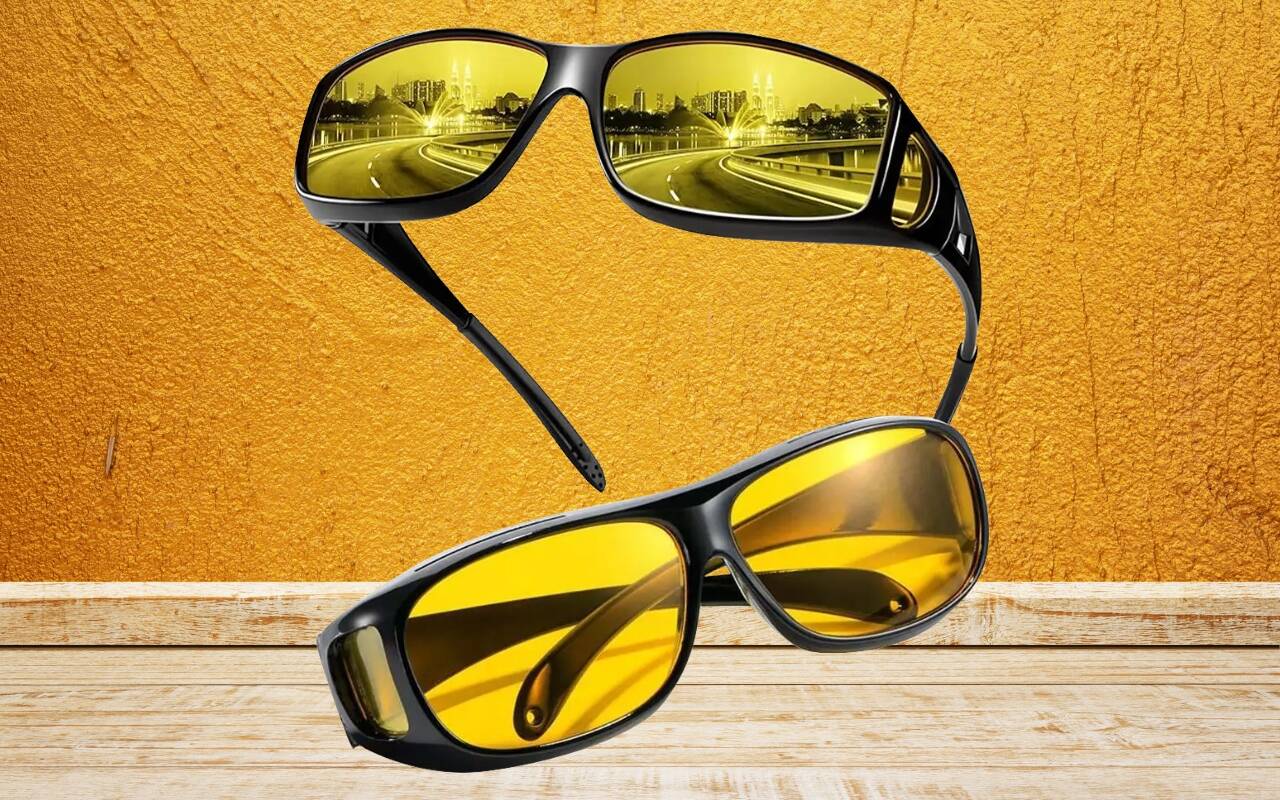
    Tinting glass adds a colored shade that lowers light intensity. Films are thin layers applied to glass to control glare. Both options reduce the amount of sunlight entering through the glass. This helps protect eyes from strong glare and heat. Tinted glass and films also increase privacy and UV protection.

    Strategic Lighting Design

    Proper lighting placement cuts down glare on glass surfaces. Light sources should avoid direct reflection into people’s eyes. Using diffused or indirect lighting softens harsh light. Positioning fixtures carefully enhances visibility and safety. Thoughtful lighting design balances natural and artificial light for best results.

    How Glare Impacts Glass Safety: Essential Risks Revealed

    Credit: espacioeslava.com

    Innovations In Glass Technology

    Innovations in glass technology improve how we handle glare and increase glass safety. New developments help control light and heat through glass. These advances protect eyes and reduce accidents caused by glare. Modern glass solutions also enhance comfort in homes and vehicles.

    Smart Glass Solutions

    Smart glass changes its properties based on light conditions. It can switch from clear to tinted in seconds. This reduces glare and improves visibility. Smart glass also blocks harmful UV rays. It keeps interiors cooler and safer.

    Adaptive Transparency

    Adaptive transparency means glass adjusts its clarity automatically. Sensors detect sunlight intensity and adjust tint levels. This feature reduces glare without manual effort. It helps drivers and building occupants see clearly. Adaptive glass improves safety on roads and in offices.

    Future Trends

    Future glass will offer better glare control and energy efficiency. Researchers work on self-cleaning and anti-fog glass. New materials promise lighter and stronger glass panels. These trends aim to protect users and the environment. The future of glass technology looks bright and safe.

    How Glare Impacts Glass Safety: Essential Risks Revealed

    Credit: www.martinispa.com

    Frequently Asked Questions

    What Causes Glare On Glass Surfaces?

    Glare on glass occurs due to intense light reflection. It happens when sunlight or artificial light hits glass at certain angles, creating bright spots that impair visibility and safety.

    How Does Glare Affect Glass Safety?

    Glare reduces visibility through glass, increasing accident risks. It can cause eye strain, distraction, and hinder the ability to notice hazards behind or on glass surfaces.

    Can Glare Damage Glass Or Reduce Its Lifespan?

    Glare itself doesn’t damage glass or shorten its lifespan. However, excessive heat from reflected sunlight can weaken glass over time in extreme cases.

    What Are Common Solutions To Reduce Glare On Glass?

    Anti-glare coatings, tinted films, and blinds effectively reduce glare. These solutions improve visibility, enhance safety, and protect against harmful UV rays.

    Conclusion

    Glare can create serious risks around glass surfaces. It reduces visibility and can cause accidents. People may not see cracks or damage clearly. This makes glass less safe in homes and workplaces. Taking steps to reduce glare improves safety a lot.

    Using proper coatings or films helps a great deal. Clear glass with less glare protects everyone better. Think about glare whenever you choose or install glass. Safety and comfort go hand in hand here. Small changes bring big improvements to glass safety.

  • What Types of Safety Glass are Used in Vehicles: Essential Guide

    What Types of Safety Glass are Used in Vehicles: Essential Guide

    Have you ever wondered what keeps you safe when you’re behind the wheel? The glass in your vehicle does much more than just let you see the road—it plays a crucial role in protecting you during accidents.

    But did you know there are different types of safety glass used in cars? Understanding these can help you appreciate how your vehicle is designed to keep you secure. You’ll discover the main types of safety glass used in vehicles and why they matter for your safety every time you drive.

    Keep reading to find out what’s really shielding you on the road.

    Tempered Glass

    Tempered glass is a strong type of safety glass used in many vehicles. It is designed to break into small, dull pieces instead of sharp shards. This reduces the risk of injury during accidents. The glass is heat-treated to improve its strength and safety features.

    Manufacturing Process

    Tempered glass starts as regular glass. It is cut and shaped to the needed size. Then, it is heated to very high temperatures, around 620 degrees Celsius. After heating, it cools quickly with blasts of cold air. This process creates stress inside the glass, making it much stronger.

    Safety Features

    Tempered glass breaks into tiny, blunt pieces. These pieces are less likely to cause cuts or serious injuries. The glass also resists impacts better than normal glass. It can withstand strong hits without breaking easily. This protects passengers and drivers during crashes or road debris strikes.

    Common Uses In Vehicles

    Tempered glass is mostly used for side and rear windows in vehicles. It offers good visibility and strong protection. The glass can also handle sudden temperature changes well. Windshields usually use laminated glass instead for extra safety. But tempered glass is perfect for areas needing impact resistance and easy replacement.

    Laminated Glass

    Laminated glass is a key safety feature in many vehicles. It keeps drivers and passengers safe during accidents. This type of glass does not shatter into sharp pieces. Instead, it holds together, reducing injury risks. Understanding laminated glass helps explain why it is so important in cars.

    Composition And Layers

    Laminated glass consists of two or more glass layers. Between these layers, there is a plastic film called polyvinyl butyral (PVB). This film acts like glue, holding the glass layers together. The PVB layer also absorbs energy from impacts. This structure keeps the glass from breaking apart easily.

    Impact Resistance

    Laminated glass absorbs the force of impacts well. When hit, the glass may crack but stays intact. The plastic layer stops the glass from falling apart. This reduces the chance of sharp shards flying inside the vehicle. It helps protect passengers from cuts and injuries.

    Applications In Windshields

    Most car windshields use laminated glass. This glass type offers clear visibility and strong protection. It prevents passengers from being thrown out during accidents. It also blocks harmful UV rays from the sun. Laminated glass is essential for safe driving and passenger safety.

    Acoustic Glass

    Acoustic glass is a special type of safety glass designed to reduce noise inside vehicles. It helps create a quiet and comfortable cabin. This glass is popular in cars where a peaceful ride matters. It blocks outside sounds like traffic, wind, and road noise.

    Noise Reduction Benefits

    Acoustic glass lowers harmful noise levels for drivers and passengers. It absorbs sound waves, making the cabin quieter. This reduction helps reduce fatigue during long drives. Clear conversations and music sound better inside the vehicle.

    Material Structure

    The glass has a special layer of sound-absorbing material. This layer is placed between two sheets of glass. It blocks vibrations and stops noise from passing through. The structure also keeps the glass strong and safe during impacts.

    Usage In Luxury Vehicles

    Luxury car makers often use acoustic glass for comfort. It adds a premium feel to the vehicle’s interior. This glass helps keep the cabin calm in busy city traffic. Many high-end models include it as a standard feature.

    Heat-reflective Glass

    Heat-reflective glass is a special type of safety glass used in many vehicles. It helps keep the car cool by reflecting heat from the sun. This glass improves comfort inside the vehicle without blocking visibility.

    Car makers often choose heat-reflective glass for windshields, side windows, and sunroofs. It reduces the need for air conditioning, saving fuel and energy. This glass also protects the car’s interior from damage caused by heat.

    Thermal Protection

    Heat-reflective glass blocks a large amount of infrared light. Infrared light carries heat from the sun into the vehicle. This glass sends much of this heat away, keeping the cabin cooler. It helps maintain a steady temperature even on hot days.

    Uv Filtering

    This glass also filters out harmful ultraviolet (UV) rays. UV rays can cause skin damage and fade car interiors. Heat-reflective glass reduces UV exposure for drivers and passengers. It adds an extra layer of protection against sun damage.

    Advantages For Drivers And Passengers

    Drivers and passengers enjoy a cooler and more comfortable ride. The glass reduces glare, making driving safer. It also lowers the strain on the car’s air conditioning system. This helps improve fuel efficiency. Passengers feel less tired and more relaxed during trips.

    Bulletproof And Security Glass

    Bulletproof and security glass plays a vital role in vehicle safety. This type of glass protects passengers from bullets, blasts, and forced entry. It is common in armored cars, police vehicles, and VIP transport. The glass is strong but still allows clear vision.

    Construction And Materials

    Bulletproof glass is made from multiple layers of glass and plastic. These layers stick tightly together to absorb impact. Usually, layers of polycarbonate or acrylic add flexibility and strength. The thickness varies based on protection needs. This combination stops bullets and sharp objects from passing through. The glass also resists shattering and cracking.

    Protection Levels

    Different levels of protection exist for bulletproof glass. Some glass stops small bullets, while others block high-caliber rounds. Protection is tested and rated by standards like UL 752 or NIJ. Higher ratings mean thicker, heavier glass. Vehicles with high protection levels often have glass several inches thick. This glass can also resist explosions and forced entry.

    Specialized Vehicle Applications

    Bulletproof glass fits many specialized vehicles. Armored cars use it for VIP safety and security. Police vehicles have it to protect officers during dangerous missions. Cash transport trucks rely on it to guard valuables. Some military vehicles use even stronger glass for battle zones. Each application requires specific glass thickness and strength. The goal is maximum protection without losing visibility.

    What Types of Safety Glass are Used in Vehicles: Essential Guide

    Credit: www.agc.com

    Regulations And Standards

    Vehicle safety glass is not random. It follows strict rules to keep passengers safe. These rules come from global and local authorities. They guide how glass is made and tested. Understanding these regulations helps us know why certain glass types are used.

    Safety Requirements

    Safety glass must protect passengers during crashes. It should not break into sharp pieces. Laminated glass and tempered glass are common types. Laminated glass holds together when cracked. Tempered glass shatters into small, dull pieces. These features meet safety rules for vehicles.

    Testing Procedures

    Glass undergoes many tests before use. Impact tests check if glass can resist hits. Temperature tests ensure glass stays strong in heat and cold. Visibility tests confirm clear vision for drivers. These checks make sure glass performs well in real conditions.

    Global Compliance

    Different countries have their own rules. Many follow United Nations standards. These standards cover strength, durability, and safety. Manufacturers must meet these rules to sell cars worldwide. This keeps vehicle glass consistent and safe everywhere.

    Maintenance And Replacement Tips

    Proper care of vehicle safety glass helps keep it strong and clear. Small problems can turn into big ones without attention. Knowing when to fix or replace glass keeps you safe on the road.

    Identifying Damage

    Check your glass often for cracks, chips, or scratches. Even tiny chips can grow over time. Pay attention to any changes in visibility through the glass. Dirt or moisture trapped inside can cause more damage.

    Repair Vs. Replacement

    Minor chips or cracks often need simple repairs. Repairs stop damage from spreading and save money. Large cracks or broken glass require full replacement. Replacement ensures the glass meets safety standards again.

    Professional Services

    Experts have the right tools and skills for glass care. They can spot hidden damage that you might miss. Professionals use special materials to repair or replace glass safely. Trust trained technicians to protect your vehicle and passengers.

    What Types of Safety Glass are Used in Vehicles: Essential Guide

    Credit: tintacademy.store

    What Types of Safety Glass are Used in Vehicles: Essential Guide

    Credit: miracleagc.com

    Frequently Asked Questions

    What Types Of Safety Glass Are Used In Vehicles?

    Vehicles primarily use laminated and tempered safety glass. Laminated glass is used for windshields and consists of two glass layers with a plastic interlayer. Tempered glass is used for side and rear windows. It shatters into small, blunt pieces to reduce injury risk.

    Why Is Laminated Glass Preferred For Windshields?

    Laminated glass stays intact upon impact due to its plastic interlayer. This prevents glass shards from injuring passengers. It also provides better sound insulation and UV protection, making it ideal for windshields.

    How Does Tempered Glass Improve Vehicle Safety?

    Tempered glass is heat-treated to increase strength. Upon impact, it breaks into small, blunt fragments. This reduces the chance of serious cuts and injuries in crashes, making it suitable for side and rear windows.

    Can Safety Glass Reduce Accident Injuries?

    Yes, safety glass significantly reduces injury risk. Laminated glass prevents ejection and glass shards from flying inside. Tempered glass breaks safely, minimizing cuts. Both types protect passengers during collisions.

    Conclusion

    Safety glass plays a key role in vehicle protection. Laminated glass helps keep passengers safe during crashes. Tempered glass breaks into small pieces to reduce injury. Each type has a special job in cars. Choosing the right glass improves overall safety on the road.

    Understanding these types helps you appreciate vehicle design better. Safety glass keeps drivers and passengers secure every day. It’s a small part with a big impact.

  • How Glass Safety Affects Rear Impact Safety: Essential Insights

    How Glass Safety Affects Rear Impact Safety: Essential Insights

    When it comes to your safety in a car, you probably think about airbags and seat belts first. But have you ever stopped to consider how the glass around you plays a crucial role, especially during a rear impact?

    The type of glass used in your vehicle isn’t just about keeping the wind out—it can actually protect you from serious injury in a crash. Understanding how glass safety affects rear impact safety could change the way you think about your car’s design and your personal protection.

    Keep reading to discover why the glass in your vehicle matters more than you might expect.

    How Glass Safety Affects Rear Impact Safety: Essential Insights

    Credit: kirkscollisioncenter.com

    Role Of Glass In Vehicle Safety

    Glass plays a key role in keeping passengers safe inside a vehicle. It protects from outside objects during crashes. The strength and type of glass affect how well it can handle impacts. Safe glass reduces injuries in rear-end collisions. It also helps maintain the vehicle’s shape and structure.

    Glass must be strong but also break in a safe way. This prevents sharp shards that can harm passengers. The right glass helps absorb some of the crash energy. It supports airbags and seatbelts by staying in place. Thus, glass is a vital part of vehicle safety systems.

    Types Of Automotive Glass

    There are mainly two types of glass used in cars: laminated and tempered. Laminated glass has a plastic layer between two glass sheets. This keeps glass pieces stuck together if it breaks. It is mostly used in windshields.

    Tempered glass is heat-treated to be stronger than regular glass. It breaks into small, round pieces to reduce injury risk. Tempered glass is common in side and rear windows. Each type offers specific safety benefits in crashes.

    Glass Placement In Rear Impact Zones

    Glass placement affects how well a car protects passengers in rear impacts. Rear windows and side windows near the back take most of the force. These glass parts must be strong and break safely.

    Proper glass placement helps prevent passengers from being ejected. It also supports the vehicle’s frame during a crash. Designers carefully place glass to balance visibility and safety. This placement plays a big role in overall rear impact protection.

    How Glass Safety Affects Rear Impact Safety: Essential Insights

    Credit: www.consumeraffairs.com

    Impact Dynamics And Glass Behavior

    Understanding how glass behaves during rear collisions helps improve car safety. Glass plays a key role in protecting passengers from injuries. Its reaction to impact affects how well a vehicle absorbs energy and shields people inside. Studying impact dynamics and glass behavior reveals important safety insights.

    Glass Response To Rear Collisions

    During a rear collision, glass faces sudden force and pressure changes. Tempered glass quickly cracks into small pieces to reduce sharp edges. Laminated glass holds together, preventing passengers from being cut. The type of glass affects how energy spreads across the vehicle. Strong glass helps keep the passenger compartment intact. It also limits the chance of objects entering from outside.

    Fragmentation Patterns And Injury Risks

    Glass breaks in different ways depending on its design. Tempered glass shatters into tiny granules, which lowers deep cuts but may cause eye injuries. Laminated glass cracks but stays mostly in place, lowering the risk of ejection. Loose shards can cause serious wounds or blindness. Proper glass safety reduces these risks by controlling fragmentation. Safer glass means fewer injuries in rear impact crashes.

    Safety Features In Rear Glass Design

    The rear glass plays an important role in car safety during rear impacts. It must protect passengers and keep the car structure strong. Careful design helps reduce injuries and damage.

    Manufacturers use special glass types and add layers to make the rear glass safer. These features control how the glass breaks and how it supports the car frame.

    Laminated Vs Tempered Glass

    Laminated glass has two layers with a plastic sheet between them. It stays mostly in one piece when broken. This reduces sharp glass pieces inside the car.

    Tempered glass is heat-treated to be stronger. It breaks into small, rounded pieces that are less harmful. But it shatters completely on impact, leaving a hole.

    Laminated glass helps keep the car’s structure intact. Tempered glass clears quickly but offers less protection from flying shards.

    Reinforcements And Coatings

    Reinforcements add strength to the rear glass edges and frame. They help the glass hold better during a crash.

    Special coatings can block UV light and reduce heat inside the car. Some coatings also improve glass strength and prevent shattering.

    These reinforcements and coatings work together to keep the glass safer. They help protect passengers and maintain car integrity.

    How Glass Safety Affects Rear Impact Safety: Essential Insights

    Credit: armormax.com

    Technologies Enhancing Rear Impact Protection

    Rear impact accidents cause serious injuries. Protecting passengers is a priority for car makers. Glass safety plays a key role in this protection. New technologies improve the strength and function of rear glass. These innovations help reduce injuries during crashes. They also assist in avoiding collisions before they happen.

    These advances make cars safer and help save lives. Understanding these technologies shows how safety evolves.

    Smart Glass Innovations

    Smart glass changes its properties based on conditions. It can become stronger during a crash. Some types of smart glass reduce shattering on impact. This lowers the risk of glass pieces hitting passengers.

    Smart glass can also control light and heat. This improves visibility and comfort for drivers. Better visibility helps drivers notice dangers faster. This can prevent rear collisions.

    Sensor Integration For Collision Detection

    Sensors detect objects near the rear of the car. They warn drivers about approaching vehicles or obstacles. These sensors activate safety systems quickly. This reduces crash severity or prevents crashes.

    Some sensors work with the rear glass. They monitor cracks or damage that could weaken the glass. Early detection of glass issues keeps the car safer over time.

    Regulations And Testing Standards

    Glass safety plays a key role in rear impact protection. Strict regulations and testing ensure glass can protect passengers during crashes. These rules keep glass strong yet able to break safely. Testing standards check how glass behaves in real accidents.

    Global Safety Requirements

    Different countries set rules for automotive glass safety. These rules cover strength, clarity, and shatter resistance. The United States follows Federal Motor Vehicle Safety Standards (FMVSS). Europe uses the Economic Commission for Europe (ECE) regulations. Both require laminated glass in windshields and tempered glass in side windows. These standards aim to reduce injuries from broken glass in rear impacts.

    Crash Test Protocols For Rear Impact

    Crash tests simulate rear impacts to study glass performance. Tests measure how glass absorbs energy and prevents ejection. Sensors record glass breakage and deformation during impact. Manufacturers use these tests to improve glass design. Passing these protocols confirms the glass meets safety goals. Better glass reduces the risk of cuts and head injuries in crashes.

    Real-world Impact On Passenger Safety

    Glass safety plays a key role in protecting passengers during rear-end collisions. The quality and design of car windows affect how well passengers avoid injuries. Strong, well-designed glass absorbs impact forces and prevents sharp fragments from causing harm. Understanding real-world effects shows why this matter is crucial.

    Case Studies And Accident Analysis

    Studies of real crashes reveal how glass safety affects injury outcomes. In many accidents, tempered glass broke into small, blunt pieces. This reduced cuts and eye injuries for passengers. Other cases showed laminated glass stayed intact, stopping passengers from being ejected. Analysts use crash data to find patterns in glass performance. These patterns help improve car glass standards for better protection.

    Injury Reduction Statistics

    Research shows safer glass cuts injury risks significantly. Cars with laminated rear windows report 30% fewer head injuries. Cuts and lacerations drop by nearly 40% in vehicles with advanced glass. These numbers prove glass design saves lives in rear impacts. Safer glass also lowers hospital visits and recovery time. The stats push car makers to use improved glass for all passengers.

    Future Trends In Glass Safety

    Glass safety is evolving fast. New technology aims to improve rear impact protection. Safer glass means fewer injuries in crashes. Car makers and scientists work together on this.

    Advanced Materials Development

    New materials make car glass stronger and lighter. Laminated glass with special layers can absorb impact better. Some glass types can self-heal small cracks. These materials help keep passengers safer in rear impacts. They also reduce glass shattering and sharp edges.

    Integration With Autonomous Vehicle Systems

    Smart glass connects with car sensors and cameras. It can change its tint to reduce glare and improve visibility. This helps the driver see better and react faster. In self-driving cars, glass systems share data with the vehicle. This improves crash prevention and passenger safety during impacts.

    Frequently Asked Questions

    How Does Glass Safety Improve Rear Impact Protection?

    Glass safety enhances rear impact protection by preventing sharp shards from causing injuries. Laminated glass stays intact, reducing passenger harm. It also maintains vehicle structure, improving crash energy absorption during collisions.

    What Types Of Glass Are Used For Rear Impact Safety?

    Laminated and tempered glass are common for rear safety. Laminated glass holds together when shattered. Tempered glass breaks into small, less harmful pieces, minimizing injury risk during rear collisions.

    Why Is Laminated Glass Important In Rear Impacts?

    Laminated glass prevents glass from shattering completely. It holds shards in place, protecting passengers from cuts. This glass type also supports vehicle integrity, enhancing overall safety in rear-end crashes.

    Can Glass Safety Affect Vehicle Crash Ratings?

    Yes, glass safety influences crash ratings. Vehicles with advanced glass designs show better passenger protection. Proper glass reduces injury risks, improving safety scores in rear impact tests.

    Conclusion

    Glass safety plays a key role in protecting passengers during rear impacts. Strong, well-designed glass helps reduce injuries by staying intact. It prevents sharp pieces from flying inside the car. Car makers focus on improving glass to keep people safer.

    Choosing vehicles with good glass safety features adds peace of mind. Every small safety step counts in a crash. Safe glass means safer rides for everyone.

  • How to Maintain Glass Safety: Essential Tips for Lasting Protection

    How to Maintain Glass Safety: Essential Tips for Lasting Protection

    Glass is everywhere—in your home, car, and workplace. But have you ever stopped to think about how to keep it safe?

    Cracks, chips, or breaks in glass can lead to accidents that put you and your loved ones at risk. You might not realize it, but simple steps can make a huge difference in maintaining glass safety. You’ll discover easy tips and practical advice to protect your glass surfaces and prevent dangerous situations.

    Keep reading to learn how you can take control and keep your environment safer starting today.

    Types Of Safety Glass

    Safety glass plays a key role in protecting people and property. It is stronger and safer than regular glass. Different types of safety glass serve different purposes. Knowing these types helps in choosing the right glass for your needs.

    Tempered Glass

    Tempered glass is heat-treated to increase strength. It breaks into small, blunt pieces instead of sharp shards. This reduces the risk of injury. It is often used in car windows and shower doors. Tempered glass also withstands high temperatures well.

    Laminated Glass

    Laminated glass consists of two glass layers with a plastic layer in between. The plastic holds the glass pieces together when broken. This prevents glass from falling apart. It is common in windshields and skylights. Laminated glass also reduces noise and blocks UV rays.

    Wire Mesh Glass

    Wire mesh glass has a wire grid embedded inside the glass. The wire keeps the glass intact if it breaks. It is used in places requiring fire resistance. Schools, factories, and public buildings often use wire mesh glass. It offers extra safety against heat and impact.

    Common Glass Hazards

    Glass is a common material in homes and offices. It looks clean and modern. But glass can be dangerous if not handled properly. Knowing common glass hazards helps keep everyone safe. Small problems can cause big accidents.

    Cracks And Chips

    Cracks and chips weaken glass strength. Even tiny cracks can spread quickly. Damaged glass may shatter without warning. Watch for any lines or broken pieces. Replace or repair glass at once. Do not ignore small damage.

    Sharp Edges

    Broken glass often has sharp edges. These edges can cause cuts and injuries. Touching or handling broken glass is risky. Always use protective gloves when cleaning. Smooth or cover sharp edges immediately. Keep children away from broken glass.

    Improper Installation

    Glass must be installed correctly to stay safe. Poor installation can cause instability or falling glass. Use professional help for fitting glass panels or windows. Check that glass is well secured and aligned. Loose glass is a serious hazard. Regular inspections prevent accidents.

    Regular Inspection Tips

    Regular inspection is key to keeping glass safe. Checking glass often helps catch small problems early. This prevents accidents and costly repairs.

    Simple checks make a big difference. Spend a few minutes each month to look over your glass surfaces. Focus on damage, frame, and wear signs.

    Checking For Damage

    Look closely for cracks or chips on the glass. Even small cracks can grow over time. Check edges carefully, as they are more likely to crack. Any visible damage means you should replace or repair the glass quickly.

    Assessing Frame Stability

    Check the glass frame for looseness or rust. A weak frame cannot hold glass securely. Push gently on the frame to test its strength. Tighten screws or bolts if needed. A stable frame keeps the glass safe and firm.

    Identifying Wear And Tear

    Look for signs of wear like scratches or cloudy spots. These reduce glass clarity and strength. Check seals around the glass for gaps or damage. Replace worn seals to stop water or air leaks. Regular care extends glass life and safety.

    How to Maintain Glass Safety: Essential Tips for Lasting Protection

    Credit: blog.fullsource.com

    Cleaning Techniques

    Cleaning glass safely is key to keeping it clear and strong. Proper cleaning stops damage and helps glass last longer. It also keeps your space looking bright and fresh.

    Using The Right Cleaners

    Choose cleaners made for glass surfaces. Avoid harsh chemicals like ammonia or bleach. These can weaken or scratch the glass. Use mild soap mixed with water for best results. Spray the cleaner lightly and wipe gently with a soft cloth.

    Avoiding Abrasive Materials

    Never use rough sponges or scrub brushes on glass. They can leave tiny scratches that grow over time. Instead, pick microfiber cloths or soft cotton towels. These materials clean well without harming the surface. Always check for grit before wiping to prevent scratches.

    Safe Cleaning Practices

    Clean glass in a shaded area to stop streaks. Use gentle, circular motions to remove dirt. Rinse with clean water to clear soap residue. Dry with a clean, dry cloth to prevent water spots. Avoid cleaning glass under direct sunlight or heat.

    Protective Measures

    Protecting glass surfaces is important to prevent injuries and damage. Using the right safety measures keeps everyone safe. These measures reduce risks and make glass safer in homes and workplaces.

    Simple steps can make a big difference in glass safety. The following methods help protect glass effectively and clearly.

    Applying Safety Films

    Safety films add a strong layer to glass surfaces. They hold glass pieces together if broken. This prevents sharp shards from falling and causing harm. Films are easy to apply and do not change glass look. They also protect from scratches and UV rays.

    Installing Guards And Barriers

    Guards and barriers block direct contact with glass. They stop people from bumping into glass doors or windows. Barriers are useful in busy areas or places with children. They can be made of metal, plastic, or wood. Guards also support glass panels and add strength.

    Using Proper Signage

    Signage warns people about glass presence. Clear signs prevent accidental collisions with transparent glass. Use bright colors and easy symbols for better visibility. Place signs at eye level and near glass doors. This simple step greatly reduces glass accidents.

    How to Maintain Glass Safety: Essential Tips for Lasting Protection

    Credit: www.eyeweb.com

    Handling And Installation Advice

    Handling and installing glass safely is key to preventing accidents and damage. Proper care during these steps ensures glass stays intact and secure. Follow clear guidelines to protect yourself and others.

    Safe Handling Practices

    Always wear gloves and safety glasses when moving glass. Hold glass panels vertically, not flat. Use suction cups or grips designed for glass. Avoid sudden movements or dropping glass. Clear the path before carrying large sheets.

    Professional Installation Benefits

    Experts know how to fit glass securely and safely. They use correct tools and techniques that reduce breakage risk. Professionals also ensure glass meets safety standards. Their experience saves time and avoids costly mistakes.

    Choosing Quality Materials

    Select tempered or laminated glass for stronger safety features. Quality glass resists cracks and shattering better than cheaper options. Confirm glass thickness matches the intended use. Good materials improve durability and protect users.

    Repair And Replacement Guidelines

    Maintaining glass safety involves careful attention to repairs and replacements. Proper guidelines help keep glass strong and secure. Acting quickly on damage prevents bigger problems later. Understanding when to repair or replace glass is key to safety.

    When To Repair

    Small chips or cracks can often be fixed. Repair stops damage from growing. Fixing minor issues saves money and time. Check for chips smaller than a quarter. Clear cracks that do not spread are good candidates for repair.

    Signs For Replacement

    Large cracks or shattered glass need full replacement. Glass that has lost strength or clarity should be replaced. Look for cracks longer than six inches. Broken seals or foggy glass also mean replacement is necessary. Replacement ensures safety and restores appearance.

    Hiring Qualified Professionals

    Choose experienced and certified glass technicians. Professionals have tools to handle glass safely. They know how to assess damage correctly. Proper installation prevents future problems. Always ask for proof of training and insurance. Skilled workers keep your home or office safe.

    How to Maintain Glass Safety: Essential Tips for Lasting Protection

    Credit: www.youtube.com

    Safety Tips For Specific Settings

    Glass safety varies by location. Each setting needs special care to prevent accidents and injuries. Understanding these differences helps keep everyone safe.

    Homes

    Use tempered or laminated glass for windows and doors. These types break into small, less harmful pieces. Apply safety film on glass surfaces to reduce shattering risks. Keep sharp objects away from glass to avoid cracks. Install corner guards on glass furniture to protect family members. Regularly check for cracks or chips and fix them quickly.

    Offices

    Mark large glass panels with decals or stickers to make them visible. Use safety glass for partitions and doors to prevent serious injuries. Ensure glass walls and doors have sturdy frames for support. Conduct routine inspections to spot damage early. Train employees to handle glass items carefully to avoid accidents.

    Public Spaces

    Choose toughened glass for windows, doors, and barriers to withstand impact. Place warning signs near glass areas to alert people. Use protective films to keep glass intact during breakage. Design glass installations with safety in mind, avoiding sharp edges. Maintain regular cleaning and inspections to spot damage early.

    Frequently Asked Questions

    How Can I Prevent Glass From Breaking Easily?

    Use tempered or laminated glass for durability. Avoid hitting glass with hard objects. Regularly inspect for chips or cracks and repair immediately. Proper installation reduces stress on glass, preventing breakage and enhancing safety.

    What Safety Measures Protect Glass During Installation?

    Wear protective gloves and eyewear during installation. Use suction cups for handling large glass panels. Ensure a secure frame fit to avoid pressure points. Follow manufacturer guidelines to maintain glass integrity and safety.

    How Often Should Glass Safety Inspections Be Done?

    Inspect glass safety at least twice a year. Check for cracks, chips, and loose fittings. Early detection prevents accidents and costly repairs. Regular maintenance ensures long-lasting glass performance and safety.

    What Cleaning Methods Are Safest For Glass Maintenance?

    Use a soft cloth and mild detergent for cleaning. Avoid abrasive materials that scratch the surface. Clean glass gently to maintain clarity and strength. Regular cleaning prevents buildup that can weaken the glass.

    Conclusion

    Maintaining glass safety protects you and others from harm. Regular checks help find cracks or chips early. Clean glass with gentle products to avoid damage. Always handle glass carefully and avoid sudden impacts. Use safety films or guards in high-risk areas.

    Keep children away from fragile glass objects. Following these simple steps keeps glass strong and safe. Stay alert and treat glass with respect every day. Safety is easy when you stay aware and cautious.

  • Can Damaged Glass Compromise Safety: Risks You Must Know

    Have you ever noticed a crack or chip in your glass window, door, or even your car windshield and wondered if it’s just a small flaw or something more serious? You might be surprised to learn that damaged glass can pose real risks to your safety.

    Ignoring these signs could put you, your family, or others in danger without you even realizing it. You’ll discover why even minor damage matters and what you need to watch out for to keep yourself safe. Keep reading—your safety might depend on it.

    Can Damaged Glass Compromise Safety: Risks You Must Know

    Credit: affordableautoglasswi.com

    Types Of Glass Damage

    Glass damage can take many forms. Each type affects safety differently. Knowing these types helps you spot risks early.

    Cracks And Chips

    Cracks and chips are common glass problems. Cracks spread slowly and weaken the glass structure. Chips are small missing pieces on the surface. Both can grow larger over time. This makes the glass less stable and more likely to break.

    Scratches And Abrasions

    Scratches are small surface marks caused by rough contact. Abrasions wear down the glass surface gradually. These damages reduce clarity and can hide bigger problems. Deep scratches weaken glass and increase the chance of breaking under pressure.

    Shattered And Broken Glass

    Shattered glass breaks into many pieces. Broken glass has large, loose fragments. Both types are dangerous and can cause injuries. Shattered glass loses all strength and needs immediate replacement to ensure safety.

    Can Damaged Glass Compromise Safety: Risks You Must Know

    Credit: www.smileysglass.com

    How Damage Affects Glass Strength

    Glass looks solid and strong, but damage can change that quickly. Small cracks or chips reduce its strength. This makes the glass less safe. Understanding how damage affects glass helps us see why repairs or replacements matter.

    Structural Integrity Loss

    Glass relies on its whole surface to stay strong. Damage breaks this surface. Cracks split the glass into weaker parts. The glass cannot hold weight as before. The risk of breakage grows with each chip or crack.

    Stress Concentration Points

    Damaged areas create stress points in glass. Stress gathers at cracks or chips. These points act like weak spots. Pressure on glass targets these weak spots first. It causes the damage to spread faster and larger.

    Impact On Load-bearing Capacity

    Load-bearing glass supports weight safely. Damage lowers this capacity. The glass may bend or shatter under less force. This endangers people and property nearby. Damaged glass loses its ability to hold loads well.

    Common Safety Risks

    Damaged glass poses serious safety risks in homes and workplaces. Small cracks or chips can lead to bigger problems. These issues affect both people and property. Understanding common safety risks helps prevent accidents and injuries.

    Injury From Sharp Edges

    Broken glass often has sharp edges. These edges can cut skin easily. Even a small crack can cause splinters. Children and pets are especially at risk. Handling damaged glass without care can cause deep wounds.

    Glass Shards And Debris

    Shattered glass creates tiny shards and debris. These pieces can scatter across floors and surfaces. They may be hard to see but still dangerous. Walking barefoot or touching shards can cause pain and bleeding. Cleaning up broken glass requires caution and proper tools.

    Compromised Security Features

    Damaged glass weakens windows and doors. This makes it easier for intruders to enter. Security systems rely on intact glass for protection. Cracks reduce the strength and reliability of the glass. Repair or replacement is necessary to maintain safety.

    Glass Types And Safety Considerations

    Different types of glass offer varying levels of safety and strength. Knowing these types helps understand how damage affects their safety. Some glass breaks into small pieces, while others hold together even when cracked. This matters for safety in homes, cars, and buildings.

    Choosing the right glass type can reduce injury risks if damage occurs. Let’s explore three common types and their safety features.

    Tempered Glass

    Tempered glass is heat-treated to be stronger than regular glass. It breaks into small, blunt pieces instead of sharp shards. This reduces the chance of cuts or serious injuries. Damage to tempered glass lowers its strength and safety. Cracks or chips mean the glass can shatter more easily. It is often used in car windows and shower doors for this reason.

    Laminated Glass

    Laminated glass consists of two glass layers with a plastic layer between them. If broken, the glass stays stuck to the plastic. This prevents large, sharp pieces from falling. Laminated glass is common in windshields and skylights. Damage can weaken the plastic layer, reducing its ability to hold glass fragments. This may increase injury risk if the glass breaks.

    Annealed Glass

    Annealed glass is the standard, untreated glass type. It breaks into large, sharp pieces that can cause serious harm. It has the lowest safety features among common glass types. Damage to annealed glass means it can break easily and unpredictably. This glass is less suitable for areas where safety is a priority.

    Preventive Measures

    Damaged glass can be a hidden danger in many places. Taking steps to prevent issues helps keep everyone safe. Simple actions can stop small cracks from turning into big problems.

    Careful attention to your glass surfaces protects your home, office, or car. It lowers risks and saves money on costly repairs later. Here are key ways to maintain glass safety.

    Regular Inspections

    Check glass surfaces often for cracks, chips, or scratches. Use good lighting to spot damage early. Early detection helps prevent accidents and bigger damage. Make inspections part of your routine safety checks.

    Timely Repairs

    Fix small damage quickly to stop it from growing. Use proper materials and tools for repairs. Delays can cause cracks to spread and weaken the glass. Fast action keeps glass strong and safe.

    Professional Replacement

    Replace severely damaged glass with help from experts. Professionals use the right techniques and safety standards. Proper replacement ensures durability and prevents future risks. Avoid DIY fixes for major damage.

    Legal And Insurance Implications

    Damaged glass does not only affect appearance and function. It can also cause serious legal and insurance problems. Understanding these issues helps property owners act quickly and avoid risks.

    Building Codes And Standards

    Building codes set clear rules for glass safety in homes and businesses. These codes require certain types of glass in specific places. Broken or cracked glass may break these rules. Non-compliance can lead to fines and legal trouble. Repairing or replacing damaged glass keeps your property safe and legal.

    Liability Concerns

    Property owners must keep their spaces safe for visitors. Damaged glass increases the risk of injury. If someone gets hurt, owners can be held responsible. This can lead to lawsuits and costly settlements. Acting fast to fix glass damage reduces liability risks.

    Insurance Coverage

    Insurance policies often cover glass damage. Some policies include glass breakage as part of property protection. Others may require special coverage. Filing claims for damaged glass needs proof and timely reporting. Ignoring damage can lead to denied claims and lost coverage.

    Can Damaged Glass Compromise Safety: Risks You Must Know

    Credit: vangoautoglass.com

    Frequently Asked Questions

    Can Damaged Glass Cause Injury Risks At Home?

    Yes, damaged glass can easily break, causing sharp shards. These shards may lead to cuts or serious injuries, especially around children and pets. Prompt repair or replacement reduces safety risks.

    How Does Cracked Glass Affect Structural Safety?

    Cracks weaken glass strength, reducing its load-bearing capacity. This compromises windows, doors, or glass panels, increasing breakage risk during impact or stress. Immediate assessment and fixing ensure structural integrity.

    Is Shattered Glass A Hazard In Public Spaces?

    Absolutely, shattered glass poses dangers like cuts and falls. It can cause accidents if not cleaned or replaced quickly. Public areas must maintain glass safety standards to protect visitors.

    Can Damaged Car Glass Impair Driver Safety?

    Yes, cracks or chips in car glass reduce visibility and increase breakage risk. This endangers drivers and passengers. Timely repairs help maintain clear vision and safety on roads.

    Conclusion

    Damaged glass can pose serious safety risks at home or work. Cracks and chips weaken the glass, making it easier to break. Broken glass can cause cuts or injuries to anyone nearby. Regular checks help spot damage early and prevent accidents.

    Replacing damaged glass keeps your space safe and secure. Don’t ignore small cracks; they can grow quickly. Stay alert and act fast to protect yourself and others. Safety matters most when glass is involved.