Category: Glass Safety

  • Is Glass Safety Covered by Insurance? Essential Facts Revealed

    Is Glass Safety Covered by Insurance? Essential Facts Revealed

    Have you ever wondered if your insurance actually covers glass safety? Whether it’s a cracked window, a shattered door, or a broken glass table, these accidents can be stressful and costly.

    You might be asking yourself, “Will my insurance help me fix this, or am I on my own? ” Understanding what your policy covers can save you time, money, and headaches. You’ll discover the truth about glass safety and insurance, so you can protect your home and your wallet with confidence.

    Keep reading to find out what you need to know right now.
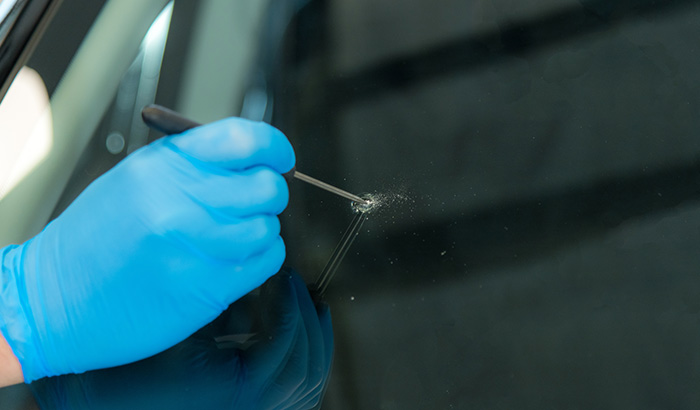
    Is Glass Safety Covered by Insurance? Essential Facts Revealed

    Credit: utahmobileautoglass.com

    Types Of Glass Damage Covered

    Understanding the types of glass damage covered by insurance helps you protect your home better. Different policies cover various kinds of damage. Knowing what is included can save money and stress during repairs.

    Accidental Breakage

    Accidental breakage is often covered by home insurance. This includes damage from dropping objects or bumping into glass surfaces. It may cover windows, doors, and glass tables. Coverage depends on your policy details and limits.

    Vandalism And Theft

    Insurance usually covers glass damage caused by vandalism. Broken windows from forced entry or acts of vandalism fall under this. Theft-related damage to glass is also often protected. Filing a police report can help with claims.

    Natural Disasters

    Glass damaged by natural disasters may be covered. Events like storms, hail, or earthquakes can break glass surfaces. Some policies include this protection, but coverage varies widely. Check your policy for specific disaster coverage.

    Insurance Policy Variations

    Insurance policies differ in how they cover glass safety. Each policy type has unique rules and limits. Understanding these differences helps protect your property properly. Here is a breakdown of the main insurance types and their glass coverage.

    Homeowners Insurance

    Homeowners insurance often covers broken windows and glass doors. Coverage usually includes damage from storms, accidents, or vandalism. Some policies also pay for glass repair or replacement. Check if your policy has a special glass rider. This rider may cover accidental breakage inside the home.

    Renters Insurance

    Renters insurance focuses on personal belongings rather than the building. Glass coverage is limited and may only cover personal items with glass parts. Damage to windows or glass walls is usually the landlord’s responsibility. Renters should confirm what glass damage their policy covers. Personal glass items like picture frames may be included.

    Commercial Insurance

    Commercial insurance policies vary widely in glass coverage. Many include protection for storefront windows and display cases. Coverage often extends to glass doors and interior glass walls. Some businesses need special glass insurance for fragile or decorative glass. Review your policy terms to understand limits and exclusions for glass damage.

    Exclusions And Limitations

    Insurance policies often have specific rules about what glass damage they cover. Understanding these exclusions and limitations helps avoid surprises during a claim. Not all glass types or damages qualify for coverage. Some situations clearly fall outside the policy’s protection.

    Wear And Tear

    Normal wear and tear usually does not qualify for insurance claims. Small cracks or scratches that happen over time are often excluded. Insurance covers sudden and accidental damage, not gradual decline. Regular maintenance is the homeowner’s responsibility.

    Negligence

    Damage caused by negligence is rarely covered by insurance. Ignoring safety warnings or failing to repair minor issues can lead to denied claims. Policies expect reasonable care to prevent damage. Intentional damage is never covered.

    Excluded Glass Types

    Some glass types may be excluded from coverage. Specialty glass like stained or decorative glass often falls outside standard policies. Glass in certain locations, like greenhouses or fences, might also be excluded. Check your policy details to know exactly what is covered.

    Filing A Glass Damage Claim

    Filing a glass damage claim can protect you from costly repairs. Knowing how to file a claim helps speed up the process. It also increases your chances of approval. This section explains what you need and the steps to follow. It also covers common reasons claims get denied.

    Documentation Needed

    Start with clear photos of the glass damage. Take pictures from different angles. Keep receipts of any temporary repairs or services. Have your insurance policy number ready. Write down the date and cause of damage. Prepare a police report if the damage involved vandalism or theft.

    Claim Process Steps

    First, contact your insurance company quickly. Provide all details about the damage. Submit the photos and documents requested. An adjuster may visit to inspect the damage. Wait for the insurance company to review your claim. Follow up if you do not hear back within a week.

    Common Claim Denials

    Claims often get denied for missing documents. Damage caused by neglect or poor maintenance is not covered. Some policies exclude certain types of glass damage. Filing the claim late can lead to denial. Not reporting vandalism to the police may also cause rejection.

    Tips To Maximize Coverage

    Maximizing your insurance coverage for glass safety protects your home and wallet. Understanding how to choose the right policy and maintain your glass can save you money. Exploring extra coverage options also helps you stay protected from unexpected glass damage. Follow these tips to get the most from your insurance plan.

    Choosing The Right Policy

    Select a policy that clearly covers glass damage. Check if your current policy includes window and door glass. Some policies exclude certain types of glass or damages. Ask about deductibles and claim limits for glass repairs. Choose coverage that fits your home’s needs and your budget.

    Regular Maintenance

    Keep your glass clean and check for cracks regularly. Small cracks can worsen and lead to bigger damage. Fix minor issues before they grow. Proper maintenance shows insurers you care for your property. This can help avoid claim denials due to neglect.

    Additional Glass Coverage Options

    Look for add-ons that cover glass not included in basic policies. These can include glass in skylights, shower doors, and mirrors. Adding this coverage may cost more but offers better protection. Review options carefully to find what fits your home best.

    Is Glass Safety Covered by Insurance? Essential Facts Revealed

    Credit: www.shutterstock.com

    Is Glass Safety Covered by Insurance? Essential Facts Revealed

    Credit: www.dreamstime.com

    Frequently Asked Questions

    Does Home Insurance Cover Glass Breakage?

    Most standard home insurance policies cover accidental glass breakage. Coverage often includes windows, doors, and glass fixtures. However, coverage details vary by policy and insurer. Always review your specific policy or consult your insurance agent for exact terms and any exclusions related to glass damage.

    Is Glass Safety Protection Included In Auto Insurance?

    Auto insurance usually covers glass damage under comprehensive coverage. This includes windshield cracks and broken windows from accidents or vandalism. Some policies offer separate glass coverage with no deductible. Check your auto policy or speak with your insurer for precise coverage information and claims process.

    How Do Insurance Claims Work For Glass Damage?

    To claim glass damage, notify your insurer promptly. Provide photos and details of the damage. An adjuster may inspect the glass before approval. Coverage depends on your policy terms, deductible, and cause of damage. Prompt and accurate filing speeds up the claim process.

    Are Accidental Glass Damages Covered By Insurance?

    Yes, accidental glass damages are generally covered if included in your policy. This applies to both home and auto insurance. Coverage excludes intentional damage or neglect. Reviewing your policy specifics helps confirm if accidental glass damage is protected under your insurance plan.

    Conclusion

    Glass safety coverage varies by insurance policy and provider. Some plans include damage from accidents or storms. Others may exclude certain types of glass or repairs. Always check your policy details carefully. Ask your agent specific questions about glass coverage.

    Understanding your insurance helps avoid surprises during claims. Protect your home and yourself with clear knowledge. Stay informed and prepared for any glass-related incidents.
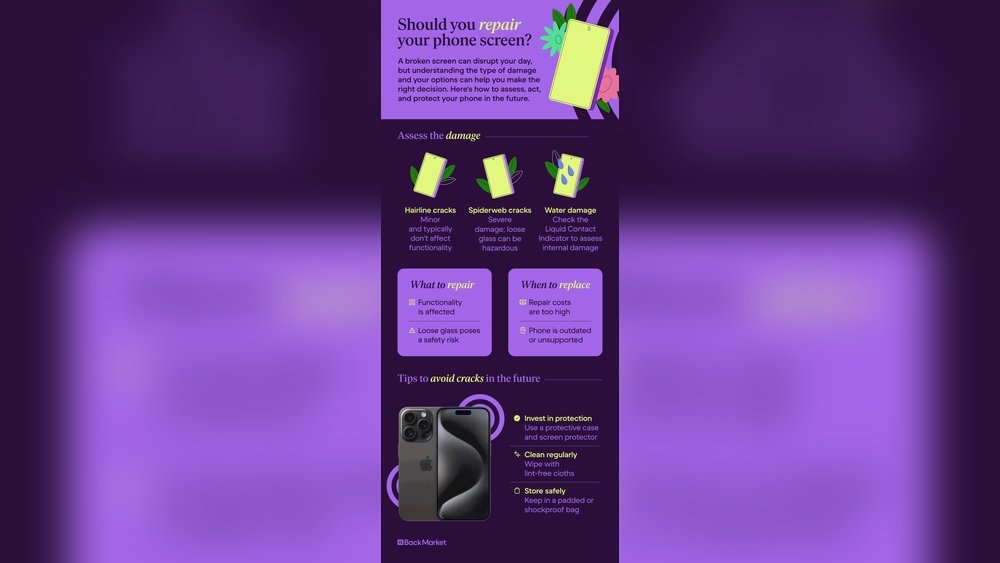
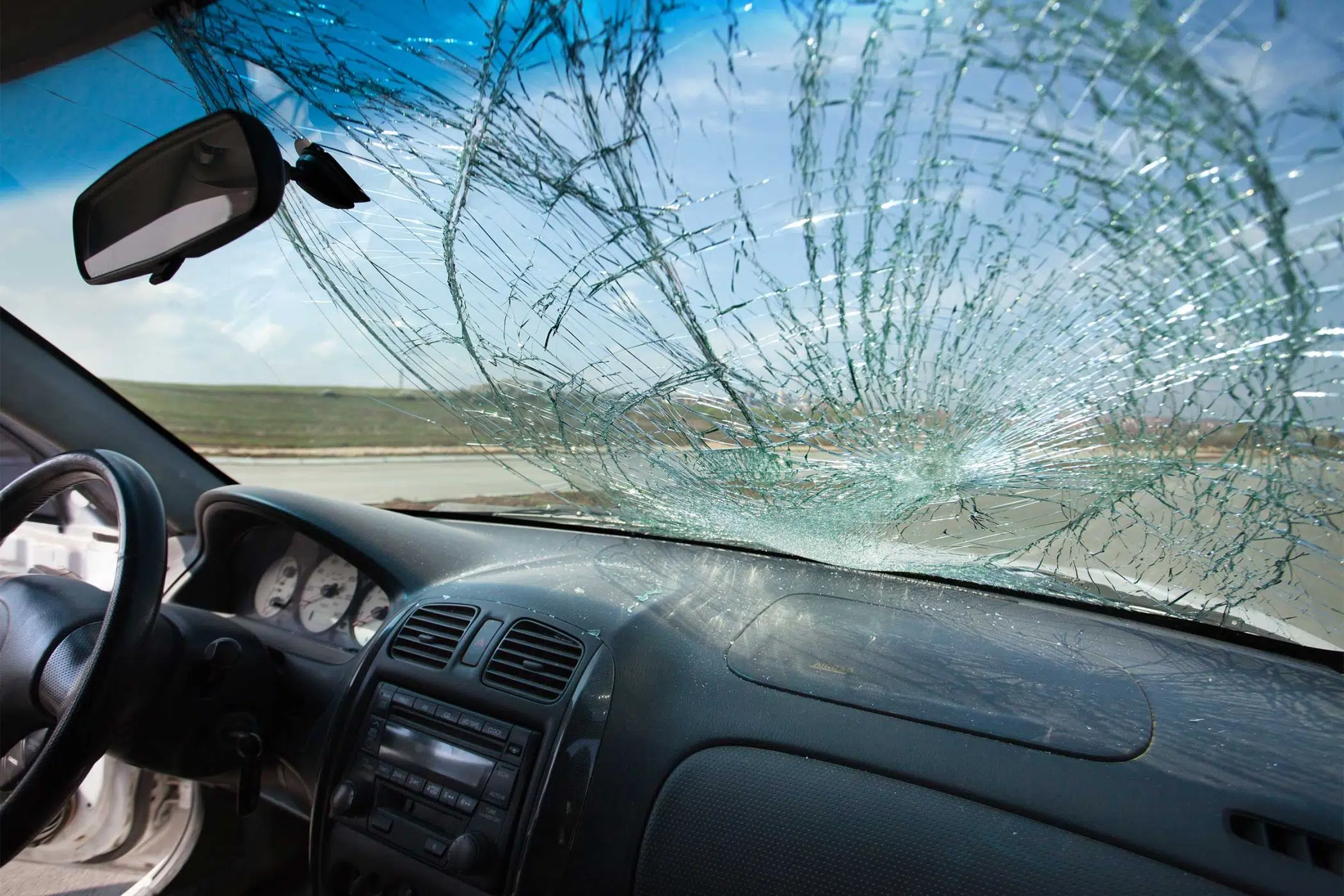
  • Can Diy Fixes Affect Glass Safety: Crucial Risks Revealed

    Can Diy Fixes Affect Glass Safety: Crucial Risks Revealed

    Have you ever faced a cracked window or a chipped glass table and thought, “I can fix this myself”? It’s tempting to grab some glue or tape and call it a day.

    But before you start your DIY repair, ask yourself—could your quick fix actually make the glass less safe? What if your solution causes more harm than good, putting you and your loved ones at risk? You’ll discover how common DIY repairs might affect glass safety and what you should really consider before taking matters into your own hands.

    Keep reading to protect your home and your peace of mind.

    Common Diy Glass Repairs

    Many people try to fix glass damage themselves. Common DIY glass repairs aim to stop cracks from growing. These fixes help avoid immediate replacement. They offer quick, low-cost options for small damage.

    Understanding these methods helps to know their limits. Some repairs protect glass temporarily. Others might harm the glass safety over time. Here are common DIY glass repair methods.

    Temporary Crack Patching

    Temporary crack patching uses glue or resin. It fills the crack to stop spreading. This method works best on small cracks. It creates a barrier against dirt and moisture. The patch is not a permanent fix. Cracks can still grow under stress.

    Using Household Adhesives

    Household adhesives like super glue or epoxy are popular. They bond the glass edges quickly. Adhesives can reduce crack visibility. They help keep glass pieces together. These glues are not designed for glass safety. They can fail under pressure or temperature changes.

    Applying Tape Or Film

    Tape or clear film covers the crack surface. It holds loose pieces in place. Tape prevents dirt from entering the crack. Films add a layer of protection against breaking. These solutions are easy and fast. They do not strengthen the glass. The glass remains fragile beneath the tape or film.

    Can Diy Fixes Affect Glass Safety: Crucial Risks Revealed

    Credit: boggsautomotive.com

    Risks From Improper Fixes

    Improper DIY fixes on glass can cause serious safety problems. Many people try to repair glass without the right tools or knowledge. This can lead to unseen damage and weaken the glass. Such risks affect the strength and safety of the glass over time.

    Understanding these risks helps you avoid costly and dangerous mistakes. Here are key dangers from improper glass repairs.

    Weakened Structural Integrity

    Poor repairs reduce the glass’s strength. Cracks might seem fixed but still make the glass fragile. The glass can break under small pressure or impact. This makes the glass unsafe for use around people.

    Hidden Damage Expansion

    DIY fixes often miss hidden cracks or chips. These small damages grow larger over time. Heat, cold, or vibration can spread the damage quickly. What seemed like a small problem can turn into a big hazard.

    Increased Shattering Risk

    Improper repairs can make glass shatter easily. Some fixes add stress points that cause sudden breaks. Shattered glass can cause injuries and damage nearby items. Proper repair reduces the chance of sudden shattering.

    Safety Standards For Glass

    Glass safety depends on strict rules and standards. These standards make sure glass breaks safely and protects people from harm. Different types of glass have unique safety needs. Following these rules is important for homes and buildings. Understanding these standards helps you see why DIY fixes might affect glass safety.

    Tempered Glass Requirements

    Tempered glass is very strong. It is heated and cooled to increase its strength. If it breaks, it shatters into small, blunt pieces. This reduces injury risk. Tempered glass must meet specific strength tests. These tests check how much force the glass can handle. The glass must also pass heat resistance tests. These rules ensure the glass stays safe in many conditions.

    Laminated Glass Features

    Laminated glass has a plastic layer between glass sheets. This layer holds the glass together if it breaks. It stops sharp shards from flying. Laminated glass helps keep people safe during accidents. It also blocks UV rays and reduces noise. Safety standards require this plastic layer to be strong and clear. The glass must resist impacts and stay intact after breaking.

    Building Code Regulations

    Building codes control how glass is used in buildings. They set rules for glass type and thickness. Codes require safety glass in places like doors and windows. These rules prevent serious injuries from broken glass. Inspectors check if glass meets these codes. Following building codes helps protect all building users. Ignoring these rules can lead to fines or accidents.

    Can Diy Fixes Affect Glass Safety: Crucial Risks Revealed

    Credit: www.ebay.com

    When To Avoid Diy Repairs

    Knowing when to avoid DIY repairs is key for glass safety. Some glass damages need professional care. Attempting fixes on serious issues can cause more harm. It also risks your safety and increases costs later. Understanding the limits of DIY can protect your home and loved ones.

    Large Or Deep Cracks

    Large cracks weaken the glass structure. Deep cracks often reach the glass core. DIY methods cannot restore strength here. The glass may break suddenly without warning. Professionals use special tools and materials to handle this safely.

    Safety Glass Panels

    Safety glass includes tempered or laminated types. These panels are designed to break safely. DIY repairs can damage their safety features. This risks injury during future breakage. Only experts should repair or replace safety glass panels.

    Load-bearing Glass Components

    Some glass parts support weight or structure. These include glass stairs, railings, or floors. DIY fixes can weaken these critical areas. A failure could cause serious injury or damage. Professionals ensure these components stay strong and safe.

    Professional Repair Benefits

    Choosing professional repair for glass issues brings many safety advantages. Experts know how to handle glass carefully. They reduce risks that DIY fixes might cause.

    Professionals use tested methods and the right tools. Their work lasts longer and keeps glass strong and safe. This helps protect your home and family.

    Certified Techniques

    Experts use certified repair techniques that meet safety standards. These methods ensure the glass holds up well. Certified techniques prevent cracks from spreading or breaking suddenly.

    Proper Materials Use

    Professionals use materials designed for glass repair. Using proper materials helps keep the glass stable. Wrong materials in DIY fixes can weaken the glass or cause damage.

    Warranty And Liability

    Professional repairs often come with a warranty. This guarantees the repair work and materials. Also, professionals take responsibility for their work. DIY fixes offer no such security or protection.

    Can Diy Fixes Affect Glass Safety: Crucial Risks Revealed

    Credit: www.walmart.com

    Preventive Measures For Glass Safety

    Preventive measures help keep glass safe and strong. Small steps can stop cracks and breaks. These actions also protect you and your family from injuries.

    Taking care of glass regularly is smart. It saves money and avoids big problems later. Here are some simple ways to keep glass safe in your home.

    Regular Inspections

    Check glass surfaces often for chips or cracks. Look closely at edges and corners. Early signs of damage need quick attention.

    Spotting small issues early can stop bigger breaks. Use a soft cloth and good light to inspect glass. Note any changes and fix them fast.

    Safe Cleaning Practices

    Clean glass with gentle, non-abrasive products. Avoid harsh chemicals that can weaken glass. Use soft cloths or sponges to prevent scratches.

    Wipe glass gently in circular motions. Do not apply too much pressure. Dry glass carefully to avoid streaks and marks.

    Using Protective Films

    Apply protective films to strengthen glass surfaces. These films hold glass pieces together if it breaks. They reduce the risk of injury from sharp shards.

    Choose films designed for safety and UV protection. Films also help reduce glare and heat from sunlight. Installation is simple and adds extra security.

    Frequently Asked Questions

    Can Diy Fixes Weaken Glass Safety?

    DIY fixes can compromise glass integrity by causing cracks or uneven pressure. Professional repairs ensure safety standards and durability.

    Are Diy Glass Repairs Cost-effective Long-term?

    DIY repairs may save money initially but can lead to costly replacements if done incorrectly, affecting safety and durability.

    What Risks Do Diy Glass Repairs Pose?

    Improper DIY repairs risk glass breakage, injury, and reduced safety. They may also void warranties or insurance coverage.

    When Should I Avoid Diy Glass Repairs?

    Avoid DIY fixes on tempered or laminated glass, as improper handling can cause shattering or loss of safety features.

    Conclusion

    DIY fixes might seem easy and cheap. But glass safety can get compromised quickly. Small cracks can grow into big breaks. Wrong tools or methods may weaken the glass. Safety glass needs special care and skills. Professionals know how to handle these risks.

    Protect your home and loved ones wisely. Sometimes, spending a little more is safer. Think twice before fixing glass yourself. Safety should always come first.

  • How Glass Safety Helps Prevent Accidents: Essential Tips to Protect You

    How Glass Safety Helps Prevent Accidents: Essential Tips to Protect You

    Imagine a simple slip or a tiny crack turning into a painful accident right in your own home or workplace. You might not realize it, but glass safety plays a huge role in keeping you and your loved ones safe every day.

    When glass is designed and handled the right way, it can stop injuries before they even start. You’ll discover how glass safety works to protect you, why it matters more than you think, and easy steps you can take to prevent accidents around glass surfaces.

    Keep reading—your safety could depend on what you learn next.

    How Glass Safety Helps Prevent Accidents: Essential Tips to Protect You

    Credit: upgpa.com

    Glass Hazards At Home

    Glass is common in many homes. It looks nice but can cause harm if not safe. Knowing glass hazards helps keep families safe. It is important to spot risks and take action early.

    Many accidents happen because of glass in daily life. These dangers are often hidden in plain sight. Careful attention to glass safety prevents injuries.

    Common Risks In Glass Fixtures

    Glass doors and windows can break easily. Sharp edges on glass tables or shelves cause cuts. Old or damaged glass is more likely to shatter. Poorly installed glass items may fall or break suddenly. Glass mirrors can crack and fall during accidents or earthquakes. Children often do not notice glass hazards around them.

    Accidents In Kitchens And Bathrooms

    Kitchens have glass cabinets and containers. Dropped glass bottles or jars break and cause injuries. Bathrooms use glass shower doors and mirrors. Slippery floors increase the risk of falling on glass. Broken glass in these areas can cause deep cuts. Proper glass safety reduces these common accidents.

    Safety Features In Modern Glass

    Modern glass is designed with safety in mind. It protects people and reduces injuries. Advances in technology have made glass much stronger and safer. These safety features help prevent accidents in homes, offices, and public places.

    Different types of safety glass serve different purposes. Each type offers unique benefits that make glass safer to use. Understanding these types helps you choose the right glass for your needs.

    Tempered Glass Benefits

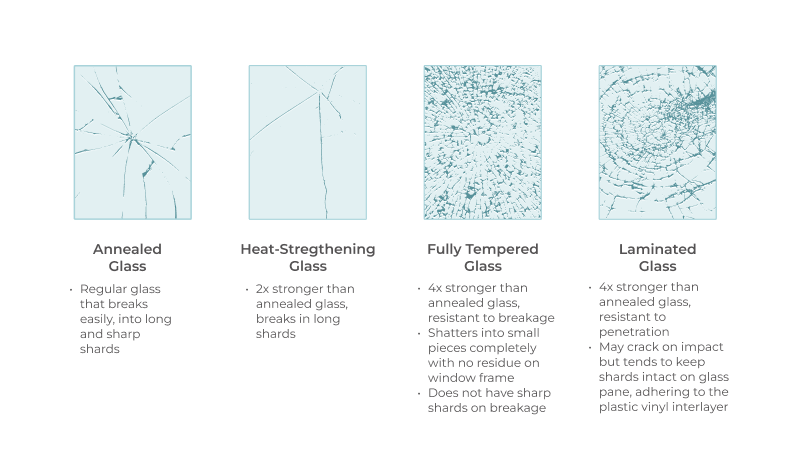
    Tempered glass is heat-treated to increase its strength. It is about four times stronger than regular glass. When broken, it shatters into small, blunt pieces. These pieces are less likely to cause cuts or injuries. This makes tempered glass ideal for doors, windows, and car windows. It also resists impacts and thermal stress better than normal glass.

    Laminated Glass Protection

    Laminated glass consists of two or more layers of glass with a plastic layer in between. The plastic layer holds the glass together if it breaks. This prevents shards from flying and causing harm. Laminated glass also blocks harmful UV rays. It is often used in car windshields and skylights. This glass type offers strong protection against break-ins and accidents.

    Preventive Measures For Glass Safety

    Preventive measures for glass safety play a key role in reducing accidents. They focus on proper handling and maintenance. These steps help keep people safe and glass intact.

    Using the right methods during installation and regular checks can stop many problems. These actions make glass strong and reliable in homes and workplaces.

    Proper Installation Techniques

    Correct installation is the first step to glass safety. Experts use the right tools and follow guidelines carefully. This prevents cracks and breaks caused by poor fitting.

    Glass must fit well in frames to avoid pressure points. Sealing edges tightly stops moisture and dirt buildup. These steps keep glass stable and less likely to fail.

    Routine Glass Inspection

    Regular inspection helps catch damage early. Look for chips, cracks, or loose fittings often. Fixing small issues prevents bigger accidents later.

    Inspect both inside and outside surfaces. Check frames and seals as well. Routine checks extend the glass life and improve safety for everyone.

    How Glass Safety Helps Prevent Accidents: Essential Tips to Protect You

    Credit: www.lwmpersonalinjurylawyers.com

    Safe Handling And Maintenance

    Safe handling and maintenance of glass play a big role in preventing accidents. Proper care keeps glass strong and reduces the chance of breakage. Simple habits protect you and others from injury. Knowing how to clean and fix minor problems helps keep glass safe for long use.

    Cleaning Without Damage

    Use soft cloths or sponges to clean glass surfaces. Avoid rough materials that can scratch the glass. Choose gentle cleaners made for glass to prevent damage. Do not use abrasive powders or harsh chemicals. Clean regularly to remove dust and dirt that might weaken the glass over time.

    Repairing Minor Glass Issues

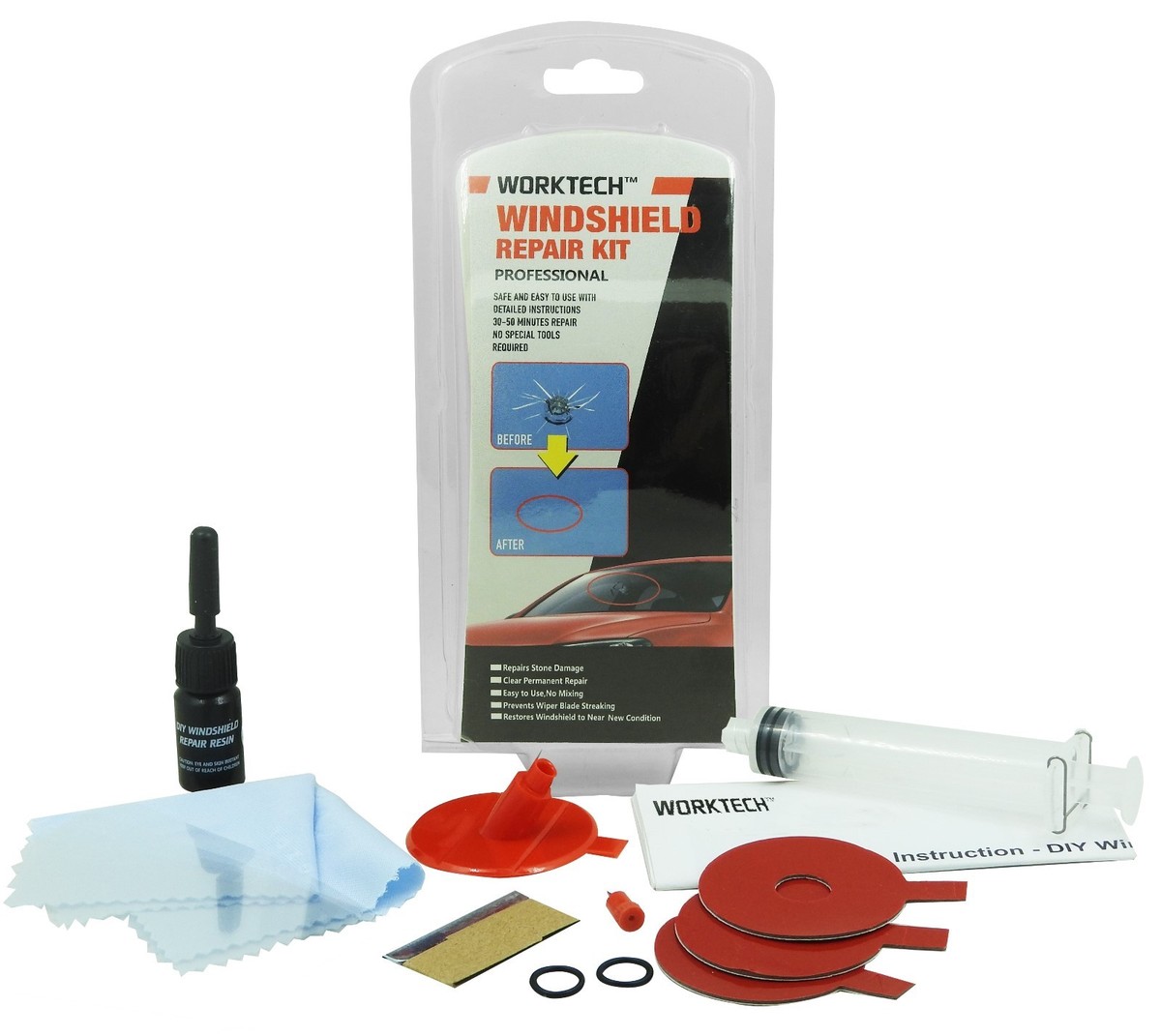
    Small chips or cracks need quick attention. Fix minor damage with clear repair kits found in stores. Do not ignore small problems; they can grow bigger fast. Replace glass pieces that show signs of serious damage. Timely repairs keep glass strong and reduce accident risks.

    Safety Tips For Children And Pets

    Keeping children and pets safe around glass is very important. Glass can break and cause serious injuries. Simple safety steps can reduce risks at home. These tips help protect your loved ones from accidents.

    Clear glass doors and windows can be hard to see. Kids and pets may run into them. Making glass areas safer is a smart choice for every home.

    Childproofing Glass Areas

    Apply stickers or decals at child eye level on glass surfaces. This makes glass easier to see and prevents running into it. Use safety film on glass to hold shards if it breaks. Install guards or barriers around glass tables and shelves. Teach children to be careful near glass and explain the dangers. Regularly check glass for cracks or chips and fix them fast.

    Protecting Pets From Glass Injuries

    Keep pet doors clean and clear to avoid confusion. Use pet gates to limit access to glass areas. Cover sharp edges on glass furniture with soft padding. Never leave broken glass where pets can reach it. Train pets to avoid jumping on glass surfaces. Watch pets closely in rooms with glass walls or doors. Regularly inspect glass for damage and repair it quickly.

    How Glass Safety Helps Prevent Accidents: Essential Tips to Protect You

    Credit: www.safetynational.com

    Emergency Actions For Glass Accidents

    Accidents involving glass can cause sudden injuries that need quick attention. Knowing the right emergency actions helps reduce harm and speeds recovery. Proper care stops small wounds from becoming serious problems.

    Clear steps to handle glass injuries keep you calm and effective. Acting fast protects against infection and further damage. This guide explains essential first aid and when to get medical help.

    First Aid For Cuts And Scrapes

    Stop the bleeding by pressing a clean cloth on the wound. Wash the area gently with water to remove dirt and glass bits. Avoid rubbing the injury to prevent more damage. Use an antiseptic to kill germs and lower infection risk. Cover the cut with a sterile bandage or dressing. Keep the wound clean and dry. Change the bandage daily or if it gets wet or dirty.

    When To Seek Medical Help

    Seek medical help if bleeding does not stop after 10 minutes. Visit a doctor if the cut is deep or jagged. Go to the hospital if glass remains inside the wound. Get treatment if you notice redness, swelling, or pus. Call for help if you feel numbness or severe pain. Always see a doctor if you have not had a tetanus shot in five years.

    Frequently Asked Questions

    What Is Glass Safety And Why Is It Important?

    Glass safety involves using tempered or laminated glass to reduce injury risks. It prevents sharp shards during breakage, enhancing protection in homes and workplaces. Proper glass safety decreases accidents and ensures safer environments for everyone.

    How Does Tempered Glass Prevent Accidents?

    Tempered glass is heat-treated to increase strength. It breaks into small, blunt pieces instead of sharp shards. This reduces cuts and serious injuries, making it ideal for windows, doors, and vehicle glass.

    Where Is Safety Glass Commonly Used?

    Safety glass is used in car windshields, shower doors, windows, and glass furniture. It is vital in public places and homes to protect people from accidental cuts or falls involving glass.

    Can Laminated Glass Improve Accident Prevention?

    Yes, laminated glass has a plastic layer between two glass sheets. It holds broken pieces together when shattered, reducing the risk of injury and maintaining security in buildings and vehicles.

    Conclusion

    Glass safety reduces the risk of serious injuries at home and work. Safe glass products break into small, less harmful pieces. Installing tempered or laminated glass adds extra protection. Clear safety rules help people handle glass carefully every day. Choosing the right glass keeps families and workers safer.

    Simple safety steps prevent many accidents before they happen. Protecting yourself and others is always worth the effort. Stay alert and choose safe glass for peace of mind. Safety matters, and glass safety plays a key role.

  • Does Glass Safety Affect Seatbelt Performance: Crucial Insights

    Does Glass Safety Affect Seatbelt Performance: Crucial Insights

    Have you ever wondered if the safety of your car’s glass can actually impact how well your seatbelt protects you? It’s a question many drivers don’t think about, but it could make a big difference in a crash.

    Your seatbelt is designed to keep you secure, but what if the glass around you isn’t strong enough to support it? Understanding this connection could be crucial for your safety on the road. Keep reading to discover how glass safety plays a surprising role in seatbelt performance—and why it matters for you every time you drive.

    Glass Safety Basics

    Glass safety plays an important role in vehicle protection. It affects how well seatbelts work during crashes. Strong and safe glass helps keep passengers inside the car. It also reduces injury from broken glass pieces. Understanding glass safety basics helps explain this connection.

    Automotive glass comes in different types. Each type has unique features for safety and strength. Vehicle glass must meet strict rules to protect passengers well. These rules guide how glass is made and tested.

    Types Of Automotive Glass

    Two main types of glass are used in cars. The first is laminated glass. It has two glass layers with a plastic layer in between. This plastic holds the glass together if it breaks. It stops sharp pieces from flying inside the car. Laminated glass is common for windshields.

    The second type is tempered glass. This glass is heated and cooled quickly. This process makes it strong and able to shatter safely. Tempered glass breaks into tiny, dull pieces. It is used mostly in side and rear windows.

    Safety Standards For Vehicle Glass

    Vehicle glass must follow safety standards worldwide. These standards check glass strength and break patterns. They ensure glass protects passengers in crashes. For example, the U.S. Federal Motor Vehicle Safety Standards set rules for glass safety.

    Testing includes impact resistance and visibility checks. Glass must allow clear vision without distortion. The rules also require that broken glass stays in place. These standards help seatbelts work better by keeping passengers inside.

    Does Glass Safety Affect Seatbelt Performance: Crucial Insights

    Credit: saferide4kids.com

    Seatbelt Mechanics

    Seatbelt mechanics play a key role in keeping passengers safe during a crash. Understanding how seatbelts work helps us see if glass safety affects their performance. Seatbelts are designed to hold the body firmly. They reduce the chance of injury by stopping the body from moving too much.

    Every part of a seatbelt has a purpose. The design and materials used make sure the seatbelt performs well. Even small changes in these parts can change how safe the seatbelt is.

    How Seatbelts Work

    Seatbelts lock quickly during sudden stops or crashes. This locking stops the wearer from moving forward. The belt spreads the force of the impact over strong body parts like the chest and hips. This helps reduce injury. The belt also has some stretch. This stretch absorbs some energy from the crash. It lowers the force on the body.

    Materials And Design Factors

    Seatbelts are made from strong woven fibers like polyester. These fibers resist tearing and stretching too much. The design includes a buckle, retractor, and webbing. The retractor keeps the belt tight. It lets the belt move when normal motion happens. The buckle holds the belt secure. These parts must work well together for safety.

    The belt’s surface and texture help it stay in place. Smooth belts can slip, reducing their hold. Rougher textures increase grip. The material also resists heat and sunlight damage. This keeps the belt strong over time. Good design and materials make seatbelts reliable in crashes.

    Interaction Between Glass And Seatbelts

    Glass and seatbelts work together to keep passengers safe during crashes. The glass in a vehicle can affect how well a seatbelt protects the occupant. Understanding this interaction helps improve car safety designs. The type and condition of glass can change how a crash impacts the body and seatbelt performance.

    Seatbelts hold passengers in place. Glass can either help or cause problems during this process. Sometimes, broken glass can cause injuries. Other times, strong glass helps keep passengers secure. The way glass breaks and its strength matter a lot.

    Impact Of Glass Breakage On Restraint

    When glass breaks, sharp pieces may fly inside the vehicle. These pieces can harm the passenger’s skin. Broken glass may cut or scratch during a crash. This risk can affect how well a seatbelt works. Pain from cuts can cause a person to struggle against the belt.

    Shattered glass also changes how a passenger moves. The seatbelt tries to keep the person in place. But broken glass can make it harder to hold still. Strong glass that stays intact reduces this risk. It helps the seatbelt keep the occupant safely restrained.

    Role Of Glass In Crash Dynamics

    Glass affects the way forces move in a crash. Windshields and windows help absorb some impact energy. Tough glass can reduce the force on a passenger’s body. This helps the seatbelt work better to control movement.

    Glass that breaks too easily lets more force inside. This can push the passenger against the seatbelt harder. The seatbelt then faces more strain. Strong, laminated glass keeps the structure firm. It improves the overall crash response and safety.

    Crash Test Findings

    Crash tests provide clear data on how seatbelts work during accidents. They show how glass condition affects seatbelt performance. The tests compare seatbelt effectiveness with both intact and broken glass. This helps understand safety risks and improvements needed.

    Results show how glass safety impacts restraint systems. The findings guide car makers and safety experts. They help design better protection for passengers.

    Seatbelt Performance With Intact Glass

    Seatbelts perform well with intact glass. The glass stays solid and supports the car structure. It keeps passengers in place during sudden stops. The seatbelt holds the body firmly, reducing injury risk.

    Intact glass prevents sharp objects from entering the cabin. This adds a layer of safety. Passengers feel more secure with the glass intact. Crash tests confirm fewer injuries with solid glass.

    Seatbelt Performance With Broken Glass

    Broken glass can change how seatbelts work. Sharp glass pieces may cause cuts or distractions. Passengers might move differently due to the glass breakage. Seatbelts still restrain but with less support from the structure.

    Crash tests show higher injury risks when glass is shattered. The seatbelt alone cannot protect fully. Broken glass may create weak points in the car frame. This affects how well the seatbelt restrains passengers.

    Safety Improvements And Innovations

    Car safety has improved a lot over the years. Both glass and seatbelt technologies have grown safer. These improvements work together to protect passengers better. Understanding these changes helps us appreciate car safety more.

    Safety features now focus on reducing injuries during crashes. Glass and seatbelts play key roles in this. New ideas and materials make them more reliable and effective.

    Advances In Glass Technology

    Modern car glass is much stronger than before. Laminated glass holds together even when broken. This stops sharp pieces from flying inside the car. It helps keep passengers safe during accidents.

    Some glass types can absorb impact energy. They reduce the force that reaches the body. This lowers the risk of cuts and head injuries. Glass now also blocks harmful UV rays.

    Enhancements In Seatbelt Systems

    Seatbelts have changed to fit people better. Pretensioners pull the belt tight instantly in a crash. This stops the body from moving too far forward.

    Load limiters release some belt pressure. They prevent the belt from hurting the chest. Seatbelts now work with airbags for full protection.

    New seatbelt materials are stronger and softer. This makes them more comfortable and safer to wear. These changes improve how seatbelts protect during collisions.

    Real-world Case Studies

    Real-world case studies help us see how glass safety affects seatbelt performance. They show what happens in actual crashes and how different factors work together. Studying these cases gives clear insights beyond theory.

    Incidents Involving Glass Failure

    Glass failure can cause serious problems in crashes. When windows or windshields break, sharp pieces may injure passengers. Some cases show glass shattering on impact, increasing risks inside the car. In many crashes, poor glass quality made injuries worse.

    One report described a side window breaking early in a crash. This allowed passengers to be thrown out despite wearing seatbelts. Another case showed windshield glass cracking but holding together, protecting occupants better. These incidents reveal how glass strength matters for safety.

    Seatbelt Effectiveness In Various Scenarios

    Seatbelts often reduce injury by keeping passengers in place. Studies show seatbelts work best when glass does not fail catastrophically. In crashes with intact glass, seatbelts stop passengers from hitting hard surfaces.

    Some cases demonstrate seatbelts saving lives even with glass damage. Others reveal that broken glass can reduce seatbelt protection by creating sharp hazards. The combination of strong glass and proper seatbelt use improves safety the most.

    Recommendations For Vehicle Safety

    Vehicle safety depends on many parts working well together. Glass and seatbelts play key roles. Proper care of these parts keeps you safe on the road.

    Good safety starts with regular checks and smart choices. This helps avoid problems and improves protection during accidents.

    Maintenance Tips For Glass And Seatbelts

    Check car windows often. Look for cracks or chips. Small damage can spread and weaken the glass. Replace broken glass quickly to keep strength.

    Clean windows regularly. Clear glass helps you see better and drives safer. Use soft cloths and mild cleaners.

    Inspect seatbelts for wear or tears. Make sure they pull out and retract smoothly. Replace belts that are frayed or damaged. Always test buckles to ensure they lock firmly.

    Selecting Vehicles With Enhanced Safety Features

    Choose cars with strong safety glass. Laminated glass holds together after breaking. This stops sharp pieces from flying inside.

    Look for vehicles with advanced seatbelt systems. Pretensioners tighten belts in crashes. Load limiters reduce force on the body.

    Many new cars have sensors that detect glass damage. These alerts help fix problems before accidents happen.

    Does Glass Safety Affect Seatbelt Performance: Crucial Insights

    Credit: www.ebay.com

    Does Glass Safety Affect Seatbelt Performance: Crucial Insights

    Credit: www.amazon.com

    Frequently Asked Questions

    Does Glass Safety Impact Seatbelt Effectiveness?

    Yes, glass safety affects seatbelt performance by influencing crash dynamics. Stronger glass reduces intrusion, allowing seatbelts to restrain occupants better.

    How Does Shattered Glass Affect Seatbelt Function?

    Shattered glass can cause distraction and injury, reducing seatbelt efficiency. Proper glass safety minimizes these risks and maintains seatbelt protection.

    Can Laminated Glass Improve Seatbelt Safety?

    Laminated glass stays intact during impacts, preventing occupant ejection. This enhances seatbelt effectiveness by keeping passengers securely inside the vehicle.

    Is Tempered Glass Safer For Seatbelt Users?

    Tempered glass breaks into small, less harmful pieces, reducing injury risk. However, laminated glass offers better overall safety when paired with seatbelts.

    Conclusion

    Glass safety plays a key role in how seatbelts work during crashes. Stronger glass can help keep passengers inside the car. Broken glass might cause injuries or distract drivers. Seatbelts rely on the car structure to protect you best. Both glass quality and seatbelt design matter for safety.

    Always check that your car has good safety features. Staying safe means paying attention to all parts of your vehicle. Keep your glass and seatbelts in good shape. Safety comes from the whole system working well together.

  • Does Heat Affect Glass Safety: Essential Facts You Must Know

    Does Heat Affect Glass Safety: Essential Facts You Must Know

    Have you ever wondered if heat can make your glass items unsafe? Whether it’s a window, a glass cup, or even a car windshield, understanding how heat affects glass is crucial for your safety.

    You might think glass is strong and unbreakable, but the truth could surprise you. You’ll discover what really happens to glass when it gets hot, why it sometimes cracks or shatters, and how you can protect yourself and your belongings.

    Keep reading—your safety depends on knowing these facts.

    Does Heat Affect Glass Safety: Essential Facts You Must Know

    Credit: modernize.com

    Heat And Glass Basics

    Heat and glass have a complex relationship. Glass can handle some heat but not all types. Understanding how heat affects glass helps us keep safe in many situations. It also guides us in choosing the right glass for different uses.

    Glass is not all the same. Different types of glass react differently to heat. Knowing these differences is important for safety and durability. Let’s explore the basics of heat and glass.

    Types Of Glass And Heat Resistance

    Common glass, like window glass, breaks easily under heat. It expands and cracks with quick temperature changes. Tempered glass is stronger and handles heat better. It heats and cools evenly to avoid breaking.

    Borosilicate glass resists heat very well. It is used in cookware and lab glass. This glass can handle sudden heat without cracking. Laminated glass has layers that add strength and safety. It is often used in car windshields.

    How Glass Responds To Temperature Changes

    Glass expands when heated and shrinks when cooled. Fast temperature changes cause stress inside the glass. This stress can lead to cracks or breaks. Slow temperature changes allow the glass to adjust safely.

    Heat causes some types of glass to soften or bend. Others stay hard but may still crack under pressure. The way glass reacts depends on its composition and thickness. Careful handling around heat can prevent accidents.

    Does Heat Affect Glass Safety: Essential Facts You Must Know

    Credit: thebottledepot.co

    Factors Influencing Glass Safety

    Glass safety depends on several key factors. Heat can cause glass to behave in different ways. Understanding these factors helps prevent accidents. It also guides the right choice of glass for various uses.

    Thermal Shock And Its Effects

    Thermal shock occurs when glass heats unevenly. Hot spots create stress inside the glass. This stress can cause cracks or breaks. Rapid temperature changes increase the risk. Glass exposed to sudden heat is more fragile.

    Glass Thickness And Composition

    Thicker glass handles heat better than thin glass. Composition matters too. Some glass types resist heat and stress more. Tempered and laminated glass provide extra strength. These types reduce the chance of breaking under heat.

    Role Of Coatings And Treatments

    Coatings protect glass from heat damage. Some coatings reflect heat away from the surface. Treatments can strengthen the glass structure. These layers improve durability and safety. They help glass last longer in hot conditions.

    Common Risks From Heat Exposure

    Heat can harm glass in many ways. High temperatures cause stress inside the glass. This stress creates risks that affect safety and durability. Knowing these risks helps protect glass in homes and buildings.

    Cracking And Shattering Causes

    Glass cracks when it heats unevenly. One part gets hot faster than another. This difference causes tension inside the glass. If the tension is too strong, the glass breaks.

    Sudden temperature changes increase the chance of shattering. For example, pouring hot water on cold glass can cause cracks. Sunlight heating one side of a window and cold air cooling the other side also creates cracks.

    Impact On Structural Integrity

    Heat weakens the strength of glass. Over time, repeated heating and cooling cause small damages inside. These damages grow and reduce the glass’s ability to hold weight.

    Weak glass can fail during storms or accidents. This failure risks injury and property damage. Heat exposure can shorten the life of glass in windows, doors, and other structures.

    Testing Glass For Heat Safety

    Testing glass for heat safety is important for many uses. Glass can break or crack under high heat. This can cause safety risks. Testing shows if glass can handle heat well. It helps manufacturers make stronger glass. It also helps buyers choose safe products.

    Different types of glass need different tests. Some glass is made for ovens or windows. Other glass goes in cars or buildings. Each type must meet certain heat safety rules. Testing checks if glass meets these rules.

    Industry Standards And Certifications

    Industry standards guide how to test glass for heat. These rules come from safety organizations worldwide. They set clear limits for heat resistance. Glass that meets these rules gets special certificates. These certificates prove glass is safe to use. Builders and buyers trust these marks. They show the glass passed tough tests.

    Methods For Heat Resistance Testing

    Testing methods include heating and cooling glass quickly. This checks if glass can survive sudden temperature changes. Another test heats glass slowly to a set point. Experts look for cracks or breaks. Some tests use machines to apply heat evenly. Others check how glass handles long heat exposure. Each test gives useful data on glass strength. This helps improve glass safety for many uses.

    Practical Tips For Heat Safety

    Heat affects glass safety in many ways. Knowing how to handle glass around heat helps prevent cracks and breaks. This section shares practical tips for keeping glass safe when exposed to heat. These tips apply to kitchens, appliances, and installation processes.

    Safe Usage In Kitchens And Appliances

    Glass in kitchens faces heat from ovens, stoves, and microwaves. Use heat-resistant glass designed for cooking. Avoid placing hot glass on cold surfaces. Sudden temperature changes cause glass to shatter. Use trivets or heat pads under hot glass items. Keep glass away from direct flames or heating elements. Clean glass regularly to prevent buildup that weakens it.

    Handling And Installation Guidelines

    Handle glass with care to avoid stress points. Wear gloves to prevent slipping and cuts. Install glass according to manufacturer instructions for heat exposure. Use proper seals and gaskets to allow expansion. Avoid forcing glass into frames that are too small. Check for chips or cracks before installation. Damaged glass is more likely to break under heat.

    Preventing Heat-related Damage

    Protect glass from rapid temperature changes. Gradually heat or cool glass surfaces. Avoid placing hot pots directly on glass tables. Use protective films or coatings to increase heat resistance. Inspect glass regularly for signs of stress or damage. Replace glass if it shows any weakness. Keep heat sources at a safe distance from glass fixtures.

    Does Heat Affect Glass Safety: Essential Facts You Must Know

    Credit: www.amazon.com

    Innovations In Heat-resistant Glass

    Heat can cause ordinary glass to break or crack easily. Innovations in heat-resistant glass help prevent this problem. These new types of glass keep safety and strength even under high temperatures. They are used in buildings, cars, and many other places to protect people and property.

    Heat-resistant glass is made to handle sudden temperature changes. It does not shatter into sharp pieces like regular glass. This makes it safer in many environments. Advances in materials and production techniques make these glasses stronger and more reliable.

    Tempered And Laminated Glass Features

    Tempered glass is heated and cooled quickly to increase strength. It can stand high heat without breaking. If it does break, it turns into small, rounded pieces. This reduces injury risk.

    Laminated glass has a plastic layer between two glass sheets. This layer holds the glass pieces together if broken. It also blocks heat and UV rays. Laminated glass keeps its shape even after damage.

    Emerging Technologies

    New heat-resistant glass uses special coatings to reflect heat. These coatings keep the glass cool and protect interiors. Some glass types use ceramic layers for better heat resistance.

    Researchers develop glass with nanoparticles to improve strength. These tiny particles help glass resist heat and impacts. Smart glass technology also changes its properties based on temperature.

    These innovations make glass safer and more useful in hot environments. They help protect people, reduce energy use, and increase comfort.

    Frequently Asked Questions

    Does Heat Cause Glass To Break Easily?

    Heat can cause glass to expand and contract, leading to stress. Sudden temperature changes increase the risk of breaking. Tempered or heat-resistant glass reduces breakage. Proper handling minimizes heat-related damage.

    How Does Heat Affect Glass Safety?

    Heat can weaken glass by creating internal stress. This stress may cause cracks or shattering. Safety glass types resist heat better. Avoid exposing glass to extreme or sudden temperature changes.

    Can Glass Withstand High Temperatures Safely?

    Some glass types, like borosilicate, withstand high heat safely. Regular glass may crack or shatter under high heat. Always check glass specifications before heat exposure to ensure safety.

    What Is Thermal Shock In Glass?

    Thermal shock occurs when glass faces rapid temperature changes. It causes uneven expansion, leading to cracks or breaks. Using tempered glass helps prevent thermal shock damage. Avoid sudden heat or cold exposure.

    Conclusion

    Heat can change the safety of glass in many ways. Some glass types handle heat well, while others break easily. Knowing which glass to use helps prevent accidents. Always choose glass made for heat resistance in hot places. Small cracks or chips can grow with heat stress.

    Regular checks keep glass safe and strong. Simple care and the right glass keep homes and workplaces secure. Understanding heat’s effect on glass helps protect people every day. Safety matters most when glass meets heat.

  • Can Safety Glass Prevent Serious Injuries? Expert Insights Revealed

    Can Safety Glass Prevent Serious Injuries? Expert Insights Revealed

    Have you ever wondered if safety glass can really protect you from serious injuries? When accidents happen, the type of glass around you can make all the difference.

    Imagine a sudden impact—will the glass shatter into dangerous shards or stay intact to keep you safe? Understanding how safety glass works could be the key to protecting yourself and your loved ones in unexpected moments. Keep reading to discover how this special glass can prevent harm and why it matters for your safety every day.

    Types Of Safety Glass

    Safety glass helps reduce injuries in accidents. It is made to break differently than regular glass. This reduces the chance of sharp cuts and serious harm. There are several types of safety glass. Each type has unique features and uses.

    Understanding these types helps you choose the right glass for safety. Below are the main kinds of safety glass and their benefits.

    Tempered Glass Features

    Tempered glass is strong and heat-treated. It breaks into small, blunt pieces. This prevents deep cuts. It is often used in car windows and doors. Tempered glass also resists heat and impact better than normal glass.

    Laminated Glass Benefits

    Laminated glass has a plastic layer between two glass sheets. This layer holds the glass together if it breaks. It stops sharp shards from flying. Laminated glass is common in windshields and skylights. It also reduces noise and blocks UV rays.

    Comparison With Regular Glass

    Regular glass breaks into large, sharp pieces. This can cause serious injuries. Safety glass breaks safely or stays in place. It protects people from cuts and accidents. Safety glass is stronger and safer than regular glass. Using it lowers the risk of harm.

    How Safety Glass Works

    Safety glass is designed to reduce injuries during accidents. It uses special materials and structures that protect people from sharp shards. Understanding how safety glass works helps us see its role in injury prevention.

    Impact Resistance Mechanisms

    Safety glass resists impact by using layers or toughened surfaces. Laminated glass has two glass sheets with a plastic layer between. This plastic holds the glass pieces together after breaking. Tempered glass is heated and cooled rapidly to increase strength. It can absorb more force before breaking. These designs prevent easy shattering and reduce injury risks.

    Shatter Patterns Explained

    When safety glass breaks, it shatters differently than regular glass. Laminated glass cracks but stays mostly intact. The plastic layer keeps pieces stuck, avoiding sharp edges. Tempered glass breaks into tiny, blunt pieces. These small fragments are less likely to cause cuts. These shatter patterns are key to safety glass’s protective function.

    Real-life Injury Prevention

    Safety glass plays a key role in reducing serious injuries. It is designed to hold together or break in safe ways. This feature helps protect people during accidents. Real-life examples prove how safety glass saves lives and prevents harm.

    Case Studies And Statistics

    Many studies show fewer injuries with safety glass. Car crashes with laminated glass reduce cuts and ejections. Buildings with tempered glass report fewer severe injuries during breakage. Statistics confirm safety glass lowers hospital visits for glass injuries.

    One study found tempered glass windows cut injury risk by 70%. Another showed laminated car windshields prevent head injuries in crashes. These facts support the use of safety glass in homes, cars, and workplaces.

    Common Injury Scenarios

    Safety glass helps in many injury situations. In car accidents, it stops glass shards from flying. This lowers deep cuts and eye injuries. At home, tempered glass doors reduce harm if broken. People fall or bump into glass less often.

    Workplaces with safety glass see fewer accidents from shattered windows. Playgrounds with safety glass protect children from sharp edges. These examples show safety glass works in daily life. It acts as a barrier between people and danger.

    Can Safety Glass Prevent Serious Injuries? Expert Insights Revealed

    Credit: www.workerslaw.com

    Expert Opinions

    Experts in safety and health share their views on how safety glass helps prevent serious injuries. Their insights come from years of study and real-world experience. These opinions give us a clear picture of safety glass benefits.

    Insights From Safety Engineers

    Safety engineers focus on the design and strength of glass. They say safety glass breaks into small, less harmful pieces. This reduces sharp cuts and deep wounds.

    Engineers also highlight the use of laminated glass. It holds together even when cracked. This stops people from falling through windows or doors.

    They stress the importance of safety glass in cars and buildings. It acts as a barrier during accidents. This barrier lowers the risk of serious injuries.

    Medical Perspectives On Injury Reduction

    Doctors see fewer severe injuries in places using safety glass. Emergency rooms report less deep cuts from broken glass.

    Medical experts say safety glass helps protect vital body parts. Eyes, face, and hands get less damage during impacts.

    Doctors also note quicker healing times for injuries caused by safety glass. Smaller wounds mean less pain and faster recovery.

    Applications Of Safety Glass

    Safety glass is designed to reduce injuries during impacts. It breaks in a way that protects people from sharp edges. Various industries use safety glass to keep people safe every day. Below are some key applications where safety glass plays a vital role.

    Automotive Industry Use

    Cars use safety glass for windshields and windows. It prevents passengers from getting hurt in crashes. Laminated glass keeps the windshield intact during impact. Tempered glass in side windows breaks into small, blunt pieces. This reduces cuts and serious injuries.

    Building And Construction

    Buildings use safety glass in windows and doors. It protects occupants from accidents and natural events. Glass in high-rise buildings must meet safety standards. It helps prevent glass from shattering dangerously. Safety glass also improves security against break-ins.

    Consumer Electronics

    Phones, tablets, and laptops use safety glass for screens. It resists cracks and breaks from drops or impacts. Toughened glass protects the device and the user’s fingers. It helps keep electronics safe and reduces injury risk.

    Can Safety Glass Prevent Serious Injuries? Expert Insights Revealed

    Credit: www.ganassin.com

    Limitations And Challenges

    Safety glass offers strong protection in many cases. It reduces injuries by holding shards together. Yet, it has limits and challenges that users must know. Understanding these helps set the right expectations.

    Safety glass cannot stop all accidents or impacts. Some situations exceed its strength or design. Also, cost and fitting issues affect its use in homes and buildings.

    Situations Where Safety Glass Fails

    Safety glass may break under very strong impacts. Extreme force from heavy objects can shatter it. High-speed impacts might push glass beyond its limit. Also, sharp, pointed tools can sometimes pierce it.

    Improper installation can weaken safety glass. If not fitted well, it may fall out or break easier. Temperature changes can cause cracks over time. Older or damaged glass loses its safety features.

    Cost And Installation Considerations

    Safety glass costs more than regular glass. This price difference can discourage some buyers. Installation requires skilled workers to ensure strength. Mistakes during fitting reduce its protective effect.

    Replacing safety glass is often more expensive. Special tools and materials increase repair costs. Budget constraints might lead to choosing cheaper, less safe options. Planning installation carefully saves money and improves safety.

    Future Trends In Safety Glass

    Safety glass is evolving fast. New technologies and materials improve protection. These changes aim to reduce injuries and increase durability. The future of safety glass is bright and smart. It will do more than just break safely. It will react, adapt, and protect better than before.

    Innovations in safety glass will change how we use it in homes, cars, and public spaces. Let’s explore two key trends shaping this future.

    Innovations In Materials

    New materials make safety glass stronger and lighter. Scientists use special plastics and coatings to improve glass. These materials absorb impact better and resist scratches. Some glass types can even heal small cracks by themselves. This means fewer replacements and longer life for glass products. These material advances help prevent serious injuries by keeping glass intact longer.

    Smart Glass Technologies

    Smart glass changes its properties based on the environment. It can become darker in bright light or clear when it is dark. Some smart glass can detect impact and send alerts. Others can stiffen instantly to stop breaks during accidents. This technology adds a new layer of safety. It also helps save energy and increase comfort. Smart glass will be common in cars and buildings soon.

    Can Safety Glass Prevent Serious Injuries? Expert Insights Revealed

    Credit: www.sbe-law.com

    Frequently Asked Questions

    What Is Safety Glass And How Does It Work?

    Safety glass is specially designed glass that resists shattering. It uses layers or treatments to hold fragments together, reducing injury risk during impact.

    Can Safety Glass Prevent Serious Injuries In Accidents?

    Yes, safety glass reduces injury severity by minimizing sharp shards. It absorbs impact better than regular glass, protecting users from deep cuts.

    Where Is Safety Glass Commonly Used For Protection?

    Safety glass is found in cars, buildings, and sports equipment. Its use ensures enhanced safety in high-impact or accident-prone environments.

    How Does Laminated Safety Glass Differ From Tempered Glass?

    Laminated glass has a plastic layer between glass sheets for extra strength. Tempered glass is heat-treated to increase toughness and breaks into small, blunt pieces.

    Conclusion

    Safety glass plays a key role in reducing serious injuries. It holds together when broken, stopping sharp pieces from flying. This feature helps protect people in cars, homes, and workplaces. Choosing safety glass adds an important layer of protection. It gives peace of mind by lowering injury risks.

    Small steps like this can make a big difference. Stay safe by using materials designed to protect you. Safety glass is a smart choice for safer environments everywhere.

  • How Glass Safety Protects Pedestrians: Essential Life-Saving Tips

    How Glass Safety Protects Pedestrians: Essential Life-Saving Tips

    Imagine walking down a busy street and suddenly encountering shattered glass nearby. It’s scary, right?

    But what if that glass was designed to keep you safe instead of harm you? Glass safety plays a huge role in protecting pedestrians like you every day. Understanding how it works can change the way you see the world around you and keep you more secure on your daily walks.

    Let’s dive into how glass safety shields you from danger and why it matters more than you might think.

    How Glass Safety Protects Pedestrians: Essential Life-Saving Tips

    Credit: us.amazon.com

    Glass Hazards For Pedestrians

    Glass hazards pose serious dangers to pedestrians every day. Broken or misplaced glass can cause injuries and disrupt safe walking paths. Urban areas face higher risks due to heavy foot traffic and many glass structures. Understanding these hazards helps communities improve safety measures.

    Common Glass Injuries

    Pedestrians often suffer cuts and scrapes from broken glass. Deep wounds may require medical attention. Slips and falls can happen on wet or shattered glass surfaces. Eye injuries occur if glass shards fly during accidents. Even small pieces can cause pain and infection.

    Risk Zones In Urban Areas

    Busy sidewalks near shops and cafes often have glass hazards. Construction sites with glass windows pose dangers to passersby. Bus stops and subway entrances may have broken glass from accidents. Areas with glass walls or doors need extra care. Poor lighting increases the risk of not seeing glass pieces.

    Impact Of Broken Glass

    Broken glass creates unsafe walking conditions. It can block pathways, forcing pedestrians onto roads. Injuries lead to medical costs and lost work time. Fear of glass hazards may reduce outdoor walking. Cleaning broken glass quickly protects public health and safety.

    How Glass Safety Protects Pedestrians: Essential Life-Saving Tips

    Credit: www.greenproventures.com

    Types Of Safety Glass

    Safety glass plays a key role in protecting pedestrians near roads and buildings. It reduces injuries by breaking in safer ways. Different types of safety glass offer unique features and benefits. Understanding these types helps in choosing the right glass for safety needs.

    Tempered Glass Features

    Tempered glass is strong and heat-treated. It resists impact better than regular glass. When it breaks, it shatters into small, dull pieces. This reduces the risk of sharp cuts. It is common in car windows and building doors.

    Laminated Glass Benefits

    Laminated glass consists of two layers with a plastic layer in between. This plastic holds the glass pieces together when broken. It prevents glass shards from scattering. Laminated glass also blocks harmful UV rays. It is often used in windshields and storefronts.

    Comparing Safety Glass Options

    Tempered glass breaks into tiny pieces but can shatter fully. Laminated glass stays intact but may crack. Tempered glass is cheaper and easier to replace. Laminated glass offers better protection against penetration. Choosing depends on the specific safety needs and environment.

    Regulations And Standards

    Regulations and standards play a key role in protecting pedestrians from glass hazards. Clear rules ensure glass is safe in public spaces. They help prevent injuries and keep walkways secure.

    Building Codes For Glass Use

    Building codes set rules for glass installation in structures. These codes require safety glass in areas near sidewalks and entrances. Tempered or laminated glass reduces injury risk if broken. Codes also define glass thickness and strength. This prevents sharp glass shards from harming people.

    Pedestrian Safety Laws

    Pedestrian safety laws protect people walking near buildings. These laws require safe barriers and glass panels in busy areas. They limit the use of clear glass near walkways to avoid accidents. Signs and markings may be needed on large glass surfaces. This helps pedestrians notice glass and avoid collisions.

    Compliance And Enforcement

    Authorities check buildings to ensure glass safety rules are followed. Inspections happen during construction and after completion. Violations can lead to fines or forced repairs. Compliance reduces glass-related injuries in public spaces. Regular enforcement keeps safety standards high over time.

    Safe Glass Installation

    Safe glass installation is key to protecting pedestrians from accidents. Properly installed glass reduces the risk of injury. It helps keep public spaces secure and welcoming.

    Careful planning and correct techniques make glass strong and safe. This section covers important steps for safe glass installation.

    Proper Placement Techniques

    Glass must be placed where it does not block views or paths. Installers position glass away from heavy foot traffic. Proper placement avoids accidental collisions and injuries.

    Edges and corners require special attention. Rounded or protected edges prevent cuts if someone touches the glass.

    Use Of Protective Films

    Protective films add a safety layer to glass surfaces. They hold broken pieces together during impact. Films reduce the chance of sharp shards flying around.

    These films also improve glass strength. They help glass resist cracks and breaks under pressure.

    Maintenance And Inspection

    Regular checks keep glass safe over time. Inspections find cracks, chips, or loose fittings early. Quick repairs prevent accidents before they happen.

    Cleaning glass properly avoids damage. Dirt and debris can weaken glass or hide defects.

    Pedestrian Awareness Tips

    Pedestrian awareness is key to staying safe around glass. Many accidents happen because people do not notice glass hazards. Knowing what to watch for can help avoid injuries. Below are simple tips to stay alert and safe near glass areas.

    Recognizing Unsafe Glass Areas

    Look for glass that is cracked or broken. Notice glass doors or windows without clear markings. Be cautious near glass walls that blend with surroundings. Avoid areas where glass is dirty or smudged. These signs show a risk of injury.

    Actions To Take Near Glass Hazards

    Walk slowly and pay attention to your path. Keep a safe distance from glass surfaces. Use handrails or other supports if available. Report broken or damaged glass to authorities. Stay calm and move carefully around glass hazards.

    Educating Communities

    Share safety tips with neighbors and friends. Encourage schools to teach children about glass risks. Support local efforts to install safety glass in public places. Raise awareness about reporting glass damage quickly. A well-informed community stays safer together.

    How Glass Safety Protects Pedestrians: Essential Life-Saving Tips

    Credit: www.walmart.com

    Innovations In Glass Safety

    Glass safety plays a big role in keeping pedestrians safe. New ideas and technology help make glass stronger and smarter. These changes reduce injuries from broken glass. They also help prevent accidents near glass areas.

    Innovations in glass safety focus on improving materials and adding smart features. These improvements make glass more reliable in public places. They help protect people walking by buildings, bus stops, and other glass structures.

    Smart Glass Technologies

    Smart glass changes its properties with light or heat. It can turn opaque to block sunlight or become clear for visibility. This helps reduce glare for pedestrians and drivers. Some smart glass also reacts to impacts by toughening instantly. This reduces the chance of glass breaking and causing harm.

    Impact-resistant Materials

    New materials make glass much stronger against hits and falls. Laminated glass holds together even when cracked. Tempered glass breaks into small, less harmful pieces. These materials protect people from sharp shards. They also keep glass structures intact during accidents or storms.

    Future Trends In Safety Design

    Future glass safety may include sensors to detect impacts or stress. These sensors can alert building managers to fix damage quickly. Designs may also focus on flexible glass that bends instead of breaking. New coatings could resist scratches and make glass clearer. These trends aim to keep pedestrians safer every day.

    Frequently Asked Questions

    What Is Glass Safety For Pedestrians?

    Glass safety for pedestrians involves using materials and designs that reduce injury risks. Safety glass, like tempered or laminated glass, minimizes sharp shards on impact, protecting people near windows, doors, and storefronts.

    How Does Tempered Glass Protect Pedestrians?

    Tempered glass is heat-treated to increase strength. When broken, it shatters into small, blunt pieces, reducing cuts and severe injuries to pedestrians nearby.

    Why Is Laminated Glass Important For Pedestrian Safety?

    Laminated glass holds together when shattered due to an interlayer. It prevents glass shards from scattering, protecting pedestrians from sharp fragments and falls.

    Where Is Pedestrian-safe Glass Commonly Used?

    Pedestrian-safe glass is used in storefronts, bus shelters, building entrances, and glass walls. These locations benefit from enhanced safety to prevent injuries during accidents or impacts.

    Conclusion

    Glass safety plays a key role in protecting pedestrians every day. Strong, well-designed glass reduces injury risks in accidents. It stops sharp shards from causing harm. Clear visibility through safety glass also helps people see hazards early. Cities and builders must choose safe glass for public spaces.

    Small changes in glass quality can save lives. Everyone benefits when streets and buildings use safer glass. Safety is simple, but its impact is huge. Choose glass that keeps people safe and confident outdoors.

  • Is Glass Safety Legally Required: Essential Rules You Must Know

    Is Glass Safety Legally Required: Essential Rules You Must Know

    Are you sure your glass installations are safe and up to legal standards? When it comes to glass safety, the rules might be stricter than you think.

    Understanding whether glass safety is legally required can protect you from accidents, costly fines, and legal trouble. You’ll discover what the law says about glass safety and why it matters for your home or business. Keep reading to find out how to stay compliant and keep everyone safe around you.

    Is Glass Safety Legally Required: Essential Rules You Must Know

    Credit: www.getlabtest.com

    Legal Standards For Glass Safety

    Glass safety laws protect people from harm caused by broken or unsafe glass. These laws set rules for the type of glass used in buildings and workplaces. They ensure glass is strong enough to resist impacts and reduce injury risks.

    Legal standards for glass safety vary by country but share similar goals. They focus on the strength, quality, and installation of glass. These standards help builders, employers, and manufacturers follow safe practices.

    Key Regulations Worldwide

    Many countries have rules for glass safety. The United States follows the Consumer Product Safety Commission (CPSC) guidelines. Europe uses the EN 12600 and EN 12150 standards for tempered glass. Australia and New Zealand follow AS/NZS 2208 for safety glazing. These laws set clear requirements for glass thickness and strength.

    Building Codes And Glass Safety

    Building codes include rules for glass used in windows, doors, and walls. They demand safety glass in areas prone to impact. These codes require laminated or tempered glass in critical spots. Local authorities inspect buildings to ensure compliance. This reduces accidents and protects occupants.

    Workplace Glass Safety Laws

    Workplace laws require safe glass to protect employees. OSHA in the U.S. sets standards for glass in work areas. Employers must use safety glazing in doors and near floors. These laws aim to prevent injuries from broken glass. Regular checks ensure workplaces meet these safety standards.

    Is Glass Safety Legally Required: Essential Rules You Must Know

    Credit: www.mycompleteautoglass.com

    Types Of Safety Glass

    Safety glass is designed to reduce injury risks during accidents. Different types of safety glass offer varied protection levels. Understanding these types helps you know what is legally required.

    Tempered Glass

    Tempered glass is heated and cooled quickly. This process makes it stronger than regular glass. If broken, it shatters into small, blunt pieces. This reduces the chance of serious cuts. Common in car windows and doors.

    Laminated Glass

    Laminated glass has two or more layers. A plastic layer holds the glass together if broken. It keeps shards from falling apart. Used in windshields and skylights for extra safety. It also blocks harmful UV rays.

    Wire Glass

    Wire glass contains a metal mesh inside. The mesh holds the glass in place when shattered. It prevents fire and smoke from spreading. Often found in schools and commercial buildings. It is less common for homes due to visibility issues.

    Applications Requiring Safety Glass

    Safety glass is crucial in many places to protect people from injury. It is designed to break safely or resist impact. Laws often require its use to reduce accidents and injuries. Various buildings and vehicles need safety glass to keep everyone safe.

    Here are some common applications where safety glass is legally required.

    Residential Buildings

    Safety glass is used in homes, especially in windows and doors near floors. It prevents serious cuts if the glass breaks. Building codes often require it in bathrooms and kitchens. Glass near staircases or balconies also needs to be safety glass.

    Commercial Properties

    Offices and shops use safety glass in windows and doors to protect workers and visitors. It helps prevent injuries from accidental breakage. Many local laws demand safety glass in large glass panels. This reduces risks in busy public spaces.

    Automotive Industry

    Cars use safety glass to protect drivers and passengers. Windshields are usually laminated glass that stays intact when cracked. Side and rear windows are often tempered glass, which breaks into small pieces. Laws require this to reduce injuries in crashes.

    Testing And Certification Processes

    Testing and certification play a big role in glass safety. They make sure glass products meet legal rules. These processes check the strength, durability, and safety of glass. They also help protect people from accidents and injuries.

    Manufacturers test glass to prove it is safe for use. Certified glass products show quality and trust. Understanding these processes helps buyers and builders choose the right glass.

    Safety Testing Methods

    Glass undergoes different tests to check safety. One common test is impact resistance. It shows how glass reacts to sudden hits or shocks. Another test is heat resistance. This checks if glass can handle high temperatures without breaking.

    Some tests measure how glass breaks. For example, laminated glass should stay in place even if cracked. Tempered glass breaks into tiny pieces to reduce injury risk. These tests ensure glass performs well in real life.

    Certification Agencies

    Certification comes from trusted agencies. These groups follow strict rules and standards. They inspect and test glass products carefully. Some well-known agencies include ANSI, UL, and ISO. These agencies set the safety requirements for glass.

    Certified glass carries approval marks from these agencies. This shows the glass meets legal safety standards. It gives confidence to buyers, builders, and inspectors.

    Labeling Requirements

    Glass products need clear labels. Labels show certification status and safety details. They include the agency’s logo and product information. Labels help users identify safe and approved glass.

    Law requires labels on many glass types. This rule ensures everyone knows the glass meets safety laws. Proper labeling also helps during inspections and quality checks.

    Consequences Of Non-compliance

    Failing to follow glass safety laws can cause serious problems. These rules exist to protect people and property. Ignoring them leads to legal trouble, dangers, and financial losses. Understanding these consequences helps highlight the importance of compliance.

    Legal Penalties

    Breaking glass safety laws can result in fines and court cases. Businesses may face heavy penalties for unsafe installations. Repeated violations might cause licenses to be revoked. Legal trouble harms reputation and costs money.

    Safety Risks

    Unsafe glass increases the chance of injuries. Broken glass can cause cuts or worse accidents. People in buildings without safety glass face higher dangers. Protecting everyone starts with following safety rules.

    Insurance Implications

    Insurance companies may refuse claims linked to unsafe glass. Non-compliance can cause higher premiums or policy cancellations. Insurance helps cover damages, but only if rules are met. Skipping safety steps puts your finances at risk.

    Tips For Ensuring Glass Safety Compliance

    Ensuring glass safety compliance is important for legal and safety reasons. Proper steps help avoid accidents and fines. Following clear tips makes the process easier and more effective.

    Hiring Qualified Installers

    Choose installers with proper training and certification. They know the correct methods to handle and install safety glass. Skilled installers reduce risks of breakage and injury. Ask for references and check past work. This ensures quality and compliance with laws.

    Regular Inspections

    Schedule inspections to catch issues early. Look for cracks, chips, or loose fittings. Fix problems immediately to maintain safety. Regular checks keep glass secure and meet legal standards. Use professional inspectors for accurate results.

    Keeping Up With Regulation Updates

    Glass safety laws change over time. Stay informed about new rules and guidelines. Follow updates from local authorities and industry groups. Adjust your safety practices to meet current standards. This keeps your property safe and legally compliant.

    Is Glass Safety Legally Required: Essential Rules You Must Know

    Credit: www.mobilework.law

    Frequently Asked Questions

    Is Glass Safety Legally Required In Homes?

    Yes, glass safety is legally required in many regions for homes. Building codes often mandate safety glazing in certain locations like doors and windows to prevent injuries from glass breakage.

    What Regulations Govern Glass Safety Standards?

    Glass safety standards are regulated by local building codes and organizations like ANSI and ASTM. These rules ensure the use of tempered or laminated glass in hazardous areas to protect users.

    When Is Safety Glass Mandatory By Law?

    Safety glass is mandatory in areas prone to impact, such as shower doors, glass railings, and doors. Laws require safety glass to reduce injury risks in these vulnerable spots.

    How Do Legal Requirements Affect Glass Installation?

    Legal requirements dictate the type of glass used and installation methods. Compliance ensures safety, reduces liability, and meets building regulations, preventing costly fines or renovations.

    Conclusion

    Glass safety laws protect people from harm and accidents. Many places require safety glass by law. This helps reduce injuries from broken glass. Choosing the right glass keeps homes and workplaces safer. Following these rules also avoids legal trouble. Safety is key when using glass in buildings.

    Remember, simple safety steps make a big difference. Always check local laws before installing glass. Stay safe and protect those around you.

  • How Glass Safety Works During Accidents: Essential Facts Revealed

    How Glass Safety Works During Accidents: Essential Facts Revealed

    Have you ever wondered what happens to glass during an accident? Whether it’s in your car, home, or workplace, glass safety is more important than you might think.

    You rely on glass every day, but do you know how it protects you when things go wrong? Understanding how glass safety works can give you peace of mind and help you stay safer. Keep reading to discover the surprising ways glass is designed to shield you from harm during accidents—and why it matters for your well-being.

    How Glass Safety Works During Accidents: Essential Facts Revealed

    Credit: www.youtube.com

    Types Of Safety Glass

    Safety glass plays a key role in protecting people during accidents. It reduces the risk of injury by breaking in safer ways. Different types of safety glass serve different purposes. Each type has unique features that help prevent sharp shards and serious harm.

    Tempered Glass

    Tempered glass is heat-treated to be stronger than regular glass. It breaks into small, blunt pieces instead of sharp shards. This reduces the chance of cuts during an accident. It is often used in car windows and building doors. Its strength also helps resist impacts and pressure.

    Laminated Glass

    Laminated glass consists of two glass layers with a plastic layer between them. The plastic holds the glass pieces together if it breaks. This stops the glass from shattering and falling apart. Laminated glass is common in windshields and skylights. It provides extra protection by keeping the barrier intact.

    Mechanics Of Glass Breakage

    Understanding how glass breaks helps explain how safety glass protects us. Glass breakage depends on forces and how glass handles stress. The process starts with an impact or pressure that the glass cannot hold. This causes cracks to form and spread. The way glass breaks reveals important safety features.

    Impact And Stress Factors

    Glass breaks when it faces a strong hit or constant pressure. The force can come from a sharp object or a heavy blow. Stress builds up inside the glass as it bends or stretches. Once the stress passes the glass strength, cracks begin. Thickness, type of glass, and temperature affect how it breaks.

    Safety glass is designed to handle more stress. Toughened glass, for example, holds together even after breaking. Laminated glass has a plastic layer that stops shards from flying. These features reduce injury during accidents.

    Crack Patterns

    Cracks show how the glass was stressed and where it started to fail. Radial cracks spread out from the impact point like spokes on a wheel. Concentric cracks form circles around the impact area. The combination of these cracks weakens the glass quickly.

    In toughened glass, many small cracks create a “cobweb” effect. This keeps the glass pieces in place. Laminated glass cracks differently, but the plastic layer holds fragments tightly. These crack patterns help glass break safely and protect people.

    Safety Features In Glass Design

    Glass safety design includes special features to protect people during accidents. These features help glass stay strong and reduce injuries. Engineers create glass with careful materials and techniques. The goal is clear: make glass tough but safe.

    Strength And Durability

    Glass used in safety applications is much stronger than regular glass. It can hold up under pressure and impact. This strength helps prevent the glass from breaking easily. Durable glass keeps its shape and protects from sharp edges. It lasts longer even in tough conditions.

    Shatter Resistance

    Shatter-resistant glass breaks into tiny, less harmful pieces. This reduces the risk of cuts and injuries. Special layers hold the glass together when it cracks. Laminated glass is a common type used for safety. It keeps people safer by stopping large shards from flying.

    How Glass Safety Works During Accidents: Essential Facts Revealed

    Credit: allysafety.com

    How Laminated Glass Protects

    Laminated glass is a special type of safety glass used in cars, buildings, and other places. It protects people during accidents by holding together even after breaking. This glass has layers that work to keep everyone safe and reduce injury risks.

    Inner Interlayer Role

    The secret to laminated glass’s strength lies in its inner layer. This layer is made from a plastic film called PVB (polyvinyl butyral). It sticks tightly between two glass sheets. When the glass breaks, this film keeps the pieces from falling apart.

    This inner layer also absorbs energy from impacts. It stops the glass from shattering into sharp pieces. The plastic layer holds the broken glass in place, making it harder to break through. This helps protect people from flying glass shards.

    Preventing Glass Shards

    In a crash or accident, regular glass can break into sharp, dangerous shards. Laminated glass prevents this by holding the broken pieces together. The plastic layer acts like a glue, keeping glass shards stuck to the film.

    This prevents sharp pieces from flying and causing injuries. People inside cars or buildings stay safer from cuts. The glass may crack, but it won’t break apart completely. This safety feature helps reduce harm and increases protection during accidents.

    Role Of Tempered Glass In Accidents

    Tempered glass plays a key role in reducing injuries during accidents. It is specially made to break safely under impact. This glass is stronger than regular glass and designed to protect people.

    The unique way tempered glass breaks helps prevent serious cuts. It shatters into many small pieces instead of sharp shards. This feature makes it a popular choice for car windows and building safety.

    Fragmentation Into Pebbles

    Tempered glass breaks into small, rounded pieces. These pieces look like tiny pebbles. They are less likely to cut skin deeply. This type of break reduces the chance of severe injuries.

    The glass is heated and cooled quickly during making. This process adds stress inside the glass. When broken, it fractures along these stress lines. The result is many small, blunt fragments instead of large, sharp ones.

    Reducing Injury Risk

    Small glass fragments lower the risk of deep cuts. They cause less pain and heal faster. This safety feature protects drivers, passengers, and pedestrians.

    Tempered glass also helps drivers maintain visibility after breaking. It does not fall out in big pieces. This can prevent accidents caused by sudden vision loss.

    Overall, tempered glass offers better safety in crashes. It protects people from sharp edges and serious wounds.

    Common Applications Of Safety Glass

    Safety glass is designed to protect people during accidents. It reduces injuries by breaking safely or staying intact. Many industries use safety glass for this reason. It is common in places where glass breakage can cause harm. Below are some main uses of safety glass.

    Automotive Industry

    Cars use safety glass in windshields and windows. Laminated glass stops sharp pieces from flying in crashes. It holds together even when cracked. Side and rear windows often use tempered glass. This glass breaks into small, dull pieces. It lowers the risk of cuts during accidents. Safety glass helps protect passengers every day.

    Building And Construction

    Buildings use safety glass for windows and doors. It protects people from broken glass hazards. Tempered glass is common in doors and large windows. It breaks safely into small pieces. Laminated glass is used in skylights and glass walls. It stays in place after breaking. Safety glass also provides security and weather resistance.

    Testing And Standards For Safety Glass

    Safety glass plays a key role in protecting people during accidents. Testing and standards help ensure this glass performs well under stress. These tests measure how strong and safe the glass is. They also check if it breaks safely to reduce injury. Strict rules guide the creation and use of safety glass. These rules help manufacturers make glass that keeps users safe.

    Impact Resistance Tests

    Impact resistance tests measure how glass handles sudden hits. These tests simulate real accident scenarios. A heavy object is dropped or swung at the glass. The test checks if the glass cracks, shatters, or holds firm. Safety glass must resist breaking or break into tiny, less harmful pieces. This test confirms the glass meets safety needs for cars and buildings.

    Certification Bodies

    Certification bodies set and enforce safety glass standards. They test products before approving them for use. These organizations follow strict rules and international guidelines. Examples include ANSI, ISO, and ASTM. Certification ensures glass meets minimum safety and quality levels. Certified glass offers peace of mind to buyers and users. It proves the glass was tested and is reliable in accidents.

    Advancements In Glass Safety Technology

    Glass safety has improved greatly over the years. New technology helps protect people better during accidents. These advancements make glass stronger and smarter. They reduce injuries from broken glass. Safety glass now adapts to different situations. It can even react to pressure and impact. This progress saves lives and reduces damage.

    Smart Glass Features

    Smart glass changes its properties based on conditions. It can become stronger when pressure is applied. Some smart glass can show warnings before breaking. Sensors inside the glass detect impact quickly. This helps prevent accidents by alerting people nearby. Smart glass also controls heat and light. It improves comfort while adding safety. These features make smart glass useful in cars and buildings.

    Improved Materials

    New materials make glass tougher and safer. Laminated glass has layers that hold shards in place. This stops sharp pieces from flying during a crash. Tempered glass is heated and cooled for strength. It breaks into small, less harmful pieces. Manufacturers now use special films inside glass. These films add extra protection and reduce injuries. Advances in materials help glass last longer. They keep people safer in accidents and disasters.

    How Glass Safety Works During Accidents: Essential Facts Revealed

    Credit: www.workerslaw.com

    Frequently Asked Questions

    What Types Of Glass Are Safest In Accidents?

    Tempered and laminated glass are safest during accidents. Tempered glass shatters into small, blunt pieces. Laminated glass holds shards together with a plastic layer, reducing injury risks.

    How Does Tempered Glass Enhance Safety In Crashes?

    Tempered glass is heat-treated to increase strength. It resists impact better than regular glass. Upon breakage, it crumbles into small, less harmful pieces, minimizing injury.

    Why Is Laminated Glass Preferred For Vehicle Windshields?

    Laminated glass has a plastic interlayer that holds shards in place. This prevents glass from flying and causing injuries during accidents, enhancing passenger safety.

    How Do Safety Glasses Reduce Injury Severity?

    Safety glasses absorb impact and prevent sharp glass pieces from causing harm. Their design protects eyes and face from flying debris in accidents.

    Conclusion

    Glass safety plays a key role in reducing injury during accidents. Special glass types break into small, less harmful pieces. Car windows and buildings use these safety glasses. This helps protect people inside and outside. Knowing how glass behaves can save lives.

    Always choose safety glass for better protection. Small changes make a big difference in safety. Stay aware and keep glass safety in mind. It’s a simple step toward safer environments for all.

  • Can Temperature Change Reduce Glass Safety: Shocking Risks Revealed

    Can Temperature Change Reduce Glass Safety: Shocking Risks Revealed

    Have you ever wondered if changes in temperature can affect the safety of your glass windows or doors? It might surprise you, but sudden heat or cold can actually make glass weaker and more likely to break.

    If you rely on glass in your home or workplace, understanding this can help you protect yourself and your loved ones. Keep reading to discover how temperature shifts impact glass safety and what you can do to prevent accidents before they happen.

    Glass Safety Basics

    Glass safety is important in many places like homes, cars, and offices. It protects people from injuries caused by broken glass. Different types of glass have different safety levels. Understanding these types helps us know how glass stays safe.

    Temperature changes can affect glass safety. Glass expands and contracts with heat and cold. This stress can cause cracks or breaks. Knowing how glass handles stress is key to keeping it safe.

    Types Of Safety Glass

    Tempered glass is strong and breaks into small, less harmful pieces. It is used in car windows and shower doors. Laminated glass has a plastic layer between two glass sheets. This layer holds the glass together if it breaks. It is common in windshields and skylights.

    Other types include wired glass and heat-strengthened glass. Wired glass has a wire mesh inside for extra hold. Heat-strengthened glass is stronger than regular glass but less than tempered. Each type offers different protection based on where it is used.

    How Glass Handles Stress

    Glass reacts to stress from pressure and temperature changes. Heat causes glass to expand. Cold makes it contract. Rapid changes can create weak spots. These spots may lead to cracks or breakage.

    Tempered glass handles stress better due to its toughening process. Laminated glass holds together even when cracked. Understanding how stress works helps choose the right glass for safety.

    Can Temperature Change Reduce Glass Safety: Shocking Risks Revealed

    Credit: www.sovol3d.com

    Effects Of Temperature Shifts

    Temperature shifts affect glass safety in several ways. Glass expands when heated and shrinks when cooled. These changes can cause stress inside the glass. Over time, this stress may lead to cracks or breaks. Understanding these effects helps protect glass surfaces and maintain safety.

    Thermal Expansion And Contraction

    Glass changes size with temperature. Heat makes it expand slightly. Cooling causes it to contract. These movements are small but important. Uneven heating or cooling causes parts of glass to expand or contract differently. This difference creates internal tension. High tension weakens the glass structure. It may develop tiny cracks that grow over time.

    Rapid Temperature Changes

    Sudden temperature changes stress glass more. For example, pouring hot water on cold glass can cause damage. The outer surface changes size faster than the inside. This quick change puts strong pressure on the glass. It can lead to immediate cracks or breaks. Rapid shifts reduce glass durability and safety. Using tempered or heat-resistant glass helps reduce risks.

    Common Risks From Temperature Changes

    Glass is sensitive to changes in temperature. Sudden shifts can affect its strength and safety. Understanding the risks helps in using glass safely in homes and buildings.

    Thermal Shock Breakage

    Thermal shock happens when glass heats or cools too fast. One part of the glass expands or contracts quicker than the rest. This causes stress inside the glass. The stress can make the glass crack or break suddenly. This type of breakage is dangerous because it happens without warning. It often occurs in windows, glass doors, or cookware exposed to rapid temperature changes.

    Stress Cracks And Weak Points

    Stress cracks form from repeated temperature changes over time. These tiny cracks weaken the glass structure. Weak points develop where heat or cold hits the glass unevenly. These areas are more likely to break under pressure or impact. Small cracks can grow larger, making the glass unsafe. Regular inspection helps spot these risks early and avoid accidents.

    Can Temperature Change Reduce Glass Safety: Shocking Risks Revealed

    Credit: trueblueautoglass.com

    Real-life Incidents

    Temperature changes can cause serious safety issues with glass. Sudden heat or cold can make glass crack or shatter. Real-life incidents show how dangerous this problem can be. Understanding these cases helps us prevent future accidents. Below are some real examples and what they teach us.

    Case Studies Of Glass Failures

    In one case, a glass window shattered after a hot day followed by a cold night. The sudden temperature drop created stress inside the glass. The glass broke without warning and caused injuries nearby.

    Another incident involved a glass door in a restaurant. The kitchen heat made the glass expand. When a cold draft hit, the glass cracked and fell. Staff members were hurt by falling glass pieces.

    A third case happened in a shopping mall. Large glass panels faced direct sunlight all day. As the temperature shifted quickly, the glass failed. Shoppers had to evacuate the area for safety.

    Lessons Learned

    These incidents show that temperature changes affect glass safety. Glass must be chosen based on the environment it will face. Heat-resistant or tempered glass reduces the risk of failure.

    Proper installation is also key. Glass should have room to expand and contract safely. Regular inspections help catch small cracks before they become dangerous.

    Awareness about temperature effects can save lives. Taking precautions limits accidents caused by glass breaking from temperature stress.

    Preventing Temperature-related Damage

    Temperature changes can cause stress to glass surfaces. This stress may lead to cracks or breakage. Preventing damage from temperature shifts is key to keeping glass safe and strong.

    Understanding how to protect glass helps extend its life. Simple steps during material selection and installation make a big difference.

    Material Choices And Treatments

    Select glass types designed to handle temperature changes. Tempered glass is stronger and resists heat better than regular glass. Laminated glass holds together if broken, reducing risks.

    Special coatings can reflect heat and reduce temperature impact. These treatments help keep glass stable under different weather conditions.

    Installation Best Practices

    Proper installation reduces stress on glass from temperature shifts. Leave enough space around glass for expansion and contraction. Use flexible sealants to absorb movement without damage.

    Install glass away from direct heat sources or sudden cooling areas. Secure frames tightly but avoid over-tightening, which can cause cracks.

    Future Innovations In Glass Safety

    Future innovations in glass safety aim to make glass stronger and more reliable. As temperatures change, glass can crack or break. New technology focuses on reducing these risks and improving safety. These innovations help protect homes, cars, and public spaces. They make glass safer in both hot and cold conditions.

    Advanced Glass Technologies

    New types of glass use special layers to absorb heat and stress. These layers stop cracks from spreading. Some glass has tiny particles that strengthen it under temperature changes. Others use flexible materials that bend instead of break. These technologies extend glass life and improve safety.

    Smart Temperature Regulation

    Smart glass changes its properties based on temperature. It can cool down or warm up to reduce stress. Sensors detect temperature shifts and adjust the glass automatically. This helps prevent damage caused by sudden heat or cold. Smart temperature regulation keeps glass stable and secure.

    Can Temperature Change Reduce Glass Safety: Shocking Risks Revealed

    Credit: thebottledepot.co

    Frequently Asked Questions

    Can Temperature Changes Cause Glass To Crack?

    Yes, sudden temperature changes can create stress in glass. This stress may cause cracks or even shattering if the glass is not tempered or designed for thermal resistance.

    How Does Heat Affect Glass Safety?

    Heat causes glass to expand. Uneven heating can lead to internal stress, weakening the glass and increasing the risk of breakage or failure.

    Is Tempered Glass More Resistant To Temperature Changes?

    Tempered glass is treated to withstand higher temperature variations. It is stronger and safer, as it breaks into small, less harmful pieces if shattered.

    Can Cold Temperatures Reduce Glass Strength?

    Extreme cold can make glass more brittle. Rapid cooling or freezing may increase the chance of cracks or breakage under stress.

    Conclusion

    Temperature changes can affect the strength of glass over time. Sudden heat or cold may cause cracks or breaks. This reduces the glass’s safety and durability. Choosing the right type of glass helps prevent damage. Regular checks can spot problems early and keep glass safe.

    Understanding how temperature affects glass helps protect homes and buildings. Safety depends on careful use and maintenance. Keep glass safe by watching for signs of stress. Simple steps can make a big difference in glass safety.