Category: Glass Safety

  • Can Glass Fragments Be Dangerous: Hidden Risks You Must Know

    Can Glass Fragments Be Dangerous: Hidden Risks You Must Know

    Have you ever wondered if those tiny glass fragments around your home could actually harm you? You might think a small piece of glass is harmless, but the truth is, even the smallest shards can cause serious injuries.

    Understanding the risks and how to handle glass fragments safely can protect you and your loved ones from unexpected accidents. Keep reading to discover why glass fragments can be dangerous and what you can do to stay safe.

    Types Of Glass Fragments

    Glass fragments come in different types. Each type has unique features and risks. Knowing these types helps in handling glass safely. This knowledge is important for home safety and work environments.

    Tempered Vs. Regular Glass

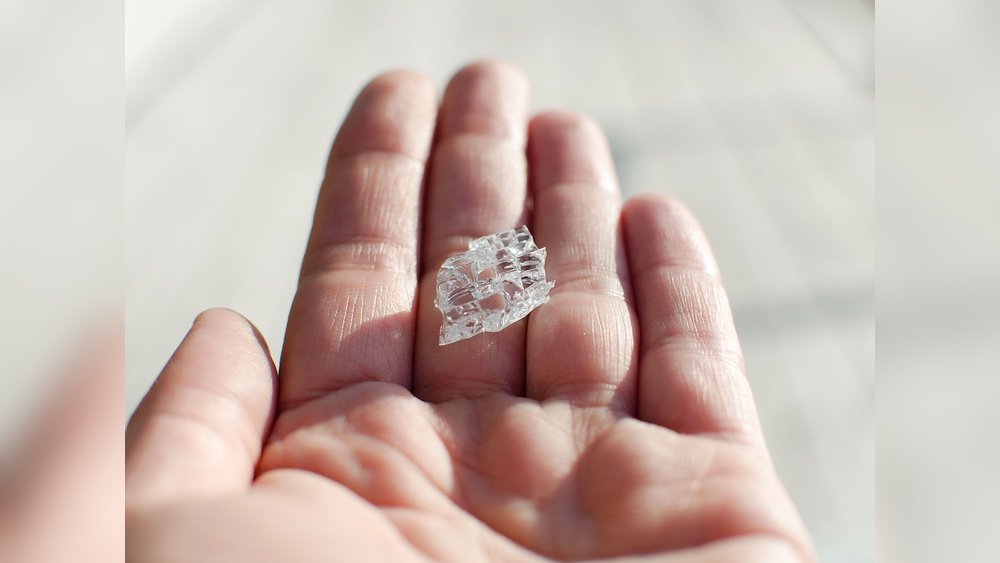
    Tempered glass breaks into small, less sharp pieces. It is safer for windows and car windshields. Regular glass breaks into large, sharp shards. These shards can cause serious cuts. Tempered glass is made by heating and cooling quickly. Regular glass is brittle and breaks easily.

    Microscopic Vs. Visible Shards

    Visible shards are large enough to see and handle. They pose an obvious cut risk. Microscopic shards are tiny and hard to spot. These shards can still cause skin irritation or infection. Microscopic glass fragments can stay on skin or clothes. Careful cleaning is needed to remove them completely.

    Physical Dangers Of Glass Shards

    Glass shards can cause serious physical harm. They are sharp and can easily cut skin. Even small pieces can lead to painful injuries. Understanding the risks helps prevent accidents and treat wounds properly.

    Cuts And Lacerations

    Sharp glass pieces can slice through the skin quickly. Cuts can vary from small scratches to deep wounds. Deep lacerations may bleed heavily and need medical care. These injuries often cause pain and discomfort. Prompt cleaning and bandaging reduce infection risk.

    Embedded Fragments In Skin

    Sometimes, tiny glass fragments get stuck inside the skin. These pieces can be hard to see but cause irritation. Embedded shards may lead to swelling and redness. Removing them carefully is important to avoid further damage. Leaving glass inside the skin can cause long-term problems.

    Infections From Glass Wounds

    Glass wounds are at risk of infection if not cleaned well. Dirt and bacteria can enter through broken skin. Signs of infection include redness, swelling, and pus. Infections need prompt treatment to stop spreading. Using antiseptics and keeping the wound covered helps healing.

    Hidden Health Risks

    Glass fragments may seem harmless, but they carry hidden health risks. Small pieces can cause damage beyond cuts. These dangers often go unnoticed until symptoms appear. Understanding these risks helps prevent serious problems.

    Toxicity From Coatings Or Chemicals

    Some glass has coatings or chemicals on its surface. These substances can be harmful if they enter the body. Tiny glass pieces might carry these toxins into wounds. This can cause infections or allergic reactions. It is important to handle glass fragments carefully. Avoid touching or inhaling dust from broken glass.

    Eye Injuries From Tiny Particles

    Small glass particles can easily get into the eyes. Even tiny shards cause irritation and pain. They can scratch the cornea, leading to infection or vision problems. Rubbing the eyes only makes damage worse. Always rinse eyes with clean water if glass dust enters. Seek medical help if pain or redness lasts.

    Can Glass Fragments Be Dangerous: Hidden Risks You Must Know

    Credit: www.vecteezy.com

    Common Situations With Glass Hazards

    Glass hazards appear in many everyday situations. Small accidents can cause serious injuries. Knowing common places where glass breaks helps prevent harm. Understanding these risks keeps families and workplaces safer.

    Broken Windows And Doors

    Windows and doors often break from storms or accidents. Shattered glass can scatter sharp pieces everywhere. These fragments can cut skin deeply. Kids and pets are at high risk near broken glass. Cleaning up carefully is very important to avoid injuries.

    Accidents With Glassware

    Glass cups, plates, and bottles break easily. Dropping glassware can send shards flying around. These pieces can cause cuts on hands and feet. Kitchens and dining areas are common spots for these accidents. Handling glassware with care reduces the risk.

    Car Crashes Involving Glass

    Car accidents often break windows and windshields. Glass fragments can injure drivers and passengers. Broken glass may cause cuts or eye damage. Emergency responders use special tools to avoid glass injuries. Wearing seat belts helps lower the chance of glass-related harm.

    Preventing Injury From Glass

    Glass fragments can cause serious injuries. Small pieces can cut the skin deeply and cause bleeding. Preventing injury is important to stay safe around broken glass. Taking the right steps helps avoid accidents and pain.

    Safe Cleanup Techniques

    Start by clearing the area carefully. Use a broom and dustpan to gather large pieces. Avoid using bare hands to pick up glass. After sweeping, use a damp paper towel to wipe tiny shards. Dispose of the towel immediately to keep others safe. Check the floor again to catch any missed pieces. Clean slowly and watch closely for hidden glass.

    Protective Gear Recommendations

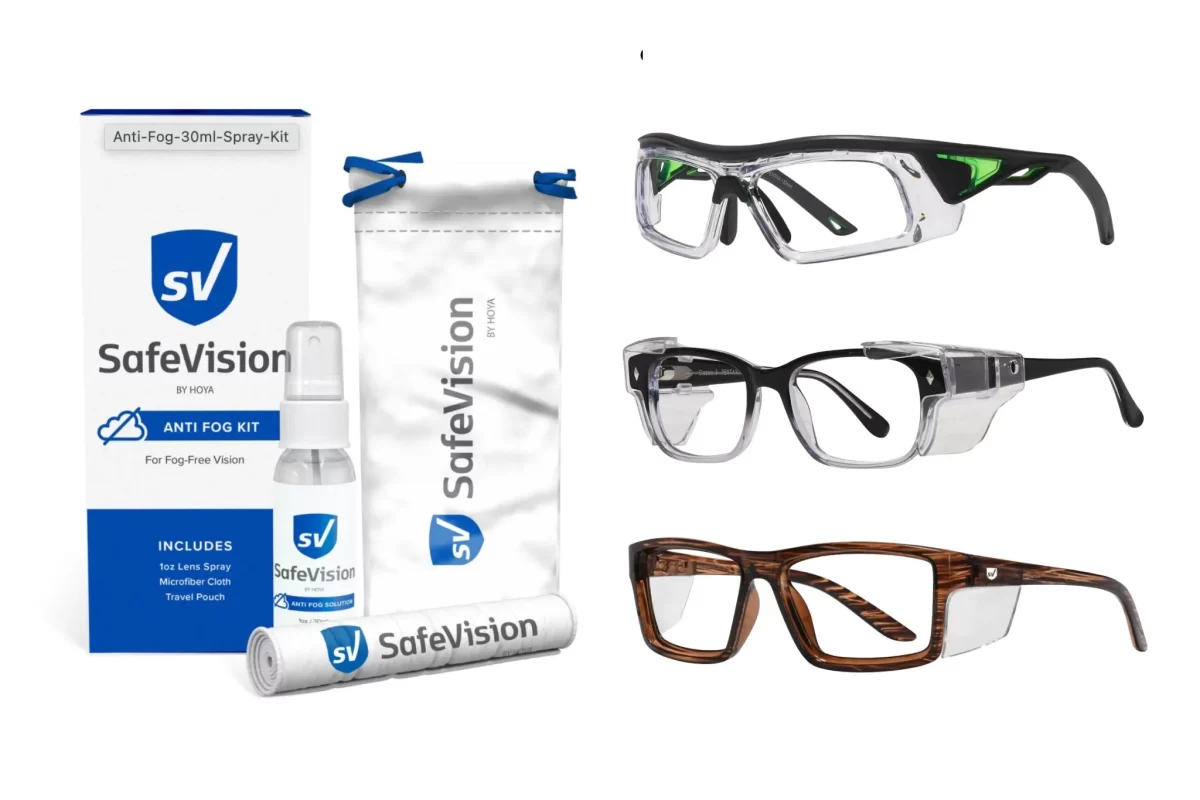
    Wear thick gloves to protect your hands. Gloves made of leather or heavy rubber work best. Use closed-toe shoes to protect your feet from falling glass. Eye protection like safety goggles stops shards from hitting your eyes. Long sleeves and pants add extra skin protection. Always wear the gear before starting cleanup.

    Proper Disposal Methods

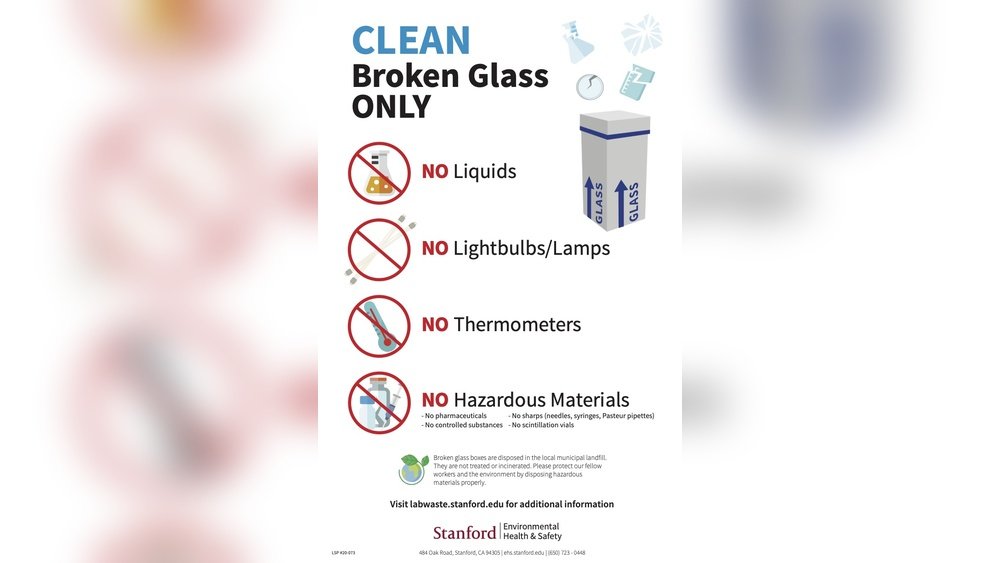
    Place glass fragments in a strong container before trash disposal. Use a cardboard box or thick plastic container. Mark the container as “broken glass” to warn others. Seal the container tightly with tape to prevent spills. Never throw loose glass directly into the trash. Follow local rules for disposing of sharp objects. Proper disposal prevents injury to waste handlers and others.

    Can Glass Fragments Be Dangerous: Hidden Risks You Must Know

    Credit: www.dreamstime.com

    First Aid For Glass Injuries

    Glass injuries can cause pain and bleeding. Knowing first aid helps reduce harm and avoid infection. Act quickly but calmly. Follow safe steps to treat cuts from glass fragments.

    Removing Glass Fragments Safely

    Do not try to remove deep glass pieces yourself. For small pieces on the skin, wash your hands first. Use tweezers cleaned with alcohol. Gently pull out visible glass. Stop if it hurts or if glass is too deep.

    After removing, rinse the area with clean water. Avoid rubbing the wound. Pat dry with a clean cloth. Cover the cut with a sterile bandage to protect it.

    When To Seek Medical Help

    Go to the doctor if bleeding is heavy and does not stop. Visit if glass is embedded deeply or near the eyes. Watch for signs of infection like redness, swelling, or pus. Seek help if you feel numbness or cannot move the injured part.

    Professional care may require stitches or special cleaning. Early treatment helps avoid complications and speeds healing.

    Can Glass Fragments Be Dangerous: Hidden Risks You Must Know

    Credit: pngtree.com

    Frequently Asked Questions

    Can Glass Fragments Cause Serious Injuries?

    Yes, glass fragments can cause serious injuries like deep cuts, bleeding, and infections. Even small shards can penetrate the skin and damage tissues.

    How Can Glass Fragments Affect Health?

    Glass fragments can lead to infections if not removed properly. They may cause pain, swelling, and long-term tissue damage.

    What First Aid Is Needed For Glass Cuts?

    Clean the wound gently, remove visible fragments carefully, and apply antiseptic. Seek medical help for deep or large cuts immediately.

    Are Glass Fragments Dangerous For Children And Pets?

    Yes, children and pets are at higher risk of injury from glass fragments due to their curious nature and sensitive skin.

    Conclusion

    Glass fragments can cause serious injuries if not handled carefully. Always wear gloves and clean up broken glass promptly. Keep children and pets away from sharp pieces. Small cuts may seem minor but can get infected quickly. Knowing how dangerous glass fragments are helps you stay safe.

    Taking simple steps prevents accidents and pain. Stay alert and treat broken glass with caution every time. Safety matters most when dealing with sharp, hidden glass shards.
  • Can Scratches Reduce Glass Safety: Hidden Risks Exposed

    Can Scratches Reduce Glass Safety: Hidden Risks Exposed

    Have you ever noticed a scratch on your car window or home glass and wondered if it’s just a minor flaw or something more serious? Scratches might seem harmless at first, but they can actually affect how strong and safe your glass really is.

    If you care about your safety and want to avoid unexpected accidents, understanding how scratches impact glass strength is crucial. Keep reading to discover what those tiny marks could mean for your protection and what you can do about them.

    How Scratches Form On Glass

    Scratches on glass happen over time and affect its safety. Small marks might seem harmless. Yet, they can weaken the glass structure. Understanding how scratches form helps prevent damage and keeps glass safe.

    Common Causes

    Glass often scratches from daily use. Rough cleaning tools can leave marks. Sharp objects scraping the surface cause visible lines. Dirt or grit trapped under cloths also scratch glass. Outdoor glass faces weather effects like wind carrying particles. These particles hit the glass and create scratches.

    Types Of Scratches

    Not all scratches are the same. Light scratches only affect the surface. They look like fine lines and do not break the glass. Deeper scratches go below the surface. They weaken the glass and make it fragile. Some scratches spread cracks over time. These cracks can cause the glass to break easily.

    Impact On Glass Strength

    Scratches on glass do more than spoil its look. They can weaken the glass and lower its safety. These small marks create spots where the glass is less strong. This makes the glass easier to break under pressure or impact.

    Structural Weakness

    Scratches cut into the glass surface. This damages the smooth, solid structure. Even tiny scratches cause weak spots. These spots do not hold pressure well. Over time, these weak areas can grow bigger cracks. The glass then loses its ability to protect or hold weight.

    Stress Concentration Points

    Scratches act like traps for stress. Pressure on the glass collects at these points. Instead of spreading evenly, stress focuses on scratches. This focus makes the glass more likely to break. Cracks start at these points and spread fast. The glass becomes unsafe much sooner than expected.

    Safety Hazards Linked To Scratches

    Scratches on glass surfaces do more than just spoil the look. They can create real safety risks. These marks weaken the glass and make it less safe. Understanding the hazards linked to scratches helps in taking better care of glass items.

    Increased Breakage Risk

    Scratches act like tiny cracks on the glass surface. They reduce the glass strength. Stress builds up around these weak points. This makes the glass more likely to break under pressure or impact. Even small hits can cause shattered glass if scratches are deep.

    Sharp Edge Formation

    Scratches can lead to sharp edges on broken glass. These edges are dangerous. They can cut skin easily and cause injuries. Broken glass with scratched surfaces is harder to handle safely. It is important to avoid contact with damaged glass to prevent accidents.

    Can Scratches Reduce Glass Safety: Hidden Risks Exposed

    Credit: www.walmart.com

    Testing Glass Durability

    Testing glass durability is essential to understand how scratches affect its strength and safety. Experts use different methods to check if damaged glass can still protect people. This helps manufacturers improve glass quality and safety standards.

    Laboratory Assessments

    Scientists test glass samples in labs using special machines. They apply pressure and force to see how much the glass can hold. Scratches are added to some samples to check their impact. These tests show if cracks or chips weaken the glass structure. Results help predict how glass behaves under stress.

    Real-world Scenarios

    Testing also involves real-life situations like wind, impacts, and temperature changes. Scratched glass is exposed to these conditions to watch for failures. This reveals how damage affects safety outside the lab. Real-world tests ensure glass can protect people in everyday use. They confirm if scratches lead to faster breakage or not.

    Preventing Scratch Damage

    Scratches on glass can weaken its strength and safety. Preventing these damages helps keep glass durable and safe. Simple steps and smart choices protect glass from scratches.

    Protective Coatings

    Protective coatings add a thin layer on glass surfaces. This layer reduces the chance of scratches. It also makes cleaning easier. Some coatings can even stop small cuts from spreading. Choose coatings designed for your glass type.

    Handling And Maintenance Tips

    Handle glass carefully to avoid sharp objects touching it. Use soft cloths for cleaning. Avoid abrasive materials like rough sponges or paper towels. Clean glass regularly to remove dirt that can cause scratches. Store glass items in safe places away from hard surfaces.

    Can Scratches Reduce Glass Safety: Hidden Risks Exposed

    Credit: www.bulkreefsupply.com

    Repair And Replacement Options

    Scratches on glass can affect its safety and appearance. Choosing the right repair or replacement option helps keep glass strong and clear. Some scratches can be fixed easily. Others need full glass replacement. Knowing the best choice protects your home and family.

    Scratch Removal Techniques

    Light scratches can be removed with simple tools. Polishing kits work well for minor surface damage. These kits use fine abrasives to smooth the glass. Another method uses toothpaste or baking soda paste. Gently rub the scratch in a circular motion. Clean the glass afterward to check results. This works only on small, shallow scratches.

    For deeper scratches, professional repair is better. Experts use special machines and compounds. They can restore glass clarity without weakening it. This process takes skill and care. Avoid DIY fixes on large or deep scratches. Poor repair can cause more damage.

    When To Replace Glass

    Replace glass if scratches are deep or widespread. Cracks often start from scratches that weaken glass. Broken or chipped glass always needs replacement. Safety glass must meet strict standards. Damaged glass may fail during impact. This risks injury to people nearby.

    Window and car glass with many scratches lose visibility. This can cause accidents or reduce light. Replacing glass restores safety and clarity. Choose glass that meets safety codes. This ensures long-lasting protection for your space.

    Can Scratches Reduce Glass Safety: Hidden Risks Exposed

    Credit: www.amazon.com

    Frequently Asked Questions

    Can Scratches Weaken The Structural Integrity Of Glass?

    Yes, scratches can create stress points that weaken glass. These imperfections may lead to cracks under pressure or impact, reducing overall safety and durability.

    Do Scratches Affect Safety Glass Performance?

    Scratches can compromise safety glass by reducing its strength. Damaged glass is more prone to shattering, which can increase the risk of injury during accidents.

    How Do Scratches Impact Tempered Glass Safety?

    Scratches on tempered glass can cause uneven stress distribution. This raises the chance of spontaneous breakage, undermining the glass’s intended safety features.

    Can Minor Scratches Cause Glass To Shatter Unexpectedly?

    Even small scratches can cause micro-fractures. These hidden defects can propagate, leading to unexpected glass breakage under normal conditions.

    Conclusion

    Scratches can weaken glass and make it less safe. Small cracks may grow over time and cause breakage. Regular checks help catch damage early and prevent accidents. Fixing scratches quickly keeps glass strong and reliable. Always handle glass with care to avoid harm.

    Safety matters most when dealing with glass surfaces. Stay aware and protect your glass from scratches.

  • What Should Be Avoided to Maintain Glass Safety: Top Risks Revealed

    What Should Be Avoided to Maintain Glass Safety: Top Risks Revealed

    Glass is everywhere—in your home, office, and even your car. But do you know what can put your safety at risk when dealing with glass?

    Small mistakes or overlooked habits can lead to dangerous accidents. If you want to protect yourself and those around you, it’s crucial to understand what you should avoid. Keep reading to discover simple yet vital tips that will help you maintain glass safety every day.

    Your safety depends on it.

    What Should Be Avoided to Maintain Glass Safety: Top Risks Revealed

    Credit: newlifescientific.com

    Common Glass Hazards

    Glass is a popular material in homes and offices. It looks nice and lets in light. But glass can also be dangerous. Certain risks can cause injuries or damage. Knowing common glass hazards helps keep everyone safe.

    Sharp Edges And Breakage

    Sharp edges on glass can cause cuts and wounds. Broken glass is even more dangerous. It can splinter into small, sharp pieces. These pieces can hurt skin and eyes. Always check glass edges and avoid damaged glass.

    Improper Installation

    Glass that is not installed correctly may fall or break. Loose glass can slip out of frames easily. This leads to accidents and injuries. Proper fitting and secure fixing prevent these problems. Use skilled workers for glass installation.

    Incorrect Glass Type Use

    Using the wrong type of glass can cause safety issues. Some glass types are not strong enough for certain uses. For example, regular glass may break easily in doors or windows. Tempered or laminated glass is safer for these areas. Always choose the right glass type for the job.

    What Should Be Avoided to Maintain Glass Safety: Top Risks Revealed

    Credit: ehs.princeton.edu

    Environmental Risks

    Glass is sensitive to many environmental factors that can reduce its strength and safety. Avoiding certain risks helps keep glass intact and prevents accidents. Understanding these risks protects your glass surfaces and structures.

    Extreme Temperature Changes

    Glass can crack or shatter when exposed to sudden temperature shifts. Hot sun followed by cold rain stresses the material. Avoid placing glass near heat sources or cold drafts. Gradual temperature changes help maintain glass integrity.

    Exposure To Harsh Chemicals

    Harsh chemicals can damage glass surfaces and weaken them. Strong acids or alkalis cause etching and cloudiness. Use mild cleaners and avoid abrasive substances. Protect glass from spills of cleaning agents or industrial chemicals.

    Impact From Heavy Objects

    Heavy objects hitting glass can cause cracks or breaks. Even small impacts create weak points over time. Keep heavy tools and furniture away from glass areas. Use protective films or barriers in high-traffic zones.

    Maintenance Mistakes

    Maintaining glass safety requires careful attention during upkeep. Mistakes in maintenance can weaken glass and cause accidents. Avoiding these errors helps keep glass strong and clear. Learn about common maintenance mistakes to prevent damage.

    Using Abrasive Cleaners

    Abrasive cleaners scratch glass surfaces easily. These scratches reduce glass strength and clarity. Use soft cloths and mild cleaners instead. Gentle cleaning keeps glass safe and looking good.

    Neglecting Regular Inspections

    Skipping routine checks lets problems grow unnoticed. Small cracks can spread and cause breaks. Regular inspections catch damage early. Fix issues quickly to maintain glass safety.

    Ignoring Minor Damages

    Minor chips and cracks seem harmless but are risky. They weaken the glass structure over time. Address even small damage immediately. Early repair prevents bigger safety hazards.

    Safety Measures To Avoid Risks

    Maintaining glass safety requires careful attention to key measures. Avoiding risks starts with understanding the best practices. These safety steps help prevent accidents and damage. Every detail matters, from selecting materials to regular checks.

    Choosing The Right Glass Material

    Pick glass designed for safety and strength. Tempered glass resists breaking and shattering. Laminated glass holds together when cracked. Avoid cheap or thin glass that breaks easily. The right choice reduces injury risks significantly.

    Proper Handling And Installation

    Handle glass with clean gloves to avoid slipping. Always carry glass vertically, not flat. Secure glass firmly during installation. Use appropriate tools to prevent cracks. Poor handling causes chips, cracks, and accidents.

    Routine Safety Checks

    Inspect glass regularly for chips or cracks. Replace damaged glass immediately to avoid danger. Check frames and seals for wear or looseness. Keep glass surfaces clean to spot issues fast. Routine checks catch problems before they grow.

    What Should Be Avoided to Maintain Glass Safety: Top Risks Revealed

    Credit: safevision.com

    Frequently Asked Questions

    What Common Chemicals Should Be Avoided On Glass Surfaces?

    Avoid harsh chemicals like ammonia, bleach, and acids on glass. These substances can cause etching and weaken the glass surface. Use mild, glass-specific cleaners to maintain clarity and safety. Always test any cleaner on a small area before full application.

    How Can Extreme Temperatures Affect Glass Safety?

    Extreme heat or cold can cause glass to crack or shatter. Avoid placing hot items directly on glass surfaces and prevent sudden temperature changes. Using tempered or heat-resistant glass can improve safety and durability in temperature-sensitive environments.

    Why Is Avoiding Impact Important For Glass Safety?

    Impacts can cause chips, cracks, or complete breakage in glass. Always handle glass carefully and avoid hitting or dropping heavy objects on it. Installing protective films or using laminated glass can reduce injury risks if breakage occurs.

    Can Improper Cleaning Tools Damage Glass Safety?

    Yes, abrasive tools like steel wool or rough cloths can scratch glass. Scratches weaken glass integrity and reduce visibility. Use soft microfiber cloths and non-abrasive cleaning solutions to keep glass safe and clear.

    Conclusion

    Avoiding sharp impacts and extreme temperatures keeps glass safe. Never use glass with cracks or chips. Handle glass gently to prevent breakage. Keep glass clean to spot damage early. Store glass items in secure places. Follow these simple steps to protect yourself and others.

    Safe glass use means fewer accidents and injuries. Stay careful and respect glass’s fragile nature. Safety starts with small, smart actions every day.

  • What are Common Glass Safety Myths: Debunking Dangerous Misconceptions

    What are Common Glass Safety Myths: Debunking Dangerous Misconceptions

    Have you ever worried about the safety of glass around your home or workplace? You might be surprised to learn that many things you believe about glass safety are actually myths.

    These common misunderstandings can affect how you protect yourself and your loved ones. Knowing the truth can keep you safer and help you make smarter choices. Keep reading to uncover the facts behind the most widespread glass safety myths—you won’t want to miss what could change the way you see glass forever.

    What are Common Glass Safety Myths: Debunking Dangerous Misconceptions

    Credit: www.barrybros.com

    Glass Safety Myths

    Glass safety is often misunderstood due to many common myths. These myths create false ideas about how safe glass is. They can cause people to worry too much or to ignore real dangers. Knowing the truth about glass safety helps make better choices at home and work.

    Myth: All Glass Breaks Into Sharp Pieces

    Many believe all glass shatters into dangerous shards. This is not true. Tempered glass breaks into small, blunt pieces that rarely cause injury. Laminated glass holds together even when cracked. Understanding glass types reduces fear and improves safety.

    Myth: Thicker Glass Is Always Safer

    Thicker glass does not always mean safer glass. Safety depends on glass type and treatment, not just thickness. Some thin safety glasses perform better than thick regular glass. Choosing the right glass is about quality, not size.

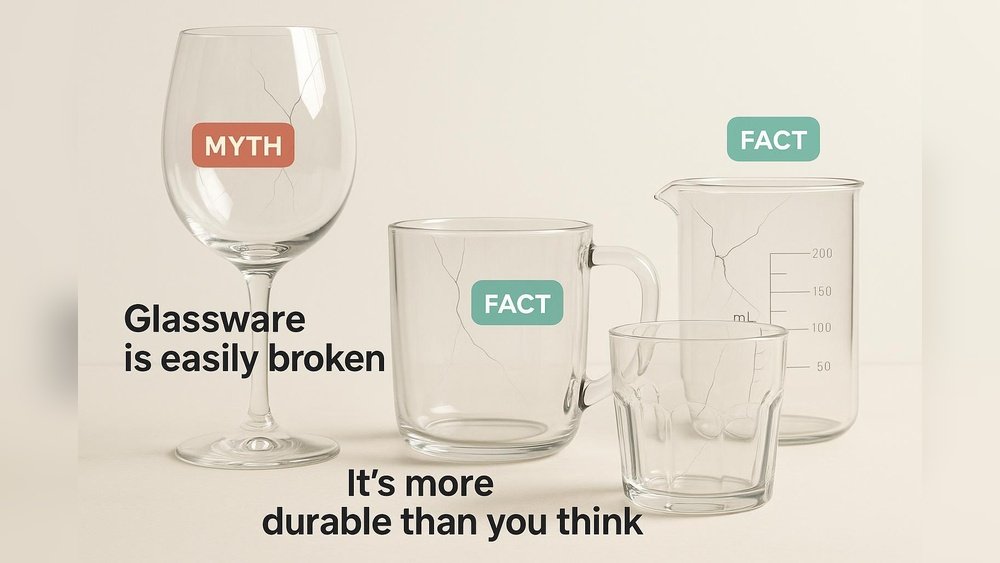
    Myth: Glass Is Too Fragile For Everyday Use

    People often think glass easily breaks in daily use. Modern glass is made strong with special treatments. Many glass products resist impacts and temperature changes. Glass can be both beautiful and durable in homes and offices.

    Myth: Glass Safety Is Only About Breaking

    Safety is not only about glass breaking. Proper installation and maintenance also matter. Poorly installed glass can fall or cause accidents. Regular checks and care improve glass safety greatly.

    What are Common Glass Safety Myths: Debunking Dangerous Misconceptions

    Credit: goframelessaustin.com

    Myth: Tempered Glass Is Unbreakable

    Many people believe tempered glass is unbreakable. This is a common myth. Tempered glass is stronger than regular glass, but it can still break. It is designed to break safely into small pieces instead of sharp shards. This safety feature helps reduce injuries.

    Understanding how tempered glass breaks helps clear up this misconception. It is not indestructible. Certain forces or impacts can cause it to shatter quickly. Knowing the limits of tempered glass is important for safety.

    How Tempered Glass Actually Breaks

    Tempered glass breaks under strong impact or sharp force. Stress points or scratches weaken it. Once broken, it shatters into tiny, blunt pieces. This reduces the chance of serious cuts. The glass breaks suddenly and completely. Small cracks do not appear first, unlike regular glass.

    Extreme heat changes can also cause tempered glass to break. Rapid temperature changes create stress inside. This can cause shattering without any impact. Careful handling helps avoid these breaks. It is strong but not unbreakable.

    Common Misuses Of Tempered Glass

    People often use tempered glass in unsafe ways. Using it in places with high risks of sharp hits is dangerous. For example, hitting tempered glass with tools or hard objects causes breakage. Scratches or chips weaken its strength.

    Another misuse is installing tempered glass where it faces sudden temperature changes. This includes areas near ovens or heaters. Improper installation can put stress on the glass edges. This increases the chance of cracks and breaks.

    Tempered glass is safe when used correctly. Understanding its limits prevents accidents and injuries.

    Myth: All Glass Shatters The Same Way

    Many people believe that all glass breaks the same way. This is not true. Different types of glass shatter in different patterns. Understanding these differences helps explain why some glass is safer than others.

    Differences Between Tempered And Laminated Glass

    Tempered glass breaks into small, blunt pieces. These pieces are less likely to cause serious injury. It is often used in car windows and shower doors.

    Laminated glass has a plastic layer between two glass sheets. This layer holds the glass together when it breaks. The glass may crack but stays mostly in place.

    Safety Benefits Of Different Glass Types

    Tempered glass reduces the risk of deep cuts. Its small fragments are safer in accidents. Laminated glass prevents glass from falling out. It keeps people protected from sharp shards.

    Choosing the right glass improves safety. It also protects property and reduces repair costs. Knowing these facts helps you make better decisions.

    Myth: Thick Glass Is Always Safer

    Many people believe thick glass is always safer. They think thicker means stronger and harder to break. This idea is common but not always true. Safety depends on more than just thickness. Understanding the truth helps you choose the right glass for safety.

    Thickness Vs. Strength

    Thicker glass can be stronger, but not always safer. Strength depends on the type of glass and how it is made. Some thin glass types are designed to resist breaking. Thick glass can still break easily if it has flaws or weak points. Thickness alone does not guarantee safety.

    Other Factors Affecting Glass Safety

    Glass safety depends on many factors. Tempered glass is heat-treated to be stronger and safer. Laminated glass holds together even when broken. The way glass is installed also affects safety. Proper fitting and support reduce the risk of accidents. Always consider these factors along with thickness.

    Myth: Glass Doors Are Less Safe Than Solid Doors

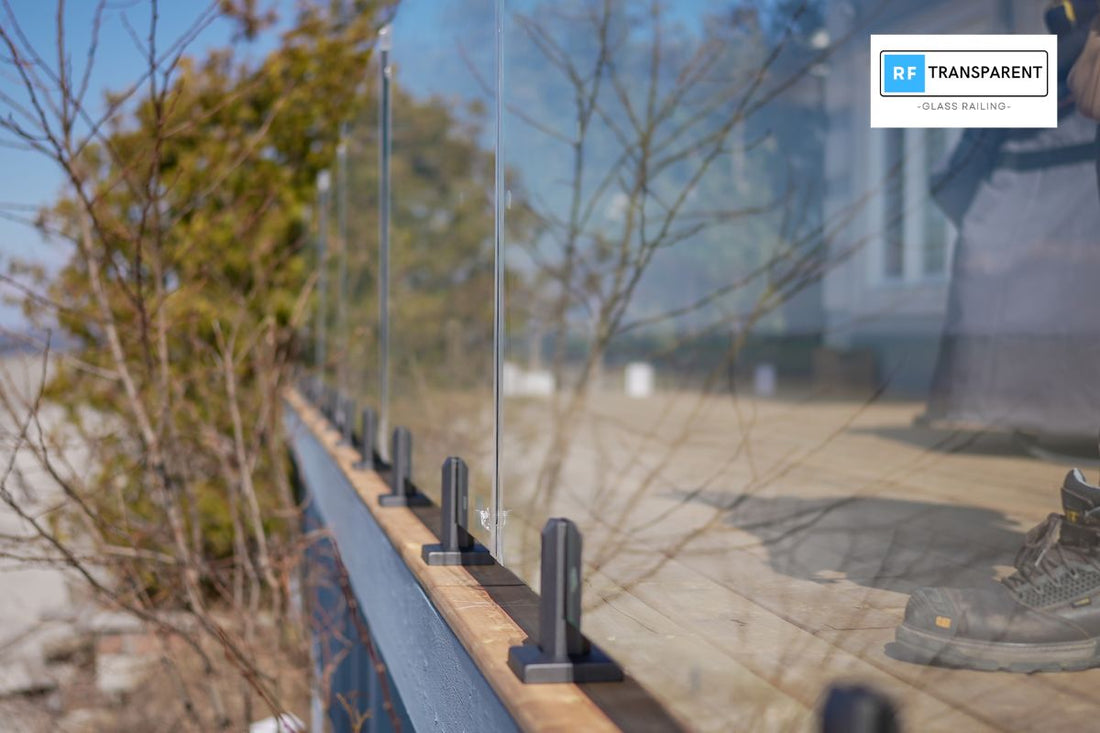
    Many people think glass doors are less safe than solid doors. They worry glass breaks easily and causes injuries. This belief leads some to avoid glass doors in homes and offices. The truth is different. Modern glass doors have many safety features. These features make them very safe for daily use.

    Safety Features In Modern Glass Doors

    Modern glass doors use toughened or laminated glass. This type of glass is strong and hard to break. If it does break, it shatters into small, dull pieces. These pieces are less likely to cause cuts.

    Many glass doors have frames made from strong materials. Frames add extra support and prevent the glass from falling out. Some doors include sensors and safety locks. These features stop accidents and unauthorized entry.

    Glass doors also have clear markings or decals. These markings help people see the door and avoid walking into it. Such details improve safety in busy places.

    Common Causes Of Glass Door Injuries

    Injuries often happen when people do not notice the glass door. Clear glass can be hard to see. Walking or running into it causes bruises or cuts.

    Another cause is poor installation. If the door is not fixed well, it may fall or jam. This can hurt people using the door.

    Improper use also leads to accidents. For example, pushing the glass too hard or slamming it. Such actions increase the risk of breakage and injury.

    Myth: Broken Glass Always Causes Serious Injury

    Many people believe broken glass always causes serious injury. This is a common myth. While broken glass can be dangerous, it does not always lead to severe cuts or wounds. The risk depends on many factors, such as the size and shape of the glass pieces.

    Small shards might only cause minor scratches. Large, sharp pieces can cause deep cuts. The type of glass also matters. Some glass types break into safer, smaller bits. Others create jagged, sharp fragments.

    Safety Measures To Minimize Injury

    Wear gloves when handling broken glass. Use thick cloth or paper to pick up sharp pieces. Clean the area thoroughly to remove tiny shards. Keep children and pets away from the broken glass. Dispose of glass safely in a rigid container. Avoid using bare hands to pick up shards.

    When Broken Glass Is Most Dangerous

    Broken glass is most dangerous when it has sharp, jagged edges. Large pieces can cut deeply. Glass on floors or walkways can cause slips and falls. Wet glass increases the risk of slipping. Glass near electrical outlets or wires is very risky. Careless handling raises injury chances.

    Myth: Diy Glass Repairs Are Safe

    Many people believe they can fix broken glass themselves without problems. This idea seems simple and cost-saving. Yet, DIY glass repairs can lead to serious issues. Understanding why DIY is risky helps protect your safety and property.

    Risks Of Improper Glass Handling

    Glass can break easily and cause sharp edges. Without the right tools, cuts and injuries are common. Poor repairs might not hold up, causing glass to shatter later. Incorrect handling can weaken the glass frame and structure. This creates hazards for everyone around the area.

    When To Call Professionals

    Experts have the tools and skills needed for safe repairs. They know how to handle different types of glass properly. Professionals ensure the repair lasts and meets safety standards. Call them if the damage is large or near electrical parts. Small chips might seem easy to fix, but experts still provide safer results.

    Myth: Glass Safety Only Matters In Industrial Settings

    Many people believe glass safety is only important in factories or large buildings. This idea is wrong. Glass is everywhere—in homes, schools, parks, and shops. It can break and cause injuries anywhere. Understanding glass safety beyond industrial sites keeps everyone safer.

    Glass Safety In Homes And Public Spaces

    Glass is common in windows, doors, and furniture at home. It can break from accidents or weather changes. Public places like malls and schools use glass walls and displays. Broken glass in these places can hurt children and adults. Safe glass types and proper installation reduce risks in these spaces.

    Everyday Precautions To Take

    Check glass items regularly for cracks or chips. Use safety films on windows to prevent shattering. Keep sharp objects away from glass surfaces. Teach children not to play near glass doors or windows. Replace damaged glass quickly to avoid accidents. These small steps protect families and communities daily.

    What are Common Glass Safety Myths: Debunking Dangerous Misconceptions

    Credit: rftransparent.ca

    Frequently Asked Questions

    What Are The Most Common Glass Safety Myths?

    Many believe glass always shatters dangerously, but tempered glass breaks safely. Another myth is that all glass is fragile; some types are highly durable. These myths can cause unnecessary fear or misuse of glass products.

    Does Tempered Glass Never Break Into Sharp Pieces?

    Tempered glass is designed to break into small, blunt pieces, reducing injury risk. However, under extreme force, it can still cause harm. Always handle glass with care, regardless of its type or treatment.

    Is Laminated Glass Completely Unbreakable?

    Laminated glass is highly resistant but not unbreakable. It holds together when shattered, preventing dangerous shards. This makes it safer for windows and windshields but not invincible against strong impacts.

    Can Glass Cuts Heal Quickly Without Treatment?

    Glass cuts can be deep and prone to infection if untreated. Proper cleaning and bandaging are essential to prevent complications. Always seek medical advice for serious glass injuries to ensure proper healing.

    Conclusion

    Glass safety myths can cause confusion and risk. Knowing the facts helps you stay safe. Always trust verified information, not rumors. Take care when handling glass objects at home. Simple safety steps prevent accidents and injuries. Remember, clear facts protect you and your family.

    Stay aware and question common glass safety myths. Safety starts with understanding the truth.

  • Is Professional Inspection Better for Glass Safety: Expert Insights

    Is Professional Inspection Better for Glass Safety: Expert Insights

    When it comes to the safety of your glass windows, doors, or panels, can you really trust a quick look, or do you need a professional inspection? You might think your glass is fine until a hidden crack or flaw puts you and your loved ones at risk.

    Imagine avoiding costly repairs or accidents just by knowing exactly what to look for. You’ll discover why a professional inspection could be the key to keeping your glass—and your home—safe. Keep reading to find out how expert eyes can protect what matters most to you.

    Importance Of Glass Safety

    Glass is common in homes and offices. It looks good but can be risky. Safe glass protects people from accidents.

    Regular checks keep glass strong and secure. Professionals spot problems early. This stops injuries and damage.

    Good glass safety means peace of mind. It keeps everyone safe inside and outside the building.

    Common Glass Hazards

    Cracks and chips weaken glass over time. Broken edges can cause cuts and wounds. Poor installation makes glass fall easily.

    Old or wrong type of glass breaks more. Extreme weather can stress glass and cause damage. Dirty glass hides faults that may be dangerous.

    Consequences Of Neglected Inspections

    Ignoring glass checks leads to accidents and injuries. Small cracks can grow and cause big breaks. Repair costs increase with delayed care.

    Unsafe glass can harm people and property. Liability issues may arise after accidents. Insurance might not cover damage from neglect.

    Types Of Glass Inspections

    Glass safety depends on thorough inspections. Different methods exist to check the condition of glass. These methods help find cracks, chips, or weaknesses early. Regular checks prevent accidents and costly repairs.

    Two main types of inspections are common: DIY inspections and professional inspections. Each type has its own benefits and limits. Understanding both helps you choose the right method for your needs.

    Diy Inspection Methods

    DIY inspections are simple checks anyone can do at home. Start by looking closely at the glass surface. Use a flashlight to spot tiny cracks or scratches. Tap lightly on the glass to listen for unusual sounds. A clear, even sound means the glass is healthy.

    Check the edges of the glass too. Rough or chipped edges can cause safety issues. Use a magnifying glass for a better view if needed. These simple steps help find visible problems early. However, DIY checks cannot detect internal damage or weak spots.

    Professional Inspection Techniques

    Professionals use advanced tools for detailed glass inspection. They use special cameras and sensors to find hidden cracks. Thermal imaging shows changes in glass temperature that reveal weak spots. Professionals also test the strength and thickness of the glass.

    They can inspect different types of glass safely and thoroughly. Their expertise ensures no damage goes unnoticed. Professional inspections provide a complete safety assessment. This helps avoid accidents and costly replacements later.

    Advantages Of Professional Inspections

    Professional inspections offer clear benefits for glass safety. They help find hidden problems early. This reduces risks and prevents accidents. Experts check every detail carefully. This thoroughness keeps homes and workplaces safer.

    Expertise And Experience

    Inspectors have special training and years of experience. They know how to spot small cracks and weaknesses. Their knowledge helps detect issues that others might miss. Experience allows them to assess the best safety solutions. This ensures glass installations meet safety standards.

    Advanced Tools And Technology

    Professionals use modern tools to examine glass closely. These tools reveal flaws invisible to the naked eye. Technology like ultrasonic devices and thermal cameras improve inspection quality. This leads to accurate results and better safety checks. Tools help save time and increase reliability.

    Comprehensive Risk Assessment

    Experts evaluate all risks related to glass safety. They consider location, usage, and environment factors. This detailed assessment helps prevent accidents and injuries. Inspectors suggest changes to improve safety and durability. A full risk check reduces costly repairs later on.

    Is Professional Inspection Better for Glass Safety: Expert Insights

    Credit: www.alamy.com

    Limitations Of Self-inspection

    Self-inspection of glass safety might seem easy and cost-free. Many try it to spot cracks or damage. But this method has many limits. It can miss serious problems that only experts detect. Also, self-inspection can put you at risk during the check. Understanding these limits helps explain why professional inspection is a better choice.

    Lack Of Training

    Most people do not have training in glass safety. They may not know what signs to look for. Experts learn how to spot tiny cracks and weak points. Without this skill, self-inspection often misses hidden damage. Trained inspectors use special tools to check glass strength. This skill cannot be matched by a simple visual check.

    Overlooked Issues

    Many glass problems are hard to see with the naked eye. Small chips or stress marks often go unnoticed. Self-inspectors may only check obvious cracks. They might ignore subtle signs that show glass is unsafe. Professionals know where to check closely and what problems mean. This makes their inspection much more reliable.

    Safety Risks During Inspection

    Inspecting glass can be dangerous without proper precautions. Broken or weak glass can shatter and cause injury. People doing self-inspection may not use safety gear. Experts follow safety steps to protect themselves. This reduces the chance of accidents during inspection. Self-checks can put you at real risk of harm.

    Case Studies And Expert Opinions

    Case studies and expert opinions provide clear proof about professional glass inspections. They show how inspections catch hidden dangers and prevent accidents. Real examples and expert advice help understand why professional checks matter for glass safety.

    Real-life Inspection Outcomes

    One office building had old glass panels. A professional inspection found cracks not visible to the naked eye. Repairs stopped the glass from breaking and causing injuries. Another home inspection revealed weak glass around the balcony. Fixing it improved safety for the whole family. These cases show inspections prevent serious damage and keep people safe.

    Insights From Industry Professionals

    Experts say professional inspections spot risks early. They explain how trained inspectors use special tools to find flaws. Inspectors look for chips, cracks, and improper installation. Safety depends on these early warnings. Professionals agree that skipping inspections increases the chance of accidents. Their advice helps property owners make smart safety decisions.

    Is Professional Inspection Better for Glass Safety: Expert Insights

    Credit: www.smiletemplates.com

    Cost Vs. Benefit Analysis

    Cost versus benefit analysis helps decide if professional glass inspection is worth it. It compares the money spent on inspections to the value gained from safety and savings. Understanding this balance is important for home and business owners. It guides the choice of investing in regular glass safety checks or skipping them.

    Inspection Costs

    Professional glass inspections usually cost a moderate fee. Prices depend on glass type and property size. Some companies charge per window, others offer a flat rate. The cost may seem high at first glance. But it covers expert work and detailed safety checks.

    Basic inspections catch cracks, chips, and weak spots early. Advanced services include stress tests and thickness checks. These help prevent accidents and costly damage later. Skipping inspection might save money now. But risks increase without expert glass evaluation.

    Long-term Savings And Safety

    Investing in inspections often saves money over time. Early problem detection stops small issues from growing. Replacing one broken pane costs less than fixing a whole window. Safety improves too, lowering accident chances.

    Broken glass can cause injury or property damage. Insurance claims may rise without proof of regular checks. Inspections provide documentation that helps with claims. Professionals also recommend repairs that keep glass safe longer.

    Regular inspections extend glass lifespan. They keep your property secure and visually appealing. The cost of inspection is small compared to replacement and medical expenses. Peace of mind comes free with professional glass safety checks.

    Choosing The Right Inspection Service

    Choosing the right inspection service for glass safety is important. It ensures your glass is safe and reliable. Not all inspection services offer the same quality. Picking a trusted and skilled inspector saves time and money. It also protects your property and loved ones.

    Credentials And Certifications

    Check the inspector’s credentials before hiring. Certifications show they meet industry standards. Certified inspectors have training in glass safety rules. They use proper tools and methods. Without credentials, the inspection might miss serious problems. Always ask for proof of certification to avoid risks.

    Customer Reviews And Reputation

    Read customer reviews to learn about past experiences. Good reviews mean the service is trusted by others. Look for feedback on thoroughness and professionalism. A strong reputation builds confidence in the inspector’s work. Avoid services with many complaints or poor ratings. Choose a company praised for clear reports and friendly service.

    Is Professional Inspection Better for Glass Safety: Expert Insights

    Credit: www.dreamstime.com

    Frequently Asked Questions

    What Benefits Does Professional Glass Inspection Offer?

    Professional inspection ensures thorough safety checks and identifies hidden risks. Experts use specialized tools for accurate assessments, enhancing glass durability and preventing accidents.

    How Often Should Glass Safety Inspections Be Done?

    Glass safety inspections are recommended at least once a year. Regular checks help detect wear, cracks, or weaknesses early, ensuring ongoing safety and compliance with standards.

    Can Professional Inspection Prevent Glass-related Accidents?

    Yes, professional inspections spot potential hazards before they cause harm. Early detection allows timely repairs or replacements, significantly reducing the risk of injury from glass failures.

    Is Professional Glass Inspection Cost-effective In The Long Run?

    Investing in professional inspections saves money by avoiding costly repairs and liability claims. Proper maintenance extends glass lifespan and ensures safety, making it a smart financial choice.

    Conclusion

    Professional inspection ensures glass safety with thorough checks. Experts spot hidden risks that anyone might miss. This helps prevent accidents and costly repairs later. Glass safety is important for homes and workplaces alike. Trusting skilled inspectors gives peace of mind and real protection.

    Simple steps taken now can avoid serious problems down the road. Choose careful inspection to keep your glass secure and strong. Safety matters—don’t leave it to chance.

  • Is Car Glass Designed for Safety: Unveiling Critical Protection Facts

    Is Car Glass Designed for Safety: Unveiling Critical Protection Facts

    Have you ever wondered if the glass in your car is truly designed to keep you safe? Every time you drive, your car’s windows and windshield face countless risks—from flying debris to sudden impacts.

    But what if the glass isn’t just there to let you see outside? What if it’s actually working hard to protect you and your loved ones in ways you never realized? Keep reading to uncover the surprising safety features built into your car’s glass, and why understanding them could change the way you think about your daily drive.

    Types Of Car Glass

    Car glass is not just clear plastic. It plays a big role in your safety. Different parts of the car use different types of glass. Each type is made for a special purpose. Knowing these types helps you understand how your car protects you.

    Laminated Windshields

    Laminated windshields have two layers of glass. Between these layers is a thin plastic sheet. This plastic holds the glass together if it breaks. It stops the glass from flying into the car. This design protects passengers during crashes.

    It also keeps the windshield from shattering into sharp pieces. Laminated glass helps keep the car’s structure strong. It reduces the chance of passengers being thrown out.

    Tempered Side And Rear Windows

    Tempered glass is used for side and rear windows. It is made by heating and then quickly cooling the glass. This process makes it much stronger than regular glass.

    When tempered glass breaks, it shatters into tiny, dull pieces. These small pieces are less likely to cause injury. This type of glass also helps in emergency escapes by breaking easier than laminated glass.

    Tempered glass offers a good balance between strength and safety.

    Is Car Glass Designed for Safety: Unveiling Critical Protection Facts

    Credit: www.amazon.com

    Safety Features Built Into Car Glass

    Car glass is not just clear plastic or simple glass. It has special safety features to protect drivers and passengers. These features help keep everyone safe during accidents and harsh weather. Car manufacturers design glass to handle impacts, stop shattering, and block harmful rays from the sun.

    Impact Resistance

    Car glass is made strong to resist impacts. It can absorb energy from hits or crashes. This strength helps prevent the glass from breaking easily. Toughened glass or laminated glass is often used. It protects people by holding together during collisions.

    Shatter Prevention

    Shatter prevention is key for safety glass. Laminated glass has a plastic layer between glass sheets. This layer keeps glass pieces stuck if it breaks. Instead of sharp shards, it cracks safely. This reduces injuries and keeps the glass intact longer.

    Uv Protection

    Car glass also blocks harmful UV rays. These rays can cause skin damage and fade car interiors. Special coatings or tints absorb or reflect UV light. This protects both passengers and the car’s inside materials. UV protection helps keep everyone safer and more comfortable.

    How Car Glass Protects Passengers

    Car glass is more than just a window. It plays a key role in passenger safety. Designed with special materials, car glass helps protect people inside during accidents. It prevents serious injuries and keeps the car’s shape strong.

    Preventing Ejection

    Car glass stops passengers from being thrown out in crashes. The glass holds strong under pressure. This keeps people inside the vehicle. Being inside the car increases chances of survival.

    Maintaining Structural Integrity

    Car glass supports the car’s frame. It helps keep the roof from collapsing. This protection is vital during rollovers. Strong glass makes the entire car safer.

    Reducing Injury From Shards

    Special glass breaks into tiny pieces instead of sharp shards. These small pieces reduce cuts and wounds. Some glasses have a plastic layer to hold fragments. This design lowers the risk of serious injury.

    Regulations And Standards For Car Glass

    Car glass plays a vital role in vehicle safety. It protects passengers from wind, debris, and accidents. Strict rules control its design and quality. These rules ensure glass can withstand impacts and reduce injuries.

    Regulations focus on strength, visibility, and how glass breaks. These standards vary by region but share the goal of protecting people inside vehicles.

    Global Safety Requirements

    Many countries follow international rules for car glass. These rules set limits on how strong and clear the glass must be. They demand glass to resist shattering into sharp pieces.

    Most car windshields are made from laminated glass. This type of glass holds together after breaking. Side and rear windows often use tempered glass, which breaks into small, less harmful pieces.

    Testing Procedures

    Car glass undergoes many tests before use. One test drops a steel ball on the glass to check strength. Another test measures how the glass breaks.

    Visibility tests check if the glass distorts the driver’s view. Heat and weather tests ensure glass stays safe in all conditions. These tests protect drivers and passengers every day.

    Common Myths About Car Glass Safety

    Car glass safety often gets misunderstood. Many people believe false ideas about how strong or safe car windows really are. These myths can cause confusion about car safety. Clearing up these wrong ideas helps drivers trust their car glass more.

    Understanding the truth about car glass helps in making safer choices. It also shows why car manufacturers use special glass types. Let’s explore some common myths about car glass safety.

    Myth: Car Glass Breaks Like Regular Glass

    People think car windows shatter easily like home windows. This is not true. Car glass is made to break differently. It breaks into small, blunt pieces to reduce injury. This keeps passengers safer in crashes.

    Myth: All Car Glass Is The Same

    Some believe all car glass types offer equal protection. Front windshields use laminated glass, which stays mostly intact. Side and rear windows use tempered glass, designed to break into small bits. Each type has a special safety role.

    Myth: Car Glass Cannot Withstand Any Impact

    Many think car glass breaks from the slightest hit. Actually, it is strong against many impacts. Windshields resist stones and debris on the road. This strength helps protect drivers during accidents.

    Myth: Cracked Glass Is Always Dangerous

    Not all cracks make car glass unsafe immediately. Small chips can be repaired without replacing the whole glass. But large cracks need prompt attention to keep safety intact.

    Is Car Glass Designed for Safety: Unveiling Critical Protection Facts

    Credit: www.amazon.com

    Innovations Enhancing Car Glass Safety

    Car glass safety has improved a lot over the years. New technologies make windows stronger and smarter. These changes protect drivers and passengers better during accidents.

    Innovations in car glass focus on strength, visibility, and interaction. They help reduce injuries and improve driving comfort. Let’s explore some key advances in this field.

    Smart Glass Technologies

    Smart glass changes its properties with the touch of a button. It can darken to block sunlight or clear up for better visibility. This helps reduce glare and heat inside the car.

    Some smart glasses can even show information on the windshield. This keeps drivers’ eyes on the road while checking speed or navigation. These features improve safety by reducing distractions.

    Advanced Laminates

    Advanced laminates are layers of glass and plastic. They hold the glass together if it breaks. This stops sharp pieces from flying inside the car during crashes.

    These laminates also reduce noise and block harmful UV rays. They make the ride quieter and protect skin from sun damage. Stronger laminates improve overall car safety and comfort.

    Maintenance Tips To Preserve Glass Safety

    Maintaining car glass is important for safety. Clear, strong glass protects you during drives. Small cracks or chips can grow. They weaken the glass and risk your safety. Proper care helps keep your glass intact. Follow these tips to preserve glass safety.

    Regular Inspections

    Check your car glass often. Look for any chips, cracks, or scratches. Inspect both inside and outside surfaces. Early detection stops damage from spreading. Clean the glass with soft cloths and gentle cleaners. Avoid harsh chemicals that can weaken the glass.

    Timely Repairs

    Fix any damage quickly. Small chips can turn into big cracks fast. Repairing early keeps the glass strong. Use professional services for repairs. Avoid driving with damaged glass in bad weather. Timely repairs save money and improve safety.

    Is Car Glass Designed for Safety: Unveiling Critical Protection Facts

    Credit: carsrenewed.com

    Frequently Asked Questions

    What Materials Are Used In Car Glass For Safety?

    Car glass is typically made from laminated or tempered glass. Laminated glass has a plastic layer that holds shards together. Tempered glass shatters into small, blunt pieces to reduce injury. Both materials enhance passenger protection during collisions and accidents.

    How Does Laminated Glass Improve Car Safety?

    Laminated glass consists of two glass layers with a plastic interlayer. This design prevents the glass from shattering on impact. It keeps passengers inside the vehicle and reduces injuries from flying glass shards. Laminated glass is mainly used for windshields.

    Why Is Tempered Glass Used In Car Side Windows?

    Tempered glass is heat-treated to increase strength. When broken, it crumbles into small, less harmful pieces. This reduces the risk of serious cuts during accidents. It is commonly used for side and rear windows in vehicles.

    Does Car Glass Affect Crash Safety Ratings?

    Yes, car glass quality directly impacts crash safety ratings. Strong, well-designed glass helps maintain cabin integrity. It protects occupants from ejection and sharp glass shards. Safety glass is an essential factor in vehicle safety assessments.

    Conclusion

    Car glass plays a key role in keeping drivers safe. It is made with strong materials that resist breaking. In accidents, it helps protect people inside the car. The glass also reduces injuries by breaking into small, less dangerous pieces.

    Safety features like laminated and tempered glass are common. These designs meet strict safety standards worldwide. Choosing a car with quality glass adds extra protection. Always remember, car glass is not just for clear vision. It is a vital safety tool every driver needs.

  • What Safety Standards Apply to Auto Glass: Essential Guidelines Revealed

    What Safety Standards Apply to Auto Glass: Essential Guidelines Revealed

    When it comes to your vehicle, safety should always come first. But have you ever wondered what makes your auto glass strong enough to protect you on the road?

    Understanding the safety standards that apply to auto glass can give you peace of mind every time you drive. You’ll discover the key rules and regulations that keep your windshield and windows safe and reliable. Knowing these standards helps you make smarter choices when it’s time to repair or replace your auto glass—because your safety truly depends on it.

    Keep reading to find out what you need to know to protect yourself and your loved ones.

    Auto Glass Safety Basics

    Auto glass plays a crucial role in vehicle safety. It protects passengers from wind, debris, and accidents. Understanding the basics of auto glass safety helps drivers make smart choices. This knowledge ensures that the glass installed meets strict safety rules.

    Types Of Auto Glass

    There are mainly two types of auto glass. The first type is laminated glass. It has a plastic layer between two glass sheets. This design keeps glass pieces together if broken. The second type is tempered glass. It is heat-treated to be strong. Tempered glass breaks into small, blunt pieces to reduce injury risk.

    Importance Of Safety Standards

    Safety standards protect drivers and passengers in crashes. They make sure the glass can handle impact and pressure. Standards require auto glass to pass tests for strength and durability. Proper glass reduces the chance of injury during accidents. Following these rules is key to road safety.

    Key Safety Standards

    Auto glass safety is controlled by key standards worldwide. These rules protect drivers and passengers. They ensure glass can handle impacts and reduce injuries. Understanding these standards helps buyers and installers choose safe products.

    Federal Motor Vehicle Safety Standards (fmvss)

    FMVSS is a set of rules in the United States. It defines how auto glass must perform. The focus is on strength and shatter resistance. For example, windshields must prevent sharp glass pieces from flying. These standards help reduce accidents and injuries.

    American National Standards Institute (ansi)

    ANSI sets guidelines for many products, including auto glass. It sets testing methods to check glass safety. ANSI standards cover thickness, impact resistance, and clarity. Many manufacturers use these rules to meet quality requirements.

    European Ece Regulations

    ECE regulations apply in Europe and many other countries. They cover all vehicle glass types. These rules require glass to resist impacts and not injure passengers. ECE also sets rules on light transmission and visibility. These standards improve road safety across regions.

    Material And Manufacturing Requirements

    Auto glass must meet strict material and manufacturing rules. These rules ensure safety and durability. The glass must be strong enough to protect passengers. It also must not break into sharp pieces. Different types of glass have unique properties and uses in vehicles.

    Manufacturers follow these standards to keep drivers safe. The glass undergoes tests to check its strength and quality. These requirements help prevent accidents and injuries on the road.

    Laminated Vs Tempered Glass

    Laminated glass has two layers of glass with plastic in between. This plastic holds the glass if it breaks. It stays mostly in one piece, preventing sharp shards. Laminated glass is used for windshields. It provides clear vision and strong protection.

    Tempered glass is heat-treated to become stronger. It breaks into small, blunt pieces. These pieces reduce the risk of cuts. Tempered glass is common for side and rear windows. It offers safety and durability in crashes.

    Impact Resistance Tests

    Glass must pass impact resistance tests. These tests check how well the glass can handle hits. A weight or ball drops on the glass. The glass must resist breaking or cracking badly. This ensures the glass protects passengers during accidents.

    Tests also measure how glass holds together after breaking. Laminated glass should not shatter into sharp pieces. Tempered glass should crumble safely. Passing these tests proves the glass meets safety rules.

    What Safety Standards Apply to Auto Glass: Essential Guidelines Revealed

    Credit: www.portlandglass.com

    Installation And Repair Guidelines

    Auto glass installation and repair require strict safety standards. These rules protect drivers and passengers from harm. Following proper guidelines ensures the glass fits securely and works correctly. It also helps keep the car’s structure strong during accidents. Understanding these standards is important for anyone involved in auto glass work.

    Certified Installation Procedures

    Certified installers follow exact steps to place auto glass. They clean the frame and check for damage before installation. Using the right adhesives is critical for a strong bond. Installers apply adhesives evenly and allow proper curing time. They also ensure glass fits perfectly to avoid leaks or cracks. Certification means installers meet industry safety and quality rules.

    Approved Repair Techniques

    Repairing auto glass requires approved methods to keep safety intact. Small chips and cracks get repaired with special resins. These resins strengthen the glass and prevent damage from spreading. Technicians must clean and dry the damaged area before repair. They use tools designed to inject resin properly. Approved repairs restore glass clarity and durability without replacing it.

    Inspection And Compliance

    Auto glass safety depends on strict inspection and compliance rules. These rules ensure glass used in vehicles is strong and safe. Regular checks keep glass free from damage that could cause accidents. Compliance with safety standards helps protect drivers and passengers.

    Regular Inspection Protocols

    Auto glass must be inspected often. Experts check for cracks, chips, and other damage. Even small flaws can weaken the glass. Inspections follow clear steps to spot risks early. Safety checks occur during vehicle servicing and after accidents. Inspectors use tools to measure damage size and location. This process helps decide if repair or replacement is needed. Regular inspections prevent bigger problems and keep cars safe on the road.

    Certification Labels And Markings

    Certified auto glass carries special labels. These labels show the glass meets safety rules. They include manufacturer details and safety codes. Labels prove the glass passed quality tests. Drivers can trust certified glass for strength and clarity. Markings also indicate the type of glass, like laminated or tempered. Proper markings ensure the glass fits the vehicle’s safety design. Checking these labels helps avoid fake or unsafe glass parts.

    What Safety Standards Apply to Auto Glass: Essential Guidelines Revealed

    Credit: www.customcollisiontn.com

    Emerging Trends In Auto Glass Safety

    Auto glass safety is evolving with new technologies and materials. These changes aim to protect passengers better during accidents. Innovations improve visibility, strength, and damage resistance.

    Car manufacturers and safety experts focus on smarter, stronger glass. These updates help meet stricter safety standards worldwide. The goal is to reduce injuries from glass breakage and improve overall vehicle safety.

    Smart Glass Technologies

    Smart glass changes its properties based on conditions. It can tint automatically to reduce glare. This helps drivers see clearly in bright sunlight.

    Some smart glass types can display information directly on the windshield. This keeps drivers informed without looking away. Such technology supports safer driving and quick decisions.

    Smart glass can also control heat inside the car. It blocks harmful UV rays, protecting passengers and interior materials. These features enhance comfort and safety.

    Enhanced Impact Absorption

    New glass materials absorb impacts better than before. They reduce the chance of shattering on collision. This lowers the risk of cuts from broken glass.

    Laminated glass layers improve strength and hold shards in place. This design keeps the windshield intact longer during crashes. It supports the vehicle’s structure and protects occupants.

    Manufacturers use special polymers between glass layers. These polymers add flexibility and absorb shock energy. The result is safer, more durable auto glass.

    What Safety Standards Apply to Auto Glass: Essential Guidelines Revealed

    Credit: agsc.org

    Frequently Asked Questions

    What Are The Main Safety Standards For Auto Glass?

    Auto glass safety standards include Federal Motor Vehicle Safety Standard (FMVSS) 205. This standard regulates windshield strength and visibility. It ensures glass resists impact and shattering for occupant protection. Laminated and tempered glass types meet these requirements to enhance driver and passenger safety.

    How Does Fmvss 205 Protect Vehicle Occupants?

    FMVSS 205 mandates windshields to be laminated for better impact resistance. It ensures glass does not shatter into sharp pieces upon collision. This reduces injury risks from broken glass. It also maintains clear visibility to prevent accidents.

    Are All Auto Glass Replacements Required To Meet Safety Standards?

    Yes, replacement auto glass must comply with FMVSS 205. Certified manufacturers provide glass tested for strength and durability. Using non-certified glass can compromise safety and legal compliance. Always choose certified auto glass for replacements.

    What Role Does Laminated Glass Play In Auto Safety?

    Laminated glass has a plastic layer between glass sheets. This layer keeps glass intact during impact, preventing shards. It enhances crash safety by reducing occupant injuries. Laminated glass is mandatory for windshields under safety regulations.

    Conclusion

    Auto glass safety standards protect drivers and passengers every day. These rules ensure glass is strong and breaks safely. Choosing glass that meets these standards helps avoid injuries. It also keeps your vehicle legal and reliable. Always check for proper certification before any replacement.

    Safety matters more than just looks or cost. Stay informed to keep yourself and others safe on the road. Trust only quality auto glass for peace of mind.

  • What People Misunderstand About Glass Safety: Shocking Truths Revealed

    What People Misunderstand About Glass Safety: Shocking Truths Revealed

    You might think glass is just a simple, fragile material. But there’s a lot more to glass safety than meets the eye.

    What if some of the things you believe about glass are actually putting you at risk? Understanding the real facts about glass can protect you and your loved ones in ways you never expected. Keep reading to uncover the surprising truths about glass safety and learn how to stay safer every day.

    What People Misunderstand About Glass Safety: Shocking Truths Revealed

    Credit: www.indiewire.com

    Common Glass Safety Myths

    Many people have wrong ideas about glass safety. These myths cause confusion and fear. Understanding the truth helps us stay safe and use glass wisely.

    Myth Of Unbreakable Glass

    Some believe certain glass types never break. No glass is unbreakable. Even strong glass can crack or shatter under strong force. Safety glass breaks in safer ways, but it still can break.

    Misconceptions About Tempered Glass

    Tempered glass is often thought to be completely safe. It is stronger than regular glass but not unbreakable. When it breaks, it shatters into small pieces to reduce injury. This glass helps prevent serious cuts but needs care.

    Assuming All Glass Is Dangerous

    People often think all glass is risky. Glass varies widely in strength and safety. Many glass types are designed for safety in homes and cars. Knowing the type of glass helps judge its risk correctly.

    Types Of Glass And Their Risks

    Glass comes in many types, each with its own safety risks. Knowing these differences helps protect you and your family. Some glass breaks into sharp pieces, while others hold together. Choosing the right glass matters for safety.

    Understanding these types clears up common safety misunderstandings. This section explains the main types of glass and their risks.

    Tempered Vs. Laminated Glass

    Tempered glass is strong and breaks into small, blunt pieces. This reduces injury risk. It is often used in car windows and shower doors.

    Laminated glass has a plastic layer between two glass sheets. It holds together even if broken. This glass is common in windshields and skylights.

    Both types improve safety but serve different purposes. Tempered glass shatters safely. Laminated glass stays intact after impact.

    Annealed Glass Vulnerabilities

    Annealed glass is the most basic type. It breaks into large, sharp shards. This glass is often found in older windows and mirrors.

    It offers little protection in accidents or storms. It can cause serious cuts and injuries. Many safety regulations discourage its use in high-risk areas.

    Specialty Glass Safety Features

    Some glass types include extra safety features. These can be coatings that block UV rays or strengthen the glass.

    Others have built-in sensors to detect cracks early. Some specialty glass resists fire or impacts better than standard glass.

    These features add protection but also cost more. Choosing the right specialty glass depends on the environment and safety needs.

    Hidden Dangers In Everyday Glass

    Glass is all around us. It looks safe and clean, but it can hide dangers. Many people do not see how glass can cause harm in daily life. Small cracks, sharp edges, and broken pieces can lead to injuries. Understanding these hidden risks helps keep you and your family safe.

    Glass In Household Items

    Glass is in many household items like windows, doors, and kitchenware. Broken glass from a window can cause deep cuts. Even small chips on glass cups or plates can break easily. This can cause sharp shards to fly and hurt someone. Safety glass is better, but not every home has it.

    Automotive Glass Hazards

    Car windows and windshields use special glass. It looks strong but can shatter in accidents. Broken car glass can cause serious injuries. Small cracks weaken the glass and make it more dangerous. Always check your car glass for damage and replace it promptly.

    Glass In Public Spaces

    Public places have glass in doors, walls, and displays. People may not notice thin cracks or smudges. This can lead to unexpected breaks and injuries. Public glass often faces more stress from weather and people. Regular checks and repairs are important to prevent accidents.

    What People Misunderstand About Glass Safety: Shocking Truths Revealed

    Credit: www.luminousskinlab.com

    Proper Handling And Installation

    Proper handling and installation of glass are key to safety. Many people think glass is fragile and dangerous. The truth is, correct care makes glass safe and long-lasting. Mistakes in handling or installing can cause cracks, breaks, or accidents. Understanding the right steps helps prevent problems and keeps glass strong.

    Safe Glass Transportation

    Transport glass carefully to avoid damage. Use padded supports and secure the glass tightly. Carry glass upright, never flat. Avoid sudden moves or sharp impacts. Wear gloves to protect your hands. Check the transport vehicle for bumps or uneven surfaces. Safe transportation keeps glass intact and ready for installation.

    Installation Mistakes To Avoid

    Do not rush the installation process. Avoid placing glass on rough or dirty surfaces. Measure spaces accurately before cutting glass. Use proper tools and safety gear. Do not force glass into frames. Leave a small gap for expansion. Incorrect installation leads to cracks or poor fit, which can cause accidents.

    Maintenance Tips For Longevity

    Clean glass regularly with mild soap and water. Avoid harsh chemicals that can weaken glass. Check seals and frames for damage. Replace worn-out parts quickly. Inspect glass for chips or cracks often. Proper maintenance helps glass last longer and stay safe. Treat glass with care to keep it clear and strong.

    Innovations Improving Glass Safety

    Glass safety has improved a lot due to new technologies. These changes make glass stronger and safer in homes and cars. People often think glass is easy to break and dangerous. But modern glass is designed to reduce risks and protect users.

    Advances In Shatterproof Glass

    Shatterproof glass is now common in many places. It uses layers of plastic between glass sheets. This stops the glass from breaking into sharp pieces. Instead, it cracks but stays in place. This helps prevent injuries from broken glass.

    Car windows and smartphone screens use shatterproof glass. It also helps in buildings to keep people safe during accidents or storms. New methods make this glass lighter and stronger than before.

    Smart Glass Technologies

    Smart glass changes its properties based on light or heat. It can become darker or lighter automatically. This helps control room temperature and glare from the sun. It also adds privacy without using curtains.

    Some smart glass types can even repair small cracks. This reduces the need to replace glass often. This technology adds safety and saves money over time.

    Impact Of Coatings And Films

    Special coatings and films make glass safer too. They add extra strength and block harmful UV rays. These layers can stop glass from shattering easily. They keep glass pieces stuck together if broken.

    Films can also make glass scratch-resistant. This keeps it clear and strong for longer. Many buildings and vehicles use coated glass for better safety and durability.

    What People Misunderstand About Glass Safety: Shocking Truths Revealed

    Credit: newsroom.aaa.com

    Frequently Asked Questions

    What Are Common Myths About Glass Safety?

    Many believe all glass is fragile, but safety glass is designed to resist impact. Not all glass shatters dangerously; tempered glass breaks into small, less harmful pieces. Understanding types of glass improves safety awareness and reduces injury risks.

    How Does Tempered Glass Improve Safety?

    Tempered glass undergoes heat treatment to increase strength. It resists breakage better than regular glass. When broken, it crumbles into tiny, blunt pieces, reducing injury risks. This makes it ideal for vehicles, doors, and shower enclosures.

    Is Laminated Glass Safer Than Regular Glass?

    Yes, laminated glass has a plastic layer between glass sheets. This layer holds shards together if broken, preventing sharp fragments. It offers better protection against impacts and is commonly used in car windshields and skylights for enhanced safety.

    Can Glass Cause Serious Injuries If Broken?

    Yes, broken glass can cause cuts and wounds. However, safety glass types minimize injury severity. Proper handling and choosing safety glass reduce the risk of serious harm. Awareness about glass types is essential for preventing accidents.

    Conclusion

    Glass safety is often misunderstood in many ways. People think all glass breaks the same way. They do not realize some types are stronger and safer. Knowing the differences helps prevent accidents and injuries. Always choose the right glass for your needs.

    Stay informed and pay attention to safety labels. Small actions can protect you and your family. Safety starts with understanding how glass works. Don’t underestimate the power of good information. Keep learning and stay safe around glass.

  • What Happens When Glass Safety Fails: Shocking Risks Revealed

    What Happens When Glass Safety Fails: Shocking Risks Revealed

    Imagine standing near a window or a glass door, feeling completely safe—until suddenly, the glass shatters unexpectedly. What happens next isn’t just about broken glass; it’s about your safety, your well-being, and the risks you might not have considered.

    When glass safety fails, the consequences can be serious and sometimes even life-changing. You’ll discover exactly why glass can fail, what dangers arise when it does, and how you can protect yourself and those around you. Keep reading to learn what’s really at stake when glass safety is compromised.

    What Happens When Glass Safety Fails: Shocking Risks Revealed

    Credit: inspiresafety.com

    Types Of Glass Safety Failures

    Glass safety failures can happen in different ways. Each type affects the glass’s strength and how it breaks. Understanding these types helps to know the risks and how to prevent accidents. Below are the most common types of glass safety failures.

    Tempered Glass Breakage

    Tempered glass is strong but breaks into small pieces. These pieces are less sharp than normal glass shards. The glass shatters suddenly under impact or heat changes. This breakage helps reduce serious injuries from cuts. Yet, the sudden shatter can cause hazards like falling glass fragments.

    Laminated Glass Delamination

    Laminated glass has layers held by a plastic film. Delamination happens when these layers start to separate. Moisture or heat can cause the plastic to peel away. This weakens the glass and lowers its safety. Cracks may form, and the glass can become brittle over time.

    Annealed Glass Shattering

    Annealed glass is the most basic type of glass. It breaks into large, sharp pieces when hit hard. This breakage is dangerous because shards can cause severe cuts. Annealed glass does not have safety features to hold it together. It is less safe for places with high risk of impact.

    What Happens When Glass Safety Fails: Shocking Risks Revealed

    Credit: watersonusa.com

    Common Causes Behind Failures

    Glass safety failures can cause serious problems. Understanding the common causes helps prevent accidents. Several factors often lead to glass breaking or shattering unexpectedly. These factors include issues from the factory, mistakes during fitting, and outside forces acting on the glass.

    Manufacturing Defects

    Flaws during glass production can weaken the material. Tiny cracks or air bubbles may form inside. These defects reduce the glass’s strength. Poor quality control can let weak glass reach customers. Even small defects can cause glass to fail under pressure.

    Improper Installation

    Installing glass incorrectly puts extra stress on it. Wrong measurements or poor handling can create pressure points. Using the wrong type of sealant or fasteners also causes problems. Glass that is not supported well can crack or fall out. Proper installation is key to glass safety.

    Environmental Stress Factors

    Outside forces can damage glass over time. Sudden temperature changes cause glass to expand and contract. This may lead to cracks or breakage. Strong winds, impacts, or vibrations add extra strain. Chemical exposure can weaken glass surfaces. All these stresses increase the risk of failure.

    Immediate Hazards Of Glass Breakage

    Glass breakage creates sudden dangers. The risks appear instantly and can cause serious harm. Understanding these hazards helps to stay safe in homes and workplaces.

    Risk Of Cuts And Injuries

    Broken glass has sharp edges that easily cut skin. Even small shards can cause deep wounds. These injuries may lead to heavy bleeding or infections. Immediate care is crucial to prevent complications.

    Falling Glass Hazards

    Shattered glass can fall from windows or doors. Falling pieces might hit people below. This can cause bruises, cuts, or worse injuries. Always clear the area quickly to avoid harm.

    Impact On Structural Integrity

    Glass often supports parts of buildings. When it breaks, the structure may weaken. This can lead to further damage or collapse. Repairing broken glass fast helps maintain safety and strength.

    What Happens When Glass Safety Fails: Shocking Risks Revealed

    Credit: spice.alibaba.com

    Long-term Consequences

    Glass safety failure can cause issues that last far beyond the initial break. The effects may harm your property, increase risks, and cost a lot to fix. Understanding these long-term consequences helps prepare for the impact.

    Property Damage

    Broken glass can lead to more damage over time. Water and weather can enter through cracks, damaging walls and floors. Pests might find their way inside through openings. Small problems turn into bigger repairs if not fixed quickly.

    Increased Liability Risks

    Unsafe glass raises the chance of accidents. Injuries from broken or falling glass can lead to legal claims. Businesses face higher risks if customers get hurt. Property owners may need to pay for damages and medical bills.

    Costly Repairs And Replacements

    Fixing broken glass is expensive and often urgent. Delayed repairs can increase costs. Replacing large or specialty glass adds to the expense. Regular maintenance helps avoid these high costs later on.

    Safety Standards And Regulations

    Glass safety depends on clear rules and standards. These rules guide how glass is made, tested, and used. Following safety standards helps prevent accidents and injuries from glass failure. Understanding these standards shows why glass safety matters.

    Building Codes For Glass

    Building codes set rules for glass in buildings. They decide where and how strong glass must be. These codes protect people from sharp glass breaks. Builders must follow these codes to keep spaces safe.

    Certification And Testing Procedures

    Glass gets tested to meet safety rules. Testing checks strength, impact resistance, and heat tolerance. Certified glass means it passed strict safety tests. These tests reduce risks of glass breaking unexpectedly.

    Role Of Safety Labels

    Safety labels tell if glass is safe and tested. Labels show glass type, strength, and certification details. They help buyers and installers choose the right glass. Ignoring labels can lead to unsafe glass use.

    Preventive Measures And Best Practices

    Preventing glass safety failures requires care and attention at every step. Choosing the right materials, installing them correctly, and keeping up with maintenance all help reduce risks. These actions protect both people and property. Here are important tips for each stage of the process.

    Choosing The Right Glass Type

    Select glass that fits the purpose and location. Tempered glass is strong and breaks into small, less harmful pieces. Laminated glass holds together when cracked, offering extra safety. Consider glass thickness based on the size and use. Using the proper glass type lowers the chance of accidents.

    Professional Installation Tips

    Hire experienced installers for glass fitting. Proper handling and placement prevent damage and weak spots. Ensure the frame supports the glass firmly without pressure points. Follow manufacturer guidelines for sealants and fasteners. Correct installation ensures glass stays secure and safe over time.

    Regular Inspection And Maintenance

    Check glass surfaces regularly for chips, cracks, or scratches. Clean glass gently to avoid scratches and weakening. Replace damaged glass immediately to prevent injury. Inspect seals and frames for wear and tear. Routine care extends glass life and keeps safety intact.

    Emergency Response To Glass Breakage

    Glass breakage can cause sudden danger. Knowing how to act fast helps prevent injuries and chaos. Emergency response to glass breakage is vital. It ensures safety and proper handling of the situation. Quick actions reduce harm and confusion.

    First Aid For Glass Injuries

    Check the injured person immediately. Stop any bleeding by applying gentle pressure. Use a clean cloth or bandage. Avoid removing glass pieces stuck in the skin. Call emergency services for serious wounds. Keep the person calm and still. Clean small cuts carefully with water.

    Securing The Area

    Clear the area around the broken glass. Keep people away to prevent more injuries. Use barriers or signs to block the space. Wear gloves before touching glass shards. Sweep up large pieces carefully. Use a vacuum for tiny fragments. Dispose of broken glass safely in a thick container.
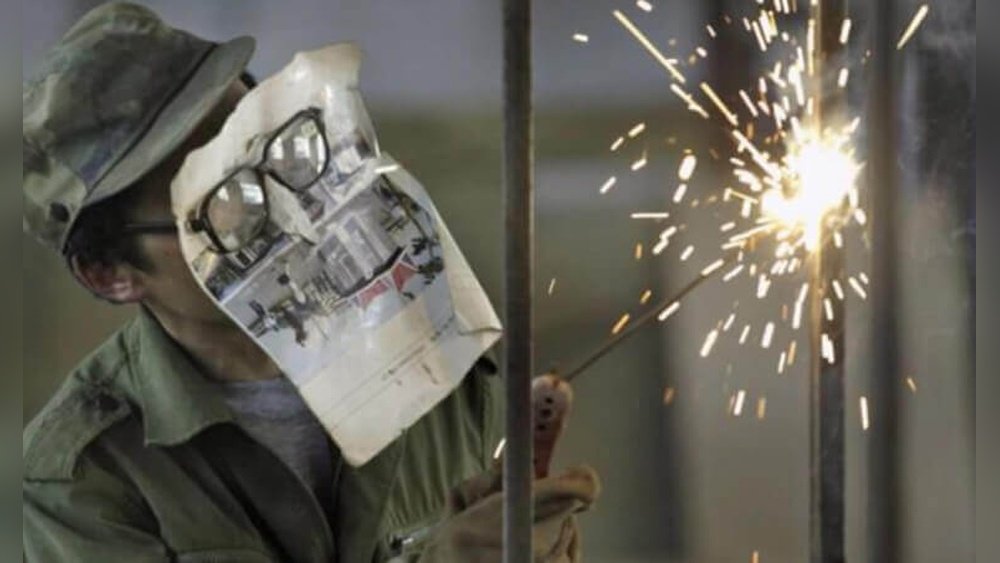
    Reporting And Documentation

    Report the incident to the proper authorities or supervisors. Write down what happened and when. Note any injuries and actions taken. Take photos of the damage and area. Keep records for insurance or legal needs. Review safety measures to avoid future breaks.

    Frequently Asked Questions

    What Causes Glass Safety To Fail Unexpectedly?

    Glass safety fails due to impact, thermal stress, or manufacturing defects. Improper installation and poor maintenance also increase failure risks. Identifying these causes helps prevent accidents and ensures safer glass use in homes and workplaces.

    What Are The Dangers Of Glass Safety Failure?

    Glass safety failure can cause severe cuts, injuries, or property damage. Shattered glass poses risks to anyone nearby. Using safety glass and proper installation minimizes these dangers and protects people and assets.

    How Can Glass Safety Failure Be Prevented Effectively?

    Regular inspections, correct installation, and using tempered or laminated glass prevent failures. Avoiding extreme temperature changes and impacts also helps. Following safety standards ensures glass remains strong and safe for daily use.

    What Happens To Glass During A Safety Failure?

    Safety glass breaks into small, blunt pieces instead of sharp shards. This reduces injury risk but still requires careful cleanup. Understanding this behavior highlights the importance of using safety glass in critical areas.

    Conclusion

    Glass safety failures can cause serious accidents and injuries. Broken glass may lead to cuts, falls, and damage to property. It also creates unsafe environments at home, work, or public places. Regular checks and proper glass installation help prevent these risks.

    Choosing the right type of glass adds extra protection. Always stay aware of glass conditions around you. Safety matters. Protect yourself and others by acting early. Small steps make big differences in preventing glass accidents. Stay safe and keep glass secure.

  • What Role Glass Safety Plays in Frontal Crashes: Critical Impact Unveiled

    What Role Glass Safety Plays in Frontal Crashes: Critical Impact Unveiled

    Imagine being in a car accident where every second counts and every detail can save your life. Have you ever stopped to think about how the glass in your vehicle protects you during a frontal crash?

    The right kind of glass doesn’t just keep the wind out—it can be the difference between minor cuts and serious injuries. You’ll discover how glass safety plays a crucial role when impact strikes head-on, and why understanding this can change how you look at your car’s design.

    Stay with us to learn how your safety depends on more than just seatbelts and airbags.

    Glass Types In Vehicles

    Vehicle glass plays an important role in safety during frontal crashes. Different types of glass are used in cars to protect passengers. Each glass type has special features that help reduce injuries. Knowing these types helps us understand how glass keeps us safe.

    Two main types of glass are used in vehicles: laminated glass and tempered glass. Each type serves a unique purpose in crash protection. Both help keep the car structure strong and protect people inside.

    Laminated Glass Features

    Laminated glass consists of two glass layers with a plastic layer in between. This plastic layer holds the glass pieces together if it breaks. It prevents sharp shards from flying inside the car. Laminated glass is often used for windshields.

    This glass type provides extra strength and blocks harmful UV rays. It helps maintain visibility after impact. In a frontal crash, it stops passengers from being ejected through the windshield. Laminated glass also reduces noise and protects from debris.

    Tempered Glass Characteristics

    Tempered glass is heat-treated to increase its strength. It is commonly used for side and rear windows. When broken, it shatters into small, blunt pieces. This reduces the risk of deep cuts and injuries.

    Tempered glass breaks easily under strong impact to absorb energy. It helps the vehicle structure deform in a controlled way. This deformation protects passengers by reducing force during a crash. Tempered glass also improves visibility and resists scratches.

    What Role Glass Safety Plays in Frontal Crashes: Critical Impact Unveiled

    Credit: www.besafe.com

    Glass Behavior In Frontal Crashes

    Glass plays a vital role in frontal crashes. It helps protect passengers by controlling breakage and keeping people inside the car. Understanding how glass behaves during a crash reveals its safety function.

    Car manufacturers design glass to respond in specific ways during impact. This design reduces injury risks and improves crash survival rates.

    Shattering Patterns

    Glass breaks in different patterns depending on its type. Tempered glass shatters into small, blunt pieces. This reduces cuts and wounds. Laminated glass, found in windshields, cracks but stays mostly intact. It holds together due to a plastic layer inside. This prevents passengers from being thrown out of the vehicle.

    Energy Absorption Role

    Glass absorbs some crash energy by cracking and bending. This lowers the force transferred to the passengers. Laminated glass slows down impact by distributing energy across the surface. It acts like a cushion during the crash. Proper glass design helps reduce injuries by softening the blow.

    Injury Prevention Through Glass Safety

    Glass safety plays a key role in preventing injuries during frontal crashes. Car windows and windshields must protect passengers from sharp glass and keep them inside the vehicle. Proper glass design and materials reduce the risk of cuts and serious harm.

    Modern vehicle glass is made to break safely. It controls how glass breaks to avoid dangerous shards. This safety helps reduce injuries and saves lives in crashes.

    Reducing Lacerations

    Glass can cause deep cuts in crashes. Safety glass shatters into small, blunt pieces, not sharp shards. This lowers the chance of lacerations.

    Tempered glass is common in side windows. It breaks into tiny pieces that are less likely to cut skin. Laminated glass, used in windshields, holds together even when cracked, preventing sharp edges.

    Minimizing Ejection Risks

    Ejection from a vehicle often leads to fatal injuries. Strong glass keeps passengers inside during impact. Laminated windshields resist breaking and help hold occupants inside.

    Side windows that resist shattering also reduce ejection chances. Glass safety features work with seat belts and airbags to keep people secure and reduce injury risks.

    Regulations And Safety Standards

    Glass safety is vital in frontal crashes. Regulations and safety standards guide the design and use of automotive glass. These rules protect passengers by reducing injuries from shattered glass. Understanding these standards helps explain how glass behaves during a crash. It also shows the efforts to improve vehicle safety worldwide.

    Global Safety Requirements

    Different countries set rules for automotive glass safety. These rules ensure glass meets strong safety limits. For example, many countries require laminated glass for windshields. Laminated glass holds together when broken. This prevents sharp pieces from flying inside the car.

    Safety standards also cover side and rear windows. Tempered glass is common for these areas. It breaks into small, less harmful pieces. Global safety requirements aim to reduce injuries in crashes. They also promote consistent safety across vehicles.

    Testing Procedures

    Glass used in cars must pass strict tests before approval. Tests measure how glass reacts to impact and pressure. One common test drops a steel ball on the glass surface. This simulates real crash forces on the glass.

    Other tests check how glass stays in the frame during a crash. Strong adhesion helps keep passengers safe. Testing ensures glass will not shatter dangerously. It also confirms the glass meets safety standards worldwide.

    Advancements In Automotive Glass

    Automotive glass has improved greatly over the years. These changes help protect drivers and passengers in frontal crashes. Car manufacturers use new glass types to reduce injuries. The glass can absorb impact better and stay in place. These advancements make cars safer and stronger.

    Smart Glass Technologies

    Smart glass adjusts to light and heat. It darkens or clears based on the sun’s brightness. This helps drivers see better and stay focused. Some smart glass can even block harmful UV rays. In a crash, smart glass can crack safely without sharp pieces. This reduces the chance of cuts and wounds.

    Enhanced Durability Materials

    New materials make automotive glass tougher. Laminated glass has layers that hold pieces together. This stops glass from shattering into dangerous shards. Tempered glass is heat-treated to be stronger. It breaks into small, less harmful bits during impact. These materials protect the car’s occupants in crashes. They keep the glass intact longer and safer.

    What Role Glass Safety Plays in Frontal Crashes: Critical Impact Unveiled

    Credit: www.ebay.com

    Case Studies Of Crash Impact

    Case studies of crash impact offer valuable insights into the role of glass safety in frontal crashes. They help us understand how different types of glass behave during collisions. These studies show real situations where glass safety features either helped save lives or failed to protect occupants. By analyzing these incidents, experts can improve car design and safety standards.

    Real-world Incident Analyses

    One study examined a frontal crash involving tempered glass. The glass shattered into small pieces, reducing the risk of deep cuts. In another case, laminated glass stayed mostly intact, preventing ejection from the vehicle. These examples reveal how glass type affects injury severity. They highlight the importance of using the right glass for safety.

    Lessons Learned

    Crash analyses teach us that laminated glass offers better protection in frontal impacts. It keeps passengers inside the vehicle and reduces injury risks from flying glass shards. Tempered glass, while shattering safely, may not provide the same level of containment. These lessons guide manufacturers to choose glass that balances strength and safety. Continuous research in crash impact studies drives improvements in glass safety technology.

    Future Trends In Glass Safety

    Glass safety in cars is evolving fast. New technologies aim to protect passengers better during frontal crashes. The future holds smarter, stronger glass designs. These improvements focus on reducing injuries and improving overall vehicle safety.

    Innovative Protective Solutions

    Car manufacturers are developing glass that can absorb more impact. Laminated glass with multiple layers adds strength and prevents shattering. Some glasses now include embedded sensors to detect cracks early. These innovations reduce the risk of injury from broken glass.

    Integration With Vehicle Safety Systems

    Glass safety systems now connect with airbags and seatbelt sensors. This integration helps the car respond faster during a crash. Smart glass can trigger emergency systems to protect passengers better. This teamwork between glass and safety devices saves lives.

    What Role Glass Safety Plays in Frontal Crashes: Critical Impact Unveiled

    Credit: www.newyorker.com

    Frequently Asked Questions

    What Is The Importance Of Glass Safety In Frontal Crashes?

    Glass safety prevents severe injuries by controlling glass breakage. It minimizes sharp shards and helps maintain vehicle structure during impact.

    How Does Laminated Glass Improve Crash Protection?

    Laminated glass holds together when shattered, reducing glass penetration risks. It protects occupants from debris and helps maintain visibility after impact.

    Can Tempered Glass Cause More Injuries In Crashes?

    Tempered glass breaks into small, blunt pieces to reduce cuts. However, it can still cause minor injuries compared to laminated glass.

    Does Windshield Glass Affect Airbag Effectiveness?

    Yes, a secure windshield supports proper airbag deployment. It ensures airbags inflate correctly, protecting occupants during frontal crashes.

    Conclusion

    Glass safety plays a key role in protecting passengers during frontal crashes. Strong, well-designed glass reduces injuries by staying intact or breaking safely. It helps keep people inside the vehicle and prevents sharp pieces from causing harm. Car manufacturers focus on improving glass quality to enhance overall safety.

    Understanding this helps us appreciate how important glass is in crash protection. Safety is not just about airbags and seat belts. Glass matters too. It saves lives in ways many do not see.