Imagine driving down the road and suddenly facing a crash. What keeps you safe in that moment?
One key factor is often overlooked: glass safety. Your car’s glass isn’t just there to let you see clearly—it plays a crucial role in protecting you during accidents. Understanding how glass safety works can change the way you think about your vehicle and your safety on the road.
Keep reading to discover how something as simple as glass can make a big difference in keeping you and your loved ones safe every time you drive.

Credit: www.chhs.ca.gov
Role Of Glass In Vehicles
Glass plays a key role in vehicle safety. It protects passengers from outside elements and sharp objects. It also helps drivers see clearly and avoid accidents. The right type of glass improves strength and reduces injury risks. Understanding the role of glass in cars shows why it matters for road safety.
Types Of Automotive Glass
Vehicles use mainly two types of glass: laminated and tempered. Laminated glass has two layers with a plastic layer in between. This stops the glass from shattering on impact. It is mostly used for windshields. Tempered glass breaks into small pieces to reduce injury risk. This type is used for side and rear windows.
Glass Placement And Function
The windshield is the largest glass piece and protects from wind and debris. Side windows allow drivers to see around and help with ventilation. Rear windows improve rear visibility and help when reversing. Each glass placement supports driver safety and comfort. Strong, clear glass helps prevent accidents and keeps passengers safe.
Safety Features Of Modern Glass
Modern glass plays a big role in keeping roads safe. It is not just clear material; it has special features. These features protect drivers and passengers during accidents. Modern glass reduces injuries and helps drivers see better.
Two common types of safety glass are tempered and laminated glass. Each has unique benefits that improve road safety. Understanding these types helps us appreciate their importance in vehicles.
Tempered Glass Benefits
Tempered glass is stronger than regular glass. It breaks into small, blunt pieces instead of sharp shards. This reduces the chance of deep cuts during a crash. It also resists heat and pressure better. Drivers can trust tempered glass to stay intact in many situations. It is often used for side and rear windows.
Laminated Glass Advantages
Laminated glass has a plastic layer between two glass sheets. This layer holds the glass together if it breaks. It stops glass from flying inside the car during accidents. Laminated glass also blocks harmful UV rays and noise. It is usually used for windshields. This glass keeps the driver inside the vehicle and helps avoid serious injuries.
Impact On Crash Protection
Glass safety plays a key role in protecting passengers during crashes. Strong, well-designed glass helps keep people inside the vehicle. It also lowers the risk of serious injuries by controlling how glass breaks. This section explains how glass impacts crash protection and improves road safety.
Preventing Ejections
Safety glass stops passengers from being thrown out of a vehicle. In a crash, regular glass can shatter and create openings. Laminated or tempered glass stays mostly intact, acting as a barrier. This barrier keeps occupants inside the car, reducing fatal ejections. Staying inside the vehicle greatly increases chances of survival.
Reducing Injury Severity
Modern safety glass breaks into small, less harmful pieces. This reduces cuts and wounds during accidents. Laminated glass holds shards together, preventing sharp edges from causing harm. It absorbs impact energy, lowering force on the passengers. This means fewer and less serious injuries after a crash.

Credit: drivingtoindependence.com
Regulations And Standards
Regulations and standards are key to making sure vehicle glass is safe. They set rules that glass must meet before use. These rules protect drivers, passengers, and pedestrians by reducing risks from broken or weak glass.
Safety rules for glass cover strength, shatter patterns, and visibility. They help prevent serious injuries in crashes. Following these standards helps improve overall road safety.
Global Safety Requirements
Many countries have laws about vehicle glass safety. These laws often follow international rules. For example, the United Nations has regulations for automotive glass.
These global rules include how glass should break and how strong it must be. They ensure glass does not create sharp shards. This reduces harm during accidents.
Manufacturers must meet these safety rules before selling cars worldwide. This creates a safer road environment everywhere.
Testing And Certification Processes
Glass must pass strict tests before approval. These tests check impact resistance and breaking behavior. They also measure light transmission for clear vision.
Certified labs perform these tests to guarantee quality. Only glass that meets all criteria receives certification. This process ensures safety standards are consistent.
Certification marks on glass show it has passed tests. Drivers can trust certified glass to protect them in crashes.
Maintenance And Damage Prevention
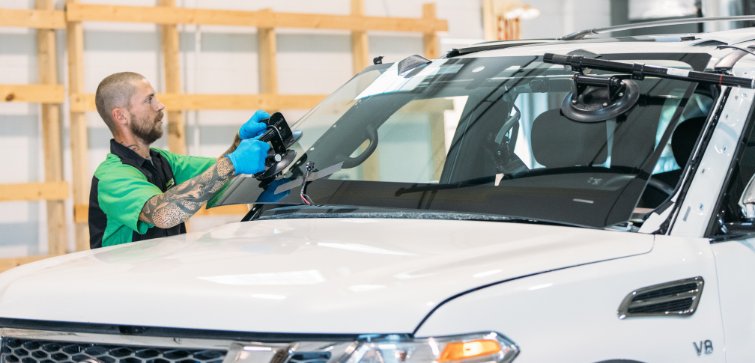
Maintaining vehicle glass is key to road safety. Clear, intact glass protects drivers and passengers. It helps drivers see the road and other vehicles clearly. Preventing damage keeps the glass strong and reliable. Regular checks catch problems early. Small cracks or chips can grow and cause bigger issues. Taking care of glass stops accidents and saves money over time.
Identifying Glass Damage
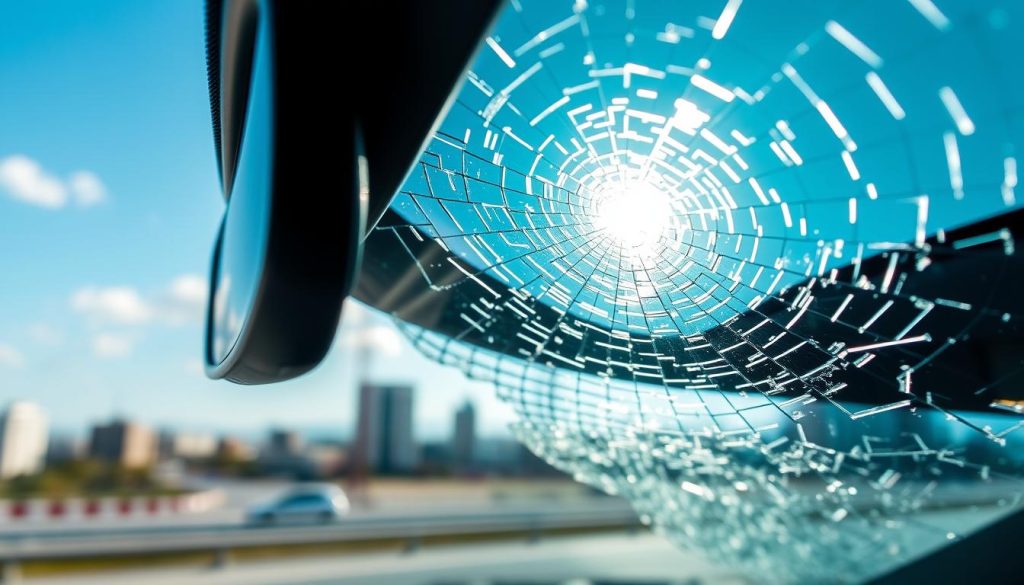
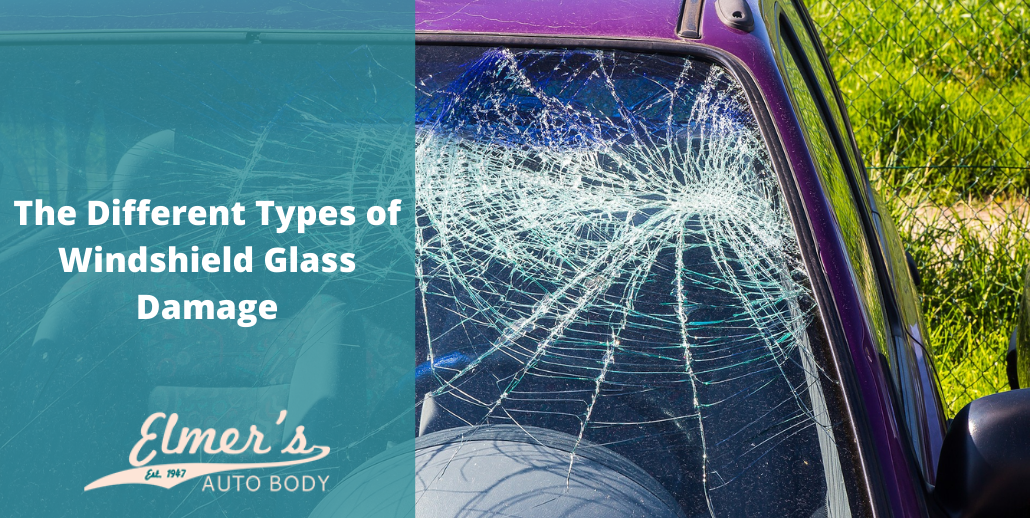
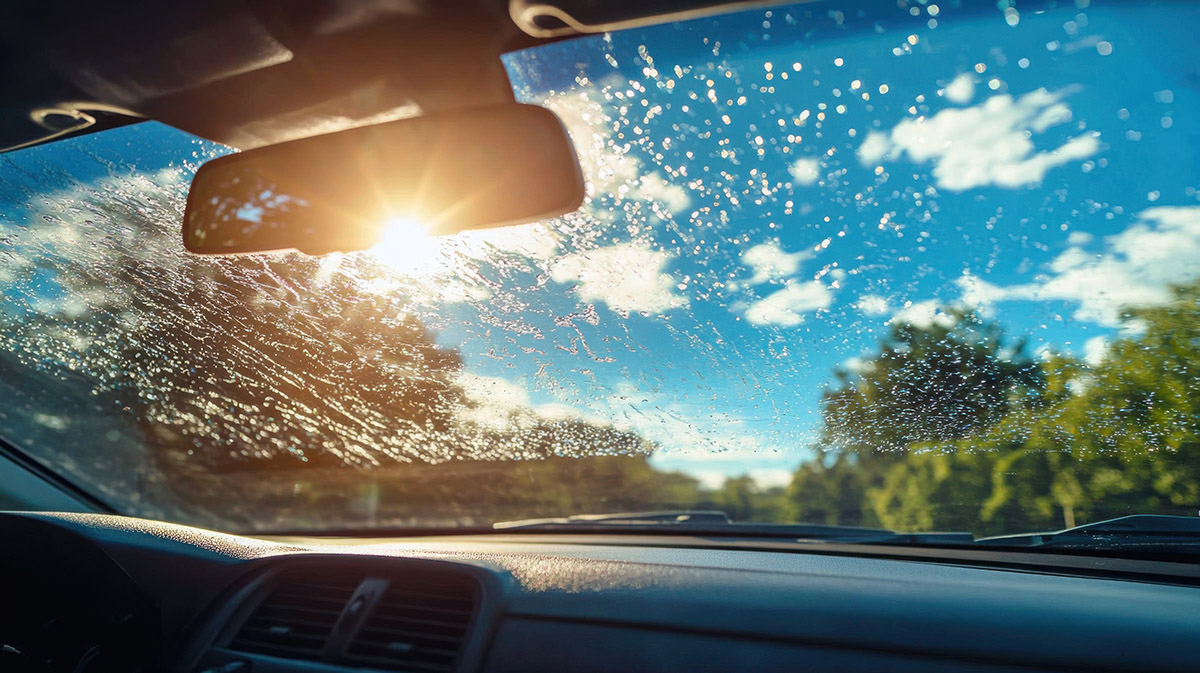
Look closely for cracks, chips, or scratches. Check the windshield and windows often. Even tiny chips can spread quickly. Dirty or foggy glass can hide damage. Use good lighting to see clearly. Notice any unusual sounds when driving. Glass that vibrates or rattles may be loose. Early signs of damage need quick attention.
Repair Vs Replacement
Small chips and cracks often can be repaired. Repairs prevent damage from growing larger. Repairing is cheaper and faster than replacement. Large cracks or broken glass need replacement. Replace glass that blocks driver’s view. Safety glass must meet quality standards. Choose replacement to keep strong protection. Proper glass maintenance improves road safety for all.
Innovations In Glass Technology
Innovations in glass technology are shaping the future of road safety. New materials and smart designs improve how glass behaves in vehicles. These advances help protect drivers, passengers, and pedestrians by reducing injuries and accidents.
Smart Glass Features
Smart glass can change its transparency based on light or temperature. It reduces glare from the sun and headlights, helping drivers see better. Some smart glass can display important information directly on the windshield. This allows drivers to keep their eyes on the road. Other types of smart glass can automatically darken to block harmful UV rays.
Impact On Future Road Safety
Future vehicles may use glass that repairs itself after small cracks. This reduces the need for immediate replacements and keeps visibility clear. Advanced glass materials can absorb more impact energy during crashes. This lowers the chance of glass shattering and causing injuries. As technology improves, glass will play a bigger role in preventing accidents and saving lives.

Credit: www.scottsautocarrier.com
Frequently Asked Questions
What Role Does Glass Safety Play In Road Safety?
Glass safety ensures vehicle windows and windshields resist impact and shatter safely. This reduces injuries during crashes and improves driver visibility, directly contributing to safer roads.
How Does Laminated Glass Improve Vehicle Safety?
Laminated glass holds together when shattered, preventing sharp shards from causing injuries. It also maintains visibility after impact, allowing drivers to stay aware and avoid further accidents.
Why Is Tempered Glass Used In Car Windows?
Tempered glass breaks into small, blunt pieces instead of sharp shards. This minimizes injury risk in accidents and enhances overall passenger safety on the road.
Can Glass Safety Prevent Accidents Caused By Poor Visibility?
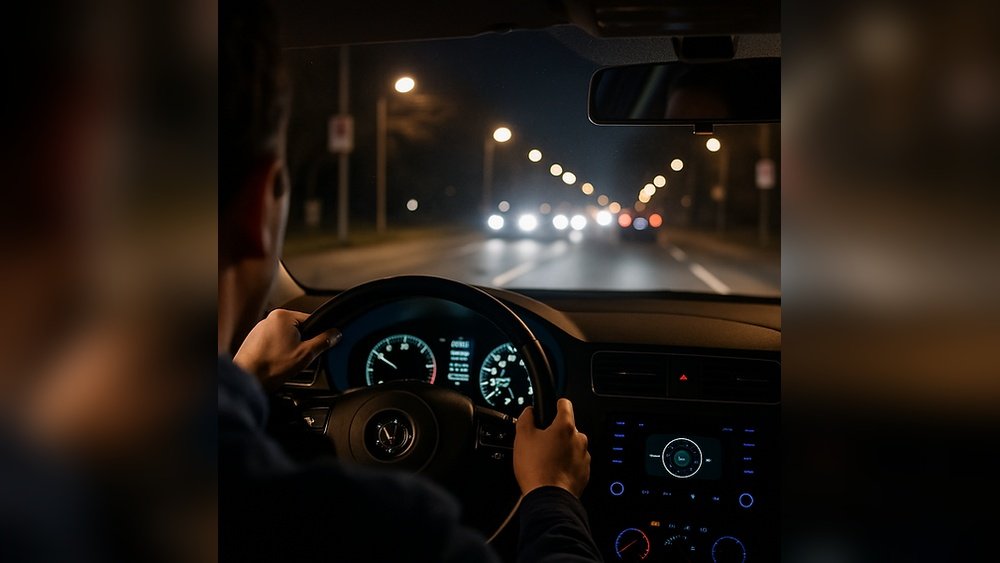
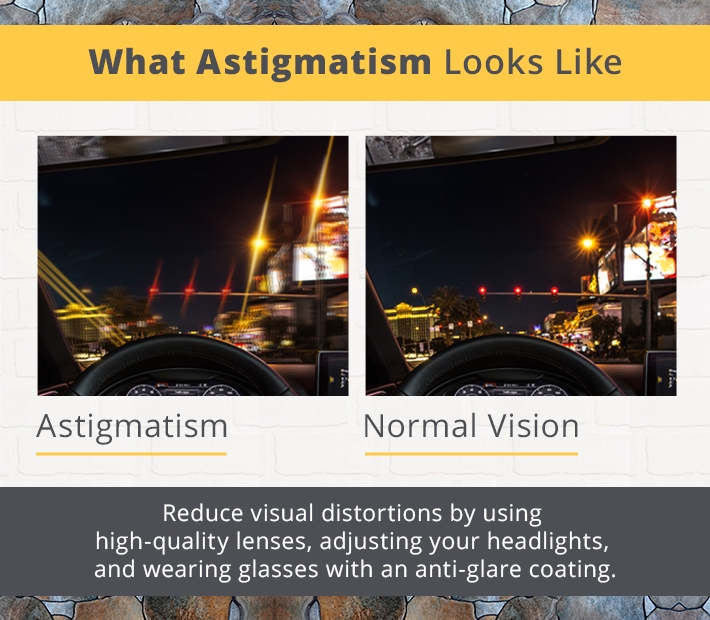
Yes, high-quality safety glass reduces glare and distortion. Clear visibility allows drivers to react quickly, reducing accidents caused by impaired vision on the road.
Conclusion
Glass safety plays a key role in protecting drivers and passengers. Strong, clear glass helps prevent accidents and reduces injuries. It allows drivers to see the road clearly at all times. Cracked or weak glass can cause distractions and danger.
Using safety glass in vehicles saves lives every day. Choosing quality glass means safer journeys for everyone. Road safety depends on many things, and glass is one of them. Stay aware, drive carefully, and trust the glass to help keep you safe.