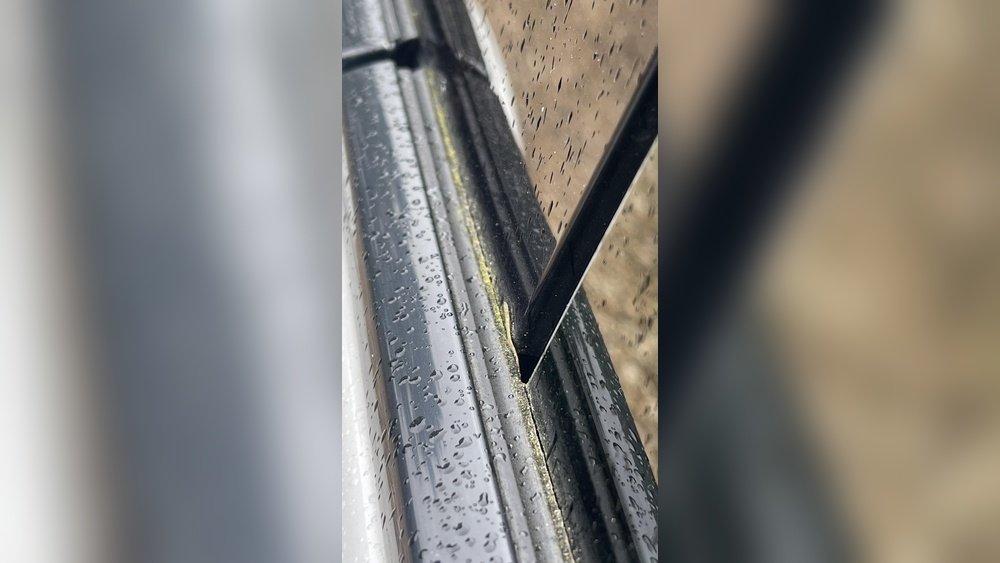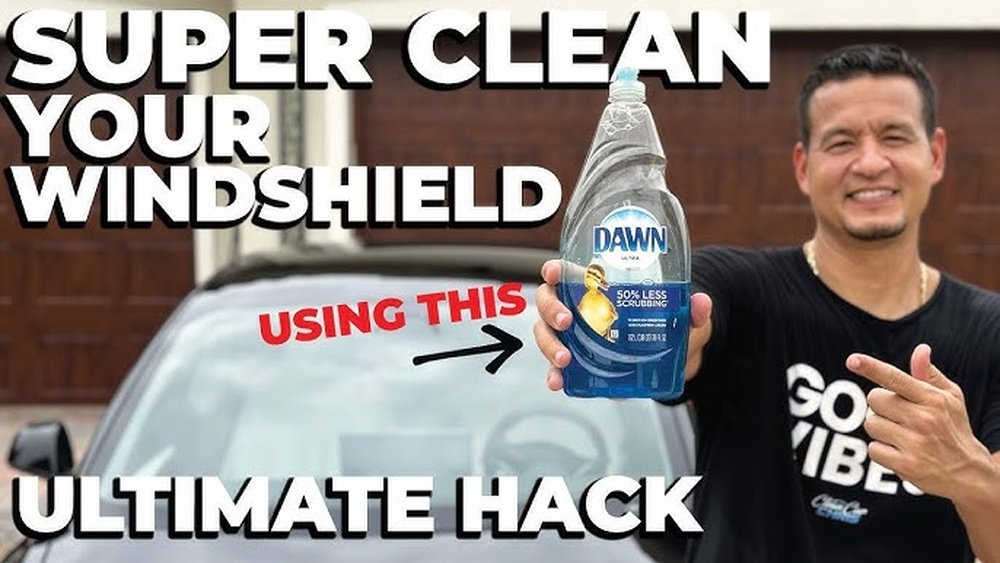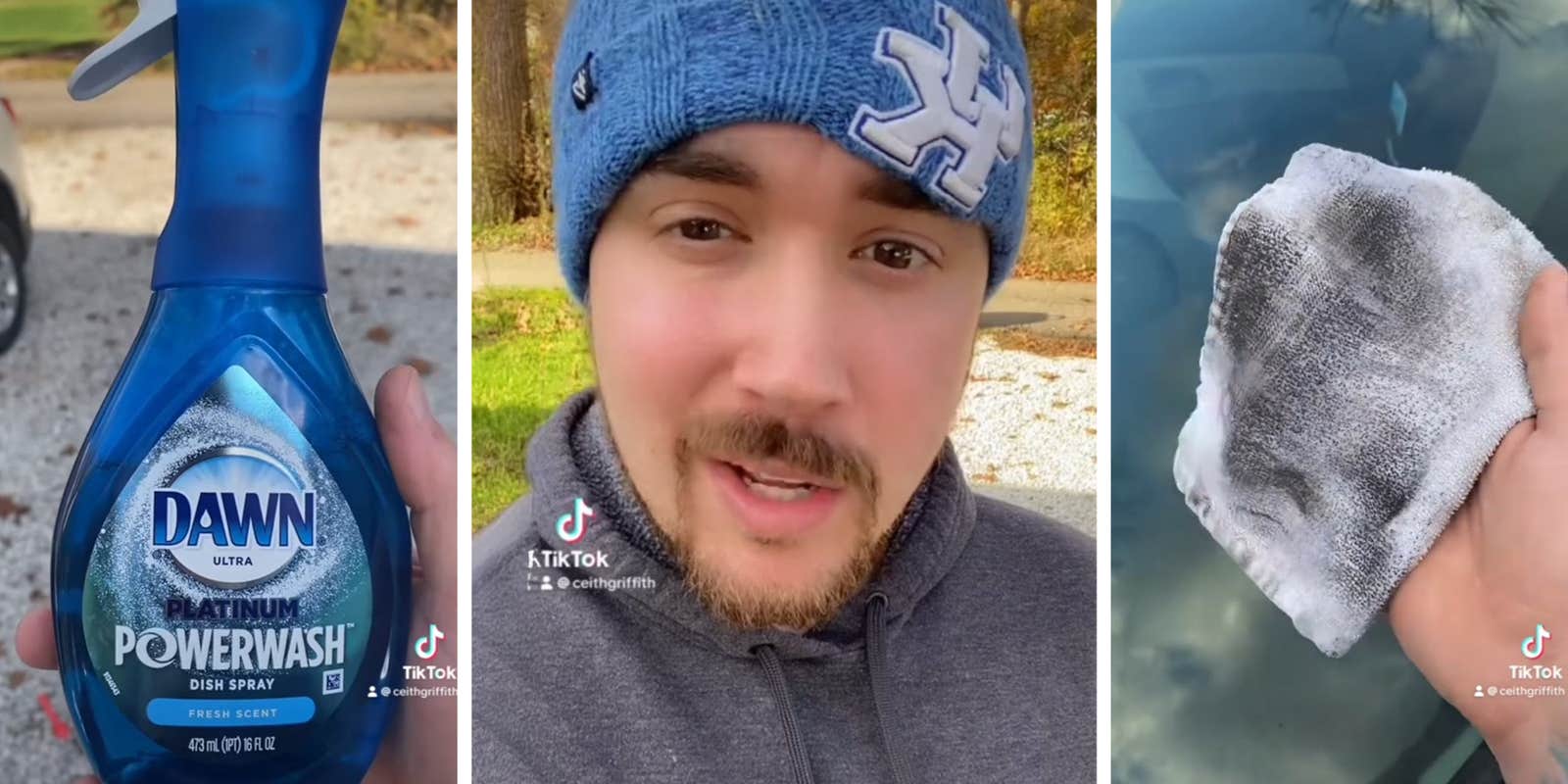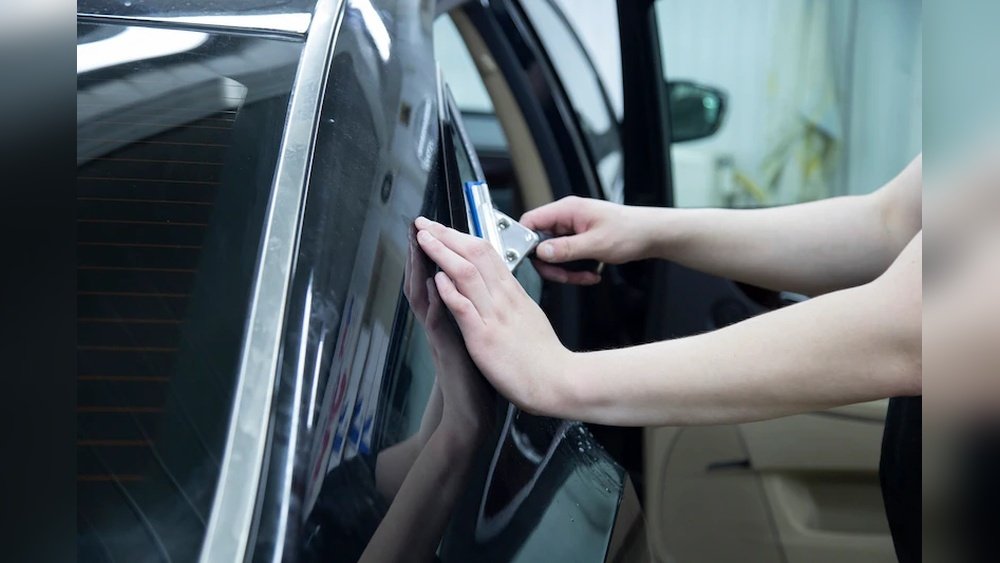
Your car’s glass plays a huge role in your safety and driving experience. When it’s dirty or streaked, your view becomes blurry, and driving can feel unsafe.
But cleaning car glass isn’t always as simple as it seems. You might struggle with smudges, water spots, or stubborn dirt that just won’t come off. What if you could learn easy, effective ways to get your car windows sparkling clear every time?
Keep reading, and you’ll discover simple tricks that save you time and give you a crystal-clear view on the road. Your car—and your eyes—will thank you.
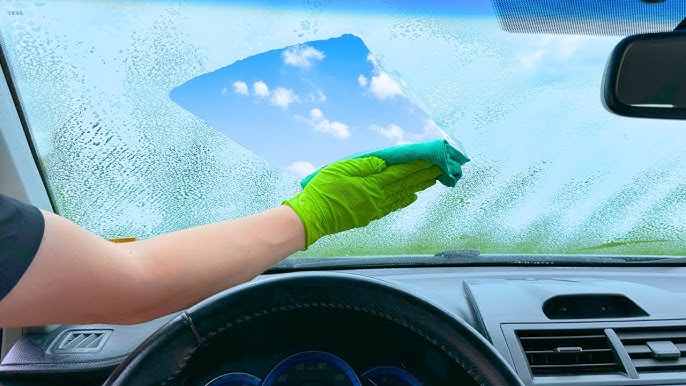
Credit: www.youtube.com
Choosing The Right Cleaning Materials
Choosing the right materials for cleaning car glass makes a big difference. The right products help remove dirt and spots without damaging the glass. The wrong items can leave streaks or even scratch the surface. Knowing which cleaners and tools to use keeps your car windows clear and safe.
Best Glass Cleaners For Cars
Pick cleaners made especially for car glass. These products remove dirt, bugs, and grime fast. Many are alcohol-based, which helps dry the glass quickly. Avoid household cleaners with ammonia. They can damage tint or rubber seals around windows.
Essential Tools You Need
Use a soft microfiber cloth for the best results. It cleans without scratching or leaving lint behind. A spray bottle helps apply cleaner evenly. Some people use a squeegee to remove extra liquid for a streak-free finish. Keep a separate cloth for inside glass to avoid cross-contamination.
Avoiding Harmful Products
Never use abrasive cleaners or rough sponges on car glass. These can cause tiny scratches that become more visible over time. Avoid products with ammonia or bleach. They may fade window tint or damage seals. Stay away from oily or wax-based cleaners that leave residue and attract dust.
Preparing Your Car Glass
Preparing your car glass is an important first step before cleaning. It helps avoid scratches and ensures the cleaning works well. Taking time to prepare makes the glass look clear and spotless.
Removing Loose Dirt And Debris
Start by gently wiping the glass with a soft brush or microfiber cloth. This removes dust, leaves, and small particles. Avoid using too much pressure to stop scratches. Clearing loose dirt first keeps the cleaning solution effective.
Protecting Surrounding Areas
Cover the car paint and trim near the glass with masking tape or plastic wrap. This prevents damage from cleaning products or water. Protecting these areas keeps your car looking neat and safe during cleaning.
Step-by-step Cleaning Process
Cleaning car glass is simple with the right steps. Follow this process to get clear, spotless windows. It helps improve your view and keeps your car looking fresh. Use tools and cleaners made for glass. This keeps your surfaces safe and shiny.
Work patiently. Small efforts make a big difference. Each step builds on the last. Let’s start with applying the cleaner correctly.
Applying Cleaner Correctly
Spray the glass cleaner evenly on the surface. Avoid soaking the edges to prevent drips inside the car. Use a cleaner made for automotive glass. This removes dirt without damage. Let the cleaner sit for a few seconds. It loosens dirt and grime for easy removal.
Scrubbing Techniques For Stubborn Spots
Use a soft cloth or sponge to scrub gently. Focus on spots with bugs, sap, or grease. Circular motions help break up tough stains. Avoid hard scrubbing that can scratch the glass. For extra tough spots, use a glass-safe scraper carefully. Patience here saves you from damage.
Wiping And Drying Methods
Wipe the glass with a clean microfiber cloth. Use straight, horizontal strokes to avoid streaks. Flip the cloth often to keep it clean. Dry the glass fully to prevent water spots. Check your work in sunlight for missed areas. Repeat wiping if needed for a clear finish.
Dealing With Special Issues
Car glass often faces unique problems beyond simple dirt. These special issues need careful care to keep your windows clear and safe. Understanding how to handle these common problems helps maintain your car’s look and your driving safety.
Removing Water Spots
Water spots form when minerals in water dry on the glass. These spots can block your view and look ugly. Use a mixture of vinegar and water to clean the spots. Spray it on the glass and let it sit for a few minutes. Wipe gently with a soft cloth. Avoid harsh scrubbing to prevent scratches.
Handling Bug Residue And Sap
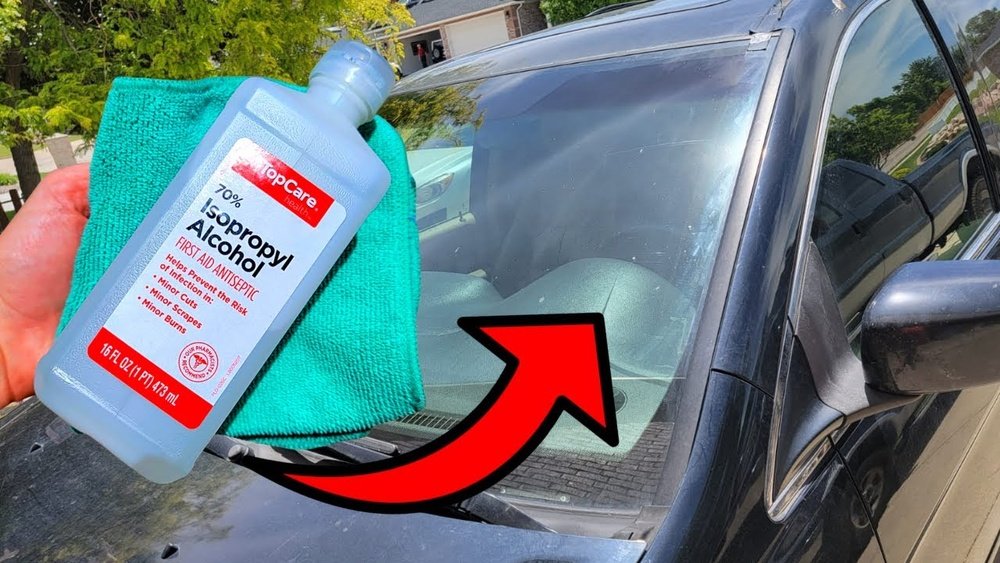
Bug residue and tree sap can stick hard to car glass. Soften the residue by applying warm, soapy water or a special bug remover. Let it soak for a while. Use a soft cloth or sponge to wipe away the sticky mess. For tough sap, rubbing alcohol works well. Always test on a small area first to avoid damage.
Fixing Foggy Or Hazy Glass
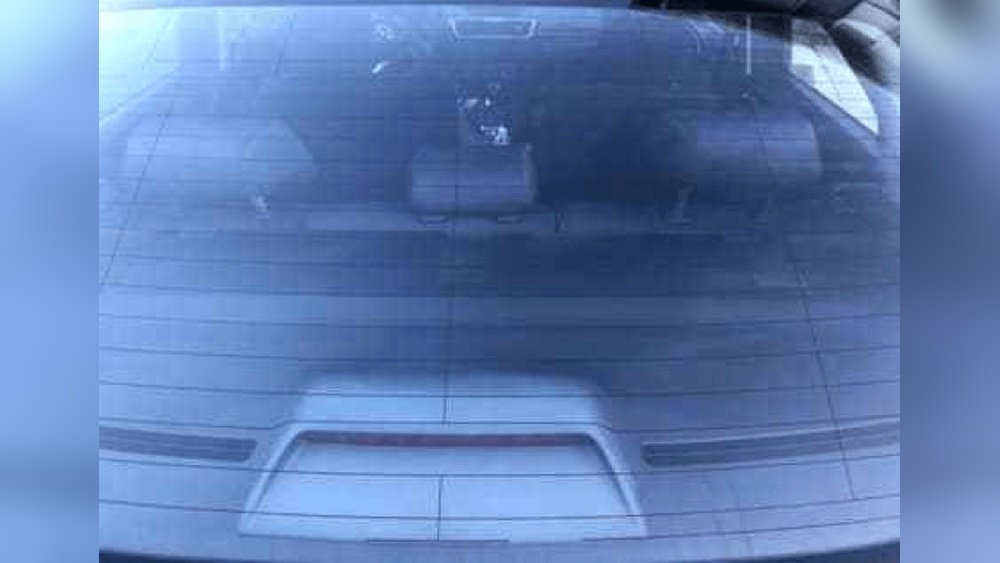
Foggy glass reduces visibility and can be dangerous. It happens due to moisture or dirt buildup inside or outside. Clean the inside glass with a good glass cleaner. Use a microfiber cloth for best results. For outside haze, use a cleaner with a polish to remove buildup. Regular cleaning prevents fog and keeps glass clear.
Maintaining A Clear Shine
Maintaining a clear shine on your car glass keeps your view safe and sharp. Clean glass improves driving safety by removing dirt, smudges, and water spots. Regular care also protects the glass surface from damage over time.
Regular Cleaning Schedule
Set a cleaning routine for your car glass. Clean the windows at least once a week. Use a soft cloth and a good glass cleaner. Wipe in circular motions to avoid streaks. Don’t forget the inside of the windows too. Regular cleaning stops dirt from building up. It also makes each cleaning easier and faster.
Tips For Preventing Future Build-up
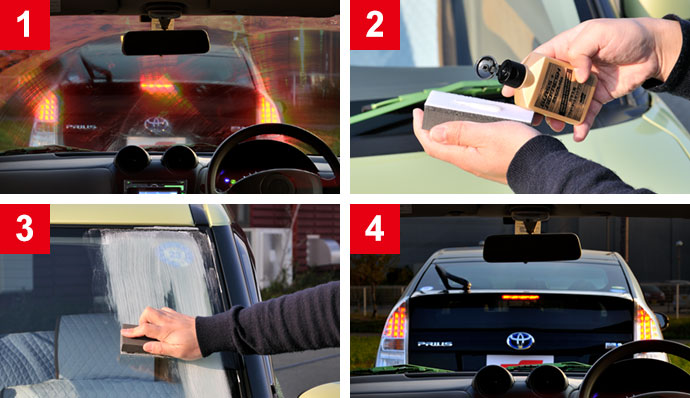
Keep your car in a garage or shaded place. This reduces dust and bird droppings on the glass. Use water-repellent treatments to help rain slide off. Avoid parking under trees to stop sap and leaves from falling. Clean off bugs and dirt as soon as you see them. These small steps save time and keep glass clear longer.

Credit: www.youtube.com
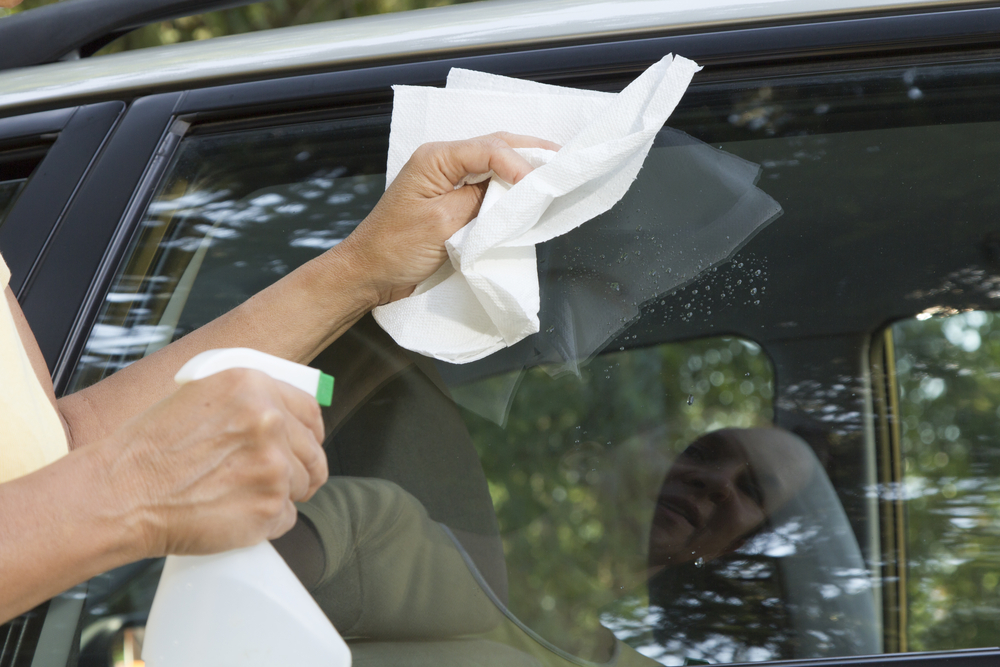
Credit: www.championautoglass.com.au
Frequently Asked Questions
How Often Should I Clean My Car Glass?
Clean your car glass every two weeks to maintain clarity. Frequent cleaning removes dirt, grime, and smudges that impair visibility. Regular care prevents buildup that can scratch or damage the glass over time, ensuring safer driving conditions.
What Is The Best Cleaner For Car Glass?
Use a non-ammonia glass cleaner specifically designed for cars. These cleaners avoid damaging window tint or rubber seals. Alternatively, a vinegar-water solution is effective and eco-friendly for streak-free results without harsh chemicals.
How Do I Prevent Streaks On Car Glass?
Wipe glass with a microfiber cloth using vertical and horizontal strokes. Clean in the shade to avoid quick drying, which causes streaks. Avoid using paper towels or old rags that leave lint or streaks behind.
Can I Use Household Glass Cleaner On Car Windows?
Avoid ammonia-based household cleaners on car windows, especially tinted ones. They can damage tint and rubber seals over time. Stick to automotive glass cleaners or gentle, natural solutions for safe, effective cleaning.
Conclusion
Cleaning car glass keeps your view clear and safe. Use gentle cleaners and soft cloths to avoid scratches. Regular cleaning stops dirt and grime build-up. Don’t forget to clean inside the windows too. Clear glass helps you drive better and prevents accidents.
A small effort makes a big difference. Try these easy steps often. Your car will look neat and feel fresh. Safe driving starts with clean glass.