Category: Glass Clean

  • How to Clean Grimy Car Windows: Quick & Easy Sparkling Tips

    How to Clean Grimy Car Windows: Quick & Easy Sparkling Tips

    Are your car windows looking foggy, streaky, or just plain dirty? You might not realize how much grime builds up until it starts blocking your view or ruining your car’s shine.

    Cleaning grimy car windows doesn’t have to be a frustrating chore. In fact, with the right tips and tricks, you can have crystal-clear windows that make driving safer and your car look great. Keep reading, and you’ll discover simple, effective ways to get your windows spotless—fast.

    Your car deserves it, and so do you.

    How to Clean Grimy Car Windows: Quick & Easy Sparkling Tips

    Credit: www.youtube.com

    Tools You Need

    Cleaning grimy car windows requires the right tools for best results. Using proper supplies makes the job easier and faster. It also helps protect your car’s glass from scratches or streaks. This section covers the essential items to prepare before you start cleaning.

    Essential Cleaning Supplies

    Start with a good glass cleaner made for cars. Avoid household glass cleaners with ammonia; they can damage window tint. Choose a cleaner that removes dirt, grease, and water spots well.

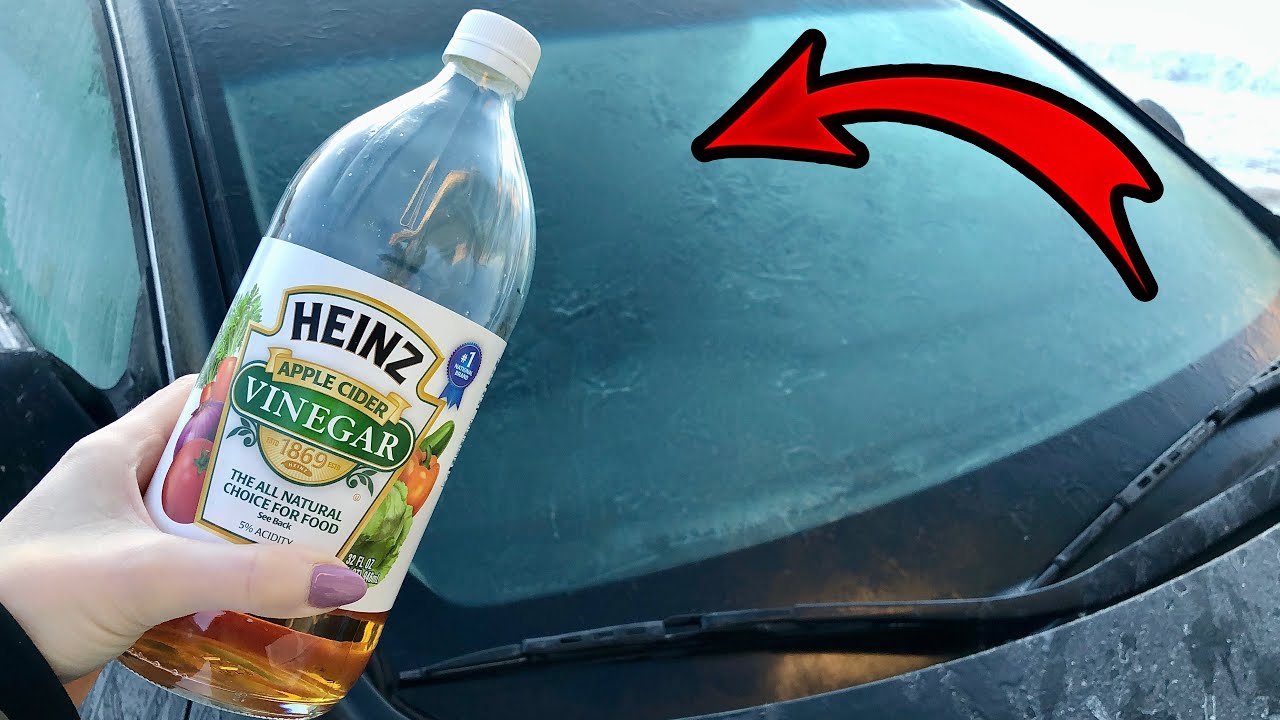
    Next, have a spray bottle filled with plain water or a mix of water and vinegar. This helps rinse the windows after cleaning. Use a bucket to hold clean water for rinsing cloths.

    Also, keep paper towels or lint-free wipes handy for drying windows without leaving fibers behind.

    Choosing The Right Cloths

    Microfiber cloths are the best for cleaning car windows. They absorb dirt and moisture without scratching glass. Use different cloths for washing and drying to avoid smearing.

    Choose soft and clean cloths only. Dirty or rough fabrics can cause streaks or damage the surface. Keep extra cloths ready for stubborn spots or multiple passes.

    Optional Accessories

    A squeegee can help remove water quickly and leave windows streak-free. Use one with a soft rubber blade to protect the glass.

    For hard-to-reach spots, a small detailing brush works well. It cleans corners and edges where dirt builds up.

    Gloves protect your hands from chemicals and keep them clean. They are useful if you clean windows often or use strong cleaners.

    Preparing Your Car Windows

    Preparing your car windows is the first step to a clear and shiny finish. Cleaning windows without prep may spread dirt and cause streaks. Taking time to prepare helps you clean better and faster.

    Removing Loose Dirt

    Start by removing loose dirt and dust from the windows. Use a soft brush or a dry microfiber cloth. Gently wipe the surface to avoid scratches. This step prevents dirt from turning into mud during cleaning.

    Protecting Surrounding Areas

    Cover parts near the windows to avoid damage. Use painter’s tape on rubber seals and trims. Place towels on the car doors to catch drips. Protecting these areas saves time and keeps your car safe.

    Effective Cleaning Solutions

    Cleaning grimy car windows needs the right solutions. The right cleaner removes dirt, grease, and smudges fast. It also leaves your glass clear and streak-free. You can choose between simple DIY mixtures or store-bought commercial cleaners. Both types work well but in different ways. Knowing each option helps you pick the best fit for your car.

    Diy Mixtures

    DIY mixtures use common household items. They are easy to make and cost less. A popular mix is equal parts water and white vinegar. This solution breaks down grime and removes spots. Add a few drops of dish soap for extra power. Use a spray bottle for easy application. Wipe the windows with a clean microfiber cloth. Rinse with water if needed. These mixtures are safe and eco-friendly. Perfect for quick cleaning and regular care.

    Commercial Cleaners

    Commercial cleaners are made for tough grime. They come in sprays, liquids, and wipes. Many have ingredients that cut through grease and dirt fast. Some formulas prevent fogging and repel water. Follow the instructions on the label for best results. Use a soft cloth or sponge to avoid scratches. These cleaners save time and effort. Ideal for deep cleaning or heavy buildup on windows.
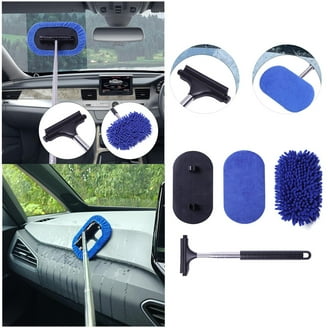
    How to Clean Grimy Car Windows: Quick & Easy Sparkling Tips

    Credit: www.walmart.com

    Step-by-step Cleaning Process

    Cleaning grimy car windows is simple with a clear plan. Follow each step carefully for the best results. This process removes dirt and streaks for a spotless finish.

    Applying Cleaner

    Start by choosing a good glass cleaner or a mix of water and vinegar. Spray the cleaner evenly on the window surface. Avoid soaking the edges to prevent drips inside the car. Let the cleaner sit for a minute to loosen dirt and grime.

    Scrubbing Techniques

    Use a soft microfiber cloth or a sponge for scrubbing. Move the cloth in small circles to lift dirt gently. Focus on corners and edges where grime builds up. Avoid harsh scrubbing to prevent scratches on the glass.

    Drying And Polishing

    Take a dry, clean microfiber cloth to wipe off the cleaner. Use straight strokes from top to bottom for a streak-free look. Buff the window lightly to polish and remove any remaining marks. Clear windows improve safety and enhance your car’s appearance.

    Tackling Stubborn Stains

    Stubborn stains on car windows can block your view and make driving unsafe. These marks need special care to remove without damaging the glass. This section explains how to clean tough stains like bird droppings, sap, water spots, and hard minerals. Follow these tips to get clear, shiny windows again.

    Bird Droppings And Sap

    Bird droppings and sap stick firmly to windows. They can cause damage if left too long. Start by softening the stains. Spray warm water or a mix of water and mild soap on the area. Let it sit for a few minutes.

    Use a soft cloth or sponge to gently rub the spot. Avoid scrubbing hard to prevent scratches. For sap, rubbing alcohol can help break it down. Dab a small amount on a cloth and gently wipe the sap. Clean the area with water afterward.

    Water Spots And Hard Minerals

    Water spots and hard minerals leave white marks on glass. These stains come from dried water droplets. Use a vinegar and water solution to dissolve mineral buildup. Mix equal parts of white vinegar and water in a spray bottle.

    Spray the solution on the spots and let it sit for five minutes. Wipe with a clean cloth in circular motions. Repeat if needed for strong stains. Finish by rinsing with water and drying the window with a microfiber cloth.

    How to Clean Grimy Car Windows: Quick & Easy Sparkling Tips

    Credit: www.chemicalguys.com

    Maintaining Sparkling Windows

    Maintaining sparkling car windows keeps your drive clear and safe. Clean windows help you see better and make your car look fresh. Dirt and grime build up fast. Regular care stops this build-up and saves time later. Follow simple steps to keep your windows shining.

    Regular Cleaning Routine

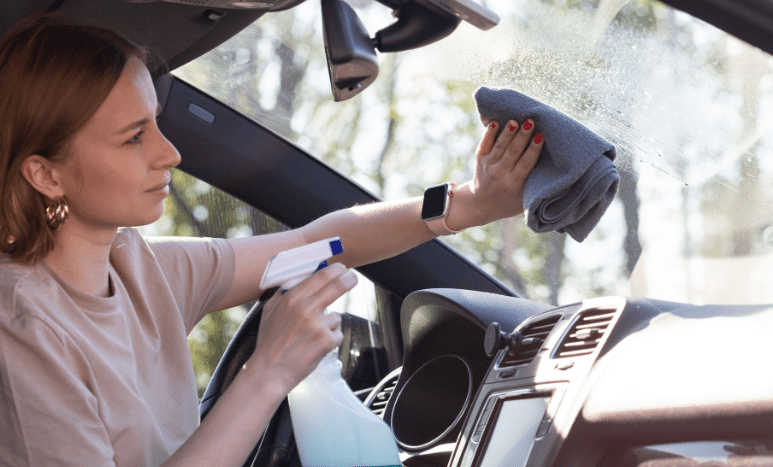
    Clean car windows at least once a week. Use a good glass cleaner and a soft cloth. Spray the cleaner on the cloth, not directly on the glass. Wipe in circular motions to remove dirt and smudges. Don’t forget the edges and corners where grime hides. Dry the glass with a clean, dry cloth to avoid streaks. Repeat inside and outside windows for best results.

    Tips To Prevent Future Grime

    Park in shaded or covered areas to reduce dust and dirt. Avoid touching windows with dirty hands. Use a water-repellent spray to keep rain and grime off. Clean your car regularly to stop dirt buildup. Change windshield wipers often to prevent streaks and scratches. Small habits help keep windows clear and bright longer.

    Safety Tips While Cleaning

    Cleaning car windows can be tricky and sometimes risky. Safety is very important to avoid injuries or damage. Keep these tips in mind to clean your windows safely and effectively.

    Avoiding Damage

    Use soft cloths or microfiber towels to prevent scratches. Avoid harsh chemicals that can harm the glass or car paint. Always test cleaning solutions on a small area first. Do not use abrasive sponges or brushes on windows. Keep sharp objects away from the glass to stop cracks or chips.

    Working In Safe Conditions

    Choose a well-lit area to see grime clearly. Clean your windows in a flat, stable place to avoid slips. Avoid cleaning in direct sunlight to prevent streaks. Wear gloves to protect your skin from cleaning agents. Keep children and pets away while cleaning for safety.

    Frequently Asked Questions

    How Do I Remove Grime From Car Windows Effectively?

    Use a microfiber cloth and a glass cleaner made for cars. Spray the cleaner evenly, then wipe in circular motions. Avoid harsh chemicals that can damage tint or glass. Regular cleaning prevents buildup and keeps windows clear.

    What Household Items Clean Grimy Car Windows Safely?

    White vinegar mixed with water works well. Use a 50/50 solution in a spray bottle. Apply to windows and wipe with a microfiber cloth. This method removes grime without harsh chemicals and is cost-effective.

    How Often Should I Clean My Car Windows?

    Clean car windows every two weeks for best results. Frequent cleaning prevents dirt buildup and improves visibility. Adjust frequency if you drive in dusty or rainy areas. Regular care maintains window clarity and safety.

    Can I Use Paper Towels To Clean Car Windows?

    Avoid paper towels as they can leave lint and scratches. Use a soft microfiber cloth instead for streak-free cleaning. Microfiber is gentle, absorbs dirt, and prevents damage. It’s the best choice for car windows.

    Conclusion

    Clean car windows improve your driving safety and comfort. Use simple tools like microfiber cloths and gentle cleaners. Regular cleaning stops dirt and grime from building up. Clear windows help you see better on the road. Try to clean your windows every week or after bad weather.

    Keep your car looking fresh and easy to drive. Small efforts make a big difference in visibility. Stay safe and enjoy a clearer view every time you drive.
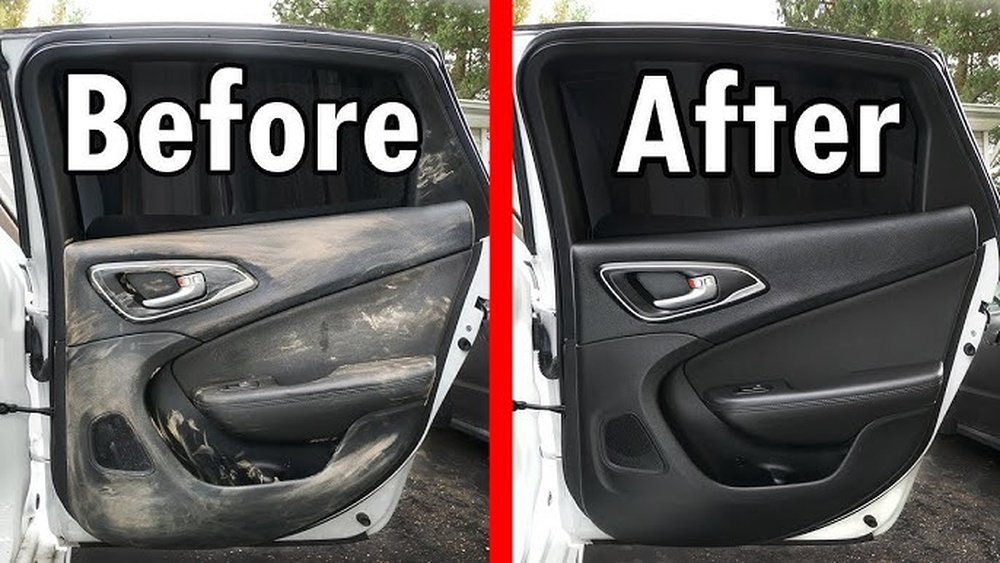
  • How to Clean Car Door Glass: Easy Steps for a Crystal Clear Shine

    How to Clean Car Door Glass: Easy Steps for a Crystal Clear Shine

    Have you ever noticed how dirty car door glass can ruin your driving experience? Smudges, dust, and streaks not only block your view but also make your car look less cared for.

    If you want crystal-clear windows that make every drive safer and more enjoyable, you’re in the right place. In this guide, you’ll learn simple, effective steps to clean your car door glass like a pro. Keep reading, and discover how easy it is to get spotless, streak-free windows every time.

    Your car—and your eyes—will thank you!

    How to Clean Car Door Glass: Easy Steps for a Crystal Clear Shine

    Credit: miracleagc.com

    Gather Cleaning Supplies

    Gathering the right supplies makes cleaning car door glass easier. Having everything ready saves time and effort. It also helps get the glass spotless without streaks or spots.

    Focus on tools and cleaners made for glass. Avoid harsh chemicals that can damage the glass or car paint. Soft cloths and proper sprays work best for a clear finish.

    Glass Cleaner Spray

    Choose a cleaner made for glass surfaces. It removes dirt, grease, and fingerprints well. Avoid ammonia-based cleaners to protect tint and rubber seals.

    Microfiber Cloths

    Use soft microfiber cloths to wipe the glass. They do not scratch or leave lint behind. Have at least two cloths: one for cleaning, one for drying.

    Bucket Of Warm Water

    Warm water helps loosen dirt and grime. Use it to rinse cloths or wipe off stubborn spots. Avoid using hot water to prevent damage to seals.

    Soft-bristle Brush

    A soft brush helps clean edges and corners. It reaches spots cloths might miss. Use it gently to avoid scratching the glass.

    Optional: Rubbing Alcohol

    Rubbing alcohol removes tough residues like sap or grease. Dilute it with water to avoid damage. Test on a small area first for safety.

    Prepare The Car Door

    Preparing the car door is an important first step before cleaning the door glass. It helps protect the car parts and makes cleaning easier. Taking time to prepare ensures better results and keeps your car in good shape.

    Remove Dirt And Debris

    Start by wiping off loose dirt and dust from the door surface. Use a soft cloth or a brush to clear away dust, leaves, and other debris. Removing this dirt prevents scratches during cleaning. It also stops grime from spreading onto the glass.

    Protect Door Seals And Trim

    Car door seals and trim need care before cleaning the glass. Cover them with painter’s tape or plastic wrap to keep water and cleaning solutions away. This protects rubber seals from damage and prevents stains on the trim. Protecting these parts saves money on repairs later.

    Choose The Right Cleaner

    Choosing the right cleaner is key to sparkling car door glass. The right product removes dirt and grime without damaging the glass or seals. Some cleaners work better on tough stains. Others are gentle for everyday cleaning. Understanding your options helps you pick the best one for your car.

    Commercial Glass Cleaners

    Commercial glass cleaners are made specifically for windows and mirrors. They often contain ingredients that remove grease and fingerprints quickly. These cleaners usually spray on and wipe off easily, leaving no streaks behind. Look for cleaners labeled safe for automotive glass. Avoid ammonia-based products as they can damage window tint and rubber seals.

    Diy Cleaning Solutions

    DIY cleaning solutions use simple household ingredients. A mix of water and vinegar works well for light dirt and smudges. Dish soap diluted in water can cut through oily residue. These solutions are cheap and easy to make. Use a soft cloth or microfiber towel to avoid scratches. Test on a small area first to check for any damage.

    Clean The Glass Surface

    Cleaning the car door glass is simple and effective. A clean glass surface improves visibility and enhances your car’s look. Focus on the right tools and technique for best results.

    Start by preparing your cleaning materials. Use a good cleaner and a soft cloth. Avoid rough materials that can scratch the glass.

    Use A Microfiber Cloth

    Choose a microfiber cloth for cleaning car door glass. It traps dirt well without scratching. The cloth also absorbs moisture quickly. Avoid paper towels or regular rags that leave lint behind.

    Apply Cleaner Evenly

    Spray the glass cleaner lightly and evenly. Cover the entire surface with a thin layer. Too much cleaner can cause streaks. Even coverage helps remove dirt faster and cleaner.

    Wipe In Circular Motions

    Use circular motions to wipe the glass gently. This helps lift dirt and grime effectively. Keep the cloth clean and fold it often. Repeat until the glass looks clear and shiny.

    Remove Stubborn Stains

    Stubborn stains on car door glass can spoil its clear look. Dirt, bird droppings, or water spots might not come off with simple cleaning. These marks need special care and the right approach to remove them safely. Cleaning stubborn stains helps keep your car glass shiny and clear for better visibility.

    Use Vinegar Or Rubbing Alcohol

    Vinegar and rubbing alcohol are great for tough stains. They break down grime without harsh chemicals. Mix equal parts of water and vinegar in a spray bottle. Spray the solution on the stained glass and let it sit for a few minutes. Wipe gently with a soft cloth. For rubbing alcohol, apply it on a cloth and rub the stain softly. Both methods help lift stains quickly and safely.

    Avoid Abrasive Materials

    Abrasive materials can scratch the glass surface. Do not use rough sponges or scrubbers. Use soft microfiber cloths or gentle sponges instead. Scratches make glass look dull and can weaken it over time. Always test cleaning solutions on a small spot first. Protect your car glass by choosing the right tools for cleaning.

    How to Clean Car Door Glass: Easy Steps for a Crystal Clear Shine

    Credit: www.gettyimages.in

    Dry And Polish

    Drying and polishing the car door glass is a key step for a clear, streak-free finish. It removes any leftover moisture and dirt. This step helps your glass look smooth and shiny. Proper drying also prevents water spots from forming on the surface.

    Polishing adds an extra layer of cleanliness. It enhances the glass shine and makes the car look well cared for. Using the right tools and techniques ensures the best results quickly.

    Use A Dry Cloth

    Choose a clean, soft microfiber cloth for drying. Avoid rough or old fabrics that can scratch the glass. Gently wipe the glass in a circular motion. This removes water drops and any remaining dust.

    Make sure to dry all corners and edges. These areas often hold moisture. A dry cloth prevents streaks and spots from forming.

    Buff For Extra Shine

    Buffing the glass brings out a clear shine. Use a fresh, dry microfiber cloth for this step. Lightly rub the glass with small, circular movements.

    Focus on any areas with streaks or smudges. Buffing evens out the surface and adds brightness. This simple step makes the glass look like new.

    Maintain Clear Car Door Glass

    Maintaining clear car door glass is key to safe driving and a neat car look. Clean windows let in more light and improve your view. Dirt, dust, and water spots can build up fast. Keeping glass clear needs regular care and some smart protection.

    Regular Cleaning Routine

    Clean car door glass often to stop grime build-up. Use a soft cloth with glass cleaner or a mix of water and vinegar. Wipe in small circles for a streak-free shine. Dry the glass well with a microfiber cloth. Avoid using paper towels as they leave scratches.

    Check the edges of the glass and door frame. Dirt hides there and can cause marks. Clean these areas with a soft brush or cloth. Make cleaning part of your weekly car care. This stops dirt from becoming hard to remove later.

    Protective Treatments

    Apply a water repellent on your car door glass. These treatments make water bead and roll off fast. This keeps the glass clear during rain. It also makes cleaning easier next time. Follow product instructions for best results.

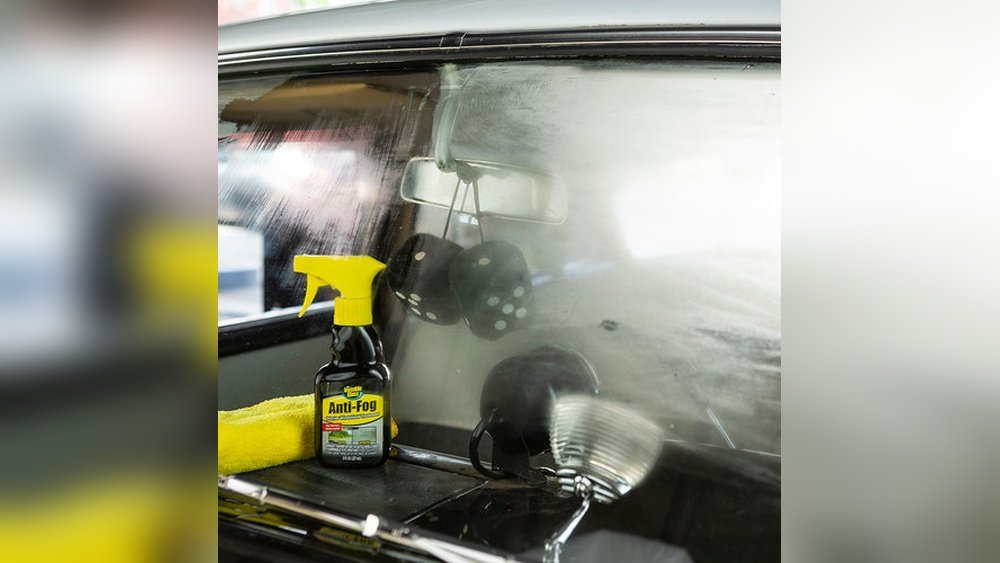
    Consider anti-fog sprays for inside glass on cold days. They stop mist from blocking your view. Protective coatings also reduce dust and dirt sticking to the glass. Use these treatments every few months to keep glass fresh and clear.

    How to Clean Car Door Glass: Easy Steps for a Crystal Clear Shine

    Credit: www.youtube.com

    Frequently Asked Questions

    How Do I Clean Car Door Glass Without Streaks?

    Use a microfiber cloth and a glass cleaner for streak-free results. Spray the cleaner, wipe in circular motions, and finish with vertical strokes. Avoid using paper towels or ammonia-based cleaners as they cause streaks and damage.

    What Household Items Clean Car Door Glass Effectively?

    White vinegar mixed with water works well to clean car door glass. Use a 50/50 solution, spray it on the glass, and wipe with a microfiber cloth. This natural cleaner removes dirt and grime without harsh chemicals.

    How Often Should I Clean My Car Door Glass?

    Clean car door glass every two weeks to maintain visibility and appearance. Regular cleaning prevents buildup of dirt, dust, and water spots. More frequent cleaning is needed in dusty or rainy conditions for optimal clarity.

    Can I Use A Regular Window Cleaner On Car Door Glass?

    Yes, but choose ammonia-free window cleaners designed for automotive glass. Ammonia can damage window tint and rubber seals. Always check product labels to ensure safety for car surfaces before use.

    Conclusion

    Cleaning your car door glass is simple with the right steps. Use gentle cleaners and soft cloths to avoid scratches. Regular cleaning keeps your windows clear and safe. It also improves your car’s look and value. Take your time, and clean both inside and outside.

    A clean window helps you see better while driving. Small efforts make a big difference in your car’s care. Try this easy routine and enjoy clearer glass every day.

  • How to Clean Car Glass With Invisible Glass: Sparkling Clear Tips

    How to Clean Car Glass With Invisible Glass: Sparkling Clear Tips

    Your car’s glass is one of the most important parts when it comes to safety and visibility. But cleaning it can sometimes feel like a chore, leaving streaks or smudges that just won’t go away.

    What if there was a way to make your car glass crystal clear with minimal effort? That’s where Invisible Glass comes in. You’ll discover simple steps to get your car glass spotless and shining like new. Keep reading, and you’ll learn how to transform your cleaning routine and enjoy a clearer, safer drive every time.

    How to Clean Car Glass With Invisible Glass: Sparkling Clear Tips

    Credit: www.walmart.com

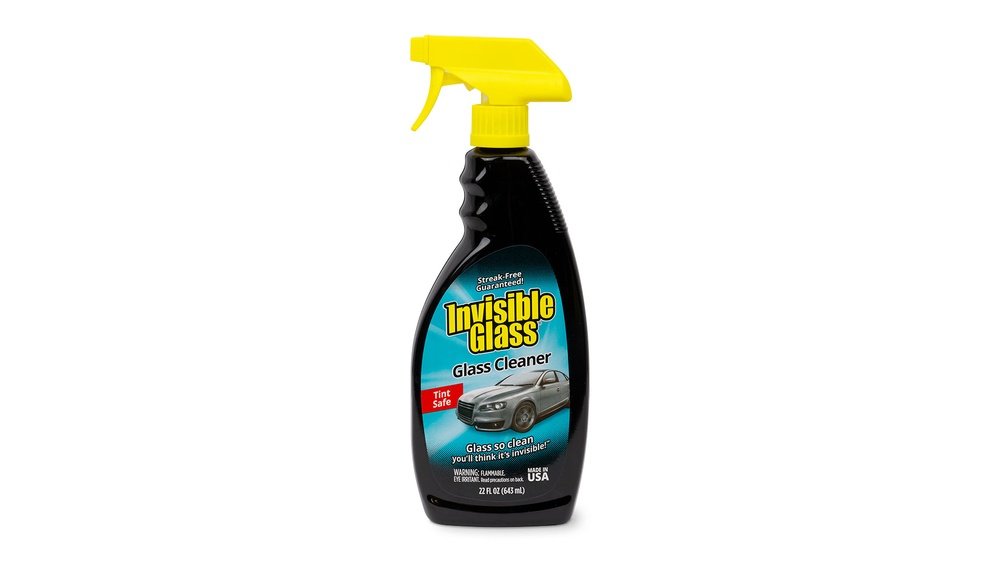
    Choosing Invisible Glass Cleaner

    Choosing the right cleaner for your car glass is important. Invisible Glass cleaner is a popular choice. It helps remove dirt, smudges, and streaks. Picking the right type can make cleaning easier and give better results.

    Types Of Invisible Glass Products

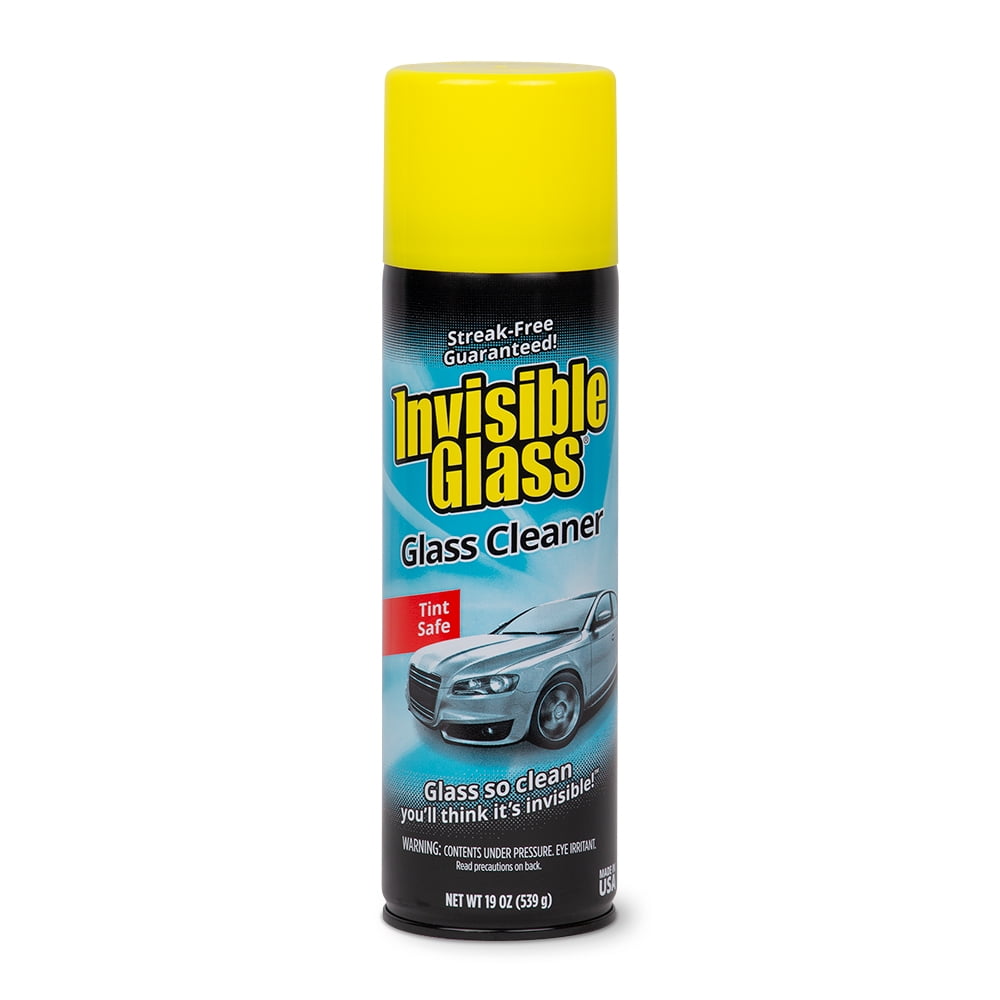
    Invisible Glass comes in different forms. There are sprays, wipes, and foams. Spray bottles are easy to use and cover large areas quickly. Wipes offer convenience for quick cleaning. Foam versions can stick to vertical surfaces better. Choose the type that fits your cleaning style.

    Benefits Of Using Invisible Glass

    This cleaner leaves glass very clear and shiny. It removes tough grease and fingerprints well. Invisible Glass also dries fast and does not leave streaks. It works on all car windows and mirrors. The formula is safe for tinted glass and plastics too.

    Where To Buy

    Invisible Glass is available in many stores. Auto parts shops usually carry it. Big retailers and online stores also sell it. Check for good prices and package sizes. Buying online can offer more options and reviews.

    How to Clean Car Glass With Invisible Glass: Sparkling Clear Tips

    Credit: invisibleglass.com

    Preparing Your Car Glass

    Preparing your car glass before cleaning ensures the best results. Taking a few simple steps helps protect the glass and makes cleaning easier. Proper preparation removes obstacles and keeps your car safe during the process.

    Start with a clean surface and check for any damage. Gather all needed supplies before you begin. This helps you work faster and cleaner.

    Removing Loose Dirt And Debris

    Use a soft brush or a dry cloth to remove loose dirt. Clear dust, leaves, and small debris gently. Avoid rubbing hard to prevent scratches on the glass. Removing loose particles first stops them from spreading during cleaning.

    Checking For Damage

    Look closely for cracks, chips, or scratches on the glass. Damaged glass may need repair before cleaning. Cleaning broken glass can cause more damage or injury. Note any weak spots and avoid applying strong pressure on them.

    Gathering Cleaning Supplies

    Collect everything you need before starting to clean. Invisible Glass cleaner, microfiber cloths, and gloves are essential. Having supplies ready saves time and makes the process smooth. Use clean cloths to avoid adding dirt back onto the glass.

    Step-by-step Cleaning Process

    Cleaning car glass with Invisible Glass is simple. Follow these clear steps for the best results. This process helps keep your windows clean and clear. It removes dirt, dust, and smudges fast. Let’s dive into the step-by-step cleaning process.

    Applying Invisible Glass Cleaner

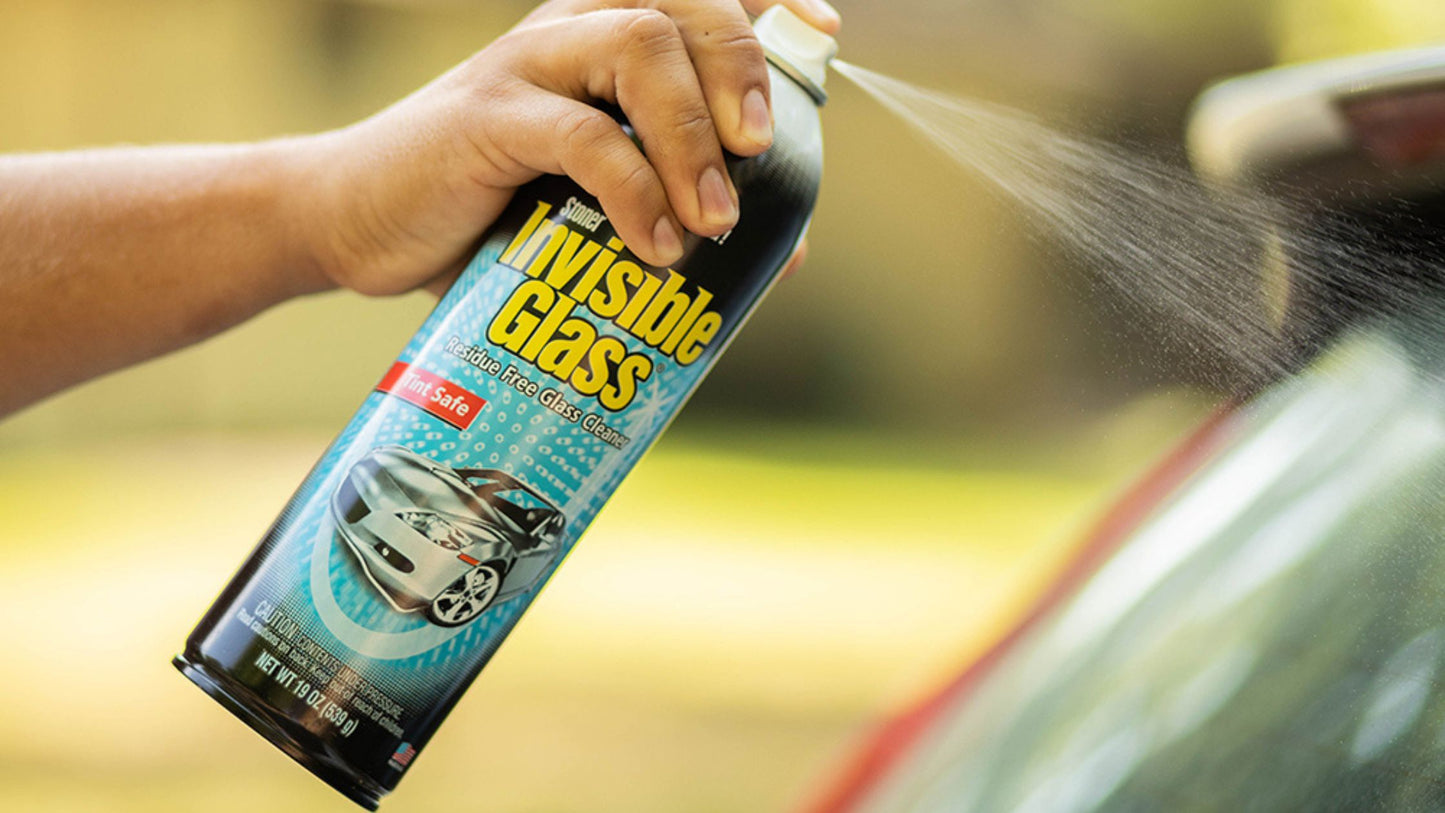
    Start by shaking the bottle well. Spray a light, even mist on the glass surface. Cover small sections at a time. Avoid soaking the glass to prevent drips. Target areas with fingerprints and grime first. The cleaner works quickly to lift dirt.

    Using The Right Cloth

    Use a clean, dry microfiber cloth for best results. Avoid paper towels or rough fabrics. They can leave lint or scratches. Fold the cloth into quarters for better control. Change to a dry side if the cloth gets dirty. A soft cloth helps polish the glass gently.

    Techniques For Streak-free Finish

    Wipe the glass using circular motions first. Then, switch to vertical or horizontal strokes. This removes any remaining streaks. Apply light pressure to avoid smearing. Check the glass from different angles. Repeat if you see spots or haze. This method ensures a sparkling, streak-free shine.

    How to Clean Car Glass With Invisible Glass: Sparkling Clear Tips

    Credit: stonercarcare.com

    Cleaning Tips For Different Glass Surfaces

    Cleaning car glass requires different methods for each type of surface. Each glass area collects different dirt and smudges. Using Invisible Glass helps achieve a clear, streak-free finish every time.

    Follow these tips for the best results on all glass surfaces of your car.

    Windshield Care

    Start by spraying Invisible Glass on the windshield. Use a clean microfiber cloth to wipe in circular motions. Focus on removing bugs, dirt, and road grime. Avoid cleaning in direct sunlight to prevent streaks. Change cloth sides often for a clearer view.

    Side And Rear Windows

    Spray the cleaner lightly on side and rear windows. Wipe gently with a soft cloth to avoid scratches. These windows often have fingerprints and dust that need careful cleaning. Clean both inside and outside surfaces for full clarity. Use vertical strokes on side windows for even coverage.

    Interior Glass Cleaning

    Use Invisible Glass to clean inside windows and mirrors. Spray on the cloth first, not directly on glass to avoid drips. Clean in small sections to prevent smears. Pay special attention to areas near vents and dashboard where dust builds up. Finish with a dry cloth to remove any residue.

    Maintaining Sparkling Glass

    Keeping car glass clean and clear improves driving safety and car appearance. Invisible Glass helps remove dirt and smudges quickly. Maintaining sparkling glass means regular care and smart habits. This section explains how to keep your glass shining with ease.

    Regular Cleaning Schedule

    Clean your car glass at least once a week. Dirt builds up fast from dust, rain, and bugs. Use Invisible Glass for a streak-free finish every time. Clean both inside and outside surfaces. Don’t wait for heavy dirt; light cleaning prevents tough stains.

    Avoiding Common Mistakes

    Do not use old towels or dirty rags. They can scratch the glass or leave streaks. Avoid cleaning in direct sunlight, which dries cleaner too fast. Use a clean microfiber cloth with Invisible Glass. Spray the cleaner on the cloth, not directly on the glass.

    Protecting Glass From Future Dirt

    Apply Invisible Glass regularly to create a protective layer. It repels dirt and water, making future cleaning easier. Park in shaded areas to reduce dust buildup. Avoid touching the glass with oily or dirty hands. Small habits help keep glass clear longer.

    Frequently Asked Questions

    How Do I Clean Car Glass With Invisible Glass?

    Spray Invisible Glass directly onto the glass surface. Use a microfiber cloth to wipe in circular motions. This removes dirt and streaks effectively without leaving residue.

    Is Invisible Glass Safe For Tinted Windows?

    Yes, Invisible Glass is safe for most tinted windows. It cleans without damaging tint films or causing discoloration. Always test a small area first.

    Can I Use Invisible Glass On Inside And Outside Glass?

    Invisible Glass works well on both interior and exterior car glass. It removes grease, fingerprints, and road grime efficiently on all glass surfaces.

    How Often Should I Clean Car Glass With Invisible Glass?

    For best visibility, clean your car glass every two weeks. More frequent cleaning helps maintain clarity and safety during driving.

    Conclusion

    Cleaning car glass with Invisible Glass is simple and effective. It removes dirt and streaks quickly. Your windows will look clear and shiny. Use a clean cloth for best results. Regular cleaning keeps your glass safe and easy to see through.

    This method saves time and effort. Try it yourself for a spotless finish. Clear glass means safer driving every time. Keep your car looking fresh and well cared for.

  • How to Clean Car Windows in Winter: Expert Tips for Crystal Clear Views

    Winter can turn your car windows into a frustrating challenge. Frost, ice, and fog make it hard to see clearly and drive safely.

    But don’t worry—you can easily keep your windows clean and clear, no matter how cold it gets. In this guide, you’ll discover simple, effective tips that save you time and keep your vision sharp on the road. Ready to make your winter drives safer and stress-free?

    Let’s dive into how to clean your car windows in winter like a pro.

    Preparing Your Car Windows

    Preparing your car windows for cleaning in winter is an important step. Cold weather and frost create extra challenges. Proper preparation makes cleaning easier and safer. It also helps protect your glass from damage.

    Gathering Essential Cleaning Supplies

    Start by collecting the right cleaning tools. You need a soft microfiber cloth to avoid scratches. Use an ice scraper with a plastic blade. Avoid metal scrapers that can harm the glass. A spray bottle with a mixture of water and vinegar helps remove fog and frost. Keep a small brush for clearing dirt and debris. Having these supplies ready saves time and effort.

    Removing Snow And Ice Safely

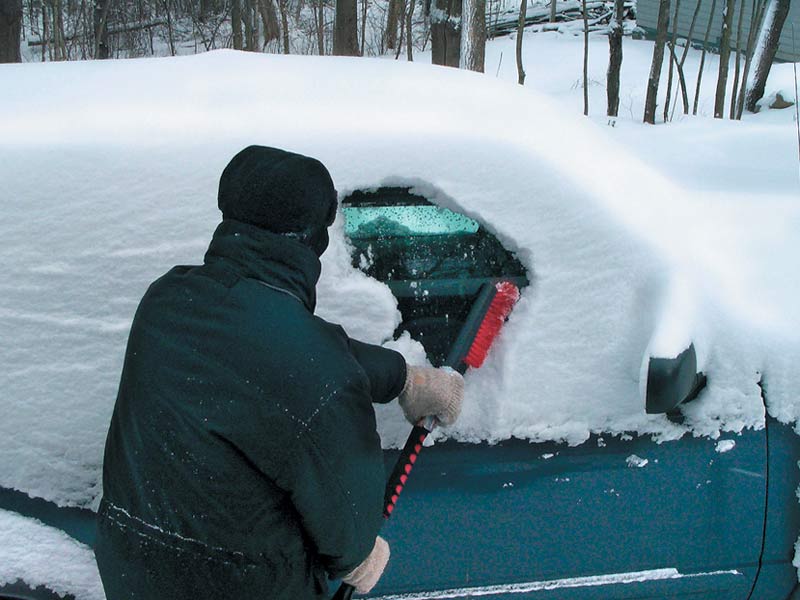
    Clear snow gently using a soft broom or brush. Push snow off the windows before scraping. Avoid using hot water to melt ice. It can crack cold glass. Use the ice scraper carefully, starting from the edges. Work slowly to avoid damaging window seals. If ice is thick, spray a de-icer solution. Let it sit a few minutes before scraping again. This reduces effort and risk of glass damage.

    Choosing The Right Cleaning Solutions

    Choosing the right cleaning solutions is important for clear car windows in winter. Cold weather changes how cleaners work. Some products freeze or leave streaks. Others may not remove salt and grime well. Using the correct solution helps keep your windows clean and safe to drive.

    Winter-friendly Glass Cleaners

    Winter-friendly glass cleaners are made for cold weather. They usually contain ingredients that stop freezing. These cleaners break down salt, dirt, and road grime easily. Many come in spray bottles for quick use. They also help prevent fog and frost buildup on windows. Choose a cleaner with anti-freeze properties for best results.

    Diy Cleaning Mixtures

    Making your own cleaner saves money and works well. Mix equal parts water and rubbing alcohol to stop freezing. Add a few drops of dish soap to cut grease and dirt. Use this mix in a spray bottle for easy application. Avoid using plain water, as it can freeze and leave marks. DIY solutions offer a simple way to keep windows clear.

    Effective Cleaning Techniques

    Cleaning car windows in winter needs special care. Dirt, ice, and frost make it hard to see. Clear windows keep you safe on slippery roads. Use the right methods for both outside and inside glass. This section shows easy and effective cleaning techniques for winter.

    Cleaning Exterior Windows

    Start by removing loose dirt with a soft brush. Use a winter-safe windshield washer fluid. Spray it on the glass and wipe with a clean cloth. Avoid using hot water; it can crack the glass. Clean in small sections to stop freezing. Use a rubber squeegee to remove water and prevent streaks. Pay attention to edges and corners where dirt hides.

    Cleaning Interior Windows

    Inside glass gets foggy from breath and heat. Use a microfiber cloth and a gentle glass cleaner. Spray cleaner on the cloth, not the glass. Wipe in circular motions to avoid streaks. Clean the edges near the dashboard well. Ventilate the car to reduce moisture buildup. Regular cleaning keeps the glass clear and safe.

    Dealing With Stubborn Ice And Frost

    Scraping ice can damage windows if done roughly. Use a plastic scraper with a flat edge. Warm the car engine for a few minutes before scraping. Spray a mixture of water and rubbing alcohol to melt ice faster. Avoid metal tools or sharp objects on glass. Repeat spraying and scraping gently until ice clears. Do not pour hot water on windows; it risks cracks.

    How to Clean Car Windows in Winter: Expert Tips for Crystal Clear Views

    Credit: www.youtube.com

    Preventing Window Fog And Ice

    Winter makes car windows fog and ice up fast. This reduces visibility and can be dangerous. Preventing fog and ice keeps windows clear and driving safer. Simple steps help reduce moisture and frost buildup. These tips save time and stress during cold mornings.

    Using Anti-fog Treatments

    Anti-fog treatments create a thin layer on the glass. This layer stops moisture from sticking. Apply the treatment on the inside of windows. Use a clean cloth to spread it evenly. Reapply the treatment every few weeks for best results. It helps keep windows clear even in cold weather. Choose products made for automotive use only.

    Maintaining Proper Ventilation

    Ventilation reduces humidity inside the car. Use the car’s air conditioner or heater fan. Set it to fresh air mode instead of recirculate. Open windows slightly if safe to do so. This helps moisture escape quickly. Avoid wet clothes or items inside the car. Proper airflow cuts down window fog and ice buildup.

    Additional Winter Window Care Tips

    Winter brings unique challenges for car windows. Cold weather, ice, and snow can reduce visibility. Taking extra care helps keep windows clear and safe. Below are important tips for winter window care.

    Protecting Wipers And Washers

    Cold can damage wiper blades quickly. Lift them off the glass when parked. This stops them from freezing to the window. Use winter-grade washer fluid. It resists freezing and cleans better in cold weather.

    Check wiper blades often. Replace if cracked or stiff. Clear off snow before using wipers. This reduces wear and tear.

    Regular Maintenance For Clear Views

    Clean windows regularly to prevent buildup. Dirt and salt reduce visibility and can scratch glass. Use a soft cloth and gentle cleaner. Avoid hot water on cold glass to prevent cracks.

    Defrost windows before driving. Run the car heater and use the defrost setting. This clears ice safely and quickly. Keep an ice scraper handy for thick ice layers.

    How to Clean Car Windows in Winter: Expert Tips for Crystal Clear Views

    Credit: www.farmanddairy.com

    How to Clean Car Windows in Winter: Expert Tips for Crystal Clear Views

    Credit: www.amazon.com

    Frequently Asked Questions

    How Do I Prevent Frost On Car Windows Overnight?

    Use a windshield cover or park your car in a garage. Apply a water and vinegar solution to windows before freezing temperatures. These methods reduce frost buildup and keep your windows clearer in winter.

    What Is The Best Way To Remove Ice From Car Windows?

    Use a plastic ice scraper designed for cars. Avoid metal tools that can scratch glass. Start your car and turn on the defroster to soften ice for easier removal.

    Can I Use Hot Water To Clean Frozen Car Windows?

    No, avoid hot water as it can crack cold glass. Use lukewarm water or de-icer sprays instead. These options safely melt ice without damaging your windows.

    How Often Should I Clean Car Windows In Winter?

    Clean windows at least once a week or after snowstorms. Regular cleaning removes salt and grime that reduce visibility and cause damage. Keep wiper blades clear for effective cleaning.

    Conclusion

    Cleaning car windows in winter keeps your view clear and safe. Use simple tools like a soft cloth and mild cleaner. Remove ice gently to avoid scratches. Regular care stops fog and frost buildup. Clean windows help you drive with confidence.

    Take a few minutes before each trip. Stay safe by keeping your windows spotless all season. Small efforts make a big difference in winter driving. Keep visibility high and enjoy a safer ride every day.

  • How to Clean Interior Car Glass: Expert Tips for a Streak-Free Shine

    How to Clean Interior Car Glass: Expert Tips for a Streak-Free Shine

    Your car’s interior glass can get dirty faster than you think. Smudges, fingerprints, and dust build up, making it hard to see clearly while driving.

    This not only affects your view but can also be dangerous. If you want crystal-clear windows and a safer ride, you need the right cleaning tips. Keep reading, and you’ll discover simple, effective ways to make your car’s interior glass shine like new.

    How to Clean Interior Car Glass: Expert Tips for a Streak-Free Shine

    Credit: cleanmycar.ca

    Tools And Materials Needed

    Cleaning the interior car glass needs the right tools and materials. Using proper items makes the task easier and gives better results. Prepare everything before starting to avoid interruptions. This section covers the main tools you need.

    Choosing The Right Cleaner

    Pick a cleaner made for glass surfaces. Avoid cleaners with ammonia or harsh chemicals. These can damage tint or dashboard materials. A simple glass cleaner or a mix of vinegar and water works well. Test a small area first to check for any damage.

    Essential Cleaning Cloths

    Use microfiber cloths for cleaning car glass. They absorb dirt and do not leave lint behind. Avoid paper towels or rough fabrics; they can scratch the glass. Have at least two cloths: one for applying cleaner and one for wiping dry.

    Additional Helpful Supplies

    Keep a soft-bristled brush to clean corners and edges. A spray bottle helps apply the cleaner evenly. Use gloves to protect your hands if you have sensitive skin. A small squeegee can remove excess liquid for a streak-free finish.

    Preparing The Car Interior

    Preparing the car interior is the first step to clean the glass inside your vehicle properly. Dirt, dust, and other particles can scratch the glass if not removed first. Taking time to prepare the area ensures a smooth and effective cleaning process.

    Preparing also helps protect your car’s interior parts from any cleaning sprays or moisture. A clean and safe workspace makes it easier to reach all glass surfaces without worrying about damage.

    Removing Dust And Debris

    Start by removing dust from the dashboard and other surfaces near the windows. Use a soft microfiber cloth or a small handheld vacuum. Avoid using rough materials that might scratch the glass or dashboard. Clean corners and edges well, as dust often gathers there.

    Clear loose dirt from the seats and floor mats to prevent it from spreading during cleaning. Keep the car windows slightly open to let fresh air in and dust out. This step makes the glass cleaning process more effective and prevents dirt from sticking back.

    Protecting Sensitive Areas

    Cover electronics, air vents, and fabric surfaces near the glass with cloth or paper towels. This prevents cleaning sprays from damaging these parts. Avoid spraying cleaner directly on the glass. Instead, spray it on a cloth to control moisture.

    Protect leather seats and wooden trims as well. Use gentle cloths to wipe near these areas. Taking these precautions keeps your car interior safe while cleaning the glass thoroughly.

    Step-by-step Cleaning Process

    Cleaning the interior glass of your car is simple with a clear process. Follow each step carefully to get spotless, streak-free windows. This guide breaks down the cleaning into easy parts.

    Initial Wipe Down

    Start by wiping the glass with a dry microfiber cloth. This removes dust and loose dirt. Clean surfaces prevent scratches during deeper cleaning. Use gentle strokes to avoid spreading grime.

    Applying The Cleaner

    Spray a small amount of glass cleaner onto the cloth, not directly on the glass. This stops drips and streaks. Choose a cleaner safe for car interiors to avoid damage. Cover the entire surface evenly with light pressure.

    Scrubbing And Polishing

    Use a clean microfiber cloth to scrub the glass gently. Focus on corners and edges where dirt builds up. Buff the glass in circular motions to remove residue and shine. Repeat if necessary for a clear view.

    Tips For Avoiding Streaks

    Cleaning interior car glass can be tricky when tough stains and residues appear. These marks block your view and make your car look dirty. Stains like smoke film, water spots, and sticky residue need special care. Knowing the right way to clean these tough spots will make your glass clear and shiny again.

    Removing Smoke And Film Build-up

    Smoke leaves a sticky film that dulls your glass. This film collects dust and dirt easily. Use a glass cleaner with ammonia for the best effect. Spray the cleaner on a microfiber cloth, not directly on the glass. Wipe the glass in small circular motions to lift the film. Repeat if needed until the glass feels smooth and looks clear. Avoid using paper towels; they can leave lint behind.

    Handling Water Spots And Hard-to-clean Areas

    Water spots form from minerals left by dried water. They can be stubborn and hard to remove. Use a mixture of equal parts white vinegar and water. Spray this solution on the spots and let it sit for a few minutes. Wipe gently with a soft cloth. For corners and edges, use a cotton swab dipped in the solution. This helps reach tight spots. Always dry the glass after cleaning to stop new spots from forming.

    Dealing With Tough Stains And Residue

    Maintaining a clear interior glass is important for safety and comfort. Clean glass improves visibility and reduces glare while driving. It also keeps the car looking neat and fresh. Regular care prevents buildup of dirt, dust, and film that can cloud the glass.

    Regular Cleaning Schedule

    Set a routine to clean the interior glass every two weeks. Use a soft microfiber cloth and a quality glass cleaner. Wipe in a circular motion to avoid streaks. Pay special attention to corners and edges where dirt collects. Regular cleaning stops grime from becoming hard to remove.

    Preventive Measures

    Keep the car interior free of dust by vacuuming often. Avoid smoking inside to prevent residue on the glass. Use sunshades to protect glass from heat and dirt. Avoid touching the glass with greasy or dirty hands. These small steps keep the glass clearer for longer time.

    How to Clean Interior Car Glass: Expert Tips for a Streak-Free Shine

    Credit: www.youtube.com

    How to Clean Interior Car Glass: Expert Tips for a Streak-Free Shine

    Credit: www.amazon.com

    Frequently Asked Questions

    How Do I Clean Interior Car Glass Without Streaks?

    Use a microfiber cloth and a glass cleaner designed for cars. Spray lightly and wipe in circular motions. Avoid ammonia-based cleaners that can damage tint or leave streaks.

    What Is The Best Cleaner For Car Interior Glass?

    A dedicated automotive glass cleaner or a mixture of vinegar and water works best. These cleaners remove grime without harming the glass or tint.

    How Often Should I Clean My Car’s Interior Windows?

    Clean interior car glass every two to four weeks. Regular cleaning prevents buildup of dirt, grease, and fog, ensuring clear visibility and safety.

    Can I Use Household Glass Cleaner On Car Windows?

    Avoid ammonia-based household cleaners as they can damage window tint and leave residue. Use automotive glass cleaners for safe, effective results.

    Conclusion

    Cleaning your car’s interior glass keeps your view clear and safe. Use simple tools and gentle cleaners for best results. Wipe carefully to avoid streaks and spots. Regular cleaning stops dirt buildup and improves driving comfort. A clean windshield helps you see better on all roads.

    Keep a cloth handy for quick touch-ups anytime. Small efforts make a big difference in your car’s appearance. Stay safe by maintaining clear glass inside your vehicle.

  • How to Clean Car Sunroof Glass: Easy Steps for a Spotless Shine

    How to Clean Car Sunroof Glass: Easy Steps for a Spotless Shine

    Your car’s sunroof glass lets in light and fresh air, making every drive more enjoyable. But when it’s dirty or smudged, it can ruin your view and even affect how well it opens and closes.

    You might think cleaning it is tricky or risky, but it doesn’t have to be. You’ll discover simple, effective ways to clean your sunroof glass safely and keep it sparkling clear. Keep reading—you’ll be surprised how easy it is to restore that crystal-clear shine and protect your investment.

    How to Clean Car Sunroof Glass: Easy Steps for a Spotless Shine

    Credit: wowipers.com

    Preparing Your Sunroof

    Preparing your sunroof is the first step to clean the glass properly. It helps avoid damage and gives a better clean. Take time to get ready before starting the job. This makes the process easier and safer for your car.

    Gathering Cleaning Supplies

    Collect all needed items before cleaning. You will need a soft microfiber cloth to avoid scratches. A glass cleaner that is safe for cars works best. Have a bucket with warm water ready. Use a gentle brush or sponge for stubborn dirt. Keep paper towels nearby for drying.

    Inspecting The Sunroof Condition

    Check the sunroof glass for cracks or chips. Look at the rubber seals around the edges. Make sure seals are not cracked or dry. Examine the tracks where the sunroof slides open. Remove any leaves, dirt, or debris. This prevents damage during cleaning and use.

    How to Clean Car Sunroof Glass: Easy Steps for a Spotless Shine

    Credit: delawareautoglass.com

    Removing Surface Dirt

    Removing surface dirt is the first step in cleaning your car sunroof glass. Dirt and dust can build up quickly and make the glass look dull. Cleaning this layer helps keep the glass clear and prevents scratches during deeper cleaning. Start by gently removing loose dirt before using any cleaning products.

    Rinsing With Water

    Begin by rinsing the sunroof glass with clean water. Use a hose or a bucket to pour water gently. This helps wash away loose dirt and dust. Avoid strong water pressure that may push dirt into edges. Rinsing prepares the surface for better cleaning with a solution.

    Using A Gentle Cleaner

    Choose a gentle glass cleaner or a mild soap solution. Avoid harsh chemicals that can damage the glass or seals. Apply the cleaner with a soft cloth or sponge. Wipe the sunroof in small circles to lift dirt without scratching. Rinse again with water to remove cleaner residue.

    Deep Cleaning Techniques

    Deep cleaning your car sunroof glass ensures clear visibility and a spotless finish. Dirt and grime can build up over time, making the glass look dull. Thorough cleaning restores shine and prevents damage. Focus on the glass surface and the surrounding seals. Use proper tools and cleaners for the best results.

    Applying Glass Cleaner

    Start by choosing a good glass cleaner made for vehicles. Spray the cleaner evenly on the sunroof glass. Let it sit for a few seconds to loosen dirt and smudges. Use a soft microfiber cloth to wipe the glass in circular motions. Avoid using paper towels as they can scratch the glass. Repeat the process for a streak-free shine.

    Scrubbing Stubborn Spots

    Some spots need extra attention. Use a soft-bristle brush or a sponge to scrub stuck dirt gently. For tough stains, apply a small amount of rubbing alcohol or vinegar. Dab the solution on the spot and let it sit briefly. Scrub lightly until the stain lifts. Rinse the area with water and wipe dry with a clean cloth.

    Cleaning The Sunroof Seals

    Sunroof seals often collect dust and debris. Clean them carefully to maintain a good seal. Use a damp cloth or a soft brush to remove dirt from the rubber edges. Apply a rubber protectant to keep the seals soft and flexible. This helps prevent cracks and leaks. Check seals regularly for damage and clean as needed.

    How to Clean Car Sunroof Glass: Easy Steps for a Spotless Shine

    Credit: www.youtube.com

    Drying And Polishing

    Drying and polishing your car sunroof glass is key to a clear, streak-free finish. After cleaning, remove all moisture to stop water spots. Polishing adds a smooth shine and protects the glass surface. This step makes your sunroof look almost new again.

    Using Microfiber Towels

    Microfiber towels are gentle on the glass and absorb water well. Use a clean, dry towel to wipe off water drops carefully. Pat the surface instead of rubbing hard. This prevents scratches and streaks. Change towels if they get too wet to avoid smudges.

    Applying Glass Polish For Shine

    Glass polish helps remove light marks and boosts shine. Apply a small amount on a soft cloth or applicator pad. Rub in small circles over the sunroof glass. Work evenly to cover the entire surface. Let it dry to a haze, then buff with a clean microfiber towel. This step leaves your sunroof smooth and bright.

    Maintaining A Spotless Sunroof

    Maintaining a spotless sunroof keeps your car looking fresh and bright. Clean sunroof glass lets more light in and improves your drive. Dirt, dust, and water spots can build up fast. Regular care stops stains and damage from settling in.

    Simple habits and regular cleaning protect your sunroof glass for a long time. Follow easy steps to keep it clear and shiny every day.

    Regular Cleaning Schedule

    Set a weekly or biweekly time to clean your sunroof glass. Use a soft cloth and mild glass cleaner for best results. Avoid harsh chemicals that can scratch or damage the glass. Wipe in gentle circular motions to remove dirt and smudges. Dry the glass with a clean microfiber cloth to prevent streaks. Keep an eye on weather conditions. After rain or dusty days, clean the sunroof to avoid buildup.

    Protective Tips To Prevent Dirt Buildup

    Park your car in shaded or covered areas to reduce dust and bird droppings. Use a car cover if you do not have a garage. Avoid parking under trees that drop sap or leaves. Regularly clear debris from sunroof edges and seals. Check and clean the sunroof drainage channels to stop water buildup. Apply a water-repellent treatment to the glass to help rain slide off. These tips keep dirt away and reduce cleaning time.

    Frequently Asked Questions

    How Often Should I Clean My Car Sunroof Glass?

    Clean your car sunroof glass every two weeks. Regular cleaning prevents dirt buildup and ensures clear visibility. It also protects the glass from damage and keeps your sunroof functioning smoothly.

    What Is The Best Cleaner For Sunroof Glass?

    Use a mild glass cleaner or a mixture of water and vinegar. Avoid harsh chemicals that can damage the glass or seals. Always use a soft microfiber cloth to avoid scratches.

    How Do I Avoid Streaks On Sunroof Glass?

    Wipe the sunroof glass with a microfiber cloth in a circular motion. Clean on a cloudy day or in shade to prevent cleaner from drying too fast. This helps achieve a streak-free, clear finish.

    Can I Use Household Items To Clean Sunroof Glass?

    Yes, you can use household items like vinegar and water. Mix equal parts for an effective, natural cleaner. Avoid abrasive materials that may scratch or damage the glass surface.

    Conclusion

    Cleaning your car sunroof glass keeps it clear and bright. Use gentle cleaners and soft cloths to avoid scratches. Regular cleaning stops dirt and grime buildup. A clean sunroof improves your car’s look and lets in more light. Take a few minutes each week for this easy task.

    Your car will feel fresher and more inviting. Simple steps make a big difference. Keep your sunroof spotless for a better driving experience.

  • Best Way to Clean Car Exterior Windows: Expert Tips Revealed

    Best Way to Clean Car Exterior Windows: Expert Tips Revealed

    Your car’s exterior windows play a big role in how clear your view is while driving. Dirty windows can cause glare, reduce visibility, and even make your car look older than it is.

    You might think cleaning them is simple, but the best way to get spotless, streak-free windows isn’t always obvious. You’ll discover easy, effective tips that save you time and effort. Keep reading to learn how you can make your car’s windows shine like new—and enjoy safer, clearer drives every time.

    Best Way to Clean Car Exterior Windows: Expert Tips Revealed

    Credit: www.youtube.com

    Choosing The Right Cleaning Tools

    Choosing the right tools makes cleaning car exterior windows easier and better. The right tools protect glass from scratches. They help remove dirt and grime faster. Using poor tools can leave streaks and spots. Good tools save time and effort. They also improve the look of your car’s windows.

    Types Of Cloths And Towels

    Microfiber cloths are soft and absorbent. They do not scratch glass surfaces. These cloths pick up dust and dirt well. Avoid rough or old towels that can cause scratches. Cotton towels work but may leave lint behind. Use clean cloths to prevent smearing. Choose cloths designed for glass cleaning.

    Best Window Cleaners For Cars

    Use cleaners made for automotive glass. These cleaners remove tough dirt without damaging glass. Avoid household cleaners with ammonia. Ammonia can harm window tint and rubber seals. Spray the cleaner lightly on the window. Wipe with a clean cloth for best results. Choose products that dry quickly and leave no residue.

    Additional Cleaning Accessories

    A squeegee helps remove water and cleaner evenly. It reduces streaks and speeds up drying. Use a soft brush to clean corners and edges. A spray bottle helps control the amount of cleaner used. Keep a small bucket of clean water nearby. It helps rinse cloths and remove dirt properly.

    Best Way to Clean Car Exterior Windows: Expert Tips Revealed

    Credit: www.drbeasleys.com

    Preparing The Windows For Cleaning

    Preparing car exterior windows for cleaning is an important first step. Clean windows shine better and last longer. Dirt and grime can block the cleaning solution from working well. Taking time to prepare ensures a smooth and effective cleaning process.

    Removing Loose Dirt And Debris

    Start by brushing off loose dirt and debris. Use a soft brush or cloth to avoid scratching the glass. Dirt particles can cause scratches during cleaning if not removed first. Clear away leaves, dust, or bird droppings gently. This step makes the cleaning safer and more effective.

    Checking For Damage Or Stains

    Next, examine the windows for any damage or stubborn stains. Look for cracks, chips, or deep scratches. Stains like sap or hard water spots need special attention. Identifying these issues early helps choose the right cleaning method. Some damage might need professional repair before cleaning.

    Step-by-step Cleaning Process

    Cleaning car exterior windows needs a clear plan. A step-by-step process helps get the best results. It makes windows shine and stay spotless longer. Follow these steps for a smooth, streak-free finish.

    Applying Cleaner Properly

    Start by choosing a good window cleaner. Spray the cleaner evenly on the glass surface. Avoid soaking the edges to prevent drips. Use a soft cloth or microfiber towel to spread the cleaner. Cover all areas, including corners and edges.

    Using Circular Motions

    Wipe the window using small, circular motions. This method breaks down dirt and grime better. It also helps avoid streaks on the glass. Keep the pressure gentle to protect the surface. Change to a clean section of the cloth often.

    Handling Tough Stains And Spots

    For stubborn stains, apply extra cleaner directly on the spot. Let it sit for a few minutes to soften grime. Use a soft brush or cloth to scrub gently. Repeat if needed until the spot disappears. Finish by wiping the window dry with a clean towel.

    Avoiding Common Mistakes

    Cleaning car exterior windows seems easy but many make simple mistakes. These errors can damage the glass or leave streaks behind. Avoiding common mistakes helps keep windows clear and shiny. Follow these tips for the best results.

    Using Harsh Chemicals

    Harsh chemicals can harm the glass and car paint. Avoid cleaners with ammonia or bleach. These substances dry out the window surface and cause fogging. Choose gentle, car-safe glass cleaners instead. They clean well without damage.

    Cleaning In Direct Sunlight

    Direct sunlight makes window cleaner dry too fast. This causes streaks and spots on the glass. Clean windows in shade or during cooler times of day. A slow drying process helps achieve a clear, smooth finish.

    Scratching The Glass Surface

    Using rough cloths or dirty towels can scratch windows. Always use a soft microfiber cloth for cleaning. Rinse cloths often to remove dirt and grit. Gentle wiping protects the glass and keeps it spotless.

    Maintaining Clear Windows Longer

    Maintaining clear car exterior windows helps keep your car looking neat and ensures safe driving. Clean windows improve visibility and reduce glare from the sun or headlights. Keeping them clear longer saves time and effort on cleaning. Small habits make a big difference in window care.

    Regular Cleaning Schedule

    Set a routine for cleaning your windows at least once every two weeks. This prevents dirt and grime from building up. Use a soft cloth and a gentle glass cleaner. Wipe in circular motions to avoid streaks. Regular cleaning stops stubborn stains from forming.

    Using Protective Coatings

    Apply a protective coating to your car windows to shield them from dirt and water. These coatings create a thin barrier that repels dust and grime. Choose products designed for automotive glass. Reapply the coating every few months for best results. This helps keep windows clear and easier to clean.

    Tips For Water Repellency

    Water repellency helps rain and moisture slide off windows quickly. Use a water-repellent spray designed for cars. Apply it evenly on clean, dry windows. Buff gently with a microfiber cloth for a smooth finish. This reduces water spots and improves visibility in rainy weather.

    Best Way to Clean Car Exterior Windows: Expert Tips Revealed

    Credit: carshield.com

    Frequently Asked Questions

    What Is The Best Product For Cleaning Car Exterior Windows?

    The best product is a high-quality automotive glass cleaner. It removes dirt, grime, and streaks effectively. Avoid household cleaners with ammonia, as they can damage window tint or rubber seals.

    How Often Should I Clean My Car’s Exterior Windows?

    Clean your car’s exterior windows every two weeks. Regular cleaning prevents buildup of dirt and water spots. Frequent washing ensures better visibility and maintains window clarity.

    Can I Use Vinegar To Clean Car Exterior Windows?

    Yes, diluted vinegar is an effective and natural cleaner. Mix equal parts vinegar and water for a streak-free shine. Avoid using pure vinegar, as its acidity may damage window seals.

    Should I Use Microfiber Cloths For Cleaning Windows?

    Microfiber cloths are ideal for cleaning car windows. They are soft, lint-free, and prevent scratches. Using microfiber cloths ensures a streak-free and spotless finish on the glass.

    Conclusion

    Cleaning car windows needs the right tools and method. Use a good cleaner and a soft cloth for best results. Clean in small sections to avoid streaks. Avoid direct sunlight to keep cleaner from drying too fast. Regular cleaning keeps your windows clear and safe to drive.
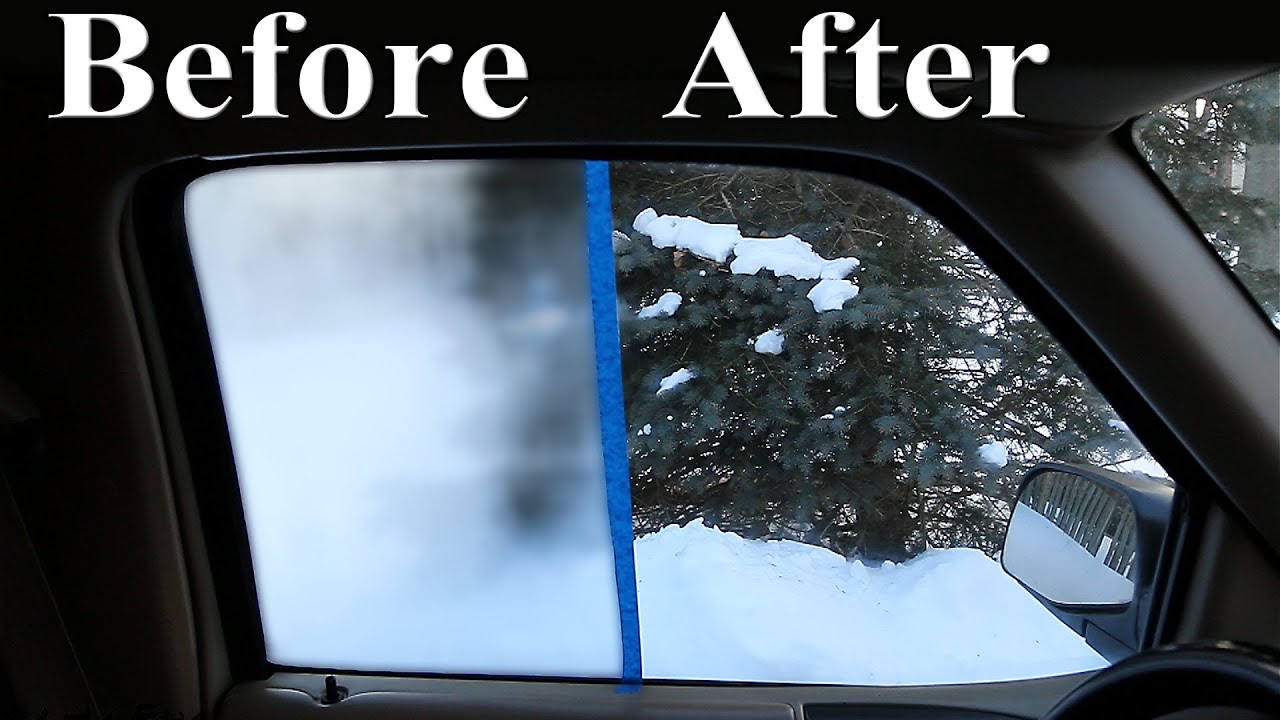
    Clean windows improve your car’s look and your driving view. Keep these tips in mind for easy, effective window cleaning. Your car will shine, and you will see better on the road. Simple steps bring great results every time.

  • How to Clean Car Headlight Glass: Easy Steps for Crystal Clear Lights

    How to Clean Car Headlight Glass: Easy Steps for Crystal Clear Lights

    Are your car headlights looking dull or foggy? This can make driving at night harder and even unsafe.

    But don’t worry—you can bring back that clear, bright shine without spending a lot of money or time. In this guide, you’ll discover simple, effective ways to clean your car headlight glass yourself. Keep reading to learn easy steps that will improve your visibility and make your car look like new again.

    Your headlights deserve a little care, and you’re just a few minutes away from brighter, safer drives.

    How to Clean Car Headlight Glass: Easy Steps for Crystal Clear Lights

    Credit: www.youtube.com

    Signs Of Cloudy Headlights

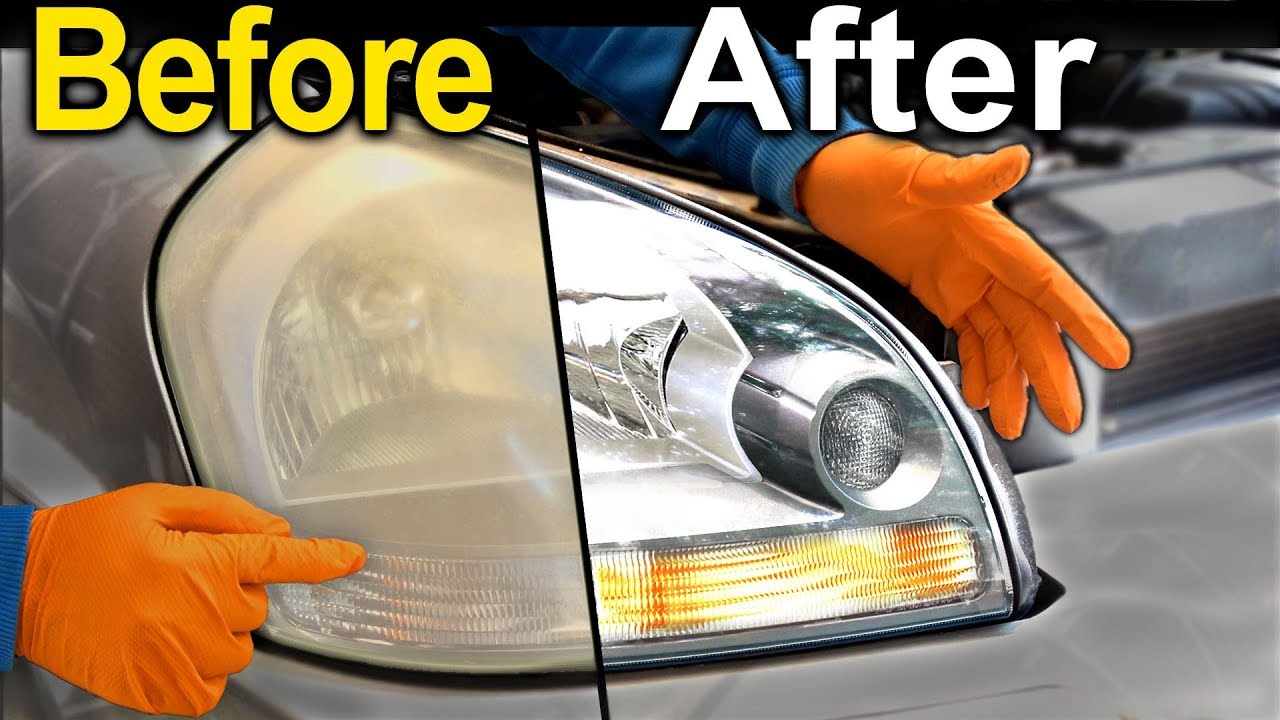
    Cloudy headlights affect your car’s look and driving safety. You might not notice the problem at first. But over time, the glass covering your headlights can get foggy or yellow. This reduces the light your headlights give off.

    Spotting cloudy headlights early helps you fix them before they cause bigger issues. Here are clear signs to check your headlights for cloudiness.

    Dullness And Yellowing

    Cloudy headlights look dull and faded. The glass loses its clear shine. It may turn yellow or hazy. This color change happens from sun damage and dirt build-up. Dull headlights do not light up the road properly.

    Reduced Night Visibility

    Cloudy headlights make night driving harder. The light beam becomes weak and scattered. You see less of the road ahead. Other drivers may also find it hard to see your car. This increases the risk of accidents at night.

    Safety Concerns

    Cloudy headlights lower your driving safety. Poor light reduces your reaction time. It can confuse other drivers on the road. Driving with cloudy headlights may also lead to traffic fines. Fixing them keeps you and others safe.

    How to Clean Car Headlight Glass: Easy Steps for Crystal Clear Lights

    Credit: www.thedrive.com

    Tools And Materials Needed

    Cleaning car headlight glass requires specific tools and materials. Having the right items makes the job easier and more effective. Prepare everything before starting to save time and get better results.

    Cleaning Solutions

    Choose a cleaning solution designed for headlights. You can use mild soap mixed with water for light dirt. For tough stains, use a commercial headlight cleaner or a mixture of baking soda and water. These solutions help remove grime and restore clarity.

    Sandpaper And Polishing Pads

    Use fine-grit sandpaper to smooth out rough areas on the glass. Start with 800 grit and move to 2000 grit for best results. Polishing pads help buff the headlight after sanding. They create a smooth, shiny surface that improves light output.

    Protective Gear

    Wear gloves to protect your hands from chemicals and rough surfaces. Safety glasses keep your eyes safe from dust and splashes. Use a mask to avoid inhaling dust during sanding. Safety first for a clean and safe job.

    Preparation Steps

    Preparing your car headlight for cleaning is very important. It makes the whole process easier and safer. Proper preparation helps protect your car and gives you better results. Follow these steps before starting to clean the headlight glass.

    Gathering Supplies

    Collect all the items you need before beginning. Typical supplies include a soft cloth, mild soap, water, masking tape, and a sponge. You may also want sandpaper or a polishing compound for tough stains. Having everything ready saves time and avoids interruptions.

    Protecting Surrounding Areas

    Cover parts around the headlight to avoid damage. Use masking tape to shield the paint and trim near the glass. This step prevents scratches and stains during cleaning. It also keeps cleaning products from touching unwanted areas.

    Washing The Headlight Surface

    Start by washing the headlight with soap and water. Use a soft cloth or sponge to remove dirt and grime. Clean the entire surface gently to avoid scratches. Dry the headlight well before moving to deeper cleaning steps.

    Basic Cleaning Method

    Cleaning car headlight glass keeps your lights bright and your car safe. Dirt and grime can make headlights cloudy. The basic cleaning method clears this buildup gently and effectively. It uses simple tools and easy steps anyone can follow.

    Applying Cleaning Solution

    Start by choosing a mild cleaning solution. Mix water with a small amount of dish soap or use a commercial headlight cleaner. Apply the solution to the headlight glass with a spray bottle or soft cloth. Cover the entire surface to loosen dirt and grease.

    Scrubbing With A Soft Cloth

    Use a soft cloth or sponge to scrub the glass gently. Move in small circles to remove grime. Avoid hard scrubbing, which can scratch the glass. Focus on areas with heavy dirt or stains. Keep the cloth wet with cleaning solution during scrubbing.

    Rinsing And Drying

    Rinse the headlight with clean water to remove soap and dirt. Use a hose or a wet cloth for rinsing. Dry the glass with a clean microfiber towel. Make sure to remove all moisture to prevent streaks and spots.

    Advanced Restoration Techniques

    Advanced restoration techniques improve headlight clarity and safety. These methods remove deep scratches and yellowing. They bring back the glass’s original brightness. Following these steps helps your headlights last longer and shine brighter.

    Wet Sanding Process

    Wet sanding removes the top damaged layer of the headlight. Use fine grit sandpaper, starting with 800 grit. Keep the surface wet to avoid scratches. Sand gently in a horizontal motion. Switch to finer grits like 1500 and 2000 for smoothness. Clean the headlight after sanding to remove residue.

    Polishing For Shine

    Polishing restores the clear, glossy finish. Apply a plastic polish or rubbing compound. Use a soft cloth or a buffer machine. Move in small circles to spread the polish evenly. Continue until the surface looks clear and smooth. Wipe off any leftover polish with a clean cloth.

    Sealing With Uv Protectant

    UV protectant stops the headlights from yellowing again. Choose a spray or liquid UV sealant. Apply a thin, even coat over the polished surface. Let it dry completely before using the car. This layer protects against sun damage and dirt. Reapply the protectant every few months for best results.

    Maintenance Tips

    Maintaining clean headlight glass is key to safe driving. Clear headlights improve visibility and keep your car looking good. Simple habits help protect your headlights from damage. Follow these easy maintenance tips to keep them shining bright.

    Regular Cleaning Schedule

    Clean your headlights at least once a month. Use a soft cloth and mild soap with water. This removes dirt and grime before they build up. Regular cleaning stops yellowing and cloudiness from forming. It keeps your headlights bright and clear for longer.

    Avoiding Harsh Chemicals

    Do not use strong cleaners or abrasive materials. Harsh chemicals can damage the glass and plastic coating. Use gentle, car-friendly cleaning products instead. This protects the headlight surface and keeps it smooth. Gentle care extends the life of your headlights.

    Parking In Shade

    Park your car in the shade whenever possible. Direct sunlight causes the plastic to fade and crack over time. Shade slows down the damage from UV rays. It helps maintain the clarity and strength of headlight glass. Simple shade parking protects your headlights daily.

    When To Replace Headlights

    Knowing when to replace car headlights is important for safety and visibility. Headlights can wear out or get damaged over time. Sometimes cleaning is enough, but other times replacement is necessary. Recognizing the signs helps you decide what to do next.

    Severe Damage Indicators

    Cracks or deep scratches on the glass reduce light output. Yellowing or cloudiness that cleaning can’t fix signals aging. Moisture inside the headlight means the seal is broken. Flickering or dim lights point to electrical or bulb issues. These problems need new headlights for safe driving.

    Cost Vs. Benefit

    Replacing headlights costs more than cleaning or polishing. Compare the price of new headlights to the benefits. New lights improve visibility and vehicle appearance. Old or damaged headlights may cause accidents or fines. Spending on replacement often saves money in the long run.

    Professional Assistance

    Experts can check if headlights need replacement. They inspect damage and test light output. Professionals ensure proper installation and alignment. This avoids future problems and improves road safety. Trusting a technician can save time and effort.

    How to Clean Car Headlight Glass: Easy Steps for Crystal Clear Lights

    Credit: www.meineke.com

    Frequently Asked Questions

    How Often Should I Clean Car Headlight Glass?

    Clean your car headlights every 3 to 6 months. Regular cleaning prevents dirt buildup and maintains brightness for safe driving.

    What Materials Are Best For Cleaning Headlights?

    Use mild soap, water, microfiber cloths, and toothpaste or baking soda. Avoid harsh chemicals that can damage the glass or plastic.

    Can I Restore Cloudy Headlights At Home?

    Yes, you can restore cloudy headlights with DIY methods like sanding and polishing. These techniques improve clarity and light output effectively.

    Is Toothpaste Effective For Cleaning Headlight Glass?

    Toothpaste contains mild abrasives that remove grime and oxidation. It’s a cheap and easy way to brighten headlights temporarily.

    Conclusion

    Cleaning your car’s headlight glass is simple and quick. Clear headlights improve your night driving safety. Regular cleaning keeps your car looking neat. Use basic materials found at home for best results. A little effort goes a long way in brightness.

    Keep your headlights shining to avoid accidents. Try this easy method and see the difference. Your car will thank you with better visibility. Start cleaning today and drive with confidence.

  • How to Clean Car Windows Inside With Vinegar: Easy & Streak-Free Tips

    How to Clean Car Windows Inside With Vinegar: Easy & Streak-Free Tips

    Are your car windows looking foggy or streaky on the inside? It’s frustrating when no matter how much you wipe, the grime just won’t go away.

    What if you could easily get crystal-clear windows using something simple that’s probably already in your kitchen? Vinegar is a powerful, natural cleaner that can make your car windows shine like new. You’ll discover step-by-step how to clean your car windows inside with vinegar, saving you time and money while improving your driving visibility and safety.

    Keep reading to learn the easy tricks that will leave your windows spotless every time.

    Why Choose Vinegar For Cleaning

    Choosing the right cleaner for your car windows matters. Vinegar is a popular choice for many drivers. It offers benefits that commercial cleaners may not provide. Understanding why vinegar works well helps you make a smart cleaning decision.

    Natural And Non-toxic

    Vinegar is made from natural ingredients. It does not contain harmful chemicals. This makes it safe for you and your car’s interior. It also reduces the risk of allergic reactions. Using vinegar means fewer toxins in your car environment.

    Effectiveness Against Grease And Grime

    Vinegar cuts through grease and grime easily. It dissolves dirt without leaving streaks. This helps keep your windows clear and shiny. The acid in vinegar breaks down buildup quickly. It cleans well without harsh scrubbing or damage.

    Cost-effective Solution

    Vinegar is very affordable and easy to find. A small bottle lasts a long time. It costs less than many store-bought cleaners. Using vinegar saves money while still cleaning well. It is a budget-friendly option for every car owner.

    How to Clean Car Windows Inside With Vinegar: Easy & Streak-Free Tips

    Credit: fixautousa.com

    Essential Supplies Needed

    Cleaning car windows inside with vinegar is simple and effective. Using the right supplies makes the job easier and ensures a streak-free finish. Gather these items before you start for the best results.

    Types Of Vinegar To Use

    White distilled vinegar is the best choice. It is clear and won’t leave stains. Avoid using apple cider vinegar because it can leave a tint. A vinegar solution mixed with water helps cut dirt and grease easily.

    Recommended Cloths And Towels

    Microfiber cloths work best for cleaning car windows. They are soft and absorbent, preventing scratches. Avoid paper towels or rough fabrics that leave lint or streaks. Use one cloth for cleaning and another for drying.

    Additional Cleaning Tools

    A spray bottle helps apply the vinegar solution evenly. A soft-bristle brush can remove dirt from window edges. Use cotton swabs for tight corners and crevices. These tools help reach every spot inside your car windows.

    Preparing The Cleaning Solution

    Preparing the cleaning solution is the first step to clear car windows inside. A good solution removes dirt and grime without leaving streaks. Vinegar is a natural cleaner that works well on glass. Mixing it with water makes it safe and effective. You can also add simple ingredients for extra shine.

    Mixing Vinegar And Water

    Start with white vinegar and plain water. Use a 1:1 ratio for the best balance. For example, one cup of vinegar with one cup of water. Pour both into a clean spray bottle. Shake gently to mix. This solution cuts through grease and smudges easily.

    Optional Additives For Extra Shine

    Add a few drops of liquid dish soap for tough grime. Soap helps break down oily residues. Another option is a few drops of rubbing alcohol. It speeds up drying and reduces streaks. Avoid using too much of these additives. Just a small amount keeps the solution safe and effective.

    Step-by-step Cleaning Process

    Cleaning the inside of car windows with vinegar is simple and effective. Follow these clear steps to achieve spotless glass. This process removes dirt and grime without harsh chemicals. Your windows will look clearer and help improve driving safety.

    Removing Loose Dirt And Dust

    Start by wiping the window with a dry microfiber cloth. This removes loose dirt and dust easily. Avoid scrubbing hard to prevent scratches. Use gentle strokes to collect surface particles. Cleaning this first step prepares the glass for better results.

    Applying The Vinegar Solution

    Mix equal parts white vinegar and water in a spray bottle. Spray the solution evenly on the inside window surface. Do not soak the cloth directly with vinegar to avoid dripping. Vinegar breaks down grease and smudges fast. Let the solution sit for 30 seconds to work.

    Wiping Techniques For Streak-free Finish

    Use a clean microfiber cloth for wiping the glass. Move the cloth in horizontal strokes from one side to another. Flip the cloth to a dry side to remove moisture. Avoid circular motions that can leave streaks. Repeat wiping until the window is clear and shiny.

    Tips For Difficult Spots And Smudges

    Cleaning the inside of car windows can be tricky, especially with tough spots and smudges. These areas need special care and simple tricks to get clear glass. Vinegar works well, but some stains need extra attention to disappear fully.

    Use the right approach for each type of stubborn mark. A little patience helps to avoid streaks and scratches. Here are easy tips to deal with the most common tough spots inside your car windows.

    Handling Sticky Residue

    Sticky residue comes from tape, labels, or spilled food. Vinegar breaks down the sticky parts quickly. Soak a cloth in vinegar and place it on the residue for a few minutes. This softens the sticky layer.

    After soaking, rub gently with the cloth. Repeat if needed. Avoid using sharp tools that might scratch the glass. Finish by wiping with a clean, dry cloth to remove leftover vinegar.

    Dealing With Hard Water Stains

    Hard water stains leave white or cloudy marks on windows. Vinegar’s acidity dissolves these mineral spots. Spray vinegar directly on the stains and let it sit for five to ten minutes.

    Use a soft cloth to wipe the area in small circles. If stains remain, repeat the process. Dry the window with a microfiber cloth to stop new spots from forming. Regular cleaning prevents build-up over time.

    How to Clean Car Windows Inside With Vinegar: Easy & Streak-Free Tips

    Credit: www.youtube.com

    Maintaining Clean Windows Longer

    Keeping your car windows clean inside is more than just a one-time task. Regular care helps maintain clear visibility and a fresh look. Clean windows reduce glare and make driving safer. Vinegar is an easy and natural cleaner that works well for this job.

    To keep your windows spotless longer, follow some simple habits. These small steps prevent dirt and fog from building up quickly. Your windows stay clearer with less effort over time.

    Regular Cleaning Schedule

    Create a cleaning routine for your car windows. Wipe the inside at least once every two weeks. This habit stops dirt and dust from settling. Use vinegar mixed with water for the best results. Consistent cleaning keeps grime from hardening and saves time later.

    Preventing Fog And Smudges

    Fog and smudges block your view and cause distractions. After cleaning, dry the windows well with a microfiber cloth. Keep the car ventilated to reduce moisture buildup. Use anti-fog sprays or a small amount of vinegar solution to help prevent fogging. Avoid touching the glass with greasy hands to limit smudges.

    Common Mistakes To Avoid

    Cleaning car windows with vinegar is easy and effective. Many people make simple mistakes that reduce the cleaning power. Avoiding these errors saves time and effort. It also keeps windows streak-free and clear.

    Using Too Much Solution

    Mix vinegar and water carefully. Too much vinegar can leave a strong smell. It may also damage window seals over time. Use a balanced mix, usually one part vinegar to two parts water. Spray lightly to avoid drips and streaks.

    Cleaning In Direct Sunlight

    Sunlight dries the vinegar solution too fast. This causes streaks and spots on windows. Clean windows in shade or early morning. This gives the solution time to work. Wipe gently with a soft cloth for best results.

    How to Clean Car Windows Inside With Vinegar: Easy & Streak-Free Tips

    Credit: evercareprotection.com

    Frequently Asked Questions

    How Do I Clean Car Windows Inside With Vinegar?

    Mix equal parts of white vinegar and water in a spray bottle. Spray the solution on the inside window. Wipe with a microfiber cloth in circular motions until clear and streak-free. This method removes dirt and grime effectively without harsh chemicals.

    Is Vinegar Safe For Car Window Cleaning?

    Yes, vinegar is safe for cleaning car windows inside. It is a natural, non-toxic cleaner that won’t damage glass. Avoid using undiluted vinegar on tinted windows to prevent any potential damage. Always test a small area first to ensure compatibility.

    Can Vinegar Remove Stubborn Stains On Car Windows?

    Vinegar is effective at removing most stains, including grease and fingerprints. For tough stains, apply vinegar directly, let it sit for a few minutes, then scrub gently. Repeat if necessary. It dissolves grime without leaving residue, restoring window clarity.

    How Often Should I Clean Car Windows With Vinegar?

    Cleaning car windows with vinegar once every two weeks is ideal. Frequent cleaning prevents buildup of dirt and smudges. Regular maintenance keeps windows clear and improves visibility while driving. Adjust frequency based on driving conditions and climate.

    Conclusion

    Cleaning car windows inside with vinegar is simple and effective. Vinegar removes dirt and leaves windows clear. Use a soft cloth for best results. Avoid harsh chemicals that can damage glass. Regular cleaning keeps your view safe and bright. This method saves money and uses natural ingredients.

    Try it today for clearer, streak-free windows. Your car will look cleaner, and driving will feel safer. Easy to do, gentle on your car. Give your windows the care they need.

  • How to Clean Car Front Glass Fog: Easy Tips for Clear Vision

    How to Clean Car Front Glass Fog: Easy Tips for Clear Vision

    Have you ever struggled to see clearly through your car’s front glass because of annoying fog? It’s not only frustrating but can also be dangerous while driving.

    You want a quick and effective way to clear that fog without wasting time or money. You’ll discover simple steps and expert tips to get your front glass spotless and fog-free. Keep reading to learn how you can improve your visibility and drive safer every time you hit the road.

    How to Clean Car Front Glass Fog: Easy Tips for Clear Vision

    Credit: www.wikihow.com

    Causes Of Foggy Front Glass

    Foggy front glass is a common problem for many drivers. It can make driving unsafe by blocking the view. Understanding why fog forms helps to prevent it. Several factors cause the glass to fog up quickly. These relate to temperature, moisture, and air flow inside the car.

    Temperature Differences

    Fog forms when warm, moist air touches a cold surface. The front glass cools down faster than the air inside the car. This causes water vapor in the air to turn into tiny droplets on the glass. The bigger the temperature gap, the faster fog appears. Cold weather outside and warm air inside create the perfect condition.

    Humidity Inside The Car

    High humidity levels inside the car increase fogging chances. Breathing, wet clothes, and drinks add moisture to the air. Cooking smells or damp items left inside also raise humidity. Moist air condenses on the cold glass surface. This moisture forms a thin layer of fog that blurs vision.

    Poor Ventilation

    Bad air flow worsens fog problems. Without fresh air, moisture builds up inside the car. Closed windows and blocked vents trap humid air. This trapped moisture sticks to the glass and causes fog. Proper ventilation helps move moist air outside and keeps the glass clear.

    Quick Fixes To Clear Fog

    Fog on your car’s front glass can block your view and cause danger. Clearing it fast keeps you safe. Here are quick fixes to clear fog and improve visibility quickly.

    Using Air Conditioning

    Turn on the air conditioning. It lowers humidity inside the car. Cold air helps dry the glass and clear the fog. Use the defrost setting for best results. It directs air to the windshield fast.

    Opening Windows Slightly

    Open your windows a little. This lets fresh air in and moist air out. It balances the inside and outside temperature. It stops fog from forming quickly. Even a small gap helps a lot.

    Applying Anti-fog Sprays

    Spray anti-fog products on the inside glass. They create a thin layer that stops moisture buildup. This keeps fog away longer. Apply before driving for clear vision. Wipe gently to spread the spray evenly.

    Diy Cleaning Solutions

    Cleaning the fog on your car’s front glass can be easy and cheap. You do not need special cleaners. Simple things at home can work well. These DIY cleaning solutions clear fog fast and keep your view clear.

    Vinegar And Water Mixture

    Mix equal parts of white vinegar and water in a spray bottle. Spray the solution on the foggy glass. Use a clean cloth to wipe it gently. Vinegar removes moisture and stops fog from returning fast.

    Soap And Water Method

    Fill a bucket with warm water and add a few drops of liquid soap. Dip a soft cloth into the soapy water. Wipe the glass surface carefully to clean dirt and fog. Rinse with clean water and dry with a towel.

    Rubbing Alcohol Application

    Pour rubbing alcohol on a clean cloth. Rub the foggy areas with it in small circles. Alcohol dries quickly and removes moisture. It helps prevent fog from forming again soon.

    Preventing Fog Build-up

    Preventing fog build-up on your car’s front glass keeps your view clear and driving safe. Fog forms when warm air inside the car meets the cold glass. Stopping this process helps avoid dangerous driving conditions. Simple habits and tools make a big difference in keeping your windshield clear.

    Regular Glass Cleaning

    Clean glass prevents fog from sticking. Dirt and grease attract moisture, causing fog to form quickly. Use a good glass cleaner and a soft cloth. Wipe both inside and outside surfaces regularly. Clean glass also improves your view during rain and night driving.

    Maintaining Car Ventilation

    Good air flow stops fog build-up fast. Use your car’s defrost setting to direct air to the windshield. Open windows slightly to allow fresh air inside. Avoid using recirculated air for long periods. Fresh air reduces moisture inside the car, keeping glass clear.

    Using Dehumidifiers

    Dehumidifiers absorb moisture in the car’s air. Small, portable dehumidifiers work well for this purpose. Place them on the dashboard or under seats. They reduce humidity and lower the chance of fog forming. Replace or recharge dehumidifiers regularly for best results.

    Tools And Products For Clear Glass

    Keeping your car’s front glass clear is important for safe driving. Foggy glass blocks your view and can cause accidents. Using the right tools and products makes cleaning easier and more effective. These items help remove fog and stop it from coming back quickly.

    Microfiber Cloths

    Microfiber cloths are soft and gentle on glass. They do not scratch the surface. These cloths absorb moisture well, which helps clear fog fast. Use a clean, dry microfiber cloth to wipe the inside of your windshield. Avoid paper towels or rough fabrics. They can leave streaks or damage the glass.

    Commercial Anti-fog Products

    Anti-fog products prevent moisture buildup on your glass. These sprays or wipes create a thin layer that stops fog from forming. Apply them to the inside of your windshield and side windows. Follow the product instructions for best results. These products are easy to use and last for weeks.

    Glass Cleaners

    Good glass cleaners remove dirt, grease, and grime that cause fog. Choose cleaners made for car windows. They clean without leaving residue or streaks. Spray the cleaner on your glass and wipe with a microfiber cloth. Clean glass reduces fog and improves visibility while driving.

    How to Clean Car Front Glass Fog: Easy Tips for Clear Vision

    Credit: www.youtube.com

    How to Clean Car Front Glass Fog: Easy Tips for Clear Vision

    Credit: www.youtube.com

    Frequently Asked Questions

    How Do I Remove Fog From My Car’s Front Glass?

    To remove fog, turn on your car’s defroster and set the temperature to warm. Use the air conditioner to reduce humidity. Wipe the glass gently with a clean microfiber cloth to clear any remaining moisture.

    Why Does My Car’s Front Glass Fog Up?

    Front glass fogs when warm, moist air inside meets cold glass. This causes condensation, reducing visibility. High humidity, temperature differences, and poor ventilation increase fog formation inside your car.

    What Household Items Help Clean Foggy Car Glass?

    Use a mixture of vinegar and water or rubbing alcohol and water. Apply with a microfiber cloth to clean and prevent fogging. Avoid harsh chemicals that might damage the glass or car interior.

    Can I Prevent Fog Buildup On Front Car Glass?

    Yes, keep your car interior dry and well-ventilated. Use anti-fog sprays or wipes regularly. Ensure your air conditioner and heater work properly to control humidity and temperature inside the car.

    Conclusion

    Cleaning your car’s front glass fog is simple and quick. Use the right cleaner and a soft cloth for best results. Regular cleaning helps keep your view clear and safe. Don’t forget to check your car’s ventilation to reduce fog build-up.

    A clean windshield improves driving comfort and safety. Try these easy steps to keep your glass fog-free every day. Safe driving starts with clear vision.