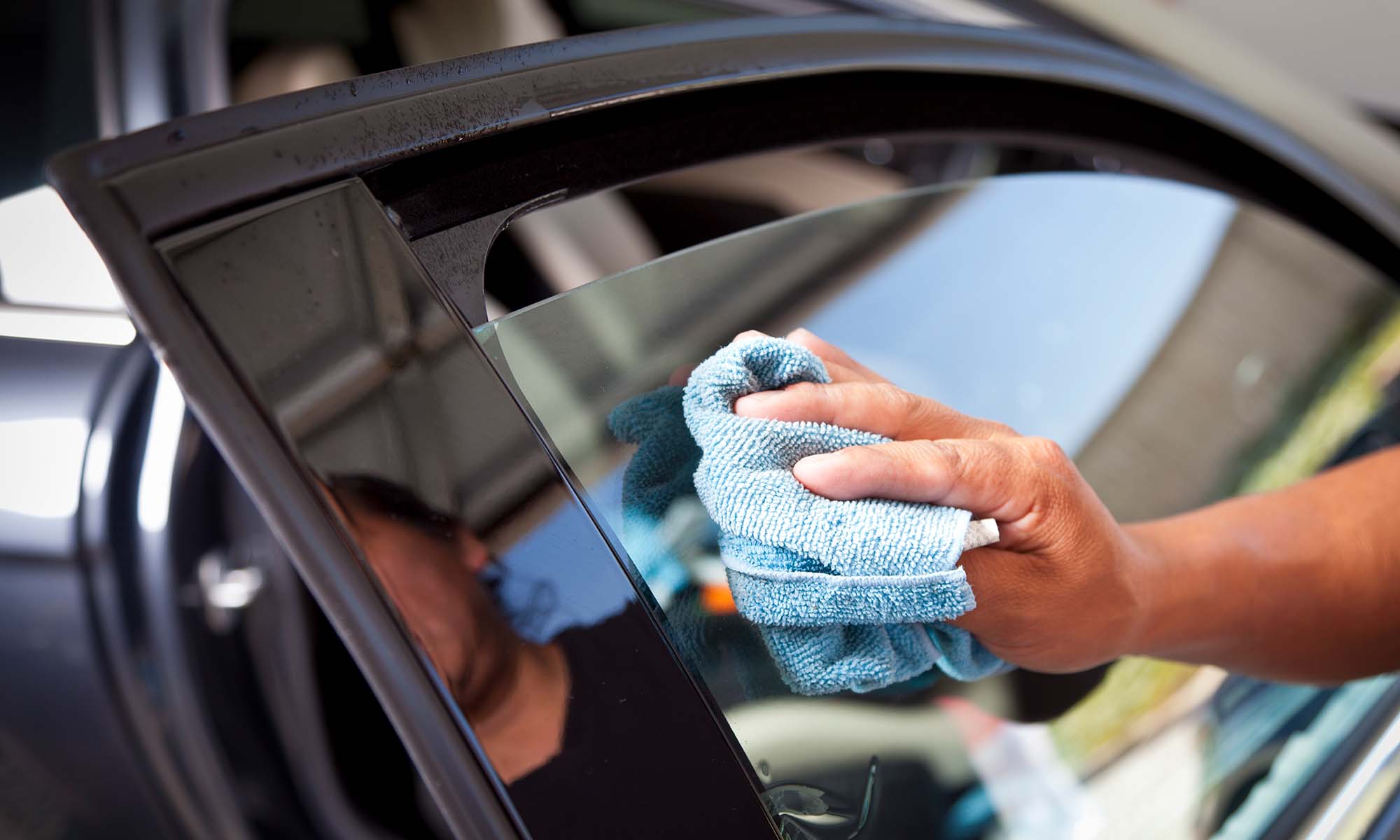
Category: Glass Clean

  • How to Clean Old Car Glass: Easy Tips for Crystal Clear Windows

    How to Clean Old Car Glass: Easy Tips for Crystal Clear Windows

    Is your car glass looking dull, cloudy, or covered in stubborn grime? Cleaning old car glass can feel like a tough job, but it doesn’t have to be.

    You want clear, streak-free windows that improve your view and make your car look fresh again. In this guide, you’ll discover simple, effective ways to restore your car glass to its original shine. Keep reading, and you’ll learn easy tips that save you time and give your car a cleaner, brighter finish you’ll be proud of.

    Tools You Need

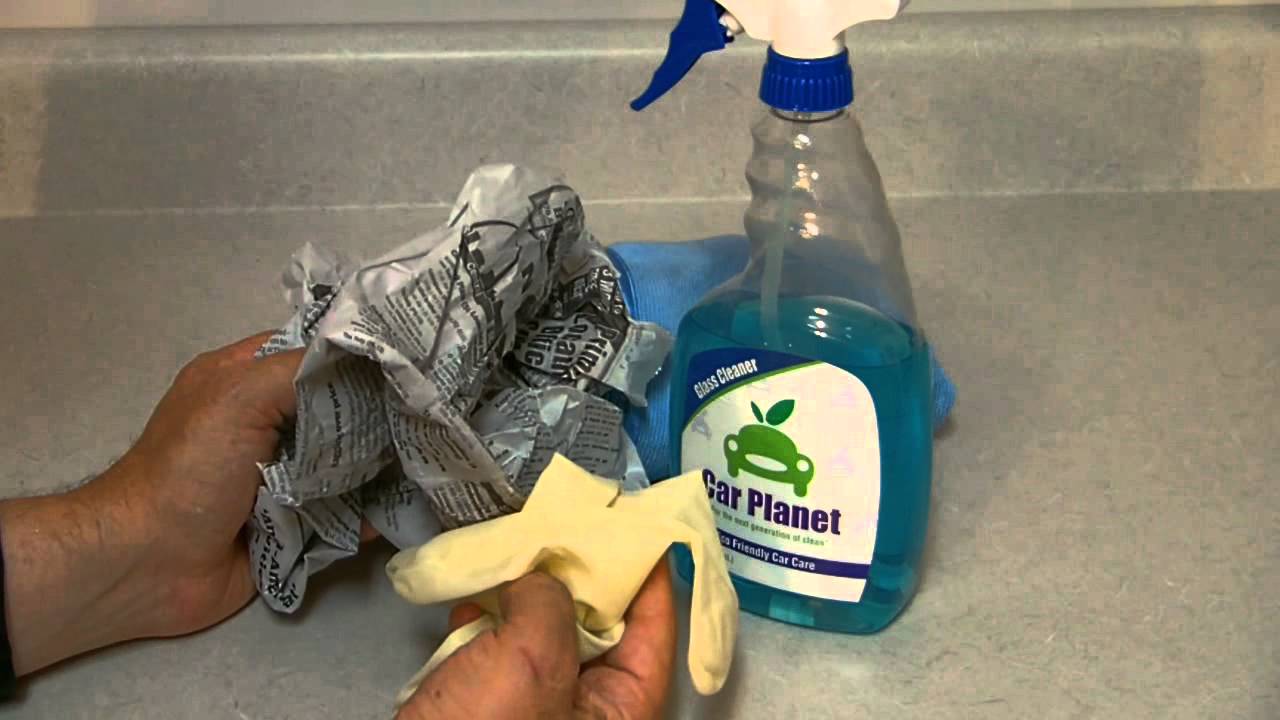
    Cleaning old car glass needs the right tools. Using proper tools makes the job easier and more effective. It helps remove dirt, grime, and stains without scratching the glass. Gather these essential items before you start. This way, you can clean your car glass thoroughly and quickly.

    Cleaning Solutions

    Choose a gentle glass cleaner made for cars. Avoid harsh chemicals that can damage old glass. You can also use a mix of water and vinegar. This solution cleans well and is safe. Spray the cleaner on the glass, not directly on the car paint.

    Cloths And Sponges

    Soft microfiber cloths work best for cleaning car glass. They do not leave scratches or lint behind. Use a clean cloth to avoid spreading dirt. Sponges with a soft side help remove tough grime. Always rinse sponges often to keep them clean.

    Additional Accessories

    A squeegee helps remove excess water and cleaner. It prevents streaks and spots on the glass. Small brushes can clean corners and edges well. Use a spray bottle to apply cleaning solution evenly. Gloves protect your hands during cleaning tasks.

    Preparing The Surface

    Preparing the surface is the first step to clean old car glass properly. A clean surface helps avoid scratches and improves cleaning results. Taking time here saves effort later. Follow these simple steps to get started.

    Removing Loose Dirt

    Start by removing loose dirt and dust from the glass. Use a soft brush or a microfiber cloth. Gently wipe the surface to avoid scratching. Dry dirt can cause damage if rubbed hard. This step clears away the top layer of grime for easier cleaning.

    Checking For Damage

    Next, check the glass for cracks or chips. Small damage can worsen during cleaning. Look closely at all corners and edges. If you find any damage, handle the glass carefully. Avoid using harsh tools that might make the problem worse.

    Cleaning Techniques

    Cleaning old car glass needs careful steps to get the best result. Proper techniques remove dirt, grime, and stains without scratching the glass. Use the right tools and cleaners for a clear, smooth finish. Follow these simple steps to clean your car glass well and safely.

    Applying The Cleaner

    Start by spraying a good glass cleaner evenly on the surface. Use a cleaner made for automotive glass to avoid damage. Cover the entire window, focusing on dirty areas. Let the cleaner sit for a minute. This helps loosen dirt and tough spots.

    Scrubbing Stubborn Spots

    Use a soft sponge or microfiber cloth to scrub the glass gently. For tough stains, try a glass-safe scraper or a soft brush. Avoid hard scrubbing that can scratch the glass. Work in small circles and check often. Repeat applying cleaner if needed for stubborn grime.

    Rinsing Effectively

    Rinse the glass with clean water to remove all cleaner and dirt. Use a spray bottle or a wet cloth for rinsing. Make sure no residue stays on the glass, or it will leave streaks. Dry the glass with a clean, dry microfiber cloth. Buff lightly for a clear shine.

    How to Clean Old Car Glass: Easy Tips for Crystal Clear Windows

    Credit: www.youtube.com

    Dealing With Tough Stains

    Old car glass often has tough stains that regular cleaning cannot remove. These stains spoil the look and reduce visibility. Treating them carefully helps restore the glass to a clear state. Different stains need different cleaning methods to avoid damage.

    Water Spots

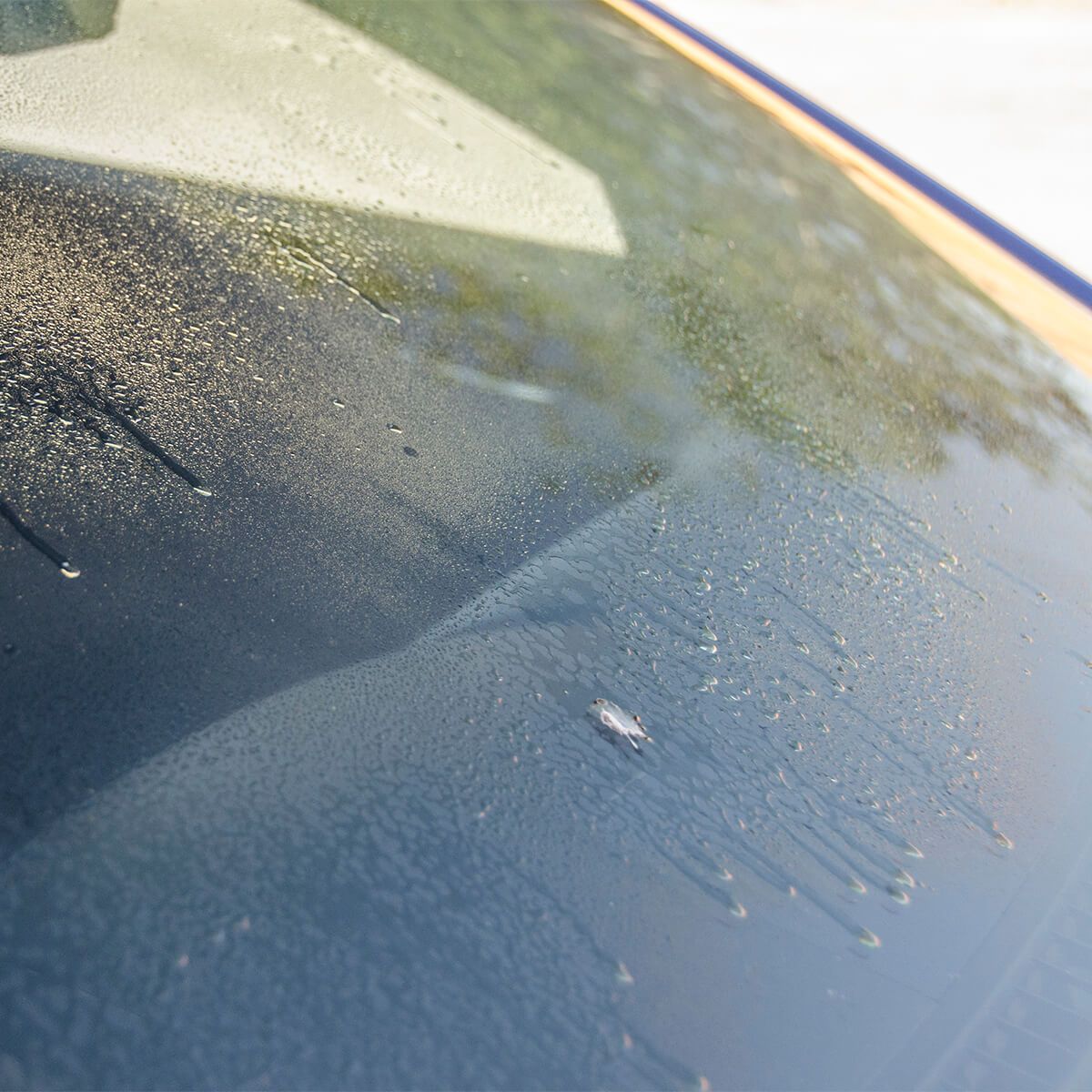
    Water spots form when minerals in water dry on the glass. They appear as white or cloudy marks. Use a mix of vinegar and water to break down the spots. Spray the solution on the glass and let it sit for a few minutes. Wipe gently with a soft cloth in circles. Repeat if spots remain, then rinse with clean water.

    Sap And Bug Residue

    Tree sap and bug residue can stick hard to car glass. Use rubbing alcohol or a special bug remover for this. Apply it on a cloth and rub the stained area softly. Avoid scrubbing hard to prevent scratches. After cleaning, wash the glass with soap and water to remove any leftover residue.

    Hard Water Stains

    Hard water stains are tough and often need stronger solutions. Mix baking soda with water to form a paste. Apply the paste to stains and let it sit for 10 minutes. Use a soft brush or cloth to scrub gently. Rinse with clean water and dry the glass with a microfiber cloth. This method helps remove stubborn marks without harsh chemicals.

    Polishing For Shine

    Polishing old car glass brings back its clear shine. Dirt, stains, and small scratches make glass look dull. Polishing removes these marks and smooths the surface. This step is important for a clean and bright windshield. It also helps improve visibility and safety while driving.

    Choosing The Right Polish

    Select a polish made for glass, not metal or plastic. A mild abrasive polish works best to avoid damage. Look for products labeled safe for automotive glass. Avoid harsh chemicals that can cause more scratches. Test the polish on a small spot before full use. This prevents unwanted effects on the glass surface.

    Buffing Tips

    Use a clean microfiber cloth or a soft foam pad for buffing. Apply polish in small sections to control the process. Move the cloth in circular motions with light pressure. Keep buffing until the polish dries to a haze. Then, wipe off the residue with a fresh cloth. Repeat if necessary to reach the desired shine.

    How to Clean Old Car Glass: Easy Tips for Crystal Clear Windows

    Credit: theengineblock.com

    Preventive Maintenance

    Preventive maintenance keeps old car glass clear and safe. Dirt, grime, and weather can damage glass over time. Simple habits help protect the glass and extend its life. Regular care stops small problems from growing larger. It also improves visibility and driving safety.

    Regular Cleaning Schedule

    Clean your car glass often to avoid buildup. Use a soft cloth and gentle cleaner. Avoid harsh chemicals that can scratch or damage the glass. Wipe the glass in a circular motion for best results. Cleaning every two weeks helps keep dirt and stains away. Check for chips or cracks during cleaning. Early repairs prevent bigger damage later.

    Protective Coatings

    Apply protective coatings to guard the glass surface. These coatings repel water, dust, and dirt. They make cleaning easier and improve visibility in rain. Choose coatings made for automotive glass. Follow the instructions carefully for best results. Reapply coatings every few months to maintain protection. This simple step helps your glass stay clear and strong.

    How to Clean Old Car Glass: Easy Tips for Crystal Clear Windows

    Credit: www.getgayar.com

    Frequently Asked Questions

    How Do I Remove Grime From Old Car Glass?

    Use a mixture of vinegar and water or a specialized glass cleaner. Apply it with a microfiber cloth. Gently scrub to remove grime without scratching the glass.

    What Is The Best Cleaner For Old Car Windows?

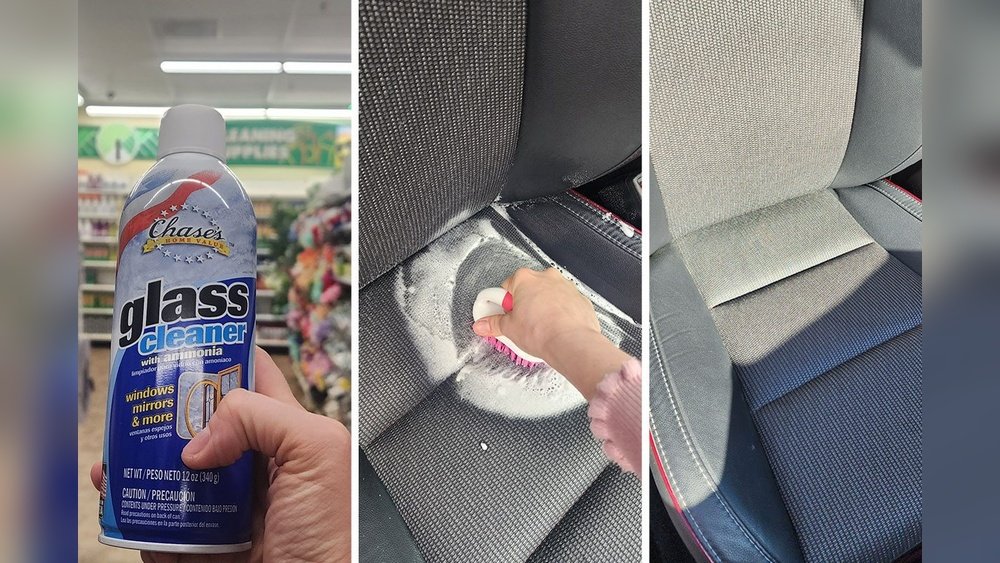
    A glass cleaner with ammonia or a vinegar-water solution works best. Avoid harsh chemicals that can damage the glass or surrounding seals.

    Can I Use Household Products To Clean Car Glass?

    Yes, mild household products like vinegar, dish soap, and water are safe. They effectively clean without harming the glass or rubber seals.

    How Often Should I Clean Old Car Glass?

    Clean your car glass every two weeks or as needed. Regular cleaning prevents buildup of dirt and enhances visibility and safety.

    Conclusion

    Cleaning old car glass takes time and care. Use gentle cleaners and soft cloths to avoid scratches. Regular cleaning keeps your glass clear and safe. Small steps make a big difference in visibility. Keep your car glass free from dirt and grime.

    Clear glass helps you drive better and stay safe. Try these simple tips for a clean, bright windshield. Your car looks nicer with well-maintained glass. Easy cleaning habits protect your investment and improve comfort. Give your old car glass the care it needs today.

  • How to Clean Car Glass Fog: Quick Tips for Crystal Clear Views

    How to Clean Car Glass Fog: Quick Tips for Crystal Clear Views

    Have you ever struggled to see clearly through foggy car windows on a cold morning? That blurry, misty glass isn’t just annoying—it can be dangerous.

    If you want to drive safely and avoid that frustrating fog buildup, you need simple, effective ways to clean your car glass fast. You’ll discover easy tricks to clear up your windshield and windows, so your view stays sharp no matter the weather.

    Keep reading, and you’ll never have to worry about fogged-up glass blocking your way again.

    How to Clean Car Glass Fog: Quick Tips for Crystal Clear Views

    Credit: www.wikihow.com

    Causes Of Car Glass Fog

    Car glass fog can be a real problem during drives. It blocks your view and makes driving unsafe. Understanding what causes this fog helps in preventing and cleaning it effectively. Several factors inside and outside your car create this foggy layer on the glass.

    Temperature Differences

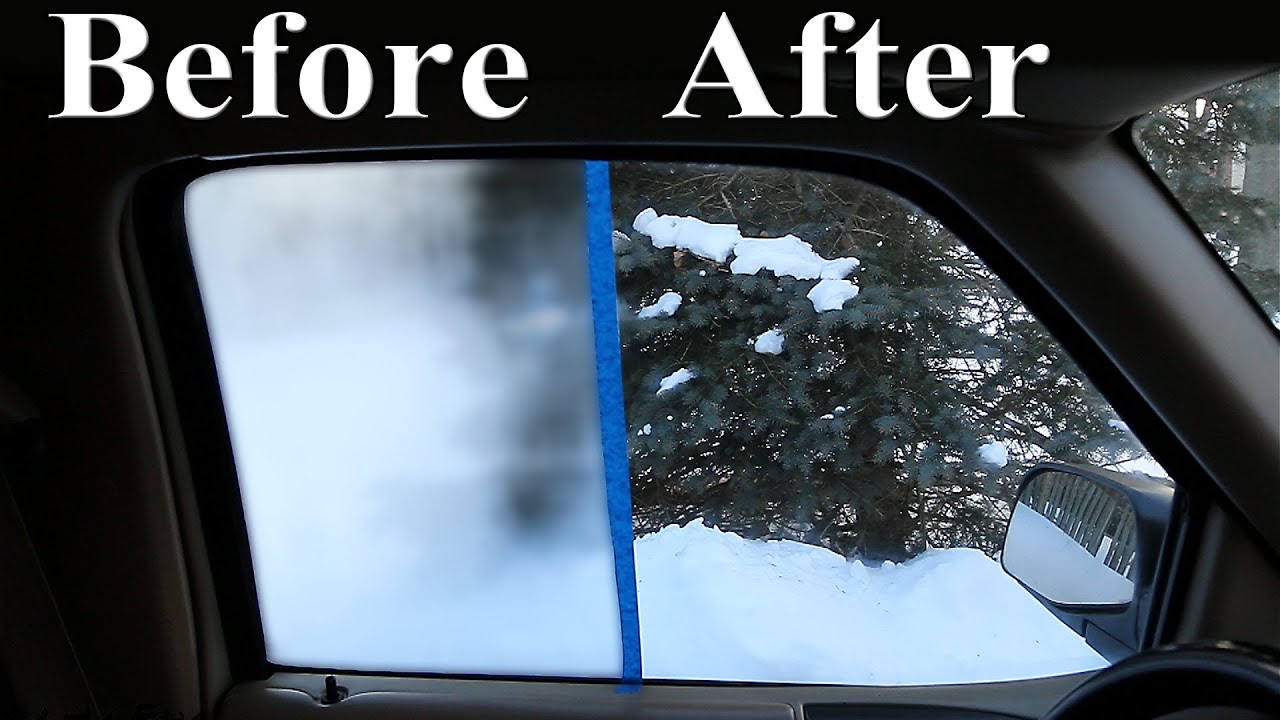
    Fog forms when warm air touches a cold surface. In cars, the glass often stays cooler than the inside air. When warm, moist air inside the car hits the cold glass, it turns into tiny water droplets. These droplets create the foggy effect on the glass. This is common in cold weather or early mornings.

    Humidity Inside The Car

    Humidity means the amount of moisture in the air. High humidity inside your car increases fog formation. Wet clothes, wet shoes, or even breathing add moisture to the air. When this moist air contacts cold glass, fog appears quickly. Keeping humidity low helps reduce fog build-up.

    Breath And Moisture Sources

    People breathe out warm, moist air. This air rises and hits the car windows. It adds to the moisture on the glass surface. Other sources like wet umbrellas, spilled drinks, or snow on shoes also add moisture. These sources make the glass fog up faster and thicker.

    Tools And Materials Needed

    Cleaning car glass fog requires the right tools and materials. Using proper items makes the job easier and more effective. Choosing quality products helps clear fog fast and keeps glass clean longer.

    Cleaning Cloths And Towels

    Soft, lint-free cloths work best for cleaning car glass. Microfiber towels are gentle and absorb moisture well. Avoid rough or dirty cloths. They can scratch or leave streaks on the glass.

    Glass Cleaning Solutions

    Use a clear glass cleaner designed for cars. These solutions remove dirt and grease without leaving residue. Avoid household cleaners with ammonia; they can damage car glass. Spray the cleaner lightly and wipe with a clean cloth.

    Anti-fog Products

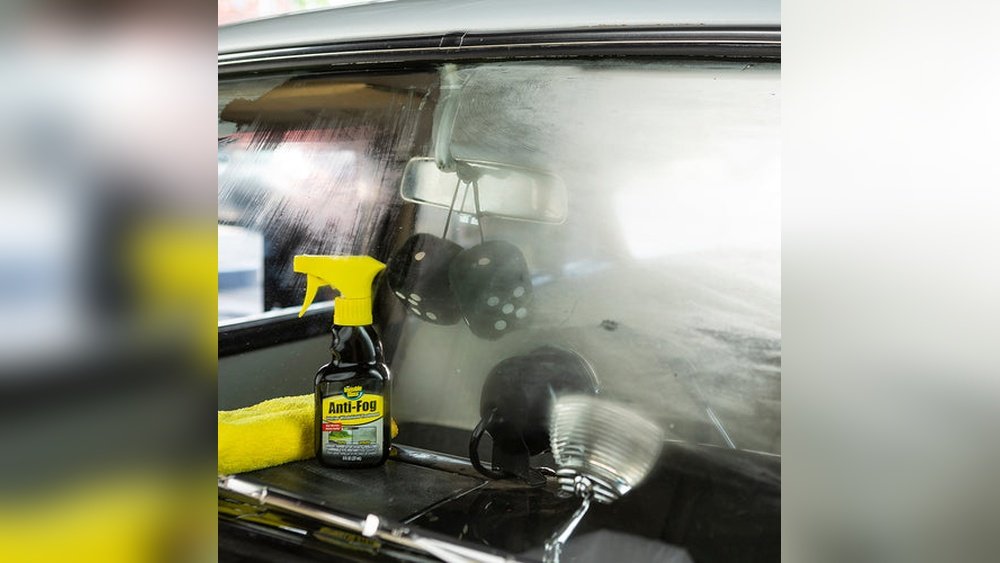
    Anti-fog sprays and wipes prevent fog from forming on glass. Apply these products after cleaning for best results. They create a thin layer that stops moisture build-up. Use them inside the car, especially in cold or humid weather.

    Quick Cleaning Techniques

    Clearing fog on car glass quickly improves visibility and safety. Simple tools and household items help remove fog fast. These quick cleaning methods work well and save time. Use a microfiber cloth, vinegar or alcohol, or even shaving cream. Each method cleans the glass and reduces fog build-up.

    Using A Microfiber Cloth

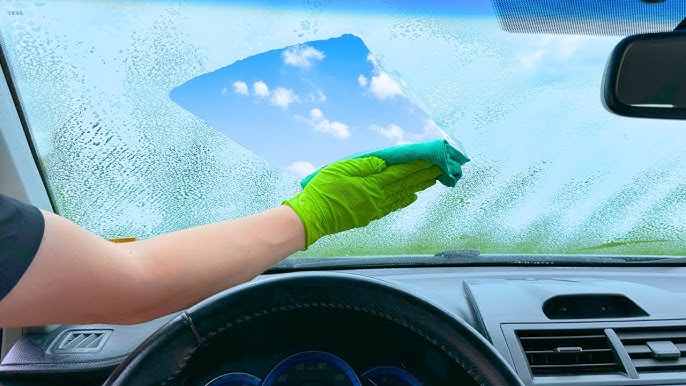
    A microfiber cloth is soft and absorbs moisture well. Wipe the glass gently in a circular motion. This removes fog without scratching the surface. Keep the cloth clean for best results. Microfiber cloths are easy to carry and reuse.

    Applying Vinegar Or Alcohol

    Mix equal parts of vinegar and water or use rubbing alcohol. Spray the solution lightly on the glass. Wipe with a clean cloth until the fog disappears. Vinegar and alcohol help dissolve moisture and prevent fog. These liquids dry quickly and leave the glass clear.

    Wiping With Shaving Cream

    Apply a thin layer of shaving cream on the glass. Spread evenly and let it sit for a few minutes. Wipe off with a clean, dry cloth. Shaving cream creates a protective layer to stop fog. This method keeps the glass clear for longer.

    How to Clean Car Glass Fog: Quick Tips for Crystal Clear Views

    Credit: stonercarcare.com

    Preventing Fog Build-up

    Fog on car glass blocks your view and makes driving unsafe. Preventing fog build-up saves time and keeps you safe. Use easy methods to stop fog from forming inside your car windows. These tips help keep your glass clear during cold or wet weather.

    Proper Ventilation Tips

    Good air flow stops moisture from building inside the car. Open a window slightly to let fresh air in. Avoid using the recirculate air setting in your car. It traps humid air and causes fog on glass. Keep air vents clean and free from dust for better flow.

    Using Car Air Conditioning

    Air conditioning helps remove moisture from the air inside your car. Turn on the AC along with the heater to dry the windows. Use the defrost mode to direct air to the windshield. This clears fog quickly and keeps your view clear. Adjust the temperature to avoid sudden changes that cause fog.

    Applying Anti-fog Sprays

    Anti-fog sprays create a thin layer that stops condensation. Spray it on the inside of your car windows. Wipe gently with a clean cloth for even coverage. Use the spray regularly for best results. These products help maintain clear glass during cold or rainy days.

    Handling Stubborn Fog And Residue

    Stubborn fog and residue on car glass can block your view and cause frustration. Simple wiping often does not remove these tough spots. They need special care and the right products. This section explains how to handle these problems effectively. Follow these steps to restore clear, clean glass quickly.

    Deep Cleaning With Ammonia-free Cleaners

    Ammonia-free cleaners are safe for tinted windows and sensitive surfaces. Spray the cleaner on the glass and let it sit for a minute. Use a soft microfiber cloth to wipe in circular motions. This removes dirt and fog without scratching. Repeat if necessary until the glass looks clear.

    Removing Oil Films

    Oil films cause greasy, foggy spots that regular cleaners miss. Use a mix of water and white vinegar or a commercial glass cleaner made for oil removal. Apply with a clean cloth and rub gently. Avoid harsh scrubbing to protect the glass. This method breaks down oils and leaves a streak-free finish.

    Dealing With Mold And Mildew

    Mold and mildew cause dark spots and a musty smell. Use a mild bleach solution or a mold remover safe for car glass. Apply carefully and let it sit briefly. Wipe off with a damp cloth and dry the area well. Regular cleaning prevents mold from returning and keeps the glass fresh.

    Additional Tips For Clear Visibility

    Clear visibility is key for safe driving, especially in wet or cold weather. Car glass fog can block your view and cause accidents. Along with cleaning the glass, some extra care helps keep the windows clear longer. These simple steps improve your driving safety and comfort.

    Maintaining Wiper Blades

    Wiper blades remove rain and dirt from your windshield. Check them every month. Replace blades that leave streaks or miss spots. Clean blades with a damp cloth to remove grime. Good wipers help stop fog buildup on the glass.

    Regular Interior Cleaning

    Dirt and dust inside the car cause glass to fog faster. Wipe down windows and dashboard often. Use a clean microfiber cloth for best results. Avoid smoking in the car to reduce residue on glass. A clean interior cuts down fog and keeps views clear.

    Checking For Window Seals

    Window seals stop moisture from entering your car. Check seals for cracks or damage. Replace broken seals quickly. Moist air leaks cause fog and water damage inside. Healthy seals protect your car and improve visibility during drives.

    How to Clean Car Glass Fog: Quick Tips for Crystal Clear Views

    Credit: stonercarcare.com

    Frequently Asked Questions

    How Do I Prevent Car Glass Fogging Up?

    Keep your car well-ventilated and use the air conditioner. Clean windows regularly and apply anti-fog treatments to reduce fog buildup.

    What Is The Best Way To Clean Foggy Car Glass?

    Use a mixture of vinegar and water or a commercial glass cleaner. Wipe with a microfiber cloth for a clear, streak-free finish.

    Why Does My Car Glass Fog Up So Quickly?

    Fog forms when warm, moist air inside meets cold glass. High humidity and poor ventilation inside the car increase fogging chances.

    Can Homemade Solutions Effectively Remove Car Glass Fog?

    Yes, homemade solutions like vinegar-water or soap-water work well. They clean and reduce moisture buildup on the glass surface.

    Conclusion

    Cleaning car glass fog keeps your view clear and driving safe. Use simple tools like a cloth and cleaner for best results. Regular cleaning stops fog from building up again. Clear glass helps you see the road better. Stay safe by wiping your windows often.

    A clean windshield means better driving in all weather. Keep your car glass fog-free to enjoy every trip.

  • How to Clean Car Glass During Rain: Quick Tips for Clear Visibility

    How to Clean Car Glass During Rain: Quick Tips for Clear Visibility

    Have you ever struggled to see clearly through your car windows while it’s pouring outside? Rain can make your car glass foggy and dirty, turning a simple drive into a stressful experience.

    But what if you could keep your glass spotless and your vision sharp, even in the heaviest downpour? You’ll discover easy and effective ways to clean your car glass during rain, so you stay safe and confident on the road no matter the weather.

    Keep reading to learn the simple tricks that will change how you handle rainy drives forever.

    How to Clean Car Glass During Rain: Quick Tips for Clear Visibility

    Credit: stonercarcare.com

    Challenges Of Cleaning Glass In Rain

    Cleaning car glass during rain is not easy. Rainwater mixes with dirt and dust. This makes the glass look blurry and dirty. The wet surface also makes it hard to clean properly. Rain can leave water spots that reduce visibility. Cleaning tools may not work well on wet glass.

    It is important to understand these challenges. Knowing the problems helps find better ways to clean glass in rain. Let’s explore the common visibility issues and how rain affects glass clarity.

    Common Visibility Issues

    Rain causes water droplets to stick on the glass. These droplets scatter light and blur vision. Dirt and mud mix with rainwater and create a film. This film blocks clear sight through the glass. Fogging inside the car also lowers visibility. Poor wiper performance worsens the problem. Drivers often struggle to see clearly in rain.

    Impact Of Rain On Glass Clarity

    Rainwater alone can reduce glass clarity. It leaves streaks and water spots after drying. These marks scatter light and create glare. Dirt and oily residues are harder to remove in rain. Cleaning solutions may not work well on wet surfaces. Rain also cools the glass, causing fog to form. This fog sticks until wiped or dried.

    How to Clean Car Glass During Rain: Quick Tips for Clear Visibility

    Credit: www.youtube.com

    Essential Tools For Cleaning

    Cleaning car glass during rain needs the right tools. Rain makes glass dirty fast. Dust, water spots, and dirt build up quickly. Using proper tools helps clear your view. It also keeps your glass scratch-free. Preparing with the best items saves time and effort.

    Best Cloths And Wipes

    Choose cloths that absorb water well. Microfiber cloths work best. They trap dirt without scratching glass. Avoid old towels or paper towels. These can leave streaks or lint behind. Use soft, clean cloths for wiping. Wipes made for cars help too. They clean without leaving residue. Keep extra cloths ready for quick use.

    Effective Cleaning Solutions

    Use cleaning solutions made for glass. Plain water does not remove all dirt. Mix water with a small amount of mild soap. Spray solutions help loosen grime. Avoid harsh chemicals that can damage glass. Some products also repel water. These make rainwater slide off easily. Test any solution on a small spot first.

    Step-by-step Cleaning Process

    Cleaning car glass during rain needs a clear method. This step-by-step process helps you keep your windows clean and safe. Follow each step carefully for the best results. A clean glass improves visibility and driving safety in wet weather.

    Preparing The Glass Surface

    Start by removing loose dirt and debris from the glass. Use a soft brush or cloth to clear away dust. Avoid hard scrubbing as it may scratch the glass. Next, rinse the glass lightly with water to wash off mud. This step stops dirt from spreading during cleaning.

    Applying Cleaning Products

    Choose a glass cleaner made for cars. Spray the cleaner evenly on the wet surface. Use a microfiber cloth to spread the cleaner gently. Work in small sections to cover all areas. Let the cleaner sit for a minute to break down grime.

    Removing Streaks And Smudges

    Use a dry microfiber cloth to wipe the glass. Move the cloth in circular motions to avoid streaks. Focus on corners and edges where dirt hides. For tough spots, repeat the cleaning and wiping steps. Finish by checking the glass from different angles.

    Quick Tips For Maintaining Visibility

    Keeping your car glass clear during rain is key to safe driving. Rain can blur your vision quickly. Dirt, water spots, and streaks make it worse. Here are quick tips to keep your view sharp and clear. Small steps can improve visibility a lot.

    Using Rain Repellent Treatments

    Rain repellent treatments help water bead and roll off your glass. This reduces water spots and fog. Apply the treatment on a clean, dry windshield. Follow product instructions carefully for best results. These treatments improve vision during heavy rain. They make wiping water easier with wipers or a quick swipe.

    Regular Windshield Wiper Maintenance

    Wipers clear rain, dirt, and debris from your glass. Check wiper blades often for cracks or wear. Replace blades every six months or when they leave streaks. Clean blades with a damp cloth to remove dirt. Well-maintained wipers keep your windshield clear and safe. Don’t wait for bad weather to check them.

    Safety Precautions While Cleaning In Rain

    Cleaning car glass during rain can be tricky and risky. Wet surfaces increase the chances of slipping. Low visibility may cause accidents. Taking safety steps is important to avoid injuries. Follow these precautions to stay safe while cleaning your car glass in rain.

    Avoiding Slips And Falls

    Wear shoes with good grip to prevent slipping. Move slowly and carefully on wet ground. Avoid standing on uneven or slippery areas. Use a stable stool if you must reach high spots. Keep cleaning tools within easy reach to avoid sudden moves. Always check the ground before stepping.

    Ensuring Proper Lighting

    Clean your car glass during daylight if possible. Use a flashlight or portable light if visibility is low. Bright light helps spot dirt and water spots clearly. Avoid working in dark or shadowy areas. Proper lighting reduces mistakes and accidents. It makes cleaning easier and safer.

    How to Clean Car Glass During Rain: Quick Tips for Clear Visibility

    Credit: www.toyotaofclermont.com

    Frequently Asked Questions

    How Can I Clean Car Glass Effectively During Rain?

    Use a high-quality water-repellent glass cleaner. Wipe with a microfiber cloth to remove dirt. This improves visibility and prevents streaks even in wet conditions.

    What Tools Work Best For Cleaning Car Glass In Rain?

    Microfiber cloths and water-repellent glass cleaners are ideal. Avoid paper towels as they leave lint. Use an umbrella or shelter to stay dry while cleaning.

    Should I Use Rain Repellent Products On Car Glass?

    Yes, rain repellent products enhance water beading and improve visibility. Apply them on a clean glass surface to reduce water spots and improve driving safety in rain.

    How Often Should I Clean Car Glass During Rainy Seasons?

    Clean car glass weekly or whenever visibility decreases. Frequent cleaning removes dirt and water stains that accumulate faster in rain, ensuring clear vision and safer driving.

    Conclusion

    Cleaning car glass during rain keeps your view clear and safe. Use a good glass cleaner and a soft cloth for best results. Wipe gently to avoid streaks and smudges. Regular cleaning stops dirt and water spots from building up.

    Clear glass helps you drive with confidence, even in bad weather. Small efforts make a big difference on the road. Stay safe by keeping your car glass clean every time it rains. Simple steps, better vision, safer journeys.

  • How to Clean Car Windshield Scratches: Easy DIY Fixes That Work

    How to Clean Car Windshield Scratches: Easy DIY Fixes That Work

    Have you noticed those annoying scratches on your car’s windshield? They can block your view, distract you while driving, and even lower your car’s value.

    But don’t worry—those scratches don’t have to stay there forever. You’ll discover simple and effective ways to clean and reduce windshield scratches using tools and products you can find right at home. Keep reading, and you’ll learn how to restore your windshield’s clarity and keep your drive safe and smooth.

    How to Clean Car Windshield Scratches: Easy DIY Fixes That Work

    Credit: www.reddit.com

    Identify Scratch Types

    Before fixing windshield scratches, know the type of scratch you face. Different scratches need different care. Identifying scratch types helps you choose the right cleaning method. This saves time and avoids damage.

    Surface Scratches

    Surface scratches are light marks on the glass. They only affect the top layer. These scratches often appear after cleaning or small debris hits the glass. You can usually polish them out with special products. They do not affect driving safety.

    Deep Scratches

    Deep scratches cut into the glass. They feel rough when you touch them. These scratches may cause cracks if ignored. Deep scratches need more care or professional help. Simple polishing will not fix deep scratches.

    Cracks Vs Scratches

    Cracks are different from scratches. Cracks split the glass apart and often spread. They threaten the windshield’s strength and safety. Scratches only mark the surface and do not grow. Knowing this difference helps decide if you need repair or replacement.

    How to Clean Car Windshield Scratches: Easy DIY Fixes That Work

    Credit: thedetailinggang.com

    Gather Cleaning Materials

    Gathering the right materials is the first step to clean windshield scratches effectively. Having everything ready helps avoid interruptions and makes the process smooth. Use items that suit your budget and the scratch severity.

    Household Items

    Several common household items can help reduce minor scratches. Toothpaste with baking soda works as a gentle abrasive. A soft microfiber cloth is perfect for applying and buffing. Clean water and mild soap are needed to wash the glass first. These items are easy to find and affordable.

    Specialized Kits

    Specialized windshield repair kits offer more precise results. They usually include polishing compounds designed for glass. Some kits come with applicators and instructions for best use. These kits target deeper scratches and provide a longer-lasting fix. Choose a kit based on the scratch depth and your comfort level.

    Safety Gear

    Protect yourself during the cleaning process. Wear safety goggles to shield your eyes from dust and chemicals. Use gloves to keep your hands safe from irritation. A mask can prevent inhaling fine particles. Safety gear ensures a worry-free and safe repair experience.

    Prepare The Windshield

    Preparing the windshield is the first step to cleaning scratches effectively. A clean and dry surface helps repair products work better. Dirt or moisture can stop treatments from fixing the scratches properly.

    Clean Surface

    Start by washing the windshield with water and mild soap. Use a soft cloth or sponge to avoid more scratches. Remove all dust, dirt, and grease carefully. Rinse with clean water to wash away soap. This step clears the area for better scratch repair.

    Drying Tips

    Dry the windshield fully before any treatment. Use a clean, dry microfiber cloth to prevent streaks. Avoid paper towels because they can leave fibers behind. Let the glass air dry if needed. A dry surface helps scratch removers stick and work well.

    How to Clean Car Windshield Scratches: Easy DIY Fixes That Work

    Credit: thedetailinggang.com

    Diy Scratch Removal Methods

    Scratches on a car windshield can be annoying and affect your driving view. Many small scratches can be fixed at home. Simple tools and household items can help reduce these marks. Below are easy methods to try before seeking professional help.

    Toothpaste Technique

    Toothpaste works as a mild abrasive. Use a non-gel, white toothpaste for best results. Apply a small amount on a soft cloth. Rub the toothpaste into the scratch in circular motions. Do this for about 30 seconds. Wipe off the toothpaste with a damp cloth. Repeat the process if the scratch is still visible. This method works best on light scratches.

    Baking Soda Paste

    Baking soda can also help remove small scratches. Mix two parts baking soda with one part water. Stir until you get a thick paste. Use a soft cloth to apply the paste to the scratch. Rub gently in circles for 30 seconds. Clean off the paste with a wet cloth. This technique smooths out minor surface damage.

    Cerium Oxide Polish

    Cerium oxide is a powder used for glass polishing. Mix it with water to make a slurry. Use a felt pad or soft cloth to apply the polish. Buff the scratched area in small circles. Keep polishing until the scratch fades. This method is stronger and works on deeper scratches. Always wear gloves and eye protection during this process.

    Use Of Repair Kits

    Repair kits offer a simple way to fix small scratches on car windshields. These kits come with tools and materials made for scratch removal. Using a repair kit can save money and keep your windshield clear.

    Repair kits work by filling and smoothing out the scratches. This reduces their visibility and protects the glass from further damage. Most kits are easy to use and do not need special skills.

    Choosing The Right Kit

    Pick a kit designed specifically for glass surfaces. Some kits suit only plastic or paint, which won’t work for windshields. Check product labels for compatibility with car glass.

    Look for kits with clear instructions and all needed parts. Kits should include resin, applicator tools, and sometimes polishing pads. Read reviews to find reliable brands with good results.

    Step-by-step Application

    Start by cleaning the windshield area around the scratch. Use glass cleaner and a soft cloth to remove dirt and dust. This helps the resin stick better.

    Apply the resin directly on the scratch using the applicator tool. Press gently to push the resin into the scratch grooves. Avoid using too much resin to prevent mess.

    Let the resin dry as per the kit instructions. This usually takes a few minutes under sunlight or a UV lamp. After drying, polish the area with the provided pad or a soft cloth.

    Repeat the process if the scratch remains visible. Small scratches may need two or three applications for best results. Always follow the specific instructions of your repair kit.

    Preventing Future Scratches

    Keeping your car windshield free from scratches takes effort. Preventing future scratches helps maintain clear vision and keeps your car looking good. Small habits and protective measures make a big difference over time.

    Regular Maintenance

    Check your windshield often for dirt and debris. Dust and small particles can cause scratches if left too long. Clean your windshield regularly to avoid buildup. Fix small chips or cracks quickly to stop them from growing.

    Proper Cleaning Tools

    Use soft cloths or microfiber towels to clean the glass. Avoid rough or dirty rags that can scratch the surface. Choose gentle, glass-safe cleaners instead of harsh chemicals. Clean in circular motions to reduce the risk of damage.

    Protective Films

    Consider applying a protective film on your windshield. These films add a layer that shields from scratches and minor impacts. They are clear and do not block your view. Films can extend the life of your windshield and keep it smooth.

    When To Seek Professional Help

    Knowing when to seek professional help is key for windshield scratches. Some scratches need expert tools and skills. Trying to fix them alone might make the problem worse. Professionals can assess damage and recommend the best solution. They have the right equipment to restore your windshield properly.

    Damage Beyond Diy

    Deep cracks or wide scratches often require professional repair. Scratches that affect your view while driving need urgent attention. Professionals can fix damage that home kits cannot handle. They prevent scratches from turning into bigger cracks. DIY methods work only on minor, surface-level scratches.

    Cost Considerations

    Professional repair may cost more than DIY kits. But it can save money in the long run. Fixing small scratches early avoids expensive replacements later. Professionals offer warranties on their work for peace of mind. Consider the cost of damage worsening without proper repair.

    Frequently Asked Questions

    How Can I Remove Small Scratches From My Car Windshield?

    To remove small scratches, use a glass polishing compound and a microfiber cloth. Apply gently in circular motions until scratches fade. Avoid harsh abrasives to prevent further damage.

    What Household Items Help Clean Windshield Scratches Effectively?

    To clean minor scratches, try toothpaste or baking soda paste. Apply with a soft cloth and rub gently. These items act as mild abrasives to reduce scratch visibility.

    Is It Safe To Use Diy Kits For Windshield Scratch Repair?

    DIY kits are safe for light scratches if instructions are followed carefully. They include polishing compounds and tools designed for glass repair. For deep scratches, professional help is recommended.

    Can Windshield Scratch Repair Kits Restore Clarity Completely?

    Repair kits improve clarity by smoothing out scratches but may not erase deep ones. They are effective for minor damage and improve visibility and appearance.
    Conclusion

    Cleaning windshield scratches can improve your driving view. Small scratches are easier to fix at home. Use gentle methods to avoid more damage. Always test products on a small spot first. Regular cleaning helps keep your windshield clear. Take care of scratches soon to prevent worsening.

    A clear windshield means safer driving every day. Try these simple steps to keep glass smooth. Your car will look better and drive safer too. Stay patient and careful during the cleaning process.

  • How to Clean Car Windshield Wiper Blades: Easy Steps for Clear Vision

    How to Clean Car Windshield Wiper Blades: Easy Steps for Clear Vision

    Your car’s windshield wiper blades might seem like small parts, but they play a huge role in keeping your drive safe and clear. If your wipers leave streaks or miss spots, it’s not just annoying—it can be dangerous.

    The good news? Cleaning your wiper blades is quick and easy, and it can make a big difference in how well they work. You’ll learn simple steps to clean your blades properly so your windshield stays spotless every time you hit the road.

    Keep reading to discover how a little care can save you from big problems later.

    How to Clean Car Windshield Wiper Blades: Easy Steps for Clear Vision

    Credit: hella-wiperblades.com

    Signs Of Dirty Wiper Blades

    Dirty windshield wiper blades affect your driving safety. They reduce your view during rain or snow. Knowing the signs helps you clean or replace them quickly. This keeps your windshield clear and your driving safe.

    Streaks And Smudges

    Dirty wiper blades leave streaks on the glass. These streaks blur your vision while driving. Smudges happen because dirt or oil sticks to the blades. Clean blades wipe the windshield clearly without marks.

    Squeaking Noises

    Squeaking sounds come from dirty or dry wiper blades. The noise happens as the rubber drags on the glass. Clean blades move smoothly and quietly. Squeaks signal it is time to clean or check the blades.

    Reduced Visibility

    Dirty blades reduce your ability to see clearly. Rain or dirt stays on the windshield longer. This makes driving dangerous, especially at night. Clear wiper blades improve visibility and keep you safe on the road.

    How to Clean Car Windshield Wiper Blades: Easy Steps for Clear Vision

    Credit: automaniacs.us

    Tools Needed For Cleaning

    Cleaning your car windshield wiper blades is simple with the right tools. These items help remove dirt and grime effectively. They make the cleaning process smooth and quick. Here are the basic tools you need for this task.

    Soft Cloth Or Sponge

    A soft cloth or sponge gently cleans the wiper blades. It prevents scratches on the rubber surface. Choose a cloth that does not shed fibers. This tool helps wipe away dust and dirt easily.

    Mild Detergent Or Soap

    Use mild detergent or soap to break down grime. Harsh chemicals can damage the rubber blades. A gentle soap keeps the blades flexible and clean. Mix it with water for better cleaning power.

    Water And Cleaning Solution

    Water is essential to rinse the blades after cleaning. Use clean water to avoid leaving spots. A cleaning solution made for car parts can boost results. Always rinse thoroughly to remove all soap and dirt.

    Step-by-step Cleaning Process

    Cleaning your car windshield wiper blades is simple and quick. Regular cleaning keeps them working well and extends their life. Follow these clear steps to clean your wiper blades effectively.

    Lift The Wiper Blades

    Start by lifting the wiper blades away from the windshield. Be gentle to avoid breaking the arms. This position gives you full access to the blades for cleaning.

    Wipe Off Dirt And Debris

    Use a clean cloth to wipe off any dirt or debris on the blades. Remove leaves, dust, and grime. This prevents scratches on your windshield and helps the blades glide smoothly.

    Clean With Soap And Water

    Mix mild soap with water in a bowl. Dip a soft cloth or sponge in the soapy water. Wipe the rubber edge of the blades carefully. This removes built-up grime and oil that reduce blade efficiency.

    Dry Thoroughly Before Use

    Use a dry cloth to wipe the blades completely. Make sure no moisture remains. Dry blades prevent streaking and ensure clear vision during rain.

    Tips For Maintaining Wiper Blades

    Maintaining your car’s windshield wiper blades keeps your view clear and safe. Clean blades work better and last longer. Follow these simple tips to care for your wiper blades regularly. It saves money and improves driving safety.

    Regular Cleaning Schedule

    Clean your wiper blades at least once every two weeks. Use a soft cloth and mild soap with water. Wipe the rubber edges gently to remove dirt and grime. Regular cleaning prevents streaks and noise while wiping.

    Avoid Harsh Chemicals

    Do not use strong chemicals or solvents on wiper blades. They can damage the rubber and reduce flexibility. Stick to gentle cleaners like mild soap and water. Harsh chemicals can cause cracks and shorten blade life.

    Check For Damage And Replace

    Inspect blades often for cracks, tears, or stiffness. Damaged blades do not clean well and can scratch the windshield. Replace blades every six to twelve months or sooner if damaged. New blades improve visibility and driving safety.

    When To Replace Wiper Blades

    Knowing when to replace your car’s windshield wiper blades is key to safe driving. Worn-out blades reduce visibility during rain and snow. Replacing them at the right time keeps your windshield clear and your drive safe.

    Signs Of Wear And Tear

    Look for cracks or splits in the rubber blade. Bent or damaged frames also signal replacement time. If the blade leaves streaks or misses spots, it is worn out. A rough or scratchy sound during use means the blade needs change.

    Performance Issues

    Wipers that skip or chatter across the glass perform poorly. Slow or uneven wiping also shows a problem. Blades that smear water instead of clearing it reduce visibility. Changing blades fixes these common issues quickly.

    Seasonal Considerations

    Cold weather can harden rubber, causing cracks. Summer sun can dry and warp the blades. Check blades before winter and summer seasons. Replace more often in harsh weather for best results.

    How to Clean Car Windshield Wiper Blades: Easy Steps for Clear Vision

    Credit: www.youtube.com

    Frequently Asked Questions

    How Often Should I Clean Windshield Wiper Blades?

    Clean your wiper blades every month for optimal performance. Regular cleaning removes dirt and debris that cause streaks. This practice extends blade life and ensures clear visibility during rain.

    What Materials Are Best To Clean Wiper Blades?

    Use mild soap, water, and a soft cloth to clean blades. Avoid harsh chemicals that can damage rubber. Gentle cleaning maintains blade flexibility and effectiveness.

    Can Dirty Wiper Blades Damage My Windshield?

    Yes, dirty blades can scratch or damage the windshield. Dirt and grit trapped under blades cause abrasion. Clean blades help prevent costly windshield repairs.

    How Do I Properly Clean Windshield Wiper Blades?

    Lift the blades and wipe with a damp cloth soaked in mild soap. Clean both rubber edges thoroughly. Rinse with water and dry before lowering blades back.

    Conclusion

    Cleaning your windshield wiper blades keeps your view clear and safe. Dirt and grime cause streaks and reduce visibility. Regular cleaning helps your wipers last longer. Use simple tools like cloth and soapy water. Wipe gently but thoroughly for best results.

    Check blades often, especially before rain or snow. Clean blades make driving safer and easier. Take a few minutes to care for them today. Clear windshields mean better driving confidence every time. Small effort, big difference.

  • How to Clean Car Glass Scratches: Easy and Effective Methods

    How to Clean Car Glass Scratches: Easy and Effective Methods

    Have you noticed those annoying scratches on your car glass? They can block your view and make your vehicle look worn out.

    But don’t worry—you don’t have to live with them or rush to expensive repairs. You’ll discover simple and effective ways to clean and reduce those scratches yourself. Imagine driving with a clear, smooth windshield again—sounds great, right? Keep reading to learn easy steps that will bring back your car’s shine and improve your safety on the road.

    Identify Scratch Types

    Before cleaning car glass scratches, identify the type of scratch. This step helps choose the right cleaning method. Scratches vary in depth and damage. Knowing the difference saves time and effort. It also improves the chances of a clear, smooth finish.

    Surface Scratches

    Surface scratches are light marks on the glass. They do not cut deeply into the surface. Usually, these scratches feel smooth when you run your finger over them. They appear as thin lines or light haze. Surface scratches often happen from dust, dirt, or cleaning tools.

    These scratches can often be polished out. Using mild abrasive cleaners or special glass polish works well. Surface scratches do not affect visibility much. They mainly impact the look of the glass.

    Deep Scratches

    Deep scratches cut into the glass surface. They feel rough or jagged to the touch. These scratches are often visible from a distance. Deep scratches can cause cracks or chips to grow over time.

    Cleaning deep scratches requires more care. Simple polishing may not fix them completely. Sometimes professional repair or glass replacement is needed. Treat deep scratches early to avoid bigger damage later.

    Gather Necessary Tools

    Before fixing scratches on your car glass, gather all the necessary tools. Having the right items makes the job easier and better. Prepare everything in one place to avoid interruptions. This saves time and helps you work safely and neatly.

    Cleaning Supplies

    Start with basic cleaning supplies. Use a soft microfiber cloth to avoid new scratches. Get a glass cleaner made for car windows. Avoid household cleaners with ammonia. They can damage the glass or tint. Clean the scratched area well before you start polishing. Dirt and dust can worsen the scratch.

    Polishing Compounds

    Choose polishing compounds made for glass repair. Cerium oxide is a popular choice. It helps smooth out scratches by gently wearing down the glass surface. Use a small amount and apply it carefully. Avoid harsh abrasives that can cause more damage. Polishing compounds work best with a proper applicator pad or felt wheel.

    Protective Gear

    Wear protective gear for safety. Use gloves to protect your hands from chemicals. Safety glasses shield your eyes from dust and splashes. Work in a well-ventilated area to avoid breathing fumes. Proper protection keeps you safe and comfortable during the repair process.

    Prepare The Glass Surface

    Preparing the glass surface is a key step before fixing scratches on your car window. A clean, dry surface helps the repair materials stick better and work well.

    Skipping this step can cause the scratch to stay visible or even get worse.

    Clean The Area

    Start by washing the glass around the scratch. Use a mild soap and water mix. Gently wipe the surface with a soft cloth or sponge. Remove all dirt, dust, and grease. Avoid harsh cleaners that can damage the glass.

    Cleaning well helps you see the scratch clearly. It also stops dirt from getting trapped in the repair.

    Dry Thoroughly

    After cleaning, dry the glass completely. Use a clean, dry microfiber cloth to avoid new scratches. Make sure no water or moisture remains on the surface.

    Dry glass improves the scratch repair process and prevents streaks. It creates the best base for the next steps.

    How to Clean Car Glass Scratches: Easy and Effective Methods

    Credit: www.walmart.com

    Use Toothpaste For Light Scratches

    Toothpaste works well to remove light scratches from car glass. It acts as a mild abrasive that smooths out tiny marks. This method is easy and inexpensive. Many people have toothpaste at home, so it’s a handy option.

    Use a non-gel, plain white toothpaste for the best result. Avoid colored or whitening toothpaste because they might leave residue. This simple trick can improve the look of your car windows quickly.

    Apply And Rub Gently

    Squeeze a small amount of toothpaste on a soft, clean cloth. Dab it onto the scratched area. Rub the toothpaste gently in circular motions. Do this for about 30 seconds. Use light pressure to avoid making the scratch worse. Repeat if needed, but do not overdo it.

    Rinse And Inspect

    Use a damp cloth or water to rinse off the toothpaste. Make sure no paste stays on the glass. Dry the area with a clean towel. Check the scratch under good light. The mark should look less noticeable. If it still shows, you can repeat the process once more.

    Apply Baking Soda Paste

    Applying a baking soda paste is a simple way to reduce scratches on car glass. Baking soda works as a mild abrasive. It helps smooth out small scratches without harming the glass.

    This method is affordable and uses common household items. It requires only baking soda, water, and a soft cloth. The process involves making a paste, applying it carefully, and then buffing the scratch.

    Mix And Apply

    Start by mixing two parts baking soda with one part water. Stir well to form a thick paste. The paste should not be too runny or too dry.

    Use a clean, soft cloth to apply the paste. Spread it gently over the scratched area. Cover the entire scratch with a thin, even layer.

    Let the paste sit on the scratch for a few minutes. This gives the baking soda time to work on the glass surface.

    Buff The Scratch

    After the paste sets, take a fresh soft cloth. Use small, circular motions to buff the scratch. Apply light pressure to avoid damaging the glass.

    Buff until the scratch starts to fade. This may take a few minutes. Wipe away any leftover paste with a damp cloth.

    Repeat the process if needed for deeper scratches. This method works best on minor surface scratches.

    Try Commercial Glass Polish

    Commercial glass polish can help reduce scratches on car windows. It works by smoothing the glass surface. This makes scratches less visible. Using the right product can improve your car’s look. Polishing also protects the glass from future damage.

    Select The Right Product

    Choose a polish made for car glass only. Avoid products for plastic or household glass. Look for fine abrasive compounds in the polish. These gently remove scratches without harming the glass. Check product reviews to find trusted brands. A good polish will have clear instructions and safety labels.

    Follow Usage Instructions

    Read the label carefully before starting. Clean the glass to remove dirt and dust first. Apply a small amount of polish to a soft cloth. Rub the polish on the scratch using circular motions. Work gently to avoid making scratches worse. Use a clean cloth to wipe off excess polish. Repeat if needed, but do not overdo it. Let the glass dry completely before driving.

    Use Cerium Oxide For Tough Scratches

    Cerium oxide is a popular choice for removing tough scratches from car glass. It works by gently polishing the glass surface to reduce the appearance of scratches. This method requires care but can make your car glass look much clearer. Using cerium oxide is effective and affordable for deep scratches that other cleaners cannot fix.

    Prepare The Mixture

    Start by mixing cerium oxide powder with clean water. Use a small bowl and add water slowly. The goal is to create a paste, not too thick or thin. Stir the mixture well until smooth. The paste should easily spread on the glass without dripping. Prepare only the amount you need for the job to keep it fresh.

    Polishing Technique

    Apply the cerium oxide paste to the scratched area. Use a soft cloth or a felt polishing pad. Move the cloth in small, circular motions over the scratch. Keep pressure even but gentle. Continue polishing for several minutes, checking progress often. Wipe off excess paste with a clean cloth. Repeat if scratches remain visible. Avoid harsh pressure to prevent more damage.

    Avoid Common Mistakes

    Cleaning scratches on car glass needs care and the right steps. Avoiding common mistakes can save your glass from more damage. These tips help you clean better and keep your glass clear.

    Using Abrasive Materials

    Abrasive materials can make scratches worse. Rough cloths or harsh powders may leave more marks. Use soft, non-abrasive cloths instead. Gentle cleaning products work best for glass surfaces.

    Applying Excessive Pressure

    Pressing too hard can deepen scratches. Light, even strokes clean without harm. Let cleaning products do most of the work. Too much force can crack or chip the glass.

    Protect Glass After Repair

    Protecting your car glass after repair is very important. It helps keep the surface smooth and clear. Proper care stops new scratches and damage. This makes your glass last longer and look better. Use simple steps to guard the glass after fixing scratches.

    Apply Sealants

    Sealants create a strong layer on the glass surface. They fill tiny gaps and protect from dust and dirt. Use a glass sealant made for cars. Apply it with a soft cloth in small, circular motions. Let it dry fully before touching the glass. Sealants also help reduce glare and water spots. Regular use keeps your glass smooth and clear.

    Regular Maintenance Tips

    Clean the glass often with a gentle cleaner. Avoid harsh chemicals that can wear down the glass. Use a soft cloth or microfiber towel to wipe the surface. Check for new scratches or chips every week. Fix minor damage quickly to stop it from growing. Park your car in shaded areas to protect glass from sun damage. Follow these easy steps to keep your glass in top shape.

    How to Clean Car Glass Scratches: Easy and Effective Methods

    Credit: www.youtube.com

    How to Clean Car Glass Scratches: Easy and Effective Methods

    Credit: www.youtube.com

    Frequently Asked Questions

    How Can I Remove Minor Car Glass Scratches At Home?

    You can remove minor scratches using toothpaste or baking soda. Apply gently with a soft cloth in circular motions. Rinse and dry the glass afterward. This method is affordable and effective for small, shallow scratches.

    What Products Work Best For Cleaning Car Glass Scratches?

    Cerium oxide polish and glass scratch repair kits work best. These products fill and smooth scratches, restoring clarity. Always follow the instructions carefully for safe and effective use.

    Can Car Glass Scratches Affect Visibility And Safety?

    Yes, scratches can distort light and reduce visibility. This may cause glare and distractions while driving. Repairing scratches promptly maintains clear vision and improves safety on the road.

    Is Professional Repair Necessary For Deep Car Glass Scratches?

    Deep scratches often require professional repair or glass replacement. Professionals use specialized tools and resins to restore the glass. Attempting deep scratch repair at home may worsen the damage.

    Conclusion

    Cleaning car glass scratches takes patience and the right tools. Start with gentle methods to avoid making scratches worse. Use recommended products and follow steps carefully. Small scratches often improve with simple fixes. Deeper scratches may need professional help. Keep your glass clean to spot damage early.

    Regular care helps maintain clear, safe windows. Protect your car glass to enjoy better driving visibility. Easy steps can make a big difference. Give your car glass the attention it deserves.

  • How to Clean Car Glass in Winter: Easy Tips for Clear Visibility

    Winter can turn your car glass into a frosty challenge. When ice, snow, and grime build up, your visibility drops, making every drive risky.

    You want clear windows fast, without wasting time or damaging your glass. You’ll discover simple, effective ways to clean your car glass during winter. These tips will save you effort and keep your view crystal clear, no matter how cold it gets.

    Keep reading—you’ll be ready to face winter roads with confidence and safety.

    How to Clean Car Glass in Winter: Easy Tips for Clear Visibility

    Credit: www.youtube.com

    Winter Challenges For Car Glass

    Winter brings many problems for car glass. Cold weather, ice, and snow make cleaning hard. Dirt and salt from roads add more trouble. These issues can block your view. Clear glass is very important for safe driving. Understanding winter challenges helps you keep glass clean and safe.

    Common Winter Glass Issues

    Frost and ice build up on the glass surface. Snow sticks and melts slowly. Salt and dirt create stains and smears. Scratches appear when scraping ice roughly. Fog forms inside glass on cold days. All these problems make glass hard to see through.

    Impact On Driving Safety

    Dirty or foggy glass reduces visibility. It is harder to spot other cars or obstacles. Sun glare on icy glass blinds the driver. Wet glass causes light reflections that confuse. Poor visibility increases accident risk. Clean, clear glass helps keep you safe on roads.

    How to Clean Car Glass in Winter: Easy Tips for Clear Visibility

    Credit: www.shutterstock.com

    Essential Tools For Cleaning

    Cleaning car glass in winter needs the right tools. Cold weather makes dirt and ice harder to remove. Using proper supplies saves time and protects your glass from scratches.

    Having these essential tools ready helps you clear your car windows safely and quickly.

    Recommended Cleaning Supplies

    Start with a good-quality glass cleaner made for cold weather. It stops frost from forming again fast. Use microfiber cloths to wipe the glass. They clean without leaving streaks or scratches.

    Keep a spray bottle with water and a small amount of rubbing alcohol. This mix melts light frost and keeps the glass clear. Avoid household cleaners with ammonia, which can damage car glass.

    Choosing The Right Ice Scraper

    Pick an ice scraper with a sturdy plastic blade. It removes thick ice without scratching glass. A scraper with a comfortable handle gives better grip in cold weather.

    Consider a scraper with a foam or rubber edge. It helps clear frost without harming rubber seals around windows. Avoid metal scrapers that can chip or crack the glass.

    Step-by-step Cleaning Process

    Cleaning car glass in winter can be tough. Snow, ice, and frost cover the windows. Following a clear, step-by-step process helps keep the glass clear. A clean windshield improves safety and visibility. The process starts with removing ice and frost. Then, washing and drying make the glass spotless.

    Removing Ice And Frost

    Start by warming the car engine. This softens the ice on the glass. Use a plastic ice scraper to gently remove ice. Avoid metal tools to prevent scratches. For thick frost, spray a de-icer solution. Let it sit for a few minutes. Then scrape the ice off carefully. Clear the edges and corners of the glass too. Always remove ice before driving for safety.

    Washing And Drying Techniques

    After ice removal, wash the glass with warm water and mild soap. Use a soft cloth or sponge to avoid damage. Clean the inside of the glass as well. Rinse thoroughly to remove soap residue. Dry the glass with a clean microfiber cloth. This prevents streaks and water spots. Regular cleaning stops fog and improves visibility. Repeat this process often during winter months.

    How to Clean Car Glass in Winter: Easy Tips for Clear Visibility

    Credit: www.amazon.com

    Preventing Ice Buildup

    Ice buildup on car glass makes winter mornings tough. It blocks your view and delays your day. Preventing ice saves time and keeps you safe on the road. A few simple steps help stop ice before it starts. These tips protect your glass and make cleaning easier.

    Using De-icing Sprays

    De-icing sprays melt ice quickly. Spray the solution on frozen glass. Wait a few minutes. Ice softens and lifts off easily. Some sprays also stop new ice from forming. Keep a spray bottle in your car during winter. It helps clear ice without scraping hard.

    Applying Protective Films

    Protective films create a barrier on your glass. They prevent frost and ice from sticking. Apply the film before winter begins. It makes removing ice simple. Films also protect against scratches from scrapers. Choose a film made for car windows. It keeps your glass clear and safe.

    Maintaining Clear Visibility

    Clear visibility is crucial for safe driving in winter. Snow, ice, and frost can cover your car glass fast. Keeping your windshield and windows clean helps you see the road better. This section shares simple ways to maintain clear visibility on cold days.

    Tips For Windshield Wipers

    Check your wipers before winter starts. Replace old or cracked blades for better cleaning. Lift wipers off the glass during snow to prevent sticking. Use winter wiper blades if possible. They resist ice build-up and work better in cold weather. Clean the blades often with a cloth to remove dirt and salt. Avoid running wipers on a dry windshield to stop damage.

    Proper Washer Fluid Choices

    Use washer fluid with antifreeze properties. It stops the fluid from freezing on your glass. Regular water or fluid can freeze and block your spray nozzles. Choose a fluid that cleans salt and grime well. Top up the reservoir before winter. Keep extra fluid in your car for long trips. This helps keep your windshield clean and clear.

    Safety Tips During Winter Cleaning

    Cleaning car glass in winter needs care and attention. Cold weather and ice make the task tricky. Safety is important for both your glass and yourself. Follow these simple tips to protect your car glass and stay safe during cleaning.

    Avoiding Damage To Glass

    Never use hot water to melt ice on your car glass. Sudden heat can crack the glass. Use a plastic scraper or a soft brush instead. Avoid metal tools that can scratch or break the glass. Apply a safe de-icer spray to loosen ice gently. Work slowly and do not force the ice off. Check for chips or cracks before cleaning. Do not press hard on damaged glass.

    Protecting Yourself In Cold Weather

    Wear warm gloves to protect your hands from the cold. Use non-slip boots to avoid slipping on ice. Dress in layers to keep your body warm. Take breaks indoors if you feel too cold. Avoid bending too much to prevent strain. Use a flashlight if cleaning in low light. Stay alert to surrounding traffic for safety.

    Frequently Asked Questions

    How Do I Prevent Ice On Car Glass In Winter?

    Use a windshield cover or apply a commercial de-icer spray before frost forms. Parking in a garage also helps reduce ice buildup on car glass during winter.

    What Is The Best Solution To Clean Car Glass In Winter?

    A mix of water and rubbing alcohol works well. It melts ice quickly and prevents refreezing, making glass cleaning easier in cold weather.

    Can I Use Hot Water To Clean Icy Car Windows?

    No, avoid hot water as it can crack the glass. Use lukewarm water or specialized de-icers for safe and effective cleaning.

    How Often Should I Clean Car Glass In Winter?

    Clean your car glass daily or as needed to maintain visibility. Winter grime and salt buildup reduce safety and require frequent cleaning.

    Conclusion

    Keeping your car glass clean in winter improves safety and visibility. Use the right tools and gentle cleaners to avoid damage. Regular cleaning prevents ice buildup and streaks on the glass. Always clear snow and frost before driving. Small efforts save you from big problems on the road.

    Stay safe by maintaining clear windows through the cold months. Clean glass means better vision and a safer winter drive.

  • How to Clean Car Window Rubber Trim: Easy Steps for a Fresh Look

    How to Clean Car Window Rubber Trim: Easy Steps for a Fresh Look

    Your car window rubber trim plays a bigger role than you might think. It keeps water out, prevents wind noise, and protects your windows from damage.

    But over time, dirt, grime, and sun exposure can cause it to crack and look worn. If you want your car to stay looking sharp and your trim to last longer, learning how to clean it properly is key. In this guide, you’ll discover simple, effective steps to bring back that fresh, like-new look to your window trim.

    Keep reading—you’ll be surprised how easy it is to make a big difference with just a little care.

    How to Clean Car Window Rubber Trim: Easy Steps for a Fresh Look

    Credit: www.reddit.com

    Prepare Your Materials

    Preparing your materials is the first step to clean car window rubber trim. Having the right tools and cleaner helps to get the job done well. This saves time and protects the rubber from damage.

    Gather all needed supplies before starting. This way, you avoid interruptions and keep your work smooth. Choose a cleaner that is safe and effective for rubber surfaces.

    Gather Cleaning Supplies

    Collect soft cloths or microfiber towels. These avoid scratching the rubber trim. Use a soft-bristle brush for tough dirt in tight spots. Have a spray bottle filled with water ready for rinsing. Gloves protect your hands from chemicals. Paper towels help to dry the trim after cleaning.

    Choose The Right Cleaner

    Select a cleaner made for rubber or automotive use. Avoid harsh chemicals like bleach or ammonia. Mild soap mixed with water often works well. Specialized rubber cleaners clean deeply without causing damage. Test the cleaner on a small area first to check for any reaction.

    How to Clean Car Window Rubber Trim: Easy Steps for a Fresh Look

    Credit: www.youtube.com

    Inspect The Rubber Trim

    Inspecting the rubber trim on your car windows is an important first step. It helps you see the condition before cleaning. This step saves time and prevents damage. Careful inspection reveals problems early. It also shows how much dirt is there.

    Check For Damage

    Look closely at the rubber trim for cracks or tears. Small cracks can grow bigger over time. Check for areas where the rubber feels hard or brittle. These parts might need replacement soon. Soft, flexible rubber lasts longer and seals better. Watch for sections that pull away from the window. Loose trim can let water inside your car. Noticing damage early helps you fix problems fast.

    Identify Dirt And Grime

    Notice the types of dirt on the rubber trim. Dust and pollen can make it look dull. Sticky grime or grease sticks to the surface more. Sometimes, mold or mildew grows on wet trim. Different dirt needs different cleaning methods. Spotting grime helps you choose the right cleaner. Clean trim keeps windows sealed and looking fresh.

    Clean The Rubber Trim

    Cleaning the rubber trim on your car windows keeps them looking fresh and prevents damage. Dirt and grime can build up over time, making the rubber dry and cracked. Regular cleaning helps maintain the rubber’s flexibility and appearance.
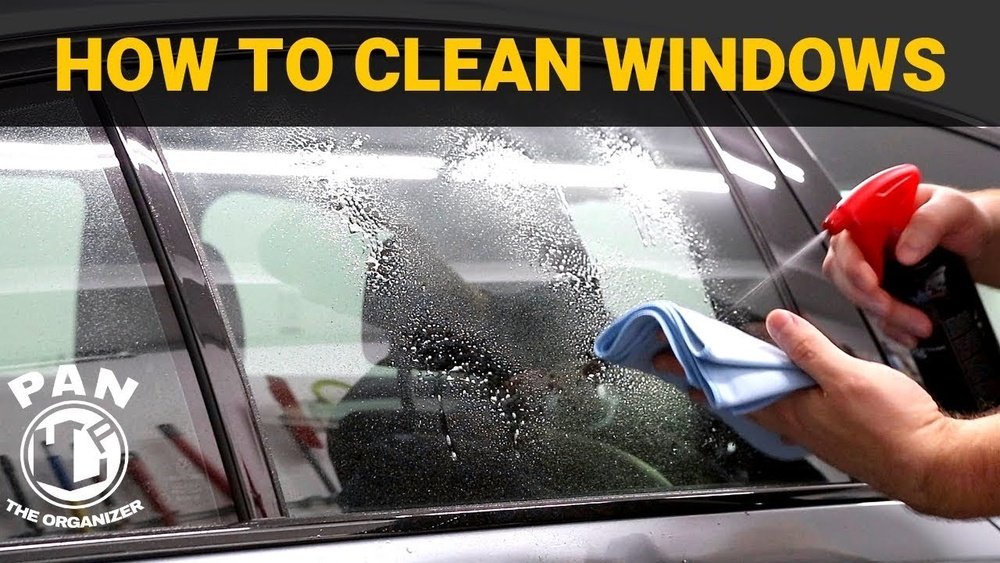
    Follow these simple steps to clean the rubber trim safely and effectively.

    Remove Loose Dirt

    Start by wiping the rubber trim with a dry cloth. This removes loose dirt and dust. You can also use a soft brush to sweep away debris from tight spots. Clearing loose dirt first prevents scratching the rubber during cleaning.

    Apply Cleaner Gently

    Choose a mild soap or a cleaner made for rubber. Avoid harsh chemicals that can damage the trim. Apply the cleaner with a soft cloth or sponge. Use gentle strokes to cover the entire rubber surface without rubbing too hard.

    Scrub With Soft Brush

    Use a soft-bristled brush to scrub the rubber trim lightly. Focus on areas with stains or built-up grime. The soft brush cleans deeply without harming the rubber. Rinse the trim with water to remove the cleaner and dirt.

    Rinse And Dry

    Rinsing and drying the car window rubber trim is an important step. It helps remove dirt and cleaning product residue. This keeps the rubber in good condition and stops damage.

    Use Clean Water

    Rinse the rubber trim with clean water. Avoid using dirty or soapy water. Clean water removes any leftover dirt or cleaner. Use a gentle stream to avoid harming the rubber.

    Dry Thoroughly

    Dry the rubber trim completely after rinsing. Use a soft, dry cloth to absorb water. Leaving moisture can cause mold or mildew. Take your time to dry all areas well.

    Protect And Restore

    Protecting and restoring the rubber trim around your car windows keeps it flexible and looking new. This part faces sun, rain, and dirt every day. Over time, it can dry out and crack. Taking care of it helps avoid costly repairs and keeps your car neat.

    Simple steps can bring back the rubber’s softness and shine. Choose the right products and avoid harsh treatments. Here is how to protect and restore your car window rubber trim.

    Apply Rubber Conditioner

    Use a rubber conditioner made for car trims. It softens the rubber and stops it from drying. Apply a small amount on a clean cloth. Rub gently over the rubber trim in even strokes. Let it soak in for a few minutes. Wipe off any extra to avoid sticky residue. Repeat this process every few months to keep the rubber healthy.

    Avoid Harsh Chemicals

    Strong cleaners can damage rubber trim. Avoid bleach, ammonia, or alcohol-based products. These dry out the rubber and cause cracks. Use mild soap and water for cleaning before applying conditioner. Always check product labels to ensure they are safe for rubber. Gentle care helps the trim last longer and stay soft.

    How to Clean Car Window Rubber Trim: Easy Steps for a Fresh Look

    Credit: www.reddit.com

    Maintain The Trim

    Maintaining the rubber trim around your car windows keeps it looking good and working well. Clean and cared-for trim stays flexible and stops water from leaking inside. Regular attention helps avoid cracks and fading caused by sun and dirt. Simple habits can extend the life of your trim and keep your car neat.

    Regular Cleaning Tips

    Use a soft cloth and mild soap to clean the rubber trim. Avoid harsh chemicals that can dry out the rubber. Rinse with clean water and dry with a towel. Clean the trim at least once every two weeks. This stops dirt from building up and damaging the rubber. For tough spots, use a soft brush gently. Never use abrasive tools that can scratch the surface.

    Prevent Future Damage

    Protect the rubber by applying a silicone-based rubber conditioner. This keeps the trim soft and stops cracking. Do this after cleaning and drying the trim. Park your car in shaded areas to reduce sun damage. Avoid parking near trees that drop sap or debris. Check the trim often for signs of wear and fix small issues fast. This prevents bigger problems and costly repairs later.

    Frequently Asked Questions

    How Do I Clean Car Window Rubber Trim Effectively?

    Use mild soap, warm water, and a soft brush to clean the trim. Avoid harsh chemicals that may damage the rubber. Rinse thoroughly and dry with a microfiber cloth to prevent water spots.

    What Products Are Best For Cleaning Rubber Trim?

    Use gentle automotive cleaners or dedicated rubber trim cleaners. Avoid petroleum-based products as they can degrade the rubber. Silicone-based protectants help maintain flexibility and appearance after cleaning.

    How Often Should I Clean Car Window Rubber Trim?

    Clean the rubber trim every 1-2 months to prevent dirt buildup and cracking. Regular cleaning preserves the trim’s flexibility and extends its lifespan. Adjust frequency based on weather and driving conditions.

    Can I Restore Faded Rubber Trim On Car Windows?

    Yes, use a rubber trim restorer or conditioner after cleaning. These products replenish oils and restore color, making trim look new. Apply as per product instructions for best results.

    Conclusion

    Cleaning car window rubber trim keeps it flexible and looking good. Dirt and grime can cause damage over time. Regular care helps avoid cracks and wear. Use gentle cleaners and soft cloths for best results. A little effort goes a long way in maintaining your car.

    Keep the trim clean to protect your vehicle’s value. Simple steps can save you money on repairs later. Take time to care for your car’s details. Clean trim adds to your car’s overall appearance and lifespan.

  • How to Clean Car Glass at Home: Easy Tips for a Streak-Free Shine

    How to Clean Car Glass at Home: Easy Tips for a Streak-Free Shine

    Your car glass is more than just a window—it’s your clear view of the road and a key part of your safety. But dirt, smudges, and streaks can quickly cloud your vision and make driving frustrating.

    What if you could make your car glass sparkle like new without spending a fortune or visiting a shop? In this guide, you’ll discover simple, effective ways to clean your car glass at home using everyday items. By the end, your windshield and windows will be crystal clear, helping you drive safer and feel proud of your ride.

    Ready to see the difference? Let’s dive in.

    How to Clean Car Glass at Home: Easy Tips for a Streak-Free Shine

    Credit: www.youtube.com

    Choosing The Right Cleaning Supplies

    Choosing the right cleaning supplies makes a big difference in cleaning car glass. The right products help remove dirt, grime, and streaks quickly. They protect the glass and keep it clear for longer. Using poor supplies can leave marks or damage the surface. This section highlights the best cleaners, homemade options, and essential tools for the job.

    Best Glass Cleaners For Cars

    Car glass cleaners are specially made to remove tough stains and bugs. Look for cleaners that do not leave streaks or haze. Products with ammonia-free formulas protect tint and rubber seals. Popular brands often include quick-drying and anti-fog features. Choose a cleaner designed for automotive glass to avoid damage.

    Homemade Cleaning Solutions

    Simple homemade solutions work well and cost less. Mix equal parts of water and white vinegar for a natural cleaner. Dish soap with water can also cut through grease and dirt. Avoid harsh chemicals that can harm glass or tint. Homemade solutions are safe and easy to make at home.

    Essential Tools And Cloths

    Soft, lint-free cloths are best for cleaning car glass. Microfiber towels remove dirt without scratching the surface. Use a spray bottle to apply cleaner evenly. A squeegee helps remove excess liquid and prevents streaks. Avoid rough sponges or paper towels that can leave fibers behind.

    Preparing Your Car Glass

    Cleaning car glass starts with proper preparation. This step helps achieve a clear, streak-free finish. It prevents scratches and protects your car’s surfaces. A clean, debris-free glass makes the cleaning process easier and more effective.

    Take time to prepare your car glass well. This saves effort and improves results.

    Removing Loose Dirt And Debris

    Begin by removing loose dirt and dust from the glass. Use a soft brush or microfiber cloth for this task. Gently sweep away any particles on the surface. This prevents scratching the glass during cleaning.

    Check the edges and corners carefully. They often trap dirt and small debris. Removing these helps the cleaner work better.

    Protecting Surrounding Areas

    Protect areas near the glass before cleaning. Use painter’s tape or masking tape around window trims and rubber seals. This stops cleaning products from damaging paint or rubber parts.

    Cover nearby surfaces with cloth or plastic sheets. This keeps your car safe from drips or spills. Taking these precautions keeps your car looking neat and clean.

    Cleaning Techniques For Streak-free Glass

    Cleaning car glass well makes driving safer and more pleasant. Streak-free glass lets sunlight and streetlights shine clearly. Many people find it hard to get a smooth, clean finish without marks. The right cleaning techniques help remove dirt and avoid streaks. These simple methods work best for clear, shiny car windows.

    Effective Wiping Methods

    Use a clean, soft microfiber cloth for wiping car glass. Paper towels or rough fabrics can cause scratches. Start by spraying the cleaner evenly on the glass surface. Wipe gently but firmly to lift dirt and grime. Change to a dry part of the cloth to polish the glass. This removes leftover moisture and avoids streaks. Repeat if needed until the glass looks clear.

    Using Circular Vs. Vertical Motions

    Circular motions work well for loosening dirt and smudges. Use small, gentle circles to clean tough areas. Vertical strokes help remove streaks after the dirt is gone. Wipe from top to bottom in straight lines. This method moves any leftover cleaner downwards. It also helps spot missed areas. Combining both motions makes glass sparkle without marks.

    Dealing With Tough Spots And Stains

    Some spots need extra care, like bird droppings or sap. Soak the area with glass cleaner for a few minutes. Use a soft cloth to rub the spot gently. Avoid hard scrubbing to prevent scratches. For stubborn stains, try a mix of water and vinegar. Apply it carefully and wipe clean. Repeat until the stain disappears and the glass shines.

    How to Clean Car Glass at Home: Easy Tips for a Streak-Free Shine

    Credit: www.amazon.com

    Tips For Cleaning Interior Car Glass

    Cleaning the interior car glass needs care and simple steps. Clear glass improves your view and keeps you safe. Dirt, smudges, and fog can block your vision and cause distractions. Follow these tips to clean your car’s inside windows easily and safely.

    Handling Fog And Smudges

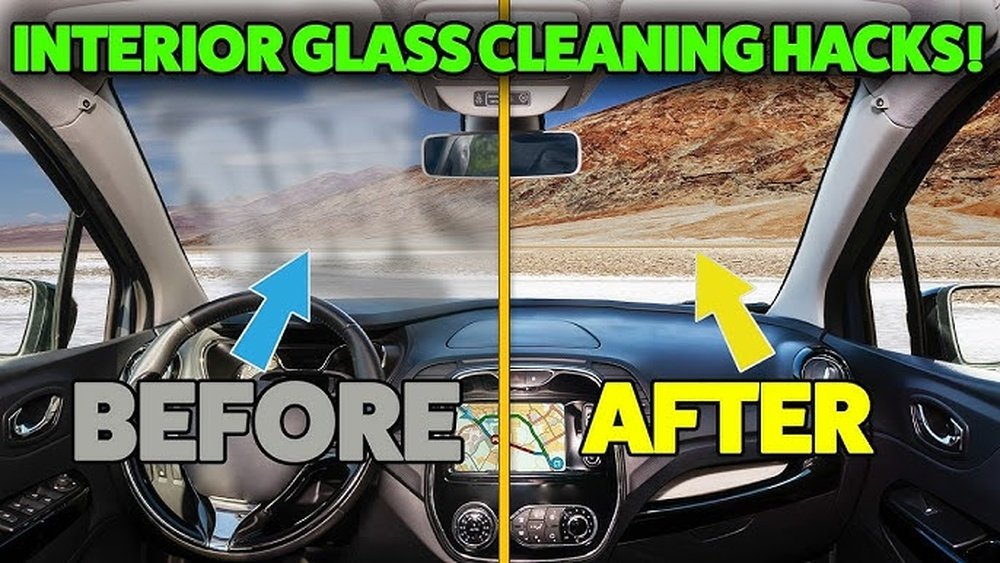
    Fog and smudges often build up inside car windows. Use a soft microfiber cloth to wipe the glass gently. Spray a small amount of glass cleaner on the cloth, not directly on the glass. Wipe in circular motions to remove dirt and spots. For tough fog, mix equal parts water and vinegar. Spray on the cloth and clean the glass. Avoid using paper towels as they can leave lint behind. Regular cleaning stops fog from forming again.

    Avoiding Damage To Tint And Electronics

    Many cars have tinted windows and electronic sensors near the glass. Use cleaners that do not contain ammonia or harsh chemicals. These can damage window tint and affect sensors. Always spray cleaner on the cloth, not on the glass. Keep liquids away from electronics on the dashboard. Use a gentle touch to prevent scratches or peeling of tint. Proper cleaning keeps both your glass and electronics safe.

    Maintaining Clear Car Glass

    Keeping car glass clean helps with safety and looks good. Clear windows let you see the road better. Dirt and smudges can block your view. Clean glass also stops glare from the sun and headlights. Regular care keeps your car glass in top shape.

    Simple steps and regular habits make cleaning easier. A clean car glass saves time and effort in the long run.

    Regular Cleaning Schedule

    Clean your car glass at least once a week. Use a soft cloth and a good glass cleaner. Wipe both inside and outside surfaces. This removes dust, dirt, and fingerprints. Avoid harsh chemicals that can damage the glass.

    Set a reminder on your phone or calendar. Stick to the schedule to keep the glass clear. Quick clean-ups after rain or dusty drives help a lot.

    Preventing Future Smudges And Streaks

    Use a microfiber cloth for cleaning to avoid streaks. Avoid cleaning in direct sunlight to stop quick drying. Use a spray bottle to apply cleaner evenly. Dry the glass with a fresh cloth for a clear finish.

    Keep your hands clean before touching the glass. Avoid eating or smoking inside the car. Park in shaded areas to reduce dust buildup. These habits help keep your glass clear longer.

    How to Clean Car Glass at Home: Easy Tips for a Streak-Free Shine

    Credit: www.youtube.com

    Common Mistakes To Avoid

    Cleaning car glass at home can be simple. Avoiding common mistakes makes the task easier. These errors can leave streaks or damage your glass. Learn what to avoid for the best results.

    Using The Wrong Products

    Many people use household cleaners that harm car glass. Avoid cleaners with ammonia or harsh chemicals. These can damage tint or glass coating. Use a cleaner made for car windows. It cleans better and protects the surface.

    Paper towels seem handy but can scratch glass. Use a microfiber cloth instead. It cleans gently and leaves no lint behind. This helps keep your glass clear and smooth.

    Cleaning In Direct Sunlight

    Cleaning in the sun causes cleaning solutions to dry too fast. This leads to streaks and spots on the glass. Work in shade or during cooler parts of the day. This gives you more time to clean properly.

    Direct sunlight also heats the glass. Hot glass can cause cleaner to evaporate quickly. This reduces cleaning power and can leave marks. Patience and timing improve your results.

    Frequently Asked Questions

    How Often Should I Clean Car Glass At Home?

    Clean car glass every two weeks to maintain clear visibility. Frequent cleaning prevents dirt buildup and streaks. Regular care enhances safety and driving comfort, especially in harsh weather conditions.

    What Household Items Can Clean Car Glass Effectively?

    Use vinegar, water, and a microfiber cloth for safe, streak-free cleaning. Avoid harsh chemicals that may damage glass or tint. These household items are eco-friendly and budget-friendly alternatives.

    How Do I Remove Stubborn Stains From Car Glass?

    Apply a mixture of vinegar and water to the stain. Let it sit for a few minutes, then scrub gently with a soft cloth. Repeat if necessary for tough grime or bird droppings.

    Can I Use Newspaper To Clean Car Glass?

    Yes, newspaper works well for streak-free glass cleaning. It absorbs moisture and leaves a polished finish without lint. Avoid colored or glossy paper to prevent residue.

    Conclusion

    Cleaning car glass at home saves time and money. Use simple tools like microfiber cloths and mild cleaners. Clean both inside and outside for clear views. Avoid harsh chemicals to protect glass surfaces. Regular cleaning keeps your windows streak-free and safe.

    A clean windshield improves driving comfort and safety. Small effort brings big results. Try these easy steps today for clear car glass.

  • How to Clean Car Windows Diy: Easy Steps for a Crystal Clear Shine

    How to Clean Car Windows Diy: Easy Steps for a Crystal Clear Shine

    Your car windows are more than just glass—they’re your clear view of the road and a big part of your driving safety. But dirt, smudges, and streaks can quickly block your sight and make driving frustrating.

    Wouldn’t it be great if you could clean your car windows easily, without spending a fortune or relying on expensive products? In this guide, you’ll discover simple, effective DIY methods to make your car windows sparkle like new. Keep reading, and you’ll learn easy steps that save you time and money while giving your car that fresh, spotless look you deserve.

    How to Clean Car Windows Diy: Easy Steps for a Crystal Clear Shine

    Credit: shewearsmanyhats.com

    Tools And Materials Needed

    Cleaning car windows yourself saves money and keeps your vehicle clear. Having the right tools makes the job easier and faster. Prepare all items before starting to avoid interruptions.

    Essential Cleaning Supplies

    • Microfiber cloths – soft and lint-free for streak-free cleaning
    • Squeegee – removes water and cleaning solution quickly
    • Spray bottle – holds your cleaning solution for easy use
    • Bucket – for rinsing cloths or mixing solution
    • Gloves – protect your hands from chemicals

    Recommended Cleaning Solutions

    • Glass cleaner – specially made for car windows
    • Vinegar and water mix – natural and effective option
    • Dish soap diluted in water – gentle and removes grease
    • Isopropyl alcohol – helps remove tough stains and residue

    Optional Accessories For Better Results

    • Clay bar – removes stubborn dirt and contaminants
    • Detailing brush – cleans edges and hard-to-reach spots
    • Extension pole – for cleaning large or tall windows
    • Chamois leather – absorbs water without streaking
    How to Clean Car Windows Diy: Easy Steps for a Crystal Clear Shine

    Credit: www.1millionwomen.com.au

    Preparing Your Car For Window Cleaning

    Preparing your car before cleaning the windows is important. It helps you get the best results and keeps your car safe. Taking a few simple steps makes the cleaning process easier and more effective. This way, your windows will shine without causing any damage.

    Choosing The Right Location

    Select a shaded, flat area to clean your car windows. Direct sunlight can dry the cleaning solution too fast. This causes streaks and spots on the glass. A flat surface keeps your car stable and prevents dirt from blowing onto wet windows. Avoid windy places to keep dust away.

    Removing Dust And Debris

    Before cleaning, wipe off loose dust and dirt from the windows. Use a soft brush or a microfiber cloth for this. Removing debris prevents scratches during cleaning. It also stops dirt from mixing with the cleaning solution. Clean surfaces help the window cleaner work better.

    Protecting Car Interiors

    Keep the inside of your car safe from water and cleaning sprays. Cover seats and dashboard with old towels or cloths. Roll up the windows slightly to avoid water dripping inside. Protecting interiors stops stains and damage. It keeps your car fresh and clean during the process.

    Step-by-step Cleaning Process

    Cleaning car windows by yourself is simple with the right steps. Follow each part carefully to get clear, streak-free glass. This process saves money and improves your car’s look. Let’s break down the cleaning into easy actions.

    Initial Wiping

    Start by removing loose dirt and dust. Use a dry microfiber cloth for this step. Wipe gently in circular motions. This prevents scratches during cleaning. Make sure to clean both inside and outside windows.

    Applying Cleaning Solution

    Choose a glass cleaner or make one with water and vinegar. Spray the solution evenly on the window surface. Avoid soaking the cloth directly. Let the cleaner sit for a few seconds. This helps loosen grime and spots.

    Scrubbing And Spot Treatment

    Use a soft cloth or sponge for scrubbing. Focus on dirty or sticky spots. Rub gently to avoid damage. For tough stains, add more cleaner and scrub again. Keep wiping until spots fade away.

    Final Wipe And Drying

    Take a dry, clean microfiber cloth for the last wipe. Use vertical and horizontal strokes to avoid streaks. Make sure windows are fully dry before driving. This step ensures a clear view and shiny finish.

    How to Clean Car Windows Diy: Easy Steps for a Crystal Clear Shine

    Credit: www.youtube.com

    Tips For Streak-free Windows

    Cleaning car windows can be tricky. Streaks ruin the clear view and make driving unsafe. Follow simple tips to get glass shining without streaks. Small changes in method make a big difference.

    Best Time Of Day For Cleaning

    Choose a cool, shady time to clean windows. Avoid direct sunlight that dries cleaner too fast. Early morning or late afternoon works best. This stops streaks from forming as you wipe.

    Using Microfiber Cloths

    Use soft microfiber cloths for cleaning car windows. They absorb dirt and moisture well. Regular cloths can scratch or leave lint behind. Change cloths if they get dirty to avoid smudges.

    Avoiding Common Mistakes

    Do not spray too much cleaner on the glass. Excess liquid causes streaks and drips. Avoid circular wiping motions; use straight lines instead. Finish with a dry cloth to remove any remaining moisture.

    Cleaning Interior Car Windows

    Cleaning interior car windows is important for clear vision and safety. Dirt and grime build up quickly inside. It affects your view and driving comfort. This part of window cleaning needs care and the right tools. You want to avoid damage to your car’s interior while making the glass shine.

    Special Considerations For Inside Glass

    Inside glass is different from outside glass. It collects dust, fingerprints, and grease from hands. Cleaning must be gentle to avoid scratches. Use a soft microfiber cloth to wipe the glass. Avoid paper towels or rough cloths. They can leave fibers or scratch the surface. Work in small sections for better control and results.

    Dealing With Smoke And Film

    Smoke and film often cover interior windows. This layer is sticky and hard to remove. Use a cleaner made for smoke residue or a vinegar-water mix. Spray lightly and wipe with a clean cloth. Repeat if the film stays. Avoid harsh scrubbing to protect the glass and seals. Let fresh air inside after cleaning to reduce lingering smells.

    Safe Products For Interior Surfaces

    Choose cleaners safe for car interiors. Avoid ammonia-based products that can damage tint or plastic. Use water-based or specialized automotive glass cleaners. Test any product on a small spot first. Use minimal spray to prevent dripping on dashboard or upholstery. Cleaners with gentle formulas keep windows clear and protect inside materials.

    Maintaining Clear Windows

    Clear car windows improve your view and keep driving safe. Dirty windows block sunlight and make it hard to see. Keeping windows clean takes little time but makes a big difference. Simple care habits help maintain clear glass all year round.

    Regular Cleaning Schedule

    Clean your car windows every two weeks. Use a soft cloth and glass cleaner made for cars. Wipe inside and outside to remove dust, fingerprints, and dirt. Regular cleaning stops grime from building up. It also prevents streaks and spots that reduce visibility.

    Protective Treatments

    Apply water-repellent treatments to your windows. These help rainwater slide off quickly. It improves visibility during wet weather. Some treatments also reduce dirt sticking to glass. Reapply treatments every few months for best results. They keep your windows clearer for longer.

    Handling Weather-related Challenges

    Cold weather causes frost and ice on windows. Use a plastic scraper to remove ice gently. Avoid hot water; it can crack the glass. In summer, clean off bugs and sap quickly. These can harden and become tough to remove. Protect your windows from weather damage with simple care.

    Frequently Asked Questions

    How Do I Clean Car Windows Without Streaks?

    Use a microfiber cloth and a vinegar-water mix. Spray lightly, wipe in circular motions, then finish with vertical strokes. Avoid cleaning in direct sunlight to prevent streaks.

    What Household Items Clean Car Windows Effectively?

    White vinegar, water, and dish soap work well. Mix vinegar and water 50/50 or add a drop of soap. These items cut grease and grime efficiently.

    Can I Use Newspaper To Clean Car Windows?

    Yes, newspaper is a classic option. It absorbs moisture and prevents streaks. Avoid colored ink newspapers to prevent residue on glass.

    How Often Should Car Windows Be Cleaned?

    Clean windows every two weeks or more if dirty. Regular cleaning improves visibility and safety while driving. Dust and grime buildup reduce clarity.

    Conclusion

    Cleaning car windows yourself saves money and time. Use the right tools for best results. Clean both inside and outside for clear views. Avoid streaks by wiping in one direction. Regular cleaning keeps your windows safe and bright. A clean window means safer driving every day.

    Try these easy steps for a spotless finish. Your car looks better, and you feel good. Simple habits make a big difference in car care. Keep windows clean and enjoy a clearer drive.