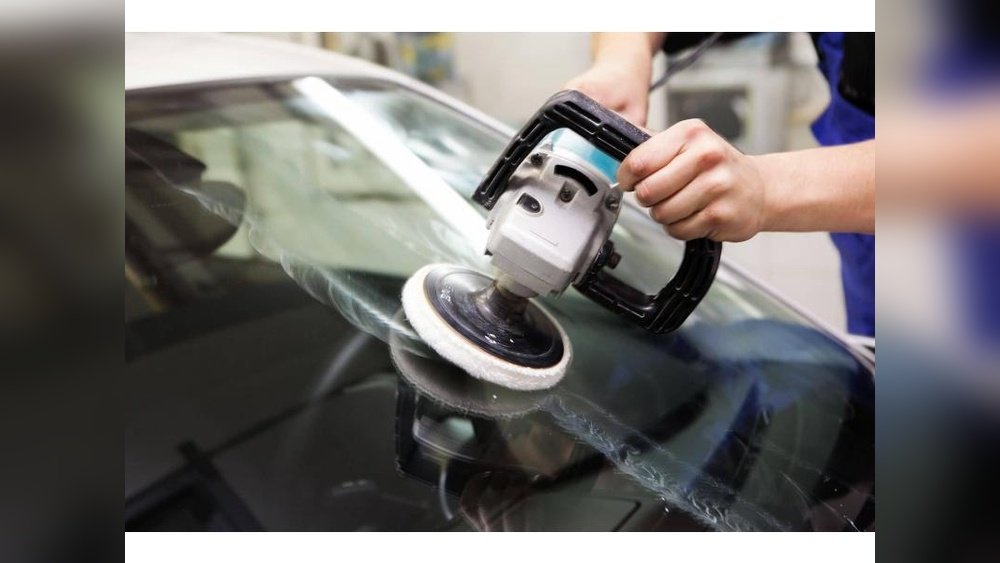
Have you ever noticed tiny scratches or dull spots on your car’s glass that just won’t go away? These imperfections don’t just look bad—they can also affect your visibility and safety on the road.
That’s where car glass polish comes in. Imagine restoring your windshield and windows to a crystal-clear shine, making every drive safer and more enjoyable. You’ll discover how car glass polish can transform your vehicle’s appearance and protect your investment. Keep reading to learn simple tips and secrets to make your glass look brand new again.

Credit: www.amazon.com
Why Polish Car Glass
Polishing car glass is an important step to keep your vehicle safe and looking good. Clear glass helps you see better while driving. Dirt, scratches, and water spots can block your view. Polishing removes these issues and restores clarity. It also helps protect the glass from future damage. Regular polishing saves money by avoiding costly replacements later.
Benefits Of Clear Glass
Clear glass improves your vision on the road. It reduces glare from the sun and headlights. This helps prevent accidents. Polished glass also makes your car look newer and cleaner. It repels dirt and water better, keeping the glass cleaner for longer. A smooth surface stops dust from sticking easily. Polished glass adds value to your vehicle.
Common Glass Imperfections
Car glass often has scratches, water spots, and stains. Small chips and cracks can also appear. These imperfections block your view and weaken the glass. Dirt buildup makes the glass look dull. Hard water leaves white spots that are tough to remove. Polishing removes or reduces these problems. It smooths the surface and restores shine. Polishing keeps your glass safe and clear.
Credit: 3dproducts.com
Tools And Materials Needed
Polishing car glass requires the right tools and materials. Having the correct supplies ensures a smooth process and better results. This section covers essential items needed for effective car glass polishing.
Types Of Polishing Compounds
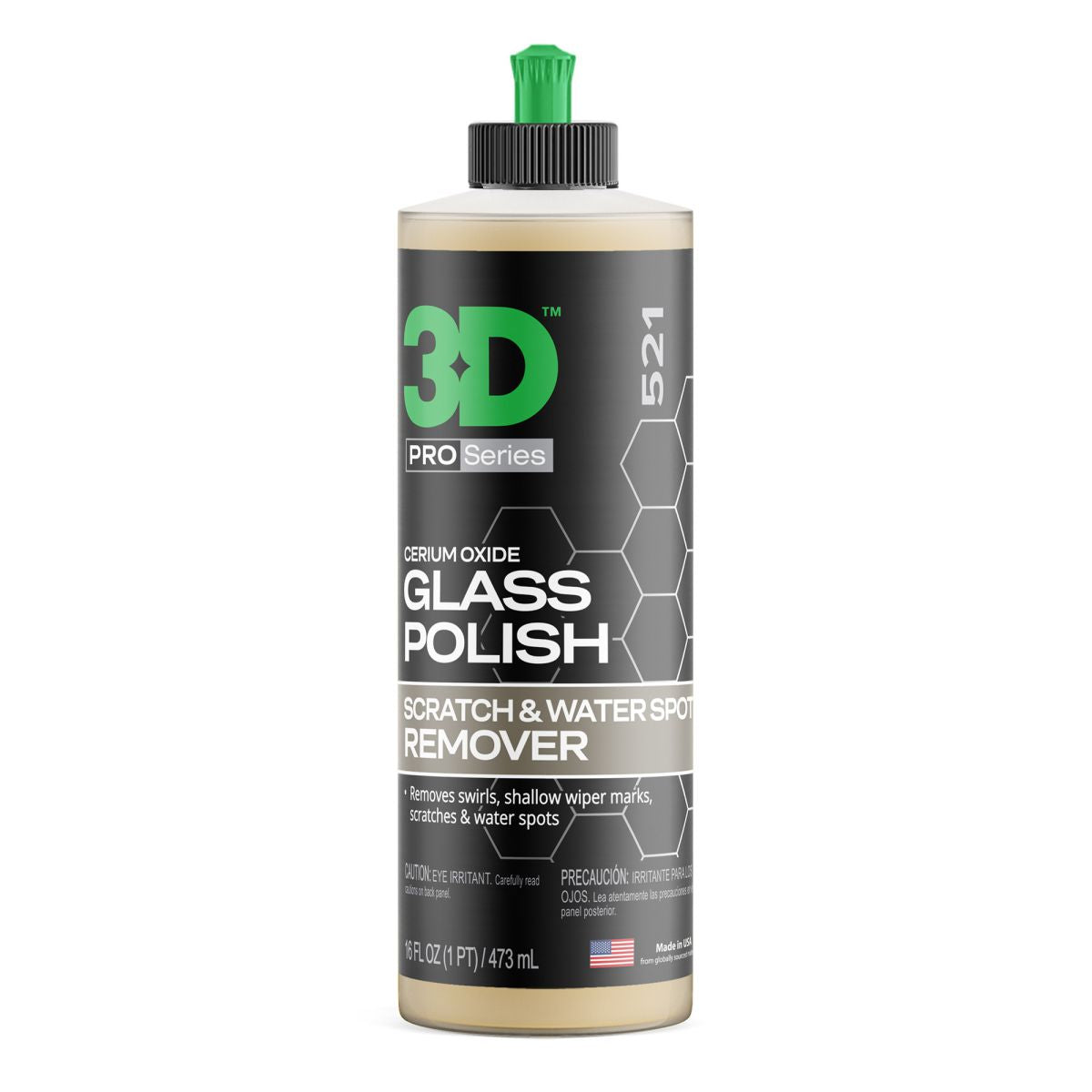
Polishing compounds remove scratches and haze from glass surfaces. Choose a compound based on scratch depth and glass condition. Fine compounds suit light scratches and minor haze. Coarser compounds handle deeper scratches but require careful use. Some compounds include cerium oxide, a popular choice for glass polishing. Always pick a compound designed specifically for automotive glass.
Choosing The Right Applicators
Applicators help spread the polishing compound evenly. Foam pads are common and come in soft, medium, and hard textures. Soft pads work well for light polishing. Medium pads offer balanced polishing for moderate scratches. Hard pads suit heavy-duty polishing but may risk glass damage. Microfiber cloths can be used for hand polishing and cleaning. Use applicators that match the polish type for best results.
Safety Equipment
Protect yourself during the polishing process. Wear safety glasses to shield eyes from debris and compound splashes. Use gloves to avoid skin irritation from chemicals. A dust mask prevents inhaling fine particles. Work in a well-ventilated area to reduce fumes. Safety gear keeps the process safe and comfortable.
Preparing The Glass Surface
Preparing the glass surface is the first step in car glass polish. It ensures the polish works well and lasts longer. Clean glass helps polish to spread evenly and removes any dirt that may block the shine.
Taking time to prepare the glass surface can save effort later. It also prevents scratches during polishing. The process involves two main steps: cleaning and drying, then removing debris and contaminants.
Cleaning And Drying
Start by washing the glass with mild soap and water. Use a soft cloth or sponge to avoid scratches. Rinse the glass thoroughly to remove all soap. Dry the surface with a clean microfiber towel. Make sure no water spots remain. Dry glass allows the polish to stick properly.
Removing Debris And Contaminants
Next, check the glass for stuck dirt or bugs. Use a clay bar or glass cleaner to remove stubborn particles. Avoid harsh chemicals that can damage the glass. Gently rub the surface until it feels smooth. This step clears any invisible grime. It helps the polish to work deeply and evenly.
Step-by-step Polishing Process
Polishing car glass improves clarity and removes minor scratches. The process requires care and the right steps. Follow these simple steps to achieve clear, shiny glass.
Applying Polish Evenly
Start with a clean, dry glass surface. Apply a small amount of polish to a soft cloth. Spread the polish in a circular motion. Cover the glass evenly without using too much polish. This helps avoid streaks and uneven spots.
Buffing Techniques
Use a clean microfiber cloth for buffing. Rub the glass gently in small circles. Keep the pressure light to avoid damage. Buff until the polish starts to clear and shine appears. This step removes haze and enhances smoothness.
Final Wipe Down
Take a dry, clean cloth for the final wipe. Remove any leftover polish residue carefully. Check the glass from different angles for clarity. Repeat buffing if any dull spots remain. The glass should look clear and smooth.
Tips For Best Results
Getting the best results from car glass polish takes some care and smart steps. Simple actions can make the glass clear, smooth, and shiny. Follow these tips to avoid problems and keep your glass looking great after polishing.
Small mistakes can hurt the polish or glass. Maintaining the glass right after polishing helps keep it clean and damage-free longer.
Avoiding Common Mistakes
Do not polish glass that is wet or dirty. Water and dirt can cause scratches. Use a clean, dry cloth first. Use the right polish for glass only. Some car polishes can damage glass surfaces. Apply polish in small areas at a time. Too much polish can leave streaks. Use gentle pressure with a soft cloth or pad. Hard rubbing can cause marks. Avoid polishing in direct sunlight or very hot weather. Heat can dry polish too fast and leave spots.
Maintaining Glass After Polishing
Clean the glass regularly with a mild glass cleaner. Avoid harsh chemicals that can wear down polish. Use a soft microfiber cloth to wipe the glass. Do not use abrasive sponges or brushes. Park your car in shaded areas to protect glass from sun damage. Reapply polish every few months to keep shine and protection. Check the glass for chips or cracks and repair quickly to avoid spreading damage.
When To Seek Professional Help
Knowing when to seek professional help for car glass polish saves time and prevents damage. Some issues need expert care to fix properly. Professionals have the right tools and skills to handle tough problems safely.
Deep Scratches And Damage
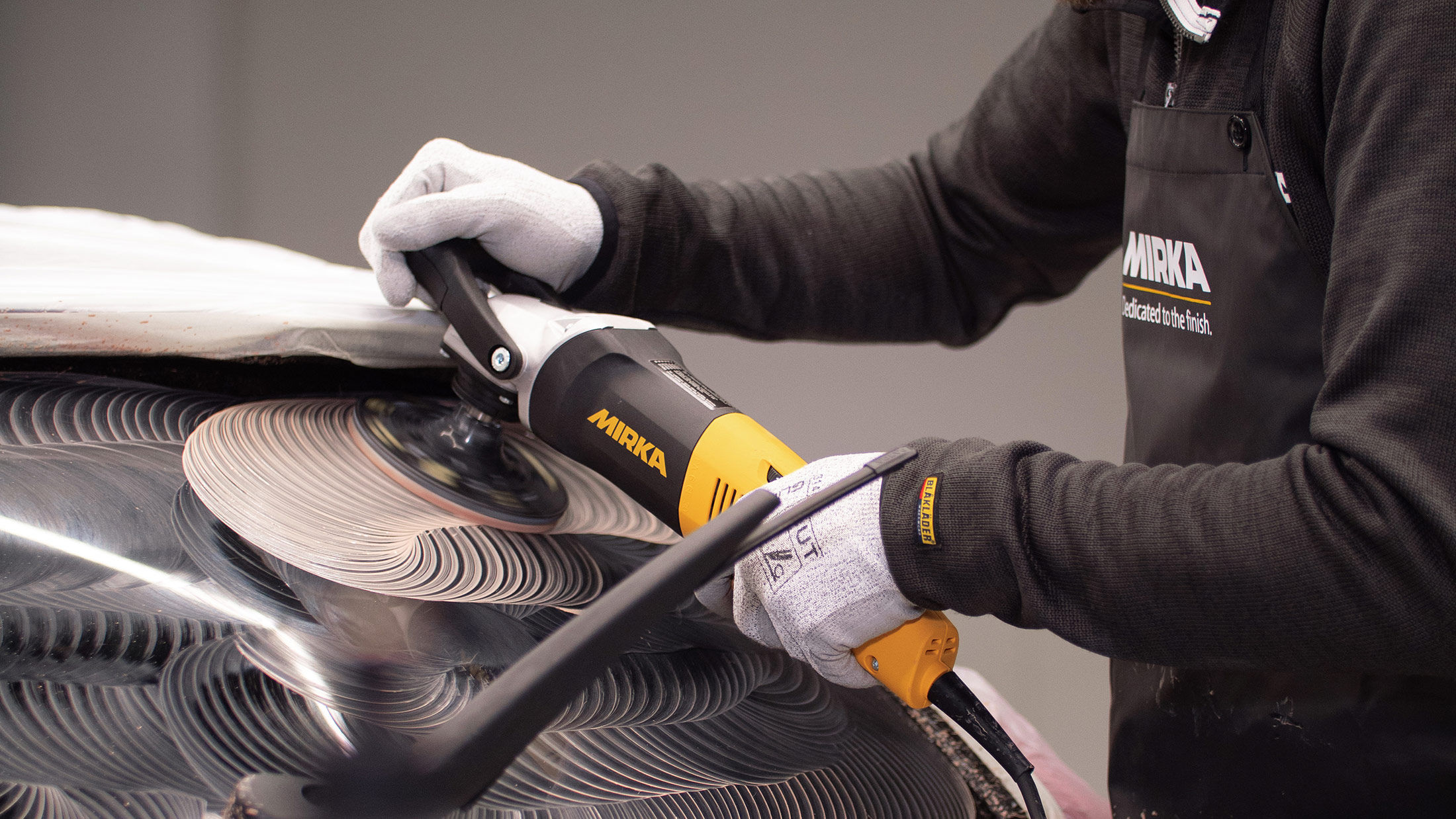
Deep scratches on car glass often go beyond simple polishing. These can weaken the glass and cause cracks. Professionals can assess the damage and decide if repair or replacement is needed. Trying to polish deep scratches at home may make the problem worse. Experts use special equipment to restore clarity and strength safely.
Cost Considerations
Professional car glass polishing might seem costly upfront. But it can save money by avoiding further damage. DIY fixes may lead to bigger repairs later. Experts work efficiently to deliver long-lasting results. Spending on professional care protects your car’s value over time. Think of it as an investment in safety and quality.
Credit: www.mirka.com
Frequently Asked Questions
What Is Car Glass Polish Used For?
Car glass polish removes minor scratches and haze from windshields. It improves clarity and restores smoothness for safer driving.
How Often Should I Polish My Car Glass?
Polish your car glass every 6 to 12 months. Frequent polishing prevents buildup and keeps the glass clear and scratch-free.
Can Car Glass Polish Remove Deep Scratches?
Car glass polish works best on light scratches and haze. Deep scratches may require professional repair or glass replacement.
Is Car Glass Polish Safe For Tinted Windows?
Yes, most car glass polishes are safe for tinted windows. Always check product labels to ensure compatibility before use.
Conclusion
Car glass polish helps keep your windshield clear and smooth. It removes small scratches and water spots easily. Regular polishing improves visibility and safety on the road. It also makes cleaning your glass faster and easier. Using the right polish can save money on repairs.
Try polishing your car glass to see the difference yourself. Clear glass means safer driving every day. Give your car a fresh, polished look today.
Leave a Reply