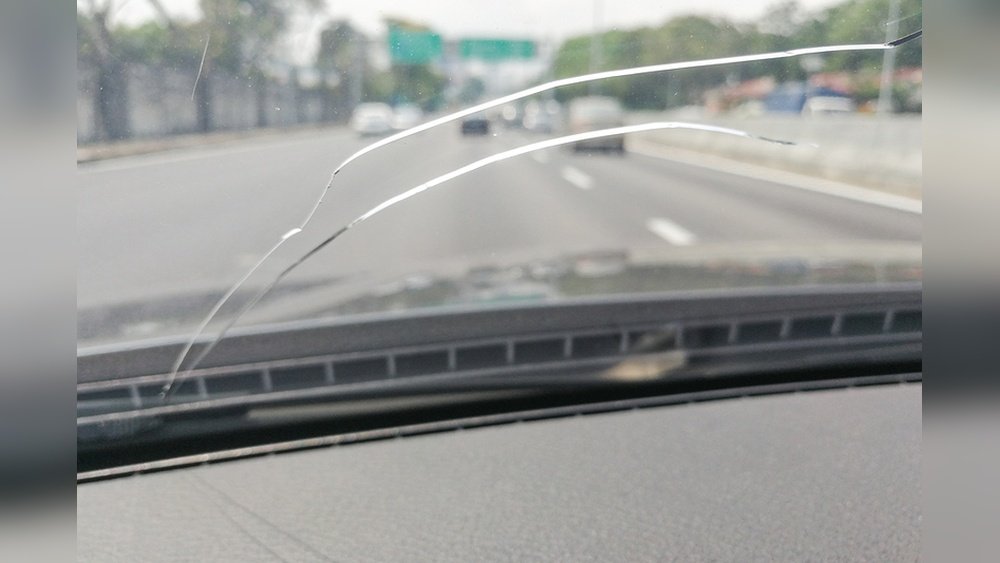
Have you ever noticed a small chip on your windshield and wondered if it’s still safe to drive? That tiny crack might seem harmless, but it can quickly turn into a bigger problem.
You need to understand the risks before you get behind the wheel. You’ll discover why even a small chip matters, how it affects your safety, and what steps you should take right now. Don’t ignore that crack—your safety depends on it.
Keep reading to find out everything you need to know.
Credit: www.glasshopperautoglass.com
Types Of Windshield Chips
Windshield chips come in different types and shapes. Understanding these types helps you know how serious the damage is. Some chips are small and barely noticeable. Others can grow bigger and affect your safety. Recognizing the types of chips can guide you on whether to repair or replace your windshield.
Common Chip Shapes
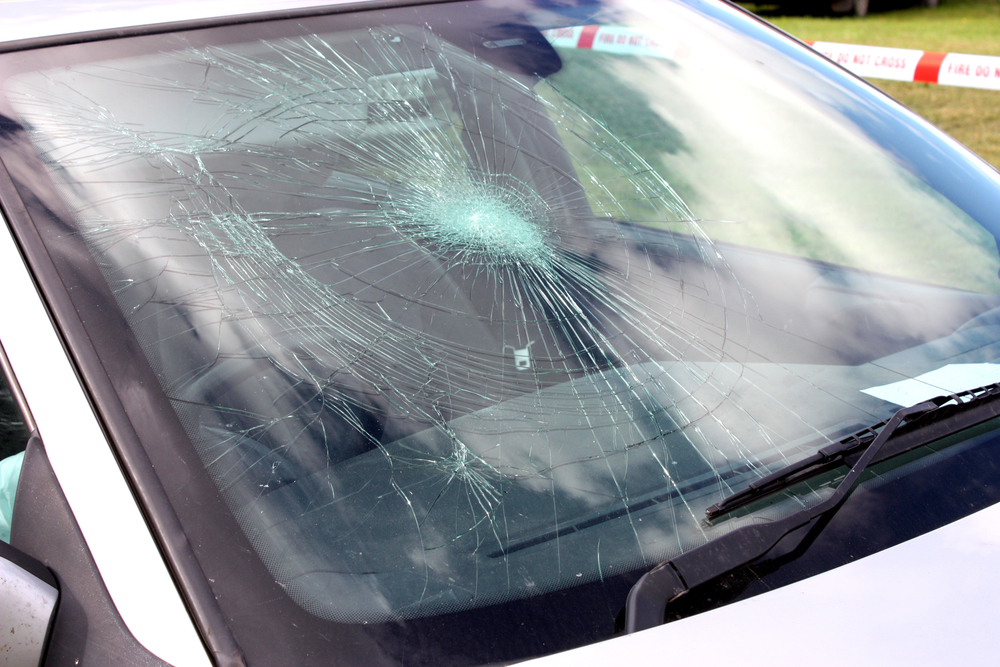
There are several common shapes of windshield chips. The most frequent is the “bullseye,” a circular chip with a dark center. Another type is the “star,” which has several small cracks spreading out like a star pattern. The “combination” chip mixes different shapes together. Each shape shows how the glass reacted to the impact.
Impact On Visibility
Some chips do not block your view much. Small bullseyes or tiny cracks often do not affect driving. Larger chips or star cracks can blur or distort your vision. Damage near the driver’s line of sight is more dangerous. Clear visibility is key to safe driving. Any chip that causes glare or distraction needs quick attention.
Legal Aspects Of Driving With A Chip
Driving with a windshield chip has legal aspects that drivers must know. Laws differ by location and affect your safety and fines. Understanding these rules helps avoid penalties and keeps roads safer.
State Regulations
Each state sets its own rules about windshield damage. Some states allow small chips if they do not block the driver’s view. Others require immediate repair or replacement. Police may stop drivers if the chip violates state laws. Insurance companies may also have rules about windshield damage.
When A Chip Becomes A Violation
A chip turns into a legal problem when it blocks the driver’s vision. Cracks that spread across the windshield can also cause violations. Damage near the edges is often more dangerous and less legal. If the chip affects your safety, authorities may issue a ticket. Repairing chips quickly can prevent legal trouble and improve safety.
Risks Of Driving With A Windshield Chip
Driving with a windshield chip brings several risks. Small chips can seem harmless but may cause bigger problems. These risks affect your safety and your vehicle’s condition. Understanding these dangers helps you decide the right action for your chipped windshield.
Safety Hazards
A chipped windshield can block your view. Even a small chip distracts your focus on the road. Cracks near the driver’s line of sight cause dangerous blind spots. A damaged windshield may shatter easily in an accident. This reduces protection during collisions and increases injury risk.
Chip Expansion And Cracks
Temperature changes make chips grow larger. Heat from the sun or cold air causes the glass to expand and contract. This stress causes chips to turn into long cracks. Road bumps or vibrations also worsen the damage. Once cracks spread, the windshield weakens and may fail suddenly.

Credit: www.wolfchasehyundai.com
Assessing The Severity Of A Chip
Assessing the severity of a windshield chip is important before deciding to drive. Some chips are minor, while others can affect safety. Understanding the chip’s size and location helps determine the risk. A clear view of the damage guides the next steps.
Size And Location Factors
The size of the chip matters a lot. Small chips under a quarter inch usually cause less trouble. Larger chips or cracks spread quickly and weaken the glass. Location is key. Chips near the driver’s line of sight can block vision. Chips at the edges can cause the windshield to crack more easily. Always note where the chip is before driving.
Professional Inspection Tips
Experts use special tools to check windshield damage. They look for hidden cracks that may not be visible. Professionals assess if the chip can be repaired or if the glass needs replacement. They also check how the chip affects the glass strength. A quick inspection helps avoid bigger problems later. Trusting a professional ensures safe driving conditions.
Repair Vs. Replacement
Deciding between repairing or replacing a windshield chip depends on many factors. Small chips can often be fixed, saving time and money. Larger or more complex damage might need a full replacement to keep you safe. Understanding the difference helps you make the best choice.
When Repair Is Possible
Repairing works well for chips smaller than a quarter. The damage should not block the driver’s view. Cracks shorter than three inches often get repaired. Repair stops damage from spreading further. It also restores windshield strength quickly. Repairs cost less and take less time than replacements. Professionals use resin to fill the chip. This prevents moisture and dirt from getting inside.
When To Replace The Windshield
Replace the windshield if the chip is large or deep. Damage over six inches usually needs replacement. Cracks that spread across the glass require a new windshield. If the chip is near the edges, replacement is safer. Damage that affects the driver’s view must be replaced. Severe cracks weaken the glass and risk injury. Replacement ensures the windshield meets safety standards again.

Credit: www.novusglass.com
Diy Repair Options
Small chips on your windshield can be annoying and unsafe. Many drivers choose to fix these chips at home. DIY repair kits are popular for quick and easy fixes. These kits promise to stop cracks from growing and keep your windshield strong. Understanding how these kits work helps decide if they suit your needs.
Repair Kits Overview
Repair kits usually include resin, an applicator, and curing strips. You clean the chip area first. Then, apply the resin into the chip using the applicator. After that, place the curing strip over the resin. The resin hardens under sunlight or UV light. This process fills the chip and reduces its visibility.
Effectiveness And Limitations
These kits work best on small chips or cracks less than two inches. They stop cracks from spreading and improve safety. The repair also makes the chip less visible. Larger or deep cracks need professional help. DIY kits do not restore full strength to the glass. Sometimes, repairs may leave slight marks or bubbles. Still, they save money and time for minor damage.
Preventing Windshield Damage
Preventing windshield damage helps keep your car safe and your view clear. Small chips can grow into big cracks fast. Taking steps early saves money and avoids dangerous driving conditions.
Safe Driving Practices
Drive carefully on rough roads to avoid flying stones. Keep a safe distance from trucks and buses. They often kick up debris that can hit your windshield. Avoid sudden stops and sharp turns that stress the glass. Slow down on gravel or dirt roads to reduce impact risk.
Protective Measures
Park in shaded or covered areas to protect from extreme weather. Sun and heat can worsen chips and cracks. Use a windshield cover during harsh weather to shield glass. Regularly clean your windshield gently with soft cloths. Avoid harsh chemicals that weaken the glass surface.
Choosing A Reliable Repair Service
Choosing the right repair service for your windshield chip is important. A good service can fix the chip quickly and safely. This keeps your windshield strong and your driving safe. It also saves money by preventing bigger damage.
Careful choice helps avoid poor repairs that may lead to cracks. Trustworthy services use the best tools and materials. They also follow safety rules to protect your car and yourself.
What To Look For
Check if the repair service has good reviews from past customers. Experience matters. Choose a shop that has worked on many windshield repairs. They should use modern equipment and proper resin. Ask if the company offers a warranty. A warranty shows they trust their work. Make sure the technicians are trained and certified. Clean and organized shops show professionalism.
Cost Considerations
Compare prices from different repair shops. Avoid services that are too cheap or very expensive. Low prices might mean low quality materials or poor work. High prices do not always mean better service. Ask what the price includes. Some shops charge extra for mobile service or warranty. Choose a service with clear and fair pricing. Good repairs save money by preventing windshield replacement.
Frequently Asked Questions
Can You Legally Drive With A Windshield Chip?
Yes, you can legally drive with a small chip in most areas. However, if the chip obstructs your view, it may be illegal and unsafe. Always check local laws and prioritize safety by repairing chips promptly.
Does A Windshield Chip Affect Driving Safety?
Yes, a windshield chip can weaken the glass and impair visibility. This increases the risk of cracks spreading and causing accidents. Repairing chips quickly helps maintain clear vision and structural integrity.
When Should A Windshield Chip Be Repaired?
Repair a windshield chip as soon as possible, ideally within 24-48 hours. Delaying repairs can cause cracks to spread, making replacements necessary. Prompt action saves money and keeps your windshield safe.
Can Small Chips Turn Into Bigger Windshield Cracks?
Yes, small chips often expand into larger cracks due to temperature changes and vibrations. Ignoring chips increases the risk of costly replacements. Repairing early prevents damage from worsening.
Conclusion
Driving with a windshield chip can be risky. Small chips may seem harmless at first. But they can grow and block your view. Cracks can also weaken the glass, making it unsafe. It’s best to fix chips quickly to avoid bigger problems.
Repair is usually fast and affordable. Staying safe on the road matters most. Don’t wait until the chip turns into a crack. Keep your windshield clear and strong for a safer drive.
Leave a Reply