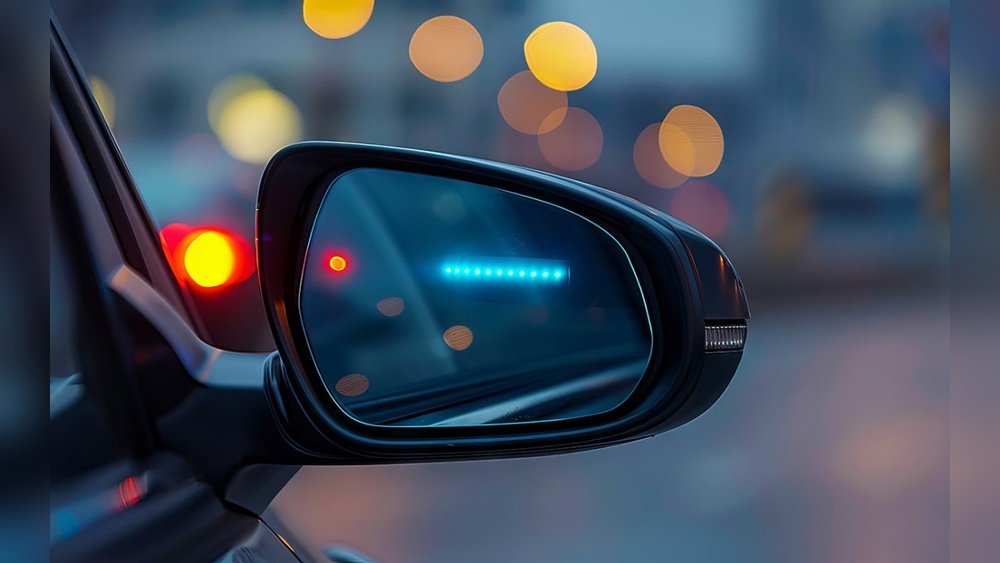
Have you ever stopped to think about the glass around you—your windows, doors, or even your car windshield? It might seem harmless, but unsafe glass can put you and your loved ones at serious risk.
Imagine a sudden accident where the glass shatters unexpectedly—could it cause more harm than good? You’ll discover how unsafe glass increases accident risk and what you can do to protect yourself. Keep reading to learn the hidden dangers you might be overlooking every day.

Credit: www.mccoyandsparks.com
Types Of Glass Used In Construction
Glass plays a key role in building safety and design. Different types of glass have different strength and safety features. Choosing the right glass helps reduce accident risks. Understanding common glass types used in construction is important for safety awareness.
Tempered Glass
Tempered glass is heat-treated to increase strength. It breaks into small, blunt pieces instead of sharp shards. This lowers injury risks during accidents. You see tempered glass in doors, windows, and shower enclosures. It offers good resistance to impact and heat.
Laminated Glass
Laminated glass has a plastic layer between two glass sheets. This layer holds the glass together if it breaks. It prevents glass from falling apart and causing harm. Laminated glass is common in car windshields and skylights. It also reduces noise and blocks UV rays.
Annealed Glass
Annealed glass is the most basic type of glass. It is cooled slowly after manufacturing to reduce internal stress. This glass breaks into large, sharp pieces. It is less safe compared to tempered or laminated glass. Annealed glass is often used in windows and picture frames.
Risks Linked To Unsafe Glass
Unsafe glass poses serious risks that can lead to accidents and injuries. This type of glass often lacks strength and proper safety features. It may break easily or have sharp edges that cause harm. Understanding these risks is crucial to keep homes and workplaces safe.
Shattering Hazards
Unsafe glass can shatter suddenly with little force. Broken pieces scatter quickly and unpredictably. This increases the chance of hitting people nearby. Shattered glass can cause panic and confusion. Safety glass reduces these dangers by breaking into small, less harmful pieces.
Sharp Edges And Cuts
Broken unsafe glass creates jagged, sharp edges. These edges can cut skin deeply and cause serious wounds. Handling broken glass without protection is very risky. Even small cracks can lead to dangerous sharp points. Proper glass reduces the chance of sharp edges forming.
Visibility Issues
Unsafe glass often has scratches, cracks, or cloudiness. These flaws reduce clear vision through the glass. Poor visibility can cause accidents, especially in cars or windows. Drivers may misjudge distances or obstacles. Clear, quality glass ensures better visibility and safety.
Common Accident Scenarios
Unsafe glass can lead to many types of accidents. It is often overlooked as a danger in daily life. Several common places and situations show how risky poor-quality glass can be. Understanding these scenarios helps us stay safer.
These accidents often cause serious injuries or property damage. Knowing where and how these incidents happen is key to prevention.
Home And Office Incidents
Glass doors and windows can shatter unexpectedly. Cheap or old glass breaks easily on impact. People may get cuts from shattered glass pieces. Office partitions made of glass can collapse during minor accidents. Unsafe glass furniture, like tables, can break and cause injuries. Children and pets are at higher risk in these environments.
Automobile Glass Failures
Car windshields protect drivers and passengers. Faulty or damaged glass can crack or shatter in crashes. This increases the chance of serious injuries. Side and rear windows may break during minor collisions. Poor-quality glass may not hold up to road debris or weather changes. Unsafe glass can also impair driver vision, causing accidents.
Public Spaces And Infrastructure
Public buildings use glass for walls and railings. Unsafe glass in these areas can break during crowds or storms. Glass in bus stops or kiosks can shatter unexpectedly. This puts many people at risk of injury. Bridges, stations, and airports often have glass structures. If the glass is not strong enough, accidents can happen quickly.
Regulations And Safety Standards
Unsafe glass greatly increases the risk of accidents. Strict rules and safety standards exist to reduce this danger. These guidelines ensure glass breaks safely and protects people.
Building Codes
Building codes set rules for glass used in homes and offices. They require safety glass in doors, windows, and walls. This glass is less likely to shatter into sharp pieces. Following these codes helps prevent injuries from broken glass. Inspectors check that buildings use approved glass types. This keeps occupants safer during accidents or impacts.
Automotive Glass Standards
Cars must use special glass to protect drivers and passengers. Windshields are made from laminated glass that stays in place when broken. Side and rear windows use tempered glass that shatters into small, dull pieces. These standards reduce cuts and serious injuries in crashes. Car manufacturers must meet strict guidelines before selling vehicles. Proper automotive glass saves lives on the road.
International Safety Norms
Many countries follow international safety norms for glass products. These rules create a common safety level worldwide. They cover testing methods, glass strength, and impact resistance. Meeting these norms ensures glass is safe no matter where it is used. Exported glass products must pass these tests before shipment. International cooperation improves glass safety for everyone.
Detecting Unsafe Glass
Detecting unsafe glass is important to keep homes and workplaces safe. Unsafe glass can break easily and cause accidents. Knowing how to spot it helps prevent injuries and costly repairs.
Visual Inspection Tips
Start by checking the glass for cracks or chips. Look closely at edges and corners. These spots often show damage first. Check for discoloration or cloudiness, which can mean the glass is weak. Tap the glass gently. A clear, sharp sound usually means strong glass. A dull sound can signal problems. Also, see if the glass is thick enough for its use. Thin glass may break more easily.
Professional Testing Methods
Experts use special tools to test glass safety. They measure thickness and strength with precise devices. Some tests check how glass reacts under pressure. Others look for hidden flaws inside the glass. Professionals also test the type of glass, such as tempered or laminated. These tests ensure glass meets safety standards. Hiring a professional is best for reliable results.
Credit: www.aboutlawsuits.com
Preventing Glass-related Accidents
Preventing accidents related to glass is essential for safety at home and work. Unsafe glass can break easily, causing injuries. Taking steps to choose safe glass and maintain it helps reduce risks. Proper installation also plays a big role in keeping glass secure and strong.
Choosing The Right Glass
Select glass that meets safety standards. Tempered glass is stronger and breaks into small, less harmful pieces. Laminated glass holds together when shattered. Avoid regular glass in high-risk areas like doors and windows. Use safety glass to protect against sharp shards and serious cuts.
Proper Installation Practices
Install glass carefully to avoid weak spots. Use skilled professionals who follow guidelines. Ensure frames fit tightly without gaps. Check that glass edges are smooth and sealed. Poor installation leads to cracks and easy breakage. Secure glass properly to handle pressure and impacts.
Maintenance And Repairs
Regularly inspect glass for chips or cracks. Small damage can grow and cause accidents. Clean glass gently to prevent scratches. Fix any damage immediately with proper materials. Replace glass that shows signs of weakening. Well-maintained glass lasts longer and stays safer.
Impact Of Unsafe Glass On Insurance
Unsafe glass can affect more than just safety. It also impacts insurance policies and costs. Insurers check glass quality before approving coverage. Poor glass increases the risk of accidents and claims. This risk can raise premiums or cause denial of claims.
Claims And Liability
Accidents involving unsafe glass often lead to insurance claims. Insurers may question the cause and safety measures. Property owners can face liability if glass breaks easily. Insurance companies might refuse claims if glass was unsafe. This leaves owners responsible for repair and medical bills.
Cost Implications
Using unsafe glass can increase insurance costs over time. Higher risk means higher premiums for policyholders. Repairs from glass damage can be expensive. Frequent claims also hurt insurance standing and future rates. Investing in safe glass reduces these financial risks.

Credit: www.hoffmannpersonalinjury.com
Frequently Asked Questions
What Makes Glass Unsafe In Homes And Vehicles?
Unsafe glass lacks proper strength and shatter resistance. It can break into sharp, dangerous shards. This increases injury risk during accidents or impact.
How Does Unsafe Glass Increase Accident Risks?
Unsafe glass shatters easily, causing severe cuts. It also reduces visibility due to scratches or cracks. This leads to higher chances of collisions or falls.
Can Replacing Glass Reduce Accident Chances?
Yes, upgrading to tempered or laminated glass improves safety. These types resist breakage and stay intact if shattered. This minimizes injuries and accidents significantly.
What Types Of Glass Are Safest For Accident Prevention?
Tempered and laminated glass are safest. Tempered glass breaks into small, blunt pieces. Laminated glass holds shards together, preventing sharp fragments.
Conclusion
Unsafe glass can cause serious accidents and injuries. It breaks easily and creates sharp pieces. Choosing strong, tested glass reduces these risks a lot. Always check glass quality before use. Safe glass protects people at home and work. Small steps in safety make a big difference.
Don’t ignore the dangers of bad glass. Stay alert and keep your space safe.
Leave a Reply