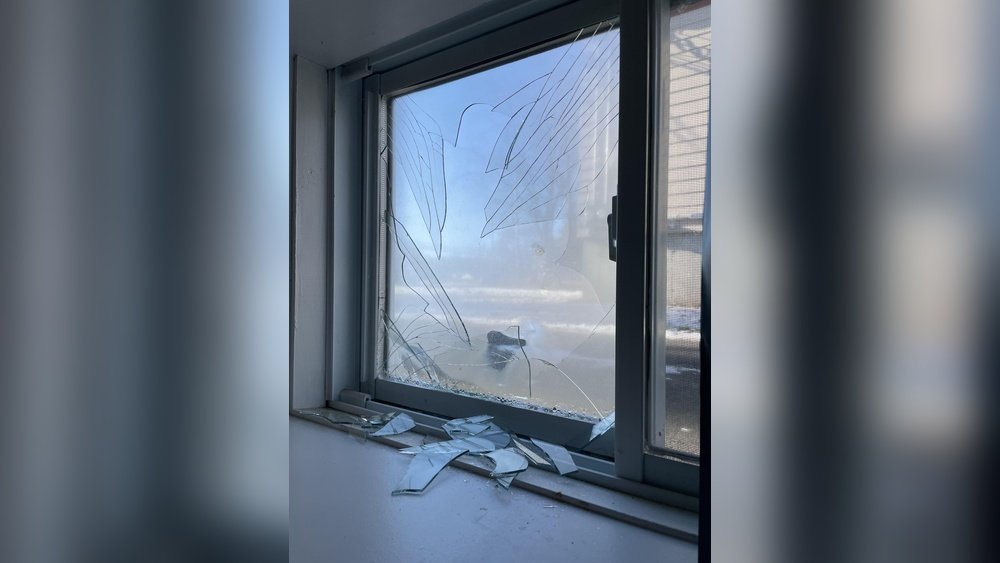
Have you ever wondered if a sudden change in temperature can actually break your car’s side window glass? It’s a question many drivers don’t think about—until it happens to them.
Understanding how temperature affects your windows can save you from unexpected damage and costly repairs. You’ll discover the surprising ways heat and cold can impact your side window glass and learn what you can do to protect it. Keep reading to find out how to avoid a shattered window before it’s too late.
How Temperature Affects Glass
Glass changes with temperature shifts. It expands when heated and contracts when cooled. These changes affect side window glass, sometimes causing cracks or breaks. Understanding how temperature impacts glass helps explain why this happens.
Thermal Expansion And Contraction
Glass expands as it gets hot. The molecules inside move apart slightly. When it cools, the molecules come closer again. This process is called thermal expansion and contraction.
Side window glass faces these changes daily. Rapid temperature shifts cause the glass to stretch and shrink fast. This stress can lead to cracks or even breakage over time.
Stress Points In Glass
Stress points are weak spots on the glass surface. These can be tiny chips or scratches. Temperature changes increase pressure on these points.
Heat causes expansion around these weak spots. Cooling causes contraction. This back-and-forth movement can make stress points grow into cracks. Small damage makes glass more likely to break in changing temperatures.
Credit: only1autoglass.com
Common Causes Of Side Window Breakage
Side window glass breaks for several reasons. Understanding these causes helps prevent damage. Many factors contribute to the glass weakening or shattering. Common causes include temperature changes, existing cracks, and poor installation. Each factor plays a key role in the glass’s durability.
Rapid Temperature Fluctuations
Glass expands and contracts with temperature changes. Quick shifts from hot to cold create stress inside the glass. This stress can cause the glass to crack or break. For example, pouring hot water on a cold window can cause damage. Rapid temperature changes are a common cause of side window breakage.
Pre-existing Damage
Small chips or cracks weaken the glass structure. These flaws grow over time, making the glass fragile. Even minor damage can lead to sudden breakage. Rocks or debris hitting the window cause pre-existing damage. Ignoring these small problems increases the risk of window failure.
Improper Installation
Incorrect fitting puts pressure on the glass edges. This pressure creates weak points where cracks can start. Using wrong materials or poor techniques also affects glass strength. Over time, vibrations and stress cause the glass to break. Proper installation is vital to avoid side window damage.
Real-life Cases Of Temperature-induced Breakage
Temperature changes can cause side window glass to break. This happens more often than many think. Real-life cases show how heat and cold affect glass strength. Understanding these cases helps us know why glass sometimes shatters without impact.
Extreme Weather Conditions
Extreme heat or cold puts stress on side window glass. In very hot weather, glass expands quickly. Sudden cold snaps make glass contract fast. This rapid change can cause cracks and breaks. For example, a car parked in the sun and then hit by cold rain might experience glass breakage. Many reports show broken side windows after storms or heatwaves. The glass cannot handle fast temperature swings well.
Sunlight And Shade Effects
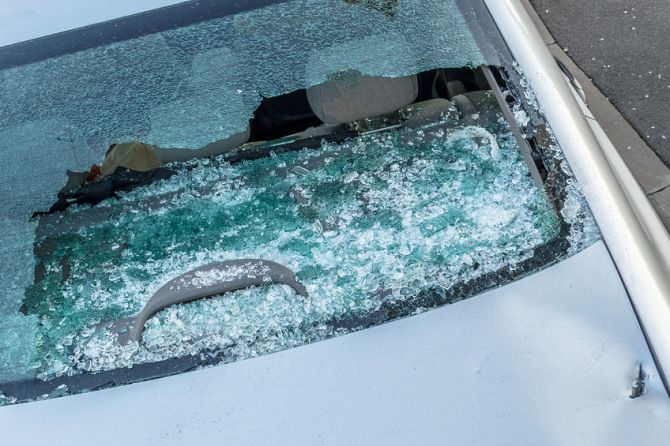
Sunlight hitting one part of the glass heats it more than shaded areas. This creates uneven expansion. The shaded part stays cooler and does not expand as much. The difference in size puts pressure on the glass. Over time, this pressure can cause cracks to form. Cars parked with one side in the sun and the other in shade often show this damage. Real cases highlight side window glass breaking under these conditions without any physical impact.

Credit: www.reddit.com
Preventing Side Window Glass Breakage
Side window glass breaks mostly due to sudden temperature changes. Preventing this breakage means managing the glass carefully. It also means knowing how to care for the windows. Small steps can protect your car windows from cracking or shattering.
Temperature Management Tips
Avoid extreme heat or cold shocks to the glass. Park your car in shaded areas or garages to reduce direct sunlight. Use window shades inside the car on hot days. On cold days, warm the car gradually before driving. Avoid pouring hot water on frosted windows. These actions reduce stress on the glass.
Regular Maintenance Checks
Check your side windows for small chips or cracks often. Even tiny damage can grow when exposed to temperature changes. Clean the windows with mild soap and water to remove dirt and debris. Ensure seals around the glass are intact to prevent moisture buildup. Fix any damage quickly to prevent bigger problems.
Choosing The Right Glass Type
Use tempered or laminated glass for side windows. These types handle temperature changes better than regular glass. Tempered glass breaks into small, less harmful pieces. Laminated glass holds together even if cracked. Upgrading to stronger glass can lower the risk of breakage.
What To Do If Your Window Breaks
Windows can break suddenly due to temperature changes or accidents. Knowing what to do next helps keep you safe and reduce damage. Acting fast is important when a side window breaks. Follow these steps to handle the situation correctly.
Immediate Safety Measures
Stay calm and move away from the broken glass. Small shards can cut skin easily. Use thick gloves to clear large pieces carefully. Place a barrier like cardboard or plastic over the broken window. This stops cold air and keeps pets or children safe. Avoid touching sharp edges directly. Keep the area clear until repairs are done.
Repair Vs. Replacement
Check the size and depth of the damage. Small cracks or chips might be repaired quickly. Repair saves money and time. Large cracks or shattered glass need full replacement. Replacement ensures safety and proper insulation. Contact a professional for a proper assessment. They can recommend the best option for your window.
Credit: www.clopaydoor.com
Frequently Asked Questions
Can Temperature Changes Cause Side Window Glass To Break?
Yes, rapid temperature changes can cause side window glass to crack or break. Glass expands and contracts with heat. Sudden shifts create stress, leading to fractures.
Why Does Hot Sun Cause Car Window Glass To Crack?
Hot sun heats the glass unevenly. This causes expansion in some areas more than others. Uneven expansion creates stress, which can crack the glass.
How Cold Weather Affects Side Window Glass Durability?
Cold weather contracts glass, making it brittle. Sudden warming or impacts during cold weather increase the risk of cracks or breaks in side windows.
Can Thermal Stress Alone Break Side Window Glass?
Thermal stress from rapid temperature changes can weaken glass. If the stress exceeds the glass strength, it can cause cracks or breakage.
Conclusion
Temperature changes can cause side window glass to crack or break. Glass expands when hot and shrinks when cold, creating stress. Sudden changes, like pouring cold water on hot glass, increase the risk. Proper care helps prevent damage and keeps windows safe.
Watch for small chips or cracks and fix them fast. Simple steps protect your car and save money on repairs. Stay aware of weather and handle windows gently. Safety matters most when temperature shifts affect glass strength.
Leave a Reply