
Have you ever wondered if tinting your car’s side windows could actually cause the glass to break? It’s a question many car owners ask but rarely get a clear answer to.
You want to protect your privacy and keep your car cool, but the fear of damaging your windows might be holding you back. You’ll discover the surprising truth behind side window tinting and glass breakage. By the end, you’ll know exactly what to watch out for and how to keep your windows safe while enjoying the benefits of tint.
Keep reading—you don’t want to miss this!
Common Myths About Window Tint
Many people believe window tint can cause glass to break. These ideas come from myths and misunderstandings. It is important to clear up these common myths. This helps car owners make smart choices about tinting. Here are some facts to know.
Tinting And Glass Integrity
Window tint is a thin film applied to glass. It does not change the glass itself. The film is flexible and does not weaken glass. Tempered glass is strong and made to resist breaking. Tinting does not affect this strength in any way. The glass’s integrity stays the same after tinting.
Heat And Stress Factors
Some people think tint traps heat and causes glass to break. Tint can reduce heat inside the car by blocking sunlight. It lowers the temperature on the glass surface. Heat alone rarely causes glass to break. Sudden temperature changes or impacts are bigger risks. Tinting helps protect against heat damage more than it causes it.
Installation Mistakes
Problems happen when tint is installed poorly. Bubbles or dirt under the film can stress the glass. Wrong type of tint or cutting errors cause issues too. Proper installation by a skilled professional avoids these risks. Good care during installation keeps the glass safe and sound.
Credit: www.glassfixitauto.com
How Window Tint Works
Window tinting changes the way glass works in cars and buildings. It adds a thin layer to the glass surface. This layer can block sunlight and heat. It also helps protect the inside from harmful rays. Understanding how window tint works clarifies if it affects glass strength.
Material Composition
Window tint is made from polyester film. This film is very thin but strong. It has dyes or metals added for color and protection. Some tints include ceramic particles for better heat blocking. The film sticks tightly to the glass surface. This bond helps the tint stay in place without peeling.
Heat And Uv Protection
Tint blocks a large part of sunlight and UV rays. It reduces the heat that passes through the glass. This keeps the inside cooler and protects skin from damage. UV protection stops fading of car seats and home furniture. The tint film absorbs or reflects sunlight energy efficiently.
Impact On Glass Strength
Tint film adds a slight layer of protection to glass. It can hold glass fragments together if the glass breaks. Tint does not make the glass weaker. It actually helps prevent shattering and flying shards. The glass itself remains the main source of strength. Tint only supports glass in small ways during impact.
Factors That Actually Cause Glass Breakage
Glass breakage on side windows often puzzles car owners. Many wonder if window tint causes cracks or shatters. The truth lies in several key factors that actually cause glass to break. Understanding these helps clear up common myths about window tint and damage.
Manufacturing Defects
Sometimes glass has tiny flaws from the factory. These weak spots grow over time and cause cracks. Such defects make the glass fragile and prone to breaking even under small pressure. These issues are rare but important to consider.
Environmental Stress
Heat and cold changes can stress glass greatly. Sudden temperature shifts cause glass to expand or contract quickly. This creates tension that may lead to cracks. Sun exposure or freezing weather can worsen this effect on car windows.
Physical Impact
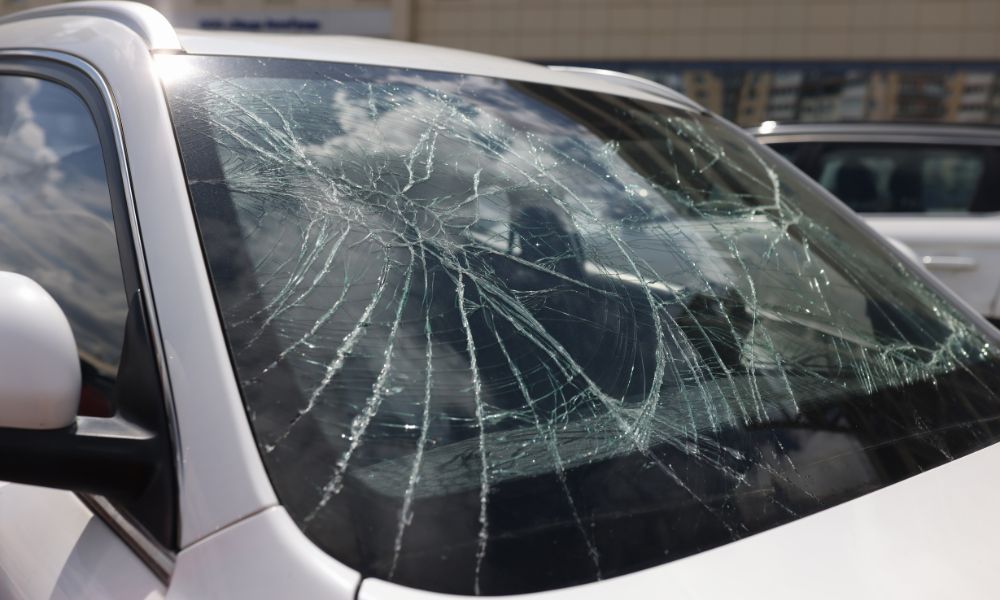
Direct hits from stones, branches, or accidents cause most glass breaks. Sharp or strong impacts make the glass crack or shatter. Window tint does not cause this damage but can sometimes hide small cracks until they grow bigger.

Credit: www.reddit.com
Studies And Expert Opinions
Many people worry if side window tint can cause glass to break. Experts and studies have explored this concern. Their findings help us understand the real risks. This section shares what research and professionals say about this topic.
Industry Research Findings
Research shows that quality window tint does not cause glass to break. Tests on tinted windows reveal no increased risk of cracking. Glass strength remains stable after tint application. Tint films are designed to flex with glass, not stress it.
Some old or poor-quality films may cause problems. These can trap heat or create pressure points. Still, such cases are rare and often due to bad installation. Most studies confirm that proper tinting is safe for side windows.
Professional Installer Insights
Installers say glass breaking after tinting is uncommon. They stress the importance of choosing the right film and applying it correctly. Experienced installers check the glass condition before tinting.
They also avoid tinting on already damaged or weak glass. Professionals use tools and techniques that prevent stress on the glass. They report few incidents of breakage linked directly to tint application.
Proper Tint Installation Tips
Proper tint installation is key to avoid glass break issues. It ensures the film sticks well and stays strong over time. Careful steps help protect your windows and give you the benefits of tint.
Following the right tips reduces the risk of damage and improves the look of your car. Correct installation also helps your tint last longer without bubbles or cracks.
Choosing Quality Film
Pick tint film from trusted brands. Cheap films can shrink or peel quickly. High-quality film is more flexible and resists cracking. It fits well on curved windows without stress. Good films block heat and UV rays better. This reduces pressure on the glass from sunlight.
Avoiding Common Errors
Clean the glass thoroughly before applying tint. Dirt or dust causes bubbles and weak spots. Cut the film carefully to fit the window size. Do not stretch the film too much. Stretching creates tension that can crack glass. Use a proper squeegee to press out air pockets. Work slowly and evenly for best results.
Maintenance For Longevity
Wait a few days before rolling down tinted windows. This lets the film bond fully with the glass. Clean tint gently with mild soap and water. Avoid sharp tools or harsh chemicals. Check edges regularly for lifting or damage. Fix small problems early to prevent glass stress. Proper care keeps tint strong and your windows safe.
When To Inspect Your Tinted Windows
Knowing when to inspect your tinted windows helps keep your car safe. Tinted windows can sometimes cause stress on the glass. This stress might lead to cracks or breaks if not caught early. Regular checks can prevent costly repairs and improve your driving experience.
Checking your tinted windows often helps spot small problems before they grow. This way, you keep your windows strong and clear.
Signs Of Potential Problems
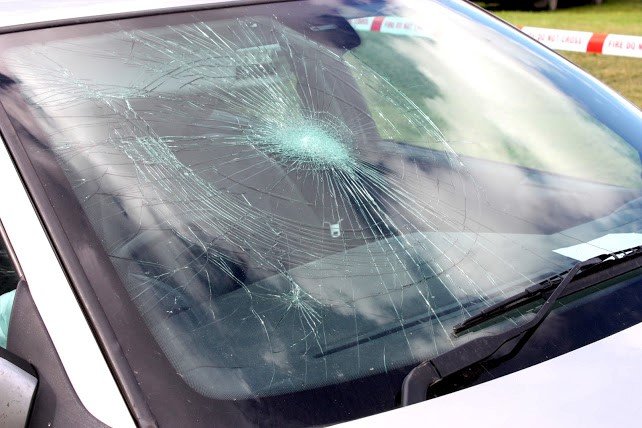
Look for small cracks or chips around the edges of the glass. Bubbles or peeling in the tint can show damage underneath. Strange noises when opening or closing doors might mean stress on the glass. Warped or cloudy tint may also point to issues. These signs suggest it is time to inspect closely.
Regular Checkup Recommendations
Inspect your tinted windows every few months. Clean the glass gently to avoid adding stress. Check for any changes after extreme weather, like heat or cold. If you notice any damage, consult a professional quickly. Routine care helps keep your windows safe and lasting longer.
Credit: www.msglassoutlet.com
Frequently Asked Questions
Can Window Tint Cause Car Glass To Break?
Window tint itself rarely causes glass to break. Poor installation or defective tint can create stress points. Extreme heat or cold may worsen this. Properly applied tint usually does not damage glass or cause breakage.
Does Heat From Tint Increase Glass Break Risk?
Tint can slightly increase heat absorption, but modern films manage heat well. Excessive heat may stress glass, especially if it has existing flaws. High-quality tint with UV protection reduces heat buildup and break risk.
Can Tint Installation Lead To Glass Damage?
Improper tint installation can trap moisture or create air bubbles. These may weaken glass over time if not corrected. Experienced professionals ensure smooth, even application to prevent damage or breakage.
How To Prevent Glass Breakage After Tinting?
Choose high-quality tint and professional installation. Regularly inspect windows for chips or cracks. Avoid sudden temperature changes which can stress glass. Proper care extends glass life after tinting.
Conclusion
Side window tint rarely causes glass to break on its own. Poor installation or low-quality tint can lead to problems. Stress from heat or impact may cause cracks, but tint itself is usually safe. Choose trusted professionals to apply tint properly.
Regularly check windows for damage or signs of wear. Protect your glass by avoiding sharp impacts and extreme heat. Tint adds comfort and style without harming your windows. Stay informed and take good care of your car glass. Safe tinting keeps your ride cool and secure.
Leave a Reply