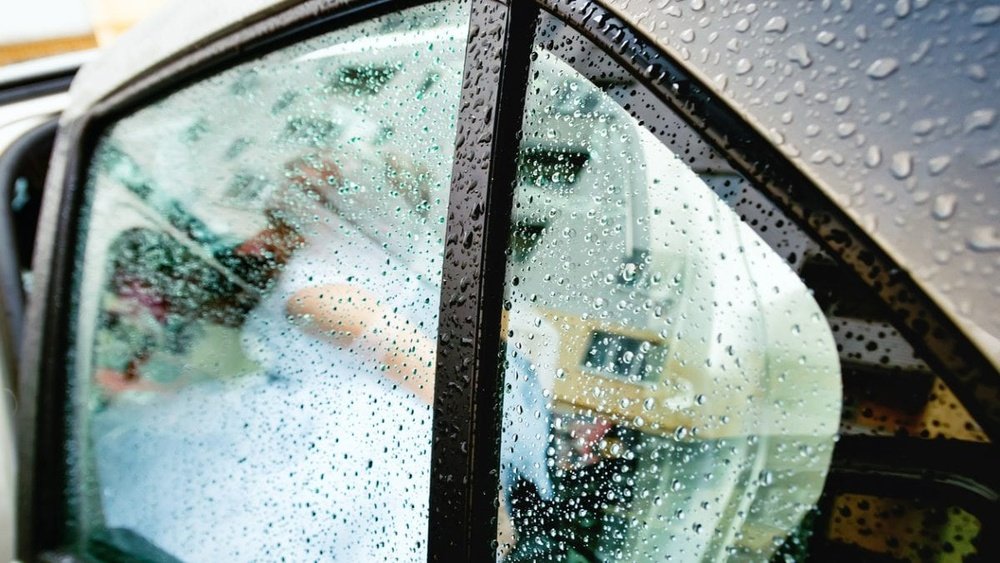
Have you ever noticed a small crack on your windshield and wondered if rain could make it worse? You might think a little water won’t cause much harm, but the truth could surprise you.
Your cracked windshield is more fragile than you realize, and something as simple as rain might speed up the damage. If you want to protect your car and avoid costly repairs, it’s important to understand exactly how rain affects that crack.
Keep reading to find out what really happens when water meets a damaged windshield—and what you should do next.
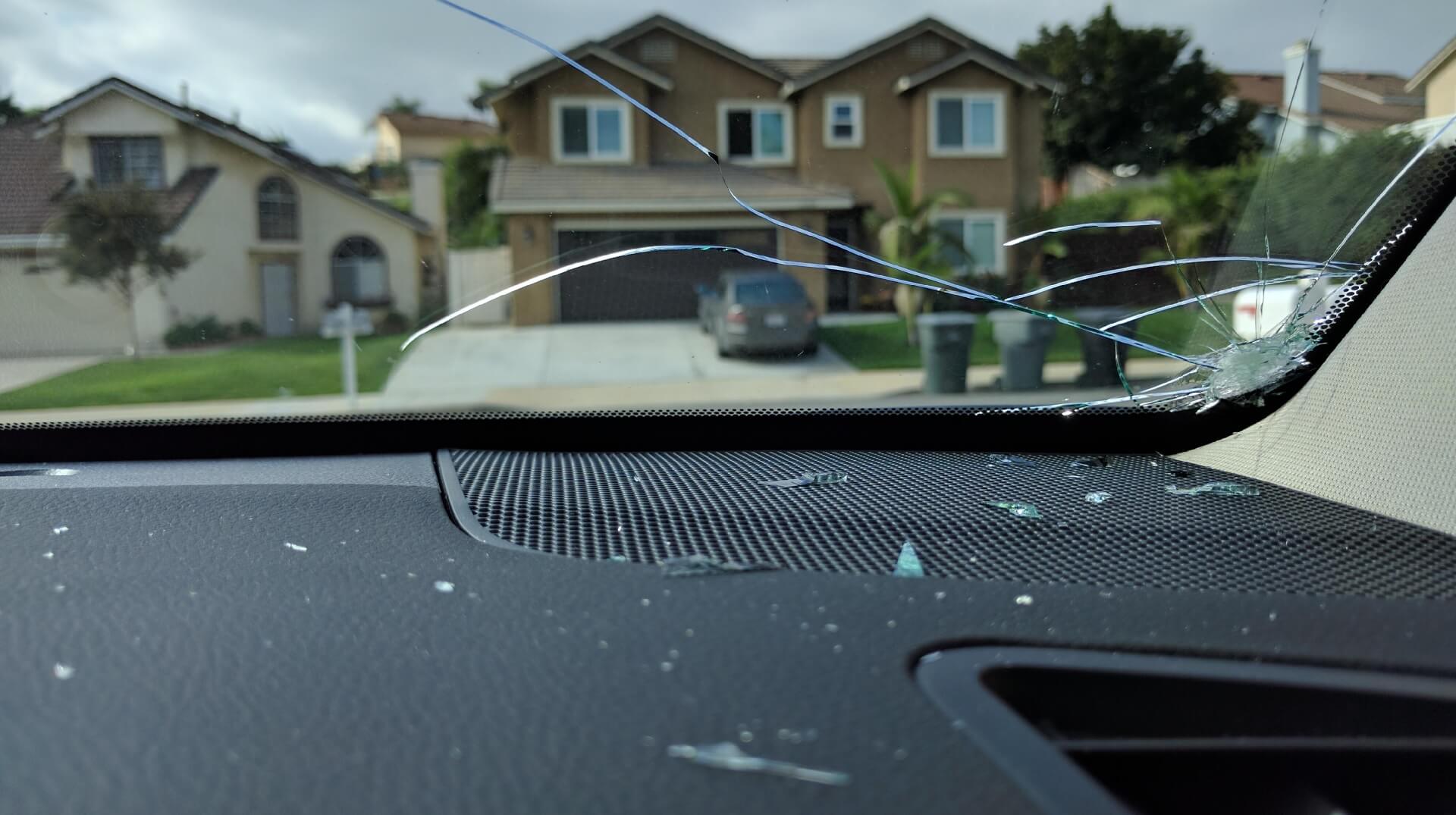
Credit: www.windshieldexperts.com
How Rain Interacts With Cracks
Rain affects cracks in a windshield in several ways. The interaction between water and cracks can make damage worse. Understanding this helps protect your windshield and avoid costly repairs.
Water Seepage And Expansion
Water seeps into tiny cracks on the glass surface. Inside these cracks, water can expand when temperatures drop. This expansion pushes the glass apart, making cracks bigger. Over time, repeated wetting and drying worsen the damage.
Effect Of Temperature Changes
Rain cools the windshield, causing the glass to contract. When the sun returns, the glass heats up and expands. These constant changes in size stress the cracked area. This stress causes cracks to grow or spread further.
Contaminants In Rainwater
Rainwater often contains dirt, dust, and chemicals. These contaminants settle inside cracks and weaken the glass. Pollutants can also cause stains and corrosion around the damaged area. This makes repair more difficult and less effective.

Credit: www.amazon.com
Risks Of Driving With A Cracked Windshield In Rain
Driving with a cracked windshield during rain brings many dangers. Water drops can blur the cracks, making it hard to see. Rain also adds pressure to the damaged glass, raising safety risks. The cracks might grow faster, leading to bigger problems on the road.
Reduced Visibility Issues
Rainwater collects in windshield cracks, distorting the driver’s view. Light reflects unevenly off the cracked surface. This reflection causes glare, making it tough to spot road signs or obstacles. Poor visibility increases chances of accidents, especially in heavy rain.
Structural Weakness And Safety Concerns
A cracked windshield loses strength. Rain adds weight and pressure to the glass. This weak glass may shatter more easily during sudden stops or collisions. The windshield protects you from flying debris and keeps the car’s roof stable. A damaged windshield fails to do these jobs well.
Potential For Crack Growth
Water seeps into cracks, making them worse over time. Temperature changes from rain can cause the glass to expand and contract. This movement spreads cracks quickly. Driving in rain puts extra stress on the windshield, helping cracks grow larger and deeper.
Myths About Rain And Windshield Damage
Many people worry about rain making cracks in windshields worse. Some think rain alone can break glass further. These ideas cause confusion and fear. It helps to clear up what is true and what is not.
Rain Alone Can’t Cause New Cracks
Rain is just water falling on glass. Water itself does not create new cracks. Cracks form from strong forces or impacts. Temperature changes can make cracks bigger, not rain. Wet glass does not suddenly break without other reasons.
Common Misconceptions Debunked
Some believe rain pressure can split glass. This is not true. The pressure of rain drops is too light to harm glass. Another myth says rain seeps into cracks and breaks glass. Water can enter cracks but does not cause breaking alone. Cracks grow mainly from stress, heat, or impacts, not water.
Preventing Further Damage
Rain can make a cracked windshield worse if you do not act fast. Water seeps into cracks and causes them to grow. Dirt and debris also enter, making damage deeper and harder to fix. Stopping this damage early saves money and keeps your car safe.
Immediate Temporary Fixes
Cover the crack with clear tape or a plastic sheet. This blocks water from entering the crack. Avoid using colored tape or stickers that can block your view. Dry the area before applying the tape for better hold. Do not try to drive fast or on rough roads until fixed.
When To Seek Professional Repair
Look for a windshield expert if the crack grows or spreads. Small chips under the size of a dollar can often be repaired. Large cracks or deep damage need full windshield replacement. Professionals use special tools to stop cracks from spreading. Early repair is cheaper and safer than waiting.
Tips For Windshield Maintenance In Wet Conditions
Keep your windshield clean to avoid dirt filling cracks. Use wipers regularly and change blades if they leave streaks. Park your car in covered areas to reduce rain exposure. Avoid sudden temperature changes; hot water on a cold windshield can cause more cracks. Check your windshield often during rainy seasons.
Long-term Impact Of Ignoring Cracks
Ignoring cracks on a windshield can cause serious problems over time. Small damage may seem harmless now but can grow larger. Rain, temperature changes, and road vibrations push cracks to spread. This leads to bigger issues that cost more and risk safety.
Cost Implications
Cracks often start small but get bigger quickly. Repairing a small chip costs less than replacing the whole windshield. Ignoring cracks means facing a full replacement later. Replacement is expensive and takes more time. Repairing early saves money and avoids extra costs.
Safety Risks Over Time
A cracked windshield is weaker and less safe. Cracks reduce the glass strength and visibility. Rain makes cracks harder to see and can distract drivers. Larger cracks may shatter in an accident. This puts passengers at greater risk of injury.
Insurance Considerations
Insurance may cover small repairs but not full replacements. Some policies require quick action to keep coverage. Delaying repair might lead to denied claims. Reporting damage early helps protect your rights. Keep records and photos for insurance purposes.
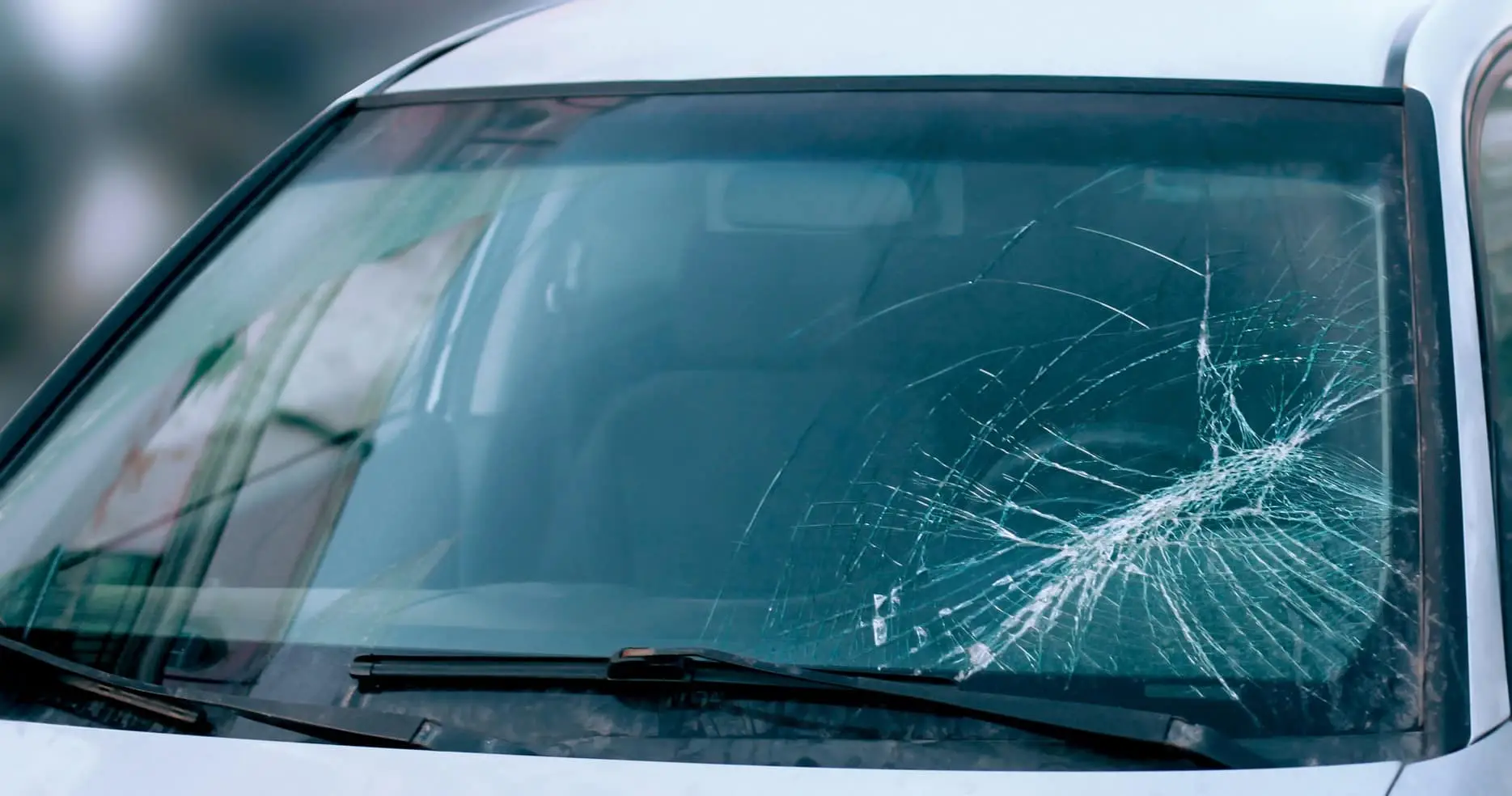
Credit: www.treasurecoastlexus.com
Frequently Asked Questions
Can Rain Worsen A Cracked Windshield?
Yes, rain can worsen a cracked windshield by seeping into the crack. Water causes expansion and increases damage. Over time, this can lead to a larger crack and costly repairs.
Does Temperature Change Affect A Cracked Windshield In Rain?
Yes, temperature changes during rain can cause the glass to expand and contract. This stress worsens the crack and may cause it to spread faster.
Should I Avoid Driving In Rain With A Cracked Windshield?
It’s best to avoid driving in heavy rain with a cracked windshield. Reduced visibility and weakened glass increase safety risks. Repair or replace the windshield promptly.
Can Rainwater Cause Interior Damage Through A Cracked Windshield?
Yes, rainwater can leak through a cracked windshield and damage the car interior. Water may harm electronics, upholstery, and cause mold growth inside the vehicle.
Conclusion
Rain can make a cracked windshield worse over time. Water seeps into cracks and causes damage inside the glass. Small cracks may grow larger, making driving unsafe. Fixing cracks quickly helps keep your windshield strong. Avoid waiting, as rain and weather make cracks spread.
Taking care of your windshield protects you and your car. Stay safe by checking and repairing cracks soon. Don’t let rain turn a small crack into a big problem.
Leave a Reply