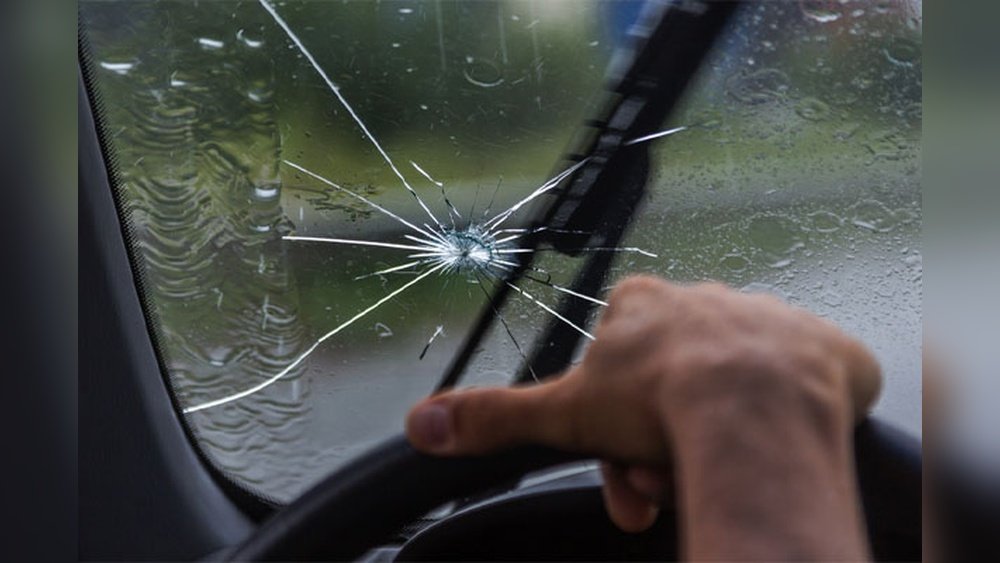
Have you ever hit a pothole and noticed a small chip on your windshield suddenly getting worse? It might seem like just a minor crack at first, but potholes can actually make that damage spread faster than you think.
If you care about keeping your windshield strong and safe, understanding how potholes affect those tiny chips is important. Keep reading to find out why that little crack could turn into a big problem and what you can do to protect your glass—and your wallet.
How Potholes Impact Windshields
Potholes pose a serious threat to your vehicle’s windshield. The sudden jolt from hitting a pothole creates strong forces on the glass. These forces can worsen existing chips or cracks. Even small damage can spread quickly after a harsh impact.
Understanding how potholes affect windshields helps you protect your car. It also shows why quick repairs are important to avoid costly replacements.
Force And Vibration Effects
Hitting a pothole sends shock waves through your car. The windshield absorbs much of this force. Vibrations shake the glass and stress weak spots. This makes cracks grow and chips spread faster. The glass becomes less stable and more likely to fail.
Repeated impacts increase damage over time. The force may seem small, but it adds up. Even a tiny chip can turn into a large crack from these vibrations.
Common Damage Types
Windshield damage from potholes often starts as chips or small cracks. These include bullseye chips, star cracks, and long fissures. The pothole’s impact causes cracks to branch out quickly. Sometimes, the glass can shatter if the damage is severe.
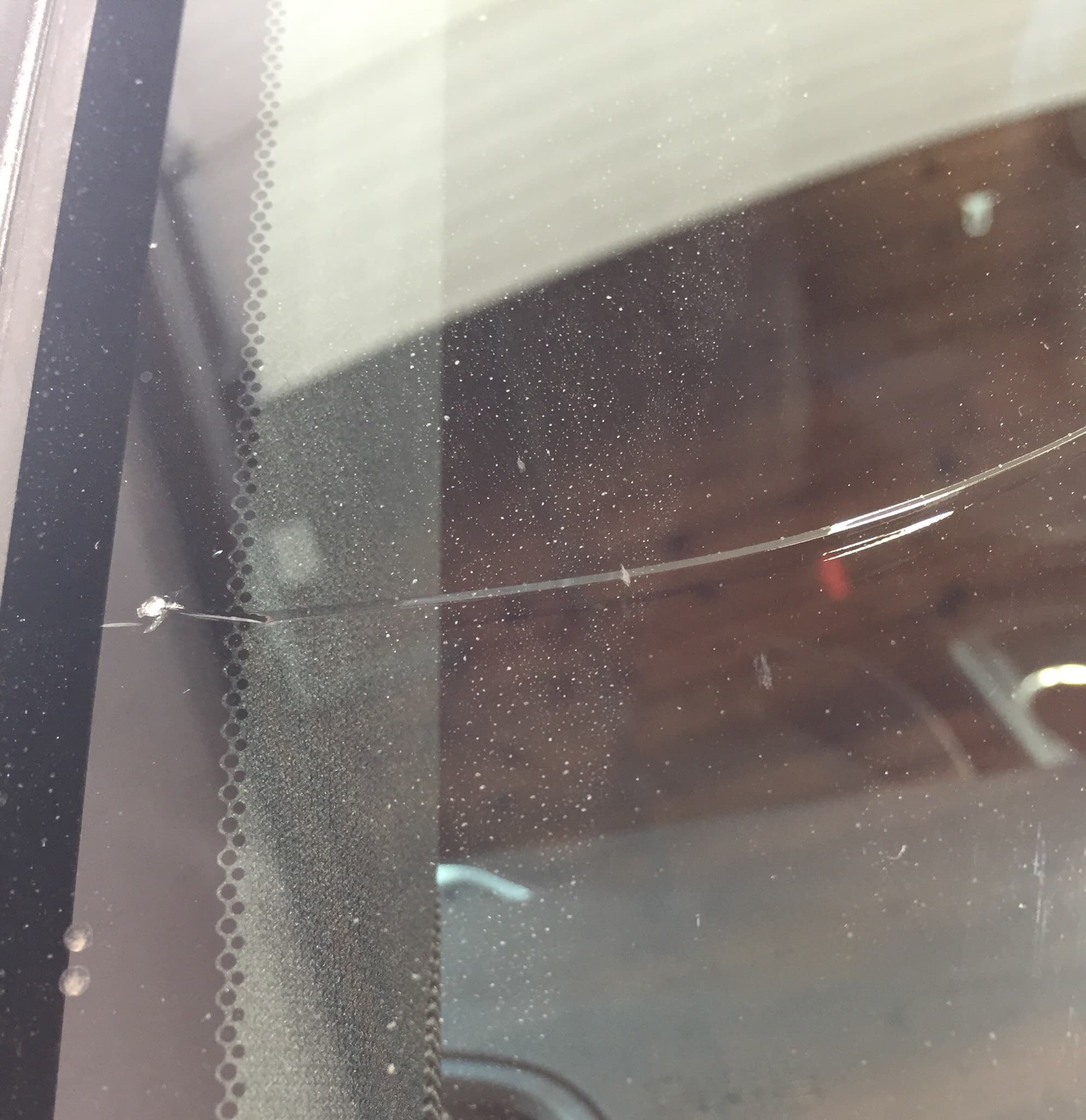
Damage near the edges of the windshield is most common. These spots are weaker and more vulnerable. Repairing chips early prevents cracks and avoids full windshield replacement.
Why Chips Spread After Hitting Potholes
Potholes cause sudden jolts to your car. These jolts worsen small chips on your windshield. Tiny cracks can quickly turn into large, dangerous cracks. Understanding why chips spread after hitting potholes helps protect your windshield. Several factors cause the damage to grow fast.
Stress Concentration On Cracks
Chips create weak spots on the glass. The impact from potholes puts extra force on these spots. Stress gathers around the chip edges. This pressure causes the cracks to lengthen and widen. The more stress, the faster the chip spreads. Even small bumps can worsen the damage.
Temperature And Pressure Factors
Heat and cold affect windshield glass differently. Hot weather makes glass expand. Cold weather causes it to shrink. These changes put pressure on chips and cracks. Driving over potholes adds sudden pressure shifts. This combination causes chips to spread quickly. Temperature swings make existing cracks fragile.
Signs Your Windshield Chip Is Worsening
Knowing the signs that your windshield chip is worsening helps protect your safety. Small chips can quickly turn into big cracks. These cracks weaken the glass and make driving risky. Watch for clear signals that the damage is growing. Act fast to avoid costly repairs or windshield replacement.
Visible Crack Expansion
One clear sign is the chip turning into a crack. The crack may stretch across the windshield. It can grow longer or wider over time. Temperature changes and road bumps often speed up this process. Check your windshield regularly for new lines or spreading damage.
Changes In Driving Safety
Worsening chips can blur your view while driving. Cracks near the driver’s line of sight cause distractions. Small impacts may cause the glass to weaken or shatter more easily. Notice any strange noises or vibrations in the windshield. These are warnings that the chip has become dangerous.

Credit: only1autoglass.com
Preventing Chip Spread From Road Hazards
Preventing chip spread from road hazards protects your windshield and saves money. Small chips can grow larger from impacts. Potholes and rough roads add stress to the glass. Taking steps to limit damage keeps your windshield strong and clear.
Safe Driving Tips On Rough Roads
Drive slowly over potholes and rough patches. Slower speeds reduce shock to your windshield. Keep a safe distance from vehicles ahead to avoid flying debris. Avoid sudden stops and sharp turns on uneven surfaces. These habits lower the chance of chip spread.
Timely Repairs And Maintenance
Fix chips as soon as possible to prevent cracks. Small repairs stop damage from growing larger. Inspect your windshield regularly for new chips or cracks. Use windshield repair kits or visit a professional. Regular maintenance extends your windshield’s life and keeps visibility clear.
Repair Options For Windshield Chips
Repairing a windshield chip quickly can prevent it from growing larger. Several repair options exist, ranging from simple do-it-yourself fixes to professional services. Choosing the right method depends on the chip’s size, location, and severity. Understanding these options helps protect your windshield and save money.
Diy Fixes Vs Professional Services
DIY kits are available at many auto stores. They include resin and tools to fill small chips. These kits work best for tiny chips less than an inch. They can stop cracks from spreading temporarily. But DIY fixes may not fully restore the glass strength. Mistakes in application can cause bubbles or poor adhesion.
Professional services use advanced tools and high-quality resin. Experts inject resin that bonds well with the glass. They can handle larger or deeper chips. Professionals also polish the repaired area for a smooth finish. Their work lasts longer and maintains windshield safety. Professionals often offer warranties on repairs.
When To Replace The Windshield
Some damage is too severe for repair. Large cracks over 6 inches usually require replacement. Chips near the edges weaken the glass structure. Multiple chips or long cracks also mean replacement is safer. Replacing the windshield restores full strength and visibility. It prevents accidents caused by shattered glass.
Regularly inspect your windshield after hitting potholes. Early detection helps choose repair before replacement is necessary. Consult a professional for advice on the best option.
Credit: dynamorepair.ca

Credit: www.autoglassnow.com
Frequently Asked Questions
Can Potholes Cause Windshield Chips To Spread?
Yes, hitting potholes can worsen windshield chips. The sudden impact creates vibrations that expand existing cracks or chips quickly.
How Quickly Can A Chip Spread After Hitting A Pothole?
A chip can spread within hours or days after impact. The stress from potholes weakens the glass integrity, causing cracks to grow fast.
Does Driving Over Potholes Increase Windshield Damage Risk?
Driving over potholes increases windshield damage risk significantly. The force from potholes stresses the glass, making chips more likely to turn into large cracks.
Can A Small Chip Turn Into A Crack From Potholes?
Yes, small chips can turn into cracks due to pothole impacts. The shock causes chips to expand and compromise windshield safety.
Conclusion
Potholes can make windshield chips worse over time. Driving over rough roads puts extra stress on the glass. Small chips can grow into bigger cracks fast. Fixing chips early helps avoid costly windshield repairs. Watch out for potholes to protect your car’s glass.
Stay safe by checking your windshield after rough drives. Simple care can keep your windshield clear and strong. Don’t wait until a chip turns into a big problem.
Leave a Reply