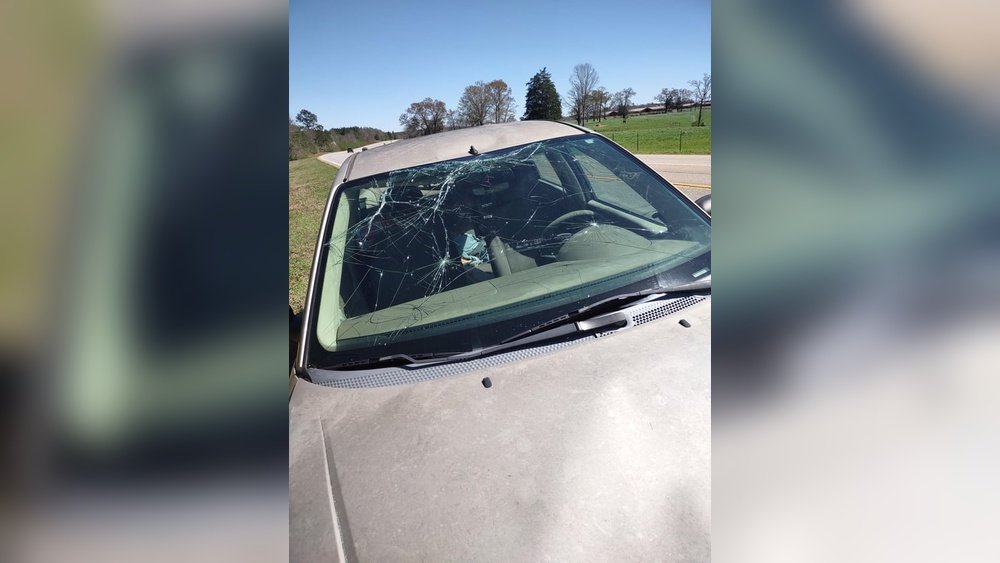
Have you ever noticed a crack spreading across your windshield and wondered, “Can the police actually give me a ticket for this?” It’s a common question that many drivers overlook until they’re pulled over. Your windshield is more than just glass—it’s a crucial part of your safety and your car’s legal condition.
Ignoring a crack might seem harmless now, but it could cost you more than you think. Keep reading to find out when a cracked windshield can land you a ticket and what you can do to avoid unexpected fines. This knowledge could save you time, money, and hassle on the road.
Credit: www.gerbercollision.com
Legal Limits On Windshield Damage
Windshield damage can affect your safety and may lead to legal issues. Different places have rules about how much damage is allowed on a windshield. These rules help make sure your view while driving stays clear and safe. Understanding these legal limits can help you avoid fines and keep your car roadworthy.
Cracks and chips in a windshield are not always illegal. The size, location, and depth of the damage matter. Police officers check these factors to decide if a ticket is necessary. Knowing the laws can help you fix problems before they cause trouble.
State Laws And Regulations
Each state sets its own rules for windshield damage. Some states allow small chips or cracks as long as they do not block the driver’s view. Other states have strict limits on damage size, often under three inches. Many states require drivers to repair or replace windshields if the damage is near the edges or in the driver’s line of sight. Police officers use these rules to determine if your windshield is safe or if you should be ticketed.
Federal Standards For Windshields
The federal government has minimum safety standards for windshields. These standards focus on glass strength and visibility. Windshields must be made of laminated safety glass to reduce injury risk in crashes. The glass must not have defects that block or distort the driver’s view. While federal rules set the baseline, states can enforce stricter limits. This ensures your windshield meets basic safety needs while fitting local requirements.
When Police Can Issue Tickets
Police can issue tickets for cracked windshields under certain conditions. The main concern is safety on the road. Cracks can block the driver’s view or weaken the glass. Officers check how the crack affects driving before deciding to ticket.
Not every crack leads to a ticket. The size and location of the damage matter a lot. Laws may differ by state, but safety is the common rule.
Visibility And Safety Concerns
Police focus on whether the crack blocks the driver’s vision. A crack right in front of the driver’s seat is a big problem. It can hide other cars, signs, or pedestrians. This creates a risk of accidents. If the crack makes it hard to see, officers can issue a ticket.
Small cracks on the edges usually don’t cause tickets. They do not affect the driver’s line of sight. Officers look for clear danger before taking action.
Location And Size Of The Crack
The crack’s location on the windshield is key for police decisions. Cracks near the center or driver’s side are more serious. They interfere with safe driving and get more attention.
Size matters too. Large cracks or long chips weaken the glass. They can cause the windshield to break easily in a crash. This risk can lead police to issue a ticket. Small cracks under a few inches often do not.
Types Of Windshield Cracks
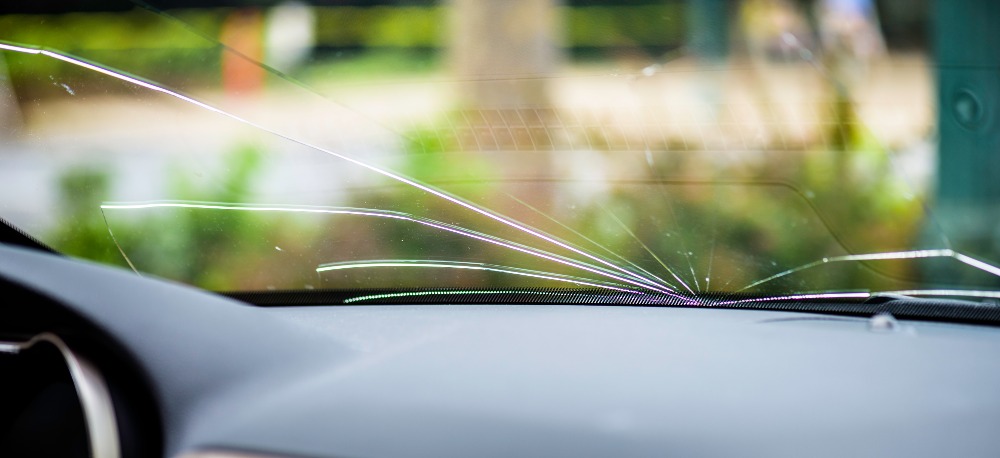
Windshields can crack in different ways. Understanding the types of cracks helps you know when a repair is urgent. Some cracks are small and easy to fix. Others can grow fast and block your view.
Knowing the type of crack also helps you avoid getting a ticket. Police may ticket drivers if the crack stops them from seeing clearly. Let’s explore the main types of windshield cracks.
Chips And Bullseyes
Chips are small, round marks on the glass. A bullseye looks like a circle with a dark center. These cracks happen from rocks or debris hitting the windshield. Chips are usually less than an inch wide. They often do not spread quickly but need repair soon.
Cracks And Stars
Cracks are long, thin lines on the glass. They can be straight or curved. Star cracks look like a small star with many lines coming from one point. These cracks can grow fast, especially in cold or hot weather. Cracks over six inches may cause a ticket.
Combination Breaks
Combination breaks mix chips, bullseyes, cracks, and stars. They are the most complex damage type. These breaks often spread quickly and block vision. Police are more likely to ticket drivers with combination breaks. Immediate repair or replacement is usually needed.
Consequences Of Driving With A Cracked Windshield
Driving with a cracked windshield can cause many problems. It is not just about looks. The crack can block your view and make driving unsafe. Authorities treat this issue seriously. There are several consequences that you might face if you keep driving with a damaged windshield.
Traffic Fines And Penalties
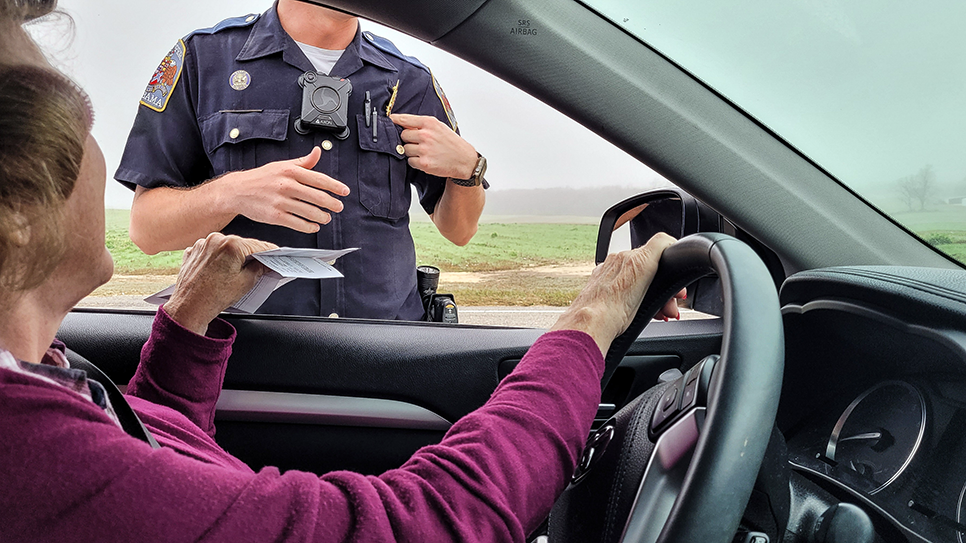
Police officers can stop you and give a ticket for a cracked windshield. The size and location of the crack matter. If the crack blocks your view, the fine can be higher. Tickets often come with penalties that affect your driving record. Repeated offenses may lead to more severe punishments.
Impact On Vehicle Inspection
Many states require regular vehicle inspections. A cracked windshield might cause your car to fail the test. The crack can be seen as a safety hazard during inspection. Failing means you cannot legally drive until the glass is fixed. This delay could cause inconvenience and extra costs.
Insurance Implications
Insurance companies notice windshield damage too. Some may refuse to pay for accidents if the crack contributed to the crash. Others might increase your premium because of the risk. Fixing small cracks quickly can help avoid insurance problems. It keeps your coverage valid and your costs low.
Preventing Tickets For Windshield Damage
Preventing tickets for windshield damage starts with understanding the rules. Many states have laws against driving with a cracked or damaged windshield. Police officers can issue tickets if cracks block your view or affect your car’s safety. Taking simple steps can help you avoid fines and keep your windshield safe.
Regular Inspections
Check your windshield often for cracks and chips. Small cracks can grow quickly due to weather and road conditions. Look for any damage that might block your view while driving. Regular inspections help catch problems early. Catching damage early can prevent tickets and more costly repairs later.
Timely Repairs And Replacements
Fix cracks as soon as you notice them. Many small chips can be repaired without replacing the whole windshield. Repair kits are available, or visit a professional for help. If the damage is too big, replace the windshield promptly. Driving with a damaged windshield risks safety and can lead to fines.

Credit: www.reddit.com
Common Myths About Windshield Tickets
Many drivers believe false ideas about cracked windshields and tickets. These myths cause confusion and unsafe choices. Understanding the truth helps keep your car legal and safe. Let’s clear up some common myths about windshield tickets.
Minor Cracks Always Safe
Small cracks might seem harmless. Some think they never cause problems. Police can still issue tickets for minor cracks. Even tiny cracks can affect your view. Safety is the main concern for officers. Fixing cracks early prevents bigger issues. Don’t wait until the crack grows.
Cracks Only Matter In Winter
Many believe cracks are only a problem in winter. Cold weather can worsen cracks, but they are always a risk. Heat and vibrations can also damage your windshield. Cracks reduce glass strength all year. Police check for cracks anytime. Keep your windshield clear and safe in every season.
Credit: precisionautoglass.biz
Frequently Asked Questions
Can Police Issue Tickets For Cracked Windshields?
Yes, police can ticket vehicles with cracked windshields if the damage obstructs the driver’s view or violates local laws.
When Does A Cracked Windshield Become Illegal?
A cracked windshield is illegal when it impairs visibility or compromises safety according to state or local regulations.
How Much Is A Ticket For A Cracked Windshield?
Ticket fines vary by location but typically range from $50 to $200, depending on the severity and local laws.
Can A Cracked Windshield Cause A Failed Vehicle Inspection?
Yes, many states consider significant windshield damage a safety hazard, leading to failed vehicle safety inspections.
Conclusion
Police can issue a ticket for a cracked windshield in many places. Cracks can block your view and make driving unsafe. Fixing or replacing the windshield quickly helps avoid fines. Small cracks can turn into big problems if ignored. Stay safe by keeping your windshield clear and intact.
Check your local laws to know the rules. Driving with a damaged windshield is risky and might cost you. Keep your car in good shape and follow traffic laws. Simple steps prevent tickets and keep you safe on the road.
Leave a Reply