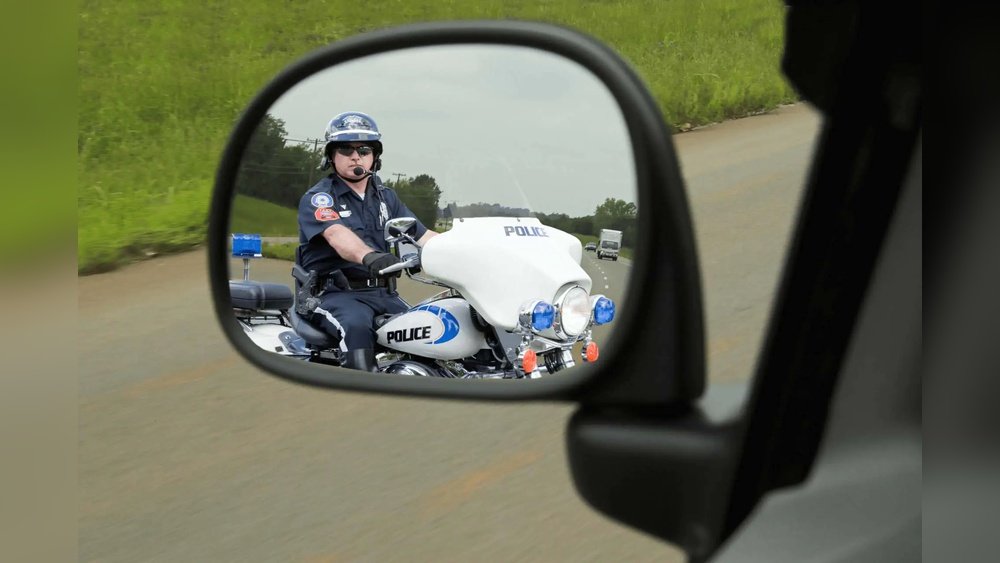
Have you ever wondered if the police can pull you over just because of your car’s glass? Maybe you didn’t think your windshield or windows could cause trouble.
But the truth is, unsafe glass can be more than a small issue—it can put you at risk and catch the attention of law enforcement. You’ll discover exactly when and why police can stop you for unsafe glass. Knowing this could save you from unexpected fines or even accidents.
Keep reading to protect yourself and your vehicle on the road.
Credit: www.askadamskutner.com
When Police Can Stop You
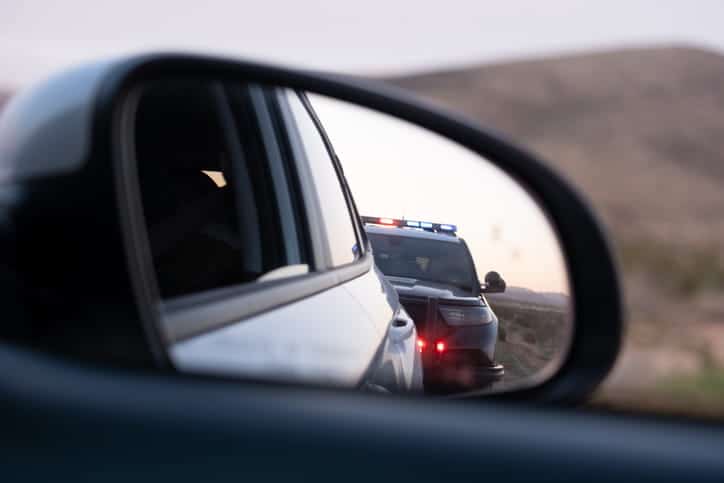
Police have the authority to stop drivers for various safety concerns. Unsafe glass on your vehicle can be one reason for a traffic stop. Understanding when police can stop you helps you stay aware and prepared during a drive.
Legal Grounds For Traffic Stops
Police need a valid reason to stop your vehicle. Unsafe glass is one such reason if it affects your visibility. Cracks, chips, or missing glass can be seen as safety hazards. Officers must believe the glass condition breaks traffic laws. They can then pull you over to inspect the issue. This stop is legal and meant to protect all road users.
Signs Of Unsafe Glass
Police watch for visible damage on your vehicle’s glass. Large cracks or shattered windows catch their attention quickly. Tinted glass that is too dark or peeling can also cause stops. Missing or loose glass parts are dangerous and illegal. Obstructed views from damaged glass pose risks to drivers and others. Police use these signs to justify a traffic stop and ensure road safety.
Types Of Unsafe Glass Issues
Unsafe glass in vehicles can cause serious problems on the road. Police watch for certain issues that can make glass unsafe. These problems can affect your safety and visibility while driving. Understanding these types helps you stay safe and avoid fines.
Cracks And Chips
Cracks and chips weaken the glass structure. Small cracks can grow quickly with heat or bumps. Even tiny chips can block the driver’s view. Police may stop you if cracks are large or block vision. Fixing cracks early can prevent accidents and tickets.
Tinting Violations
Window tinting reduces glare and heat inside the car. But too dark tinting is unsafe and often illegal. It can stop police from seeing inside your vehicle. Different states have rules about how dark tint can be. Illegal tinting can lead to fines and stops by police.
Obstructed Views
Objects on or around the glass can block your view. Stickers, dirt, or decorations on the windshield can be dangerous. Rearview mirrors or hanging items can also block vision. Police may stop drivers if views are obstructed. Clear glass helps keep you and others safe.
Your Rights During A Traffic Stop
Knowing your rights during a traffic stop helps you stay calm and safe. Police officers have the authority to stop you for unsafe glass on your vehicle. This could include cracked windows or tint that blocks too much light. Understanding what to do and say protects your rights and keeps the encounter smooth.
Responding To Officer’s Questions
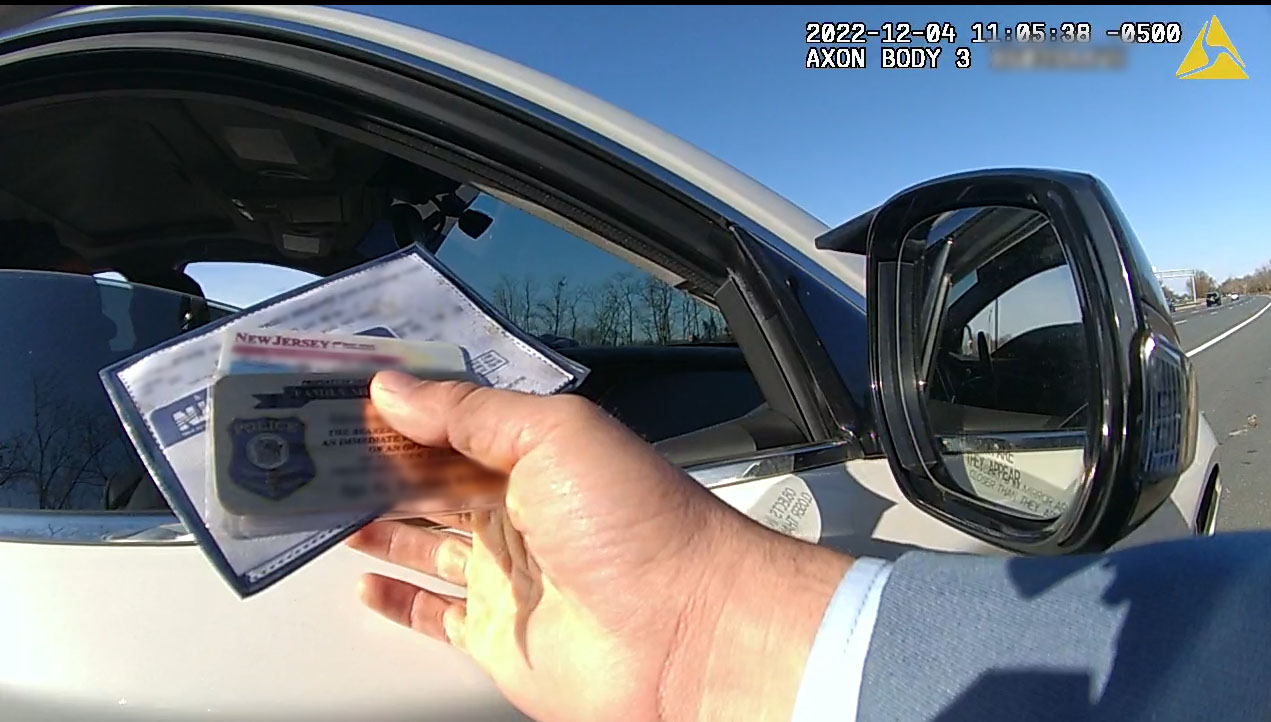
Answer questions politely and clearly. You must provide your driver’s license, registration, and proof of insurance. You do not have to answer other questions about where you are going or what you are doing. Keep your answers short and simple. Saying too much can sometimes cause confusion or suspicion.
Handling Searches And Inspections
Officers may ask to inspect your vehicle for unsafe glass. You can say no to a search without a warrant or your permission. If the officer has a warrant or probable cause, they can search your car. Stay calm and do not resist. Tell the officer you do not consent to the search but comply with their requests.

Credit: www.mattbodmanlaw.com
Consequences Of Unsafe Glass
Unsafe glass on a vehicle can lead to serious trouble. Police treat it as a safety risk. This means drivers face strict consequences. These rules protect everyone on the road. Understanding these consequences helps you avoid fines and other problems.
Fines And Penalties
Police can issue fines for unsafe glass violations. The amount varies by state and severity. Small cracks or excessive tint can trigger a ticket. Paying fines promptly avoids extra charges. Repeat offenses may lead to higher penalties.
Vehicle Impoundment
In some cases, police may impound the vehicle. This happens if the glass issue is severe. Driving with unsafe glass risks accidents. Police may hold your car until repairs are done. This step ensures road safety for everyone.
Impact On Driving Record
Unsafe glass violations can affect your driving record. Points may be added, raising insurance costs. A poor record can lead to license suspension. Keeping your glass safe helps maintain a clean record. This protects your driving privileges long term.
How To Avoid Issues With Glass
Keeping your car’s glass safe and legal helps avoid police stops. Police check for glass that blocks vision or breaks safety rules. Taking care of your glass ensures smooth driving and fewer troubles. Follow simple steps to keep your glass in good shape and meet the law.
Regular Maintenance Tips
Check your glass often for cracks or chips. Small damage can grow and cause bigger problems. Clean the glass with soft cloths and mild cleaners. Avoid harsh chemicals that can damage the surface. Replace damaged glass quickly to keep safety high. Inspect seals around windows to stop leaks and fog. Clear glass improves your view and keeps you safe.
Legal Tinting Standards
Know your state’s rules on window tint darkness. Too dark tint can block police view and cause stops. Use tint films approved by local laws. Keep documentation of tint approval in your vehicle. Avoid covering front windshield with tint except allowed strips. Follow rules for side and rear windows carefully. Proper tint keeps your car legal and protects you from fines.
What To Do If You Disagree With The Stop
Disagreeing with a police stop for unsafe glass can feel unfair. Knowing the right steps helps protect your rights. Stay calm and follow these actions to handle the situation properly.
Filing Complaints
Write down details about the stop while they are fresh. Include officer names, badge numbers, and exact time. Visit the police department’s website or office to submit a formal complaint. Keep copies of all documents and communications. Complaints help hold officers accountable for improper stops.
Seeking Legal Advice
Talk to a lawyer experienced in traffic or civil rights law. They can review your case and explain your options. Legal advice guides you on the best way to respond. A lawyer may help challenge the stop or any fines. Acting quickly is important to protect your rights.
Credit: www.nj.gov
Frequently Asked Questions
Can Police Stop You For Unsafe Glass On Your Vehicle?
Yes, police can stop you if your vehicle’s glass is unsafe. Unsafe glass can impair visibility and pose safety risks. Officers ensure compliance with vehicle safety laws to protect all road users.
What Defines Unsafe Glass In Traffic Laws?
Unsafe glass usually means cracks, excessive tint, or damage that reduces driver visibility. Laws vary by state but focus on safety and clear vision.
Are There Legal Limits On Window Tint Darkness?
Yes, most states set specific limits on window tint darkness and reflectivity. Exceeding these limits can lead to stops and fines.
What Should I Do If Stopped For Unsafe Glass?
Stay calm and cooperate with the officer. Provide vehicle documents and explain if you plan to fix the issue promptly.
Conclusion
Police can stop you for unsafe glass on your vehicle. Clear windows help officers see inside and keep everyone safe. Tinted or damaged glass may raise concerns during a traffic stop. Laws about glass safety vary by location, so know your area’s rules.
Keep your windows clean and undamaged to avoid trouble. Staying safe on the road is important for all drivers. Remember, safe glass means safer driving for you and others. Always check your vehicle’s glass before hitting the road.
Leave a Reply