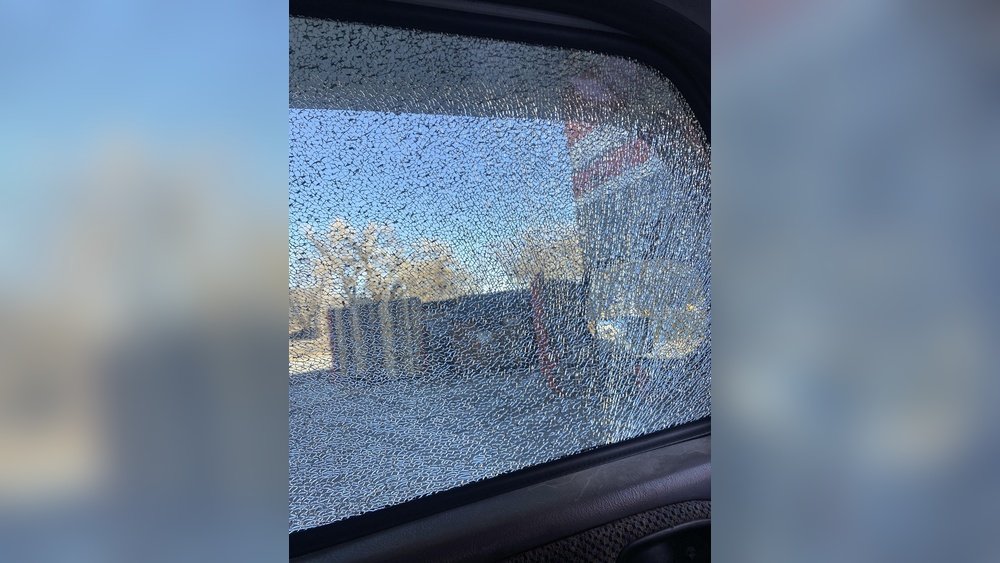
Have you ever wondered if driving with a broken side window could make things worse? It’s a question many car owners face when accidents or damage happen unexpectedly.
You might think it’s okay to keep going, but the truth could surprise you. Understanding what happens when you drive with a cracked or shattered window can save you from bigger problems and costly repairs. Keep reading to discover how your actions behind the wheel might affect that broken side window—and what you should do to protect your car and yourself.

Credit: www.reddit.com
How Side Windows Break
Side windows in cars can break in several ways. The damage might start small but can grow larger quickly. Driving with a broken side window can make the damage worse. Understanding how side windows break helps you protect them better.
Side windows are made to be strong, but sharp hits or pressure can cause cracks. Even small chips can spread while driving. The vibrations and wind pressure push the cracks to grow. This makes the window weaker and more likely to shatter.
Common Causes Of Window Damage
Flying stones and debris from the road hit the side windows often. This can chip or crack the glass. Car accidents and door impacts cause bigger breaks. Sudden temperature changes also stress the glass and lead to cracks. Sometimes, faulty window seals let water in, which can damage the glass edges over time.
Types Of Side Window Glass
Most side windows use tempered glass. It breaks into small, less dangerous pieces. This glass is strong but can shatter with sharp or strong impacts. Some cars use laminated glass for side windows. This glass holds together even if cracked. It has a plastic layer inside that keeps the glass stuck. This type is harder to break but still can be damaged.

Credit: www.trucknews.com
Effects Of Driving With A Broken Side Window
Driving with a broken side window can cause many problems. It affects the car’s safety and comfort. Understanding these effects helps you avoid bigger issues. Here are the main effects of driving with a broken side window.
Increased Risk Of Further Damage
A cracked or broken window is weak. Driving causes vibrations and wind pressure. These forces can make the crack grow larger. Small cracks can turn into big breaks quickly. The window may shatter completely while driving. This damage is costly to fix and dangerous.
Exposure To Weather Elements
A broken window lets rain, wind, and dust enter the car. Rain can soak the seats and floor. Wind creates loud noises and makes the ride uncomfortable. Dust and dirt can cause allergies or breathing problems. Weather exposure can also damage the car’s interior over time.
Safety Hazards For Drivers And Passengers
Broken windows reduce protection during accidents. Sharp glass edges can cause cuts and injuries. Strong wind can distract the driver and reduce focus. Loose glass pieces may fall inside the car. Driving with broken windows puts everyone’s safety at risk.
Mechanical Impact Of Driving On Broken Windows
Driving with a broken side window can cause more damage than it seems. The movement of the car creates forces that stress the already fragile glass. Each bump and turn adds pressure, which can worsen cracks or chips. Understanding these mechanical effects helps explain why it is risky to drive with broken windows.
Small cracks may spread quickly during driving. The window’s structure weakens further, increasing the chance of shattering. This process happens because of constant motion and outside forces acting on the glass.
Vibrations And Road Conditions
Car vibrations shake the broken glass with every mile. Rough roads make vibrations stronger. Potholes, bumps, and uneven surfaces cause sudden jolts. These jolts put extra strain on cracks.
Repeated shaking loosens the glass edges. Tiny cracks grow and connect, forming larger breaks. Even smooth roads cause some vibration, slowly damaging the window over time.
Wind Pressure And Noise Issues
Wind pressure hits the broken window during driving. At high speeds, the air pushes hard on the glass. This force can widen cracks or dislodge loose pieces.
Broken windows also let wind noise into the car. The noise distracts drivers and passengers. It can cause discomfort and reduce focus. The pressure from wind may cause the glass to rattle or vibrate, increasing damage risks.
Legal And Insurance Implications
Driving with a broken side window has legal and insurance consequences. It is not just about safety but also the law and your insurance coverage. Understanding these rules helps avoid fines and claim issues. Keep your vehicle legal and protected on the road.
Traffic Laws About Broken Windows
Many states have laws against driving with broken windows. These rules focus on safety and visibility. A broken side window may block your view or distract other drivers. Police can stop you and issue a ticket for this. Some places require you to fix the window quickly. Others may allow limited time to repair. Always check your local laws to avoid trouble.
Insurance Claims And Coverage
Insurance can cover damage to a broken side window. It depends on your policy type and cause of damage. Comprehensive coverage often pays for glass repairs. Collision coverage may not cover glass unless hit by another car. Reporting damage quickly helps with your claim process. Delaying repairs might reduce your chances of full coverage. Keep all documents and photos when filing claims. This makes the process smoother and faster.
Immediate Actions To Take After Window Damage
Driving with a broken side window can cause more damage to your car. Taking quick action after the window breaks is very important. This helps protect you from weather and keeps your car safe. Follow simple steps to reduce risks and prevent the damage from getting worse.
Temporary Fixes For Broken Windows
Cover the broken window with plastic or tape to block rain and wind. Use strong tape like duct tape for better hold. Clean the window frame before applying any cover. Avoid driving fast or on rough roads to keep the cover in place. These fixes help keep dirt and water out until you can get a repair.
When To Seek Professional Repair
Get professional help as soon as possible. A small crack can grow bigger if ignored. Experts can safely remove broken glass and install new windows. Driving with a damaged window is risky and may be illegal. A repair shop will restore your window’s strength and your car’s safety.
Preventing Window Damage In The Future
Preventing window damage in the future is key to keeping your car safe. A broken side window can get worse quickly if you do not take care. Small cracks can turn into large breaks while driving. Protecting your windows helps avoid costly repairs and keeps you safe on the road.
Safe Driving Practices
Drive carefully, especially on rough roads. Avoid sharp turns and sudden stops. These actions can put pressure on a cracked window. Keep your speed moderate to reduce wind stress on the glass. Do not slam car doors. Closing doors gently prevents extra vibrations that harm windows.
Park your car in safe places. Avoid spots near busy streets or areas with heavy debris. Use covered parking when possible. Shielding your car from storms and wind lowers damage risk. Watch for objects that can hit your window, like tree branches or loose stones.
Protective Accessories And Maintenance Tips
Use window protectors or shields during bad weather. These accessories help block strong wind and rain. Regularly clean your windows with soft cloths and mild cleaners. Dirt and grit can cause scratches and weaken the glass. Check window seals for cracks or gaps. Replace damaged seals to keep moisture out.
Apply a protective film to your windows. This adds a strong layer that can hold broken glass together. Inspect your side windows often. Early detection of chips or cracks lets you fix problems fast. Timely repairs stop small damage from growing worse while driving.
Credit: www.reddit.com
Frequently Asked Questions
Can Driving Damage A Broken Side Window Further?
Yes, driving with a broken side window can worsen the damage. Wind pressure and vibrations may cause cracks to expand or glass to shatter. It’s best to repair or replace the window promptly to avoid safety risks and costly repairs.
Is It Unsafe To Drive With A Broken Side Window?
Driving with a broken side window is unsafe. It exposes you to weather, debris, and theft risks. The broken glass may also distract you or impair visibility. Fixing the window quickly ensures better protection and safer driving conditions.
How Does Speed Affect A Cracked Side Window While Driving?
Higher speeds increase wind pressure on a cracked side window. This added force can enlarge cracks or cause the glass to break completely. Driving slower may reduce risk, but it’s advisable to avoid driving until the window is repaired.
Can Vibrations While Driving Worsen Side Window Cracks?
Yes, vibrations from driving can worsen side window cracks. Constant shaking stresses the damaged glass, leading to crack expansion or breakage. Minimizing driving and getting timely repairs help maintain window integrity and safety.
Conclusion
Driving with a broken side window can cause more damage quickly. Wind, rain, and dust enter the car easily. Small cracks can grow larger while driving. It also makes the car less safe for you. Fixing the window soon helps avoid bigger problems.
Don’t wait too long to get it repaired. Taking care of the window protects your car and your comfort. Stay safe and keep your vehicle in good shape.
Leave a Reply