
Have you ever noticed a small chip on your windshield and wondered if going through a car wash could make it worse? You’re not alone.
Many drivers worry that the pressure, brushes, or chemicals used during a wash might crack or damage that tiny flaw. The truth might surprise you, and knowing what really happens can save you from costly repairs. Keep reading to find out if your car wash habit is putting your windshield at risk—and what you can do to protect it.
Credit: www.autoglassnow.com
How Windshield Chips Form
Small stones or debris hitting the windshield cause chips. High-pressure water or brushes at car washes can worsen these cracks. Gentle care helps prevent damage to the chip.
Windshield chips start as small cracks on the glass surface. These cracks often begin from tiny impacts. A small stone or debris hitting the windshield can cause a chip. The windshield glass is strong but not unbreakable.
Stress from temperature changes can also cause chips. Hot sun and cold air create pressure on the glass. This pressure weakens the windshield over time. Once weakened, the glass becomes more likely to chip.
Driving on rough roads increases the chance of chips. Loose gravel and stones can fly up and hit the windshield. Even small hits can cause cracks to start. Over time, these small cracks grow into bigger chips.
Impact From Road Debris
Road debris such as stones and sticks often cause chips. These objects strike the windshield at high speed. The force creates a small crack or chip in the glass. Chips are more common on highways and gravel roads.
Temperature Changes
Rapid temperature changes make glass fragile. Hot sun heats the glass while cold air cools it fast. This sudden change causes tiny cracks to form. Cracks can start as small chips and spread quickly.
Stress And Pressure On Glass
Pressure from driving and road bumps affects the windshield. Stress builds up around weak spots in the glass. Over time, this stress can cause chips to form. Even small impacts add to this pressure.

Credit: www.reddit.com
Types Of Car Washes
Car washes come in different types. Each type cleans your car in a unique way. Understanding these types helps you protect your car’s windshield chip. Some car washes might cause damage if not chosen carefully.
Automatic Car Wash
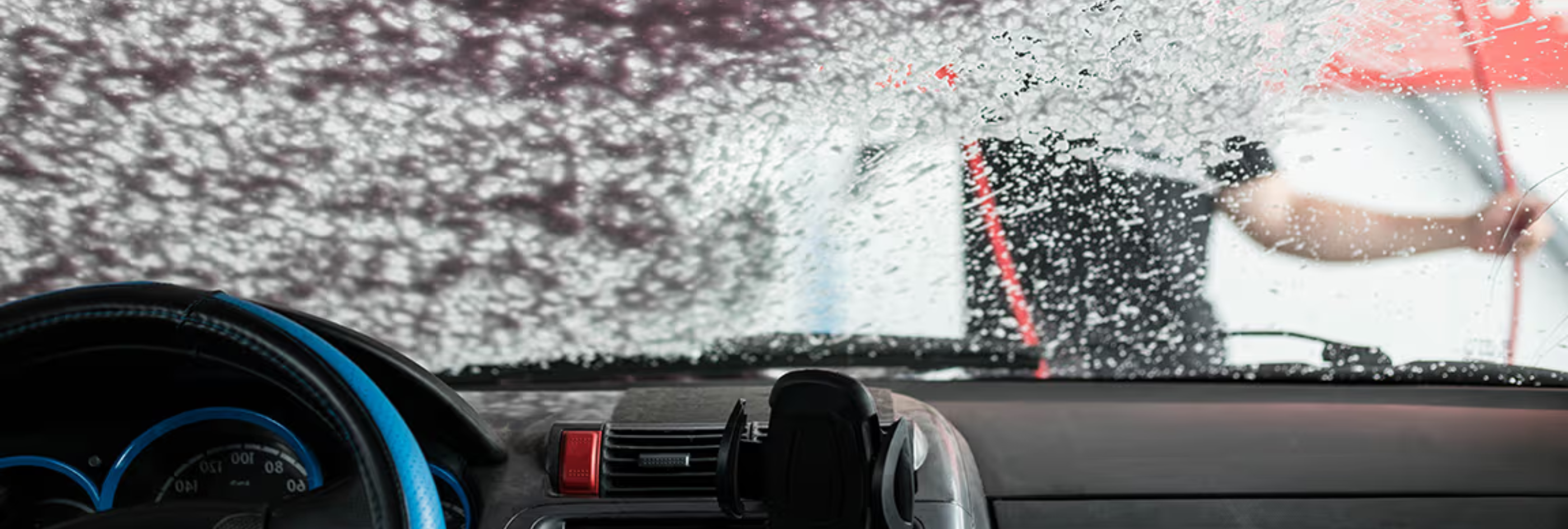
Automatic car washes use machines with brushes and soap. Your car moves through the wash on a conveyor belt. The brushes scrub your car’s surface to remove dirt. These brushes can sometimes be rough on small chips or cracks. Dirt and debris caught in brushes might worsen the chip.
Hand Wash
Hand washing means cleaning your car by hand. A person uses sponges, cloths, and soap to wash the car. This method is gentle and allows careful cleaning around chips. It reduces the risk of making the chip worse. Hand washing takes more time but can be safer for damaged windshields.
Touchless Wash
Touchless car washes use high-pressure water and soap only. No brushes touch the car’s surface. This method lowers the chance of scraping or hitting the chip. It is safer for delicate windshield areas. Still, high water pressure can stress small cracks if too strong.
Effects Of Car Wash On Chips
Car washes are a common way to keep your vehicle clean. But they may affect small chips on your windshield. Understanding these effects helps you protect your glass better. Some car wash methods can cause more harm than good to these chips.
Chips on windshields are weak spots. They need careful handling to avoid spreading into cracks. The effects of car washes on these chips vary by pressure, temperature, and chemicals used.
Pressure Impact
Automatic car washes use strong water jets to clean. This high pressure can push on the chip edges. The force may widen the chip or cause cracks to form. Hand car washes usually apply less pressure, which is safer for chips.
Temperature Changes
Water temperature plays a role in chip damage. Hot water hitting a cold windshield creates stress. This stress can make the chip grow or crack. Cold water on a hot glass can also cause similar problems. Stable temperature helps keep chips intact.
Chemical Exposure
Car wash soaps and chemicals remove dirt effectively. Some strong chemicals may weaken the glass around chips. They can seep into small cracks and cause damage over time. Using mild, glass-safe products reduces the risk to chips.
Signs Of Chip Damage After Wash
Car washes can sometimes worsen existing chips on your windshield. Knowing the signs of chip damage after a wash helps you act fast. Early detection can prevent bigger problems and costly repairs. Watch out for subtle changes right after your car cleaning.
Crack Expansion
Small chips may turn into longer cracks after a wash. Water pressure and brushes can push the crack edges apart. Even a tiny chip can grow quickly. Check your windshield closely for any new or longer cracks.
Surface Cloudiness
The area around a chip may look cloudy or foggy. This cloudiness happens when water seeps into the glass layers. It weakens the glass and hides the chip’s true size. Clear visibility helps to spot this change early.
Loose Glass Particles
You might notice tiny glass pieces near the chip after washing. These loose particles show the chip is breaking down. They can fall inside the windshield layers, causing more damage. Handle the chip carefully and get it fixed soon.
Preventing Chip Damage
Preventing damage to windshield chips is key to keeping your glass safe and intact. Small chips can quickly turn into big cracks if not cared for. Taking simple steps during car washes helps protect these fragile spots.
Choosing Safe Wash Methods
Opt for gentle wash methods to avoid worsening chips. Hand washing lets you control pressure and avoid harsh brushes. Touchless car washes use water jets without brushes, reducing chip risk. Avoid automatic car washes with stiff brushes that can hit the chip directly.
Timing Your Wash
Wash your car when the glass is cool to the touch. Hot glass expands, making chips more likely to crack under pressure. Early morning or late evening washes are best. Avoid washing right after driving under the hot sun.
Using Protective Treatments
Apply windshield sealants to guard chips from dirt and moisture. These treatments fill small cracks and slow down spreading. Use products designed for chip protection. Reapply regularly to maintain a strong barrier against damage.
Repair Tips For Windshield Chips
Repairing windshield chips quickly helps keep your glass safe and clear. Small chips can grow into big cracks if ignored. Timely repair saves money and improves driving safety.
Several options exist for fixing windshield chips. You can try simple DIY methods or choose professional help. Knowing when to replace the windshield avoids bigger problems later.
Diy Repair Kits
DIY kits are affordable and easy to use at home. They include resin to fill the chip and tools to apply it. These kits work best on small chips and cracks. Follow the instructions carefully for good results. Clean the glass before starting the repair. Avoid using kits on large or deep damage.
Professional Repair Services
Experts use special tools and resins to fix chips perfectly. They handle bigger or complex damage safely. Professionals inspect the chip and decide the best repair method. Repairs done by pros last longer and look cleaner. Many auto shops offer fast and reliable service. Choosing a professional reduces the risk of worsening the chip.
When To Replace Your Windshield
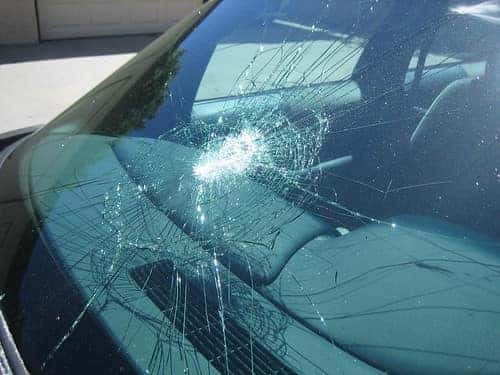
Replacement is needed if damage is wide or in the driver’s line of sight. Large cracks weaken the glass and reduce safety. Chips near the edges often spread faster. Deep damage can cause the windshield to shatter in accidents. A cracked windshield fails safety tests and must be replaced. Always replace if repair does not restore clear vision.
Credit: www.vwofmarion.com
Frequently Asked Questions
Can Car Wash Worsen A Windshield Chip?
Yes, some car washes use high-pressure water that can worsen a chip. It may cause cracks to expand or deepen, especially if the chip is already fragile. Gentle hand washes or touchless car washes are safer options to avoid damage.
Is Touchless Car Wash Safe For Windshield Chips?
Touchless car washes are generally safer for windshield chips. They use high-pressure water and detergents without brushes, reducing the risk of physical damage. However, strong water jets may still affect fragile chips, so caution is recommended for severely damaged windshields.
How To Protect Windshield Chips During Car Wash?
To protect a windshield chip, avoid automatic car washes with brushes. Choose hand washing or touchless washes. Applying a windshield chip repair resin before washing can help prevent cracks from spreading. Always inspect your windshield for damage regularly.
Can Cold Water Car Wash Damage Windshield Chips?
Cold water can cause temperature shock to windshield chips, especially in winter. Sudden temperature changes may make chips expand and crack further. It’s best to use lukewarm water when washing your car to minimize risk to the windshield.
Conclusion
Car washes can sometimes worsen windshield chips. The water pressure and brushes may cause cracks to grow. Small chips need careful attention to avoid damage. Choosing gentle car wash options helps protect your glass. Regularly check your windshield for any new cracks.
Quick repairs keep your windshield strong and safe. Taking simple steps can save money on costly fixes. Protect your car by understanding how car washes affect chips. Stay cautious and keep your windshield in good shape.
Leave a Reply