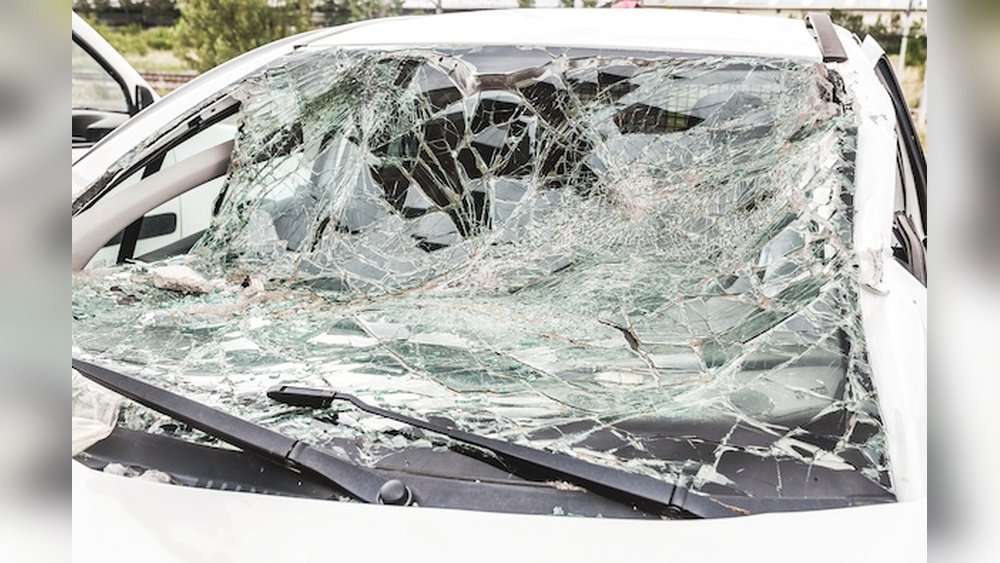
Have you ever wondered how dangerous broken glass really is? It might seem harmless at first glance, but even a small shard can cause serious injuries.
You might not realize the risks until it’s too late. You’ll discover how broken glass can affect your body, what types of injuries to watch out for, and how to protect yourself and your loved ones. Keep reading—you’ll want to know this before the next unexpected accident happens.
Types Of Injuries From Broken Glass
Broken glass can cause different types of injuries. These injuries vary in severity and need care. Understanding the common types helps in taking quick action.
Injuries from broken glass can range from minor cuts to serious wounds. Some injuries may lead to infections if not treated well. Knowing the types can help prevent further damage.
Cuts And Lacerations
Sharp glass pieces often cause cuts and lacerations. These wounds can be shallow or deep. Deep cuts may reach muscles or tendons. Bleeding is common and can be heavy. Quick cleaning and bandaging help reduce risks.
Puncture Wounds
Broken glass can also cause puncture wounds. These happen when glass pieces pierce the skin deeply. Puncture wounds may not bleed much but can harm internal tissues. They are harder to clean and may trap dirt inside.
Infections And Complications
Infections can develop if glass wounds are not cleaned properly. Bacteria enter the body through cuts or punctures. Signs include redness, swelling, and pain. Untreated infections may cause serious health problems. Medical care is important to avoid complications.

Credit: de-law.com
Factors Influencing Injury Severity
Broken glass can cause injuries that range from minor cuts to serious wounds. The severity depends on several key factors. Understanding these factors helps in preventing and treating injuries effectively.
Glass Size And Shape
Large pieces of glass can cause deeper cuts. Sharp, jagged edges increase the risk of tearing skin. Small shards may puncture or scratch, but usually cause less damage.
Force Of Impact
Stronger force means glass can break into more dangerous fragments. High impact can push glass deeper into the skin. Gentle contact often results in surface scratches only.
Location Of Injury
Injuries on hands and feet are common but usually less serious. Cuts near the eyes or neck are more dangerous. Wounds on joints or arteries need immediate care to avoid complications.
Common Situations Leading To Broken Glass Injuries
Broken glass can cause serious injuries in many everyday situations. Understanding where these injuries happen most helps in staying safe. Common places include homes, workplaces, and vehicles. Each place has unique risks that can lead to cuts and wounds from broken glass.
Household Accidents
Homes have many glass items like windows, doors, and dishes. Glass can break during falls, cleaning, or cooking. Children and elderly people face higher risks. Sharp glass pieces can cause deep cuts and bleeding. Proper care and quick cleanup reduce injury chances.
Workplace Hazards
Workplaces with glass products or tools pose injury risks. Construction sites, factories, and labs often have broken glass dangers. Workers may get cuts from handling glass or accidental drops. Wearing protective gloves and eyewear helps prevent injuries. Training on safe glass handling is essential.
Vehicle Crashes
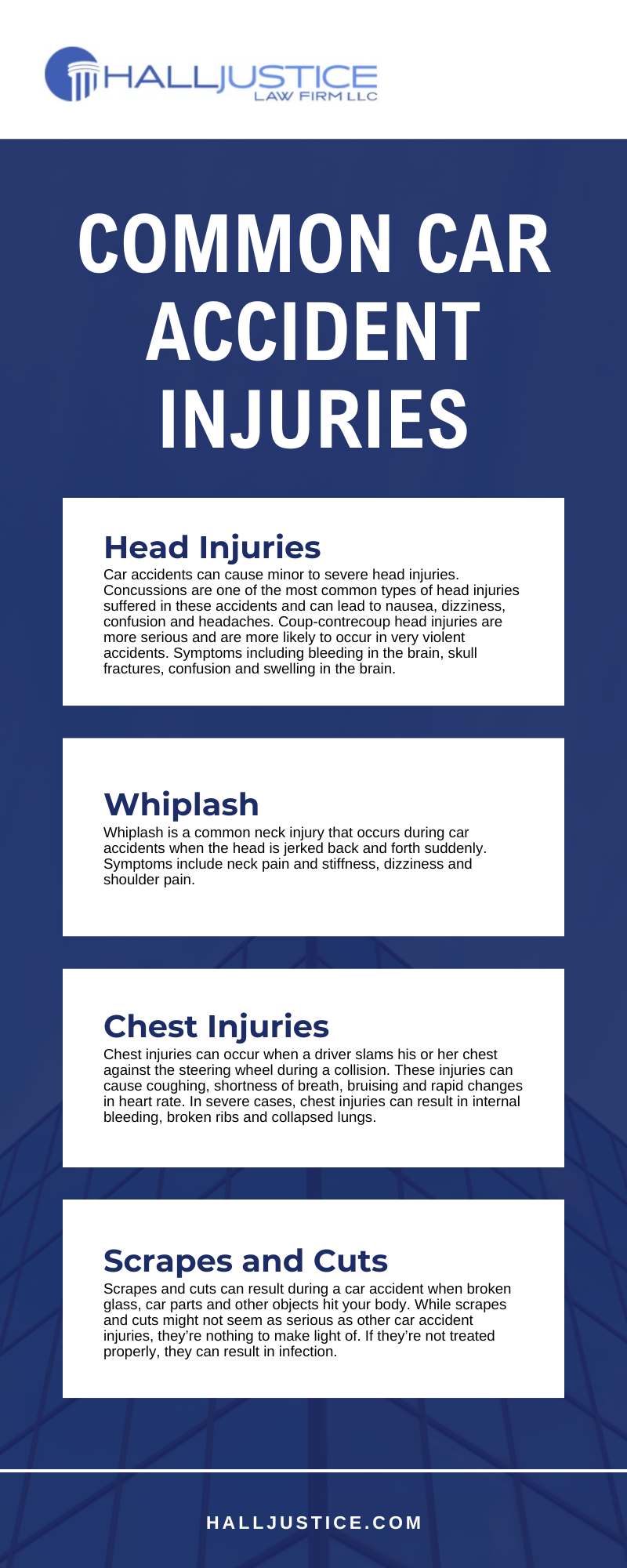
Car accidents can shatter windows and windshields. Broken glass can fly and cause cuts or eye injuries. Passengers and drivers are at risk during crashes. Safety glass in cars reduces injury severity but does not eliminate risk. Using seatbelts and airbags lowers broken glass injuries.
Credit: halljustice.com
Emergency Response To Glass Injuries
Broken glass can cause cuts that bleed and hurt. Knowing how to act fast helps reduce pain and stop damage. Quick and correct care lowers risks and speeds healing. Here are important steps to handle glass injuries safely.
First Aid Steps
Stop the bleeding by pressing a clean cloth on the cut. Keep steady pressure for several minutes. Do not remove large glass pieces stuck in the wound. Clean small debris gently with water. Cover the injury with a sterile bandage or clean cloth. Keep the injured part raised to reduce bleeding.
When To Seek Medical Help
Seek help if the cut is deep or won’t stop bleeding. Get help if glass is inside the wound or near an eye. Watch for numbness, severe pain, or signs of infection. Large cuts may need stitches or special care. Medical experts can check for damage and prevent complications.
Avoiding Infection
Keep the wound clean and dry after first aid. Change bandages daily or if they get wet or dirty. Use mild soap and water around the injury. Avoid touching the cut with dirty hands. Watch for redness, swelling, or pus, which signal infection. Early care helps prevent serious problems.
Long-term Effects Of Severe Glass Injuries
Severe injuries from broken glass can cause damage that lasts a long time. These injuries may seem small at first but can lead to serious health problems. Understanding the long-term effects helps in knowing the risks involved.
Scarring And Cosmetic Concerns
Deep cuts from broken glass often leave scars. Scars can be raised, wide, or discolored. They may affect how skin looks and feels. Some scars cause tightness or discomfort. Scarring can impact self-confidence and daily life.
Nerve Damage
Glass wounds may cut or press on nerves. Nerve damage can cause numbness or tingling. Sometimes, it leads to constant pain or weakness. These symptoms may last for months or years. Nerve injuries often need special treatment to heal.
Mobility Issues
Severe glass injuries near joints can limit movement. Scar tissue may make bending or stretching hard. Pain and stiffness can reduce mobility. This affects daily activities and quality of life. Physical therapy can help but some problems stay.

Credit: www.plotnicklaw.com
Preventing Broken Glass Injuries
Broken glass can cause serious injuries. Preventing these injuries is very important. Simple steps can protect you and others around you. Learning how to handle glass safely helps avoid cuts and wounds. Safety starts with awareness and the right precautions.
Safe Handling Tips
Always hold glass firmly but gently. Avoid sudden movements that may cause it to break. Use both hands for large glass items. Keep glass away from edges or unstable surfaces. Clean up broken glass immediately using a broom or brush. Never pick up shards with bare hands.
Protective Gear Recommendations
Wear thick gloves to protect your hands. Safety glasses shield your eyes from flying shards. Closed-toe shoes protect your feet from falling glass. Long sleeves help guard your arms. Use protective gear every time you handle glass. It lowers the risk of cuts and injuries.
Home And Workplace Safety Measures
Store glass items in safe, stable places. Use cushioned mats or liners on shelves. Mark glass doors clearly to prevent accidents. Keep children away from glass objects. In workplaces, follow safety rules strictly. Regularly inspect glass for cracks or damage. Replace damaged glass immediately to prevent accidents.
Frequently Asked Questions
Can Broken Glass Cause Deep Cuts?
Yes, broken glass can cause deep cuts that may require medical attention. The sharp edges can easily penetrate skin and tissues.
What Infections Can Broken Glass Wounds Cause?
Wounds from broken glass can lead to bacterial infections if not cleaned properly. Tetanus is also a risk without vaccination.
How To Treat Injuries From Broken Glass?
Clean the wound with water, apply antiseptic, and cover with a sterile bandage. Seek medical help for deep or bleeding cuts.
When Should I See A Doctor For Glass Injuries?
See a doctor if the cut is deep, bleeding heavily, or shows signs of infection like redness and swelling.
Conclusion
Broken glass can cause serious injuries if not handled carefully. Cuts may be deep and bleed a lot. Always wear gloves when cleaning broken glass. Keep children away from shattered pieces. Seek medical help for large or deep wounds. Being cautious helps prevent accidents and pain.
Stay safe and treat glass with care. Small actions can stop big problems. Remember, safety matters most around broken glass.
Leave a Reply