Have you ever wondered if shattered glass can really cause cuts? It’s a question that matters because broken glass is all around us—in homes, cars, and even on the streets.
If you’re not careful, those tiny sharp pieces can hurt you more than you expect. Understanding how shattered glass can affect your skin and what you should do if you get cut could save you from pain and infection. Keep reading to learn the truth about shattered glass and how to protect yourself and your loved ones.
How Shattered Glass Causes Cuts
Shattered glass can cause cuts in several ways. When glass breaks, it forms many small, sharp pieces. These pieces can easily cut skin if touched or stepped on. Understanding how shattered glass causes cuts helps in avoiding injuries and handling broken glass safely.
Sharp Edges And Fragments
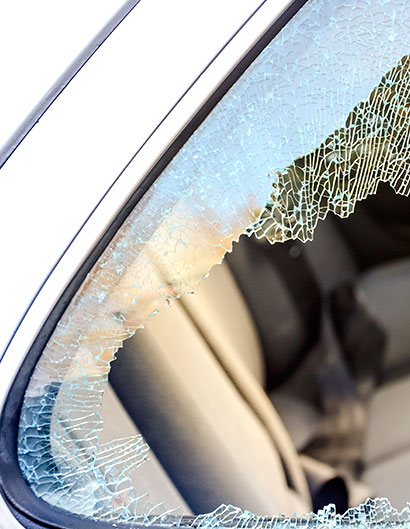
Glass breaks into sharp edges and tiny fragments. These edges are thin and pointed, making them easy to pierce the skin. Even small pieces can cause deep cuts. The shape and size of the fragments affect how severe the injury can be. The sharper and thinner the piece, the higher the risk of cutting skin.
Types Of Glass And Injury Severity
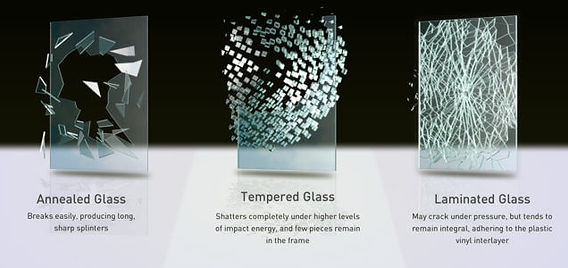
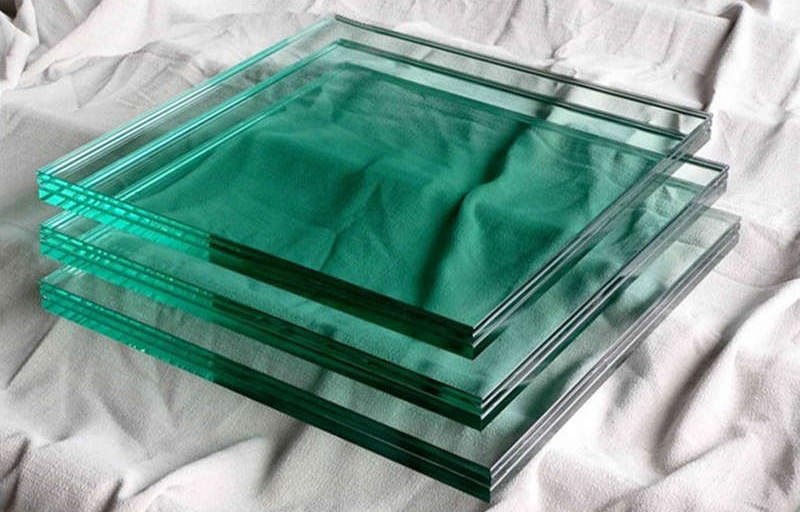
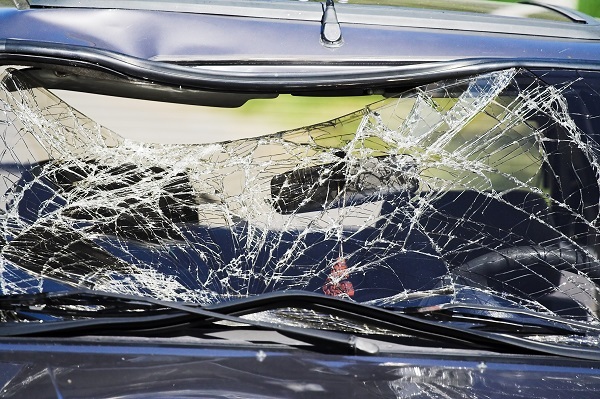
Different types of glass break differently and cause various injury levels. Tempered glass shatters into small blunt pieces, usually causing minor cuts. Regular glass breaks into large, sharp shards that can cause serious injuries. Laminated glass tends to hold together, reducing the risk of deep cuts. Knowing the glass type helps predict the injury severity.
Credit: www.plotnicklaw.com
Common Risks From Broken Glass
Broken glass poses several risks that people often overlook. Its sharp edges can harm the skin easily. These injuries vary from small scratches to serious cuts. Each type of injury requires different care and attention. Understanding these risks helps prevent accidents and treat wounds properly.
Minor Scratches To Deep Lacerations
Shattered glass can cause injuries ranging from minor scratches to deep cuts. Small glass pieces may just scratch the skin. Larger shards can slice deeply, causing heavy bleeding. Deep lacerations may need stitches or medical care. Quick action is important to stop bleeding and reduce pain.
Infection And Complications
Broken glass wounds can get infected easily. Dirt and bacteria stick to glass shards. When glass cuts the skin, these germs enter the body. Infections cause redness, swelling, and pain around the wound. Ignoring infection risks serious health problems. Cleaning the wound and using antiseptic helps prevent infections.
Hidden Dangers In Glass Shards
Small glass pieces may stay inside the skin unnoticed. These hidden shards cause ongoing pain and swelling. They can lead to infection or slow healing. Removing glass fragments quickly is important. Medical help may be needed to find and remove them safely.
Preventing Glass-related Injuries
Preventing injuries from shattered glass is important for every home and workplace. Glass can break suddenly and cause sharp pieces to scatter. These sharp fragments can easily cut skin and cause serious wounds. Taking steps to handle broken glass safely reduces the risk of cuts and infections.
Knowing how to manage broken glass helps protect yourself and others. Careful cleanup and protective gear play big roles. Keeping children and pets away from broken glass also lowers danger.
Safe Handling And Cleanup
Always avoid touching broken glass with bare hands. Use a broom and dustpan to sweep up shards. Small pieces can hide in carpets or corners. Dispose of glass in a thick, sealed container. Check the area again to find tiny fragments.
Protective Gear Essentials
Wear thick gloves to protect your hands. Safety goggles keep glass out of your eyes. Closed-toe shoes protect feet from sharp bits. Long sleeves and pants help shield your skin. Protective gear lowers the chance of injuries during cleanup.
Child And Pet Safety Around Broken Glass
Keep children and pets out of the area immediately. Block off the space with furniture or a barrier. Clean up glass quickly to remove hazards. Teach children to tell an adult if they see broken glass. Pets cannot understand danger and need extra protection.
First Aid For Glass Cuts
Glass cuts can be painful and may cause bleeding. Knowing the right first aid steps helps reduce harm. Acting fast protects against infection and serious injury. This section explains how to treat glass cuts safely and when to get medical help.
Immediate Steps To Take
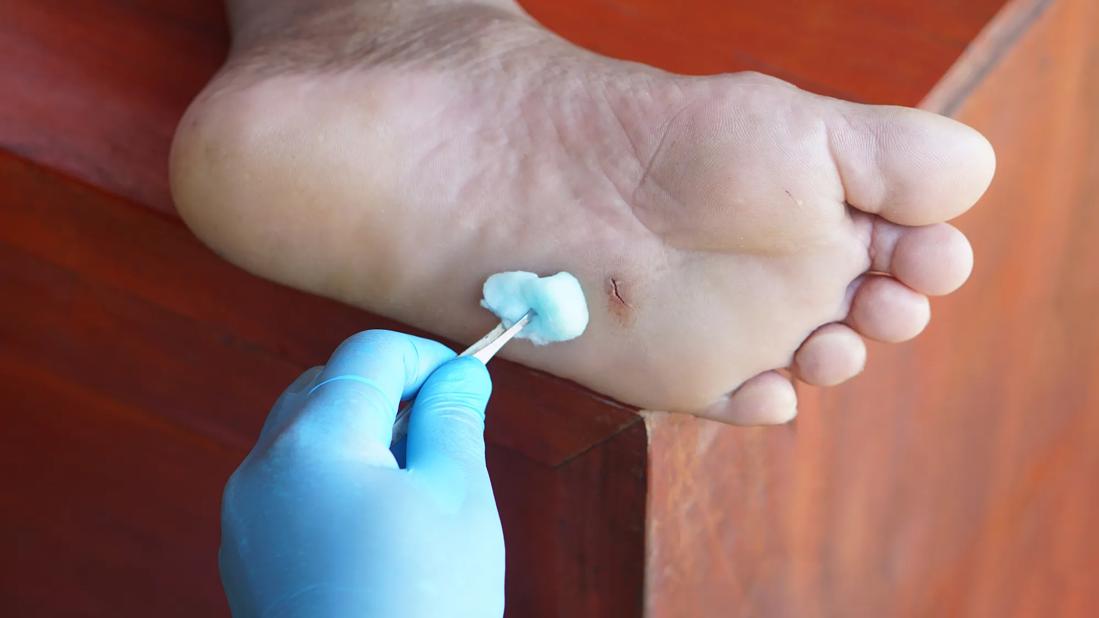
Stop the bleeding by applying gentle pressure with a clean cloth. Avoid pressing too hard to prevent pushing glass deeper. Rinse the cut with clean water to remove dirt and small glass pieces. Do not use strong water pressure. Cover the wound with a sterile bandage or clean cloth.
When To Seek Medical Help
Visit a doctor if the cut is deep or bleeding does not stop. Seek help if glass pieces remain inside the wound. Look for signs of infection like redness, swelling, or pus. Get medical care if you cannot move the injured area. Also, see a doctor if you need a tetanus shot.
Treating And Preventing Infection
Keep the wound clean and dry after first aid. Change the bandage daily or if it becomes wet or dirty. Use an antibiotic ointment to prevent infection. Watch for redness or warmth around the cut. Avoid touching the wound with dirty hands. Clean hands help the healing process.
Safer Alternatives To Traditional Glass
Shattered glass can cause serious cuts. Finding safer alternatives helps reduce this risk. Many materials offer strength without sharp dangers. These options protect families and workplaces from injuries. Understanding these alternatives guides better choices for safety.
Tempered And Laminated Glass
Tempered glass is heat-treated for extra strength. It breaks into small, blunt pieces, not sharp shards. This reduces the chance of deep cuts. Laminated glass holds together with a plastic layer. Even if broken, pieces stay attached. This prevents glass from scattering dangerously. Both types offer safer protection than regular glass.
Plastic And Acrylic Options
Plastic and acrylic sheets are light and strong. They do not break into sharp pieces like glass. These materials resist impact and reduce injury risk. Used for windows, screens, and furniture covers. Easy to cut and shape for many uses. A good choice for safer glass alternatives.
Credit: www.bullseyeglass.com
Credit: health.clevelandclinic.org
Frequently Asked Questions
Can Shattered Glass Cause Serious Cuts?
Yes, shattered glass can cause serious cuts due to its sharp, jagged edges. These edges easily puncture and tear the skin, leading to deep wounds that may require medical attention. Always handle broken glass carefully to avoid injuries.
How To Treat Cuts From Shattered Glass?
First, clean the wound gently with water to remove debris. Apply pressure with a clean cloth to stop bleeding. Use antiseptic and cover the cut with a sterile bandage. Seek medical help if the cut is deep or bleeding heavily.
Why Is Shattered Glass More Dangerous Than Whole Glass?
Shattered glass has sharp, irregular pieces that can easily penetrate the skin. Whole glass is typically smooth and less likely to cause deep cuts. Broken shards can also scatter, increasing the risk of multiple injuries.
What Precautions Prevent Cuts From Shattered Glass?
Wear protective gloves and eyewear when handling broken glass. Use thick cloth or heavy-duty tools to pick up shards. Dispose of shattered glass in a sealed container to avoid accidental contact.
Conclusion
Shattered glass can easily cause cuts on your skin. Even small pieces are sharp and dangerous. Always handle broken glass with care and wear gloves if possible. Clean up shards carefully to avoid accidents. Seek medical help for deep or bleeding wounds.
Staying cautious helps prevent injuries and keeps you safe. Remember, glass is useful but must be treated carefully. Safety first.