Author: Alex Carey

  • How to Clean Cracked Windshield Safely: Expert Tips & Tricks

    How to Clean Cracked Windshield Safely: Expert Tips & Tricks

    A cracked windshield can be frustrating and dangerous. You might wonder if it’s safe to clean it without making the crack worse.

    The good news is, you can clean your cracked windshield safely with the right steps. You’ll learn simple, effective tips to keep your windshield clear and avoid further damage. Keep reading to protect your view and your safety on the road.
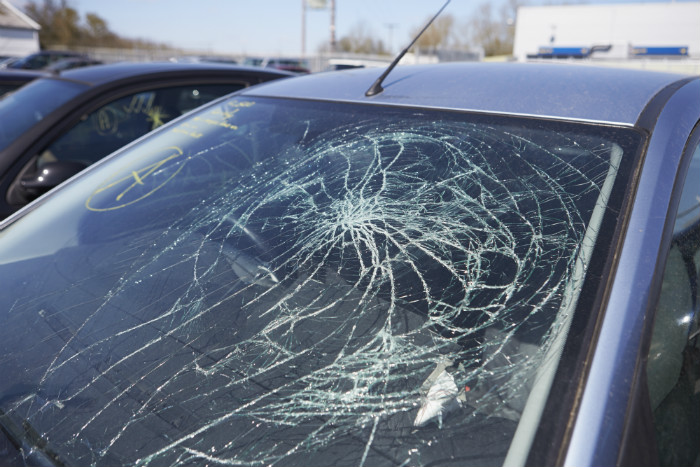
    How to Clean Cracked Windshield Safely: Expert Tips & Tricks

    Credit: www.bemac.ca

    Assessing The Damage

    Before cleaning a cracked windshield, it is important to assess the damage carefully. This step helps decide the best way to clean without making the crack worse. Understanding the crack’s type, size, and location guides safe cleaning methods.

    Identifying Crack Types

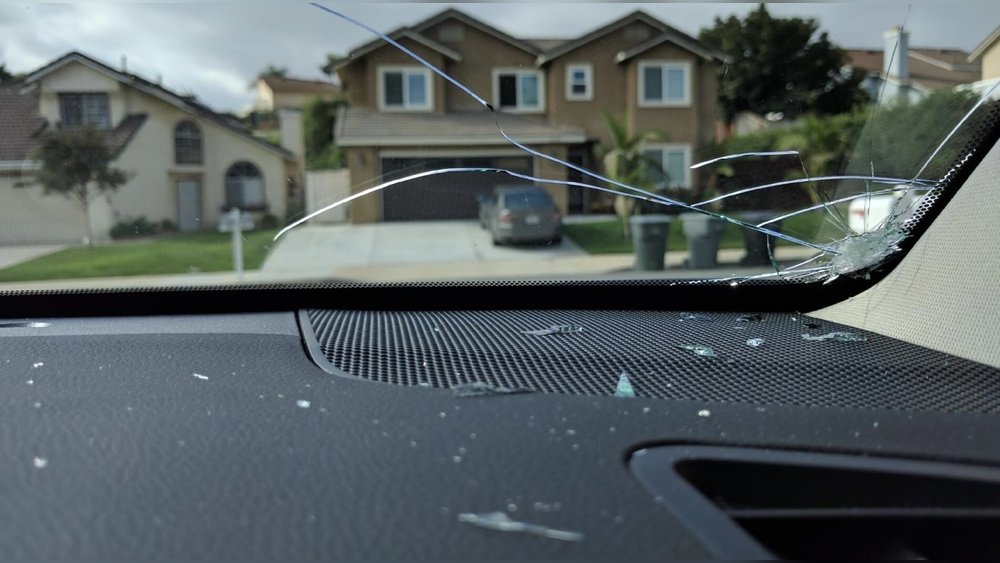
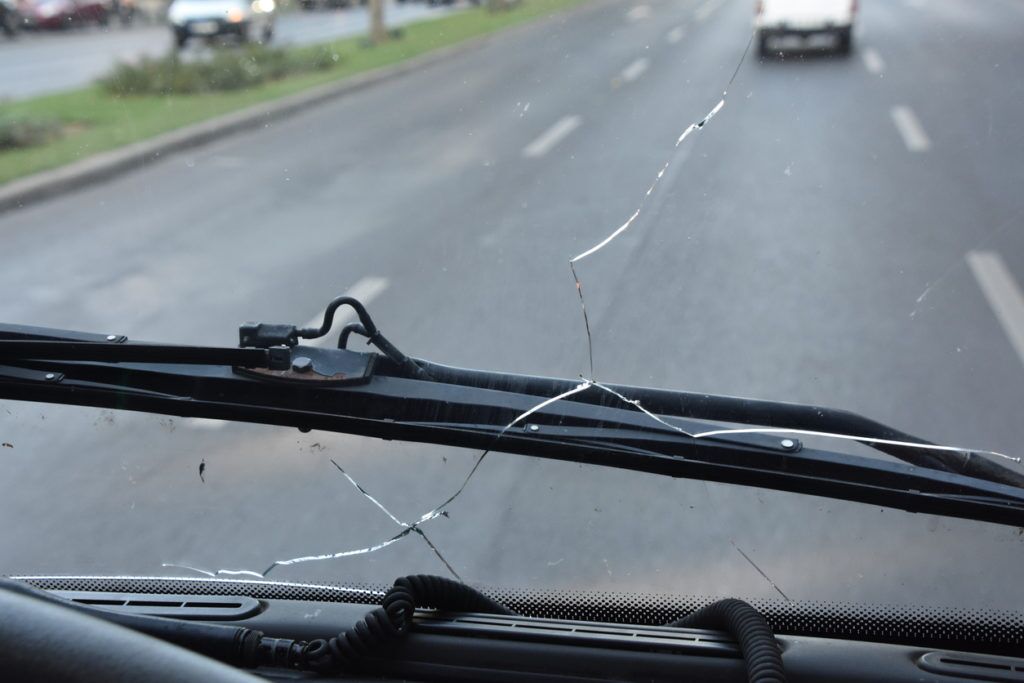
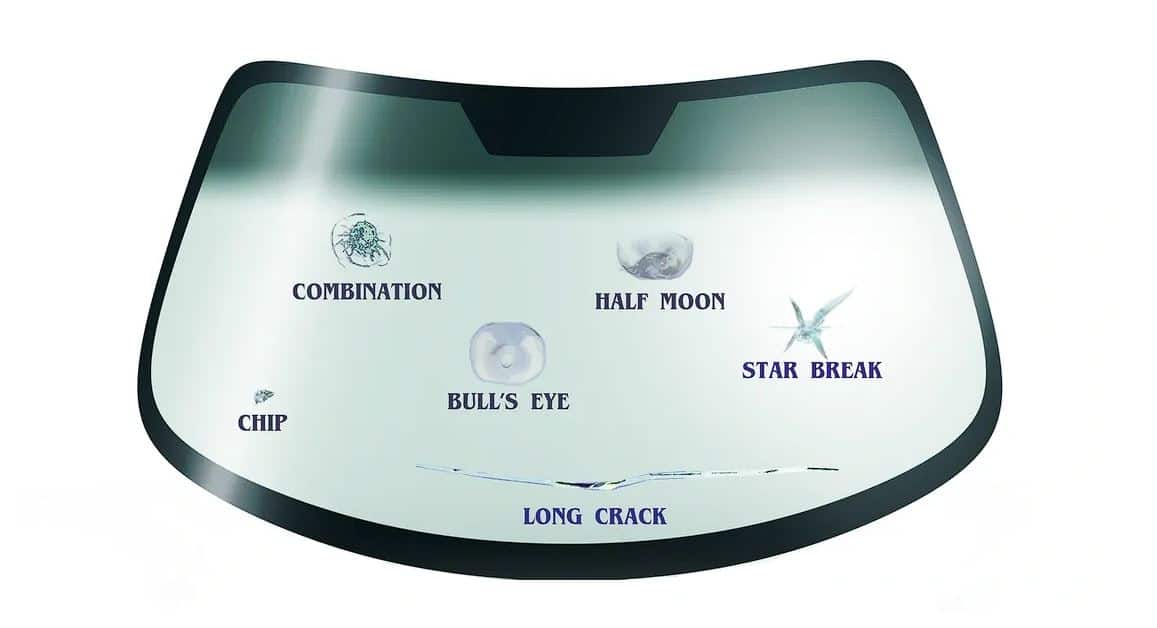
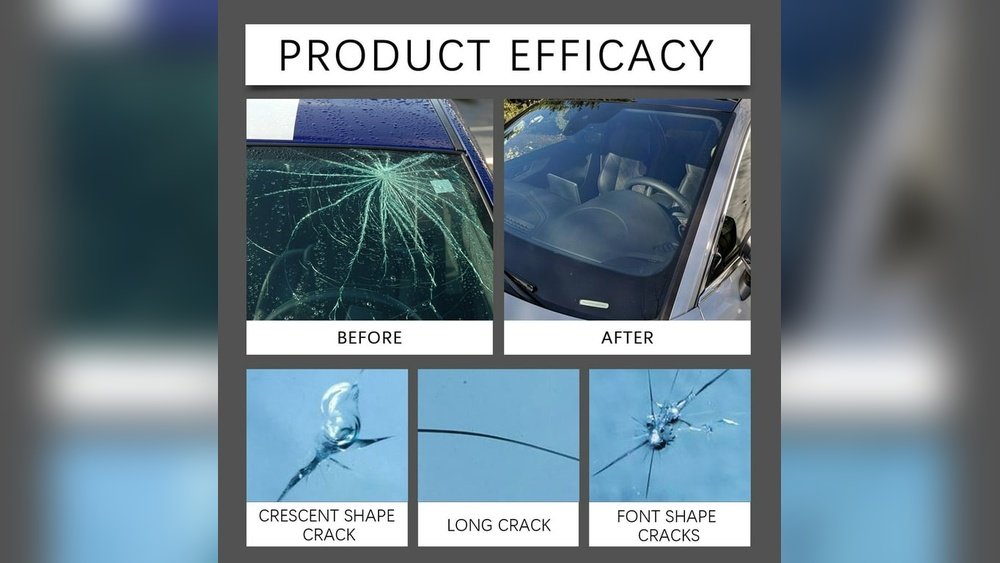
    Cracks come in different shapes and forms. Some are small chips, while others are long lines. Common types include star cracks, bullseyes, and spider webs. Each type affects how to handle cleaning. For example, star cracks have many tiny lines spreading out. Bullseyes look like circles with a dark center. Knowing the crack type helps avoid pressure on weak spots during cleaning.

    Evaluating Crack Size And Location

    Measure the crack length using a ruler or tape. Small cracks under three inches are easier to manage. Large cracks may need professional help. Location matters too. Cracks near the edges are riskier because they can spread faster. Cracks in the driver’s line of sight require careful cleaning. Avoid strong sprays or scrubbing in these areas to prevent damage.
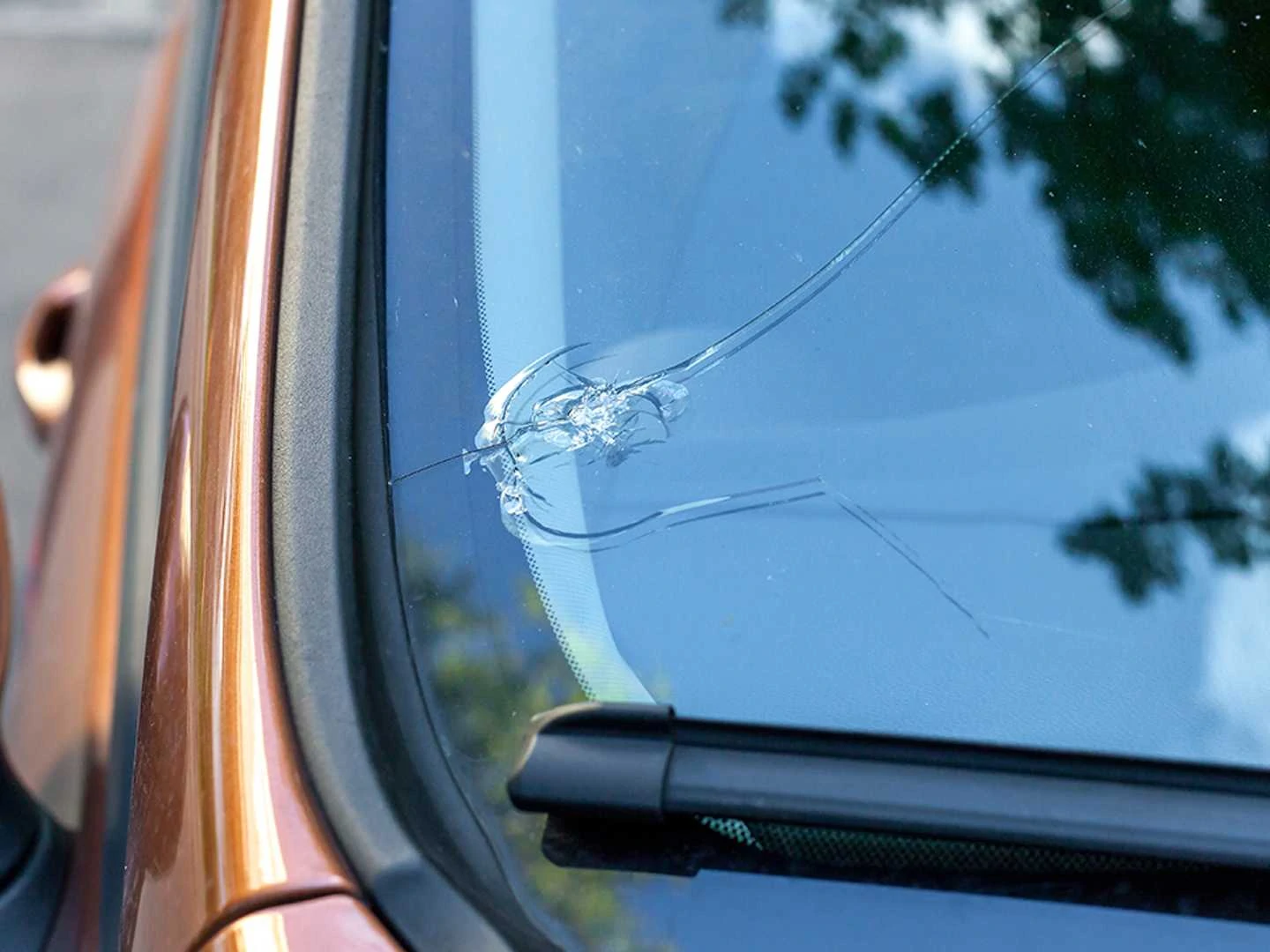
    How to Clean Cracked Windshield Safely: Expert Tips & Tricks

    Credit: caliglassntint.net

    Gathering Cleaning Tools

    Before you start cleaning a cracked windshield, gather all the necessary tools. Having the right supplies makes the process easier and safer. It also helps avoid further damage to the glass. Prepare a clean workspace and organize your items. This saves time and reduces frustration during cleaning.

    Essential Cleaning Supplies

    Start with a soft microfiber cloth to avoid scratches. Use a gentle glass cleaner made for automotive use. Avoid harsh chemicals that can worsen cracks. A small, soft brush helps remove dirt from edges of the crack. Keep a plastic scraper handy to lift stubborn debris carefully. Have clean water or a spray bottle nearby for rinsing.

    Safety Gear To Use

    Wear safety gloves to protect your hands from sharp glass edges. Use safety glasses to shield your eyes from debris. Consider wearing a mask to avoid inhaling dust or cleaner fumes. Choose comfortable clothes that cover your arms and legs. Safety gear helps you clean without risking injury.

    Preparing The Windshield

    Preparing the windshield is the first step to clean a cracked windshield safely. This step helps protect your car and makes the cleaning process easier. Proper preparation stops the crack from getting worse. It also keeps dirt and dust from entering the crack. Follow simple steps to get your windshield ready.

    Removing Loose Debris

    Start by removing any loose dirt, dust, or small glass pieces. Use a soft brush or a microfiber cloth. Gently sweep the surface around the crack. Avoid pressing hard on the crack itself. This helps prevent the crack from spreading. Do not use water or chemicals yet. Dry cleaning keeps the crack clear and ready for repair.

    Protecting Surrounding Areas

    Cover the areas around the crack before cleaning. Use painter’s tape or plastic sheets. This protects your car’s paint and dashboard. The tape also stops any cleaning solution from dripping. Make sure the tape is secure but not touching the crack. This keeps the area neat and clean. It also prevents damage to other parts of your car.

    Cleaning Process

    Cleaning a cracked windshield requires care to avoid making the damage worse. The right cleaning process keeps the glass clear without spreading cracks. Use gentle methods and safe products. This helps keep your windshield strong and clean.

    Using Mild Cleaners

    Choose mild cleaners made for glass. Avoid harsh chemicals like ammonia or bleach. These can weaken the glass around cracks. Mix a small amount of dish soap with water. This solution cleans dirt without damage. Apply it with a soft cloth for best results.

    Gentle Cleaning Techniques

    Use soft, non-abrasive cloths or sponges. Avoid scrubbing hard over cracks. Light circular motions work well. Clean small areas at a time. Rinse the cloth often to remove dirt. This prevents scratches and keeps cracks safe.

    Avoiding Pressure On Cracks

    Do not press hard on cracked areas. Strong pressure can widen cracks. Hold the cloth lightly and move it gently. Let the cleaner do the work. Handle the windshield with care to avoid extra damage.

    Drying And Inspecting

    After cleaning a cracked windshield, drying and inspecting are crucial steps. Proper drying prevents water from seeping into the crack. Inspecting helps find any new or hidden damage. These steps keep your windshield safe and clear.

    Proper Drying Methods

    Use a soft, clean cloth to dry the windshield gently. Avoid rough materials that can scratch the glass. Pat the cracked area lightly to remove moisture. Let the windshield air dry for a few minutes. Do not use heat sources like hair dryers. Heat can worsen the crack or cause the glass to break.

    Checking For Further Damage

    Look closely at the crack after drying. Check if the crack has grown or if new cracks appear. Use good lighting for better visibility. Tap the glass lightly to hear any loose areas. If the crack looks worse, consider professional repair. Early detection can prevent bigger problems later.

    Temporary Repairs

    Temporary repairs help protect a cracked windshield until you get a full fix. They stop dirt and moisture from entering the crack. This can slow down damage and improve safety. Use simple tools and materials you might already have at home.

    Applying Windshield Repair Kits

    Windshield repair kits are easy to use. They come with resin that fills the crack. Clean the windshield first with glass cleaner and a soft cloth. Follow the kit instructions carefully. Usually, you apply the resin over the crack and let it set. The resin hardens and prevents the crack from growing. This method works best for small cracks and chips.

    Using Clear Nail Polish

    Clear nail polish can seal tiny cracks temporarily. Clean the cracked area well and dry it. Apply a thin layer of clear polish over the crack. Let it dry completely, then add another layer if needed. The polish fills the crack and stops dirt from getting in. This is a quick and cheap fix but not a permanent solution.

    When To Seek Professional Help

    Knowing when to seek professional help for a cracked windshield is important. Small cracks may seem easy to fix, but some damage needs expert care. Choosing the right time to call a professional can save your safety and money.

    Ignoring serious cracks can lead to bigger problems. A trained technician can assess the damage properly. They use special tools and materials to repair cracks safely and effectively.

    Signs The Crack Needs Expert Repair

    Cracks longer than six inches usually need professional repair. If the crack spreads quickly or grows in size, get help fast. Cracks near the edges of the windshield are risky. They can weaken the whole glass and cause it to break.

    Spiderweb cracks or multiple cracks need expert attention. If the crack blocks your vision, do not drive. Also, deep cracks that reach the inner layer of glass require a specialist.

    Choosing A Reliable Repair Service

    Pick a repair service with good reviews and experience. Look for certified technicians who use quality materials. Ask about their warranty for repairs. A trustworthy service will explain the process clearly and answer questions.

    Compare prices but avoid the cheapest options. Poor repairs can cause more damage. Check if the service uses modern repair methods for better results. Fast and safe repair is the goal.

    Preventing Future Damage

    Preventing future damage to a cracked windshield is very important. Small cracks can grow and make the windshield unsafe. Taking simple steps helps keep the glass strong and clear. This section shares easy ways to protect your windshield every day.

    Safe Driving Tips

    Drive carefully on rough roads to avoid hitting stones. Keep a safe distance from other cars. This lowers the chance of debris hitting your windshield. Avoid sudden stops and sharp turns. Smooth driving reduces stress on the glass. Park in shaded areas. Direct sunlight can weaken the glass over time.

    Regular Maintenance Practices

    Clean the windshield gently with a soft cloth and mild cleaner. Avoid harsh chemicals that can worsen cracks. Check for new chips or cracks often. Early repair stops damage from spreading. Replace wiper blades regularly. Old blades can scratch the glass. Schedule professional inspections yearly. Experts can spot hidden damage and fix it early.

    How to Clean Cracked Windshield Safely: Expert Tips & Tricks

    Credit: vehiclewindscreenreplacement.weebly.com

    Frequently Asked Questions

    How Can I Clean A Cracked Windshield Safely?

    Use a soft microfiber cloth and gentle glass cleaner. Avoid harsh chemicals or abrasive materials. Clean around the crack carefully to prevent spreading damage.

    What Products Are Best For Cleaning Cracked Windshields?

    Use non-ammonia glass cleaners or specially formulated windshield cleaners. These products clean effectively without harming the glass or worsening cracks.

    Should I Avoid Water When Cleaning A Cracked Windshield?

    Avoid excessive water to prevent moisture seeping into cracks. Use a damp cloth instead to control moisture and protect the windshield.

    Can Cleaning A Cracked Windshield Prevent Further Damage?

    Proper cleaning removes dirt that can worsen cracks. However, cleaning alone won’t stop cracks from spreading; timely repair is essential.

    Conclusion

    Cleaning a cracked windshield needs care and the right steps. Use gentle cleaners and soft cloths to avoid more damage. Avoid harsh chemicals or rough scrubbing. Act quickly to prevent dirt from worsening the crack. Small cracks can be cleaned safely at home.

    For bigger cracks, seek professional help. Keeping your windshield clean improves visibility and safety. Take your time and handle the glass gently. Protect your car and yourself by following these simple tips. Safe cleaning helps extend your windshield’s life.
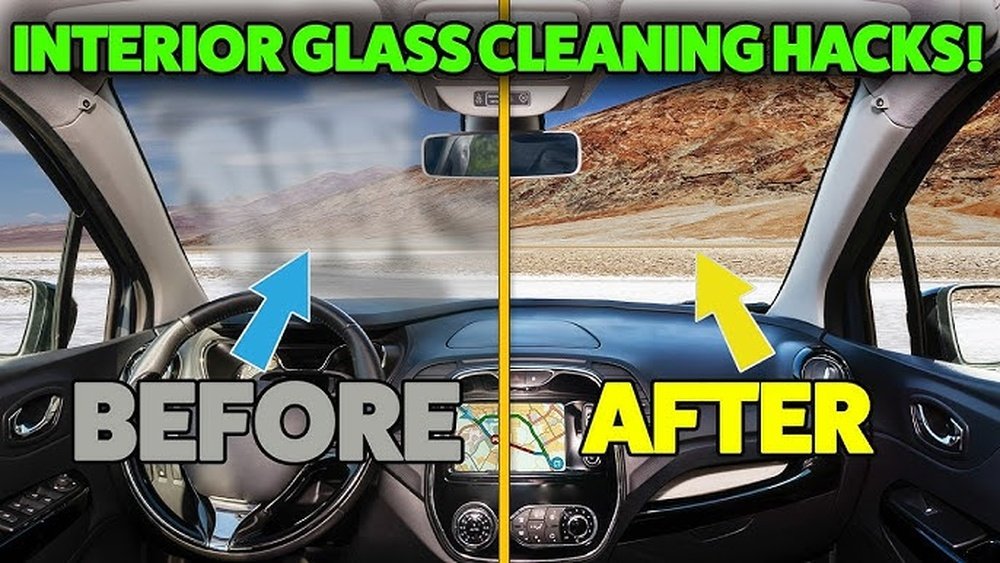
  • How to Clean Car Window No Marks: Expert Tips for Crystal Clear Glass

    How to Clean Car Window No Marks: Expert Tips for Crystal Clear Glass

    You want your car windows sparkling clean, but no matter what you try, those annoying streaks and marks just won’t disappear. It’s frustrating, right?

    What if you could learn simple, effective tricks to clean your car windows so perfectly that not a single mark is left behind? You’ll discover easy-to-follow steps that anyone can do, even if you’re short on time or supplies. Get ready to see your car windows clearer than ever before—and impress everyone with your spotless ride.

    Keep reading to unlock the secrets to flawless car window cleaning!

    Tools You Need

    Cleaning car windows without leaving marks needs the right tools. Using proper equipment makes the job easier and faster. It also helps keep your windows crystal clear and streak-free. Below are essential tools to prepare before you start cleaning your car windows.

    Best Cleaning Solutions

    Choose a cleaning solution made for glass surfaces. Avoid harsh chemicals that can damage tint or rubber seals. A mix of water and vinegar works well and is safe. There are also special car window cleaners that remove dirt and grease effectively. Spray the solution evenly for the best results.

    Microfiber Cloths

    Microfiber cloths are soft and absorbent. They trap dirt and dust without scratching glass. Use a clean cloth to avoid spreading grime. These cloths dry quickly and do not leave lint behind. Have multiple cloths ready to switch between wiping and drying.

    Squeegees And Scrapers

    Squeegees help remove water and cleaning solution smoothly. They prevent streaks and water spots. Use a small scraper to gently remove stubborn spots like bird droppings or sap. Be careful not to scratch the glass surface. Together, these tools make the window shine perfectly.

    How to Clean Car Window No Marks: Expert Tips for Crystal Clear Glass

    Credit: www.youtube.com

    Preparing The Window

    Preparing the car window properly is key to a spotless, mark-free clean. Dirt and dust on the glass can cause smudges and streaks. Taking time to prepare helps achieve a clear, shiny finish. A clean surface also protects the glass and your cleaning tools.

    Removing Dust And Dirt

    Start by wiping the window with a dry microfiber cloth. This removes loose dust without scratching the glass. For stubborn dirt, use a soft brush or a damp cloth. Avoid harsh scrubbing to prevent marks. Always clean from top to bottom to catch falling dust.

    Choosing The Right Environment

    Pick a shaded area to clean your windows. Direct sunlight dries cleaning solutions too fast, causing streaks. Avoid windy places where dust can settle back on the glass. A calm, cool spot helps keep the window clean longer during the process.

    Cleaning Techniques

    Cleaning car windows without leaving marks requires good techniques. Using the right method helps keep glass clear and shiny. Simple steps make the job easy and fast. Follow these cleaning techniques to avoid streaks and spots on your car windows.

    Proper Spray And Wipe Method

    Start with a clean spray bottle and a microfiber cloth. Spray the cleaner evenly across the window surface. Avoid soaking the glass to prevent drips. Use a soft cloth to wipe the window gently. Work from top to bottom to catch all dirt. This method removes grime without pressing too hard.

    Using Circular Motions

    Wiping in small circles helps break up tough stains. Use light pressure to avoid scratches on the glass. Circular motions spread the cleaner evenly across the surface. This technique lifts dirt without smearing it around. It works well on both inside and outside windows.

    Avoiding Streaks

    Dry the glass quickly after cleaning to stop streaks. Use a fresh, dry microfiber cloth for the final wipe. Avoid cleaning windows in direct sunlight to prevent fast drying. Clean cloths and proper technique reduce streaks on glass. Repeat wiping if any marks remain after drying.

    Dealing With Stubborn Marks

    Stubborn marks on car windows can ruin a clear view and make your car look dirty. These marks often stay even after regular cleaning. Removing them needs specific steps and tools. This guide helps you handle tough stains and keep your windows spotless.

    Removing Water Spots

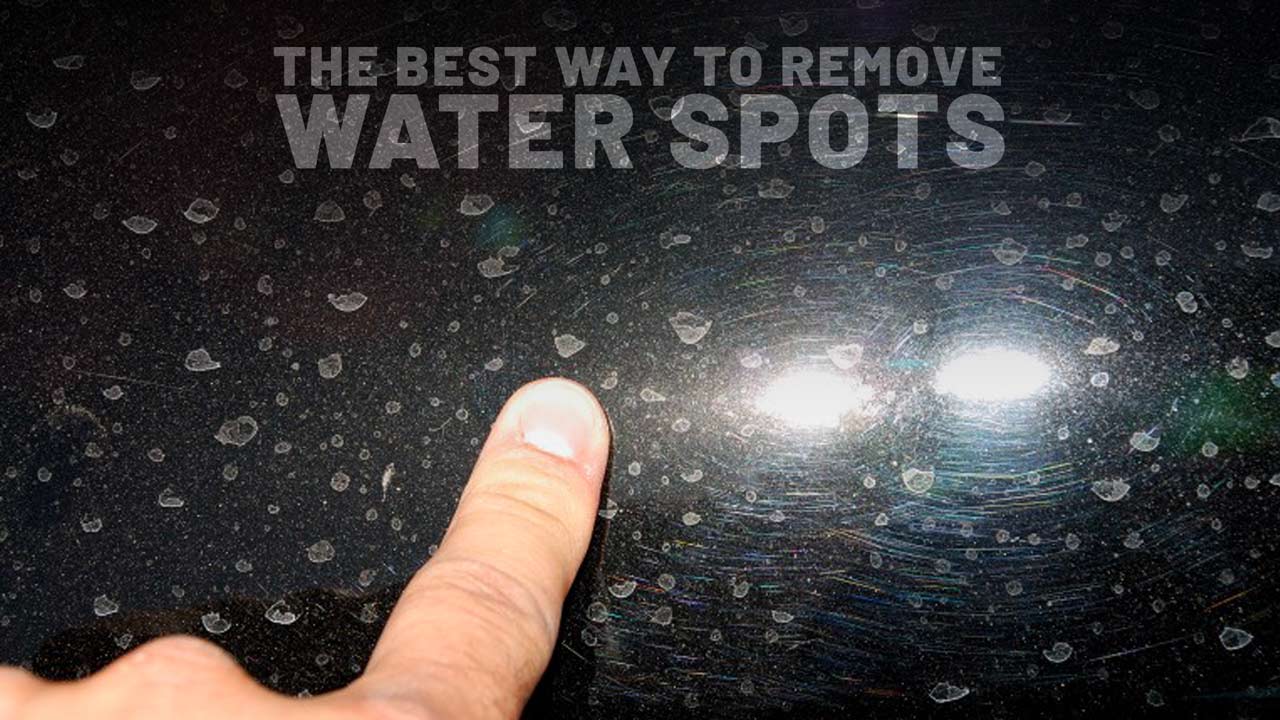
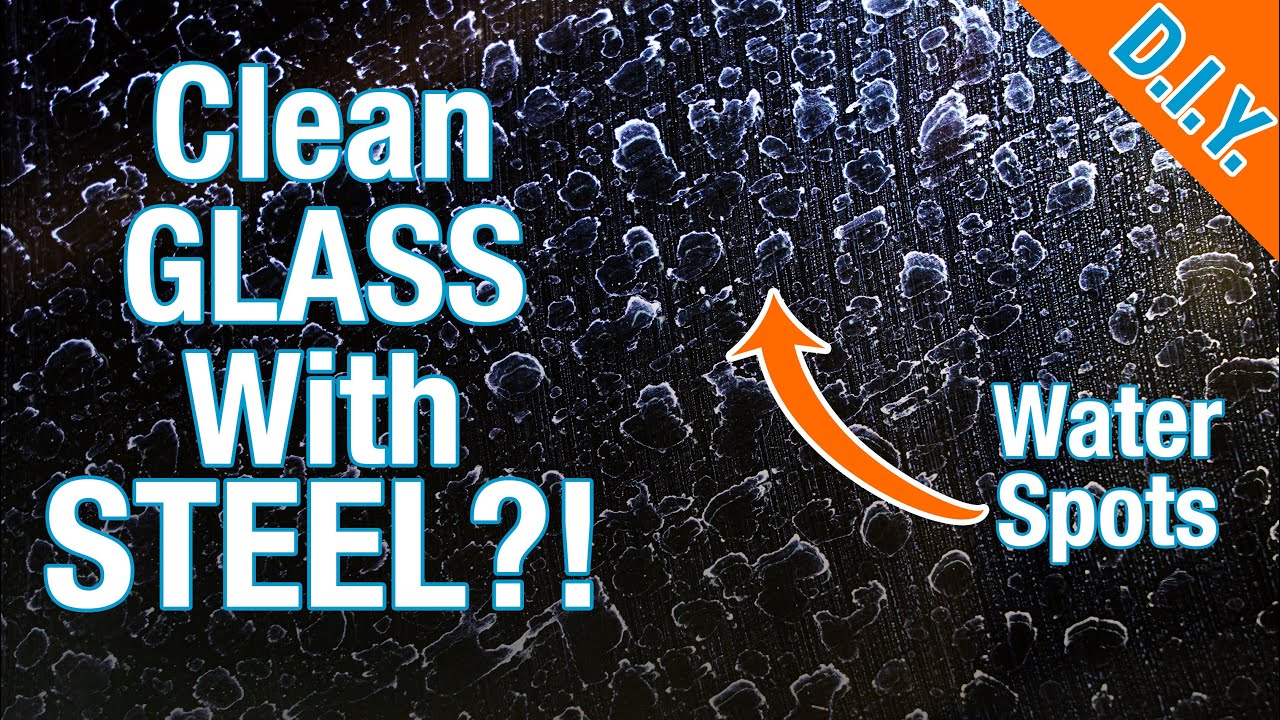
    Water spots appear as white or cloudy marks on glass. They form when hard water dries and leaves minerals behind. Use white vinegar to remove them. Spray vinegar on the spot and let it sit for a few minutes. Then, wipe with a clean cloth in circular motions. Repeat if needed. Avoid harsh scrubbing to prevent scratches.

    Handling Adhesive Residue

    Sticky glue or tape residue can be hard to clean. Apply a small amount of rubbing alcohol or adhesive remover to a cloth. Gently rub the residue until it loosens. Do not pour chemicals directly on the glass. After removing the glue, clean the area with glass cleaner to remove any leftover residue.

    Cleaning Hard-to-reach Areas

    Edges and corners often collect dirt and marks. Use a soft-bristled toothbrush or cotton swabs to reach these spots. Dip the tool in glass cleaner or soapy water. Clean gently to avoid scratching. Dry the area with a microfiber cloth for a streak-free finish.

    Finishing Touches

    Finishing touches make your car windows look perfect and clear. They remove any streaks and keep the glass shining longer. This step is important for a clean, spotless finish.

    Buffing For Extra Shine

    Buffing helps remove small marks and streaks from the glass. Use a clean, dry microfiber cloth for best results. Rub the cloth in small circles over the window. This action brightens the glass and makes it sparkle. Avoid pressing too hard to prevent scratches. Take your time and cover the entire window evenly.

    Protecting The Glass

    Protecting the glass keeps it clean longer and reduces dirt buildup. Use a glass sealant or water repellent spray. Spray a small amount on the window and wipe it gently with a soft cloth. This layer helps water and dust slide off easily. It also makes cleaning easier next time. Apply protection regularly for best results.

    How to Clean Car Window No Marks: Expert Tips for Crystal Clear Glass

    Credit: www.drbeasleys.com

    Maintenance Tips

    Keeping car windows spotless takes more than a quick wipe. Regular care helps avoid marks and streaks. It keeps your view clear and safe while driving. Follow simple steps to maintain clean windows without extra effort.

    Regular Cleaning Schedule

    Clean car windows every two weeks. Use a soft cloth and a good glass cleaner. Avoid cleaning in direct sunlight to prevent streaks. Wipe in a circular motion for best results. Check windows for spots or dirt before cleaning. This routine stops buildup that causes marks.

    Preventing Future Marks

    Use water-repellent treatments on your windows. These help rain and dirt slide off easily. Avoid using harsh chemicals or rough cloths. They can scratch or leave residue. Park in shaded areas to reduce dust and grime. Clean windshield wipers regularly to prevent streaks. Small steps keep windows clear longer.

    How to Clean Car Window No Marks: Expert Tips for Crystal Clear Glass

    Credit: www.reddit.com

    Frequently Asked Questions

    How Do I Clean Car Windows Without Leaving Marks?

    Use a microfiber cloth and a streak-free glass cleaner. Clean in circular motions and dry with a clean, dry cloth. Avoid direct sunlight to prevent streaks.

    What Is The Best Cleaner For Car Windows?

    A mixture of distilled water and white vinegar or a commercial glass cleaner works best. Avoid ammonia-based cleaners as they can damage tint.

    How Often Should Car Windows Be Cleaned?

    Clean car windows every two weeks or whenever they look dirty. Regular cleaning prevents buildup and keeps visibility clear and safe.

    Can I Use Newspaper To Clean Car Windows?

    Yes, newspaper can be used as it doesn’t leave lint. However, avoid colored or glossy newspapers to prevent ink transfer.

    Conclusion

    Cleaning car windows without leaving marks is simple with the right steps. Use a clean cloth and a good cleaner. Wipe in a circular motion to avoid streaks. Dry the glass quickly to keep it clear. Regular cleaning keeps your windows shiny and safe to drive.

    Try these tips next time you clean your car. Clear windows make driving more pleasant and safer. Keep your car looking fresh with easy care. Simple habits bring great results.

  • Can Glass Fragments Be Dangerous: Hidden Risks You Must Know

    Can Glass Fragments Be Dangerous: Hidden Risks You Must Know

    Have you ever wondered if those tiny glass fragments around your home could actually harm you? You might think a small piece of glass is harmless, but the truth is, even the smallest shards can cause serious injuries.

    Understanding the risks and how to handle glass fragments safely can protect you and your loved ones from unexpected accidents. Keep reading to discover why glass fragments can be dangerous and what you can do to stay safe.

    Types Of Glass Fragments

    Glass fragments come in different types. Each type has unique features and risks. Knowing these types helps in handling glass safely. This knowledge is important for home safety and work environments.

    Tempered Vs. Regular Glass

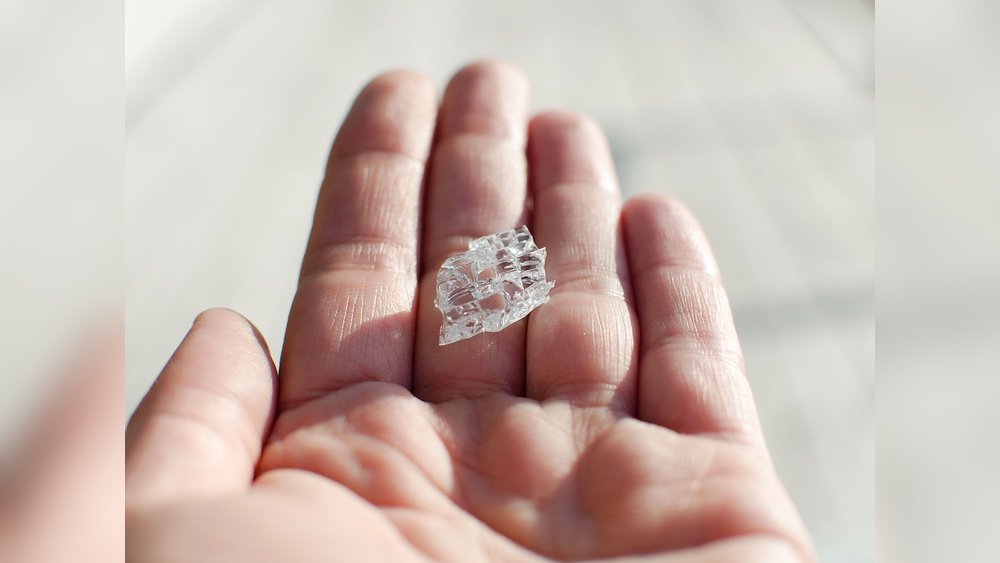
    Tempered glass breaks into small, less sharp pieces. It is safer for windows and car windshields. Regular glass breaks into large, sharp shards. These shards can cause serious cuts. Tempered glass is made by heating and cooling quickly. Regular glass is brittle and breaks easily.

    Microscopic Vs. Visible Shards

    Visible shards are large enough to see and handle. They pose an obvious cut risk. Microscopic shards are tiny and hard to spot. These shards can still cause skin irritation or infection. Microscopic glass fragments can stay on skin or clothes. Careful cleaning is needed to remove them completely.

    Physical Dangers Of Glass Shards

    Glass shards can cause serious physical harm. They are sharp and can easily cut skin. Even small pieces can lead to painful injuries. Understanding the risks helps prevent accidents and treat wounds properly.

    Cuts And Lacerations

    Sharp glass pieces can slice through the skin quickly. Cuts can vary from small scratches to deep wounds. Deep lacerations may bleed heavily and need medical care. These injuries often cause pain and discomfort. Prompt cleaning and bandaging reduce infection risk.

    Embedded Fragments In Skin

    Sometimes, tiny glass fragments get stuck inside the skin. These pieces can be hard to see but cause irritation. Embedded shards may lead to swelling and redness. Removing them carefully is important to avoid further damage. Leaving glass inside the skin can cause long-term problems.

    Infections From Glass Wounds

    Glass wounds are at risk of infection if not cleaned well. Dirt and bacteria can enter through broken skin. Signs of infection include redness, swelling, and pus. Infections need prompt treatment to stop spreading. Using antiseptics and keeping the wound covered helps healing.

    Hidden Health Risks

    Glass fragments may seem harmless, but they carry hidden health risks. Small pieces can cause damage beyond cuts. These dangers often go unnoticed until symptoms appear. Understanding these risks helps prevent serious problems.

    Toxicity From Coatings Or Chemicals

    Some glass has coatings or chemicals on its surface. These substances can be harmful if they enter the body. Tiny glass pieces might carry these toxins into wounds. This can cause infections or allergic reactions. It is important to handle glass fragments carefully. Avoid touching or inhaling dust from broken glass.

    Eye Injuries From Tiny Particles

    Small glass particles can easily get into the eyes. Even tiny shards cause irritation and pain. They can scratch the cornea, leading to infection or vision problems. Rubbing the eyes only makes damage worse. Always rinse eyes with clean water if glass dust enters. Seek medical help if pain or redness lasts.

    Can Glass Fragments Be Dangerous: Hidden Risks You Must Know

    Credit: www.vecteezy.com

    Common Situations With Glass Hazards

    Glass hazards appear in many everyday situations. Small accidents can cause serious injuries. Knowing common places where glass breaks helps prevent harm. Understanding these risks keeps families and workplaces safer.

    Broken Windows And Doors

    Windows and doors often break from storms or accidents. Shattered glass can scatter sharp pieces everywhere. These fragments can cut skin deeply. Kids and pets are at high risk near broken glass. Cleaning up carefully is very important to avoid injuries.

    Accidents With Glassware

    Glass cups, plates, and bottles break easily. Dropping glassware can send shards flying around. These pieces can cause cuts on hands and feet. Kitchens and dining areas are common spots for these accidents. Handling glassware with care reduces the risk.

    Car Crashes Involving Glass

    Car accidents often break windows and windshields. Glass fragments can injure drivers and passengers. Broken glass may cause cuts or eye damage. Emergency responders use special tools to avoid glass injuries. Wearing seat belts helps lower the chance of glass-related harm.

    Preventing Injury From Glass

    Glass fragments can cause serious injuries. Small pieces can cut the skin deeply and cause bleeding. Preventing injury is important to stay safe around broken glass. Taking the right steps helps avoid accidents and pain.

    Safe Cleanup Techniques

    Start by clearing the area carefully. Use a broom and dustpan to gather large pieces. Avoid using bare hands to pick up glass. After sweeping, use a damp paper towel to wipe tiny shards. Dispose of the towel immediately to keep others safe. Check the floor again to catch any missed pieces. Clean slowly and watch closely for hidden glass.

    Protective Gear Recommendations

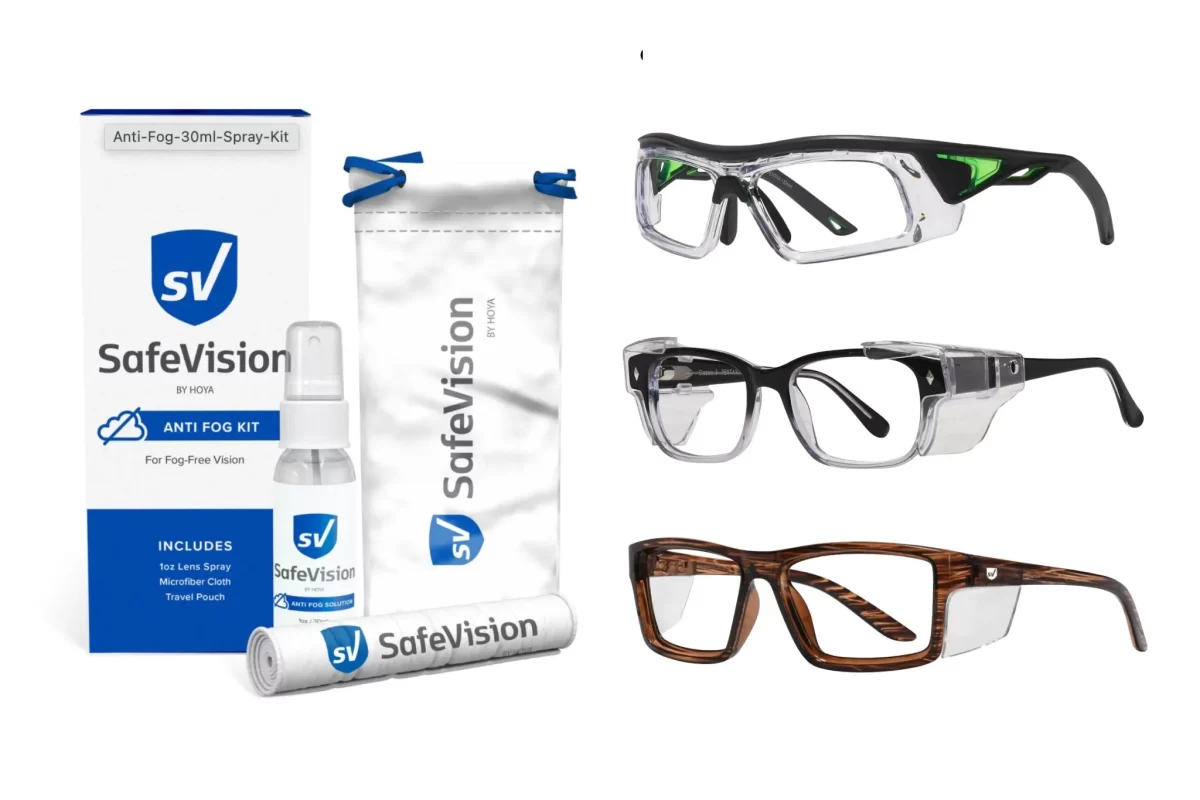
    Wear thick gloves to protect your hands. Gloves made of leather or heavy rubber work best. Use closed-toe shoes to protect your feet from falling glass. Eye protection like safety goggles stops shards from hitting your eyes. Long sleeves and pants add extra skin protection. Always wear the gear before starting cleanup.

    Proper Disposal Methods

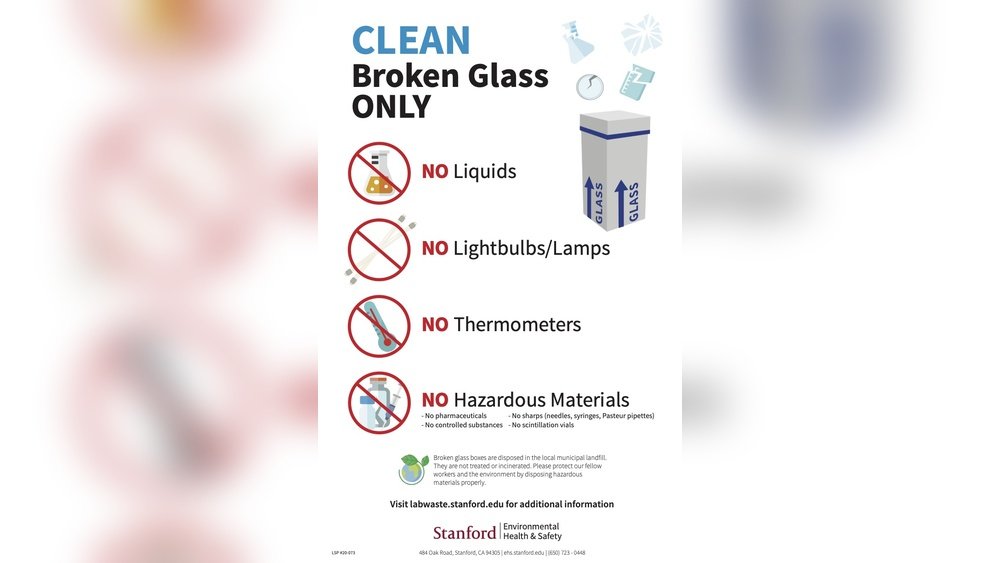
    Place glass fragments in a strong container before trash disposal. Use a cardboard box or thick plastic container. Mark the container as “broken glass” to warn others. Seal the container tightly with tape to prevent spills. Never throw loose glass directly into the trash. Follow local rules for disposing of sharp objects. Proper disposal prevents injury to waste handlers and others.

    Can Glass Fragments Be Dangerous: Hidden Risks You Must Know

    Credit: www.dreamstime.com

    First Aid For Glass Injuries

    Glass injuries can cause pain and bleeding. Knowing first aid helps reduce harm and avoid infection. Act quickly but calmly. Follow safe steps to treat cuts from glass fragments.

    Removing Glass Fragments Safely

    Do not try to remove deep glass pieces yourself. For small pieces on the skin, wash your hands first. Use tweezers cleaned with alcohol. Gently pull out visible glass. Stop if it hurts or if glass is too deep.

    After removing, rinse the area with clean water. Avoid rubbing the wound. Pat dry with a clean cloth. Cover the cut with a sterile bandage to protect it.

    When To Seek Medical Help

    Go to the doctor if bleeding is heavy and does not stop. Visit if glass is embedded deeply or near the eyes. Watch for signs of infection like redness, swelling, or pus. Seek help if you feel numbness or cannot move the injured part.

    Professional care may require stitches or special cleaning. Early treatment helps avoid complications and speeds healing.

    Can Glass Fragments Be Dangerous: Hidden Risks You Must Know

    Credit: pngtree.com

    Frequently Asked Questions

    Can Glass Fragments Cause Serious Injuries?

    Yes, glass fragments can cause serious injuries like deep cuts, bleeding, and infections. Even small shards can penetrate the skin and damage tissues.

    How Can Glass Fragments Affect Health?

    Glass fragments can lead to infections if not removed properly. They may cause pain, swelling, and long-term tissue damage.

    What First Aid Is Needed For Glass Cuts?

    Clean the wound gently, remove visible fragments carefully, and apply antiseptic. Seek medical help for deep or large cuts immediately.

    Are Glass Fragments Dangerous For Children And Pets?

    Yes, children and pets are at higher risk of injury from glass fragments due to their curious nature and sensitive skin.

    Conclusion

    Glass fragments can cause serious injuries if not handled carefully. Always wear gloves and clean up broken glass promptly. Keep children and pets away from sharp pieces. Small cuts may seem minor but can get infected quickly. Knowing how dangerous glass fragments are helps you stay safe.

    Taking simple steps prevents accidents and pain. Stay alert and treat broken glass with caution every time. Safety matters most when dealing with sharp, hidden glass shards.

  • Is Broken Side Window Dangerous: Hidden Risks You Must Know

    Is Broken Side Window Dangerous: Hidden Risks You Must Know

    Have you ever noticed a crack or a break in your car’s side window and wondered if it’s really a big deal? You might think it’s just a small problem that can wait, but a broken side window can actually put you at serious risk.

    Whether it’s about your safety, your car’s security, or even your comfort, ignoring that damage could lead to bigger issues than you expect. Keep reading to find out why a broken side window is more dangerous than you might think—and what you should do about it right now.

    Is Broken Side Window Dangerous: Hidden Risks You Must Know

    Credit: www.shutterstock.com

    Immediate Hazards

    Broken side windows pose serious immediate hazards. These dangers affect both safety and security. Acting quickly reduces risks and prevents further problems.

    Sharp Glass Injuries

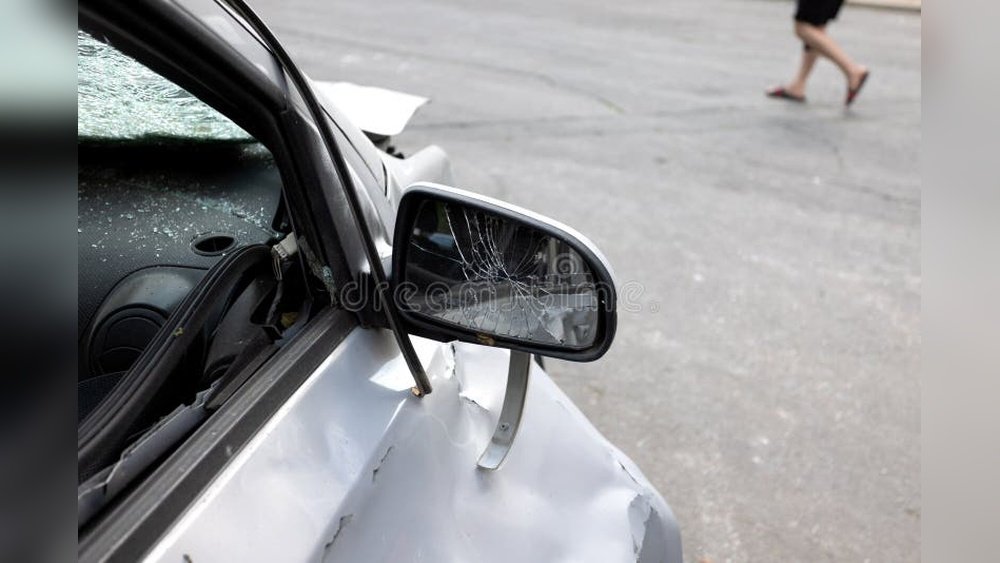
    Broken glass shards can cause deep cuts. Touching or brushing against these pieces leads to injuries. Small glass fragments may scatter inside the vehicle. This increases the chance of harm to passengers and pets. Clean-up must be careful and thorough to avoid accidents.

    Compromised Vehicle Security

    A broken side window makes the vehicle easy to enter. Thieves can reach inside to unlock doors or steal valuables. This increases the risk of theft or vandalism. Leaving a car with a damaged window unattended invites trouble. Repairing the window quickly helps protect your vehicle.

    Weather Exposure Effects

    A broken side window exposes your car’s interior to weather changes. This exposure can cause serious damage over time. Weather effects worsen the problem quickly. Understanding these effects helps protect your car better.

    Rain And Moisture Damage

    Rainwater enters through the broken window easily. Moisture collects inside the car, causing mold and mildew. Wet seats and carpets can smell bad and rot. Moisture also damages electronic parts and wiring. Rust can form on metal surfaces inside the car. This damage reduces your car’s value and comfort.

    Temperature Fluctuations Inside Car

    Without a window, heat escapes in cold weather. In hot weather, the car becomes very warm fast. These temperature changes stress the car’s materials. Plastic, rubber, and fabric parts can crack or fade. Electronics may not work well in extreme temperatures. A broken window lets weather affect your car’s interior badly.

    Safety Risks While Driving

    Driving with a broken side window poses serious safety risks. The damage affects both your comfort and protection. Understanding these risks helps you stay safe on the road. Below are two major concerns to consider.

    Wind Noise And Distraction

    A broken side window lets in loud wind noise. This noise can distract your focus from driving. It becomes harder to hear important sounds like horns or sirens. The constant noise can also cause stress and fatigue. These factors increase the chance of an accident.

    Reduced Structural Integrity

    Side windows add strength to your vehicle’s frame. A broken window weakens this structure. In a crash, the car may not protect you as well. The risk of injury rises without the full support of the window. Always repair broken windows quickly for better safety.

    Is Broken Side Window Dangerous: Hidden Risks You Must Know

    Credit: www.dreamstime.com

    Theft And Vandalism Vulnerability

    A broken side window makes a vehicle very easy to target. It sends a clear signal that the car is not secure. This can attract thieves and vandals quickly. The damage invites unwanted attention and puts your belongings at risk.

    Vehicles with broken windows face more frequent attacks. The risk of theft and vandalism rises sharply. Owners must act fast to protect their property and safety.

    Easier Access For Criminals

    A broken side window gives criminals a simple way inside. They do not need to break locks or force doors. The open gap makes it easy to reach into the car. This quick access saves time and lowers the chance of being caught. It can lead to more thefts in your area.

    Loss Of Personal Belongings

    Items inside the car become easy targets. Thieves can grab valuables without much effort. Electronics, bags, and documents often disappear first. This loss causes stress and financial trouble. Replacing stolen items can be costly and time-consuming. Keeping windows intact helps protect your stuff from harm.

    Health Concerns

    Broken side windows pose more than just a visual problem. They can affect your health in various ways. Understanding these health risks helps you take quick action. Protect yourself and others from potential harm caused by a damaged car window.

    Exposure To Dust And Allergens

    A broken window allows dust to enter the car easily. Dust particles can irritate your eyes and throat. Allergens like pollen also come inside, causing sneezing and coughing. This can worsen asthma or allergy symptoms. Keeping the window intact helps maintain clean, fresh air inside.

    Increased Risk Of Injury During Accidents

    Broken side windows make the car less safe in crashes. Sharp glass edges can cut your skin during sudden impact. Broken glass can fly inside, causing serious wounds. The window also loses strength, reducing protection from outside objects. Fixing broken windows reduces the chance of injury in accidents.

    Is Broken Side Window Dangerous: Hidden Risks You Must Know

    Credit: www.alamy.com

    Repair And Replacement Options

    Fixing a broken side window quickly is important for safety and comfort. There are several ways to repair or replace a damaged window. Choose an option based on the damage extent and your budget.

    Some fixes work only for a short time. Others offer long-term solutions. Knowing the options helps you make the right choice fast.

    Temporary Fixes

    Temporary fixes stop wind, rain, and dust from entering the car. Clear plastic sheets and strong tape can cover the broken window. These fixes help keep the car clean and dry.

    Temporary fixes do not protect against theft or sharp edges. Use them only until proper repair is possible. Do not drive long distances with temporary covers.

    Professional Repair Services

    Experts can fix or replace side windows quickly and safely. They use the right tools and materials. This ensures the window fits perfectly and works well.

    Professional repair keeps your vehicle secure and maintains its value. They also check for hidden damage around the window frame. This helps prevent future problems.

    Cost Considerations

    Repair costs vary by damage size and window type. Temporary fixes cost less but last a short time. Full replacement costs more but offers better safety.

    Some insurance plans cover window repairs. Check your policy for coverage details. Choose the option that fits your budget and needs.

    Frequently Asked Questions

    Is A Broken Side Window A Safety Hazard?

    Yes, a broken side window can be dangerous. It exposes passengers to sharp glass edges and increases injury risk during accidents or sudden stops.

    Can A Broken Side Window Affect Vehicle Security?

    Absolutely. A broken side window makes your vehicle vulnerable to theft and unauthorized entry, compromising both safety and security.

    How Does A Broken Side Window Impact Driving?

    It can distract the driver due to wind noise and debris. It may also affect aerodynamics, causing discomfort and reduced focus.

    Should I Repair A Broken Side Window Immediately?

    Yes, prompt repair is essential. It restores safety, prevents weather damage, and maintains vehicle integrity and value.

    Conclusion

    A broken side window can cause many risks. Sharp glass pieces may hurt you or others. It also makes your car less safe from thieves. Wind and rain can enter, damaging the inside. Driving with a broken window can be distracting and unsafe.

    Fixing it quickly keeps you and your car protected. Don’t wait until the problem gets worse. Safety should always come first when your window breaks. Act soon to avoid bigger troubles on the road.

  • Can Temperature Change Break Side Window Glass? Shocking Truth Revealed!

    Can Temperature Change Break Side Window Glass? Shocking Truth Revealed!

    Have you ever wondered if a sudden change in temperature can actually break your car’s side window glass? It’s a question many drivers don’t think about—until it happens to them.

    Understanding how temperature affects your windows can save you from unexpected damage and costly repairs. You’ll discover the surprising ways heat and cold can impact your side window glass and learn what you can do to protect it. Keep reading to find out how to avoid a shattered window before it’s too late.

    How Temperature Affects Glass

    Glass changes with temperature shifts. It expands when heated and contracts when cooled. These changes affect side window glass, sometimes causing cracks or breaks. Understanding how temperature impacts glass helps explain why this happens.

    Thermal Expansion And Contraction

    Glass expands as it gets hot. The molecules inside move apart slightly. When it cools, the molecules come closer again. This process is called thermal expansion and contraction.

    Side window glass faces these changes daily. Rapid temperature shifts cause the glass to stretch and shrink fast. This stress can lead to cracks or even breakage over time.

    Stress Points In Glass

    Stress points are weak spots on the glass surface. These can be tiny chips or scratches. Temperature changes increase pressure on these points.

    Heat causes expansion around these weak spots. Cooling causes contraction. This back-and-forth movement can make stress points grow into cracks. Small damage makes glass more likely to break in changing temperatures.

    Can Temperature Change Break Side Window Glass? Shocking Truth Revealed!

    Credit: only1autoglass.com

    Common Causes Of Side Window Breakage

    Side window glass breaks for several reasons. Understanding these causes helps prevent damage. Many factors contribute to the glass weakening or shattering. Common causes include temperature changes, existing cracks, and poor installation. Each factor plays a key role in the glass’s durability.

    Rapid Temperature Fluctuations

    Glass expands and contracts with temperature changes. Quick shifts from hot to cold create stress inside the glass. This stress can cause the glass to crack or break. For example, pouring hot water on a cold window can cause damage. Rapid temperature changes are a common cause of side window breakage.

    Pre-existing Damage

    Small chips or cracks weaken the glass structure. These flaws grow over time, making the glass fragile. Even minor damage can lead to sudden breakage. Rocks or debris hitting the window cause pre-existing damage. Ignoring these small problems increases the risk of window failure.

    Improper Installation

    Incorrect fitting puts pressure on the glass edges. This pressure creates weak points where cracks can start. Using wrong materials or poor techniques also affects glass strength. Over time, vibrations and stress cause the glass to break. Proper installation is vital to avoid side window damage.

    Real-life Cases Of Temperature-induced Breakage

    Temperature changes can cause side window glass to break. This happens more often than many think. Real-life cases show how heat and cold affect glass strength. Understanding these cases helps us know why glass sometimes shatters without impact.

    Extreme Weather Conditions

    Extreme heat or cold puts stress on side window glass. In very hot weather, glass expands quickly. Sudden cold snaps make glass contract fast. This rapid change can cause cracks and breaks. For example, a car parked in the sun and then hit by cold rain might experience glass breakage. Many reports show broken side windows after storms or heatwaves. The glass cannot handle fast temperature swings well.

    Sunlight And Shade Effects

    Sunlight hitting one part of the glass heats it more than shaded areas. This creates uneven expansion. The shaded part stays cooler and does not expand as much. The difference in size puts pressure on the glass. Over time, this pressure can cause cracks to form. Cars parked with one side in the sun and the other in shade often show this damage. Real cases highlight side window glass breaking under these conditions without any physical impact.

    Can Temperature Change Break Side Window Glass? Shocking Truth Revealed!

    Credit: www.reddit.com

    Preventing Side Window Glass Breakage

    Side window glass breaks mostly due to sudden temperature changes. Preventing this breakage means managing the glass carefully. It also means knowing how to care for the windows. Small steps can protect your car windows from cracking or shattering.

    Temperature Management Tips

    Avoid extreme heat or cold shocks to the glass. Park your car in shaded areas or garages to reduce direct sunlight. Use window shades inside the car on hot days. On cold days, warm the car gradually before driving. Avoid pouring hot water on frosted windows. These actions reduce stress on the glass.

    Regular Maintenance Checks

    Check your side windows for small chips or cracks often. Even tiny damage can grow when exposed to temperature changes. Clean the windows with mild soap and water to remove dirt and debris. Ensure seals around the glass are intact to prevent moisture buildup. Fix any damage quickly to prevent bigger problems.

    Choosing The Right Glass Type

    Use tempered or laminated glass for side windows. These types handle temperature changes better than regular glass. Tempered glass breaks into small, less harmful pieces. Laminated glass holds together even if cracked. Upgrading to stronger glass can lower the risk of breakage.

    What To Do If Your Window Breaks

    Windows can break suddenly due to temperature changes or accidents. Knowing what to do next helps keep you safe and reduce damage. Acting fast is important when a side window breaks. Follow these steps to handle the situation correctly.

    Immediate Safety Measures

    Stay calm and move away from the broken glass. Small shards can cut skin easily. Use thick gloves to clear large pieces carefully. Place a barrier like cardboard or plastic over the broken window. This stops cold air and keeps pets or children safe. Avoid touching sharp edges directly. Keep the area clear until repairs are done.

    Repair Vs. Replacement

    Check the size and depth of the damage. Small cracks or chips might be repaired quickly. Repair saves money and time. Large cracks or shattered glass need full replacement. Replacement ensures safety and proper insulation. Contact a professional for a proper assessment. They can recommend the best option for your window.

    Can Temperature Change Break Side Window Glass? Shocking Truth Revealed!

    Credit: www.clopaydoor.com

    Frequently Asked Questions

    Can Temperature Changes Cause Side Window Glass To Break?

    Yes, rapid temperature changes can cause side window glass to crack or break. Glass expands and contracts with heat. Sudden shifts create stress, leading to fractures.

    Why Does Hot Sun Cause Car Window Glass To Crack?

    Hot sun heats the glass unevenly. This causes expansion in some areas more than others. Uneven expansion creates stress, which can crack the glass.

    How Cold Weather Affects Side Window Glass Durability?

    Cold weather contracts glass, making it brittle. Sudden warming or impacts during cold weather increase the risk of cracks or breaks in side windows.

    Can Thermal Stress Alone Break Side Window Glass?

    Thermal stress from rapid temperature changes can weaken glass. If the stress exceeds the glass strength, it can cause cracks or breakage.

    Conclusion

    Temperature changes can cause side window glass to crack or break. Glass expands when hot and shrinks when cold, creating stress. Sudden changes, like pouring cold water on hot glass, increase the risk. Proper care helps prevent damage and keeps windows safe.

    Watch for small chips or cracks and fix them fast. Simple steps protect your car and save money on repairs. Stay aware of weather and handle windows gently. Safety matters most when temperature shifts affect glass strength.

  • Can Scratches Reduce Glass Safety: Hidden Risks Exposed

    Can Scratches Reduce Glass Safety: Hidden Risks Exposed

    Have you ever noticed a scratch on your car window or home glass and wondered if it’s just a minor flaw or something more serious? Scratches might seem harmless at first, but they can actually affect how strong and safe your glass really is.

    If you care about your safety and want to avoid unexpected accidents, understanding how scratches impact glass strength is crucial. Keep reading to discover what those tiny marks could mean for your protection and what you can do about them.

    How Scratches Form On Glass

    Scratches on glass happen over time and affect its safety. Small marks might seem harmless. Yet, they can weaken the glass structure. Understanding how scratches form helps prevent damage and keeps glass safe.

    Common Causes

    Glass often scratches from daily use. Rough cleaning tools can leave marks. Sharp objects scraping the surface cause visible lines. Dirt or grit trapped under cloths also scratch glass. Outdoor glass faces weather effects like wind carrying particles. These particles hit the glass and create scratches.

    Types Of Scratches

    Not all scratches are the same. Light scratches only affect the surface. They look like fine lines and do not break the glass. Deeper scratches go below the surface. They weaken the glass and make it fragile. Some scratches spread cracks over time. These cracks can cause the glass to break easily.

    Impact On Glass Strength

    Scratches on glass do more than spoil its look. They can weaken the glass and lower its safety. These small marks create spots where the glass is less strong. This makes the glass easier to break under pressure or impact.

    Structural Weakness

    Scratches cut into the glass surface. This damages the smooth, solid structure. Even tiny scratches cause weak spots. These spots do not hold pressure well. Over time, these weak areas can grow bigger cracks. The glass then loses its ability to protect or hold weight.

    Stress Concentration Points

    Scratches act like traps for stress. Pressure on the glass collects at these points. Instead of spreading evenly, stress focuses on scratches. This focus makes the glass more likely to break. Cracks start at these points and spread fast. The glass becomes unsafe much sooner than expected.

    Safety Hazards Linked To Scratches

    Scratches on glass surfaces do more than just spoil the look. They can create real safety risks. These marks weaken the glass and make it less safe. Understanding the hazards linked to scratches helps in taking better care of glass items.

    Increased Breakage Risk

    Scratches act like tiny cracks on the glass surface. They reduce the glass strength. Stress builds up around these weak points. This makes the glass more likely to break under pressure or impact. Even small hits can cause shattered glass if scratches are deep.

    Sharp Edge Formation

    Scratches can lead to sharp edges on broken glass. These edges are dangerous. They can cut skin easily and cause injuries. Broken glass with scratched surfaces is harder to handle safely. It is important to avoid contact with damaged glass to prevent accidents.

    Can Scratches Reduce Glass Safety: Hidden Risks Exposed

    Credit: www.walmart.com

    Testing Glass Durability

    Testing glass durability is essential to understand how scratches affect its strength and safety. Experts use different methods to check if damaged glass can still protect people. This helps manufacturers improve glass quality and safety standards.

    Laboratory Assessments

    Scientists test glass samples in labs using special machines. They apply pressure and force to see how much the glass can hold. Scratches are added to some samples to check their impact. These tests show if cracks or chips weaken the glass structure. Results help predict how glass behaves under stress.

    Real-world Scenarios

    Testing also involves real-life situations like wind, impacts, and temperature changes. Scratched glass is exposed to these conditions to watch for failures. This reveals how damage affects safety outside the lab. Real-world tests ensure glass can protect people in everyday use. They confirm if scratches lead to faster breakage or not.

    Preventing Scratch Damage

    Scratches on glass can weaken its strength and safety. Preventing these damages helps keep glass durable and safe. Simple steps and smart choices protect glass from scratches.

    Protective Coatings

    Protective coatings add a thin layer on glass surfaces. This layer reduces the chance of scratches. It also makes cleaning easier. Some coatings can even stop small cuts from spreading. Choose coatings designed for your glass type.

    Handling And Maintenance Tips

    Handle glass carefully to avoid sharp objects touching it. Use soft cloths for cleaning. Avoid abrasive materials like rough sponges or paper towels. Clean glass regularly to remove dirt that can cause scratches. Store glass items in safe places away from hard surfaces.

    Can Scratches Reduce Glass Safety: Hidden Risks Exposed

    Credit: www.bulkreefsupply.com

    Repair And Replacement Options

    Scratches on glass can affect its safety and appearance. Choosing the right repair or replacement option helps keep glass strong and clear. Some scratches can be fixed easily. Others need full glass replacement. Knowing the best choice protects your home and family.

    Scratch Removal Techniques

    Light scratches can be removed with simple tools. Polishing kits work well for minor surface damage. These kits use fine abrasives to smooth the glass. Another method uses toothpaste or baking soda paste. Gently rub the scratch in a circular motion. Clean the glass afterward to check results. This works only on small, shallow scratches.

    For deeper scratches, professional repair is better. Experts use special machines and compounds. They can restore glass clarity without weakening it. This process takes skill and care. Avoid DIY fixes on large or deep scratches. Poor repair can cause more damage.

    When To Replace Glass

    Replace glass if scratches are deep or widespread. Cracks often start from scratches that weaken glass. Broken or chipped glass always needs replacement. Safety glass must meet strict standards. Damaged glass may fail during impact. This risks injury to people nearby.

    Window and car glass with many scratches lose visibility. This can cause accidents or reduce light. Replacing glass restores safety and clarity. Choose glass that meets safety codes. This ensures long-lasting protection for your space.

    Can Scratches Reduce Glass Safety: Hidden Risks Exposed

    Credit: www.amazon.com

    Frequently Asked Questions

    Can Scratches Weaken The Structural Integrity Of Glass?

    Yes, scratches can create stress points that weaken glass. These imperfections may lead to cracks under pressure or impact, reducing overall safety and durability.

    Do Scratches Affect Safety Glass Performance?

    Scratches can compromise safety glass by reducing its strength. Damaged glass is more prone to shattering, which can increase the risk of injury during accidents.

    How Do Scratches Impact Tempered Glass Safety?

    Scratches on tempered glass can cause uneven stress distribution. This raises the chance of spontaneous breakage, undermining the glass’s intended safety features.

    Can Minor Scratches Cause Glass To Shatter Unexpectedly?

    Even small scratches can cause micro-fractures. These hidden defects can propagate, leading to unexpected glass breakage under normal conditions.

    Conclusion

    Scratches can weaken glass and make it less safe. Small cracks may grow over time and cause breakage. Regular checks help catch damage early and prevent accidents. Fixing scratches quickly keeps glass strong and reliable. Always handle glass with care to avoid harm.

    Safety matters most when dealing with glass surfaces. Stay aware and protect your glass from scratches.

  • How to Clean Car Window Tint Glue: Easy Steps for a Spotless Finish

    How to Clean Car Window Tint Glue: Easy Steps for a Spotless Finish

    Have you ever tried removing car window tint glue and ended up with a sticky, messy surface? You’re not alone.

    That stubborn glue can ruin the look of your windows and make your car feel less clean. But don’t worry—cleaning it off doesn’t have to be frustrating or time-consuming. You’ll learn simple, effective steps to get rid of that glue quickly and safely.

    By the end, your windows will look clear and spotless, and you’ll feel confident handling this task yourself. Keep reading to discover the best tips and tricks to make your car shine again.

    Tools And Materials Needed

    Cleaning car window tint glue needs the right tools and materials. Having these ready makes the job easier and faster. You avoid damage to your glass and get a clear finish. Below are the basic supplies you must have. Plus, some extra tools for tough glue spots.

    Essential Cleaning Supplies

    • Warm water and mild soap – gentle on glass and surfaces
    • Spray bottle – for even application of cleaning solution
    • Microfiber cloths – soft, non-scratching, and absorbent
    • Plastic scraper or old credit card – removes glue without scratching
    • Rubbing alcohol or adhesive remover – breaks down glue residue
    • Paper towels – for wiping and drying surfaces

    Optional Tools For Tough Glue

    • Hair dryer or heat gun – softens glue for easier removal
    • Plastic putty knife – helps lift stubborn glue safely
    • Isopropyl alcohol wipes – strong cleaner for sticky spots
    • Gloves – protect hands from chemicals
    • Masking tape – protects areas around the glue
    How to Clean Car Window Tint Glue: Easy Steps for a Spotless Finish

    Credit: www.youtube.com

    Preparing The Work Area

    Preparing the work area is the first step to clean car window tint glue. A clean and organized space makes the job easier. It helps avoid damage to your car and surroundings. Taking time to prepare saves frustration later.

    Choosing The Right Location

    Select a flat, shaded area to work on your car. Avoid direct sunlight to prevent cleaning products from drying too fast. A garage or driveway works well. Ensure good ventilation for safety. Keep children and pets away from the area.

    Protecting Surrounding Surfaces

    Cover nearby parts with plastic sheets or old towels. Protect the car paint and interior from cleaning chemicals. Mask off edges with painter’s tape to avoid accidental spills. Use drop cloths on the ground to catch drips. This keeps the work area neat and safe.

    Removing Excess Glue

    Removing excess glue from car window tint can be a tricky job. The glue often sticks firmly to the glass, making cleaning difficult. This section explains simple steps to remove leftover glue without damaging the window. Use careful methods to keep the glass clear and smooth.

    Peeling Off Loose Glue

    Start by checking for any glue that is already loose or peeling. Gently lift the edges using your fingernail or a plastic scraper. Avoid metal tools to prevent scratching the glass. Slowly peel off the loose glue in small pieces. This step helps reduce the amount of glue left on the window.

    Using Heat To Soften Residue

    Heat can make the glue soft and easier to remove. Use a hairdryer on low or medium heat. Hold it a few inches from the glue for a minute or two. The warmth will loosen the glue’s hold on the glass. After heating, wipe the softened glue with a clean cloth. Repeat the heating and wiping until the glue is gone.

    How to Clean Car Window Tint Glue: Easy Steps for a Spotless Finish

    Credit: www.reddit.com

    Cleaning Techniques

    Cleaning car window tint glue requires the right techniques to avoid damage. The glue can be sticky and tough to remove. Using proper methods helps keep your windows clear and safe.

    These cleaning techniques work best for removing glue without scratching or harming the tint or glass.

    Applying Solvents Safely

    Choose a solvent designed for adhesive removal, like rubbing alcohol or a commercial adhesive remover. Test it on a small, hidden area first. Apply the solvent with a soft cloth. Let it sit for a few minutes. Avoid soaking the window to protect the tint and seals.

    Scraping Glue Without Damage

    Use a plastic scraper or an old credit card. Hold the scraper at a low angle to the glass. Gently push the glue off without pressing hard. Avoid metal tools that can scratch the glass or damage the tint. Work slowly to prevent tears or marks.

    Using Microfiber Cloths

    Use a clean microfiber cloth to wipe away loosened glue and solvent. Microfiber is soft and prevents scratches. Change cloths often to avoid spreading glue residues. Finish by buffing the glass to a clear shine.

    Dealing With Stubborn Spots

    Stubborn glue spots on car window tint can be tough to remove. They resist simple cleaning and need extra care. Patience and the right methods help clear these marks. The goal is to protect the tint and glass while removing glue.

    Repeat Application Tips

    Sometimes one cleaning does not remove all glue. Apply your chosen cleaner several times. Let the cleaner sit on the glue for a few minutes. This softens the glue and makes it easier to wipe away. Use a soft cloth or plastic scraper to avoid scratches. Repeat gently until the spot fades. Avoid rubbing hard, which can damage the tint.

    Alternative Cleaning Solutions

    Standard cleaners might not work on tough glue. Try alternative solutions like rubbing alcohol or vinegar. Both help break down glue without harsh chemicals. Dampen a cloth with the solution and press it on the glue. Let it sit for a few minutes. Then wipe gently and check the spot. Test on a small area first to avoid damage. These options are safe and easy to find at home.

    How to Clean Car Window Tint Glue: Easy Steps for a Spotless Finish

    Credit: www.prowax.com

    Final Touches

    After removing the tint glue, the final touches help restore your car windows. These steps make the glass look clear and fresh. A clean window improves your car’s appearance. It also helps prevent dirt and glue from sticking again. Pay attention to these last steps for the best results.

    Wiping Down For Shine

    Use a clean microfiber cloth for wiping. This cloth picks up dust and small glue bits. Spray a glass cleaner lightly on the cloth, not the window. Wipe the glass in circular motions. This action removes streaks and leftover residue. Keep wiping until the window shines clearly. A shiny window improves visibility and car look.

    Preventing Future Glue Buildup

    Apply a thin layer of car window protectant. This product creates a smooth surface on the glass. It stops glue and dirt from sticking easily. Clean your windows regularly to avoid buildup. Avoid harsh chemicals that can damage tint or glass. Keep your car in shaded areas to reduce sun damage. These steps help your windows stay clean longer.

    Frequently Asked Questions

    How Do I Remove Car Window Tint Glue Safely?

    Use a heat gun or hairdryer to soften the glue. Then, gently scrape it off with a plastic razor blade. Avoid metal tools to prevent glass scratches. Clean the residue with adhesive remover or rubbing alcohol for a spotless finish.

    What Household Items Remove Window Tint Glue Effectively?

    Rubbing alcohol, vinegar, and soapy water work well to dissolve glue. Apply with a cloth and gently scrub the area. These items are safe for glass and eco-friendly. Always test on a small spot first to avoid damage.

    Can I Use Commercial Adhesive Removers On Car Windows?

    Yes, commercial adhesive removers are designed to break down glue residue quickly. Choose products safe for automotive glass and follow instructions carefully. Use gloves and work in a well-ventilated area to protect yourself and your car.

    How Long Does It Take To Clean Tint Glue From Windows?

    Cleaning tint glue usually takes 30 to 60 minutes depending on glue thickness. Soften the glue first, then scrape and clean thoroughly. Patience is key to avoid damaging the window or leaving residue behind.

    Conclusion

    Cleaning car window tint glue takes patience and the right tools. Use gentle cleaners and soft cloths to avoid scratches. Work slowly to remove all sticky residue without damaging the glass. Regular care keeps your windows clear and your car looking neat.

    Now, your windows can shine like new again. Simple steps, great results.

  • What Should Be Avoided to Maintain Glass Safety: Top Risks Revealed

    What Should Be Avoided to Maintain Glass Safety: Top Risks Revealed

    Glass is everywhere—in your home, office, and even your car. But do you know what can put your safety at risk when dealing with glass?

    Small mistakes or overlooked habits can lead to dangerous accidents. If you want to protect yourself and those around you, it’s crucial to understand what you should avoid. Keep reading to discover simple yet vital tips that will help you maintain glass safety every day.

    Your safety depends on it.

    What Should Be Avoided to Maintain Glass Safety: Top Risks Revealed

    Credit: newlifescientific.com

    Common Glass Hazards

    Glass is a popular material in homes and offices. It looks nice and lets in light. But glass can also be dangerous. Certain risks can cause injuries or damage. Knowing common glass hazards helps keep everyone safe.

    Sharp Edges And Breakage

    Sharp edges on glass can cause cuts and wounds. Broken glass is even more dangerous. It can splinter into small, sharp pieces. These pieces can hurt skin and eyes. Always check glass edges and avoid damaged glass.

    Improper Installation

    Glass that is not installed correctly may fall or break. Loose glass can slip out of frames easily. This leads to accidents and injuries. Proper fitting and secure fixing prevent these problems. Use skilled workers for glass installation.

    Incorrect Glass Type Use

    Using the wrong type of glass can cause safety issues. Some glass types are not strong enough for certain uses. For example, regular glass may break easily in doors or windows. Tempered or laminated glass is safer for these areas. Always choose the right glass type for the job.

    What Should Be Avoided to Maintain Glass Safety: Top Risks Revealed

    Credit: ehs.princeton.edu

    Environmental Risks

    Glass is sensitive to many environmental factors that can reduce its strength and safety. Avoiding certain risks helps keep glass intact and prevents accidents. Understanding these risks protects your glass surfaces and structures.

    Extreme Temperature Changes

    Glass can crack or shatter when exposed to sudden temperature shifts. Hot sun followed by cold rain stresses the material. Avoid placing glass near heat sources or cold drafts. Gradual temperature changes help maintain glass integrity.

    Exposure To Harsh Chemicals

    Harsh chemicals can damage glass surfaces and weaken them. Strong acids or alkalis cause etching and cloudiness. Use mild cleaners and avoid abrasive substances. Protect glass from spills of cleaning agents or industrial chemicals.

    Impact From Heavy Objects

    Heavy objects hitting glass can cause cracks or breaks. Even small impacts create weak points over time. Keep heavy tools and furniture away from glass areas. Use protective films or barriers in high-traffic zones.

    Maintenance Mistakes

    Maintaining glass safety requires careful attention during upkeep. Mistakes in maintenance can weaken glass and cause accidents. Avoiding these errors helps keep glass strong and clear. Learn about common maintenance mistakes to prevent damage.

    Using Abrasive Cleaners

    Abrasive cleaners scratch glass surfaces easily. These scratches reduce glass strength and clarity. Use soft cloths and mild cleaners instead. Gentle cleaning keeps glass safe and looking good.

    Neglecting Regular Inspections

    Skipping routine checks lets problems grow unnoticed. Small cracks can spread and cause breaks. Regular inspections catch damage early. Fix issues quickly to maintain glass safety.

    Ignoring Minor Damages

    Minor chips and cracks seem harmless but are risky. They weaken the glass structure over time. Address even small damage immediately. Early repair prevents bigger safety hazards.

    Safety Measures To Avoid Risks

    Maintaining glass safety requires careful attention to key measures. Avoiding risks starts with understanding the best practices. These safety steps help prevent accidents and damage. Every detail matters, from selecting materials to regular checks.

    Choosing The Right Glass Material

    Pick glass designed for safety and strength. Tempered glass resists breaking and shattering. Laminated glass holds together when cracked. Avoid cheap or thin glass that breaks easily. The right choice reduces injury risks significantly.

    Proper Handling And Installation

    Handle glass with clean gloves to avoid slipping. Always carry glass vertically, not flat. Secure glass firmly during installation. Use appropriate tools to prevent cracks. Poor handling causes chips, cracks, and accidents.

    Routine Safety Checks

    Inspect glass regularly for chips or cracks. Replace damaged glass immediately to avoid danger. Check frames and seals for wear or looseness. Keep glass surfaces clean to spot issues fast. Routine checks catch problems before they grow.

    What Should Be Avoided to Maintain Glass Safety: Top Risks Revealed

    Credit: safevision.com

    Frequently Asked Questions

    What Common Chemicals Should Be Avoided On Glass Surfaces?

    Avoid harsh chemicals like ammonia, bleach, and acids on glass. These substances can cause etching and weaken the glass surface. Use mild, glass-specific cleaners to maintain clarity and safety. Always test any cleaner on a small area before full application.

    How Can Extreme Temperatures Affect Glass Safety?

    Extreme heat or cold can cause glass to crack or shatter. Avoid placing hot items directly on glass surfaces and prevent sudden temperature changes. Using tempered or heat-resistant glass can improve safety and durability in temperature-sensitive environments.

    Why Is Avoiding Impact Important For Glass Safety?

    Impacts can cause chips, cracks, or complete breakage in glass. Always handle glass carefully and avoid hitting or dropping heavy objects on it. Installing protective films or using laminated glass can reduce injury risks if breakage occurs.

    Can Improper Cleaning Tools Damage Glass Safety?

    Yes, abrasive tools like steel wool or rough cloths can scratch glass. Scratches weaken glass integrity and reduce visibility. Use soft microfiber cloths and non-abrasive cleaning solutions to keep glass safe and clear.

    Conclusion

    Avoiding sharp impacts and extreme temperatures keeps glass safe. Never use glass with cracks or chips. Handle glass gently to prevent breakage. Keep glass clean to spot damage early. Store glass items in secure places. Follow these simple steps to protect yourself and others.

    Safe glass use means fewer accidents and injuries. Stay careful and respect glass’s fragile nature. Safety starts with small, smart actions every day.

  • Can Cracked Windshield Fail Inspection? Essential Facts Revealed

    Can Cracked Windshield Fail Inspection? Essential Facts Revealed

    Is that crack on your windshield causing you worry? You might be wondering, “Can a cracked windshield fail inspection?” This question is more important than you think.

    Your car’s safety and legal compliance depend on passing inspection, and even a small crack could make a big difference. Keep reading to find out how that crack affects your inspection, what the rules really say, and what you should do next to keep your car road-ready.

    Don’t risk a failed inspection or unsafe driving—know the facts now.

    Inspection Criteria For Windshields

    Windshield inspections check for damage that affects safety. Inspectors look at cracks, chips, and the glass’s overall condition. The goal is to ensure clear vision and strong protection for drivers and passengers. Knowing the inspection criteria helps drivers keep their vehicles roadworthy.

    Legal Standards For Vehicle Glass

    Every state sets rules for vehicle glass quality. These rules decide how big or where cracks can be. Usually, cracks in the driver’s line of sight cause failure. The glass must be free from damage that blocks clear vision. Also, the glass should hold strong in case of an accident.

    Common Causes For Inspection Failure

    Cracks longer than a few inches often fail inspections. Chips in the center of the windshield are risky. Damage that spreads or has sharp edges also causes failure. Scratches or cloudiness that blur vision can lead to a fail. Loose or improperly fixed glass is unsafe and may fail too.

    Types Of Cracks And Their Impact

    Cracks in a windshield come in many forms. Each type affects vehicle safety and inspection differently. Understanding these cracks helps you know if your windshield will pass inspection. Some cracks are minor, while others are serious. The size and position of the crack play a big role in this.

    Small Chips Vs. Large Cracks

    Small chips are tiny marks, usually caused by stones. They often do not spread quickly. Most states allow small chips if they do not block the driver’s view. Large cracks are long breaks that run across the glass. These cracks weaken the windshield and are harder to fix. Large cracks usually fail inspection because they reduce visibility and safety.

    Location Of Damage Matters

    Damage near the edges is more dangerous. It can cause the windshield to break apart easily. Cracks in the driver’s line of sight are also a problem. They make it hard to see the road clearly. These types of cracks often lead to inspection failure. Cracks in less critical areas may pass if they are small and not growing.

    Safety Concerns With Cracked Windshields

    Cracked windshields cause serious safety issues on the road. Small cracks can grow and create big problems. Drivers may not notice how these cracks affect their safety until it is too late. Understanding the risks helps keep everyone safer.

    Visibility Impairment

    Cracks block the driver’s clear view of the road. Light can scatter through cracks, causing glare. This glare can distract and confuse drivers. Rain and dirt gather more easily on cracked areas. These factors reduce the ability to see clearly, especially at night or in bad weather. A clear windshield is vital for safe driving.

    Structural Integrity Risks

    The windshield supports the roof during a crash or rollover. Cracks weaken this support and make the windshield less stable. In a collision, a cracked windshield may break more easily. This can increase the risk of injury from flying glass. The windshield also works with airbags to protect passengers. A damaged windshield may not hold up well enough to keep passengers safe.

    Can Cracked Windshield Fail Inspection? Essential Facts Revealed

    Credit: vatire.com

    Repair Or Replace: What Inspectors Prefer

    Cracked windshields raise questions during vehicle inspections. Inspectors focus on safety and visibility. They decide if a repair is enough or a full replacement is needed. Understanding their preference helps vehicle owners prepare better. It also helps avoid failing inspections due to windshield damage.

    When Repairs Are Acceptable

    Small cracks or chips often qualify for repair. These must be less than six inches long. The damage should not be in the driver’s direct line of sight. Repairs restore strength and clarity to the glass. Inspectors accept repairs that do not weaken the windshield. Proper repair stops cracks from growing larger.

    Criteria For Full Replacement

    Large cracks or multiple chips require full replacement. Damage over six inches in length often fails inspection. Cracks in the driver’s view area always need replacement. Windshield edges with chips also need full glass change. Inspectors look for any damage that affects safety. Replacement restores the windshield’s full protective function.

    Tips To Pass Inspection With Windshield Damage

    Passing a vehicle inspection with a cracked windshield can be tricky. The damage might block your view or weaken the glass. Knowing how to handle this damage helps you avoid failing the test. Simple steps can improve your chances of passing despite the crack.

    Temporary Fixes And Their Limits

    Clear tape can cover small cracks to stop dirt and moisture. This keeps the crack from growing quickly. Use a windshield repair kit to fill tiny chips. These kits can improve visibility and prevent spreading. Such fixes only work for minor damage. Large cracks or damage in the driver’s line of sight need more care. Temporary fixes do not make the glass stronger. The crack can still worsen and cause failure in inspection.

    Professional Repair Options

    Experts can fix cracks with special resin injection. This process restores strength and makes damage less visible. Repairs work best on cracks smaller than a dollar bill. For bigger cracks, windshield replacement is safer. Professionals ensure the glass meets safety rules. Their work improves driving safety and helps pass inspections. Getting expert help is often the best choice for cracked windshields.

    Can Cracked Windshield Fail Inspection? Essential Facts Revealed

    Credit: www.youtube.com

    State-by-state Variations In Regulations

    Vehicle inspection rules differ widely across the United States. Each state sets its own standards for windshield condition during safety checks. Some states reject cars with any windshield damage. Others allow minor cracks or chips without issue.

    This variation affects drivers who move between states or travel. Knowing local laws helps avoid failing inspections due to a cracked windshield. Understanding these differences makes vehicle maintenance simpler.

    Strict Vs. Lenient States

    Strict states tend to have zero tolerance for windshield cracks. Even small chips near the driver’s view can cause a fail. Examples include New York and California, where safety is heavily enforced.

    Lenient states allow minor cracks if they don’t affect visibility. Texas and Florida often pass vehicles with small chips. These rules aim to reduce repair costs for drivers.

    How To Check Local Requirements

    Start by visiting your state’s Department of Motor Vehicles website. They usually post inspection guidelines online. Search for windshield or glass safety rules specifically.

    Contact local inspection stations for direct information. They can explain what damage leads to failure. This helps prepare your vehicle before inspection day.

    Knowing your state’s rules saves time and money. Fix windshield cracks early if your state is strict. Stay informed to keep your car road-ready.

    Can Cracked Windshield Fail Inspection? Essential Facts Revealed

    Credit: www.magicwindshield.com

    Frequently Asked Questions

    Can A Cracked Windshield Cause Inspection Failure?

    Yes, a cracked windshield can cause inspection failure. Cracks that impair the driver’s view or are larger than legal limits usually fail inspections.

    How Big Can A Windshield Crack Be To Pass Inspection?

    Cracks smaller than a quarter and away from the driver’s direct view often pass inspection. Larger or obstructive cracks usually fail.

    Does Location Of The Crack Affect Inspection Results?

    Yes, cracks in the driver’s direct line of sight or near sensors often lead to inspection failure.

    Can Minor Chips Be Repaired Without Failing Inspection?

    Minor chips can be repaired and usually do not cause inspection failure if done promptly and properly.

    Conclusion

    A cracked windshield can cause your car to fail inspection. Small cracks might be okay, but big or spreading ones are not. The crack’s location also matters for safety checks. Fixing or replacing the windshield before inspection saves time and money.

    Stay safe on the road by keeping your windshield in good shape. Regular checks help catch cracks early. Don’t wait until inspection day to deal with damage. Clear glass means a clear view and better driving safety.

  • What are Common Glass Safety Myths: Debunking Dangerous Misconceptions

    What are Common Glass Safety Myths: Debunking Dangerous Misconceptions

    Have you ever worried about the safety of glass around your home or workplace? You might be surprised to learn that many things you believe about glass safety are actually myths.

    These common misunderstandings can affect how you protect yourself and your loved ones. Knowing the truth can keep you safer and help you make smarter choices. Keep reading to uncover the facts behind the most widespread glass safety myths—you won’t want to miss what could change the way you see glass forever.

    What are Common Glass Safety Myths: Debunking Dangerous Misconceptions

    Credit: www.barrybros.com

    Glass Safety Myths

    Glass safety is often misunderstood due to many common myths. These myths create false ideas about how safe glass is. They can cause people to worry too much or to ignore real dangers. Knowing the truth about glass safety helps make better choices at home and work.

    Myth: All Glass Breaks Into Sharp Pieces

    Many believe all glass shatters into dangerous shards. This is not true. Tempered glass breaks into small, blunt pieces that rarely cause injury. Laminated glass holds together even when cracked. Understanding glass types reduces fear and improves safety.

    Myth: Thicker Glass Is Always Safer

    Thicker glass does not always mean safer glass. Safety depends on glass type and treatment, not just thickness. Some thin safety glasses perform better than thick regular glass. Choosing the right glass is about quality, not size.

    Myth: Glass Is Too Fragile For Everyday Use

    People often think glass easily breaks in daily use. Modern glass is made strong with special treatments. Many glass products resist impacts and temperature changes. Glass can be both beautiful and durable in homes and offices.

    Myth: Glass Safety Is Only About Breaking

    Safety is not only about glass breaking. Proper installation and maintenance also matter. Poorly installed glass can fall or cause accidents. Regular checks and care improve glass safety greatly.

    What are Common Glass Safety Myths: Debunking Dangerous Misconceptions

    Credit: goframelessaustin.com

    Myth: Tempered Glass Is Unbreakable

    Many people believe tempered glass is unbreakable. This is a common myth. Tempered glass is stronger than regular glass, but it can still break. It is designed to break safely into small pieces instead of sharp shards. This safety feature helps reduce injuries.

    Understanding how tempered glass breaks helps clear up this misconception. It is not indestructible. Certain forces or impacts can cause it to shatter quickly. Knowing the limits of tempered glass is important for safety.

    How Tempered Glass Actually Breaks

    Tempered glass breaks under strong impact or sharp force. Stress points or scratches weaken it. Once broken, it shatters into tiny, blunt pieces. This reduces the chance of serious cuts. The glass breaks suddenly and completely. Small cracks do not appear first, unlike regular glass.

    Extreme heat changes can also cause tempered glass to break. Rapid temperature changes create stress inside. This can cause shattering without any impact. Careful handling helps avoid these breaks. It is strong but not unbreakable.

    Common Misuses Of Tempered Glass

    People often use tempered glass in unsafe ways. Using it in places with high risks of sharp hits is dangerous. For example, hitting tempered glass with tools or hard objects causes breakage. Scratches or chips weaken its strength.

    Another misuse is installing tempered glass where it faces sudden temperature changes. This includes areas near ovens or heaters. Improper installation can put stress on the glass edges. This increases the chance of cracks and breaks.

    Tempered glass is safe when used correctly. Understanding its limits prevents accidents and injuries.

    Myth: All Glass Shatters The Same Way

    Many people believe that all glass breaks the same way. This is not true. Different types of glass shatter in different patterns. Understanding these differences helps explain why some glass is safer than others.

    Differences Between Tempered And Laminated Glass

    Tempered glass breaks into small, blunt pieces. These pieces are less likely to cause serious injury. It is often used in car windows and shower doors.

    Laminated glass has a plastic layer between two glass sheets. This layer holds the glass together when it breaks. The glass may crack but stays mostly in place.

    Safety Benefits Of Different Glass Types

    Tempered glass reduces the risk of deep cuts. Its small fragments are safer in accidents. Laminated glass prevents glass from falling out. It keeps people protected from sharp shards.

    Choosing the right glass improves safety. It also protects property and reduces repair costs. Knowing these facts helps you make better decisions.

    Myth: Thick Glass Is Always Safer

    Many people believe thick glass is always safer. They think thicker means stronger and harder to break. This idea is common but not always true. Safety depends on more than just thickness. Understanding the truth helps you choose the right glass for safety.

    Thickness Vs. Strength

    Thicker glass can be stronger, but not always safer. Strength depends on the type of glass and how it is made. Some thin glass types are designed to resist breaking. Thick glass can still break easily if it has flaws or weak points. Thickness alone does not guarantee safety.

    Other Factors Affecting Glass Safety

    Glass safety depends on many factors. Tempered glass is heat-treated to be stronger and safer. Laminated glass holds together even when broken. The way glass is installed also affects safety. Proper fitting and support reduce the risk of accidents. Always consider these factors along with thickness.

    Myth: Glass Doors Are Less Safe Than Solid Doors

    Many people think glass doors are less safe than solid doors. They worry glass breaks easily and causes injuries. This belief leads some to avoid glass doors in homes and offices. The truth is different. Modern glass doors have many safety features. These features make them very safe for daily use.

    Safety Features In Modern Glass Doors

    Modern glass doors use toughened or laminated glass. This type of glass is strong and hard to break. If it does break, it shatters into small, dull pieces. These pieces are less likely to cause cuts.

    Many glass doors have frames made from strong materials. Frames add extra support and prevent the glass from falling out. Some doors include sensors and safety locks. These features stop accidents and unauthorized entry.

    Glass doors also have clear markings or decals. These markings help people see the door and avoid walking into it. Such details improve safety in busy places.

    Common Causes Of Glass Door Injuries

    Injuries often happen when people do not notice the glass door. Clear glass can be hard to see. Walking or running into it causes bruises or cuts.

    Another cause is poor installation. If the door is not fixed well, it may fall or jam. This can hurt people using the door.

    Improper use also leads to accidents. For example, pushing the glass too hard or slamming it. Such actions increase the risk of breakage and injury.

    Myth: Broken Glass Always Causes Serious Injury

    Many people believe broken glass always causes serious injury. This is a common myth. While broken glass can be dangerous, it does not always lead to severe cuts or wounds. The risk depends on many factors, such as the size and shape of the glass pieces.

    Small shards might only cause minor scratches. Large, sharp pieces can cause deep cuts. The type of glass also matters. Some glass types break into safer, smaller bits. Others create jagged, sharp fragments.

    Safety Measures To Minimize Injury

    Wear gloves when handling broken glass. Use thick cloth or paper to pick up sharp pieces. Clean the area thoroughly to remove tiny shards. Keep children and pets away from the broken glass. Dispose of glass safely in a rigid container. Avoid using bare hands to pick up shards.

    When Broken Glass Is Most Dangerous

    Broken glass is most dangerous when it has sharp, jagged edges. Large pieces can cut deeply. Glass on floors or walkways can cause slips and falls. Wet glass increases the risk of slipping. Glass near electrical outlets or wires is very risky. Careless handling raises injury chances.

    Myth: Diy Glass Repairs Are Safe

    Many people believe they can fix broken glass themselves without problems. This idea seems simple and cost-saving. Yet, DIY glass repairs can lead to serious issues. Understanding why DIY is risky helps protect your safety and property.

    Risks Of Improper Glass Handling

    Glass can break easily and cause sharp edges. Without the right tools, cuts and injuries are common. Poor repairs might not hold up, causing glass to shatter later. Incorrect handling can weaken the glass frame and structure. This creates hazards for everyone around the area.

    When To Call Professionals

    Experts have the tools and skills needed for safe repairs. They know how to handle different types of glass properly. Professionals ensure the repair lasts and meets safety standards. Call them if the damage is large or near electrical parts. Small chips might seem easy to fix, but experts still provide safer results.

    Myth: Glass Safety Only Matters In Industrial Settings

    Many people believe glass safety is only important in factories or large buildings. This idea is wrong. Glass is everywhere—in homes, schools, parks, and shops. It can break and cause injuries anywhere. Understanding glass safety beyond industrial sites keeps everyone safer.

    Glass Safety In Homes And Public Spaces

    Glass is common in windows, doors, and furniture at home. It can break from accidents or weather changes. Public places like malls and schools use glass walls and displays. Broken glass in these places can hurt children and adults. Safe glass types and proper installation reduce risks in these spaces.

    Everyday Precautions To Take

    Check glass items regularly for cracks or chips. Use safety films on windows to prevent shattering. Keep sharp objects away from glass surfaces. Teach children not to play near glass doors or windows. Replace damaged glass quickly to avoid accidents. These small steps protect families and communities daily.

    What are Common Glass Safety Myths: Debunking Dangerous Misconceptions

    Credit: rftransparent.ca

    Frequently Asked Questions

    What Are The Most Common Glass Safety Myths?

    Many believe glass always shatters dangerously, but tempered glass breaks safely. Another myth is that all glass is fragile; some types are highly durable. These myths can cause unnecessary fear or misuse of glass products.

    Does Tempered Glass Never Break Into Sharp Pieces?

    Tempered glass is designed to break into small, blunt pieces, reducing injury risk. However, under extreme force, it can still cause harm. Always handle glass with care, regardless of its type or treatment.

    Is Laminated Glass Completely Unbreakable?

    Laminated glass is highly resistant but not unbreakable. It holds together when shattered, preventing dangerous shards. This makes it safer for windows and windshields but not invincible against strong impacts.

    Can Glass Cuts Heal Quickly Without Treatment?

    Glass cuts can be deep and prone to infection if untreated. Proper cleaning and bandaging are essential to prevent complications. Always seek medical advice for serious glass injuries to ensure proper healing.

    Conclusion

    Glass safety myths can cause confusion and risk. Knowing the facts helps you stay safe. Always trust verified information, not rumors. Take care when handling glass objects at home. Simple safety steps prevent accidents and injuries. Remember, clear facts protect you and your family.

    Stay aware and question common glass safety myths. Safety starts with understanding the truth.