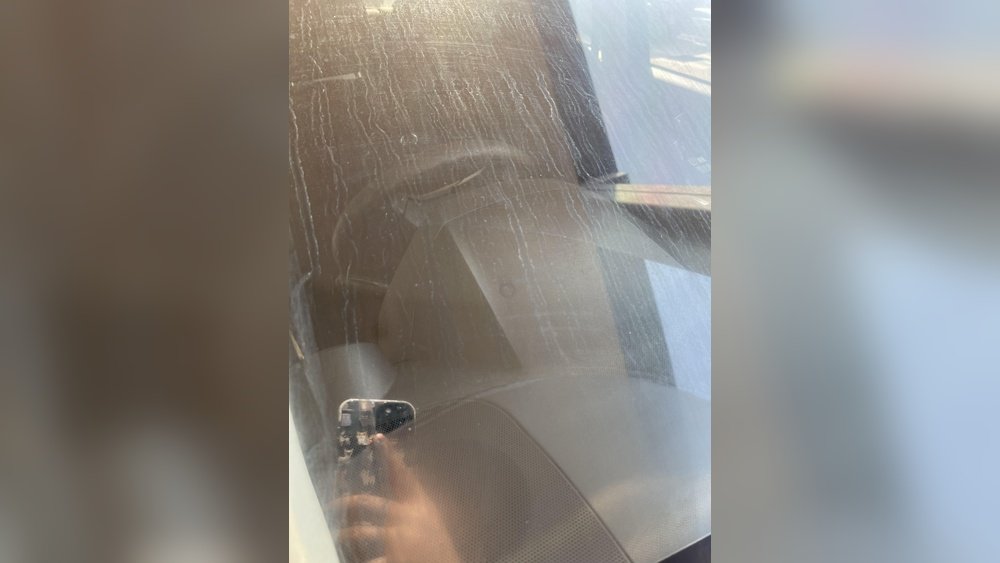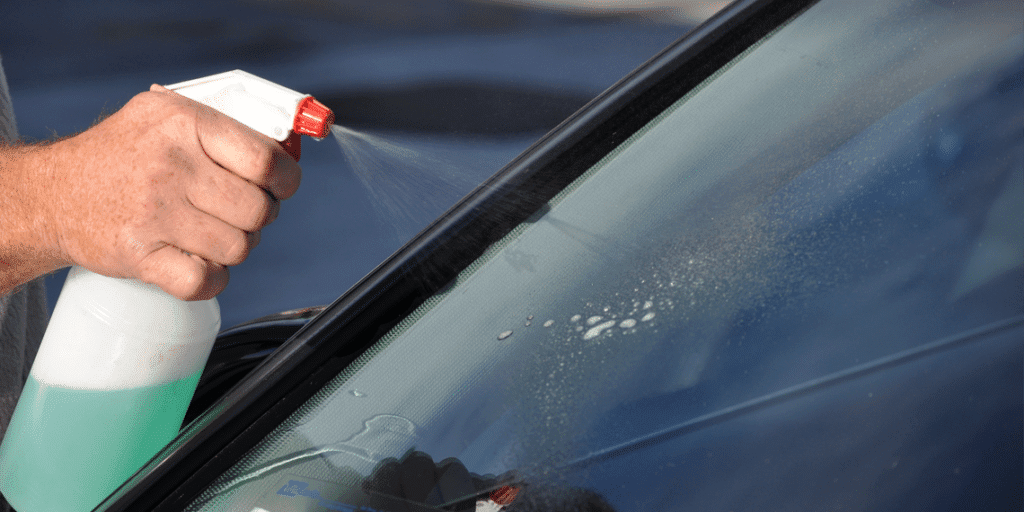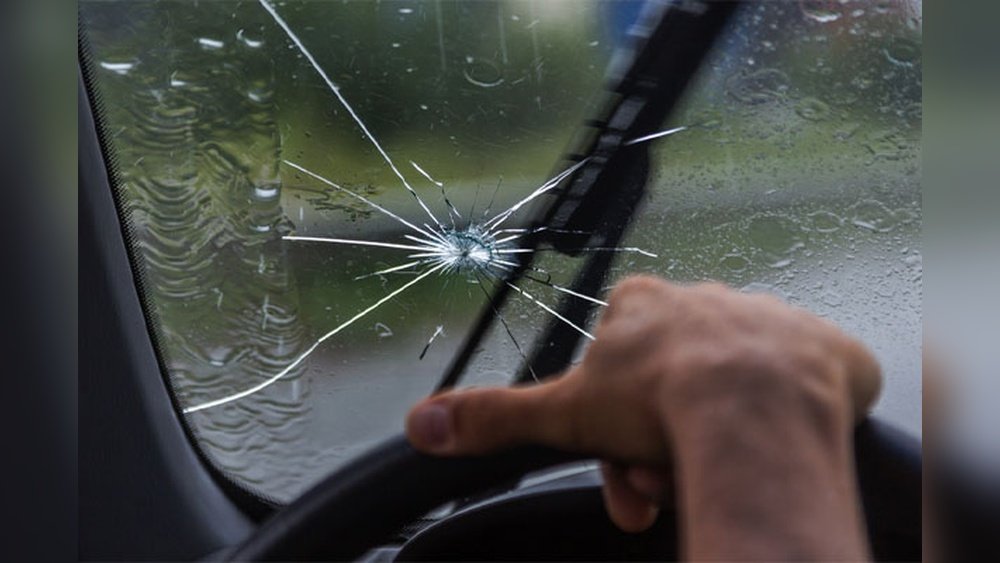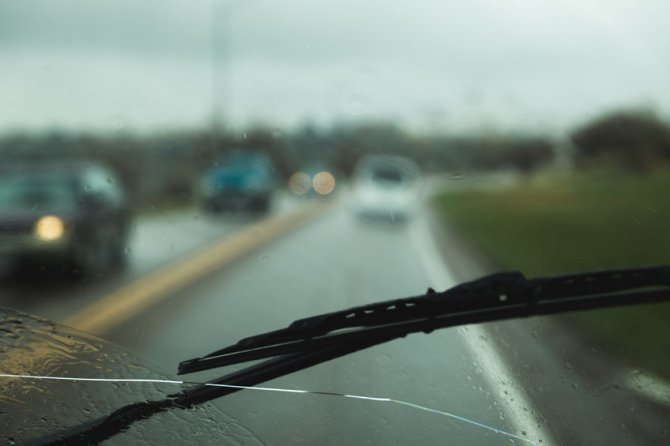
Author: Alex Carey

  • Best Way to Clean Car Tinted Windows: Expert Tips for Spotless Shine

    Best Way to Clean Car Tinted Windows: Expert Tips for Spotless Shine

    If you have tinted windows on your car, you know how important it is to keep them clean without damaging the tint. But cleaning tinted windows can be tricky—you want them spotless, yet you don’t want to ruin the film that gives your car its sleek look.

    Are you tired of streaks, smudges, or even bubbles appearing after cleaning? You’re not alone. This guide will show you the best way to clean your car’s tinted windows easily and safely. Keep reading to discover simple tips that protect your tint and make your windows shine like new.
    Best Way to Clean Car Tinted Windows: Expert Tips for Spotless Shine

    Credit: thetintguy.com

    Choosing The Right Cleaner

    Choosing the right cleaner is key to protecting your car’s tinted windows. The wrong cleaner can damage the tint film and reduce its lifespan. Use gentle products that clean well without harming the tint. This helps keep windows clear and looking new for longer.

    Avoiding Harsh Chemicals

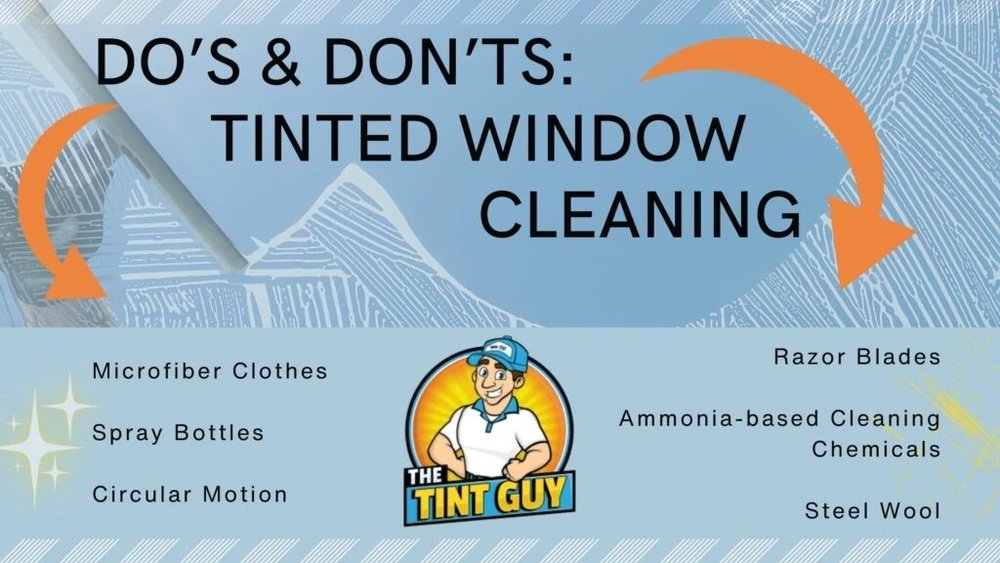
    Harsh chemicals can cause bubbles and peeling on tinted windows. Avoid cleaners with ammonia, bleach, or alcohol. These substances break down the tint film. Stick to mild, tint-safe products to keep your windows safe. Harsh chemicals also leave streaks and damage glass.

    Recommended Cleaning Solutions

    Use a mixture of water and mild dish soap for effective cleaning. Commercial tint-safe cleaners are good choices too. These products clean dirt and grime without hurting the film. Always test a small area before full use. Soft microfiber cloths work best to avoid scratches.

    Tools For Cleaning Tinted Windows

    Cleaning tinted windows needs special care and the right tools. Using the wrong items can damage the tint or leave streaks. Choosing the best tools helps keep windows clear and tint intact. Simple tools make the job easier and protect the film.

    Microfiber Cloths

    Microfiber cloths work well for tinted windows. They are soft and do not scratch the surface. These cloths absorb dirt and dust without spreading it. Use a clean microfiber cloth to wipe gently. Avoid rough fabrics that can cause damage.

    Soft Sponges And Squeegees

    Soft sponges clean without harming the tint. Pick sponges with a smooth texture. Squeegees help remove water and cleaner quickly. They prevent streaks and leave windows shiny. Use a squeegee with a rubber blade for best results.

    Step-by-step Cleaning Process

    Cleaning tinted car windows needs care and the right steps. Following a clear process helps avoid damage and keeps tints looking new. This step-by-step guide makes cleaning easy and safe.

    Preparing The Surface

    Start by parking the car in shade to avoid quick drying. Use a soft cloth or brush to remove dust and dirt. This prevents scratching the tint during cleaning. Avoid harsh scrubbing on the film.

    Applying The Cleaner

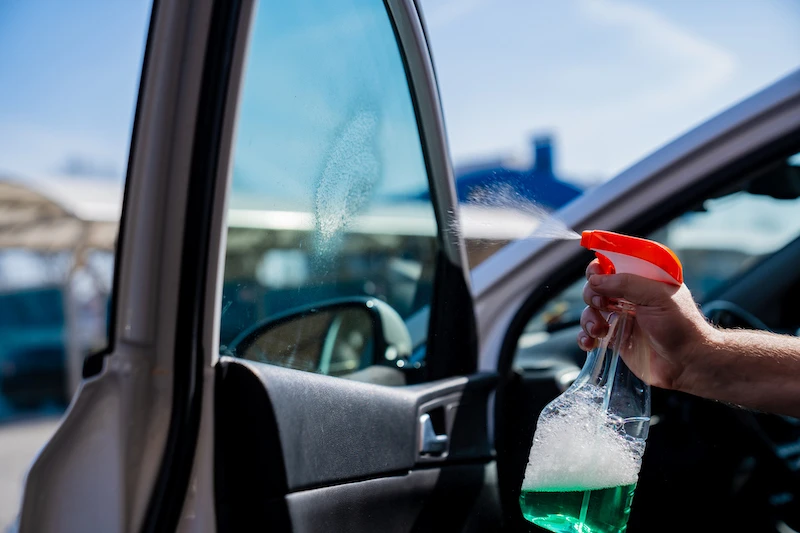
    Choose a cleaner made for tinted windows or use a mild soap solution. Spray the cleaner lightly on the glass. Avoid using ammonia-based products as they can harm the tint. Let the cleaner sit for a few seconds.

    Wiping Techniques

    Use a soft microfiber cloth for wiping. Wipe gently in a circular motion to lift dirt. Do not press too hard or use paper towels, which can scratch. Change cloth sections to avoid spreading dirt.

    Drying And Polishing

    Use a dry microfiber cloth to remove any moisture. Buff the window with light strokes for a clear finish. Ensure no streaks or spots remain on the glass. This keeps the tint bright and clean for longer.
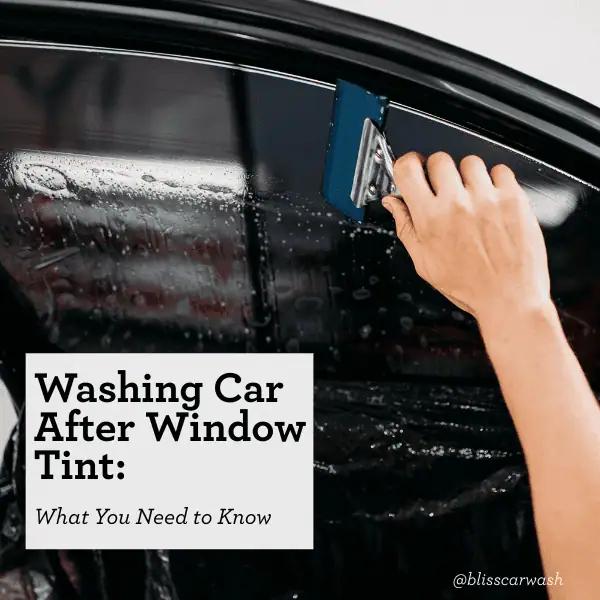
    Best Way to Clean Car Tinted Windows: Expert Tips for Spotless Shine

    Credit: blisscarwash.com

    Common Mistakes To Avoid

    Cleaning tinted car windows needs care and the right methods. Many people make errors that harm the tint or reduce its life. Avoiding these mistakes keeps the tint clear and long-lasting. Read the common mistakes below to protect your car’s tinted windows.

    Using Ammonia-based Products

    Ammonia can damage the tint film. It causes bubbles and discoloration. Many glass cleaners contain ammonia. Always check labels before use. Choose cleaners made for tinted windows. These are safe and effective.

    Scratching The Tint Film

    Using rough cloth or paper towels can scratch the tint. Dirt and debris can cause scratches too. Use a soft microfiber cloth to clean. Clean gently with light pressure. Avoid scrubbing hard to protect the film.

    Cleaning In Direct Sunlight

    Cleaning windows in bright sun dries the cleaner too fast. This leaves streaks and spots. The heat can also weaken the tint film. Clean windows in shade or cool areas. This helps cleaner work well and keeps tint safe.

    Maintaining Tinted Windows Between Washes

    Maintaining tinted windows between washes helps keep them clear and scratch-free. Dirt and dust can build up quickly. Cleaning often prevents damage and keeps your car looking sharp.

    Simple care steps protect the tint and extend its life. Gentle cleaning and sun protection help avoid fading and peeling. Small efforts make a big difference over time.

    Regular Dusting Tips

    Use a soft microfiber cloth to dust the windows. Avoid rough or abrasive materials. Lightly wipe to remove dust and dirt without scratching.

    Dust your windows weekly to stop buildup. Use gentle circular motions for best results. Keep the cloth clean and dry for every use.

    Protecting From Sun Damage

    Park in shaded areas to reduce sun exposure. Direct sunlight can fade and weaken tint films. Use sunshades inside the car for extra protection.

    Apply a UV-protective spray made for tinted windows. This helps shield the film from harsh rays. Follow product instructions for safe use.

    When To Seek Professional Help

    Knowing when to seek professional help for cleaning tinted windows is important. Some problems need expert care to avoid damage. Proper cleaning keeps the tint looking good and lasting longer.

    Signs Of Tint Damage

    Look for bubbles or peeling on the tint surface. Fading or discoloration also shows damage. Scratches or cracks can weaken the tint film. If water spots won’t come off, the tint may be harmed. These signs mean cleaning needs more than simple tools.

    Professional Cleaning Services

    Experts use special products safe for tint films. They remove tough stains without scratching or peeling. Professionals know how to handle delicate tints carefully. They can also fix minor tint damage during cleaning. Choose trusted services to protect your car’s appearance.

    Best Way to Clean Car Tinted Windows: Expert Tips for Spotless Shine

    Credit: www.chemicalguys.com

    Frequently Asked Questions

    How Do I Safely Clean Tinted Car Windows?

    Use a microfiber cloth and a cleaner designed for tinted windows. Avoid ammonia-based products to prevent damage. Gently wipe in a circular motion to remove dirt without scratching.

    What Is The Best Cleaner For Tinted Windows?

    Choose a non-ammonia, pH-balanced cleaner or a mild soap solution. These cleaners protect the tint film and prevent discoloration or peeling over time.

    Can I Use Regular Glass Cleaner On Tinted Windows?

    No, regular glass cleaners often contain ammonia, which can damage tint film. Always opt for ammonia-free products specifically made for tinted windows to maintain clarity and longevity.

    How Often Should I Clean My Tinted Car Windows?

    Clean tinted windows every two weeks or as needed. Regular cleaning prevents buildup of dirt and grime, preserving the tint’s appearance and effectiveness.

    Conclusion

    Cleaning tinted car windows is simple with the right steps. Use gentle cleaners and soft cloths to avoid damage. Regular care keeps the tint clear and fresh. Avoid harsh chemicals that can harm the film. Clean windows improve your driving safety and car look.

    Take your time and clean gently for best results. This easy routine helps your tint last longer. Keep your car looking great every day.
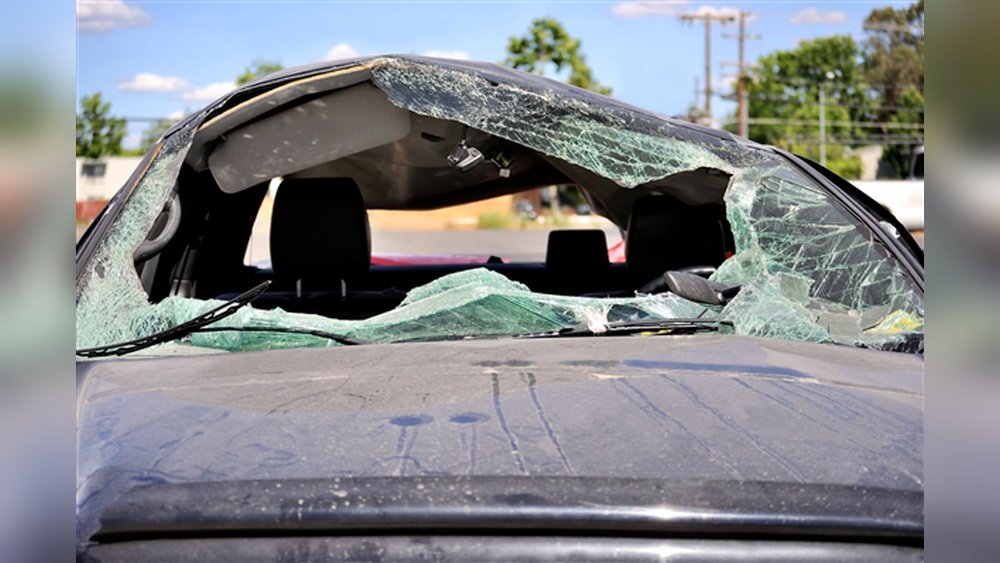
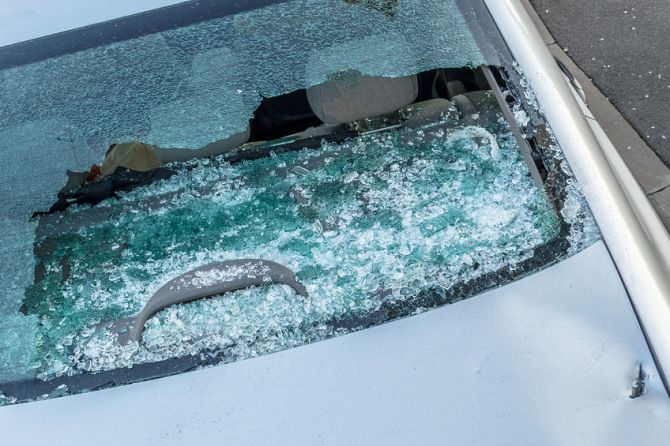
  • Can Cracked Windshield Shatter Suddenly? Essential Safety Facts

    Can Cracked Windshield Shatter Suddenly? Essential Safety Facts

    Have you ever noticed a small crack on your windshield and wondered if it could suddenly shatter while you’re driving? It’s a scary thought, and you’re not alone in worrying about it.

    Your windshield is more than just glass—it’s a vital part of your safety. Understanding whether that crack could turn into a dangerous break can help you stay safe and avoid costly repairs. Keep reading to discover the surprising truth about cracked windshields and what you need to watch out for.

    Can Cracked Windshield Shatter Suddenly? Essential Safety Facts

    Credit: only1autoglass.com

    How Windshields Are Made

    Understanding how windshields are made helps explain their strength and risks. Windshields do not use regular glass. They use special glass designed to protect drivers and passengers. This glass has layers that work together to keep it safe and strong.

    Laminated Glass Structure

    Windshields have a laminated glass structure. It means two glass layers sandwich a plastic layer. This plastic layer holds the glass together if it breaks. The glass does not fall apart easily. This design helps prevent sharp glass pieces from flying inside the car.

    Impact Resistance Features

    The plastic layer also gives impact resistance. It absorbs shocks from stones or accidents. This reduces the chance of the windshield shattering suddenly. The glass layers are treated to be tough and flexible. This combination helps the windshield stay intact longer after damage.

    Can Cracked Windshield Shatter Suddenly? Essential Safety Facts

    Credit: www.windshieldexperts.com

    Why Windshields Crack

    Windshields protect drivers and passengers from wind, rain, and debris. They also keep the car structure strong during crashes. Despite their strength, windshields can crack. These cracks may start small but can grow quickly. Understanding why windshields crack helps in preventing bigger problems.

    Common Causes Of Cracks

    Temperature changes cause glass to expand and contract. This stress can create cracks over time. Flying rocks or debris from other vehicles often chip the glass. Small chips can turn into large cracks if not fixed. Poor installation or old age also weakens the windshield. Even hitting a pothole or bump may cause cracks to appear.

    Types Of Windshield Damage

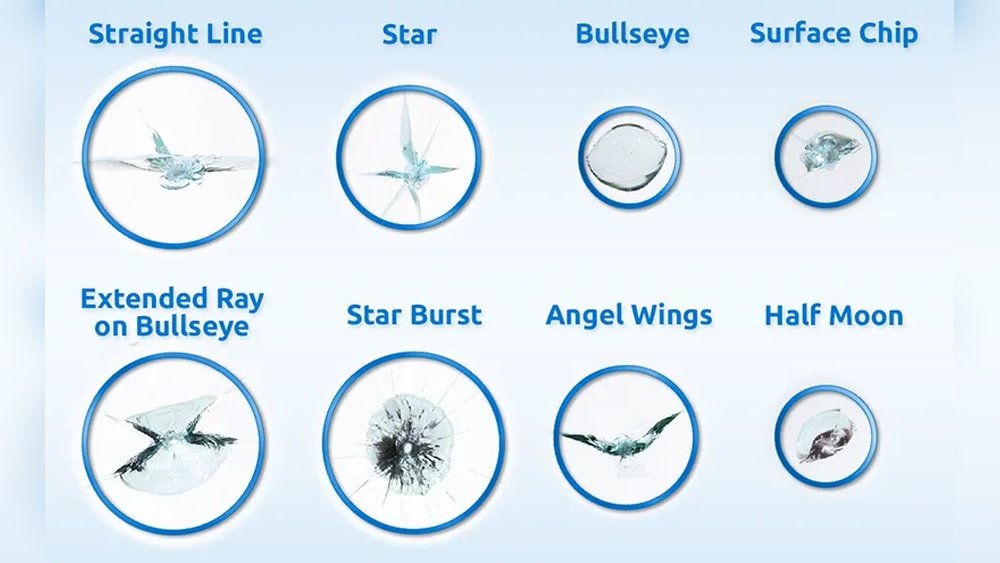
    There are several types of windshield damage. Chips are small, shallow marks on the glass surface. Cracks are longer breaks that spread across the windshield. Bullseye damage looks like a circle with a dark center. Star breaks have lines radiating from a central point. Combination damage mixes chips and cracks in one area. Each type needs different repair methods to avoid shattering.

    Crack Growth And Risks

    A cracked windshield is more than just a cosmetic issue. Over time, small cracks can grow bigger and cause serious problems. The glass may shatter suddenly, putting everyone in the car at risk. Understanding how cracks grow and what makes them worse helps keep you safe.

    Windshield cracks start small but can spread fast. The longer the crack, the weaker the glass becomes. Even a tiny chip can turn into a large crack if not fixed quickly. Stress on the glass makes the crack grow and can lead to sudden breakage.

    Factors That Worsen Cracks

    Temperature changes cause the glass to expand and contract. Hot sun and cold nights make cracks grow. Driving on rough roads shakes the windshield, adding stress. Water can seep into cracks and freeze, pushing the crack wider. Even small impacts can worsen an existing crack.

    Stress Points And Weaknesses

    Cracks near the edges of the windshield are more dangerous. The glass is thinner and less supported there. Areas around the rearview mirror or wiper blades face extra pressure. These points can cause the crack to spread quickly. Weak spots make the glass prone to sudden shattering.

    Can Cracks Cause Sudden Shattering?

    Cracks in a windshield can be more than just an eyesore. Many wonder if these cracks might cause the glass to shatter suddenly. The truth is, cracks do weaken the windshield’s strength. This damage makes the glass vulnerable to breaking unexpectedly under certain conditions.

    Understanding how and why these cracks lead to sudden shattering can help drivers take better care of their vehicles. It also highlights the risks of ignoring even small chips or cracks.

    Scenarios Leading To Shattering

    Temperature changes can cause cracked windshields to shatter. Heat makes the glass expand, while cold causes it to contract. This constant shifting stresses the damaged area. Driving over bumps or hitting potholes adds extra pressure. Sudden impacts near the crack can cause the glass to break completely. Improper repairs or poor-quality glass increase the risk of sudden shattering. These scenarios show how fragile a cracked windshield can become.

    Real-life Incidents And Studies

    Many drivers have experienced sudden windshield shattering without warning. Studies confirm that cracks weaken glass strength by up to 40%. Research also shows that even small cracks can grow quickly under stress. Experts advise replacing or repairing cracked windshields promptly. Insurance claims often report shattered windshields due to small, ignored cracks. These real cases prove that cracked windshields can fail suddenly and without clear signs.

    Safety Risks Of Driving With A Cracked Windshield

    Driving with a cracked windshield carries serious safety risks. A crack can grow quickly and cause sudden problems. The damage affects more than just looks. It can change how safe your car is on the road.

    Understanding the risks helps you decide when to fix or replace your windshield. The two main dangers are visibility impairment and compromised structural integrity.

    Visibility Impairment

    Cracks block your clear view of the road. Even small cracks create glare from sunlight or headlights. This glare can distract you or hide important details. It becomes harder to see road signs, pedestrians, and other cars. Driving with limited vision raises the chance of accidents.

    Night driving gets tougher too. Cracks reflect light and cause blurriness. This reduces your ability to judge distances and react fast. Every crack makes driving riskier.

    Compromised Structural Integrity

    The windshield supports your car’s frame. A crack weakens this support. In a crash, the windshield may break apart more easily. It might not keep the roof from collapsing in a rollover.

    The airbags also rely on a strong windshield. If the glass breaks, airbags may not work properly. This reduces your protection in a crash. Driving with a cracked windshield puts your safety at risk.

    When To Repair Or Replace

    Knowing when to repair or replace a cracked windshield is important. Small cracks may seem harmless but can grow quickly. Deciding the right action helps keep you safe on the road. This section explains key factors to consider.

    Size And Location Guidelines

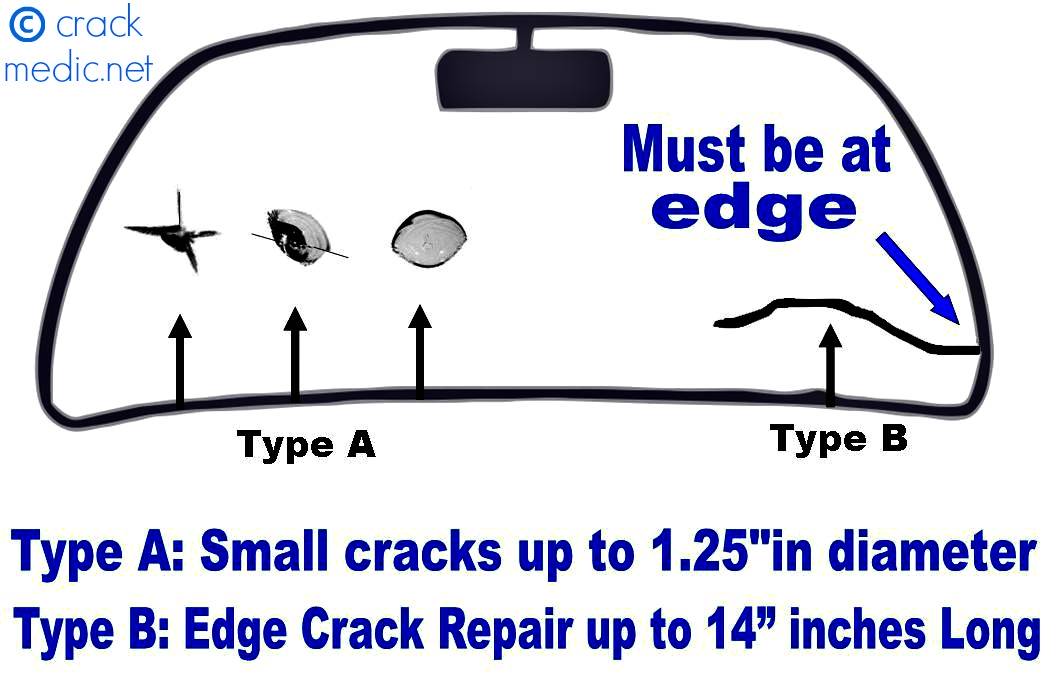
    Cracks smaller than six inches often qualify for repair. Larger cracks usually need a full replacement. The crack’s location matters too. Cracks in the driver’s direct line of sight require replacement. Those near the edges can spread faster and weaken the glass. Assess size and location carefully before choosing repair or replace.

    Professional Inspection Tips

    Experts check cracks for depth and spread risk. They use special tools to measure damage. Professionals look for damage between glass layers. Some cracks may seem small but hide bigger problems. Get a professional opinion to avoid sudden shattering. Timely inspection helps prevent costly repairs later.

    Preventive Measures

    Cracked windshields can shatter without warning. Taking steps to protect your windshield helps avoid sudden breaks. Small cracks may grow quickly if you do not act. Preventive measures keep you safe and save money on repairs.

    Avoiding Temperature Shocks

    Rapid temperature changes stress the glass. Do not pour hot water on a cold windshield. Park your car in the shade on hot days. Use a windshield cover in winter to reduce frost. These actions reduce the risk of cracks spreading.

    Safe Driving Habits

    Drive carefully on rough roads. Avoid hitting potholes and debris. Keep a safe distance from trucks that may kick up stones. Slow down on gravel roads. Good driving habits lower the chance of new cracks forming.

    Can Cracked Windshield Shatter Suddenly? Essential Safety Facts

    Credit: affordableautoglasswi.com

    Legal And Insurance Considerations

    Cracked windshields pose more than just a safety risk. They also involve legal rules and insurance matters. Knowing these helps you handle the issue quickly and avoid troubles on the road.

    Regulations On Cracked Windshields

    Many states have laws about cracked windshields. Driving with a damaged windshield can lead to fines. Some cracks block the driver’s view and are illegal. The size and location of the crack matter. Police can stop you if the crack is unsafe. It is best to check your local laws. Fixing the windshield quickly avoids legal problems.

    Insurance Coverage For Repairs

    Most car insurance policies cover windshield repairs. Comprehensive insurance usually pays for glass damage. Some policies cover repairs without a deductible. This means you might not pay anything out of pocket. Reporting the damage early helps with claims. Insurance companies often prefer repairs over full replacements. Keep your policy details handy for quick assistance.

    Frequently Asked Questions

    Can A Cracked Windshield Shatter Without Warning?

    Yes, a cracked windshield can shatter suddenly due to temperature changes or impact. Cracks weaken the glass, making it unstable.

    What Causes A Cracked Windshield To Shatter Suddenly?

    Rapid temperature shifts, road vibrations, or further impact can cause a cracked windshield to break unexpectedly.

    Is It Safe To Drive With A Cracked Windshield?

    Driving with a cracked windshield is risky. It reduces visibility and structural integrity, increasing accident danger.

    How Can I Prevent My Cracked Windshield From Shattering?

    Avoid extreme temperatures and sudden impacts. Repair small cracks promptly to prevent spreading and shattering.

    Conclusion

    A cracked windshield can break without warning. Small cracks often spread fast from bumps or temperature changes. Driving with a damaged windshield puts you at risk. Fixing cracks early can stop bigger problems. Stay safe by checking your windshield often.

    Don’t wait for the crack to grow. A strong windshield protects you in accidents. Take action quickly to avoid sudden shattering. Keep your car safe and your mind at ease.

  • Will Insurance Rates Increase After Windshield Claim? Shocking Truths Revealed

    Have you ever wondered if filing a windshield claim will make your insurance rates go up? You’re not alone.

    Many drivers hesitate to report small damages because they fear higher premiums. But what really happens after you make that claim? Understanding how insurance companies handle windshield repairs can save you money and stress. Keep reading to discover the truth about your rates and learn how to protect your wallet when dealing with windshield damage.

    How Windshield Claims Affect Insurance

    Filing a windshield claim can make many drivers wonder about their insurance costs. Understanding how these claims affect your insurance helps you make better choices. The effects on your policy are not always clear. Some claims might change your rates, while others do not.

    Insurance companies treat windshield claims differently from other types of claims. The impact depends on several key factors. Knowing these can help you decide whether to file a claim or pay out of pocket.

    Impact On Premiums

    Windshield claims often have less impact on premiums than other claims. Some insurers offer glass coverage without raising rates. Others may increase premiums slightly after a claim. The increase depends on your insurer’s policies.

    Minor windshield repairs usually do not cause a rate hike. Full windshield replacements may affect premiums more. Repeat claims for glass damage can lead to higher costs. Safe driving history can also reduce premium changes.

    Factors Influencing Rate Changes

    Insurance companies consider several factors when changing rates. The size and cost of the claim matter. Higher repair costs might lead to bigger rate increases.

    Your overall claim history plays a role. Multiple claims in a short time raise red flags. The type of coverage you have influences the impact. Policies with glass coverage often protect your rates better.

    State laws may limit how insurers adjust rates after glass claims. Some states forbid premium increases for windshield repairs. Always check local rules before filing a claim.

    Will Insurance Rates Increase After Windshield Claim? Shocking Truths Revealed

    Credit: www.mcconnellautoglass.com

    Types Of Windshield Repairs And Costs

    Windshield damage varies in type and cost. Knowing repair options helps you decide quickly. Repairing small chips can save money and time. Larger cracks often need a full replacement. Each choice affects your wallet and insurance differently.

    Repair Vs. Replacement

    Small chips and cracks can often be repaired. Repair stops damage from spreading. It takes less time and costs less. Replacement means removing the entire windshield. This is necessary for big cracks or shattered glass. Replacement is more expensive and takes longer. Insurance may cover repairs fully. Replacements might cause higher deductibles or rates.

    Average Expenses

    Repair costs typically range from $50 to $150. The price depends on chip size and location. Replacements cost between $200 and $500 on average. Luxury or specialty cars may cost more. Some insurance policies cover full repair costs. Replacement coverage varies and may include deductibles. Knowing costs helps you prepare for expenses.

    Insurance Company Policies

    Insurance company policies play a key role in deciding if rates rise after a windshield claim. Each company follows its own rules about claims and pricing. Knowing these policies helps you understand possible cost changes.

    Policies focus on how often claims are made and the size of your deductible. These factors can impact your insurance premium. Companies aim to balance fair pricing with risk management.

    Claim Frequency Considerations

    Insurance companies watch how often you file claims. One windshield claim may not affect rates much. Multiple claims in a short time can raise flags. Frequent claims suggest higher risk to insurers. This can lead to rate increases or policy review.

    Deductible Effects

    The deductible is the amount you pay before insurance helps. A higher deductible usually means lower premiums. Choosing a low deductible might increase your premium. After a windshield claim, the deductible affects your out-of-pocket cost. Insurers check if you often make small claims below your deductible. This behavior influences future rates.

    Will Insurance Rates Increase After Windshield Claim? Shocking Truths Revealed

    Credit: www.reddit.com

    State Regulations And Protections

    State laws play a big role in how insurance companies handle windshield claims. These rules help protect drivers from sudden rate hikes. Not all states treat windshield claims the same. Understanding these laws can save money and stress.

    No-impact Laws

    Some states have no-impact laws. These laws stop insurers from raising rates after a windshield claim. They recognize windshield damage as common and low risk. Drivers in these states can file claims without fear of higher premiums. This encourages safe and timely repairs.

    Consumer Rights

    States also protect consumer rights in insurance claims. They require insurers to explain how claims affect rates. Drivers can ask for claim reviews or dispute decisions. These protections ensure transparency and fairness. Consumers gain confidence in managing their insurance.

    Tips To Avoid Rate Hikes

    Insurance rates may rise after a windshield claim. Small steps can help keep your rates steady. Understanding how to handle repairs and claims plays a big role. Here are tips to avoid rate hikes and manage your insurance wisely.

    Choosing Repair Options

    Select repair shops that work with your insurer. This can lower costs and speed up the process. Ask if the shop uses original parts or quality alternatives. Cheaper options might save money now but cause issues later. Always check if repairs come with a warranty. Clear communication with your insurer helps avoid misunderstandings.

    When To File A Claim

    Think twice before filing small claims. Minor chips may not need a claim. Fix small damage yourself to avoid rate increases. Large cracks or damage need prompt reporting. Delaying claims can cause bigger problems and higher costs. Keep a record of damage and repair estimates. This helps when discussing your claim with the insurer.

    Will Insurance Rates Increase After Windshield Claim? Shocking Truths Revealed

    Credit: landminsurancegroup.com

    Alternatives To Insurance Claims

    Choosing not to file an insurance claim after a windshield repair can save money. There are other ways to handle the damage without affecting your rates. These options can be quicker and simpler. They help avoid increased premiums and keep your insurance history clean.

    Paying Out-of-pocket

    Paying for the repair yourself is often cheaper than filing a claim. Minor cracks and chips usually cost less than your deductible. This choice stops your insurance from rising due to claims. It also keeps your record free of claims, which may help future rates.

    Using Discount Services

    Many shops offer discounts for windshield repairs. Some provide coupons or seasonal deals to lower costs. Using these services can reduce the price without insurance involvement. Check local repair centers or online platforms for offers. This option helps you save money and avoid rate increases.

    Frequently Asked Questions

    Will My Insurance Rates Increase After A Windshield Claim?

    Not always. Many insurers do not raise rates for windshield claims. It depends on your policy and claim history.

    How Do Windshield Claims Affect Car Insurance Premiums?

    Windshield claims usually have minimal impact. Some insurers offer glass coverage without premium hikes. Check with your provider.

    Can Filing A Windshield Claim Raise My Deductible?

    No, filing a windshield claim does not increase your deductible. However, your deductible applies to the repair cost.

    Are There Insurance Companies That Won’t Raise Rates For Glass Claims?

    Yes, several insurers exclude glass claims from premium increases. Choose a policy with glass coverage for savings.

    Conclusion

    Windshield claims usually do not raise insurance rates much. Many insurers treat these claims as minor repairs. Costs stay low, so your premium often remains stable. Still, frequent claims might make rates go up. Check your policy details to know for sure.

    Choosing a repair shop approved by your insurer helps. Keep records of your claims and repairs too. Staying informed saves money and stress. Remember, a single windshield claim rarely changes your insurance cost.

  • Does Broken Side Window Fail Inspection? Crucial Facts Revealed!

    Does Broken Side Window Fail Inspection? Crucial Facts Revealed!

    Have you ever wondered if a broken side window could cause your car to fail an inspection? It’s a question that might be on your mind, especially if you’ve noticed a crack or damage but aren’t sure how serious it is.

    Your vehicle inspection is important—not just to keep your car road-legal but to ensure your safety. You’ll discover exactly how a broken side window can affect your inspection results and what you can do to avoid unexpected failures. Keep reading to protect your vehicle and save yourself time and money.

    Inspection Criteria For Side Windows

    Side windows are part of vehicle safety checks. Inspectors examine them closely to ensure safety and legal standards. The condition of the side windows affects the vehicle’s ability to pass inspection. Understanding the criteria helps drivers prepare better for inspections.

    Safety Standards And Regulations

    Side windows must meet set safety rules. These rules protect drivers and passengers. Windows should not have large cracks or holes. Damaged glass can cause injuries in accidents. The glass must be strong enough to resist impact. Tinted windows must follow brightness limits. Rules vary by state, but all aim for safety.

    Common Inspection Procedures

    Inspectors check side windows for cracks, chips, and holes. They test if the glass is secure and not loose. Inspectors look for signs of shatter damage. They check window tint darkness with a light meter. The window must open and close smoothly. Any damage affecting visibility or safety can cause failure. Clean, intact windows have a better chance to pass.

    Does Broken Side Window Fail Inspection? Crucial Facts Revealed!

    Credit: www.reddit.com

    Impact Of Broken Side Windows

    Broken side windows affect more than just the look of your car. They can cause serious problems for safety and the vehicle’s structure. Understanding these impacts helps you see why a damaged side window needs quick attention.

    Safety Risks To Occupants

    Side windows protect passengers from outside dangers. A broken window can let debris, rain, and cold air inside. This can distract the driver or harm passengers during travel. It also weakens protection in accidents. Sharp glass edges can cause injuries. Broken windows reduce the car’s ability to keep occupants safe.

    Effect On Vehicle Integrity

    Side windows add strength to a car’s frame. A broken window weakens this support. The vehicle becomes less stable, especially in crashes. Water and dirt can enter through the crack, damaging the interior and electronics. This can lead to costly repairs. The car’s overall value also drops with a broken window.

    Legal Implications Of Broken Windows

    Broken side windows on vehicles have more than just a cosmetic impact. They carry legal consequences that drivers must understand. These laws aim to ensure safety on the road for all users. Knowing the legal effects helps avoid fines and other penalties.

    Traffic Laws And Penalties

    Many states require all vehicle windows to be intact. A broken side window can lead to a failed vehicle inspection. Law enforcement officers may issue tickets for driving with broken windows. These penalties vary by state but often include fines.

    Driving with a broken window can be considered unsafe. It reduces protection from weather and debris. It also makes the vehicle less secure against theft. Law enforcement may stop drivers to check vehicle safety. Ignoring window damage risks more severe legal trouble.

    Insurance Considerations

    Insurance companies expect vehicles to be in good condition. Driving with a broken window can affect claims in accidents. Insurers may reduce payouts or deny claims if damage contributed. Repairing the window quickly helps maintain insurance coverage.

    Some policies cover glass repair or replacement. Reporting damage promptly can prevent coverage issues. Not fixing a broken window may increase insurance premiums. Always check your policy for glass damage terms.

    Does Broken Side Window Fail Inspection? Crucial Facts Revealed!

    Credit: vatire.com

    Repair And Replacement Options

    Broken side windows need quick attention to pass vehicle inspections. Repair and replacement options vary by damage severity and cost. Knowing your options helps keep your car safe and legal.

    Temporary Fixes

    Small cracks or chips can use temporary fixes. Clear tape or plastic sheets cover holes and stop rain or dust. These fixes prevent worsening damage but do not last long. Temporary repairs help until a professional can fix the window properly.

    Professional Repair Services

    Experts can repair or replace broken side windows. Repair may involve filling cracks or replacing glass panes. Professionals use tools and materials that meet safety standards. Replacement is best for large cracks or shattered glass. Skilled technicians ensure the new window fits well and works correctly.

    Preventing Inspection Failures

    Preventing inspection failures is key to passing your vehicle check smoothly. A broken side window often leads to inspection problems. Taking steps early helps avoid trouble on inspection day. Simple care and checks can keep your car ready and safe.

    Regular Maintenance Tips

    Keep all windows clean and free from cracks. Small chips can turn into big cracks fast. Fix any damage as soon as you spot it. Check window seals to avoid leaks and drafts. Make sure window locks and handles work well. Regularly clean window tracks to prevent jams. Clear vision is important for safety and inspections.

    Pre-inspection Checklist

    Look over all windows for cracks or chips. Test if each window opens and closes smoothly. Confirm all window glass is secure and not loose. Remove any stickers or dirt blocking view. Check mirrors are intact and correctly positioned. Fix any damage before your inspection day. Preparing this way saves time and worry.

    Does Broken Side Window Fail Inspection? Crucial Facts Revealed!

    Credit: store.thechecker.net

    Frequently Asked Questions

    Does A Broken Side Window Cause Inspection Failure?

    Yes, a broken side window usually causes inspection failure. It compromises vehicle safety and security, which inspectors check strictly.

    Can A Cracked Side Window Pass Vehicle Inspection?

    Minor cracks might pass inspection if they don’t obstruct the driver’s view. However, larger cracks often lead to failure.

    Why Are Side Windows Important For Vehicle Inspections?

    Side windows must be intact for safety and structural integrity. Damaged windows can impair visibility and increase accident risks.

    How To Fix A Broken Side Window Before Inspection?

    Repair or replace the broken side window promptly. Ensure the glass meets legal safety standards to pass inspection.

    Conclusion

    A broken side window often causes a vehicle to fail inspection. Safety rules require all windows to be intact and clear. Cracks or missing glass can block the driver’s view. Repair or replace the window before the inspection day. Small damage might seem minor but can lead to failure.

    Fixing windows helps keep you safe on the road. Passing inspection means your car meets legal safety standards. Keep your vehicle in good shape to avoid problems. Remember, clear windows protect you and others while driving.

  • How to Prevent Windshield Crack from Spreading: Expert Tips

    How to Prevent Windshield Crack from Spreading: Expert Tips

    Have you noticed a small crack on your windshield and worried it might get worse? That tiny chip can quickly turn into a big problem if not handled right.

    You might think it’s harmless now, but every bump or temperature change can make it spread fast. The good news? There are simple steps you can take right now to stop that crack from growing. Keep reading, and you’ll learn exactly how to protect your windshield and save yourself from costly repairs.

    Don’t let a small crack turn into a big headache!

    Causes Of Windshield Cracks

    Windshield cracks start for many reasons. Knowing these causes helps stop cracks from growing. Small damage can turn into big problems fast. Understanding what triggers these cracks lets you act quickly.

    Common Triggers

    Flying rocks and debris hit the glass hard. Sudden impacts make chips and cracks. Poor road conditions increase the risk. Even a small stone can cause damage. Car accidents or bumps also lead to cracks. Rough handling during repairs may weaken the glass. Dirt and dust can hide small cracks until they grow.

    Impact Of Temperature Changes

    Glass expands and contracts with heat. Hot sun makes the windshield swell. Cold weather causes it to shrink. Rapid temperature changes stress the glass. For example, pouring hot water on ice can cause cracks. Leaving a car in direct sunlight then using cold air conditioning adds pressure. These stresses can turn small chips into long cracks quickly.

    Immediate Actions After A Crack

    Noticing a crack on your windshield can be stressful. Acting quickly helps keep the damage from getting worse. Immediate steps can protect your glass until you get a proper repair.

    Taking care of the crack right away slows its spread. Dirt and moisture make cracks bigger fast. Cleaning and simple fixes buy you time and keep your windshield safe.

    Cleaning The Damaged Area

    Start by gently wiping the crack with a soft cloth. Remove any dust, dirt, or loose glass pieces. Avoid using water or harsh cleaners as they may worsen the crack.

    Use a dry cloth to keep the area clean. This prevents debris from entering the crack and causing more damage. Clean surfaces help temporary fixes stick better.

    Temporary Fixes To Stop Spreading

    Apply clear tape over the crack to block moisture and dirt. This simple step keeps outside elements from worsening the break.

    Use windshield repair kits for small cracks. These kits fill the crack and stop it from growing. Follow the instructions carefully for best results.

    Keep your car out of direct sunlight and avoid sudden temperature changes. Heat can make the crack spread faster. Parking in shade helps maintain the glass.

    Diy Prevention Techniques

    Small cracks on your windshield can grow fast. Stopping them early saves money and stress. Some simple DIY methods help slow or stop cracks from spreading. These easy steps protect your glass until you get professional help.

    Using Clear Nail Polish Or Resin Kits

    Clear nail polish works well for tiny cracks. Clean the area first with a soft cloth. Apply a thin layer of polish over the crack. Let it dry completely. This seals the crack and keeps dirt out.

    Resin repair kits offer a stronger fix. These kits fill the crack with special resin. Follow the kit instructions carefully. Use the applicator to inject resin into the crack. Then cure it under sunlight or a UV lamp. This method bonds the glass and stops the crack from growing.

    Applying Tape As A Short-term Solution

    Clear tape can protect a crack temporarily. Clean and dry the windshield before applying tape. Cover the crack with a piece of tape that extends beyond the crack. Press it down firmly to remove air bubbles. This prevents moisture and dirt from entering the crack. Replace the tape if it starts peeling off.

    Tape is not a permanent fix. Use it only until you can use nail polish or resin kits. Avoid driving on rough roads or in extreme temperatures while using tape.

    How to Prevent Windshield Crack from Spreading: Expert Tips

    Credit: www.reddit.com

    Professional Repair Options

    Professional repair options offer the best chance to stop windshield cracks from growing. Experts use special tools and materials to fix damage safely. This service can save money by preventing full windshield replacement. Knowing when to get help and what services exist helps you act fast. Quick action keeps your windshield strong and clear.

    When To Seek Expert Help

    Call a professional if the crack is larger than a dollar bill. Also, seek help if the crack is in the driver’s view. Cracks spreading quickly need urgent repair. Chips deeper than the glass surface should be checked. Early repair can prevent costly damage and keep you safe.

    Types Of Repair Services Available

    Small chips often get fixed with resin injection. This fills cracks and restores glass strength. Larger cracks may require partial glass replacement. Some shops offer mobile repair, coming to your location. Experts use special tools to clean and seal cracks. Each service aims to keep the glass clear and strong.

    Preventive Maintenance Tips

    Preventive maintenance helps stop small windshield cracks from growing larger. It saves money and keeps driving safe. Taking simple steps can protect your windshield every day. Follow these easy tips to keep cracks from spreading.

    Safe Driving Practices

    Drive carefully on rough roads. Avoid potholes and uneven surfaces. Slow down near construction sites or areas with loose gravel. Keep a safe distance from trucks to avoid flying debris. Drive smoothly to reduce pressure on the windshield. Sudden stops and sharp turns can worsen cracks.

    Parking And Environmental Precautions

    Park your car in shaded or covered areas. Direct sunlight heats the glass and makes cracks worse. Avoid parking under trees that drop sap or branches. In winter, use a soft scraper to remove ice. Never pour hot water on a cold windshield. Protect your car from extreme temperatures to keep cracks small.

    How to Prevent Windshield Crack from Spreading: Expert Tips

    Credit: allstar-glass.com

    When To Replace The Windshield

    Knowing when to replace a windshield is important to keep your car safe. Not all cracks can be fixed. Some damage is too big or too deep. This section explains the signs that mean you need a new windshield. It also covers safety reasons for replacement.

    Signs Repair Won’t Suffice

    Cracks longer than 6 inches usually need a new windshield. Chips near the edge can spread fast and weaken glass. Multiple cracks or large breaks cannot be fixed well. Damage that blocks the driver’s view must be replaced. Repairs only work on small, simple cracks. If the crack is deep or grows quickly, replacement is best.

    Safety Considerations For Replacement

    The windshield supports the car’s roof during a crash. A damaged windshield may not protect you properly. It helps airbags work the right way. A weak windshield can cause the roof to collapse. Clear visibility is needed to drive safely. Replacing a windshield restores strength and safety. It ensures your car meets safety rules.

    How to Prevent Windshield Crack from Spreading: Expert Tips

    Credit: www.wikihow.com

    Frequently Asked Questions

    How Can I Stop A Windshield Crack From Growing?

    Apply a windshield repair kit promptly to seal the crack. Avoid extreme temperature changes and drive carefully to prevent stress on the glass.

    What Temporary Fixes Prevent Windshield Crack Spreading?

    Use clear tape or a windshield repair resin as a temporary fix. These stop dirt and moisture from worsening the crack until professional repair.

    When Should I Replace My Cracked Windshield?

    Replace your windshield if cracks exceed 6 inches or impair driver visibility. Large cracks compromise safety and cannot be reliably repaired.

    Does Temperature Affect Windshield Crack Spread?

    Yes, rapid temperature changes can expand cracks. Avoid hot water on cold glass and park in shaded areas to minimize risk.

    Conclusion

    Stopping a windshield crack from spreading takes quick care. Clean the crack gently and avoid sudden temperature changes. Park your car in shaded or covered areas to limit stress on the glass. Drive carefully to avoid bumps and vibrations. Use a windshield repair kit or see a professional soon.

    Small cracks can turn into big problems fast. Taking these steps helps keep your windshield safe and saves money. Remember, acting early protects your view and your car’s value. Simple actions make a big difference.

  • How to Clean Car Window Stains: Quick & Easy Expert Tips

    How to Clean Car Window Stains: Quick & Easy Expert Tips

    Are stubborn stains on your car windows blocking your view and ruining your ride’s look? You’re not alone.

    Cleaning car window stains can feel tricky, but it doesn’t have to be. Imagine driving with crystal-clear windows that make every trip safer and more enjoyable. You’ll discover simple, effective ways to get rid of those annoying spots and keep your windows shining like new.

    Ready to see the road clearly again? Let’s dive in.

    Common Types Of Car Window Stains

    Car windows often get stained from many common sources. These stains can reduce visibility and make your car look dirty. Knowing the types of stains helps in choosing the right cleaning method. Here are the most common stains found on car windows.

    Water Spots

    Water spots form when water dries on the glass and leaves mineral deposits. These spots can look like small white circles or streaks. Hard water causes tougher stains. They can be hard to remove if left too long.

    Bird Droppings

    Bird droppings are acidic and can damage glass quickly. They leave white or gray marks on car windows. The longer they stay, the harder they become to clean. Prompt cleaning prevents permanent stains.

    Tree Sap

    Tree sap is sticky and dark. It sticks strongly to glass and attracts dirt. Sap stains are tough to remove with just water. Special cleaners often work best to dissolve sap.

    Fingerprints And Smudges

    Fingerprints and smudges happen from touching windows often. They leave oily marks that blur vision. These stains are easy to clean with glass cleaner and a soft cloth.

    How to Clean Car Window Stains: Quick & Easy Expert Tips

    Credit: bluediamondautoglass.com

    Essential Cleaning Tools And Materials

    Cleaning car window stains needs the right tools and materials. These help remove dirt and marks without scratching the glass. Using proper items makes the job faster and better. Here are the key tools and materials you need.

    Microfiber Cloths

    Microfiber cloths are soft and gentle on glass surfaces. They trap dirt and dust well. These cloths do not leave lint or streaks. Use a clean microfiber cloth for each cleaning session. This prevents spreading grime back on the window.

    Glass Cleaners

    Glass cleaners are made to break down tough stains. Choose a cleaner without ammonia to avoid damaging window tint. Spray the cleaner directly on the cloth, not the glass. This prevents drips and uneven cleaning. Wipe the window in circular motions for best results.

    Homemade Cleaning Solutions

    A mix of vinegar and water works well on many stains. Use one part vinegar to two parts water in a spray bottle. This solution is safe and affordable. It removes hard water spots and fingerprints. Always test on a small area first to check for any reaction.

    Scrapers And Brushes

    Plastic scrapers help remove stuck-on debris without scratching glass. Use a scraper at a low angle and gentle pressure. Soft-bristled brushes clean corners and edges where dirt hides. Avoid metal scrapers or hard brushes that can damage the window.

    Step-by-step Cleaning Process

    Cleaning car window stains is easier with a clear plan. Follow this simple step-by-step process to get spotless windows. Each step helps remove dirt and grime without damage. Stay patient and work carefully for best results.

    Initial Rinse And Dry

    Start by rinsing the window with clean water. This removes loose dirt and dust. Use a soft cloth or microfiber towel to dry the glass. Drying prevents water spots and prepares the surface for cleaning.

    Applying Cleaner

    Choose a gentle glass cleaner made for cars. Spray the cleaner evenly over the stained area. Let it sit for a minute to break down the stains. Avoid harsh chemicals that can damage the glass or tint.

    Scrubbing Techniques

    Use a soft sponge or cloth for scrubbing. Move in small circular motions to lift stains. Apply light pressure to avoid scratches. For tough stains, repeat spraying and scrubbing steps carefully.

    Final Wipe And Polish

    Wipe the window with a clean, dry microfiber cloth. This removes any leftover cleaner and streaks. Polish the glass using gentle up-and-down strokes. Check for missed spots and clean them again if needed.

    How to Clean Car Window Stains: Quick & Easy Expert Tips

    Credit: rocketcarwash.com

    Quick Fixes For Stubborn Stains

    Stubborn stains on car windows can be frustrating. They block your view and spoil your car’s look. Quick fixes help remove these marks fast and easily. These simple methods use common items you may already have at home. They work well and save you time.

    Using Vinegar And Water

    Mix equal parts of vinegar and water in a spray bottle. Spray the solution onto the stained window. Let it sit for a few minutes. Then, wipe with a clean cloth or paper towel. Vinegar breaks down mineral deposits and dirt. It leaves glass clear and streak-free.

    Rubbing Alcohol Method

    Pour rubbing alcohol on a soft cloth. Rub the stained areas gently but firmly. Alcohol dissolves grease and sticky residues. It dries quickly and doesn’t leave marks. This method works best on oily or greasy stains.

    Baking Soda Paste

    Mix baking soda with a little water to form a paste. Apply the paste to the stains using a sponge. Gently scrub in a circular motion. Baking soda acts as a mild abrasive. It removes tough grime without scratching the glass.

    Commercial Stain Removers

    Choose a stain remover made for car windows. Follow the instructions on the label carefully. These products contain special chemicals to fight tough stains. They often work faster than home remedies. Use them if natural methods don’t clean well.

    Preventing Future Stains

    Preventing future stains on car windows keeps your vehicle looking clean and clear. Stains can build up fast and become hard to remove. Taking simple steps helps protect your glass and saves time on cleaning. Follow these easy tips to keep your windows spotless.

    Regular Cleaning Routine

    Clean your car windows often. A quick wipe every week stops dirt and grime from settling. Use a soft cloth and a gentle cleaner made for glass. Avoid skipping days, as stains can form quickly. Regular care keeps windows clear and bright.

    Protective Coatings

    Apply a protective coating to your windows. These coatings create a barrier that repels water and dirt. It helps stains slide off easily and prevents buildup. Look for coatings safe for car glass and follow instructions carefully. This extra layer keeps windows cleaner for longer.

    Parking Tips

    Park your car in shaded or covered areas. Direct sun and tree sap cause stains and damage. Avoid parking under trees with heavy sap or bird activity. Clean your windows soon after parking in risky spots. Smart parking reduces the chance of stubborn stains.

    Avoiding Harsh Chemicals

    Use gentle cleaners on your car windows. Harsh chemicals can damage glass and leave marks. Stay away from ammonia-based products or strong solvents. Mild soap and water or special car glass cleaners work best. Protect your windows by choosing safe cleaning products.

    Safety Tips While Cleaning Car Windows

    Cleaning car windows is simple but needs care to stay safe. Safety helps avoid damage to your car and protects your health. Follow these tips to keep the process smooth and worry-free.

    Avoiding Scratches

    Use soft cloths like microfiber to clean windows. Avoid rough materials that can leave marks. Always rinse dirt off before wiping to stop scratches. Move the cloth gently in circles or straight lines.

    Using Non-toxic Products

    Choose cleaners that do not have strong chemicals. Non-toxic products are safer for your skin and eyes. They also help keep the air clean around you. Read labels to find gentle formulas made for glass.

    Proper Ventilation

    Clean windows outside or in a well-ventilated area. Open doors or windows to let fresh air flow. This reduces the chance of breathing in fumes. Good airflow keeps you comfortable and safe.

    Handling Chemicals Carefully

    Wear gloves to protect your hands from cleaning liquids. Do not mix different cleaning products. Keep chemicals away from children and pets. Store them in a cool, dry place after use.

    How to Clean Car Window Stains: Quick & Easy Expert Tips

    Credit: www.youtube.com

    Frequently Asked Questions

    How Do I Remove Hard Water Stains From Car Windows?

    Use a vinegar and water solution to clean hard water stains. Spray it on the window, let it sit for a few minutes, then wipe with a microfiber cloth. This natural method effectively dissolves mineral deposits without damaging the glass.

    What Household Items Clean Car Window Stains Effectively?

    Vinegar, baking soda, and rubbing alcohol are great for cleaning car window stains. These items break down dirt and grime gently. Mix with water, apply, then wipe with a soft cloth for best results.

    Can I Use Commercial Cleaners For Car Window Stains?

    Yes, commercial glass cleaners work well on car window stains. Choose products labeled safe for automotive glass. Follow the instructions carefully to avoid streaks and ensure a clear, shiny finish.

    How Often Should I Clean Car Window Stains?

    Clean car window stains every two weeks to maintain clarity. Regular cleaning prevents buildup and keeps your windows streak-free. Frequent care improves visibility and overall car appearance.

    Conclusion

    Cleaning car window stains is simple with the right steps. Use gentle cleaners and soft cloths for best results. Regular cleaning keeps windows clear and safe to drive. Avoid harsh chemicals that can damage glass or tint. Small efforts make a big difference in visibility.

    Keep your car windows spotless for a better drive every day.
  • Can Potholes Cause Windshield Chip to Spread? Shocking Truth Revealed

    Can Potholes Cause Windshield Chip to Spread? Shocking Truth Revealed

    Have you ever hit a pothole and noticed a small chip on your windshield suddenly getting worse? It might seem like just a minor crack at first, but potholes can actually make that damage spread faster than you think.

    If you care about keeping your windshield strong and safe, understanding how potholes affect those tiny chips is important. Keep reading to find out why that little crack could turn into a big problem and what you can do to protect your glass—and your wallet.

    How Potholes Impact Windshields

    Potholes pose a serious threat to your vehicle’s windshield. The sudden jolt from hitting a pothole creates strong forces on the glass. These forces can worsen existing chips or cracks. Even small damage can spread quickly after a harsh impact.

    Understanding how potholes affect windshields helps you protect your car. It also shows why quick repairs are important to avoid costly replacements.

    Force And Vibration Effects

    Hitting a pothole sends shock waves through your car. The windshield absorbs much of this force. Vibrations shake the glass and stress weak spots. This makes cracks grow and chips spread faster. The glass becomes less stable and more likely to fail.

    Repeated impacts increase damage over time. The force may seem small, but it adds up. Even a tiny chip can turn into a large crack from these vibrations.

    Common Damage Types

    Windshield damage from potholes often starts as chips or small cracks. These include bullseye chips, star cracks, and long fissures. The pothole’s impact causes cracks to branch out quickly. Sometimes, the glass can shatter if the damage is severe.

    Damage near the edges of the windshield is most common. These spots are weaker and more vulnerable. Repairing chips early prevents cracks and avoids full windshield replacement.

    Why Chips Spread After Hitting Potholes

    Potholes cause sudden jolts to your car. These jolts worsen small chips on your windshield. Tiny cracks can quickly turn into large, dangerous cracks. Understanding why chips spread after hitting potholes helps protect your windshield. Several factors cause the damage to grow fast.

    Stress Concentration On Cracks

    Chips create weak spots on the glass. The impact from potholes puts extra force on these spots. Stress gathers around the chip edges. This pressure causes the cracks to lengthen and widen. The more stress, the faster the chip spreads. Even small bumps can worsen the damage.

    Temperature And Pressure Factors

    Heat and cold affect windshield glass differently. Hot weather makes glass expand. Cold weather causes it to shrink. These changes put pressure on chips and cracks. Driving over potholes adds sudden pressure shifts. This combination causes chips to spread quickly. Temperature swings make existing cracks fragile.

    Signs Your Windshield Chip Is Worsening

    Knowing the signs that your windshield chip is worsening helps protect your safety. Small chips can quickly turn into big cracks. These cracks weaken the glass and make driving risky. Watch for clear signals that the damage is growing. Act fast to avoid costly repairs or windshield replacement.

    Visible Crack Expansion

    One clear sign is the chip turning into a crack. The crack may stretch across the windshield. It can grow longer or wider over time. Temperature changes and road bumps often speed up this process. Check your windshield regularly for new lines or spreading damage.

    Changes In Driving Safety

    Worsening chips can blur your view while driving. Cracks near the driver’s line of sight cause distractions. Small impacts may cause the glass to weaken or shatter more easily. Notice any strange noises or vibrations in the windshield. These are warnings that the chip has become dangerous.

    Can Potholes Cause Windshield Chip to Spread? Shocking Truth Revealed

    Credit: only1autoglass.com

    Preventing Chip Spread From Road Hazards

    Preventing chip spread from road hazards protects your windshield and saves money. Small chips can grow larger from impacts. Potholes and rough roads add stress to the glass. Taking steps to limit damage keeps your windshield strong and clear.

    Safe Driving Tips On Rough Roads

    Drive slowly over potholes and rough patches. Slower speeds reduce shock to your windshield. Keep a safe distance from vehicles ahead to avoid flying debris. Avoid sudden stops and sharp turns on uneven surfaces. These habits lower the chance of chip spread.

    Timely Repairs And Maintenance

    Fix chips as soon as possible to prevent cracks. Small repairs stop damage from growing larger. Inspect your windshield regularly for new chips or cracks. Use windshield repair kits or visit a professional. Regular maintenance extends your windshield’s life and keeps visibility clear.

    Repair Options For Windshield Chips

    Repairing a windshield chip quickly can prevent it from growing larger. Several repair options exist, ranging from simple do-it-yourself fixes to professional services. Choosing the right method depends on the chip’s size, location, and severity. Understanding these options helps protect your windshield and save money.

    Diy Fixes Vs Professional Services

    DIY kits are available at many auto stores. They include resin and tools to fill small chips. These kits work best for tiny chips less than an inch. They can stop cracks from spreading temporarily. But DIY fixes may not fully restore the glass strength. Mistakes in application can cause bubbles or poor adhesion.

    Professional services use advanced tools and high-quality resin. Experts inject resin that bonds well with the glass. They can handle larger or deeper chips. Professionals also polish the repaired area for a smooth finish. Their work lasts longer and maintains windshield safety. Professionals often offer warranties on repairs.

    When To Replace The Windshield

    Some damage is too severe for repair. Large cracks over 6 inches usually require replacement. Chips near the edges weaken the glass structure. Multiple chips or long cracks also mean replacement is safer. Replacing the windshield restores full strength and visibility. It prevents accidents caused by shattered glass.

    Regularly inspect your windshield after hitting potholes. Early detection helps choose repair before replacement is necessary. Consult a professional for advice on the best option.

    Can Potholes Cause Windshield Chip to Spread? Shocking Truth Revealed

    Credit: dynamorepair.ca

    Can Potholes Cause Windshield Chip to Spread? Shocking Truth Revealed

    Credit: www.autoglassnow.com

    Frequently Asked Questions

    Can Potholes Cause Windshield Chips To Spread?

    Yes, hitting potholes can worsen windshield chips. The sudden impact creates vibrations that expand existing cracks or chips quickly.

    How Quickly Can A Chip Spread After Hitting A Pothole?

    A chip can spread within hours or days after impact. The stress from potholes weakens the glass integrity, causing cracks to grow fast.

    Does Driving Over Potholes Increase Windshield Damage Risk?

    Driving over potholes increases windshield damage risk significantly. The force from potholes stresses the glass, making chips more likely to turn into large cracks.

    Can A Small Chip Turn Into A Crack From Potholes?

    Yes, small chips can turn into cracks due to pothole impacts. The shock causes chips to expand and compromise windshield safety.

    Conclusion

    Potholes can make windshield chips worse over time. Driving over rough roads puts extra stress on the glass. Small chips can grow into bigger cracks fast. Fixing chips early helps avoid costly windshield repairs. Watch out for potholes to protect your car’s glass.

    Stay safe by checking your windshield after rough drives. Simple care can keep your windshield clear and strong. Don’t wait until a chip turns into a big problem.

  • Can a Windshield Crack Spread Overnight? Shocking Truth Revealed

    Can a Windshield Crack Spread Overnight? Shocking Truth Revealed

    Have you ever noticed a small crack on your windshield and wondered if it could get worse while you sleep? You might be surprised to learn that a tiny chip or crack can quickly turn into a large, dangerous problem—sometimes overnight.

    Understanding why this happens and what you can do about it could save you from costly repairs or even a risky drive. Keep reading to find out how a windshield crack spreads and how to stop it before it’s too late.

    Can a Windshield Crack Spread Overnight? Shocking Truth Revealed

    Credit: www.msglassoutlet.com

    How Cracks Form On Windshields

    Windshield cracks start small but can grow quickly. Stress, temperature changes, and impacts cause tiny breaks. These breaks weaken the glass and spread over time. Cracks can appear overnight, surprising many drivers. Understanding how cracks form helps protect your windshield.

    Common Causes Of Windshield Damage

    Flying rocks or debris hit the windshield while driving. Sudden temperature changes cause the glass to expand or contract. Parking under direct sunlight or freezing weather can trigger stress. Poor installation or old glass weakens the windshield. Even small impacts can start cracks.

    Types Of Windshield Cracks

    Chip cracks are small, round marks caused by debris. Star cracks have lines spreading from a central point. Bullseye cracks look like circles with a dark center. Edge cracks start near the windshield’s edge and grow inward. Each type can spread quickly without repair.

    Can a Windshield Crack Spread Overnight? Shocking Truth Revealed

    Credit: www.reddit.com

    Factors Influencing Crack Growth

    Windshield cracks can grow quickly, sometimes overnight. Several factors affect how and why these cracks spread. Understanding these helps protect your windshield and avoid costly repairs.

    Small changes in the environment or your car’s condition can make a big difference. These influences work together, making cracks worse or sometimes stopping them.

    Temperature Changes And Stress

    Heat makes glass expand while cold makes it shrink. These constant changes cause stress on the crack edges. When the windshield heats up during the day and cools at night, cracks can grow. Sudden temperature changes, like using hot water on a frozen windshield, increase stress. This stress forces the crack to spread faster.

    Vibrations And Road Conditions

    Driving on rough roads shakes your car and windshield. Every bump and pothole adds pressure to the cracked glass. Vibrations cause small movements along the crack. This movement makes the crack longer or wider over time. Smooth roads reduce this risk, but rough terrain speeds up crack growth.

    Moisture And Weather Impact

    Water can get inside the tiny crack spaces. Rain, snow, or even humidity worsens the crack. Water freezes and expands in cold weather, pushing the crack open. Windshield cracks also weaken under strong winds and storms. Moisture makes the glass less stable, helping cracks grow faster.

    Can Cracks Spread While You Sleep?

    Many car owners wonder if windshield cracks can grow while they sleep. A small chip or crack might seem harmless at night. But by morning, it may look bigger and more serious. Understanding if cracks spread overnight helps in taking quick action. It can save you from costly repairs or unsafe driving.

    Scientific Evidence On Overnight Crack Growth

    Research shows that windshield cracks can grow in a short time. Temperature changes cause glass to expand and contract. This movement puts stress on the crack edges. Moisture and dirt can enter the crack, weakening the glass. These factors can cause cracks to spread even during sleep. Scientists use stress tests to study how cracks grow. Results confirm that small cracks can quickly become larger under certain conditions.

    Real-life Cases Of Rapid Crack Expansion

    Many drivers report sudden crack growth overnight. A tiny chip from a rock can turn into a long crack by morning. Weather changes, like cold nights and warm days, trigger this growth. People have found their windshields unsafe to drive after waking up. Auto repair shops receive many calls about overnight crack spread. These cases prove that cracks can worsen quickly without warning.

    Risks Of Ignoring Small Cracks

    Small cracks on your windshield might seem harmless. Many drivers ignore them, thinking they won’t get worse. This mistake can lead to serious problems fast. Cracks can grow overnight due to changes in temperature and road vibrations. Ignoring these tiny damages risks your safety and wallet.

    Safety Concerns

    Small cracks weaken the windshield’s strength. Your windshield protects you in a crash and keeps the roof from collapsing. A crack can shatter easily, causing injury. It also blocks clear vision, making driving unsafe. Even a tiny crack can distract you or cause glare from sunlight.

    Cost Implications

    Ignoring small cracks leads to bigger damage. Repairing large cracks or replacing the whole windshield costs much more. Insurance may not cover damage from ignored cracks. Fixing a small crack early is cheaper and faster. Waiting raises repair costs and your risk on the road.

    Preventing Crack Growth

    Preventing a windshield crack from growing is important to avoid costly repairs. Small cracks can quickly become bigger overnight. Taking simple steps can help keep the damage from spreading. Proper care and quick action protect your windshield.

    Immediate Actions To Take

    Stop using the windshield wipers if the crack is fresh. Avoid driving on rough roads or over bumps. Park your car in a shaded, cool place to reduce stress on the glass. Cover the crack with clear tape to keep dirt and moisture out. This prevents the crack from worsening until you get professional help.

    Maintenance Tips For Windshield Care

    Clean your windshield regularly with gentle, non-abrasive cleaners. Avoid using hot water or harsh chemicals that weaken the glass. Check for small chips and cracks often and fix them early. Keep the car’s temperature steady; rapid changes cause glass to expand and contract. Drive carefully to reduce vibrations that stress the windshield.

    Repair Vs Replacement

    Deciding between windshield repair and replacement depends on the damage size and location. Small cracks or chips can often be fixed without removing the glass. Larger or more complex damage may require a full replacement. Understanding the differences helps protect your safety and saves money.

    When To Repair

    Repair works best for cracks shorter than 6 inches. Chips smaller than a quarter also qualify. Damage not in the driver’s line of sight often can be fixed. Repairs stop cracks from spreading further. They are faster and less costly than replacements.

    When To Replace

    Replace the windshield if cracks are longer than 6 inches. Damage near the edges weakens the glass structure. Multiple cracks or deep damage need replacement. A cracked windshield may fail in a crash. Safety rules require replacement in many cases.

    Can a Windshield Crack Spread Overnight? Shocking Truth Revealed

    Credit: www.reddit.com

    Frequently Asked Questions

    Can A Windshield Crack Spread Overnight?

    Yes, a windshield crack can spread overnight. Temperature changes and vibrations cause the crack to expand quickly, worsening the damage.

    What Factors Cause Windshield Cracks To Grow Fast?

    Temperature shifts, road bumps, and moisture are key factors. These elements increase stress on the crack, making it spread rapidly.

    How Can I Prevent A Windshield Crack From Spreading?

    Avoid extreme temperatures and rough roads. Parking in the shade and repairing small chips promptly also helps prevent crack growth.

    When Should I Repair A Windshield Crack To Avoid Spreading?

    Repair as soon as possible, ideally within 24 hours. Early fixes stop cracks from expanding, saving you money and improving safety.

    Conclusion

    A windshield crack can spread quickly, even overnight. Temperature changes and road bumps make cracks worse. Small cracks often turn into bigger problems fast. Act fast to check and fix your windshield. Waiting could mean more damage and higher costs.

    Protect your safety by keeping your windshield strong. Regularly inspect your glass for any new cracks. Taking care early saves time and money later. Stay alert and don’t ignore even tiny cracks. Your windshield matters for clear vision and safety.

  • How to Clean Car Glass With Glass Cleaner: Expert Tips for Sparkling Shine

    How to Clean Car Glass With Glass Cleaner: Expert Tips for Sparkling Shine

    Your car glass is one of the most important parts of your vehicle. Clear, spotless windows not only improve how your car looks but also keep you safe while driving.

    If your glass is dirty or streaky, it can block your view and cause distractions. You might think cleaning car glass is a hassle, but with the right glass cleaner and simple steps, you can get crystal-clear windows quickly. Keep reading to discover easy tips that will make your car glass shine like new every time.

    Choosing The Right Glass Cleaner

    Choosing the right glass cleaner is key to keeping your car windows spotless. The cleaner must remove dirt and smudges without damaging the glass or car surfaces. Picking the right product saves time and effort.

    Types Of Glass Cleaners

    There are several types of glass cleaners. Spray cleaners are easy to use and spread evenly. Wipes offer convenience for quick cleaning. Some cleaners come as concentrates that you dilute with water. Each type works differently, so choose what fits your needs.

    Safe Ingredients For Car Glass

    Look for cleaners with gentle ingredients. Water, alcohol, and vinegar are common safe choices. These ingredients clean well without harming glass or tint. Avoid cleaners with harsh acids or strong chemicals. Safe ingredients protect your car’s finish and keep glass clear.

    Avoiding Harmful Chemicals

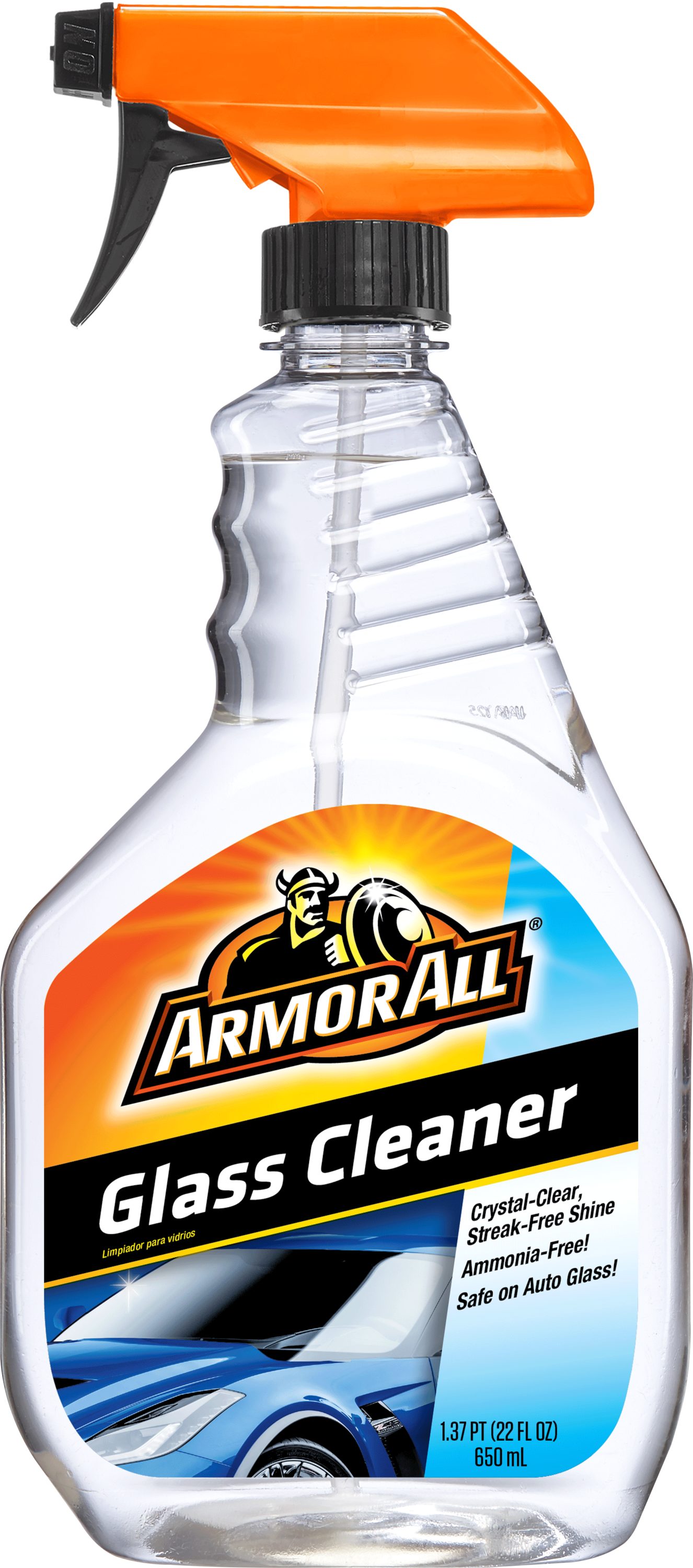
    Avoid cleaners with ammonia or bleach. These chemicals can damage glass tint and car paint. They also create strong fumes that irritate eyes and lungs. Choose cleaners labeled “ammonia-free” for safer use. Protect your health and your car by checking ingredients carefully.

    How to Clean Car Glass With Glass Cleaner: Expert Tips for Sparkling Shine

    Credit: www.turtlewax.com

    Preparing Your Car Glass

    Start by removing dust and dirt from the car glass using a soft cloth. Spray glass cleaner evenly, then wipe with a clean, dry cloth for clear, streak-free windows.

    Cleaning car glass starts with proper preparation. This step helps you get a clear, streak-free finish. It also protects the glass from scratches during cleaning. Taking time to prepare makes the cleaning process easier and more effective.

    Start by removing loose dirt and debris. This prevents scratching the glass while you clean. Also, check for any damage or scratches. Noticing these early helps avoid worsening the condition.

    Removing Loose Dirt And Debris

    Use a soft brush or microfiber cloth to wipe away dust and dirt. Avoid hard scrubbing to prevent scratches. A gentle sweep removes particles that could harm the glass. This step ensures the cleaner works on a clean surface.

    If dirt is stubborn, rinse the glass with water first. This loosens grime and makes wiping easier. Dry the glass lightly before applying the glass cleaner.

    Checking For Damage Or Scratches

    Look closely at the glass for cracks or scratches. Shine a light on the surface to spot small marks. Cleaning over damaged areas can make them worse. If you find damage, clean gently or seek professional help.

    Small scratches might improve after cleaning. Deep cracks need repair to keep the glass safe. Knowing the glass condition helps you clean carefully and protects your vehicle.

    Tools For Effective Cleaning

    Cleaning car glass well needs the right tools. Using proper tools saves time and gives a clear, streak-free finish. These tools help reach every corner and remove dirt easily. Choose tools that work best with your glass cleaner for great results.

    Microfiber Cloths And Towels

    Microfiber cloths are soft and do not scratch glass. They absorb dirt and moisture well. Using a clean microfiber cloth prevents streaks and smudges. Towels made from microfiber are reusable and easy to wash. Always use a dry cloth to polish after cleaning.

    Squeegees And Brushes

    Squeegees remove water and cleaner without leaving marks. A small squeegee fits car windows perfectly. Brushes help remove tough dirt from edges and corners. Choose brushes with soft bristles to avoid damage. Use a squeegee after spraying cleaner for a smooth finish.

    Spray Bottles And Applicators

    Spray bottles spread the cleaner evenly on glass surfaces. Use a fine mist spray for better coverage. Applicators like foam pads help scrub gently without scratching. Refillable spray bottles are eco-friendly and cost-effective. Choose bottles with easy-to-use triggers for control.

    How to Clean Car Glass With Glass Cleaner: Expert Tips for Sparkling Shine

    Credit: www.lowes.com

    Step-by-step Cleaning Process

    Cleaning car glass properly improves visibility and safety. Follow these clear steps to get spotless windows. The right method makes the process quick and easy. Use a good glass cleaner and soft cloths for best results.

    Applying The Glass Cleaner

    Spray the glass cleaner evenly on the glass surface. Hold the bottle about six inches away from the window. Avoid soaking the edges to prevent drips inside the car. Use a cleaner made for car glass to avoid streaks.

    Wiping Techniques For Streak-free Finish

    Use a clean microfiber cloth for wiping the glass. Wipe in a circular motion to lift dirt and grime. Follow with vertical or horizontal strokes to remove streaks. Change cloth sides often to avoid spreading dirt. Finish with a dry cloth to polish the glass.

    Cleaning Inside And Outside Surfaces

    Start with the outside glass as it has more dirt. Use the same steps on the inside glass to avoid residue build-up. Be gentle inside to protect window controls and trims. Open windows slightly to reach edges and corners. Clean both sides for clear views and safer driving.

    Tips For Tough Stains And Residue

    Car glass can get dirty quickly. Some stains and residue need more effort to clean. These tips help remove tough spots with ease. Follow simple steps to make your glass clear and shiny again.

    Removing Bug Splatter

    Bug splatter can stick hard to car glass. Spray glass cleaner directly on the spots. Let it sit for a minute to soften the dirt. Use a soft cloth or sponge to wipe gently. Avoid scrubbing too hard to prevent scratches. Repeat if needed for stubborn stains.

    Handling Water Spots

    Water spots leave white marks on glass. Use a vinegar and water mix for these stains. Spray the solution on the spots and wait a minute. Wipe with a clean microfiber cloth in circular motions. This breaks down mineral deposits and clears the glass.

    Dealing With Grease And Fingerprints

    Grease and fingerprints make glass look dull. Apply glass cleaner generously on the affected areas. Use a microfiber cloth to wipe in a back-and-forth motion. Focus on edges and corners where grime hides. Repeat until the glass looks spotless and clear.

    Maintaining Sparkling Car Glass

    Maintaining sparkling car glass improves your driving safety and car appearance. Clean glass lets light pass clearly. It reduces glare and improves your view on the road. Dirt, dust, and water spots can block your vision. Regular care keeps your glass clear and bright.

    Use proper cleaning methods and products for best results. Protecting your glass from dirt and grime helps keep it spotless longer. Special coatings can make water bead up and roll off quickly. These steps save time and effort in cleaning later.

    Regular Cleaning Schedule

    Set a routine to clean your car glass at least once a week. Use a quality glass cleaner and a soft cloth. Avoid harsh chemicals that can damage the glass or leave streaks. Wipe in circular motions for even cleaning. Check both inside and outside surfaces for dirt. Regular cleaning stops buildup and keeps glass clear.

    Protective Measures Against Dirt

    Park your car in a garage or shaded area when possible. Cover your car during dusty or rainy weather. Wash your car regularly to remove dirt and grime. Clean off bug splatters and bird droppings quickly. These contaminants can damage glass if left too long. Using microfiber cloths prevents scratches while cleaning.

    Using Rain Repellents And Sealants

    Apply rain repellent products to help water bead and slide off. This reduces water spots and improves visibility in rain. Sealants create a protective layer on the glass surface. They help resist dirt, dust, and smudges. Follow product instructions carefully for best results. These treatments make cleaning easier and keep glass clearer longer.

    Common Mistakes To Avoid

    Cleaning car glass seems easy. Yet many make simple mistakes that spoil results. These errors can leave streaks, scratches, or dirty spots behind. Avoiding these common mistakes helps keep your car glass clear and safe.

    Using Paper Towels Or Abrasive Materials

    Paper towels may seem handy but often scratch glass. They leave lint or tiny fibers on the surface. Abrasive materials like rough cloth or brushes damage the glass finish. Use a soft microfiber cloth instead. It cleans well without scratching or leaving residue.

    Cleaning In Direct Sunlight

    Sunlight heats the glass quickly. The cleaner dries too fast and leaves streaks. Cleaning in shade or during cooler parts of the day prevents this. It allows the cleaner to work properly and gives a clear, streak-free shine.

    Neglecting Interior Glass Cleaning

    Many focus only on outside glass. Inside glass can be dusty or greasy too. This reduces visibility, especially at night. Clean the inside glass regularly using the same glass cleaner. It improves your view and driving safety.

    How to Clean Car Glass With Glass Cleaner: Expert Tips for Sparkling Shine

    Credit: www.amazon.com

    Frequently Asked Questions

    How Do I Clean Car Glass Without Streaks?

    Use a high-quality glass cleaner and a microfiber cloth. Spray the cleaner evenly and wipe in circular motions. Avoid paper towels as they leave lint and streaks. Finish by buffing with a dry cloth for a clear, streak-free shine every time.

    Can I Use Household Glass Cleaner On Car Windows?

    Yes, many household glass cleaners work well on car glass. However, avoid ammonia-based cleaners as they can damage tint. Always check your car’s manual for recommended products. Use a soft cloth to prevent scratches and ensure a spotless finish.

    How Often Should I Clean My Car Glass?

    Clean your car glass at least once a week. Regular cleaning improves visibility and safety. Dust, dirt, and grime build up quickly, especially in urban areas. Frequent cleaning also prevents stubborn stains and keeps your car looking polished.

    What’s The Best Technique To Clean Car Windshields?

    Spray glass cleaner generously on the windshield. Use a microfiber cloth to wipe from top to bottom. Focus on removing bugs and dirt spots. Repeat if necessary and finish with a dry cloth to avoid streaks and smudges.

    Conclusion

    Cleaning car glass with a glass cleaner is simple and effective. Use a soft cloth and spray cleaner evenly. Wipe in a circular motion to avoid streaks. Clean both inside and outside for the best view. Clear glass improves safety and driving comfort.

    Regular cleaning keeps your windows bright and fresh. Follow these steps often to maintain your car’s shine. Enjoy a clearer, safer drive every time you hit the road.

  • When Should Windshield Chip Be Repaired: Expert Timing Tips

    When Should Windshield Chip Be Repaired: Expert Timing Tips

    Have you ever noticed a tiny chip on your windshield and wondered if it’s something you can ignore? That small crack might seem harmless now, but it can quickly turn into a big problem.

    Knowing exactly when to repair a windshield chip can save you money, keep you safe, and prevent further damage. You’ll discover the simple signs that tell you it’s time to act—and why waiting could cost you more than you think.

    Keep reading to protect your car and your peace of mind.

    When Should Windshield Chip Be Repaired: Expert Timing Tips

    Credit: www.snowautoglass.com

    Signs Of A Windshield Chip

    Windshield chips may seem small but they can cause big problems. Spotting the signs early helps avoid costly repairs. Understanding the types and effects of these chips keeps you safe on the road.

    Types Of Chips And Cracks

    There are several types of windshield damage. A “bullseye” chip looks like a circle with a dark center. A “star break” has lines radiating from the impact point. “Cracks” are long and thin breaks on the glass. Each type needs quick attention to prevent spreading.

    Visible Damage Indicators

    Look for small chips or cracks on the glass surface. Tiny dots or spider web patterns show damage. Changes in glass texture or raised edges also signal issues. Any visible chip, no matter the size, should be checked immediately.

    Impact On Visibility And Safety

    Windshield chips affect how well you see the road. Light can reflect oddly through cracks, causing glare. Cracks weaken the glass structure, risking shattering during impact. Repairing chips early protects your vision and safety while driving.

    When Should Windshield Chip Be Repaired: Expert Timing Tips

    Credit: www.crackmedic.net

    Risks Of Delaying Repairs

    Delaying windshield chip repairs can cause serious problems. Small chips may seem harmless but can grow quickly. Ignoring them risks your safety and increases repair costs. Understanding these risks helps you act fast and protect your vehicle.

    Expansion Of Damage

    Chips spread over time. Temperature changes cause glass to expand and contract. This movement makes cracks bigger. Driving on rough roads adds stress to the windshield. A small chip can turn into a large crack fast.

    Cost Implications

    Repairing a chip is cheap compared to replacing a windshield. A small repair may cost less than $100. A full windshield replacement can cost hundreds of dollars. Waiting for damage to grow increases expenses. Early repair saves money and time.

    Safety Hazards

    A cracked windshield is weaker. It may not protect you in an accident. Cracks can block your view while driving. This raises the chance of a crash. Fix chips quickly to keep your windshield strong and clear.

    Ideal Timing For Repairs

    Knowing the right time to repair a windshield chip is very important. Timing affects the repair quality and cost. Repairing early can stop the chip from growing into a crack. This saves money and keeps the windshield strong.

    Immediate Repair Benefits

    Fixing a chip right away prevents dirt and moisture from entering. Clean repairs last longer and look better. Quick repairs stop small damage from becoming big cracks. This helps avoid full windshield replacement.

    Weather And Environmental Factors

    Cold weather can make chips spread faster. Hot sun can weaken the glass around the chip. Rain and dirt can get inside and cause more damage. Repair during mild, dry weather is best for quality.

    Professional Repair Vs. Diy

    Professionals use special tools and resins for strong repairs. DIY kits may not fill the chip fully. Poor repair can make the chip worse. Experts also check for hidden damage during repair.

    How To Prepare For Repair

    Preparing for a windshield chip repair helps the process go smoothly. Taking simple steps before the service can save time and ensure better results. Follow these tips to get ready for the repair.

    Cleaning The Damaged Area

    Gently clean the chip with a soft cloth. Avoid using water or chemicals that can make the damage worse. Remove loose dirt or debris carefully. Keep the area dry until the technician arrives. This helps the repair resin stick better.

    Scheduling The Repair

    Book the repair as soon as possible. Chips can spread and cause cracks over time. Choose a time when you can leave your car undisturbed. Early appointments reduce the chance of dirt entering the chip. Acting fast often means a smaller, cheaper repair.

    Choosing The Right Service Provider

    Find a provider with good reviews and experience. Check if they use quality materials and offer warranties. Ask about their repair process and time needed. A reliable expert ensures the chip is fixed correctly. This keeps your windshield safe and strong.

    Preventing Future Windshield Damage

    Preventing future windshield damage starts with understanding how small actions affect your glass. Taking steps to protect your windshield helps avoid costly repairs. A strong windshield keeps you safe and your car looking good.

    Safe Driving Practices

    Drive carefully on rough roads to reduce impact on your windshield. Keep a safe distance from trucks and vehicles that may kick up rocks. Slow down when driving over gravel or uneven surfaces. Avoid sudden stops and sharp turns to prevent stress on the glass.

    Protective Measures

    Park your car in shaded or covered areas to protect against sun damage. Use a windshield cover during harsh weather like hail or heavy rain. Replace worn windshield wipers to keep the glass clean and clear. Avoid slamming doors near the windshield to reduce vibrations.

    Regular Windshield Maintenance

    Check your windshield often for small chips or cracks. Clean the glass with gentle, non-abrasive cleaners to prevent scratches. Repair minor chips promptly to stop them from growing. Schedule professional inspections to catch hidden damage early.

    When Should Windshield Chip Be Repaired: Expert Timing Tips

    Credit: www.reddit.com

    Frequently Asked Questions

    When Is The Best Time To Repair A Windshield Chip?

    Repair a windshield chip immediately to prevent cracks. Early repair saves money and maintains safety. Delaying repairs may worsen damage and reduce visibility.

    Can Small Windshield Chips Cause Bigger Cracks?

    Yes, small chips can expand into large cracks. Temperature changes and road vibrations worsen the damage. Repairing chips early prevents costly windshield replacements.

    How Does Windshield Chip Repair Improve Safety?

    Repair restores structural integrity and driver visibility. Chips weaken the glass, risking shattering on impact. Timely repair ensures safer driving conditions.

    Will Insurance Cover Windshield Chip Repairs?

    Many insurance policies cover chip repairs with no deductible. Coverage varies by provider and plan. Check your policy to confirm if repairs are included.

    Conclusion

    Small windshield chips can grow fast and cause big problems. Fixing chips early saves money and keeps you safe. Cracks can block your view and lead to accidents. Repair shops can fix chips quickly and easily. Don’t wait until damage spreads or worsens.

    Checking your windshield often helps catch chips early. Take action soon to keep your glass clear and strong. Your car’s safety depends on a clean, undamaged windshield. Act now to avoid costly repairs later. Simple repairs keep your drive safe and worry-free.