Author: Alex Carey

  • How Big of a Windshield Crack Can Be Repaired: Expert Guide

    How Big of a Windshield Crack Can Be Repaired: Expert Guide

    Have you ever noticed a crack spreading across your windshield and wondered if it can be fixed or if you need a full replacement? Knowing how big of a windshield crack can be repaired could save you time, money, and stress.

    You might think any crack means trouble, but the truth is, some cracks are easier to fix than you expect. You’ll discover the key factors that determine whether your windshield crack is repairable. By the end, you’ll know exactly when to act fast and when a simple repair is all you need to keep your car safe and clear.

    Keep reading to protect your windshield and your wallet.

    How Big of a Windshield Crack Can Be Repaired: Expert Guide

    Credit: bluediamondautoglass.com

    Types Of Windshield Cracks

    Windshield cracks appear in different shapes and sizes. Knowing the type of crack helps decide if repair is possible. Some cracks are small and easy to fix. Others are larger and need a full replacement. Understanding these types saves time and money.

    Chips And Bullseyes

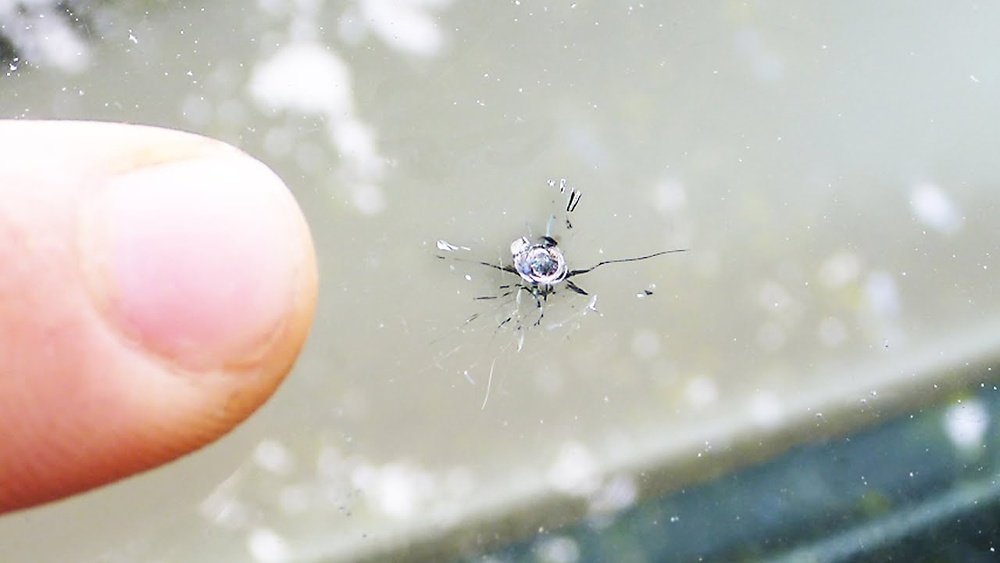
    Chips look like small, round spots on the glass. Bullseyes have a dark center with a circle around it. These cracks are usually caused by small stones hitting the windshield. They are often repairable if fixed quickly.

    Cracks And Star Breaks

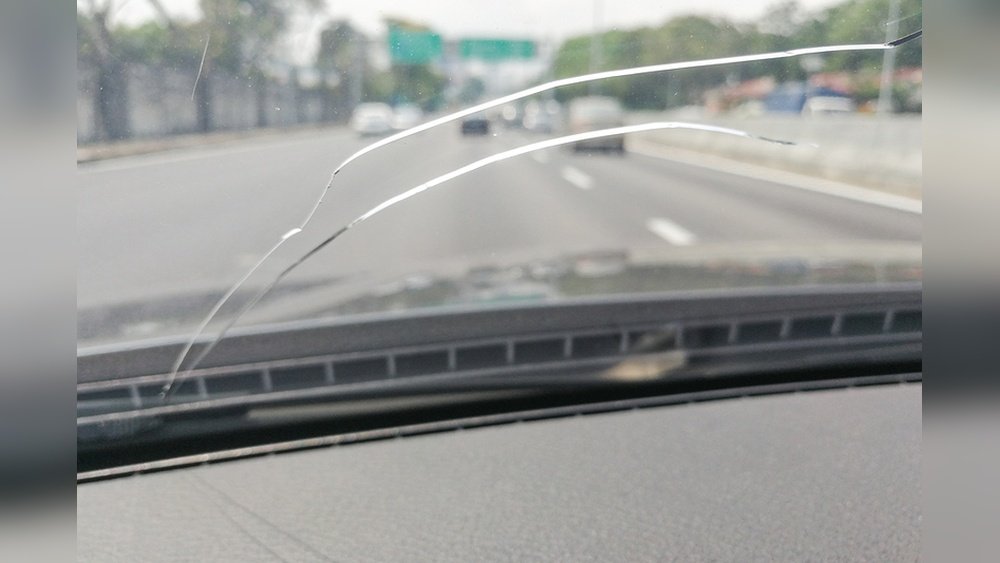
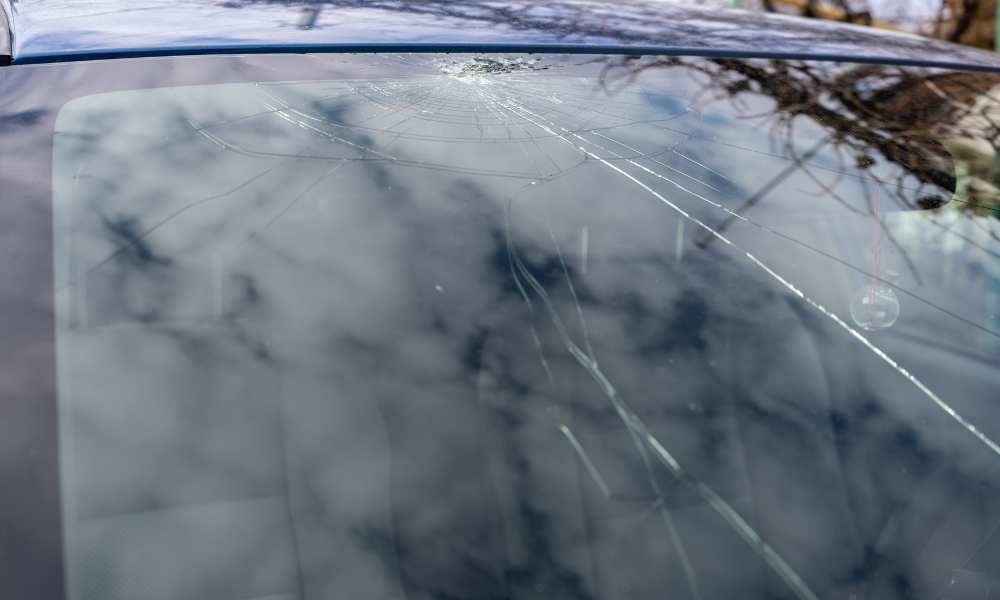
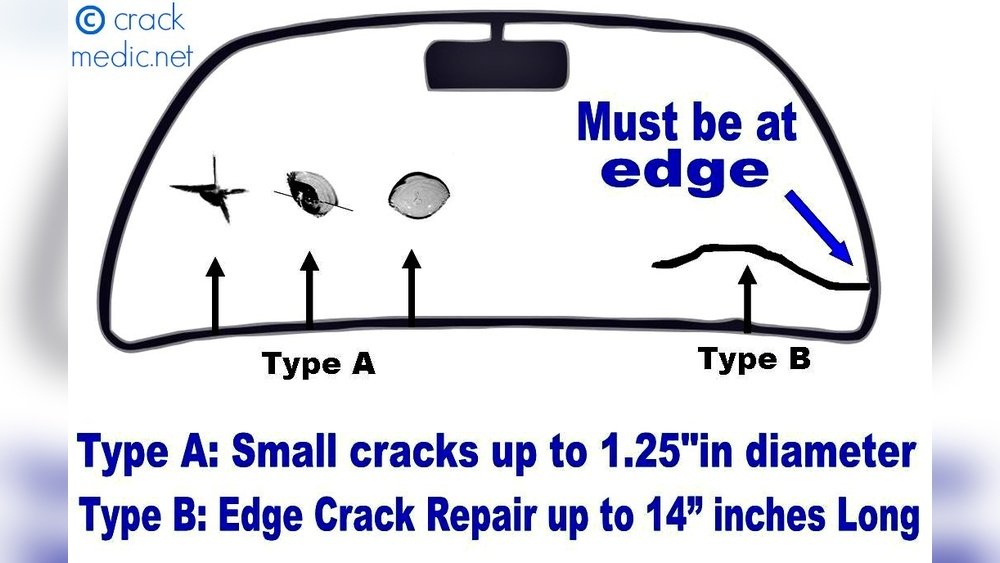
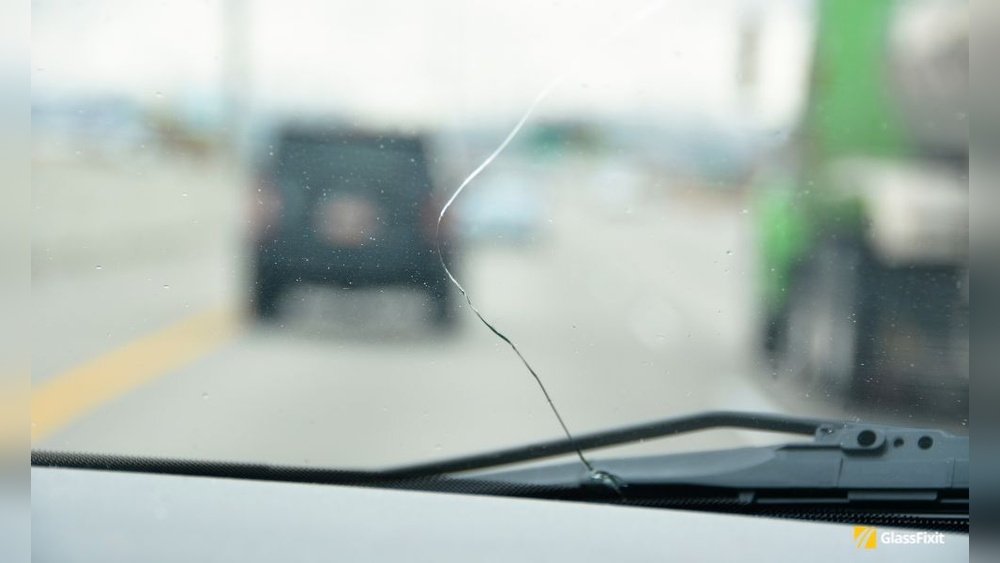
    Cracks are thin lines that spread across the glass. Star breaks have lines that branch out like a star. Both can grow longer if ignored. Repair is possible for short cracks, usually under 6 inches.

    Combination Breaks

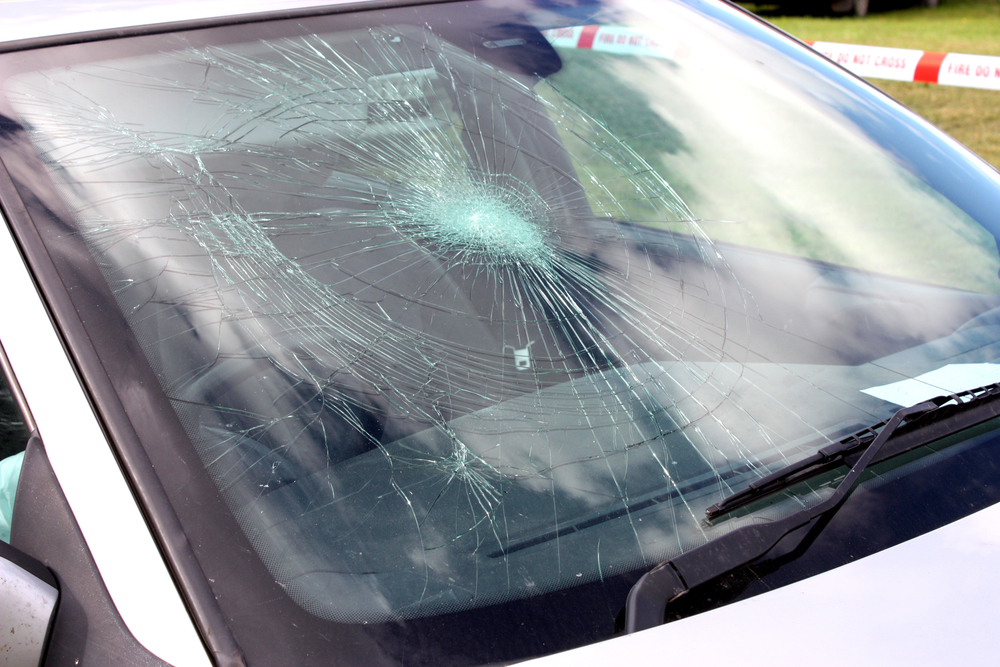
    Combination breaks mix chips, cracks, and star breaks. They cover a larger area on the windshield. Repairing these is difficult and often not recommended. Replacement may be the safest choice for these breaks.

    Factors Affecting Repairability

    Several factors decide if a windshield crack can be fixed. Not all cracks are the same. Some can be repaired easily, while others need a full replacement. Understanding these factors helps you know what to expect.

    Crack Length And Size

    Small cracks under 6 inches are usually repairable. Longer cracks often need replacement. Tiny chips can also be fixed quickly. Size matters because bigger cracks weaken the glass.

    Location On The Windshield

    Cracks near the edges are harder to repair. They can spread faster and affect the glass strength. Cracks in the driver’s line of sight may need replacement. Safety is key in these areas.

    Depth And Severity

    Shallow cracks that only affect the outer layer are easier to fix. Deep cracks that reach the inner layers may not heal well. Severe damage can cause the glass to break suddenly.

    Time Since Damage Occurred

    Fresh cracks are easier to repair. Dirt and moisture can get inside old cracks. This makes repair less effective or impossible. Quick action improves the chance of fixing the crack.

    Size Limits For Repair

    Knowing the size limits for windshield repair helps decide the right action. Not all cracks can be fixed safely. Some require a full replacement. Understanding repair size limits saves time and money. It also keeps you safe on the road.

    Small Chips Under One Inch

    Small chips under one inch are easy to repair. These chips often result from small stones or debris. Repair fills the damaged area and stops cracks from growing. This process restores strength and clarity. It is quick and affordable.

    Cracks Up To Six Inches

    Cracks up to six inches may still be repairable. The crack should not reach the edge of the windshield. Repairing these cracks prevents dirt and moisture from entering. The repair takes more time than fixing small chips. It is important to act quickly before the crack grows.

    When Replacement Is Recommended

    Replacement is needed if cracks are longer than six inches. Cracks that reach the edge of the windshield also need replacement. Multiple cracks or damaged areas reduce windshield strength. Large cracks can block the driver’s view. In these cases, repair is unsafe and not effective.

    Repair Techniques And Tools

    Repairing a cracked windshield involves specific tools and methods. These ensure the crack does not grow and the glass stays strong. Understanding these techniques helps decide if repair is possible or replacement is needed.

    Resin Injection Process

    The resin injection process fills the crack with a clear liquid resin. This resin bonds the glass pieces together. First, the area around the crack is cleaned and dried. Then, a special tool injects the resin deep into the crack. The resin seeps into small cracks and holes. This stops the crack from spreading and restores strength.

    Curing And Polishing

    After injection, the resin needs to harden. Ultraviolet (UV) light cures the resin quickly. This process turns the liquid resin into solid plastic. Once cured, the surface is polished smooth. Polishing removes excess resin and improves visibility. The repaired spot becomes almost invisible and safe.

    Professional Vs Diy Kits

    Professional repair uses advanced tools and skilled techniques. They can fix larger or complex cracks safely. DIY kits are cheaper and easy to use at home. These kits work well for small cracks or chips. But they may not fully stop big cracks from growing. Choosing between them depends on crack size and budget.

    Risks Of Ignoring Windshield Damage

    Ignoring a cracked windshield can cause serious problems. Small chips or cracks may seem harmless at first. Yet, they can grow quickly and lead to bigger issues. Understanding the risks helps you decide when to repair or replace your windshield.

    Safety Concerns

    A cracked windshield weakens the glass structure. During an accident, it may shatter and cause injuries. Cracks can block your view and distract you. This increases the chance of a crash. A strong windshield protects you and passengers.

    Legal Implications

    Driving with a damaged windshield may break the law. Many places require clear, undamaged glass. Police can give fines if cracks reduce visibility. Insurance claims may be denied due to neglect. Fixing cracks early avoids legal trouble and penalties.

    Increased Repair Costs

    Small cracks are easier and cheaper to fix. Left untreated, they spread across the glass. Large cracks often need full windshield replacement. Replacement costs much more than repairs. Acting quickly saves money and prevents costly repairs.

    How Big of a Windshield Crack Can Be Repaired: Expert Guide

    Credit: www.krygerglass.com

    Preventing Windshield Damage

    Preventing windshield damage helps avoid costly repairs and keeps your car safe. Small cracks or chips can grow fast and block your view. Taking simple steps can protect your windshield and extend its life. Here are some easy ways to prevent damage.

    Safe Driving Practices

    Drive carefully to reduce windshield damage. Keep a safe distance from other cars. Rocks and debris fly less when you stay back. Avoid sudden stops and sharp turns. Slow down on rough roads to prevent cracks. Park in shaded or covered areas to protect from weather.

    Protective Films

    Apply a protective film to your windshield. These films add a strong layer against chips and cracks. They also reduce glare and UV rays. Films help keep small damage from spreading. Choose high-quality films that fit your car’s glass. Installation is quick and affordable.

    Regular Inspections

    Check your windshield often for small cracks or chips. Early spotting helps fix problems before they grow. Use good lighting to see damage clearly. Visit a professional for a detailed inspection. Quick repairs save money and keep your view clear. Regular checks make your car safer on the road.

    How Big of a Windshield Crack Can Be Repaired: Expert Guide

    Credit: www.autoglasssarasota.com

    Frequently Asked Questions

    How Large Of A Windshield Crack Can Be Repaired?

    Most windshield cracks up to 6 inches can be repaired safely. Larger cracks often require full windshield replacement for safety reasons.

    Can A Crack Longer Than 6 Inches Be Fixed?

    Cracks longer than 6 inches usually cannot be repaired effectively. They compromise structural integrity and typically need full windshield replacement.

    What Types Of Windshield Cracks Are Repairable?

    Small chips, bullseye, star, and short cracks under 6 inches are repairable. Long or deep cracks generally require replacement.

    How Quickly Should Windshield Cracks Be Repaired?

    Windshield cracks should be repaired as soon as possible. Delays can cause cracks to spread, making repairs impossible and costly.

    Conclusion

    Small cracks on a windshield can often be fixed quickly. Cracks longer than a few inches may need full replacement. Timely repair helps keep your driving safe and saves money. Always check with a professional to know your options. Repairing early stops cracks from getting worse.

    Keep your windshield clear for better road visibility. Don’t wait until damage spreads; act fast. Safe driving starts with a strong, crack-free windshield.
  • What Causes Windshield Cracks: Surprising Reasons You Must Know

    What Causes Windshield Cracks: Surprising Reasons You Must Know

    Have you ever noticed a small crack appearing on your windshield and wondered how it got there? That tiny crack can quickly turn into a big problem, putting your safety at risk and costing you more money.

    Understanding what causes windshield cracks can help you prevent them and know when to take action. You’ll discover the most common reasons behind those frustrating cracks and what you can do to protect your car and yourself. Keep reading to learn how to keep your windshield strong and clear.

    What Causes Windshield Cracks: Surprising Reasons You Must Know

    Credit: www.msglassoutlet.com

    Common Causes Of Windshield Cracks

    Windshield cracks happen for many reasons. Knowing these common causes helps protect your car. Some causes are easy to avoid. Others need quick attention to stop bigger damage. Here are the main reasons windshields crack.

    Road Debris Impact

    Small rocks and debris hit your windshield while driving. The force can chip or crack the glass. High speeds make impacts stronger. Even tiny stones can cause damage over time. Roads with loose gravel increase the risk.

    Extreme Temperature Changes

    Glass expands and contracts with temperature changes. Sudden shifts cause stress on the windshield. Hot sun followed by cold rain or ice is harmful. This stress can create cracks or worsen existing ones. Avoid parking in direct sun after cold nights.
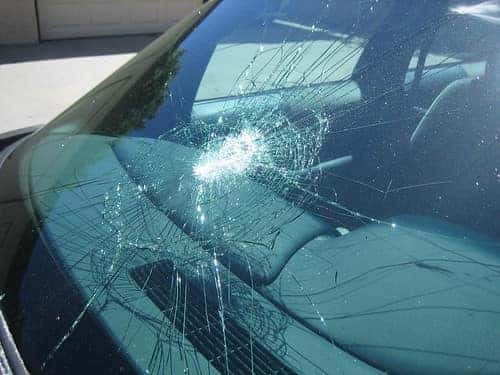
    Poor Installation

    Improper windshield installation weakens the glass. Incorrect fitting causes pressure points. These spots become easy to crack under stress. Use trusted professionals for windshield replacement. Proper installation prevents many future problems.

    Structural Stress

    Car frame issues put extra pressure on the windshield. Bent or damaged frames cause uneven force. This stress leads to cracks and chips. Regular vehicle maintenance helps spot frame problems early. A strong frame supports windshield durability.
    What Causes Windshield Cracks: Surprising Reasons You Must Know

    Credit: delawareautoglass.com

    Unusual Factors Leading To Cracks

    Windshield cracks often result from common causes like stones or temperature changes. Yet, some unusual factors can also lead to these cracks. Understanding these can help protect your windshield better. Here are some surprising reasons windshields crack.

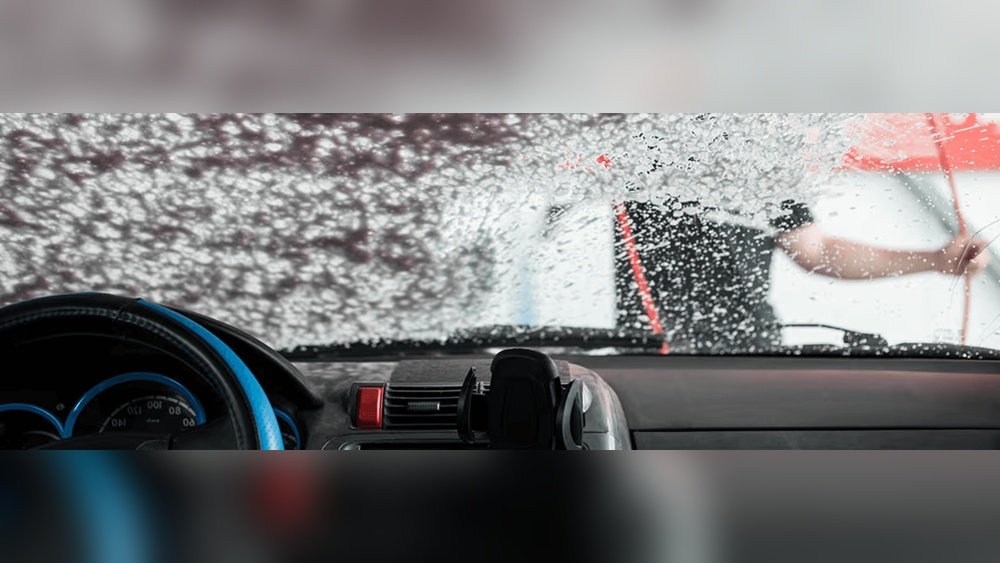
    Improper Car Washing Techniques

    Using high-pressure water too close to the windshield can cause damage. Harsh brushes or rough sponges may create tiny scratches. These small marks weaken the glass over time. Cracks can start from these weak spots.

    Chemical Exposure

    Certain chemicals can harm the windshield’s surface. Strong cleaning agents or solvents may eat away at the glass. Over time, this causes the glass to become fragile. Fragile glass breaks more easily under stress.

    Manufacturing Defects

    Some windshields have hidden flaws from the factory. Tiny air bubbles or uneven glass layers can exist inside. These defects make the glass less strong. Cracks can appear without any outside impact.

    Nearby Construction Vibrations

    Heavy machinery and drilling create strong vibrations. These vibrations can slowly weaken your windshield. Cracks may develop even if nothing hits the glass. Living near construction sites increases this risk.

    How Weather Affects Windshield Integrity

    Weather plays a big role in the strength of your windshield. Different weather conditions can cause small cracks to grow or even create new damage. Understanding these effects helps protect your windshield from breaking.

    Temperature changes and sunlight can make the glass weaker. This leads to stress inside the windshield. Over time, this stress can cause cracks or chips to spread quickly.
    Heat Expansion And Contraction

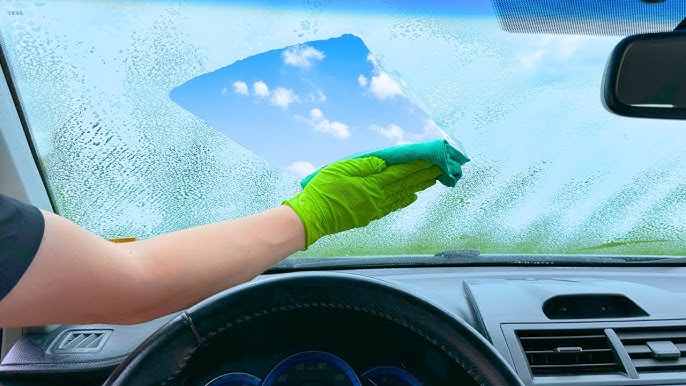
    Glass expands when heated and shrinks when cooled. On hot days, the windshield gets larger. At night or in cool weather, it tightens back. This constant change puts pressure on the glass. Tiny cracks can grow larger from this stress. Sudden heat, like using hot water on a cold windshield, can cause the glass to crack instantly.

    Freezing Conditions

    Freezing weather makes water trapped in cracks expand as it turns to ice. This expansion pushes the cracks wider. Cold air also makes the glass more brittle. Hitting a pothole or road debris in freezing weather is more likely to cause cracks. Ice scraping can scratch the surface and weaken the glass too.

    Sunlight Uv Damage

    Sunlight contains ultraviolet (UV) rays that slowly damage the windshield. UV rays can weaken the glass and the glue holding it. Over time, this causes the windshield to lose strength. Cracks and chips become more likely under constant sun exposure. Parking in the shade or using a sun cover helps reduce this damage.
    Signs Your Windshield Is At Risk

    Your windshield protects you from wind, rain, and debris. It also keeps your car strong. Small problems can turn into big cracks fast. Spotting early signs helps you act before damage spreads. Watch closely for these warning signs that your windshield is at risk.

    Small Chips Turning Into Cracks

    A tiny chip may seem harmless. Dirt and stress make it grow. Temperature changes also cause chips to spread. Watch small spots carefully. They can become long cracks quickly. Fixing chips early saves money and hassle.

    Visible Stress Lines

    Stress lines look like faint cracks on glass. They appear from pressure or bending. These lines weaken the windshield’s strength. You might not notice them at first. Check your glass under good light. Stress lines mean the windshield may break soon.

    Unusual Noises While Driving

    Strange sounds like clicking or popping may come from glass. These noises can mean the windshield is under strain. Wind pressure on weak spots causes noise. Pay attention to new sounds when driving. They could warn of hidden cracks or damage.

    Preventing Windshield Damage

    Preventing windshield damage saves money and keeps your car safe. Small cracks can grow fast. Taking simple steps helps avoid costly repairs.

    Focus on habits and care that protect your windshield every day. Keep your glass strong and clear with easy actions.

    Safe Driving Habits

    Drive carefully on rough roads to avoid stones hitting your windshield. Keep a safe distance from other vehicles. This reduces the chance of debris flying towards your car. Slow down near construction zones and gravel paths. Avoid sudden stops and sharp turns that may cause stress on the glass.
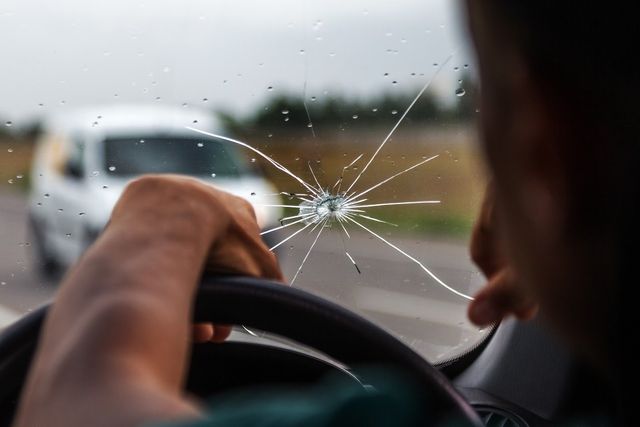
    Regular Maintenance Checks

    Check your windshield often for small chips and cracks. Clean the glass gently with soft cloths and mild cleaners. Avoid harsh chemicals that can weaken the glass surface. Inspect wipers to make sure they do not scratch or damage the windshield. Replace worn wipers promptly to keep the glass clear and safe.
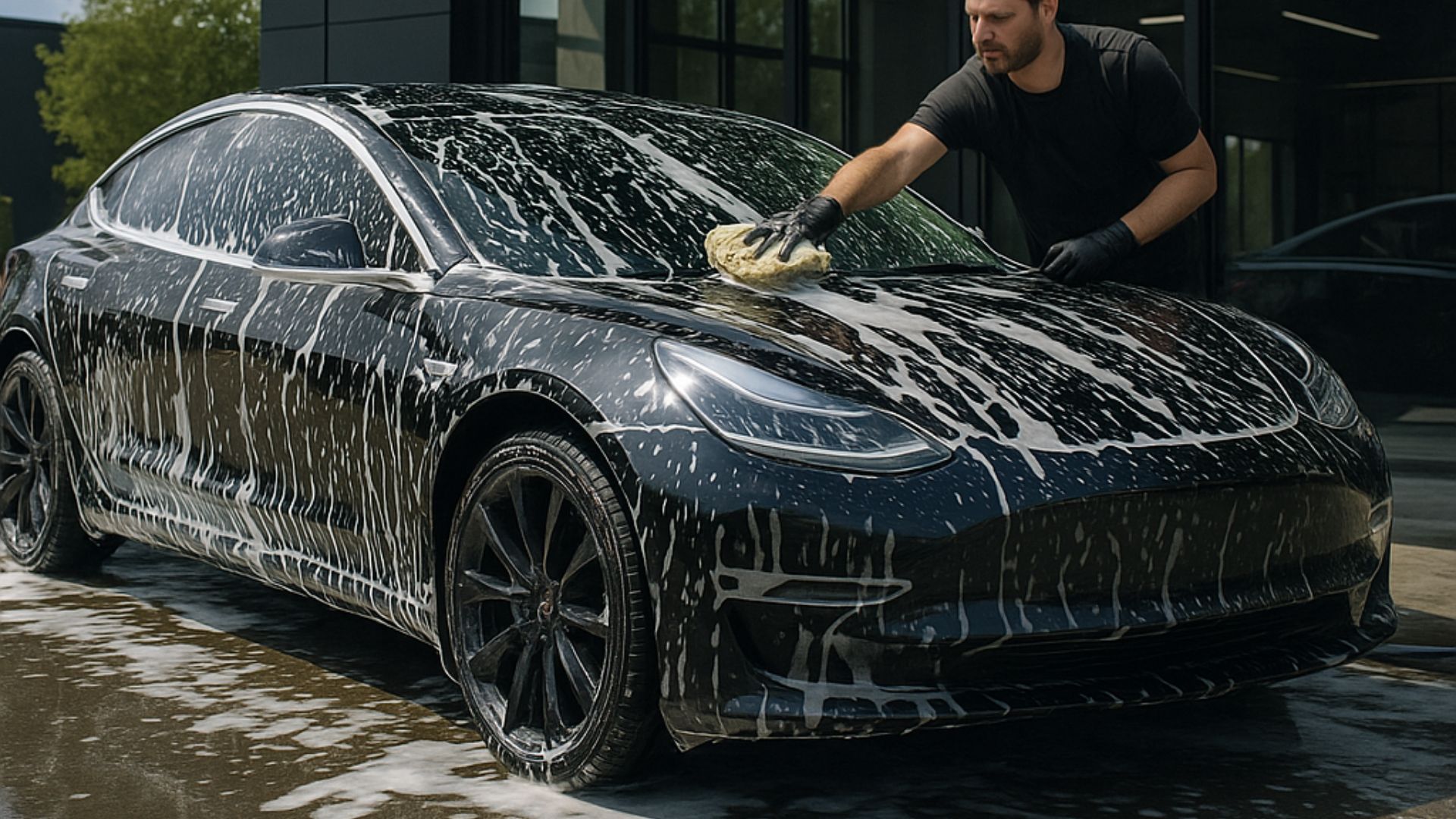
    Choosing Quality Repairs

    Fix minor chips quickly to stop cracks from spreading. Use professional services that use high-quality materials. Poor repairs may not hold and can cause bigger problems. A good repair keeps your windshield strong and clear. Trust experts who know how to restore the glass properly.

    What Causes Windshield Cracks: Surprising Reasons You Must Know

    Credit: delawareautoglass.com

    Frequently Asked Questions

    What Common Factors Cause Windshield Cracks?

    Windshield cracks commonly result from road debris, temperature changes, and vehicle accidents. Stones or gravel hitting the glass can create chips. Sudden cold or heat can expand or contract glass, causing cracks. Poor installation or structural stress may also contribute to damage over time.

    How Do Temperature Changes Affect Windshield Integrity?

    Rapid temperature shifts cause glass to expand and contract quickly. This stress can weaken the windshield and lead to cracks. For example, pouring hot water on frozen glass often causes immediate cracking. Maintaining gradual temperature changes helps preserve windshield strength and prevent damage.

    Can Driving Habits Influence Windshield Cracks?

    Yes, aggressive driving increases the risk of windshield damage. Driving too close to other vehicles raises chances of debris impact. Sudden braking or hitting potholes may stress the glass. Safe, cautious driving reduces the likelihood of cracks and prolongs windshield life.

    Why Do Small Chips Turn Into Large Windshield Cracks?

    Small chips weaken the glass structure, allowing cracks to spread. Vibrations from driving and temperature changes worsen the damage. Ignoring minor chips often leads to larger, costly cracks. Prompt repair helps maintain windshield strength and prevents expansion.

    Conclusion

    Windshield cracks happen from many causes. Small stones hitting glass create chips. Sudden temperature changes can make cracks grow. Driving on rough roads adds stress to glass. Neglecting small cracks can lead to bigger problems. Fixing cracks early saves money and keeps you safe.

    Always watch your windshield for damage signs. Taking care of it helps avoid costly repairs later. Stay alert to protect your car and yourself.

  • How to Clean Car Glass in Winter: Easy Tips for Clear Visibility

    Winter can turn your car glass into a frosty challenge. When ice, snow, and grime build up, your visibility drops, making every drive risky.

    You want clear windows fast, without wasting time or damaging your glass. You’ll discover simple, effective ways to clean your car glass during winter. These tips will save you effort and keep your view crystal clear, no matter how cold it gets.

    Keep reading—you’ll be ready to face winter roads with confidence and safety.

    How to Clean Car Glass in Winter: Easy Tips for Clear Visibility

    Credit: www.youtube.com

    Winter Challenges For Car Glass

    Winter brings many problems for car glass. Cold weather, ice, and snow make cleaning hard. Dirt and salt from roads add more trouble. These issues can block your view. Clear glass is very important for safe driving. Understanding winter challenges helps you keep glass clean and safe.

    Common Winter Glass Issues

    Frost and ice build up on the glass surface. Snow sticks and melts slowly. Salt and dirt create stains and smears. Scratches appear when scraping ice roughly. Fog forms inside glass on cold days. All these problems make glass hard to see through.

    Impact On Driving Safety

    Dirty or foggy glass reduces visibility. It is harder to spot other cars or obstacles. Sun glare on icy glass blinds the driver. Wet glass causes light reflections that confuse. Poor visibility increases accident risk. Clean, clear glass helps keep you safe on roads.

    How to Clean Car Glass in Winter: Easy Tips for Clear Visibility

    Credit: www.shutterstock.com

    Essential Tools For Cleaning

    Cleaning car glass in winter needs the right tools. Cold weather makes dirt and ice harder to remove. Using proper supplies saves time and protects your glass from scratches.

    Having these essential tools ready helps you clear your car windows safely and quickly.

    Recommended Cleaning Supplies

    Start with a good-quality glass cleaner made for cold weather. It stops frost from forming again fast. Use microfiber cloths to wipe the glass. They clean without leaving streaks or scratches.

    Keep a spray bottle with water and a small amount of rubbing alcohol. This mix melts light frost and keeps the glass clear. Avoid household cleaners with ammonia, which can damage car glass.

    Choosing The Right Ice Scraper

    Pick an ice scraper with a sturdy plastic blade. It removes thick ice without scratching glass. A scraper with a comfortable handle gives better grip in cold weather.

    Consider a scraper with a foam or rubber edge. It helps clear frost without harming rubber seals around windows. Avoid metal scrapers that can chip or crack the glass.

    Step-by-step Cleaning Process

    Cleaning car glass in winter can be tough. Snow, ice, and frost cover the windows. Following a clear, step-by-step process helps keep the glass clear. A clean windshield improves safety and visibility. The process starts with removing ice and frost. Then, washing and drying make the glass spotless.

    Removing Ice And Frost

    Start by warming the car engine. This softens the ice on the glass. Use a plastic ice scraper to gently remove ice. Avoid metal tools to prevent scratches. For thick frost, spray a de-icer solution. Let it sit for a few minutes. Then scrape the ice off carefully. Clear the edges and corners of the glass too. Always remove ice before driving for safety.

    Washing And Drying Techniques

    After ice removal, wash the glass with warm water and mild soap. Use a soft cloth or sponge to avoid damage. Clean the inside of the glass as well. Rinse thoroughly to remove soap residue. Dry the glass with a clean microfiber cloth. This prevents streaks and water spots. Regular cleaning stops fog and improves visibility. Repeat this process often during winter months.

    How to Clean Car Glass in Winter: Easy Tips for Clear Visibility

    Credit: www.amazon.com

    Preventing Ice Buildup

    Ice buildup on car glass makes winter mornings tough. It blocks your view and delays your day. Preventing ice saves time and keeps you safe on the road. A few simple steps help stop ice before it starts. These tips protect your glass and make cleaning easier.

    Using De-icing Sprays

    De-icing sprays melt ice quickly. Spray the solution on frozen glass. Wait a few minutes. Ice softens and lifts off easily. Some sprays also stop new ice from forming. Keep a spray bottle in your car during winter. It helps clear ice without scraping hard.

    Applying Protective Films

    Protective films create a barrier on your glass. They prevent frost and ice from sticking. Apply the film before winter begins. It makes removing ice simple. Films also protect against scratches from scrapers. Choose a film made for car windows. It keeps your glass clear and safe.

    Maintaining Clear Visibility

    Clear visibility is crucial for safe driving in winter. Snow, ice, and frost can cover your car glass fast. Keeping your windshield and windows clean helps you see the road better. This section shares simple ways to maintain clear visibility on cold days.

    Tips For Windshield Wipers

    Check your wipers before winter starts. Replace old or cracked blades for better cleaning. Lift wipers off the glass during snow to prevent sticking. Use winter wiper blades if possible. They resist ice build-up and work better in cold weather. Clean the blades often with a cloth to remove dirt and salt. Avoid running wipers on a dry windshield to stop damage.

    Proper Washer Fluid Choices

    Use washer fluid with antifreeze properties. It stops the fluid from freezing on your glass. Regular water or fluid can freeze and block your spray nozzles. Choose a fluid that cleans salt and grime well. Top up the reservoir before winter. Keep extra fluid in your car for long trips. This helps keep your windshield clean and clear.

    Safety Tips During Winter Cleaning

    Cleaning car glass in winter needs care and attention. Cold weather and ice make the task tricky. Safety is important for both your glass and yourself. Follow these simple tips to protect your car glass and stay safe during cleaning.

    Avoiding Damage To Glass

    Never use hot water to melt ice on your car glass. Sudden heat can crack the glass. Use a plastic scraper or a soft brush instead. Avoid metal tools that can scratch or break the glass. Apply a safe de-icer spray to loosen ice gently. Work slowly and do not force the ice off. Check for chips or cracks before cleaning. Do not press hard on damaged glass.

    Protecting Yourself In Cold Weather

    Wear warm gloves to protect your hands from the cold. Use non-slip boots to avoid slipping on ice. Dress in layers to keep your body warm. Take breaks indoors if you feel too cold. Avoid bending too much to prevent strain. Use a flashlight if cleaning in low light. Stay alert to surrounding traffic for safety.

    Frequently Asked Questions

    How Do I Prevent Ice On Car Glass In Winter?

    Use a windshield cover or apply a commercial de-icer spray before frost forms. Parking in a garage also helps reduce ice buildup on car glass during winter.

    What Is The Best Solution To Clean Car Glass In Winter?

    A mix of water and rubbing alcohol works well. It melts ice quickly and prevents refreezing, making glass cleaning easier in cold weather.

    Can I Use Hot Water To Clean Icy Car Windows?

    No, avoid hot water as it can crack the glass. Use lukewarm water or specialized de-icers for safe and effective cleaning.

    How Often Should I Clean Car Glass In Winter?

    Clean your car glass daily or as needed to maintain visibility. Winter grime and salt buildup reduce safety and require frequent cleaning.

    Conclusion

    Keeping your car glass clean in winter improves safety and visibility. Use the right tools and gentle cleaners to avoid damage. Regular cleaning prevents ice buildup and streaks on the glass. Always clear snow and frost before driving. Small efforts save you from big problems on the road.

    Stay safe by maintaining clear windows through the cold months. Clean glass means better vision and a safer winter drive.

  • Can You Drive With a Windshield Chip: Risks and Safety Tips

    Can You Drive With a Windshield Chip: Risks and Safety Tips

    Have you ever noticed a small chip on your windshield and wondered if it’s still safe to drive? That tiny crack might seem harmless, but it can quickly turn into a bigger problem.

    You need to understand the risks before you get behind the wheel. You’ll discover why even a small chip matters, how it affects your safety, and what steps you should take right now. Don’t ignore that crack—your safety depends on it.

    Keep reading to find out everything you need to know.

    Can You Drive With a Windshield Chip: Risks and Safety Tips

    Credit: www.glasshopperautoglass.com

    Types Of Windshield Chips

    Windshield chips come in different types and shapes. Understanding these types helps you know how serious the damage is. Some chips are small and barely noticeable. Others can grow bigger and affect your safety. Recognizing the types of chips can guide you on whether to repair or replace your windshield.

    Common Chip Shapes

    There are several common shapes of windshield chips. The most frequent is the “bullseye,” a circular chip with a dark center. Another type is the “star,” which has several small cracks spreading out like a star pattern. The “combination” chip mixes different shapes together. Each shape shows how the glass reacted to the impact.

    Impact On Visibility

    Some chips do not block your view much. Small bullseyes or tiny cracks often do not affect driving. Larger chips or star cracks can blur or distort your vision. Damage near the driver’s line of sight is more dangerous. Clear visibility is key to safe driving. Any chip that causes glare or distraction needs quick attention.

    Legal Aspects Of Driving With A Chip

    Driving with a windshield chip has legal aspects that drivers must know. Laws differ by location and affect your safety and fines. Understanding these rules helps avoid penalties and keeps roads safer.

    State Regulations

    Each state sets its own rules about windshield damage. Some states allow small chips if they do not block the driver’s view. Others require immediate repair or replacement. Police may stop drivers if the chip violates state laws. Insurance companies may also have rules about windshield damage.

    When A Chip Becomes A Violation

    A chip turns into a legal problem when it blocks the driver’s vision. Cracks that spread across the windshield can also cause violations. Damage near the edges is often more dangerous and less legal. If the chip affects your safety, authorities may issue a ticket. Repairing chips quickly can prevent legal trouble and improve safety.

    Risks Of Driving With A Windshield Chip

    Driving with a windshield chip brings several risks. Small chips can seem harmless but may cause bigger problems. These risks affect your safety and your vehicle’s condition. Understanding these dangers helps you decide the right action for your chipped windshield.

    Safety Hazards

    A chipped windshield can block your view. Even a small chip distracts your focus on the road. Cracks near the driver’s line of sight cause dangerous blind spots. A damaged windshield may shatter easily in an accident. This reduces protection during collisions and increases injury risk.

    Chip Expansion And Cracks

    Temperature changes make chips grow larger. Heat from the sun or cold air causes the glass to expand and contract. This stress causes chips to turn into long cracks. Road bumps or vibrations also worsen the damage. Once cracks spread, the windshield weakens and may fail suddenly.

    Can You Drive With a Windshield Chip: Risks and Safety Tips

    Credit: www.wolfchasehyundai.com

    Assessing The Severity Of A Chip

    Assessing the severity of a windshield chip is important before deciding to drive. Some chips are minor, while others can affect safety. Understanding the chip’s size and location helps determine the risk. A clear view of the damage guides the next steps.

    Size And Location Factors

    The size of the chip matters a lot. Small chips under a quarter inch usually cause less trouble. Larger chips or cracks spread quickly and weaken the glass. Location is key. Chips near the driver’s line of sight can block vision. Chips at the edges can cause the windshield to crack more easily. Always note where the chip is before driving.

    Professional Inspection Tips

    Experts use special tools to check windshield damage. They look for hidden cracks that may not be visible. Professionals assess if the chip can be repaired or if the glass needs replacement. They also check how the chip affects the glass strength. A quick inspection helps avoid bigger problems later. Trusting a professional ensures safe driving conditions.

    Repair Vs. Replacement

    Deciding between repairing or replacing a windshield chip depends on many factors. Small chips can often be fixed, saving time and money. Larger or more complex damage might need a full replacement to keep you safe. Understanding the difference helps you make the best choice.

    When Repair Is Possible

    Repairing works well for chips smaller than a quarter. The damage should not block the driver’s view. Cracks shorter than three inches often get repaired. Repair stops damage from spreading further. It also restores windshield strength quickly. Repairs cost less and take less time than replacements. Professionals use resin to fill the chip. This prevents moisture and dirt from getting inside.

    When To Replace The Windshield

    Replace the windshield if the chip is large or deep. Damage over six inches usually needs replacement. Cracks that spread across the glass require a new windshield. If the chip is near the edges, replacement is safer. Damage that affects the driver’s view must be replaced. Severe cracks weaken the glass and risk injury. Replacement ensures the windshield meets safety standards again.

    Can You Drive With a Windshield Chip: Risks and Safety Tips

    Credit: www.novusglass.com

    Diy Repair Options

    Small chips on your windshield can be annoying and unsafe. Many drivers choose to fix these chips at home. DIY repair kits are popular for quick and easy fixes. These kits promise to stop cracks from growing and keep your windshield strong. Understanding how these kits work helps decide if they suit your needs.

    Repair Kits Overview

    Repair kits usually include resin, an applicator, and curing strips. You clean the chip area first. Then, apply the resin into the chip using the applicator. After that, place the curing strip over the resin. The resin hardens under sunlight or UV light. This process fills the chip and reduces its visibility.

    Effectiveness And Limitations

    These kits work best on small chips or cracks less than two inches. They stop cracks from spreading and improve safety. The repair also makes the chip less visible. Larger or deep cracks need professional help. DIY kits do not restore full strength to the glass. Sometimes, repairs may leave slight marks or bubbles. Still, they save money and time for minor damage.

    Preventing Windshield Damage

    Preventing windshield damage helps keep your car safe and your view clear. Small chips can grow into big cracks fast. Taking steps early saves money and avoids dangerous driving conditions.

    Safe Driving Practices

    Drive carefully on rough roads to avoid flying stones. Keep a safe distance from trucks and buses. They often kick up debris that can hit your windshield. Avoid sudden stops and sharp turns that stress the glass. Slow down on gravel or dirt roads to reduce impact risk.

    Protective Measures

    Park in shaded or covered areas to protect from extreme weather. Sun and heat can worsen chips and cracks. Use a windshield cover during harsh weather to shield glass. Regularly clean your windshield gently with soft cloths. Avoid harsh chemicals that weaken the glass surface.

    Choosing A Reliable Repair Service

    Choosing the right repair service for your windshield chip is important. A good service can fix the chip quickly and safely. This keeps your windshield strong and your driving safe. It also saves money by preventing bigger damage.

    Careful choice helps avoid poor repairs that may lead to cracks. Trustworthy services use the best tools and materials. They also follow safety rules to protect your car and yourself.

    What To Look For

    Check if the repair service has good reviews from past customers. Experience matters. Choose a shop that has worked on many windshield repairs. They should use modern equipment and proper resin. Ask if the company offers a warranty. A warranty shows they trust their work. Make sure the technicians are trained and certified. Clean and organized shops show professionalism.

    Cost Considerations

    Compare prices from different repair shops. Avoid services that are too cheap or very expensive. Low prices might mean low quality materials or poor work. High prices do not always mean better service. Ask what the price includes. Some shops charge extra for mobile service or warranty. Choose a service with clear and fair pricing. Good repairs save money by preventing windshield replacement.

    Frequently Asked Questions

    Can You Legally Drive With A Windshield Chip?

    Yes, you can legally drive with a small chip in most areas. However, if the chip obstructs your view, it may be illegal and unsafe. Always check local laws and prioritize safety by repairing chips promptly.

    Does A Windshield Chip Affect Driving Safety?

    Yes, a windshield chip can weaken the glass and impair visibility. This increases the risk of cracks spreading and causing accidents. Repairing chips quickly helps maintain clear vision and structural integrity.

    When Should A Windshield Chip Be Repaired?

    Repair a windshield chip as soon as possible, ideally within 24-48 hours. Delaying repairs can cause cracks to spread, making replacements necessary. Prompt action saves money and keeps your windshield safe.

    Can Small Chips Turn Into Bigger Windshield Cracks?

    Yes, small chips often expand into larger cracks due to temperature changes and vibrations. Ignoring chips increases the risk of costly replacements. Repairing early prevents damage from worsening.

    Conclusion

    Driving with a windshield chip can be risky. Small chips may seem harmless at first. But they can grow and block your view. Cracks can also weaken the glass, making it unsafe. It’s best to fix chips quickly to avoid bigger problems.

    Repair is usually fast and affordable. Staying safe on the road matters most. Don’t wait until the chip turns into a crack. Keep your windshield clear and strong for a safer drive.

  • Can Small Windshield Cracks Be Fixed: Expert Tips Revealed

    Can Small Windshield Cracks Be Fixed: Expert Tips Revealed

    Have you noticed a small crack on your windshield and wondered if it can be fixed before it gets worse? You might be surprised to learn that many tiny cracks don’t need a full windshield replacement.

    Fixing these small cracks early can save you money, keep your view clear, and prevent the damage from spreading. You’ll discover how you can handle those small cracks quickly and effectively, so you don’t have to worry about them turning into a bigger problem.

    Keep reading to find out what steps you can take to protect your windshield and your safety.

    Can Small Windshield Cracks Be Fixed: Expert Tips Revealed

    Credit: www.glassfixitauto.com

    Types Of Small Windshield Cracks

    Small windshield cracks come in different shapes and types. Identifying the kind of crack helps decide if repair is possible. Each type has distinct features and risks. Knowing these types helps protect your windshield and driving safety.

    Chip And Bullseye Cracks

    Chip cracks look like small dents or pits on the glass surface. Bullseye cracks have a round shape with a dark ring around them. These cracks usually happen from small stones or debris hitting the windshield. They are often shallow and easier to repair.

    Star And Combination Cracks

    Star cracks have lines radiating outward, like a star shape. Combination cracks mix different crack types in one area. Both types spread quickly if not fixed. They can weaken the windshield and reduce visibility while driving.

    Edge Cracks

    Edge cracks start at the windshield’s edge and move inward. These cracks can grow fast because the edges are weaker. Repairing edge cracks is harder and may need full windshield replacement. Ignoring them can lead to bigger damage.

    Can Small Windshield Cracks Be Fixed: Expert Tips Revealed

    Credit: www.autonationmobileservice.com

    Causes Of Small Cracks

    Small cracks on a windshield start for different reasons. Knowing these causes helps to understand if the crack can be fixed. The damage may seem minor, but it can grow quickly. Early repair saves money and keeps the glass safe.

    Impact From Debris

    Flying stones and road debris often hit the windshield. Even small rocks can cause tiny cracks or chips. These hits usually happen at high speeds. The force breaks the glass surface, creating weak spots. Over time, these spots can spread into larger cracks.

    Temperature Fluctuations

    Glass expands and contracts with heat and cold. Sudden changes in temperature stress the windshield. Hot sun followed by cold rain can cause cracks. The glass may develop small fractures from this stress. Repeated cycles increase the risk of damage spreading.

    Structural Stress

    The car’s frame and body affect the windshield’s strength. If the frame twists or bends, it puts pressure on the glass. This pressure may cause small cracks to form. Poor installation or old age also add to stress. Cracks from stress need quick attention to prevent growth.

    When Repairs Are Possible

    Small windshield cracks can sometimes be fixed. Repairs depend on certain factors. Knowing these helps decide if repair is possible. Understanding size, location, and damage depth is key. Acting quickly also improves repair chances.

    Size And Location Limits

    Cracks shorter than 6 inches usually qualify for repair. Chips smaller than a quarter also can be fixed. Cracks near the edge may need replacement. Repairs work best when damage is away from driver’s view.

    Assessing Damage Depth

    Shallow cracks that only affect the outer layer are easier to fix. Deep cracks reaching inner layers often require full replacement. Clear visibility through the glass is important for repair success. Experts check how far the crack goes inside the glass.

    Timing For Repair

    Repairing cracks soon after they appear is important. Dirt and moisture worsen the damage over time. Early repair stops cracks from spreading further. Quick action saves money and keeps your windshield safe.

    Diy Repair Methods

    Small windshield cracks can often be repaired at home. DIY repair methods save time and money. These fixes work best for tiny chips and cracks. You must act quickly to prevent the crack from spreading. Here are easy steps and tips for doing it yourself.

    Windshield Repair Kits

    Repair kits are available at many stores and online. They include resin, an applicator, and instructions. The resin fills the crack and stops it from growing. Kits are affordable and designed for simple repairs. Choose a kit that matches your crack size and type.

    Step-by-step Repair Process

    First, clean the cracked area with glass cleaner. Remove any dirt or loose glass pieces. Next, position the applicator over the crack. Inject the resin slowly into the crack. Let the resin fill the crack completely. Use a curing strip to cover the resin. Allow the resin to dry under sunlight or a UV lamp. Finally, remove the strip and scrape off excess resin. Your windshield should look much clearer now.

    Common Mistakes To Avoid

    Do not ignore the crack for too long. Dirt or moisture inside the crack can ruin the repair. Avoid rushing the resin drying time. Using the wrong resin type can cause damage. Applying too much pressure may worsen the crack. Make sure to follow the instructions carefully. Patience and precision lead to the best results.

    Professional Repair Benefits

    Small windshield cracks can seem minor but need proper care. Choosing professional repair helps fix these cracks well. Experts use special skills and tools to restore your windshield safely. This section explains key benefits of professional repair.

    Advanced Tools And Techniques

    Professionals use modern tools to repair cracks precisely. These tools remove air and fill cracks with resin. The resin matches the glass and hardens quickly. This method stops cracks from spreading further. DIY fixes lack these advanced tools and results vary.

    Durability And Safety

    Proper repairs make the windshield strong and safe. A fixed windshield holds up better against impacts. It keeps the glass intact during accidents. This safety helps protect passengers inside the car. Simple fixes may not restore full strength, risking harm.

    Cost Considerations

    Professional repair costs less than full windshield replacement. Repairing small cracks early avoids bigger problems later. It saves money by preventing the need for a new windshield. Many insurance plans cover professional repairs as well.

    When Replacement Is Necessary

    Small windshield cracks can often be repaired, but some situations require a full replacement. Knowing when replacement is necessary helps keep your vehicle safe. Some cracks cause more harm than others. Recognizing these signs saves time and money.

    Extensive Damage

    Large cracks or multiple cracks mean extensive damage. Repairs may not hold or look good. The windshield might break more easily in a crash. Replacement ensures the glass is strong and safe again.

    Compromised Structural Integrity

    The windshield supports the roof in a rollover crash. Cracks that weaken this support need replacement. Damage near the edges also affects strength. A new windshield restores the car’s safety design.

    Insurance And Warranty Factors

    Insurance policies sometimes cover replacement, not repair. Some warranties require replacement for certain types of damage. Check your coverage before deciding. Replacement might cost less with insurance help.

    Preventing Future Cracks

    Preventing future cracks in your windshield protects your safety and saves money. Small chips can grow into big cracks over time. Taking simple steps helps keep your windshield strong and clear.

    Safe Driving Practices

    Drive carefully on rough roads to avoid hitting stones or debris. Keep a safe distance from other vehicles, especially trucks. Slow down near construction zones where loose gravel is common. Avoid sudden stops and sharp turns that stress the windshield.

    Regular Windshield Maintenance

    Clean your windshield often with gentle soap and water. Check for small chips or cracks regularly. Repair tiny chips before they spread. Replace old windshield wipers to prevent scratches. Avoid parking under trees that drop sap or branches.

    Protective Measures

    Use a windshield cover during harsh weather like hail or extreme sun. Park in shaded areas to reduce heat damage. Apply a protective film to reduce impact damage and UV rays. Choose covered parking lots to protect your vehicle from falling debris.

    Can Small Windshield Cracks Be Fixed: Expert Tips Revealed

    Credit: scottsauto.com

    Frequently Asked Questions

    Can Small Windshield Cracks Be Repaired Easily?

    Yes, small windshield cracks can be repaired quickly using resin injection. This prevents spreading and restores structural integrity without full replacement.

    How Long Does A Windshield Crack Repair Take?

    Windshield crack repairs usually take 30 to 60 minutes. The resin needs time to cure, ensuring a strong and clear fix.

    Will Repaired Cracks Be Visible After Fixing?

    Repaired cracks may still be slightly visible but are much less noticeable. The repair stops crack growth and improves safety.

    When Should I Replace Instead Of Repair?

    Replace your windshield if cracks are larger than 6 inches or directly in the driver’s line of sight. Repairs won’t be effective then.

    Conclusion

    Small windshield cracks often can be fixed quickly and affordably. Repairing early stops cracks from growing larger and costing more. Ignoring small damage risks safety and visibility on the road. A clear windshield helps keep your car strong and safe.

    Checking cracks soon saves time and money later. Don’t wait until the crack spreads or blocks your view. Simple repairs keep your windshield in good shape for longer. Act fast to protect your car and yourself while driving.

  • How to Clean Car Window Rubber Trim: Easy Steps for a Fresh Look

    How to Clean Car Window Rubber Trim: Easy Steps for a Fresh Look

    Your car window rubber trim plays a bigger role than you might think. It keeps water out, prevents wind noise, and protects your windows from damage.

    But over time, dirt, grime, and sun exposure can cause it to crack and look worn. If you want your car to stay looking sharp and your trim to last longer, learning how to clean it properly is key. In this guide, you’ll discover simple, effective steps to bring back that fresh, like-new look to your window trim.

    Keep reading—you’ll be surprised how easy it is to make a big difference with just a little care.

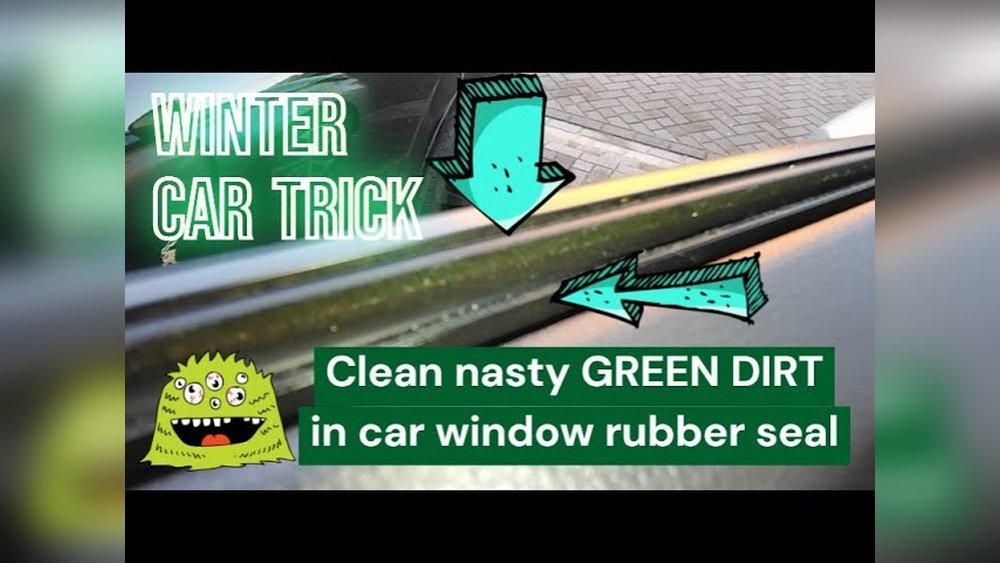
    How to Clean Car Window Rubber Trim: Easy Steps for a Fresh Look

    Credit: www.reddit.com

    Prepare Your Materials

    Preparing your materials is the first step to clean car window rubber trim. Having the right tools and cleaner helps to get the job done well. This saves time and protects the rubber from damage.

    Gather all needed supplies before starting. This way, you avoid interruptions and keep your work smooth. Choose a cleaner that is safe and effective for rubber surfaces.

    Gather Cleaning Supplies

    Collect soft cloths or microfiber towels. These avoid scratching the rubber trim. Use a soft-bristle brush for tough dirt in tight spots. Have a spray bottle filled with water ready for rinsing. Gloves protect your hands from chemicals. Paper towels help to dry the trim after cleaning.

    Choose The Right Cleaner

    Select a cleaner made for rubber or automotive use. Avoid harsh chemicals like bleach or ammonia. Mild soap mixed with water often works well. Specialized rubber cleaners clean deeply without causing damage. Test the cleaner on a small area first to check for any reaction.

    How to Clean Car Window Rubber Trim: Easy Steps for a Fresh Look

    Credit: www.youtube.com

    Inspect The Rubber Trim

    Inspecting the rubber trim on your car windows is an important first step. It helps you see the condition before cleaning. This step saves time and prevents damage. Careful inspection reveals problems early. It also shows how much dirt is there.

    Check For Damage

    Look closely at the rubber trim for cracks or tears. Small cracks can grow bigger over time. Check for areas where the rubber feels hard or brittle. These parts might need replacement soon. Soft, flexible rubber lasts longer and seals better. Watch for sections that pull away from the window. Loose trim can let water inside your car. Noticing damage early helps you fix problems fast.

    Identify Dirt And Grime

    Notice the types of dirt on the rubber trim. Dust and pollen can make it look dull. Sticky grime or grease sticks to the surface more. Sometimes, mold or mildew grows on wet trim. Different dirt needs different cleaning methods. Spotting grime helps you choose the right cleaner. Clean trim keeps windows sealed and looking fresh.

    Clean The Rubber Trim

    Cleaning the rubber trim on your car windows keeps them looking fresh and prevents damage. Dirt and grime can build up over time, making the rubber dry and cracked. Regular cleaning helps maintain the rubber’s flexibility and appearance.

    Follow these simple steps to clean the rubber trim safely and effectively.

    Remove Loose Dirt

    Start by wiping the rubber trim with a dry cloth. This removes loose dirt and dust. You can also use a soft brush to sweep away debris from tight spots. Clearing loose dirt first prevents scratching the rubber during cleaning.

    Apply Cleaner Gently

    Choose a mild soap or a cleaner made for rubber. Avoid harsh chemicals that can damage the trim. Apply the cleaner with a soft cloth or sponge. Use gentle strokes to cover the entire rubber surface without rubbing too hard.

    Scrub With Soft Brush

    Use a soft-bristled brush to scrub the rubber trim lightly. Focus on areas with stains or built-up grime. The soft brush cleans deeply without harming the rubber. Rinse the trim with water to remove the cleaner and dirt.

    Rinse And Dry

    Rinsing and drying the car window rubber trim is an important step. It helps remove dirt and cleaning product residue. This keeps the rubber in good condition and stops damage.

    Use Clean Water

    Rinse the rubber trim with clean water. Avoid using dirty or soapy water. Clean water removes any leftover dirt or cleaner. Use a gentle stream to avoid harming the rubber.

    Dry Thoroughly

    Dry the rubber trim completely after rinsing. Use a soft, dry cloth to absorb water. Leaving moisture can cause mold or mildew. Take your time to dry all areas well.

    Protect And Restore

    Protecting and restoring the rubber trim around your car windows keeps it flexible and looking new. This part faces sun, rain, and dirt every day. Over time, it can dry out and crack. Taking care of it helps avoid costly repairs and keeps your car neat.

    Simple steps can bring back the rubber’s softness and shine. Choose the right products and avoid harsh treatments. Here is how to protect and restore your car window rubber trim.

    Apply Rubber Conditioner

    Use a rubber conditioner made for car trims. It softens the rubber and stops it from drying. Apply a small amount on a clean cloth. Rub gently over the rubber trim in even strokes. Let it soak in for a few minutes. Wipe off any extra to avoid sticky residue. Repeat this process every few months to keep the rubber healthy.

    Avoid Harsh Chemicals

    Strong cleaners can damage rubber trim. Avoid bleach, ammonia, or alcohol-based products. These dry out the rubber and cause cracks. Use mild soap and water for cleaning before applying conditioner. Always check product labels to ensure they are safe for rubber. Gentle care helps the trim last longer and stay soft.

    How to Clean Car Window Rubber Trim: Easy Steps for a Fresh Look

    Credit: www.reddit.com

    Maintain The Trim

    Maintaining the rubber trim around your car windows keeps it looking good and working well. Clean and cared-for trim stays flexible and stops water from leaking inside. Regular attention helps avoid cracks and fading caused by sun and dirt. Simple habits can extend the life of your trim and keep your car neat.

    Regular Cleaning Tips

    Use a soft cloth and mild soap to clean the rubber trim. Avoid harsh chemicals that can dry out the rubber. Rinse with clean water and dry with a towel. Clean the trim at least once every two weeks. This stops dirt from building up and damaging the rubber. For tough spots, use a soft brush gently. Never use abrasive tools that can scratch the surface.

    Prevent Future Damage

    Protect the rubber by applying a silicone-based rubber conditioner. This keeps the trim soft and stops cracking. Do this after cleaning and drying the trim. Park your car in shaded areas to reduce sun damage. Avoid parking near trees that drop sap or debris. Check the trim often for signs of wear and fix small issues fast. This prevents bigger problems and costly repairs later.

    Frequently Asked Questions

    How Do I Clean Car Window Rubber Trim Effectively?

    Use mild soap, warm water, and a soft brush to clean the trim. Avoid harsh chemicals that may damage the rubber. Rinse thoroughly and dry with a microfiber cloth to prevent water spots.

    What Products Are Best For Cleaning Rubber Trim?

    Use gentle automotive cleaners or dedicated rubber trim cleaners. Avoid petroleum-based products as they can degrade the rubber. Silicone-based protectants help maintain flexibility and appearance after cleaning.

    How Often Should I Clean Car Window Rubber Trim?

    Clean the rubber trim every 1-2 months to prevent dirt buildup and cracking. Regular cleaning preserves the trim’s flexibility and extends its lifespan. Adjust frequency based on weather and driving conditions.

    Can I Restore Faded Rubber Trim On Car Windows?

    Yes, use a rubber trim restorer or conditioner after cleaning. These products replenish oils and restore color, making trim look new. Apply as per product instructions for best results.

    Conclusion

    Cleaning car window rubber trim keeps it flexible and looking good. Dirt and grime can cause damage over time. Regular care helps avoid cracks and wear. Use gentle cleaners and soft cloths for best results. A little effort goes a long way in maintaining your car.

    Keep the trim clean to protect your vehicle’s value. Simple steps can save you money on repairs later. Take time to care for your car’s details. Clean trim adds to your car’s overall appearance and lifespan.

  • When Can You Drive After Windshield Replacement: Essential Timing Tips

    When Can You Drive After Windshield Replacement: Essential Timing Tips

    Have you just had your windshield replaced and now wonder when you can safely get back behind the wheel? Driving too soon after a windshield replacement can be risky, but waiting longer than necessary can disrupt your daily routine.

    You want to know exactly when it’s safe to drive without putting yourself or others in danger. You’ll discover the crucial time frames, what factors affect the drying process, and simple tips to protect your investment. Keep reading to make sure you hit the road safely and confidently after your windshield replacement.

    Curing Time For Windshield Adhesive

    The curing time for windshield adhesive is crucial after replacement. This time allows the glue to harden and secure the glass firmly. Driving too soon can weaken the bond and cause safety issues. Understanding how long the adhesive needs to cure helps keep you safe on the road.

    Types Of Adhesives Used

    Different adhesives have different curing times. Polyurethane adhesives are common and strong. They usually take about one hour to set and 24 hours to fully cure. Some fast-curing adhesives dry in 30 minutes but may not be as strong. The type of adhesive affects how soon you can drive safely.

    Factors Affecting Drying Time

    Temperature plays a big role in drying time. Warmer weather speeds up curing, while cold slows it down. Humidity also affects how fast the glue hardens. Thicker adhesive layers take longer to dry. The car model and adhesive brand can change the curing time too.

    Safety Concerns Post-replacement

    Driving after a windshield replacement needs careful attention to safety. The new glass needs time to set properly. Rushing to drive can cause problems. Understanding the safety concerns helps protect you and others on the road.

    Impact On Structural Integrity

    The windshield supports your car’s frame. It helps keep the roof from collapsing in a crash. A new windshield must bond tightly to restore this strength. The glue needs several hours to cure fully. Driving too soon can weaken this bond. The car may not protect you as well in an accident.

    Visibility And Weather Conditions

    Clear vision is vital after replacement. The glass might have spots or smudges that affect sight. Rain or fog can make it harder to see. Windshield wipers may not work well immediately after installation. Avoid driving in bad weather right away. Wait until the glass and seal are fully set for safe driving.

    Manufacturer Recommendations

    Car manufacturers provide specific guidelines after a windshield replacement. These rules help ensure the glue or adhesive sets properly. Following these instructions keeps you safe on the road. It also prevents damage to the new windshield. Understanding these recommendations is important for all drivers.

    Typical Waiting Periods

    Most car makers suggest waiting at least one hour before driving. Some recommend up to 24 hours for full adhesive curing. The waiting time depends on the type of glue used. Quick-set adhesives allow shorter wait times. Longer curing times mean the windshield bonds stronger to the frame.

    Variations By Vehicle Type

    Passenger cars usually require shorter wait times. Trucks and SUVs may need longer periods to ensure safety. Luxury vehicles sometimes have different adhesives and rules. Electric cars may have stricter guidelines due to sensors near the windshield. Always check the specific manual or contact the manufacturer for exact instructions.

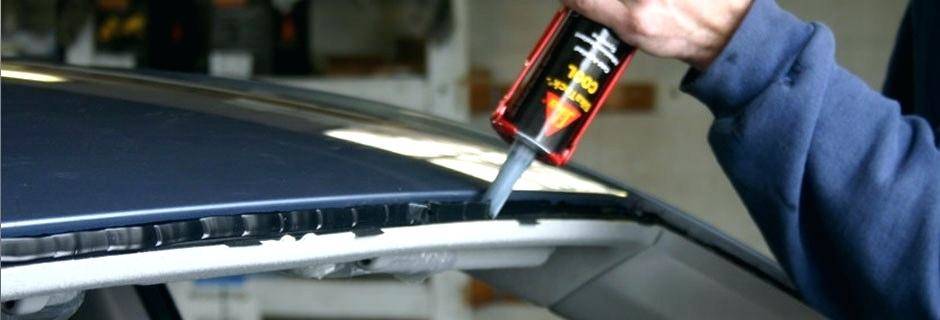
    When Can You Drive After Windshield Replacement: Essential Timing Tips

    Credit: windshieldstore.in

    Driving Immediately After Replacement

    Driving immediately after a windshield replacement may seem tempting. You want to get back on the road quickly. Yet, the windshield needs time to set properly. The adhesive must dry and bond firmly to your car. Ignoring this can cause problems. It affects your safety and the strength of the glass.

    Risks Involved

    Driving too soon can weaken the bond between glass and frame. This weak bond might cause the windshield to shift or fall out. Sudden braking or accidents become more dangerous. The windshield supports the roof during rollovers. A loose windshield reduces this protection. Water leaks and wind noise may also occur. Your car’s structure depends on a solid windshield.

    When It Might Be Safe

    Most experts suggest waiting at least one hour. Some adhesives need up to 24 hours to cure fully. The exact time depends on the adhesive type and weather. Warm and dry weather helps adhesives cure faster. Cold or wet conditions slow down the process. Always follow the technician’s advice. They know the product and your car model best. Avoid driving on rough roads or highways initially. This helps the windshield stay firmly in place.

    Tips For Aftercare

    Taking care of your new windshield is very important after replacement. Proper aftercare helps the adhesive set well and keeps the glass safe. Follow these tips to protect your windshield and avoid damage.

    Small actions after replacement make a big difference. Protect the glass to ensure a long-lasting fix.

    Avoiding Pressure On The Windshield

    Do not push or lean on the windshield for at least 24 hours. Avoid slamming doors hard, as the force can loosen the adhesive. Keep pets and children away from the glass to prevent accidental bumps. Use gentle cleaning methods once the adhesive is fully dry. Pressure can cause cracks or weaken the seal.

    Handling Temperature Changes

    Extreme temperatures affect the new windshield’s bond. Avoid parking under direct sunlight or near heating vents for the first day. Do not use hot water to clean the glass soon after replacement. Sudden heat or cold may cause the glass to expand or contract. This can lead to cracks or weak adhesive. Let the windshield adjust naturally to the environment.

    Signs Your Windshield Is Ready

    Knowing when your windshield is ready to drive after replacement is important. The glass must set properly to keep you safe. Signs show the windshield has cured enough to handle the road. Watch closely for these clear indicators.

    Visual Checks

    Look for any gaps between the glass and the frame. The seal should be even and smooth all around. Check for cracks or chips on the new windshield surface. The adhesive should not be wet or sticky. A dry, firm appearance means it is setting well.

    Physical Tests

    Lightly press the edges of the windshield with your fingers. It should feel solid and not move under pressure. Avoid slamming doors or hitting bumps near the glass. If the windshield stays firmly in place, it is ready. Gentle tests help confirm the adhesive has bonded well.

    What To Do If You Drive Too Soon

    Driving too soon after a windshield replacement can cause problems. The adhesive that holds the glass needs time to set fully. If the glass is not secure, it might shift or crack. This section explains what to do if you drive before the recommended wait time.

    Potential Damage

    Driving before the adhesive cures can weaken the bond. The windshield may not stay in place during sudden stops. Cracks or chips can form more easily. This can lead to costly repairs or even replacement again. Your safety can also be at risk with a loose windshield.

    Steps To Take

    Check the windshield for any visible cracks or looseness. Avoid rough roads and high speeds. Return to the repair shop as soon as possible. Let the technicians inspect the glass and adhesive. Follow their advice on whether to replace or re-secure the windshield. Drive carefully until the glass is fully set.

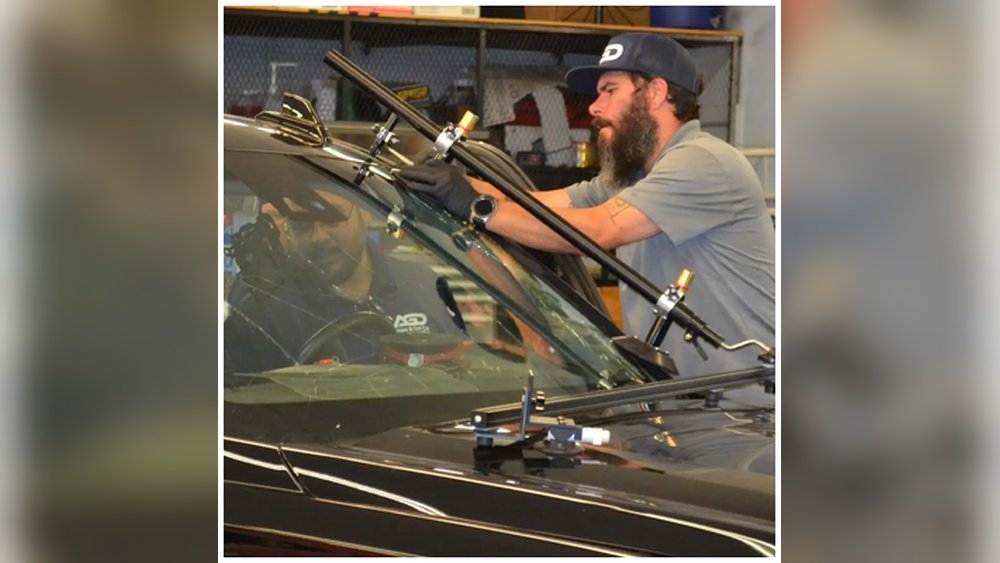
    When Can You Drive After Windshield Replacement: Essential Timing Tips

    Credit: www.centennialautoglass.com

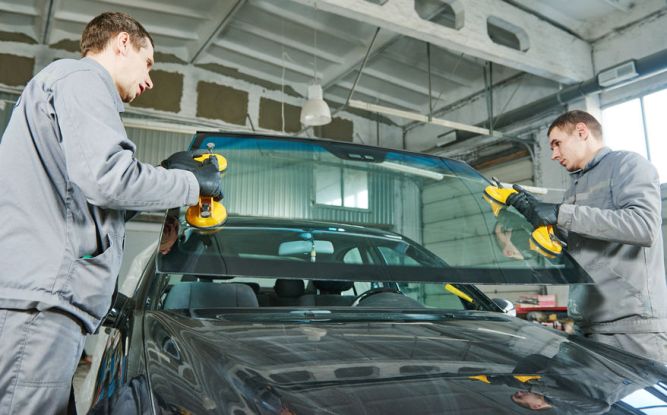
    When Can You Drive After Windshield Replacement: Essential Timing Tips

    Credit: agdnow.com

    Frequently Asked Questions

    How Long Should I Wait To Drive After Windshield Replacement?

    You should wait at least one hour before driving after a windshield replacement. This allows the adhesive to cure properly for safety and durability.

    Why Is Waiting Time Important After Windshield Replacement?

    Waiting ensures the adhesive bonds securely. Driving too soon can weaken the seal and cause windshield damage or leaks.

    Can I Drive Immediately After Windshield Replacement?

    No, driving immediately is unsafe. The adhesive needs time to set to maintain windshield integrity and passenger safety.

    What Affects The Waiting Time After Windshield Replacement?

    Temperature, humidity, and adhesive type influence curing time. Most professionals recommend a minimum one-hour wait before driving.

    Conclusion

    Driving after a windshield replacement needs care and patience. The glue must dry fully to keep the glass secure. Usually, waiting at least one hour before driving is best. Avoid sudden bumps or heavy rain during this time. Follow the technician’s advice for safe driving.

    Taking these steps helps protect you and your car. Remember, safety always comes first after windshield work. Drive only when the windshield is firmly in place. Your caution keeps everyone safe on the road.

  • Can Car Wash Damage Windshield Chip? Shocking Truth Revealed!

    Can Car Wash Damage Windshield Chip? Shocking Truth Revealed!

    Have you ever noticed a small chip on your windshield and wondered if going through a car wash could make it worse? You’re not alone.

    Many drivers worry that the pressure, brushes, or chemicals used during a wash might crack or damage that tiny flaw. The truth might surprise you, and knowing what really happens can save you from costly repairs. Keep reading to find out if your car wash habit is putting your windshield at risk—and what you can do to protect it.

    Can Car Wash Damage Windshield Chip? Shocking Truth Revealed!

    Credit: www.autoglassnow.com

    How Windshield Chips Form

    Small stones or debris hitting the windshield cause chips. High-pressure water or brushes at car washes can worsen these cracks. Gentle care helps prevent damage to the chip.

    Windshield chips start as small cracks on the glass surface. These cracks often begin from tiny impacts. A small stone or debris hitting the windshield can cause a chip. The windshield glass is strong but not unbreakable.

    Stress from temperature changes can also cause chips. Hot sun and cold air create pressure on the glass. This pressure weakens the windshield over time. Once weakened, the glass becomes more likely to chip.

    Driving on rough roads increases the chance of chips. Loose gravel and stones can fly up and hit the windshield. Even small hits can cause cracks to start. Over time, these small cracks grow into bigger chips.

    Impact From Road Debris

    Road debris such as stones and sticks often cause chips. These objects strike the windshield at high speed. The force creates a small crack or chip in the glass. Chips are more common on highways and gravel roads.

    Temperature Changes

    Rapid temperature changes make glass fragile. Hot sun heats the glass while cold air cools it fast. This sudden change causes tiny cracks to form. Cracks can start as small chips and spread quickly.

    Stress And Pressure On Glass

    Pressure from driving and road bumps affects the windshield. Stress builds up around weak spots in the glass. Over time, this stress can cause chips to form. Even small impacts add to this pressure.

    Can Car Wash Damage Windshield Chip? Shocking Truth Revealed!

    Credit: www.reddit.com

    Types Of Car Washes

    Car washes come in different types. Each type cleans your car in a unique way. Understanding these types helps you protect your car’s windshield chip. Some car washes might cause damage if not chosen carefully.

    Automatic Car Wash

    Automatic car washes use machines with brushes and soap. Your car moves through the wash on a conveyor belt. The brushes scrub your car’s surface to remove dirt. These brushes can sometimes be rough on small chips or cracks. Dirt and debris caught in brushes might worsen the chip.

    Hand Wash

    Hand washing means cleaning your car by hand. A person uses sponges, cloths, and soap to wash the car. This method is gentle and allows careful cleaning around chips. It reduces the risk of making the chip worse. Hand washing takes more time but can be safer for damaged windshields.

    Touchless Wash

    Touchless car washes use high-pressure water and soap only. No brushes touch the car’s surface. This method lowers the chance of scraping or hitting the chip. It is safer for delicate windshield areas. Still, high water pressure can stress small cracks if too strong.

    Effects Of Car Wash On Chips

    Car washes are a common way to keep your vehicle clean. But they may affect small chips on your windshield. Understanding these effects helps you protect your glass better. Some car wash methods can cause more harm than good to these chips.

    Chips on windshields are weak spots. They need careful handling to avoid spreading into cracks. The effects of car washes on these chips vary by pressure, temperature, and chemicals used.

    Pressure Impact

    Automatic car washes use strong water jets to clean. This high pressure can push on the chip edges. The force may widen the chip or cause cracks to form. Hand car washes usually apply less pressure, which is safer for chips.

    Temperature Changes

    Water temperature plays a role in chip damage. Hot water hitting a cold windshield creates stress. This stress can make the chip grow or crack. Cold water on a hot glass can also cause similar problems. Stable temperature helps keep chips intact.

    Chemical Exposure

    Car wash soaps and chemicals remove dirt effectively. Some strong chemicals may weaken the glass around chips. They can seep into small cracks and cause damage over time. Using mild, glass-safe products reduces the risk to chips.

    Signs Of Chip Damage After Wash

    Car washes can sometimes worsen existing chips on your windshield. Knowing the signs of chip damage after a wash helps you act fast. Early detection can prevent bigger problems and costly repairs. Watch out for subtle changes right after your car cleaning.

    Crack Expansion

    Small chips may turn into longer cracks after a wash. Water pressure and brushes can push the crack edges apart. Even a tiny chip can grow quickly. Check your windshield closely for any new or longer cracks.

    Surface Cloudiness

    The area around a chip may look cloudy or foggy. This cloudiness happens when water seeps into the glass layers. It weakens the glass and hides the chip’s true size. Clear visibility helps to spot this change early.

    Loose Glass Particles

    You might notice tiny glass pieces near the chip after washing. These loose particles show the chip is breaking down. They can fall inside the windshield layers, causing more damage. Handle the chip carefully and get it fixed soon.

    Preventing Chip Damage

    Preventing damage to windshield chips is key to keeping your glass safe and intact. Small chips can quickly turn into big cracks if not cared for. Taking simple steps during car washes helps protect these fragile spots.

    Choosing Safe Wash Methods

    Opt for gentle wash methods to avoid worsening chips. Hand washing lets you control pressure and avoid harsh brushes. Touchless car washes use water jets without brushes, reducing chip risk. Avoid automatic car washes with stiff brushes that can hit the chip directly.

    Timing Your Wash

    Wash your car when the glass is cool to the touch. Hot glass expands, making chips more likely to crack under pressure. Early morning or late evening washes are best. Avoid washing right after driving under the hot sun.

    Using Protective Treatments

    Apply windshield sealants to guard chips from dirt and moisture. These treatments fill small cracks and slow down spreading. Use products designed for chip protection. Reapply regularly to maintain a strong barrier against damage.

    Repair Tips For Windshield Chips

    Repairing windshield chips quickly helps keep your glass safe and clear. Small chips can grow into big cracks if ignored. Timely repair saves money and improves driving safety.

    Several options exist for fixing windshield chips. You can try simple DIY methods or choose professional help. Knowing when to replace the windshield avoids bigger problems later.

    Diy Repair Kits

    DIY kits are affordable and easy to use at home. They include resin to fill the chip and tools to apply it. These kits work best on small chips and cracks. Follow the instructions carefully for good results. Clean the glass before starting the repair. Avoid using kits on large or deep damage.

    Professional Repair Services

    Experts use special tools and resins to fix chips perfectly. They handle bigger or complex damage safely. Professionals inspect the chip and decide the best repair method. Repairs done by pros last longer and look cleaner. Many auto shops offer fast and reliable service. Choosing a professional reduces the risk of worsening the chip.

    When To Replace Your Windshield

    Replacement is needed if damage is wide or in the driver’s line of sight. Large cracks weaken the glass and reduce safety. Chips near the edges often spread faster. Deep damage can cause the windshield to shatter in accidents. A cracked windshield fails safety tests and must be replaced. Always replace if repair does not restore clear vision.

    Can Car Wash Damage Windshield Chip? Shocking Truth Revealed!

    Credit: www.vwofmarion.com

    Frequently Asked Questions

    Can Car Wash Worsen A Windshield Chip?

    Yes, some car washes use high-pressure water that can worsen a chip. It may cause cracks to expand or deepen, especially if the chip is already fragile. Gentle hand washes or touchless car washes are safer options to avoid damage.

    Is Touchless Car Wash Safe For Windshield Chips?

    Touchless car washes are generally safer for windshield chips. They use high-pressure water and detergents without brushes, reducing the risk of physical damage. However, strong water jets may still affect fragile chips, so caution is recommended for severely damaged windshields.

    How To Protect Windshield Chips During Car Wash?

    To protect a windshield chip, avoid automatic car washes with brushes. Choose hand washing or touchless washes. Applying a windshield chip repair resin before washing can help prevent cracks from spreading. Always inspect your windshield for damage regularly.

    Can Cold Water Car Wash Damage Windshield Chips?

    Cold water can cause temperature shock to windshield chips, especially in winter. Sudden temperature changes may make chips expand and crack further. It’s best to use lukewarm water when washing your car to minimize risk to the windshield.

    Conclusion

    Car washes can sometimes worsen windshield chips. The water pressure and brushes may cause cracks to grow. Small chips need careful attention to avoid damage. Choosing gentle car wash options helps protect your glass. Regularly check your windshield for any new cracks.

    Quick repairs keep your windshield strong and safe. Taking simple steps can save money on costly fixes. Protect your car by understanding how car washes affect chips. Stay cautious and keep your windshield in good shape.

  • How to Clean Car Glass at Home: Easy Tips for a Streak-Free Shine

    How to Clean Car Glass at Home: Easy Tips for a Streak-Free Shine

    Your car glass is more than just a window—it’s your clear view of the road and a key part of your safety. But dirt, smudges, and streaks can quickly cloud your vision and make driving frustrating.

    What if you could make your car glass sparkle like new without spending a fortune or visiting a shop? In this guide, you’ll discover simple, effective ways to clean your car glass at home using everyday items. By the end, your windshield and windows will be crystal clear, helping you drive safer and feel proud of your ride.

    Ready to see the difference? Let’s dive in.

    How to Clean Car Glass at Home: Easy Tips for a Streak-Free Shine

    Credit: www.youtube.com

    Choosing The Right Cleaning Supplies

    Choosing the right cleaning supplies makes a big difference in cleaning car glass. The right products help remove dirt, grime, and streaks quickly. They protect the glass and keep it clear for longer. Using poor supplies can leave marks or damage the surface. This section highlights the best cleaners, homemade options, and essential tools for the job.

    Best Glass Cleaners For Cars

    Car glass cleaners are specially made to remove tough stains and bugs. Look for cleaners that do not leave streaks or haze. Products with ammonia-free formulas protect tint and rubber seals. Popular brands often include quick-drying and anti-fog features. Choose a cleaner designed for automotive glass to avoid damage.

    Homemade Cleaning Solutions

    Simple homemade solutions work well and cost less. Mix equal parts of water and white vinegar for a natural cleaner. Dish soap with water can also cut through grease and dirt. Avoid harsh chemicals that can harm glass or tint. Homemade solutions are safe and easy to make at home.

    Essential Tools And Cloths

    Soft, lint-free cloths are best for cleaning car glass. Microfiber towels remove dirt without scratching the surface. Use a spray bottle to apply cleaner evenly. A squeegee helps remove excess liquid and prevents streaks. Avoid rough sponges or paper towels that can leave fibers behind.

    Preparing Your Car Glass

    Cleaning car glass starts with proper preparation. This step helps achieve a clear, streak-free finish. It prevents scratches and protects your car’s surfaces. A clean, debris-free glass makes the cleaning process easier and more effective.

    Take time to prepare your car glass well. This saves effort and improves results.

    Removing Loose Dirt And Debris

    Begin by removing loose dirt and dust from the glass. Use a soft brush or microfiber cloth for this task. Gently sweep away any particles on the surface. This prevents scratching the glass during cleaning.

    Check the edges and corners carefully. They often trap dirt and small debris. Removing these helps the cleaner work better.

    Protecting Surrounding Areas

    Protect areas near the glass before cleaning. Use painter’s tape or masking tape around window trims and rubber seals. This stops cleaning products from damaging paint or rubber parts.

    Cover nearby surfaces with cloth or plastic sheets. This keeps your car safe from drips or spills. Taking these precautions keeps your car looking neat and clean.

    Cleaning Techniques For Streak-free Glass

    Cleaning car glass well makes driving safer and more pleasant. Streak-free glass lets sunlight and streetlights shine clearly. Many people find it hard to get a smooth, clean finish without marks. The right cleaning techniques help remove dirt and avoid streaks. These simple methods work best for clear, shiny car windows.

    Effective Wiping Methods

    Use a clean, soft microfiber cloth for wiping car glass. Paper towels or rough fabrics can cause scratches. Start by spraying the cleaner evenly on the glass surface. Wipe gently but firmly to lift dirt and grime. Change to a dry part of the cloth to polish the glass. This removes leftover moisture and avoids streaks. Repeat if needed until the glass looks clear.

    Using Circular Vs. Vertical Motions

    Circular motions work well for loosening dirt and smudges. Use small, gentle circles to clean tough areas. Vertical strokes help remove streaks after the dirt is gone. Wipe from top to bottom in straight lines. This method moves any leftover cleaner downwards. It also helps spot missed areas. Combining both motions makes glass sparkle without marks.

    Dealing With Tough Spots And Stains

    Some spots need extra care, like bird droppings or sap. Soak the area with glass cleaner for a few minutes. Use a soft cloth to rub the spot gently. Avoid hard scrubbing to prevent scratches. For stubborn stains, try a mix of water and vinegar. Apply it carefully and wipe clean. Repeat until the stain disappears and the glass shines.

    How to Clean Car Glass at Home: Easy Tips for a Streak-Free Shine

    Credit: www.amazon.com

    Tips For Cleaning Interior Car Glass

    Cleaning the interior car glass needs care and simple steps. Clear glass improves your view and keeps you safe. Dirt, smudges, and fog can block your vision and cause distractions. Follow these tips to clean your car’s inside windows easily and safely.

    Handling Fog And Smudges

    Fog and smudges often build up inside car windows. Use a soft microfiber cloth to wipe the glass gently. Spray a small amount of glass cleaner on the cloth, not directly on the glass. Wipe in circular motions to remove dirt and spots. For tough fog, mix equal parts water and vinegar. Spray on the cloth and clean the glass. Avoid using paper towels as they can leave lint behind. Regular cleaning stops fog from forming again.

    Avoiding Damage To Tint And Electronics

    Many cars have tinted windows and electronic sensors near the glass. Use cleaners that do not contain ammonia or harsh chemicals. These can damage window tint and affect sensors. Always spray cleaner on the cloth, not on the glass. Keep liquids away from electronics on the dashboard. Use a gentle touch to prevent scratches or peeling of tint. Proper cleaning keeps both your glass and electronics safe.

    Maintaining Clear Car Glass

    Keeping car glass clean helps with safety and looks good. Clear windows let you see the road better. Dirt and smudges can block your view. Clean glass also stops glare from the sun and headlights. Regular care keeps your car glass in top shape.

    Simple steps and regular habits make cleaning easier. A clean car glass saves time and effort in the long run.

    Regular Cleaning Schedule

    Clean your car glass at least once a week. Use a soft cloth and a good glass cleaner. Wipe both inside and outside surfaces. This removes dust, dirt, and fingerprints. Avoid harsh chemicals that can damage the glass.

    Set a reminder on your phone or calendar. Stick to the schedule to keep the glass clear. Quick clean-ups after rain or dusty drives help a lot.

    Preventing Future Smudges And Streaks

    Use a microfiber cloth for cleaning to avoid streaks. Avoid cleaning in direct sunlight to stop quick drying. Use a spray bottle to apply cleaner evenly. Dry the glass with a fresh cloth for a clear finish.

    Keep your hands clean before touching the glass. Avoid eating or smoking inside the car. Park in shaded areas to reduce dust buildup. These habits help keep your glass clear longer.

    How to Clean Car Glass at Home: Easy Tips for a Streak-Free Shine

    Credit: www.youtube.com

    Common Mistakes To Avoid

    Cleaning car glass at home can be simple. Avoiding common mistakes makes the task easier. These errors can leave streaks or damage your glass. Learn what to avoid for the best results.

    Using The Wrong Products

    Many people use household cleaners that harm car glass. Avoid cleaners with ammonia or harsh chemicals. These can damage tint or glass coating. Use a cleaner made for car windows. It cleans better and protects the surface.

    Paper towels seem handy but can scratch glass. Use a microfiber cloth instead. It cleans gently and leaves no lint behind. This helps keep your glass clear and smooth.

    Cleaning In Direct Sunlight

    Cleaning in the sun causes cleaning solutions to dry too fast. This leads to streaks and spots on the glass. Work in shade or during cooler parts of the day. This gives you more time to clean properly.

    Direct sunlight also heats the glass. Hot glass can cause cleaner to evaporate quickly. This reduces cleaning power and can leave marks. Patience and timing improve your results.

    Frequently Asked Questions

    How Often Should I Clean Car Glass At Home?

    Clean car glass every two weeks to maintain clear visibility. Frequent cleaning prevents dirt buildup and streaks. Regular care enhances safety and driving comfort, especially in harsh weather conditions.

    What Household Items Can Clean Car Glass Effectively?

    Use vinegar, water, and a microfiber cloth for safe, streak-free cleaning. Avoid harsh chemicals that may damage glass or tint. These household items are eco-friendly and budget-friendly alternatives.

    How Do I Remove Stubborn Stains From Car Glass?

    Apply a mixture of vinegar and water to the stain. Let it sit for a few minutes, then scrub gently with a soft cloth. Repeat if necessary for tough grime or bird droppings.

    Can I Use Newspaper To Clean Car Glass?

    Yes, newspaper works well for streak-free glass cleaning. It absorbs moisture and leaves a polished finish without lint. Avoid colored or glossy paper to prevent residue.

    Conclusion

    Cleaning car glass at home saves time and money. Use simple tools like microfiber cloths and mild cleaners. Clean both inside and outside for clear views. Avoid harsh chemicals to protect glass surfaces. Regular cleaning keeps your windows streak-free and safe.

    A clean windshield improves driving comfort and safety. Small effort brings big results. Try these easy steps today for clear car glass.

  • Can Car Wash Worsen Windshield Crack? Shocking Truth Revealed!

    Can Car Wash Worsen Windshield Crack? Shocking Truth Revealed!

    Have you ever noticed a crack on your windshield and wondered if a simple car wash could make it worse? It might seem harmless to clean your car, but that small crack could actually be at risk.

    You’re probably asking yourself, “Can a car wash really damage my windshield further? ” Understanding what happens during a car wash and how it affects your glass can save you time, money, and frustration. Keep reading to discover the truth and learn how to protect your windshield from getting worse.

    Can Car Wash Worsen Windshield Crack? Shocking Truth Revealed!

    Credit: www.msglassoutlet.com

    How Windshield Cracks Form

    Windshield cracks start small but can grow quickly. They happen because glass is under stress. Tiny chips or weak spots can turn into bigger cracks. Changes in temperature or pressure make the cracks spread. Understanding how cracks form helps protect your windshield.

    Even small damage can weaken the glass. Regular care can stop cracks from getting worse. Knowing the causes and types of damage is key.

    Common Causes Of Cracks

    Flying rocks and debris hit the windshield while driving. Sudden temperature changes cause glass to expand or contract. Parking under the sun heats the glass unevenly. Car accidents or bumps create strong forces on the glass. Poor installation leads to weak spots in the windshield. Old age and wear reduce the glass’s strength.

    Types Of Windshield Damage

    Chips are small, shallow dents on the glass surface. Bulls-eye cracks look like a circle with a dark center. Star cracks have lines radiating from a point. Combination cracks mix different crack types. Long cracks run across the windshield and are very risky. Each damage type affects the glass differently.

    Impact Of Car Wash On Cracks

    Car washes can affect windshield cracks in several ways. Some factors during washing may cause small cracks to grow. Understanding these effects helps protect your windshield.

    Stress on the glass during washing plays a key role. Water pressure, chemicals, and temperature changes all impact the crack’s size and shape.

    Pressure Effects From Automatic Washes

    Automatic car washes use strong water jets. These jets push hard against the windshield. The force can widen existing cracks. Rapid pressure changes cause tiny shifts in the glass. Over time, this stress may enlarge the crack.

    Chemical Exposure Risks

    Car wash soaps and cleaners contain chemicals. Some chemicals can weaken the glass around cracks. They may seep into small openings. This can make cracks more fragile and prone to spreading. Gentle, pH-balanced products reduce this risk.

    Temperature Changes During Washing

    Water temperature often differs from the glass temperature. Hot or cold water causes the glass to expand or contract. This sudden change stresses the cracked area. Repeated temperature shifts increase crack growth chances. Using lukewarm water helps avoid damage.

    When Car Washes Can Make Cracks Worse

    Car washes can sometimes cause more harm to a cracked windshield. Not all cracks are the same. Some may be small and stable, while others can spread quickly. The way a car wash works can also affect the crack’s condition.

    Understanding the factors that make cracks worse helps protect your windshield. Below are key points to know before using a car wash on a cracked windshield.

    Existing Crack Size And Location

    Small cracks may not worsen immediately, but large cracks often spread. Cracks near the edges are more likely to grow. Pressure from water jets and brushes hits these weak spots harder. Stress on the glass increases the chance of expansion.

    Type Of Car Wash Used

    Automatic car washes use strong brushes and high-pressure water. These forces can push a crack to grow. Touchless car washes use less contact but still spray water strongly. Hand washes are gentler and safer for cracked windshields.

    Frequency Of Washes

    Frequent car washes expose cracks to repeated stress. Each wash can add pressure and vibration. Over time, cracks may widen or deepen. Limiting wash frequency can help slow damage to the windshield.

    Can Car Wash Worsen Windshield Crack? Shocking Truth Revealed!

    Credit: www.autoglassnow.com

    Preventing Crack Worsening During Wash

    Preventing cracks from worsening during a car wash is important. Windshield cracks can grow due to pressure and water force. Taking the right steps helps keep the glass safe. Small actions make a big difference in protecting your windshield.

    Choosing Safe Wash Methods

    Select hand washing or soft cloth methods. Avoid high-pressure water jets directly on the crack. Automatic car washes with strong brushes can cause damage. Use gentle sprays and soft sponges near cracks. These methods reduce stress on the glass.

    Timing Repairs Before Wash

    Fix cracks before washing the car. Repairing stops cracks from spreading under pressure. A small chip can turn into a bigger crack fast. Early repair makes washing safer and easier. Do not wait too long to fix damage.

    Tips For Car Wash Maintenance

    Clean your windshield regularly but gently. Use mild soap and avoid harsh chemicals. Check the windshield for new chips or cracks often. Avoid washing during very cold or hot days. These conditions can make cracks worse quickly.

    Repair Options For Windshield Cracks

    Repairing a cracked windshield is important for safety and visibility. Many options exist to fix or replace the glass. Choosing the right repair method depends on the size and location of the crack. Small cracks may be fixed at home, while larger damage needs expert care.

    Diy Repair Kits

    DIY kits are affordable and easy to use. They usually include resin and tools to fill the crack. This method works best for small chips or minor cracks. It helps stop the crack from spreading further. Follow the instructions carefully for the best result.

    Professional Repair Services

    Experts use special tools and resins to repair cracks. They can fix larger or deeper damage than DIY kits. Professionals ensure the repair is strong and nearly invisible. Visiting a repair shop can save money compared to full replacement. They also check if the crack can be safely fixed.

    When To Replace The Windshield

    Replace the windshield if cracks are long or in the driver’s view. Multiple cracks or deep damage weaken the glass. Chips near the edges often need replacement. A new windshield keeps the car safe and clear. Quick action prevents accidents caused by poor visibility.

    Myths About Car Wash And Windshield Damage

    Many people worry that car washes can make windshield cracks worse. These fears come from common myths that spread quickly. It is important to know the truth. Understanding facts helps protect your car and your wallet.

    Some myths cause unnecessary stress about car washing. Knowing what is true helps you take the right care of your windshield. This section clears up confusion and shares expert advice.

    Debunking Common Misconceptions

    One myth says automatic car washes cause cracks to grow. The machines use gentle brushes or soft cloth. They do not press hard enough to affect glass cracks.

    Another false idea is that water pressure alone can break glass. Car wash water pressure is safe for windshields. It is not strong enough to worsen small cracks.

    Some think dirt buildup protects cracks from damage. Dirt can hide cracks but does not stop them from growing. Cleaning the windshield helps you spot problems early.

    Facts Backed By Experts

    Glass specialists say cracks grow due to temperature changes and impact. Sudden hot or cold temperatures make cracks spread faster. Car washes use warm water to avoid shock to glass.

    Experts confirm that car washes do not cause new cracks. They only clean the surface without adding stress to the glass.

    Proper care includes fixing cracks quickly. Waiting can cause damage from weather and vibrations. Clean windshields help technicians see cracks clearly for repair.

    Can Car Wash Worsen Windshield Crack? Shocking Truth Revealed!

    Credit: ceramicpro.com

    Frequently Asked Questions

    Can A Car Wash Make A Windshield Crack Worse?

    Yes, certain car washes can worsen existing windshield cracks. High-pressure water jets may expand cracks or cause chips to spread.

    Should I Avoid Automatic Car Washes With Windshield Cracks?

    It’s best to avoid automatic car washes if your windshield has cracks. The pressure and brushes can aggravate damage, leading to costly repairs.

    How Does Water Pressure Affect Windshield Cracks During Car Washes?

    High water pressure can force water into cracks, causing expansion and weakening. This may enlarge cracks or cause new damage around weak spots.

    Can Car Wash Chemicals Harm A Cracked Windshield?

    Some harsh chemicals in car washes might weaken glass edges around cracks. Use gentle, pH-balanced cleaners to prevent further damage or deterioration.

    Conclusion

    Car washes can sometimes make windshield cracks worse. Strong water pressure or brushes may widen cracks. Small chips might turn into bigger problems fast. Avoid automatic car washes if cracks are visible. Hand washing gently helps keep cracks from spreading.

    Fixing cracks early saves money and keeps you safe. Regularly check your windshield for any new damage. Taking quick action prevents costly repairs later. Your windshield’s health matters for clear and safe driving.