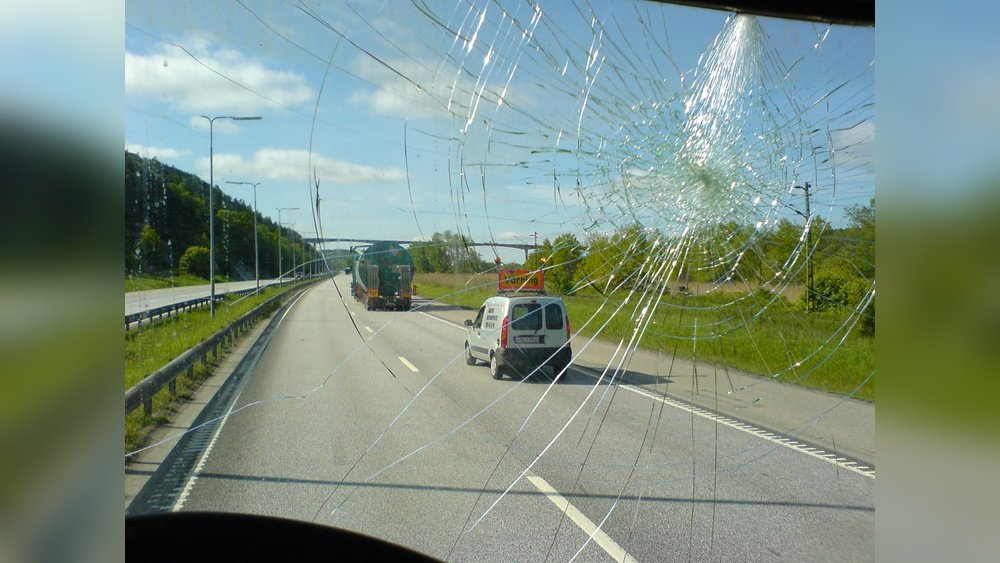
Have you ever noticed a crack spreading across your car’s windshield and wondered if it’s safe to keep driving? That small crack might seem harmless, but it could be putting you and others at risk every time you get behind the wheel.
Understanding the dangers of cracked glass isn’t just about avoiding fines—it’s about protecting your safety and peace of mind on the road. Keep reading to discover why driving with cracked glass can be more dangerous than you think and what you should do to stay safe.
Risks Of Driving With Cracked Glass
Driving with cracked glass poses several risks. It affects your safety and the safety of others on the road. Cracks can worsen quickly, leading to bigger problems. Understanding these risks helps you decide when to fix or replace the glass.
Impact On Visibility
Cracks distort your view of the road. Light can scatter through the cracks, causing glare. This can make it hard to see clearly, especially at night or in bright sunlight. Small cracks can grow and block important details like traffic signs or pedestrians.
Structural Integrity Concerns
The glass is part of your car’s structure. Cracks weaken the glass and reduce its strength. During a collision, cracked glass is more likely to shatter. This increases the risk of injury from flying glass shards. The roof’s support may also be compromised if the windshield is damaged.
Legal Implications
Many places have laws against driving with cracked glass. Police can stop you and issue fines for unsafe glass. Insurance may not cover accidents if your glass was not fixed. Driving with cracked glass can put your license at risk. It is best to check local rules and fix the glass promptly.

Credit: www.reddit.com
Types Of Windshield Damage
Windshields can suffer different types of damage. Each type affects your safety and the car’s structure differently. Recognizing these types helps you decide what action to take. Some damages are small and fixable. Others are serious and need immediate attention.
Chips And Small Cracks
Chips are tiny breaks in the glass. They often happen from small stones hitting the windshield. Small cracks usually start from these chips. These damages rarely block your view. They can grow bigger if ignored. Repairing chips early is cheaper and safer.
Long Cracks
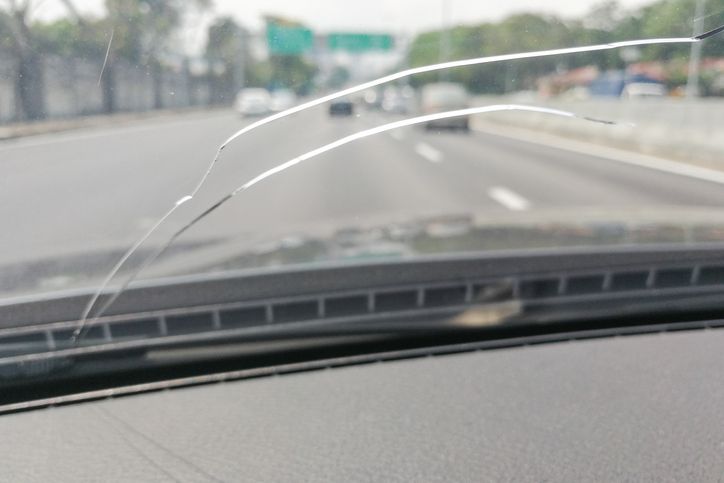
Long cracks run across the windshield. They can stretch several inches. These cracks weaken the glass. They can spread quickly with temperature changes. Driving with long cracks is risky. The windshield may shatter in a crash.
Spider Web Cracks
Spider web cracks look like spider webs. Many small cracks spread from one point. This damage often happens after a strong impact. The glass becomes fragile and unstable. Spider web cracks usually need full windshield replacement.
When To Repair Vs. Replace
Deciding whether to repair or replace cracked glass on your vehicle is important for safety and cost. Not all cracks need full replacement. Some can be fixed quickly and cheaply. Understanding the size, location, and damage helps make the right choice.
Size And Location Factors
Small chips or cracks less than six inches often qualify for repair. Cracks that spread across the windshield or near the edges usually need replacement. Damage in the driver’s direct line of sight also requires full glass change. Repairs here may blur vision or weaken the glass.
Cost Considerations
Repairing glass costs less than replacing it. Insurance may cover repairs fully or partially. Replacement involves higher parts and labor expenses. Choosing repair over replacement saves money when damage is minor and safe to fix.
Professional Assessment
A trained technician can evaluate the crack precisely. They check if repair will restore strength and clarity. Experts also spot hidden damage that may worsen later. Their advice helps avoid unsafe driving and unexpected costs.
Safety Tips For Driving With Cracked Glass
Driving with cracked glass requires extra care to stay safe on the road. Cracks can weaken the glass, making it more likely to break further. Following simple safety tips can help reduce risks and keep you protected while driving. These tips focus on preventing the crack from growing and avoiding dangerous situations.
Avoid Extreme Temperatures
Extreme heat or cold can make cracks worse. Hot sun can cause glass to expand, and cold weather makes it contract. This movement can cause the crack to spread quickly. Park your car in shaded areas or garages to keep glass cooler. Avoid washing your car with very hot or cold water.
Limit Sudden Movements
Sudden stops, sharp turns, or hitting potholes can stress cracked glass. This stress might cause the crack to grow or even shatter the glass. Drive smoothly and avoid rough roads when possible. Slow down on bumps and be gentle with the steering wheel.
Regularly Monitor Crack Progression
Check your cracked glass often to see if the crack is getting bigger. Use a marker to outline the crack edges and watch for changes. If the crack grows, repair or replace the glass as soon as possible. Early action prevents accidents and keeps visibility clear.
Preventing Windshield Damage
Preventing windshield damage is important for safe driving and clear vision. Small cracks can grow over time and cause bigger problems. Taking steps to protect your windshield helps avoid costly repairs. It also keeps you and others safe on the road.
Safe Driving Habits
Drive carefully, especially on rough roads or gravel. Avoid following large trucks too closely. Stones and debris can hit your windshield and cause cracks. Slow down on uneven surfaces to reduce windshield stress. Always wear your seatbelt to prevent injuries if the glass breaks.
Parking Strategies
Park your car in shaded areas to protect the glass from heat. Avoid parking under trees where branches or falling debris can damage the windshield. Choose garages or covered parking spots when possible. Keep your car away from places with heavy traffic or construction work.
Using Protective Films
Apply protective films on your windshield for extra strength. These films help resist cracks and chips from small impacts. They also reduce glare and block harmful UV rays. Protective films are an affordable way to extend your windshield’s life.

Credit: www.novusglass.com
Emergency Steps If Glass Shatters
Glass shattering while driving can cause panic and danger. Knowing what to do instantly helps keep everyone safe. Quick actions reduce risks and prevent injuries. Focus on calm steps to manage the situation. Your safety and others’ safety depend on how you respond.
Safely Pulling Over
Slow down without sudden moves. Use your turn signal to show your intent. Find a safe spot away from traffic. Avoid sharp turns or braking hard. Stop the car completely before checking the damage. Stay inside the vehicle until it is safe to exit.
Protecting Yourself And Passengers
Cover your eyes and face to avoid glass cuts. Ask passengers to do the same. Keep everyone calm and seated. Avoid touching broken glass or sharp edges. Use a cloth or jacket to shield from falling shards. Check for injuries and provide basic first aid if needed.
Getting Immediate Repairs
Call roadside assistance or a glass repair service right away. Describe the damage clearly for quick help. Avoid driving long distances with shattered glass. Temporary fixes can prevent further breakage but seek professional repair. Schedule a full replacement as soon as possible to ensure safety.
Credit: www.bakerglassinc.com
Frequently Asked Questions
Is It Dangerous To Drive With Cracked Glass?
Yes, driving with cracked glass is unsafe. It reduces visibility and weakens the windshield’s structural integrity. Cracks can spread, increasing accident risk. Repair or replace damaged glass promptly for safety.
Can Cracked Glass Cause Accidents While Driving?
Cracked glass can cause accidents by obstructing the driver’s view. It may also shatter on impact, leading to loss of control. Timely repair helps maintain clear visibility and vehicle safety.
How Quickly Should Cracked Glass Be Fixed?
Cracked glass should be fixed immediately. Delaying repairs can worsen damage and increase repair costs. Quick action ensures clear vision and protects vehicle occupants during collisions.
Does Cracked Windshield Affect Vehicle Safety Features?
Yes, cracked windshields can impair safety features like airbags. The windshield supports airbag deployment and vehicle structure. Damaged glass compromises these systems, reducing overall safety during crashes.
Conclusion
Driving with cracked glass puts you and others at risk. Cracks can block your view and distract you. They may also weaken the glass, causing it to break suddenly. Fixing or replacing damaged glass keeps your car safe and legal.
Don’t wait until the crack grows larger. Stay alert and protect yourself by repairing cracks quickly. Safe driving starts with clear, strong windows.
Leave a Reply