
Have you ever wondered if the safety features in your glass windows or windshields change how well you can see through them? Whether it’s the glass in your car, home, or office, safety often means extra layers or coatings.
But does this come at a cost to your clear view? If you care about both protection and visibility, understanding how glass safety affects what you see is crucial. Keep reading to discover the surprising facts that could impact your daily comfort and security.
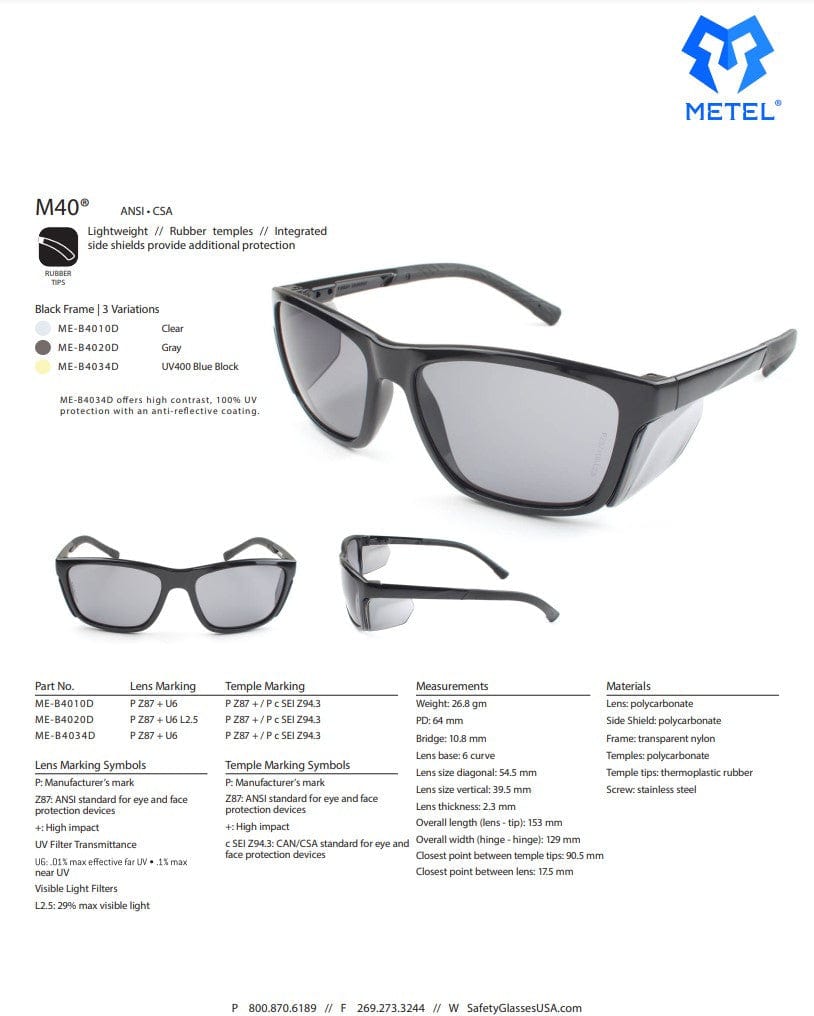
Credit: safetyglassesusa.com
Glass Safety Standards
Glass safety standards are rules made to keep people safe using glass in homes, cars, and buildings. These standards make sure glass is strong and breaks in a way that does not hurt people. They also help keep glass clear so you can see through it easily. Understanding these rules helps you choose safe glass without losing visibility.
Types Of Safety Glass
There are two main types of safety glass. Tempered glass is heated and cooled quickly to become strong. It breaks into small, harmless pieces. Laminated glass has a plastic layer between two glass sheets. This layer holds the glass together if it breaks. Both types keep people safe but look clear to the eye.
Certification And Testing
Safety glass must pass tests before use. These tests check how glass reacts to heat, force, and impact. Certified glass meets national or international rules. Look for marks like ANSI, ASTM, or EN standards on glass products. These show the glass was tested and is safe to use.
Impact Resistance
Impact resistance means how much force glass can handle. Safety glass is made to resist hits and pressure. Tempered glass resists impact better than regular glass. Laminated glass holds together even if cracked. This keeps people safe and avoids sudden loss of visibility.
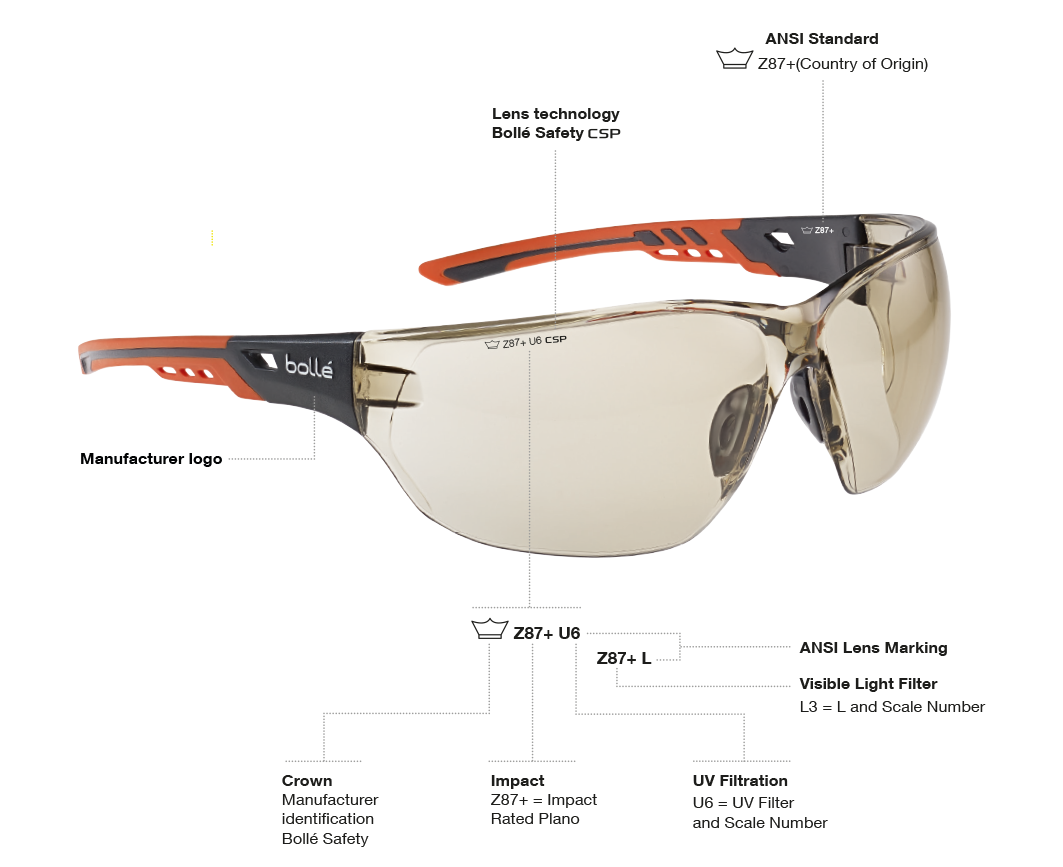
Credit: www.bolle-safety.com
Visibility Factors In Glass
Glass safety plays a key role in how well you see through glass. Different factors affect visibility. These include how clear the glass is, how much light it lets pass, and if it bends or distorts the image. Understanding these helps in choosing the right glass for safety and clear vision.
Clarity And Transparency
Clarity refers to how clean and clear the glass looks. High clarity glass shows objects sharply without blur. Transparency means light passes through easily. Clear and transparent glass gives the best view. Safety treatments can sometimes reduce clarity. Choosing the right safety glass keeps visibility strong.
Light Transmission
Light transmission is the amount of light that passes through glass. More light means better visibility. Tinted or coated safety glass may reduce light. This can make the area darker. Clear glass with high light transmission improves sight. It helps people see details clearly and safely.
Distortion And Refraction
Distortion happens when glass bends or twists an image. Refraction is the bending of light as it passes through glass. Both can blur or change how things look. Safety glass must limit distortion for clear vision. Good quality glass keeps images true and sharp. This is important for both safety and comfort.
Effects Of Safety Features On Visibility
Safety features in glass can change how well you see through it. These features make glass stronger but may affect clarity. Understanding these effects helps choose the right glass for your needs.
Laminated Vs Tempered Glass
Laminated glass has two layers with a plastic sheet between. This plastic stops glass from shattering into sharp pieces. It keeps visibility clear but may add slight haze.
Tempered glass is heat-treated to be tough. It breaks into small, safe pieces. It usually offers clearer views than laminated glass because it has no plastic layer.
Coatings And Films
Coatings can reduce glare and block UV rays. Some films add privacy or tint. These layers may darken the glass or reduce sharpness. Clear coatings keep visibility high while adding safety.
Thickness And Layers
Thicker glass is stronger but can reduce light passing through. Multiple layers add strength but may cause slight distortion. Choosing the right thickness balances safety and clear vision.
Common Visibility Issues
Visibility through glass is crucial for safety and comfort. Several common problems can reduce how well you see through glass. These issues affect driving, walking, or working environments. Understanding these problems helps maintain clear vision and safety.
Fogging And Condensation
Fogging happens when warm air meets cold glass. Tiny water droplets form and blur the view. Condensation can build up inside or outside the glass. This makes it hard to see clearly. It often occurs in cold or humid weather. Using anti-fog coatings or proper ventilation can reduce fogging.
Scratches And Damage
Scratches on glass create small lines that scatter light. This reduces clarity and causes glare. Deep scratches or cracks can distort vision more. Damaged glass can also weaken safety features. Regular cleaning and careful handling help avoid scratches. Replace glass if damage is severe.
Color Tint And Uv Protection
Glass tint changes how light passes through it. Dark tints reduce brightness but may lower visibility. Some tints block harmful UV rays, protecting eyes and skin. UV protection helps prevent glare and fading. Choose tints that balance protection and clear vision.
Balancing Safety And Visibility
Balancing safety and visibility in glass design is important for many spaces. Good visibility helps people see clearly and feel comfortable. Safety glass protects from injury but might affect how well you see through it. Finding the right balance keeps spaces both safe and bright.
Designers and builders must think carefully about this balance. They choose the right glass types and shapes. They also consider how glass fits into the overall space. Each choice affects both safety and clarity.
Design Considerations
Design plays a key role in balancing glass safety and visibility. Using larger glass panels can improve visibility. Frames and supports should be slim to avoid blocking views. Placing glass at angles can reduce glare and reflections. Safety features like rounded edges keep glass safe without hurting sight lines.
Material Innovations
New materials help keep glass safe and clear. Tempered glass is strong and breaks into small pieces. Laminated glass stays in place even if cracked. Some glasses have coatings that reduce glare and improve clarity. These materials help keep spaces safe without reducing light or view quality.
Maintenance Tips
Keeping glass clean improves both safety and visibility. Dirt or smudges can block views and hide damage. Regular cleaning with gentle products keeps glass clear. Checking for cracks or chips helps catch problems early. Fixing or replacing damaged glass keeps the area safe and easy to see through.
Applications Impacted By Glass Safety
Glass safety plays a key role in many fields. It affects how well we see through glass and how safe we stay. Different industries depend on safe glass to protect people and keep things clear. Understanding where glass safety matters helps us see its true impact.
Automotive Industry
Cars use special safety glass in windows and windshields. This glass must not break into sharp pieces. It should stay clear for good driver vision. Safety glass helps prevent accidents and protects passengers from injury. Visibility and safety go hand in hand in every vehicle.
Architectural Use
Buildings use glass in windows, doors, and walls. Safety glass here keeps people safe from accidents. It also needs to let in light without distortion. Clear and strong glass improves comfort and security. This glass holds up in storms or if hit by objects.
Consumer Electronics
Phones, tablets, and screens use safety glass for protection. This glass guards against cracks and scratches. It keeps images sharp and colors bright. Good glass safety means devices last longer and work well. Clear screens make it easy to read and use devices.

Credit: autoglassottawa.ca
Frequently Asked Questions
Does Glass Safety Reduce Visibility Quality?
Glass safety treatments can slightly affect visibility, but modern safety glass ensures clear vision. Technologies minimize distortion while enhancing protection. Properly manufactured safety glass maintains transparency and clarity, balancing safety and visibility effectively.
How Does Tempered Glass Impact Visibility?
Tempered glass offers high strength and safety without compromising visibility. It is clear, with minimal visual distortion. Its uniform thickness and smooth surface help maintain excellent light transmission for clear views.
Can Laminated Glass Affect Light Transmission?
Laminated glass contains a plastic layer that can reduce light transmission slightly. However, high-quality laminates are designed to preserve visibility. They also enhance safety by holding shards together upon breakage.
Is Visibility Compromised By Safety Coatings On Glass?
Safety coatings may cause minor reflections but generally do not impair visibility. These coatings improve durability and resistance to damage while maintaining transparency. Advanced coatings balance safety and optical clarity efficiently.
Conclusion
Glass safety does play a role in how well you see through it. Clear, strong glass keeps your view sharp and bright. Damaged or low-quality glass can blur or block what you see. Choosing the right safety glass helps protect you without losing visibility.
Remember, good glass means safer and clearer vision every day. Safety and clarity go hand in hand. It’s worth paying attention to the glass around you. Better glass means better sight and peace of mind. Simple, safe, and clear – that’s the goal.
Leave a Reply