
Have you ever wondered if the safety of your glass windows and doors could affect your insurance claims? When accidents happen, the condition and strength of your glass might play a bigger role than you think.
Understanding this connection could save you time, money, and a lot of hassle. You’ll discover why glass safety matters and how it can impact your insurance process. Keep reading to find out what you need to know to protect yourself and your property better.
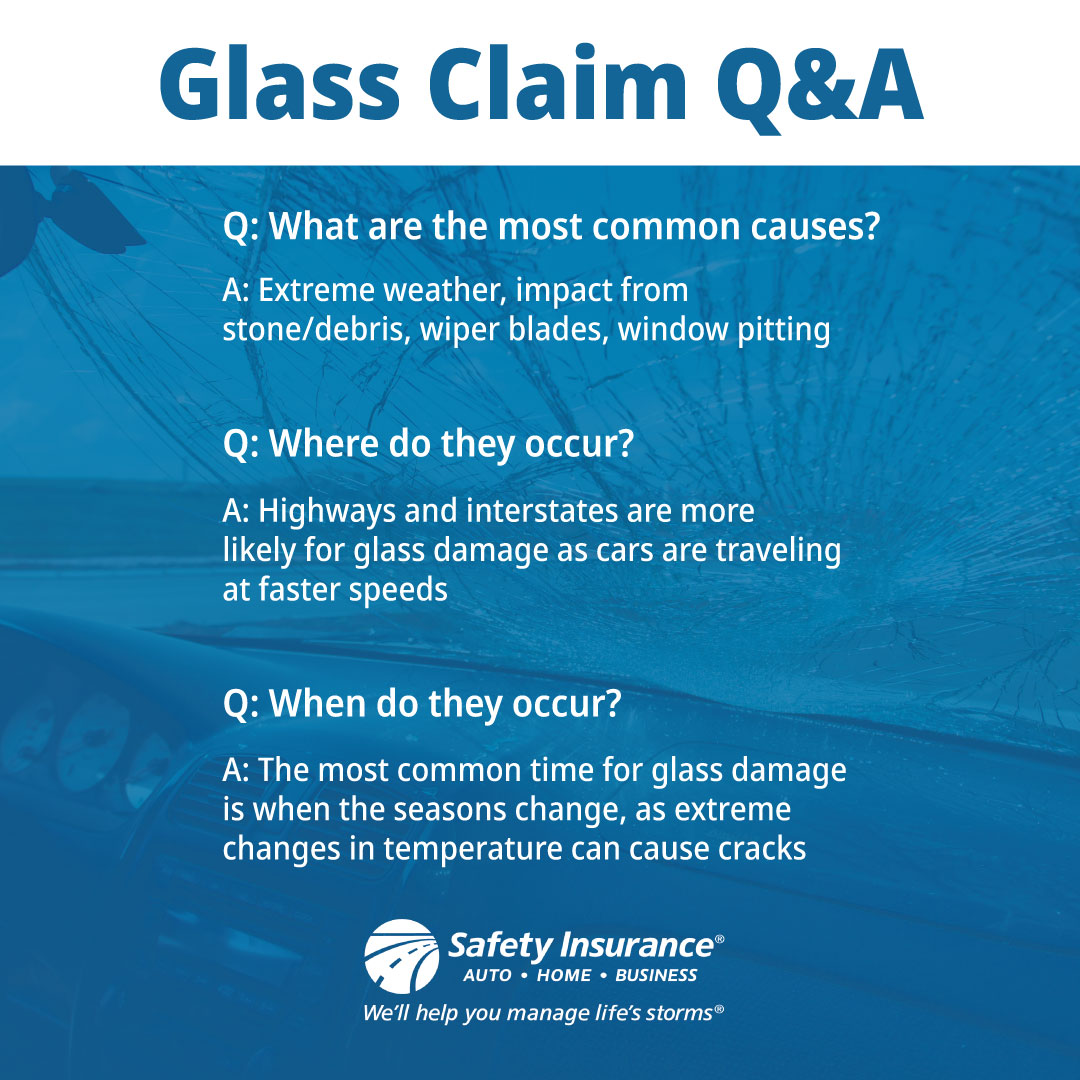
Credit: x.com
Glass Safety Standards
Glass safety standards protect people and property from glass-related accidents. These standards set rules for the types of glass used in buildings and vehicles. Following these standards helps reduce injuries and damage. Insurance companies often check if these standards are met during claim reviews. Understanding these rules can help avoid claim denials and delays.
Types Of Safety Glass
There are mainly two types of safety glass. Tempered glass is strong and breaks into small, less harmful pieces. Laminated glass has a plastic layer between glass sheets. It holds together when shattered, preventing sharp shards. Both types meet safety standards but suit different uses. Choosing the right glass impacts safety and insurance claims.
Regulations And Codes
Building codes and regulations require safety glass in specific places. These include doors, windows, and glass near floors. Rules vary by country and region but focus on preventing injuries. Insurance companies expect compliance with these codes. Non-compliance can lead to claim rejections after accidents involving glass.
Installation Best Practices
Proper installation is key to glass safety. Glass must fit securely in frames without stress points. Installers should follow manufacturer guidelines and local codes. Poor installation can cause glass to break easily. Insurance claims may be affected if faulty installation leads to damage. Regular inspections ensure glass remains safe over time.

Credit: iastl.com
Insurance Policies And Glass Coverage
Insurance policies differ in how they cover glass damage. Understanding this coverage helps protect your property and wallet. Glass damage can happen in many ways. Insurance can cover repairs or full replacements depending on your policy.
Knowing what your policy includes and excludes helps avoid surprises during claims. Clear knowledge leads to smoother claim processes and faster settlements.
Typical Coverage For Glass Damage
Most homeowners and auto insurance policies include some glass coverage. It usually covers broken windows, windshields, and sometimes glass doors. Some policies pay for full replacement, while others cover repairs only. Coverage limits and deductibles vary by policy. Check your policy details to understand what is covered.
Policy Exclusions And Limitations
Not all glass damage is covered. Some policies exclude damage from neglect or intentional harm. Cracks caused by wear or poor maintenance may not be covered. Certain types of glass, like decorative glass, might have limited coverage. Policies also limit coverage amounts. Knowing these limits avoids unexpected costs.
Claim Filing Process
Start by reporting glass damage to your insurer quickly. Provide photos and any repair estimates. Follow the insurer’s instructions carefully to avoid delays. An adjuster may inspect the damage before approving the claim. Keep all receipts from repairs. Clear communication speeds up claim approval and payment.
Impact Of Glass Safety On Claims
Glass safety plays a key role in insurance claims related to property and vehicles. Safe glass reduces the risk of injury and damage during accidents. Insurers often check if the glass meets safety standards before approving claims. Proper safety glass can lower claim amounts and speed up the process.
Failing to use the right type of glass may lead to claim problems. Insurance companies may deny claims if glass safety rules are ignored. Knowing the impact of glass safety helps property owners and drivers avoid costly issues.
Role Of Safety Glass In Reducing Claims
Safety glass is designed to resist shattering and reduce injury. It lowers the chance of severe damage during accidents. Insurers value properties and vehicles with safety glass. This lowers the number of claims and the payout size. Using safety glass shows responsibility to insurers.
Claim Denials Due To Non-compliance
Claims can be denied if glass safety standards are not met. Insurance policies often require specific glass types. Non-compliance may be seen as negligence. This can lead to full or partial claim rejection. Always check glass safety rules to avoid claim denial.
Case Studies And Examples
One case showed a homeowner denied claim after using regular glass. The glass broke easily, causing extra damage. The insurer refused payment due to safety code violation. Another example involved a car with laminated glass. The claim was approved quickly with fewer costs. These cases highlight the importance of proper glass safety.

Credit: specialneedsanswers.com
Cost Implications For Homeowners
Glass safety affects homeowners’ insurance costs in many ways. Choosing safety glass can change your premiums and repair expenses. Understanding these impacts helps you save money over time. Every homeowner should know how glass safety plays a role in insurance claims and costs.
Below are key points about the cost implications of glass safety for homeowners.
Premium Differences With Safety Glass
Insurance companies often offer lower premiums for homes with safety glass. This glass reduces the risk of injury and damage. Less risk means insurance companies pay less on claims. Lower claim risk usually means cheaper insurance costs for you. This small change can add up to big savings each year.
Repair Vs Replacement Costs
Safety glass is stronger and less likely to break. If it does break, it often cracks but stays in place. This lowers repair costs compared to regular glass. Repairs for safety glass can be cheaper than full replacements. Regular glass often needs full replacement, which costs more. Choosing safety glass reduces surprise repair bills.
Long-term Savings
Investing in safety glass saves money beyond premiums and repairs. It lowers the chance of costly accidents and injuries at home. Insurance claims become less frequent and less expensive. Over years, these savings grow and protect your budget. Safety glass is a smart choice for long-term financial peace.
Improving Glass Safety To Lower Risks
Improving glass safety plays a key role in lowering risks at home or in business spaces. Safer glass reduces chances of accidents and injuries. It also helps protect property from damage and theft. Insurance companies often consider the quality and safety of glass when handling claims.
Taking steps to improve glass safety can lead to fewer insurance problems. It supports a safer environment and may lower insurance premiums. Simple upgrades and proper care make a big difference.
Upgrading Existing Windows
Replacing old glass with stronger materials boosts safety. Tempered or laminated glass offers better protection against breakage. Double-glazed windows improve insulation and security. These upgrades reduce risks of injury and damage. Insurance companies favor homes with safer, modern windows.
Professional Installation Tips
Proper installation is key to glass safety. Experts ensure the glass fits well and seals tightly. Poor installation can cause cracks and leaks. Always hire certified professionals for window work. This prevents costly repairs and lowers insurance claim chances.
Maintenance And Inspections
Regular checks help spot cracks or wear early. Clean windows carefully to avoid scratches. Fix minor damages before they worsen. Schedule inspections with professionals once or twice a year. Proper maintenance extends window life and keeps safety standards high.
Future Trends In Glass Safety And Insurance
The future of glass safety is shaping insurance claims in new ways. Safer glass means fewer accidents and less damage. This change affects how insurance companies set rules and prices. Advances in technology and smart systems play a big role in this shift.
Innovations In Safety Glass Technology
New types of safety glass are stronger and more durable. Laminated glass and toughened glass reduce breakage risks. Some glass now can heal small cracks by itself. This lowers the chance of accidents and costly repairs. Safer glass means fewer claims and lower premiums.
Evolving Insurance Guidelines
Insurance companies update rules as glass technology improves. Policies may reward buildings with advanced glass types. Claims processes become faster with clear safety standards. Insurers use data on glass safety to assess risks better. These changes help reduce fraud and errors in claims.
Smart Glass And Risk Management
Smart glass can change transparency or block heat automatically. It can detect damage or forced entry in real time. This helps prevent accidents and theft before they happen. Insurance firms value these features for lowering risk. Using smart glass may lead to better insurance offers.
Frequently Asked Questions
Does Glass Safety Affect Home Insurance Claims?
Yes, glass safety impacts home insurance claims. Safer glass reduces damage risk, leading to fewer claims and potentially lower premiums.
How Does Tempered Glass Influence Insurance Policies?
Tempered glass is stronger and less likely to break. Insurers often offer better terms and lower premiums for homes with tempered glass.
Can Glass Safety Reduce Claim Disputes?
Improved glass safety minimizes damage severity, making claims clearer and simpler. This reduces the chances of disputes with insurance companies.
Are Insurance Premiums Lower With Safety Glass Installed?
Many insurers provide discounts for safety glass installation due to decreased risk. This can lower your overall insurance premiums effectively.
Conclusion
Glass safety plays a key role in insurance claims. Safe glass can reduce damage during accidents. Insurance companies often check the type of glass used. Using strong, secure glass may lower claim costs. It also helps protect your home or car.
Choosing the right glass can prevent bigger problems. This small step can save money and stress. Always consider glass safety to support your insurance needs. It’s a simple way to stay protected.
Leave a Reply