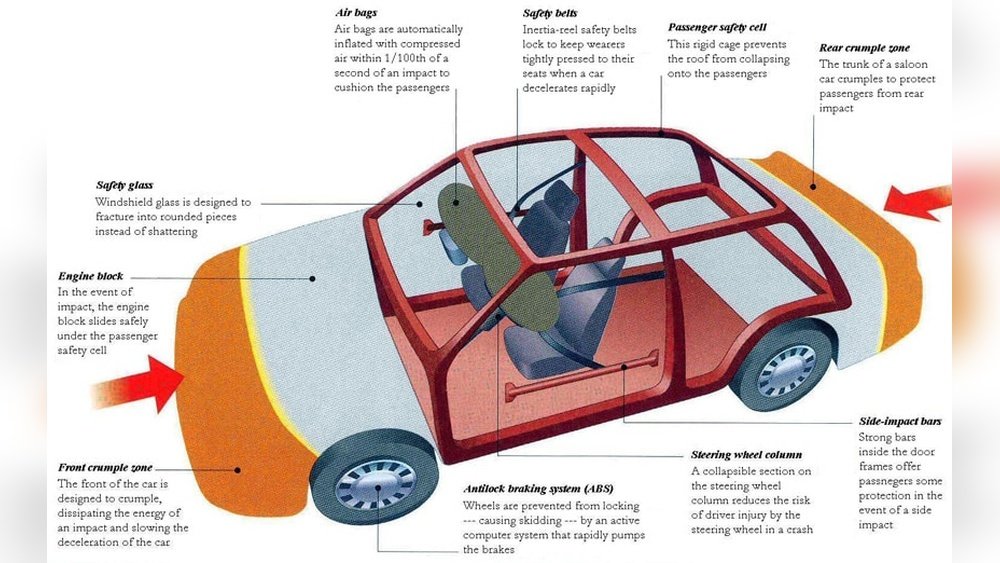
Have you ever wondered how the glass in your car affects your safety during an accident? The type of glass used might seem like a small detail, but it plays a big role in protecting you and your passengers.
Understanding how glass safety works can help you make smarter choices about your vehicle and feel more secure every time you hit the road. Keep reading to discover why glass safety matters more than you think and how it could save your life.

Credit: www.ebay.com
Glass Types In Vehicles
Vehicles use different types of glass to protect passengers. The glass must be strong and safe. It also needs to keep the driver’s view clear. Two common types of glass are tempered and laminated. Each type has special features that help in accidents. Understanding these types helps us see how glass safety affects passenger protection.
Tempered Glass Features
Tempered glass is heat-treated to become stronger. It breaks into small, dull pieces instead of sharp shards. This reduces the risk of serious cuts. Tempered glass is often used for side and rear windows. It also resists impacts better than regular glass. This makes it safer for passengers during crashes.
Laminated Glass Benefits
Laminated glass has two layers with a plastic sheet between. This plastic holds the glass together if it breaks. It does not shatter easily, keeping passengers inside the vehicle. Laminated glass is mostly used for windshields. It also reduces noise and blocks harmful UV rays. This glass type improves both safety and comfort.
Comparison Of Glass Materials
Tempered glass breaks into small pieces quickly. Laminated glass stays mostly intact after impact. Tempered glass offers good protection for side and rear windows. Laminated glass protects better in frontal crashes. Laminated glass also provides extra noise and UV protection. Both types work together to improve passenger safety.
Impact On Passenger Safety
Passenger safety depends heavily on the type and quality of glass used in vehicles. Glass safety features can reduce injuries and protect passengers during crashes. Understanding how glass behaves helps improve car designs for better protection.
Car manufacturers use special glass to enhance safety. This glass can prevent sharp shards and keep passengers inside the vehicle. Its role in crash situations is critical for reducing harm.
Shatter Resistance And Injury Prevention
Shatter-resistant glass breaks into small, dull pieces instead of sharp shards. This lowers the risk of cuts and serious injuries inside the car. Laminated glass, common in windshields, holds together even when cracked. It acts as a barrier against flying glass.
Tempered glass, used in side and rear windows, is designed to crumble safely. This reduces the chance of deep wounds during impact. Both types of glass work to protect passengers from glass-related injuries.
Glass Behavior In Crashes
During a crash, glass must absorb energy and stay in place. Laminated glass bends but does not break easily. It helps maintain the vehicle’s structure and protects passengers from debris.
Tempered glass breaks quickly into small pieces to clear exit paths. This can be crucial if passengers need to leave the vehicle fast. Proper glass behavior helps reduce the risk of harm inside the car during accidents.
Role In Ejection Mitigation
Glass safety plays a key role in preventing passengers from being thrown out. Strong laminated glass acts as a barrier to keep occupants inside. This greatly lowers the chance of serious injuries or death.
Windows that break too easily increase the risk of ejection. Well-designed safety glass supports seat belts and airbags by keeping the cabin intact. This helps protect passengers throughout a crash event.
Safety Standards And Regulations
Safety standards and regulations play a crucial role in protecting passengers inside vehicles. Vehicle glass must meet strict rules to ensure it does not harm passengers during accidents. These rules guide manufacturers on the type of glass used and its strength. Understanding these standards helps us see how glass safety affects passenger protection.
Global Glass Safety Requirements
Different countries have specific rules for vehicle glass safety. Most follow international guidelines to keep standards uniform. These rules cover glass types, thickness, and impact resistance. Laminated glass is often required for windshields due to its strength. Tempered glass is common for side and rear windows. These requirements help reduce injuries from broken glass.
Testing Procedures For Vehicle Glass
Glass undergoes many tests before it reaches vehicles. Impact tests check if glass can withstand strong hits. Shatter tests ensure glass breaks into small, less harmful pieces. Visibility tests confirm glass does not distort the driver’s view. Weather resistance tests protect glass from sun and cold damage. These procedures guarantee glass performs well in real-world conditions.
Compliance And Certification
Manufacturers must prove their glass meets safety standards. Certification shows glass passed all required tests. Regulatory bodies inspect and approve glass products regularly. Certified glass carries marks indicating its compliance. Using certified glass in vehicles improves passenger safety. It prevents legal issues and builds trust with car buyers.
Advancements In Glass Technology
Glass technology in vehicles has improved a lot in recent years. These changes help keep passengers safer during accidents or sudden impacts. New types of glass not only protect better but also add comfort and convenience.
Advances focus on strength, smart features, and how glass works with other safety tools. These developments make vehicle glass an important part of passenger protection.
Smart Glass Innovations
Smart glass can change transparency with a simple switch. It helps control light and heat inside the car. This reduces glare and keeps the cabin cooler. Some smart glass can darken automatically based on sunlight. This lowers driver distraction and improves focus.
Smart glass also offers privacy without using curtains or shades. It increases passenger comfort and safety on long trips.
Enhanced Strength Materials
Modern vehicle glass uses stronger materials like laminated and tempered glass. Laminated glass holds together even if broken, preventing sharp shards. Tempered glass breaks into small, less harmful pieces. These materials reduce injuries in crashes.
Some glasses have layers that absorb energy from impacts. This helps protect passengers by reducing glass penetration during collisions.
Integration With Safety Systems
Glass now works with vehicle safety systems like airbags and sensors. Sensors in the glass can detect impacts quickly. This allows airbags to deploy faster and more accurately.
Glass sensors also help alert drivers to cracks or damage. Early warnings can prevent accidents caused by poor visibility or glass failure.
Maintenance And Replacement
Maintaining and replacing glass in vehicles plays a vital role in passenger safety. Damaged or poorly repaired glass can reduce protection during accidents. Proper care ensures the glass performs its safety functions well.
Regular checks and timely replacements help keep the glass strong and reliable. Understanding how to spot damage and choose quality replacements protects everyone inside the vehicle.
Identifying Glass Damage
Look for cracks, chips, or deep scratches on the glass surface. Even small damage can spread and weaken the glass. Pay attention to any fogging or discoloration. These signs mean the glass may not protect well in a crash.
Check the edges of the glass for any chips or breaks. Damaged edges can cause the glass to shatter easily. Early detection helps avoid bigger problems later.
Effects Of Improper Repairs
Using the wrong repair methods can make glass weaker. Poor repairs can cause cracks to grow faster. The glass may lose its ability to hold together on impact.
Improper repairs might also affect visibility through the glass. This creates a safety risk while driving. Only skilled technicians should handle glass repairs.
Choosing Quality Replacements
Replace damaged glass with parts that meet safety standards. High-quality glass ensures strong protection and clear visibility. Cheap or non-certified glass can fail easily in crashes.
Always select replacements designed for your vehicle model. Proper fit and material improve passenger safety. Trust certified suppliers and professional installation for best results.

Credit: tprsglass.com
Credit: www.army.mil
Frequently Asked Questions
Does Glass Safety Improve Passenger Protection In Accidents?
Glass safety significantly enhances passenger protection by reducing injury risks during crashes. Laminated and tempered glass prevent sharp shards and provide better impact resistance, keeping occupants safer.
What Types Of Glass Offer The Best Passenger Protection?
Laminated glass and tempered safety glass offer the best protection. Laminated glass holds together when broken, while tempered glass shatters into small, less harmful pieces.
How Does Glass Safety Affect Vehicle Crash Outcomes?
Glass safety minimizes injuries by preventing glass from breaking into dangerous shards. It helps maintain vehicle structure integrity and reduces occupant ejection risks during collisions.
Are Modern Car Windows Safer For Passengers?
Yes, modern car windows use advanced laminated and tempered glass technologies. These enhance durability, reduce injury severity, and improve overall passenger safety in crashes.
Conclusion
Glass safety plays a key role in protecting passengers during accidents. Stronger, well-designed glass reduces injury risks. It keeps passengers inside the vehicle and blocks sharp shards. Choosing the right glass matters for overall safety. Car makers focus on improving glass to save lives.
Safe glass means safer journeys for everyone inside. Always consider glass quality when thinking about passenger protection. Small changes in glass can make a big difference. Safety starts with the materials used in every car.
Leave a Reply