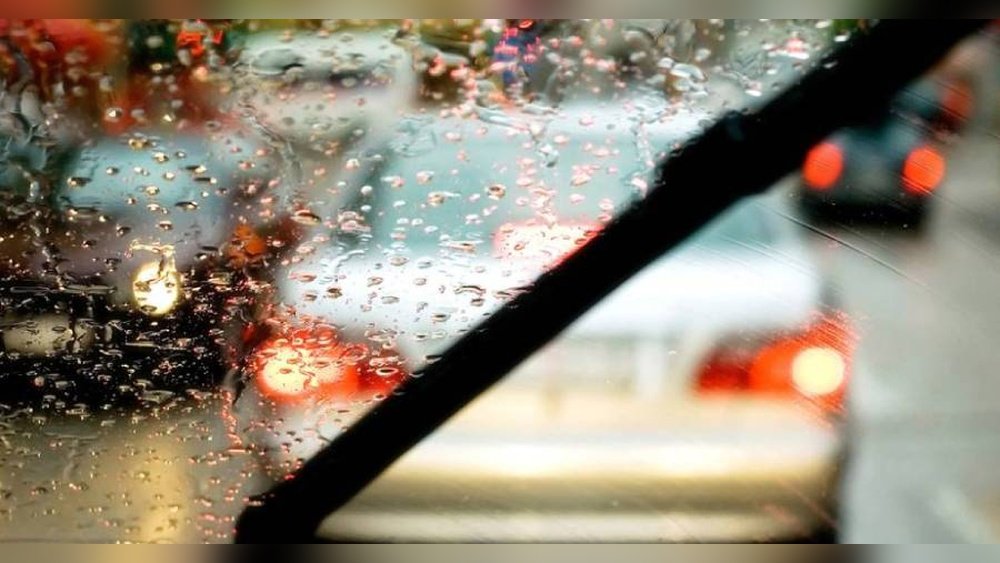
When was the last time you thought about the water you use to clean your car’s glass? It might seem like a small detail, but the right car glass cleaning water can make a huge difference in how clear and safe your windshield and windows stay.
Imagine driving without worrying about streaks, spots, or smudges that block your view. You’ll discover what makes the best cleaning water, how it protects your glass, and simple tips to keep your car looking spotless every time. Keep reading—your car’s shine and your safety depend on it.
Choosing The Right Water
Choosing the right water for cleaning car glass is very important. The type of water affects how clean and clear the glass looks. Using the wrong water can leave spots or streaks. It can also damage the glass over time. Below are details on different water types to help you choose.
Distilled Vs Tap Water
Distilled water is pure and free from minerals. It does not leave any marks or spots on the glass. Tap water often contains minerals and chemicals. These can cause spots and streaks on the car glass. Distilled water gives a clearer, shinier finish. It is the best choice for car glass cleaning.
Benefits Of Filtered Water
Filtered water removes many impurities from tap water. It reduces minerals that cause spots. Using filtered water is cheaper than distilled water. It also improves cleaning results. Filtered water helps the cleaning solution work better. It is a good balance between cost and quality.
Avoiding Hard Water Spots
Hard water contains high levels of minerals. These minerals leave white or cloudy spots on glass. These spots are hard to remove and spoil the look. Avoid using hard water for cleaning car glass. Use distilled or filtered water to prevent these marks. Dry the glass quickly after cleaning to avoid spots.
Essential Cleaning Tools
Keeping car glass clean needs the right tools. These tools help remove dirt, dust, and water spots quickly. Using proper tools makes cleaning easier and leaves glass clear and streak-free. Here are some essential items for car glass cleaning.
Microfiber Cloths
Microfiber cloths are soft and gentle on glass. They trap dust and dirt without scratching the surface. These cloths absorb water well, which helps prevent streaks. Using microfiber cloths ensures a smooth, clean finish every time.
Squeegees And Brushes
Squeegees remove water and cleaner from glass fast. They help avoid streaks and spots. Brushes reach corners and edges where dirt hides. Both tools work together to clean glass fully and easily.
Spray Bottles And Containers
Spray bottles allow even spreading of cleaning water or solution. They help control the amount used and reduce waste. Containers store cleaning water safely and keep it ready for use. These tools make the cleaning process neat and efficient.
Effective Cleaning Solutions
Effective cleaning solutions make a big difference in car glass care. The right cleaner removes dirt, grime, and streaks without damaging the glass. Choosing the best solution keeps your windshield clear and safe for driving. It also protects the glass from scratches and cloudiness over time.
Homemade Vs Commercial Cleaners
Homemade cleaners often use simple ingredients like vinegar, water, and dish soap. They are easy to make and cost less. These solutions work well for light dirt and smudges.
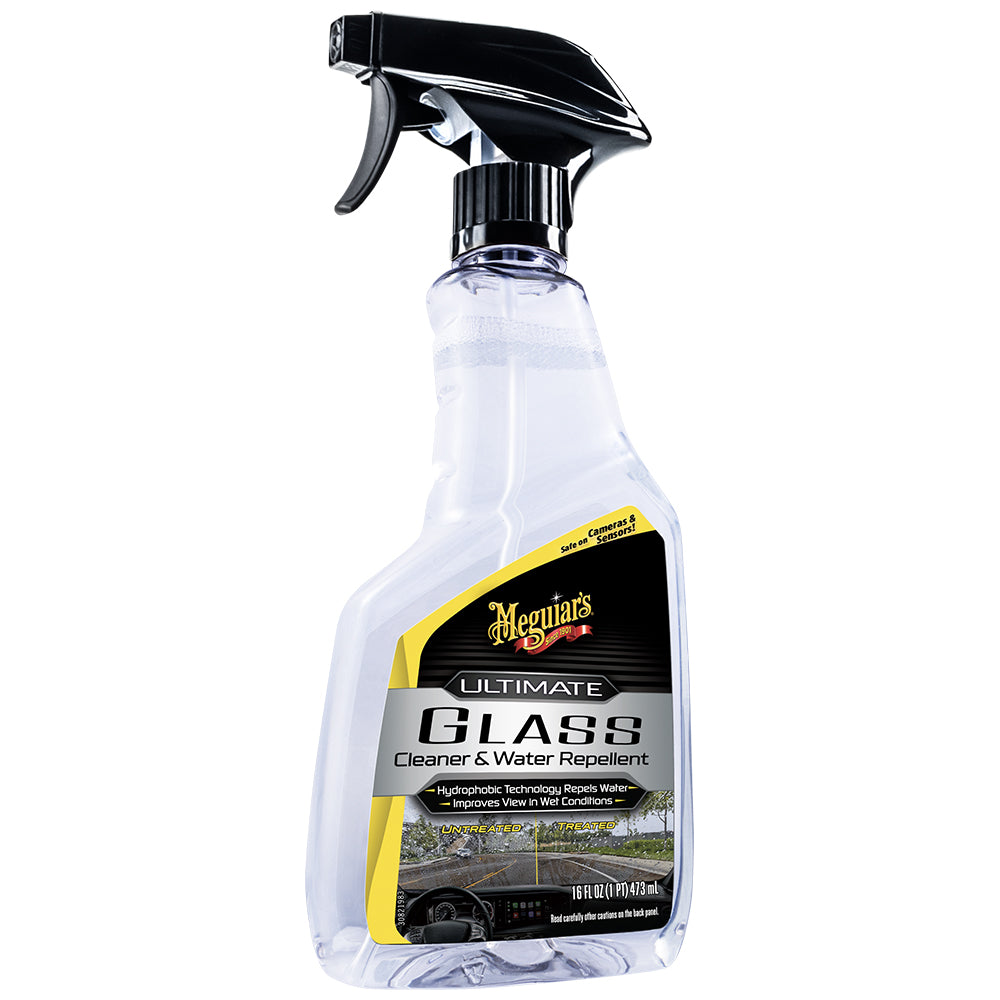
Commercial cleaners are made specifically for car glass. They contain special ingredients that remove tough stains and bugs quickly. Many commercial options also prevent fogging and water spots.
Both types can clean glass well. The choice depends on your needs and preferences.
Safe Ingredients For Glass
Look for ingredients that do not harm glass or car paint. Water, vinegar, and mild soap are safe choices. Alcohol and ammonia can clean well but may cause damage if used too often.
Some commercial cleaners include safe polymers that protect glass longer. These polymers create a thin, clear layer that repels water and dirt.
Always test a small area first to avoid damage.
Avoiding Harmful Chemicals
Avoid cleaners with harsh chemicals like strong acids or bleach. These can etch or weaken the glass surface. They may also harm rubber seals and paint around windows.
Stay away from products containing ammonia if your car has tinted windows. Ammonia can cause the tint to peel or bubble.
Choose gentle, eco-friendly cleaners for safe and effective glass care.
Credit: meguiarsdirect.com
Step-by-step Cleaning Process
Cleaning car glass properly improves visibility and safety. A clear glass surface means less glare and better driving comfort. Follow these simple steps to clean your car glass using the right cleaning water.
Preparing The Glass Surface
Start by rinsing the glass with clean water. This removes loose dirt and dust. Use a soft cloth or sponge to wipe the surface gently. Avoid harsh scrubbing to prevent scratches. Make sure the glass is cool to touch before cleaning.
Applying The Cleaning Solution
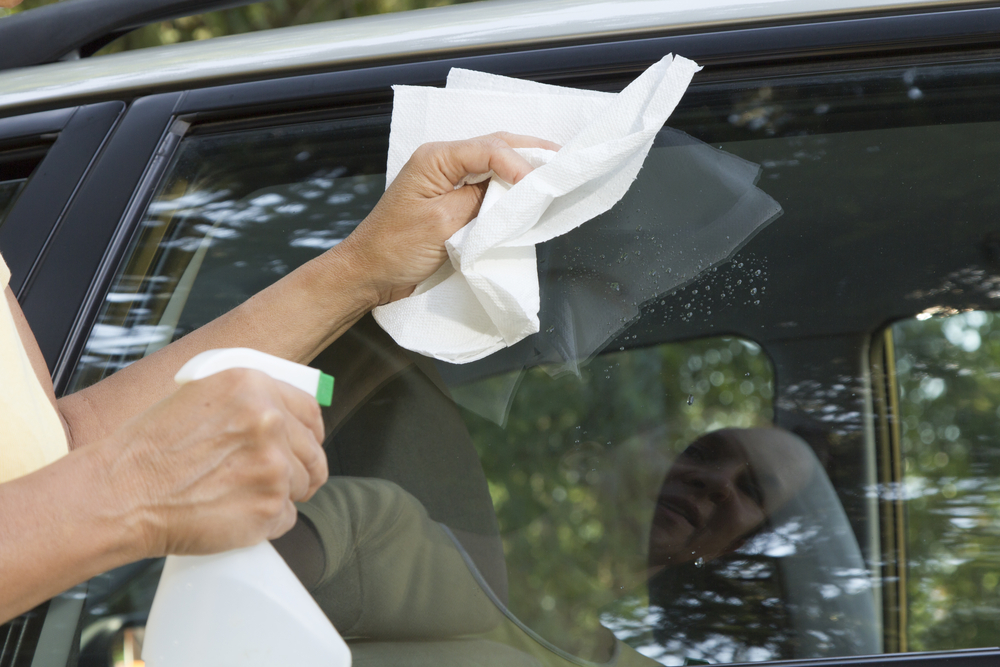
Spray the car glass cleaning water evenly on the surface. Use a microfiber cloth to spread the solution. Wipe in circular motions to lift dirt and stains. Cover all areas, including corners and edges. Let the solution sit for a minute to break grime.
Drying And Polishing Techniques
Use a dry microfiber cloth to remove excess liquid. Wipe in straight lines from top to bottom. This prevents streaks and water spots. For a shiny finish, buff the glass with a clean part of the cloth. Repeat if needed for a crystal-clear result.
Dealing With Stubborn Stains
Stubborn stains on car glass can block your view and annoy you. These marks need special care to clean well. Using the right water and methods helps remove tough spots without scratching the glass. This guide covers how to handle common stubborn stains on your car glass.
Removing Water Spots
Water spots form from minerals left behind by drying water. They look like small, white marks on the glass. Use a mix of vinegar and water to break down these minerals. Spray the solution on the spots, let it sit for a few minutes, then wipe with a soft cloth. Rinse with clean water to finish. Repeat if needed for heavy spots.
Handling Bug Residue
Bug residue sticks hard to car glass after a drive. It can be tough to remove with just water. Use warm, soapy water and a soft sponge to soften the residue. Let it soak for a few minutes before wiping gently. Avoid scrubbing hard to protect the glass surface. Rinse well and dry with a clean cloth.
Eliminating Tree Sap
Tree sap is sticky and can leave shiny spots on glass. Use rubbing alcohol or a specialized sap remover to dissolve it. Apply the product to a cloth, then gently rub the sap area. Be patient, as sap may take time to lift off. Clean the glass after sap removal with water and dry it fully.
Credit: www.championautoglass.com.au
Maintaining Crystal Clear Glass
Maintaining crystal clear car glass is essential for safe driving and a neat vehicle look. Clean glass improves visibility and reduces glare. It also prevents dirt and grime build-up that can cause scratches over time. Using the right car glass cleaning water helps keep the glass spotless and clear.
Regular Cleaning Schedule
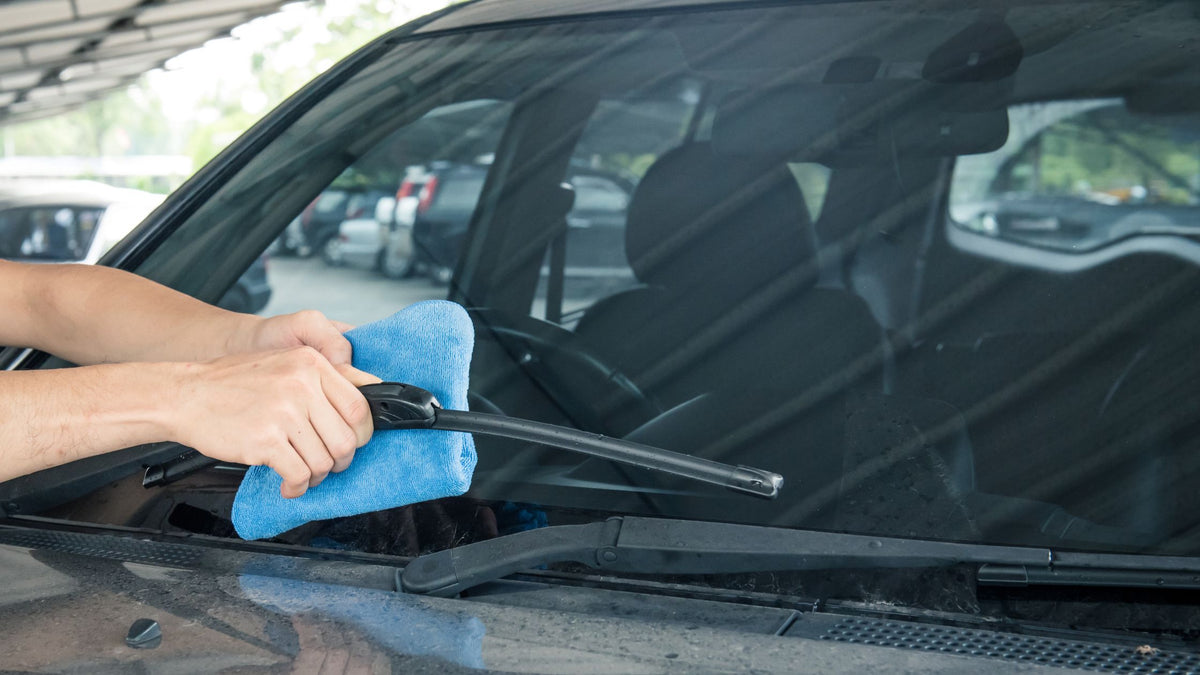
Set a regular time to clean your car glass. Cleaning once a week keeps dirt and dust away. Use a soft cloth and quality glass cleaning water for best results. Avoid harsh chemicals that can damage the glass surface. Regular cleaning stops grime from building up and keeps your view clear.
Protective Coatings
Applying a protective coating shields glass from dirt and water spots. These coatings create a smooth surface that repels dust and rain. It makes cleaning easier and less frequent. Use coatings designed specifically for car glass. This simple step extends the life of your glass and keeps it looking new.
Tips For Weather Resistance
Car glass faces tough weather conditions like rain, snow, and heat. Use water with anti-freeze properties in winter to avoid ice build-up. During hot weather, clean glass often to remove dust and bugs. Park in shaded areas to reduce sun damage. These tips protect your glass from weather effects and maintain clear vision.
Credit: glassguard.com
Frequently Asked Questions
What Is Car Glass Cleaning Water?
Car glass cleaning water is a specialized fluid designed to clean vehicle windows and windshields. It removes dirt, grime, and bugs without leaving streaks. This water often contains additives to prevent freezing and improve cleaning efficiency, ensuring clear visibility and safer driving conditions.
Can Tap Water Be Used For Car Glass Cleaning?
Tap water can be used but is not ideal. It may contain minerals causing spots or streaks on glass. Using distilled or specially formulated glass cleaning water provides better results. These options help maintain a clear, streak-free windshield and prolong the wiper blade life.
How Often Should Car Glass Cleaning Water Be Refilled?
Refill car glass cleaning water whenever it runs low or before long trips. Regularly checking ensures the fluid is available to keep the windshield clean. During winter, use fluids with antifreeze properties to prevent freezing and maintain visibility in cold conditions.
Is Car Glass Cleaning Water Safe For All Vehicles?
Yes, car glass cleaning water is safe for all vehicles. It is formulated to clean glass surfaces without damaging paint or rubber components. Always choose products compatible with your vehicle’s specifications for optimal cleaning and protection.
Conclusion
Clean car glass improves your driving safety and comfort. Use clean water to avoid streaks and spots. Regular cleaning keeps your windshield clear and bright. Avoid harsh chemicals that can damage glass surfaces. Keep a bottle of clean water in your car for quick touch-ups.
Clear glass helps you see better and drives safer. Small efforts make a big difference in car care. Stay safe, drive smart, and keep your glass spotless.
Leave a Reply