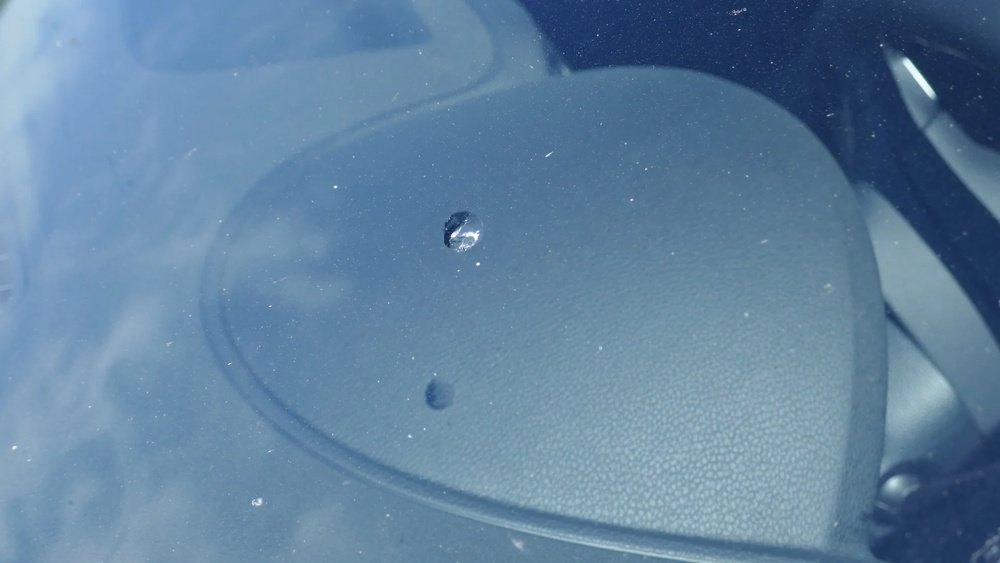
Have you noticed a small chip on your windshield and wondered if it’s something you can just ignore? It might seem tiny and harmless right now, but that little flaw could turn into a big problem faster than you think.
Ignoring it might cost you more money and safety than you realize. You’ll learn why even the smallest chip deserves your attention—and what you should do next to protect your car and yourself. Keep reading to find out how to avoid costly repairs and stay safe on the road.
Causes Of Windshield Chips
Windshield chips happen for many reasons. Understanding what causes these chips helps you protect your glass better. Small chips might seem harmless at first. But they can grow and cause big problems later. Knowing the causes helps you decide when to fix them fast.
Common Sources Of Damage
Flying rocks and debris often hit windshields on roads. Trucks and cars kick up small stones. These stones strike the glass with force. Even tiny stones can leave marks on the windshield.
Road construction zones have loose gravel and dust. They increase the chance of chips and cracks. Sometimes, careless drivers throw trash or objects on roads. These can also damage your windshield.
Weather And Environmental Factors
Extreme temperatures stress windshield glass. Hot sun can expand the glass. Cold weather causes it to contract. These changes make glass weak and prone to chips. Sudden temperature shifts, like pouring hot water on ice, can cause cracks.
Hailstorms and heavy rain also damage windshields. Hailstones hit the glass hard. Rain can wash dirt that scratches glass when wiped. Dust and sand in the air add to wear and tear.

Credit: affordableautoglasswi.com
Types Of Windshield Chips
Windshield chips come in different shapes and sizes. Knowing the types helps decide if a chip can be ignored or needs repair. Some chips look small but can spread fast. Others may not affect safety immediately. Identifying the chip type is important for windshield care.
Bullseye And Star Breaks
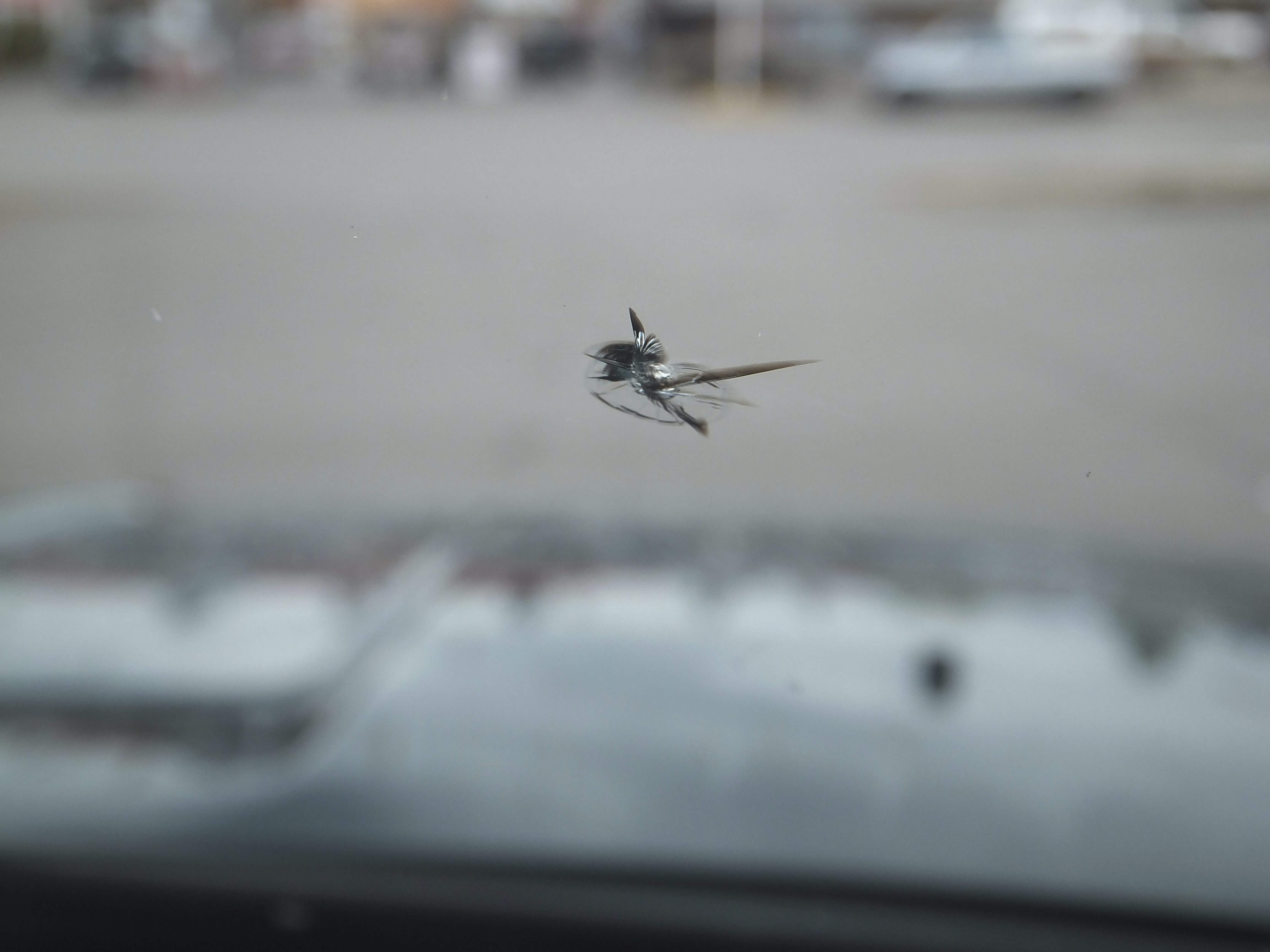
Bullseye chips look like a circle with a dark center. They often form from small rocks hitting the glass. Star breaks have lines radiating from the impact point. These lines look like a star pattern. Both types can weaken the windshield structure. They may grow larger with temperature changes or bumps.
Cracks And Bulls-eye Variations
Cracks can start from a chip and run across the glass. They reduce the windshield’s strength and safety. Bulls-eye variations include chips with multiple rings or cracks inside. These variations are more complex and risky. Ignoring these chips can lead to costly windshield replacements. Early repair keeps the glass stable and clear.
Potential Risks Of Ignoring Chips
Ignoring small chips on your windshield can lead to bigger problems. These tiny damages do not stay small. They can grow and cause serious issues for your car’s safety and structure.
Understanding the risks helps you see why fixing chips early is smart. It protects your vehicle and keeps you safer on the road.
Growth Of Cracks Over Time
Small chips often turn into long cracks. Temperature changes make glass expand and contract. This movement spreads the damage. Driving on rough roads also worsens cracks. A tiny chip can become a large crack in days or weeks.
Compromised Structural Integrity
Your windshield supports the roof during accidents. Chips weaken the glass’s strength. This damage reduces its ability to hold up in crashes. A cracked windshield might shatter more easily. That puts your car at risk of more damage.
Safety Hazards While Driving
Chips and cracks block your clear view. This makes it hard to see the road. Glare from the sun or headlights can worsen visibility. Sudden cracks can distract or shock drivers. These hazards increase the chance of accidents.
When To Repair Or Replace
Deciding whether to repair or replace a small windshield chip depends on several factors. Assessing the damage carefully helps prevent bigger problems. Acting at the right time can save money and ensure safety. Understanding key points about size, location, and timing guides this decision.
Size And Location Considerations
Small chips under the size of a quarter usually qualify for repair. Larger chips or cracks often need full replacement. The chip’s position matters too. Chips in the driver’s line of sight can blur vision. Damage near the edges weakens the windshield structure. Such cases require prompt replacement to avoid accidents.
Timing For Effective Repair
Repair chips as soon as possible. Dirt and moisture can worsen the damage quickly. Early repair stops cracks from spreading. Waiting too long may mean replacement is necessary. A quick fix keeps your windshield strong and clear.
Costs Of Delaying Repairs
Ignoring a small windshield chip might seem harmless. The chip looks tiny and you might think it will not grow. Waiting can cause the chip to spread. This leads to bigger problems that cost more to fix.
Repair Vs Replacement Expenses
Fixing a small chip costs less than replacing the whole windshield. Repairs usually take less time and use fewer materials. A chip that grows can crack the entire glass. At that point, replacement is the only option. Replacement costs much more than repair. Delaying repairs can turn a cheap fix into an expensive one.
Insurance Implications
Insurance policies often cover small windshield repairs with low or no deductible. Repairing early helps keep your insurance rates steady. If you delay and need a full replacement, your rates might increase. Some insurers may not cover damage that worsened due to delay. Filing a claim early can save money and hassle.
Credit: www.threeriversautoglass.com
Preventive Measures And Maintenance
Taking care of your windshield helps avoid bigger problems later. Small chips might seem harmless but can grow. Preventive measures and regular maintenance keep your windshield strong and safe. Follow simple steps to protect your glass from damage and costly repairs.
Proper Care For Windshields
Clean your windshield often with a soft cloth and mild cleaner. Avoid harsh chemicals that can weaken the glass. Check for chips and cracks regularly. Early fixes stop small damage from spreading. Park your car in shaded or covered areas to prevent heat stress. Replace old wiper blades to avoid scratches. Handle windshield repairs as soon as you notice damage.
Tips To Avoid Future Chips
Keep a safe distance from other vehicles on the road. Stones and debris fly from tires and can hit your glass. Drive slower on gravel or rough roads. Avoid tailgating trucks and construction vehicles. Use a windshield protector or cover during harsh weather. Inspect your windshield after storms or long trips. Regularly maintaining your windshield prevents costly replacements.
Credit: autoglassrepair-cincinnati.com
Frequently Asked Questions
Can A Small Windshield Chip Worsen Over Time?
Yes, small windshield chips can grow due to temperature changes and road vibrations. Ignoring them may lead to costly repairs or full windshield replacement.
Is It Safe To Drive With A Small Windshield Chip?
Driving with a small chip is generally safe but risky. The chip can spread quickly, impairing visibility and weakening the glass structure.
How Much Does Repairing A Small Windshield Chip Cost?
Repair costs vary but usually range between $50 and $150. Repairing early is cheaper than replacing the entire windshield later.
Can Diy Kits Fix Small Windshield Chips Effectively?
DIY kits can temporarily fix minor chips but are not always reliable. Professional repair ensures proper sealing and prevents chip expansion.
Conclusion
Small windshield chips might seem minor, but they can grow fast. Cracks can spread from tiny damage, causing bigger problems. Fixing chips early saves money and keeps you safe. Driving with a damaged windshield risks visibility and legal trouble. Don’t wait for a chip to turn into a crack.
Take care of your windshield to avoid costly repairs later. A small chip today can lead to a big issue tomorrow. Act quickly for a clear, strong windshield and safer drives.
Leave a Reply