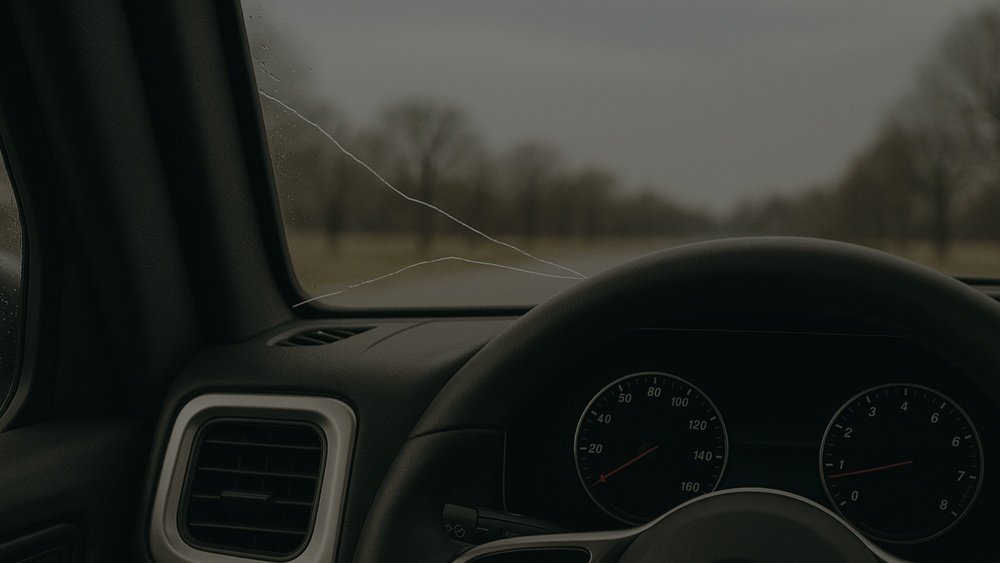
Have you ever wondered if your car’s side window glass can break without any obvious hit or impact? It sounds strange, but it can happen—and understanding why is important for your safety and peace of mind.
Imagine sitting in your car when suddenly, the side window shatters on its own. What would you do? You’ll discover the surprising reasons behind this mysterious breakage and learn how to protect yourself and your vehicle from unexpected dangers. Keep reading to uncover the facts that every car owner needs to know.

Credit: www.ebay.com
Side Window Glass Basics
Side window glass plays a key role in vehicle safety and comfort. It protects passengers from weather and outside hazards. Knowing the basics of side window glass helps understand how it behaves under stress. This knowledge answers if side window glass can break without impact.
This section explains the types and materials of side window glass. These factors affect its strength and breaking patterns.
Types Of Side Window Glass
Most side windows use tempered glass or laminated glass. Tempered glass is heat-treated to increase strength. It breaks into small, blunt pieces to reduce injury. Laminated glass has two layers with plastic in between. This keeps the glass together when broken. Some vehicles use laminated glass for added safety. Each type has different reactions to pressure or stress.
Material Properties
Tempered glass resists scratches and small impacts well. It can shatter suddenly under certain conditions. Laminated glass is tougher and holds together after cracking. It blocks noise and UV rays better. Temperature changes affect both types. Sudden heat or cold can cause glass to crack. Stress points or chips weaken glass strength. Understanding these properties explains how side windows break without direct hits.
Common Causes Of Glass Breakage
Side window glass can break without a clear hit. Understanding common causes helps in preventing damage. Several factors contribute to glass breakage without direct impact. These causes often work alone or together.
Impact And Stress Factors
Glass may crack from small impacts unnoticed by the eye. Stress builds up inside the glass over time. Pressure from closing doors or slamming trunks adds stress. Continuous vibrations from driving also weaken the glass. Stress points cause cracks to start and spread slowly.
Temperature Fluctuations
Glass reacts to fast changes in temperature. Heat causes the glass to expand; cold makes it contract. Rapid shifts can create tension inside the glass. For example, pouring cold water on hot glass may cause it to break. Extreme weather changes increase the risk of breakage.
Manufacturing Defects
Sometimes glass has weak spots from the factory. Tiny bubbles or impurities inside the glass reduce its strength. Improper cutting or tempering may cause hidden cracks. These defects grow over time, leading to sudden breakage. Defective glass breaks easier without any impact.
Spontaneous Glass Breakage
Spontaneous glass breakage happens without any direct hit or clear cause. It can surprise car owners and make them wonder how their side window glass shattered on its own. This type of breakage is rare but real. Understanding why it occurs helps in preventing damage and staying safe.
What Triggers It?
Stress inside the glass can cause spontaneous breaks. This stress builds up over time from heat changes or small flaws during manufacturing. Sharp temperature shifts, like going from hot sunlight to cold shade, add pressure. Sometimes, tiny cracks or chips weak spots that grow without notice. When the stress becomes too much, the glass breaks suddenly.
Real-life Incidents
Many drivers report their side window glass breaking while parked. Some say it shattered during hot days or after a cold night. Others notice small cracks days before the break. Such incidents show that spontaneous breakage can happen anytime. It often leaves glass shards but no sign of an impact.

Credit: www.siegersystems.co.uk
Role Of Stress And Pressure
Side window glass can break without any direct hit. Stress and pressure play a key role in this process. Understanding how these forces work helps explain sudden glass breakage. Both internal and external factors affect the glass strength. These forces build up over time and may cause cracks or shattering.
Internal Stress Points
Glass contains tiny flaws and weak spots inside. These points hold internal stress from the manufacturing process. Changes in temperature can increase this stress. Heat causes the glass to expand, while cold makes it contract. This constant change creates pressure inside the glass. Over time, the stress can cause the glass to crack or break.
Internal stress points can also form from poor installation. If the glass is forced into the frame, it may bend slightly. This bending adds more pressure on weak spots. Even small vibrations or movements can trigger cracks in these stressed areas.
External Pressure Effects
External forces like wind, road bumps, or even strong air pressure can impact the glass. These pressures add stress on the glass surface without a direct hit. A sudden gust of wind or hitting a pothole might be enough to cause breakage. Changes in air pressure inside the car also affect the glass.
Objects pushing on the window frame can increase the risk of breakage. Snow or ice buildup applies constant pressure on the glass. This pressure can weaken the glass over time. Sudden changes in pressure outside the car may cause the glass to shatter unexpectedly.
Environmental Influences
Side window glass can break without direct impact due to environmental influences. These factors weaken the glass over time. Understanding these causes helps in preventing unexpected breaks.
Extreme Weather Conditions
Extreme heat can cause glass to expand and crack. Sudden cold snaps make glass brittle and prone to breaking. Rapid temperature changes stress the glass structure. Strong winds and flying debris can push the glass beyond its limit. Sunlight exposure can also weaken some glass coatings.
Chemical Exposure
Certain chemicals can damage the glass surface. Acid rain or pollution can erode protective layers. Cleaning agents with harsh chemicals may weaken the glass. Industrial fumes and gases can cause tiny cracks. Over time, chemical damage grows and leads to breakage.
Safety Features In Side Window Glass
Side window glass in cars has special safety features. These features help protect passengers during accidents or sudden impacts. The glass is made to reduce injury risks and improve overall safety. Understanding these features explains why side windows behave differently than regular glass.
Safety glass can break without a strong impact, but it is designed to keep people safe. The types of glass used are carefully chosen for their strength and how they break. This knowledge helps us appreciate the technology inside vehicle windows.
Tempered Vs Laminated Glass
Tempered glass is heat-treated to be strong and shatter into small pieces. These small pieces are less likely to cause cuts. It is common in side windows for its safety and quick breakage in emergencies.
Laminated glass has a plastic layer between two glass sheets. This layer holds the glass together when broken. It does not shatter fully, keeping the glass mostly in place. Laminated glass is often used in windshields but can be in side windows too.
How Safety Glass Reacts
Tempered glass breaks into tiny, blunt pieces. This reduces injury risk during a crash. It can break without a strong hit, due to stress or defects inside the glass.
Laminated glass cracks but stays in one piece. The plastic layer stops shards from flying. This helps protect passengers from sharp edges and keeps the window intact longer.
Both types improve safety by controlling how glass breaks. They help prevent serious injuries in accidents.
Preventing Unexpected Breakage
Side window glass can break without a direct hit. This unexpected breakage happens due to stress, temperature changes, or flaws in the glass. Preventing such incidents is important for safety and cost reasons. Regular care and checks help keep your glass strong and intact.
Regular Inspection Tips
Check your side window glass often. Look closely for small cracks or chips. These tiny damages can grow and cause the glass to break. Notice any unusual sounds like popping or creaking. Such sounds may signal stress inside the glass. Also, watch for changes in how the glass fits the frame. Loose glass is more likely to break suddenly.
Maintenance Best Practices
Keep your side window glass clean. Use soft cloths and gentle cleaners to avoid scratches. Avoid slamming car doors, as vibrations can weaken the glass. Park in shaded areas to reduce temperature shocks. Sudden heat or cold can stress the glass. Fix any damage quickly to stop cracks from spreading. Use professional help for repairs or replacements. Proper care extends the life of your side window glass.
Credit: glassdoctor.com
When To Seek Professional Help
Side window glass can crack or break without any direct hit. This can confuse car owners about the next steps. Knowing when to seek professional help is important. Early action can save money and keep you safe.
Signs Of Weakness
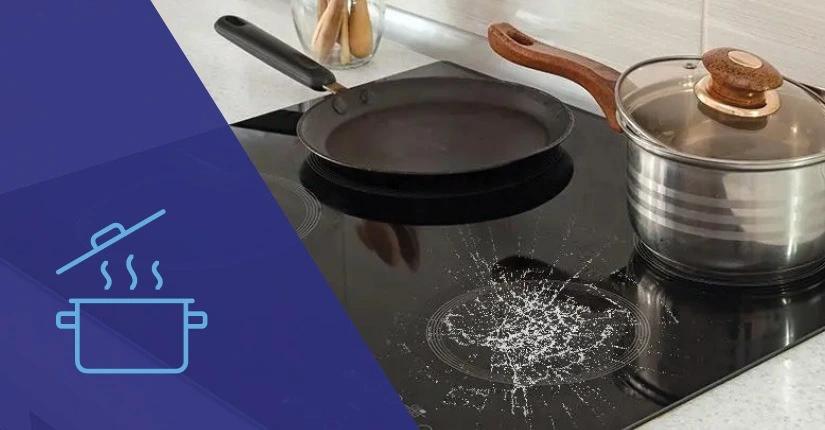
Look for small cracks or spiderweb patterns on the glass. Changes in temperature can make these cracks grow fast. Glass may also feel loose or make rattling sounds when driving. If you notice any sudden chips or unusual marks, watch them closely. These signs show the glass is weak and needs checking.
Repair Vs Replacement
Minor cracks can often be repaired by a professional. Repair stops the crack from spreading and saves your window. Large cracks or shattered glass need full replacement. Replacement restores strength and safety to your vehicle. A technician will decide the best option after inspection. Acting fast avoids bigger problems and higher costs.
Frequently Asked Questions
Can Side Window Glass Break Without Physical Impact?
Yes, side window glass can break without impact due to stress, temperature changes, or manufacturing defects. These factors create internal pressure, causing spontaneous cracks or shattering.
What Causes Spontaneous Side Window Glass Breakage?
Spontaneous breakage often results from internal flaws, extreme temperature shifts, or improper installation. These issues weaken the glass, making it prone to sudden failure.
Is Side Window Glass More Prone To Stress Cracks?
Yes, side window glass is vulnerable to stress cracks from constant vibrations, pressure differences, or frame misalignment. These stresses can gradually cause the glass to break.
Can Weather Conditions Cause Side Window Glass To Shatter?
Extreme heat or cold can cause side window glass to expand or contract rapidly. This thermal stress may lead to spontaneous breakage without any physical impact.
Conclusion
Side window glass can break without a clear hit. Temperature changes, stress, or small flaws cause cracks. These breaks may happen suddenly or slowly. Knowing this helps you understand your car better. Regular checks keep windows safe and strong. Stay alert to signs like small chips or noises.
Acting fast can prevent bigger problems later. Protect your vehicle by watching for these issues. Simple care saves time and money in the long run.
Leave a Reply