
Have you ever noticed a tiny chip on your windshield and wondered if fixing it is worth the hassle? You might think a simple repair will make that chip disappear forever, but what if it doesn’t?
Imagine spending time and money only to see the damage come back—or worse, spread into a crack that ruins your entire windshield. Understanding why windshield chip repair can sometimes fail is key to protecting your safety and your wallet. Keep reading to learn what can go wrong, how to avoid it, and what you should do to keep your windshield strong and clear.
Causes Of Windshield Chip Repair Failure
Windshield chip repair can fail for several reasons. Understanding these causes helps avoid costly mistakes. Some failures happen during the repair process. Others occur after due to external factors. Knowing the common causes can improve repair success and safety.
Poor Resin Application
Resin fills the chip and bonds the glass. If applied poorly, air bubbles can remain trapped. These bubbles weaken the repair. Insufficient resin can leave cracks exposed. Proper technique and quality resin are essential.
Extreme Weather Impact
Hot or cold weather affects repair durability. High heat can cause resin to expand and crack. Freezing temperatures may cause the resin to contract. Rapid weather changes stress the glass and repair. Repairs done in moderate weather last longer.
Type And Size Of Chip
Not all chips are repairable. Large chips or deep cracks often fail repairs. Chips with shattered glass or on edges are risky. Small star or bullseye chips have better repair success. Assessing chip type helps choose the right fix.
Delayed Repair Consequences
Delays allow dirt and moisture inside the chip. Contaminants block resin from filling the damage. Cracks can grow larger over time. Early repair prevents further glass damage. Immediate action improves repair results.

Credit: richardsonglass.com
Risks Of Ignoring Windshield Damage
Ignoring damage to your windshield can cause serious problems. Small chips or cracks might seem harmless. Over time, these tiny flaws can turn into big issues. The risks go beyond just looks. Safety and costs are at stake. This section explains the main dangers of leaving windshield damage untreated.
Spreading Cracks
Chips often grow into larger cracks. Changes in temperature make glass expand and shrink. This movement causes cracks to spread fast. Driving over bumps or rough roads adds stress. A small crack can become a big problem in days. Repair becomes harder or impossible with time.
Compromised Safety
The windshield supports your car’s structure. Damage weakens this support during accidents. Airbags rely on a strong windshield to work properly. A cracked windshield may shatter on impact. Broken glass can hurt passengers. Your safety depends on a clear, strong windshield.
Costly Replacements
Repairing chips is cheaper than replacing the windshield. Ignoring damage can lead to full replacement. Replacements cost much more in parts and labor. Insurance may not cover damage from neglect. Early repair saves money and hassle later. Don’t wait until costs rise.
Legal And Insurance Issues
Driving with a damaged windshield can break the law. Some places require clear, undamaged glass for safety. Police can issue fines for visible cracks. Insurance claims may be denied if damage worsens. Keep your windshield in good shape to avoid trouble.
Signs A Repair Might Fail
Windshield chip repair is a common fix for small damages. Most repairs last long and keep cracks from spreading. Yet, some repairs do fail and need a second look. Spotting signs of a failing repair early saves time and money. These signs show the repair might not hold up well.
Visible Bubbles Or Voids
Bubbles or empty spaces in the resin show poor repair quality. These gaps allow air and moisture inside. They weaken the bond and cause cracks to grow. A smooth and clear surface means the resin filled the chip well.
Discoloration Or Cloudiness
Cloudy or yellowish spots on the repair area signal trouble. Clear resin should blend with the glass. Discoloration means the resin did not cure right or got dirty. It can hide new cracks forming under the surface.
Unusual Stress Cracks
Stress cracks look like spider webs or lines near the chip. They form if the glass is under pressure after repair. These cracks suggest the damage is spreading. They often mean the repair will fail soon.
Loose Or Weak Resin Bond
Resin that peels or feels loose shows a weak bond. The resin must stick tightly to hold the glass. A weak bond lets cracks grow and may cause glass to break. A solid fix feels firm and stays in place.
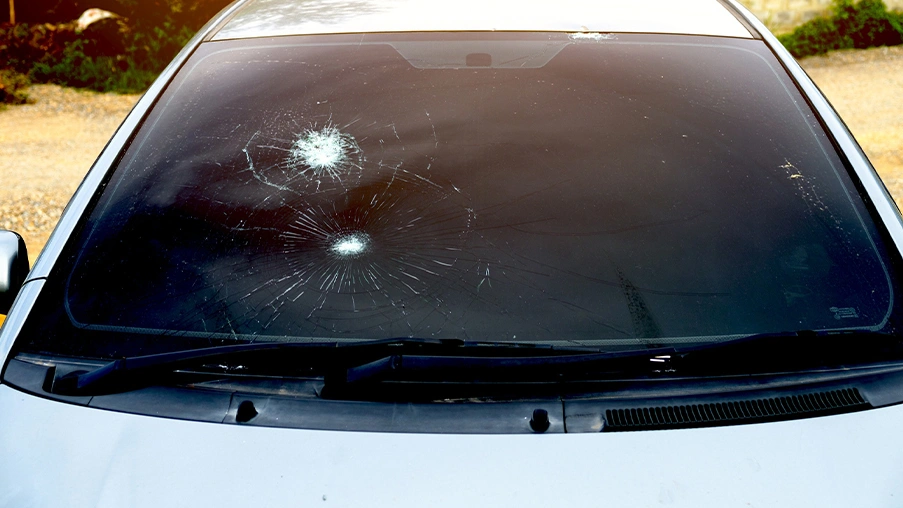
Credit: www.nuvisionautoglass.com
Expert Tips For Successful Repairs
Successful windshield chip repair depends on several key factors. Following expert tips can help avoid repair failures. These tips cover choosing the right help, acting fast, using good materials, and caring for the repair afterward. Each step improves the chance of a smooth, lasting fix.
Choosing Skilled Technicians
Expert technicians make a big difference in repair quality. They know how to handle different types of chips and cracks. Skilled workers use the right tools and techniques. Always choose a technician with good reviews and experience. This lowers the risk of repair failure and improves safety.
Timing Repairs Promptly
Repair chips quickly after they appear. Dirt and moisture can enter the crack over time. This can weaken the glass and cause the chip to spread. Early repair helps keep the damage small and easier to fix. Delays increase the chance of needing a full windshield replacement.
Selecting Quality Repair Kits
Quality repair kits make a big impact on results. Kits with strong resin fill chips better. Cheap kits may not bond well or last long. Use kits from trusted brands with clear instructions. A good kit improves chip clarity and prevents cracks from growing.
Post-repair Care And Maintenance
Care after repair helps maintain windshield strength. Avoid hitting potholes or rough roads soon after repair. Keep the glass clean and check for new cracks. Avoid sudden temperature changes, like hot water on cold glass. Proper care extends the repair’s life and keeps visibility clear.
When To Opt For Windshield Replacement
Knowing when to replace your windshield is important for safety. Small chips and cracks can often be repaired. But some damage needs full replacement. This keeps your car safe and your view clear. Below are key signs to choose replacement over repair.
Large Or Complex Damage
Damage larger than a dollar bill is hard to fix. Cracks that spread across the glass need replacement. Complex shapes or multiple cracks also require new glass. Repairing these can weaken the windshield.
Structural Integrity Concerns
The windshield supports your car’s roof. Damage near the edges can affect strength. If the chip or crack weakens this support, replace the glass. Safety depends on a strong, intact windshield.
Repeated Repair Failures
Sometimes repairs do not hold. Cracks may grow or chips may spread again. If repairs fail more than once, replacement is best. This prevents future problems and saves money long-term.
Manufacturer Guidelines
Car makers set rules for windshield care. These guidelines tell when to repair or replace. Follow these rules to keep warranty and safety intact. Ignoring them can cause problems later.

Credit: glasstecpaul.com
Frequently Asked Questions
Can Windshield Chip Repair Fail Over Time?
Yes, windshield chip repair can fail if the resin doesn’t bond well. Temperature changes and moisture can cause cracks to reappear or spread. Proper application and curing are essential for lasting results.
What Causes Windshield Chip Repair To Fail?
Poor resin quality, incorrect application, and extreme weather can cause repair failure. Also, chips larger than a quarter or deep cracks are harder to fix effectively.
How Can I Prevent Windshield Chip Repair Failure?
Choose a professional repair service and act quickly after damage occurs. Avoid extreme temperatures and keep the windshield clean to improve repair success.
Is A Failed Windshield Chip Repair Dangerous?
Yes, a failed repair can weaken the windshield, reducing its structural integrity. This increases the risk of cracks spreading and may compromise safety during accidents.
Conclusion
Windshield chip repair can sometimes fail due to many reasons. Small chips often fix well, but large cracks may not hold. Using the right repair kit and acting quickly helps. Choosing a skilled technician also improves results. Watch for signs of failure like spreading cracks.
Regularly check your windshield to stay safe on the road. Repairing early saves money and avoids full replacements. Keep these tips in mind to protect your windshield. Your safety depends on a clear, strong windshield every day.
Leave a Reply