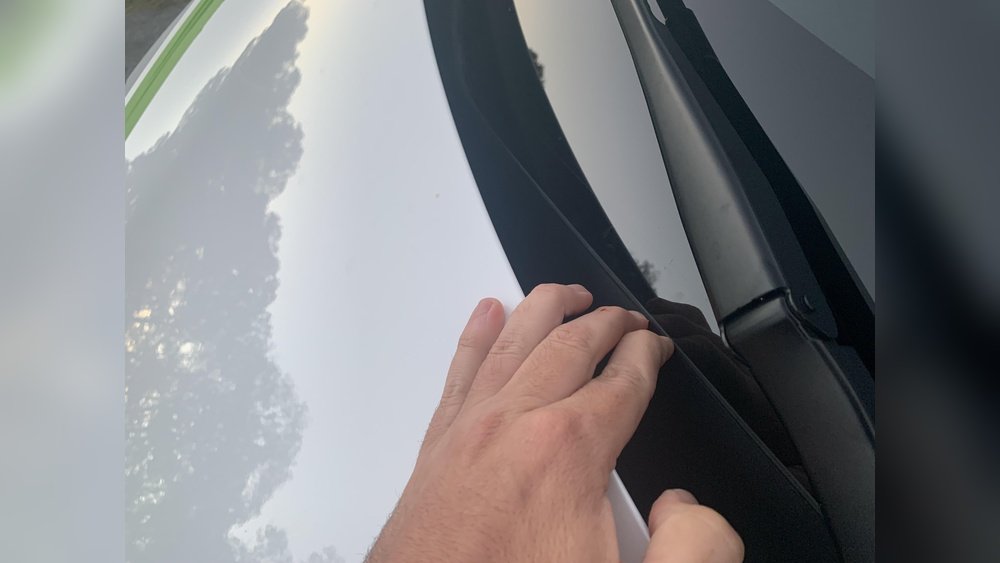
Have you noticed an annoying wind noise after getting your windshield replaced? It’s frustrating when a simple repair leads to a new problem.
You might be wondering if the replacement itself is causing this noise or if something else is to blame. Understanding why this happens can save you from ongoing discomfort and costly fixes. Keep reading to discover the surprising reasons behind windshield replacement and wind noise—and what you can do to fix it fast.
Credit: g87.bimmerpost.com
Causes Of Wind Noise After Replacement
Wind noise after a windshield replacement is a common problem. It often comes from small mistakes during the replacement process. Understanding the causes helps you spot the issue fast. This section explains the main reasons for wind noise after replacement.
Improper Installation Issues
Windshield installation needs skill and care. Poor installation leaves gaps where air can enter. These gaps cause loud wind noise when driving. Even a small misstep can create a noisy seal.
Seal And Adhesive Problems
The seal and adhesive hold the windshield tight. If the adhesive is old or applied unevenly, the seal breaks. Air leaks through these weak spots and creates noise. Using the wrong adhesive also weakens the seal.
Material Differences
Not all windshields are the same. Some use different glass or materials. These changes affect how the glass fits and seals. A different material can cause vibration and noise during driving.
Alignment And Fitment Errors
Correct alignment is key to a tight fit. If the windshield is not aligned well, it does not sit flush. This misfit causes air to rush in and creates wind noise. Proper fitment avoids these gaps and noise issues.

Credit: www.youtube.com
How Wind Noise Affects Driving Experience
Wind noise can change how you feel while driving. It is more than just a small sound. It can affect comfort, safety, and even your car’s condition. Understanding these effects helps you see why proper windshield replacement matters.
Impact On Comfort
Wind noise makes driving less pleasant. Loud sounds cause stress and tiredness. Talking or listening to music becomes hard. Quiet rides feel safer and more relaxing.
Safety Concerns
High wind noise can hide important sounds. Sirens, horns, and other alerts may go unnoticed. This delay can cause accidents. Clear hearing helps you react faster on the road.
Long-term Vehicle Wear
Wind noise often means air leaks. These leaks can bring water and dust inside. Over time, this damages interior parts. Proper sealing protects your car’s value and durability.
Detecting Wind Noise Sources
Detecting wind noise sources is key to solving annoying sounds after a windshield replacement. Wind noise can distract drivers and reduce comfort. Knowing where noise comes from helps in fixing the problem quickly. Careful checking can save time and money in the long run.
Common Noise Locations
Wind noise often comes from gaps around the windshield edges. The seal between glass and frame may not be tight. Side mirrors also create wind turbulence. Roof rails and door seals can let air slip in. Even small cracks or chips can cause noise.
Testing Methods
Drive your car at different speeds to notice noise changes. Open windows slightly to compare sounds. Use your hand near edges to feel air leaks. A thin strip of tissue paper can show where air moves. Record sounds with a phone for closer study later.
Professional Inspection Tips
Experts use special tools like smoke machines to find leaks. They check the windshield fit and seal carefully. Professionals look at weatherstripping and door alignment too. Sometimes, adjusting the glass or replacing seals stops noise. Trust trained eyes to spot hidden problems.
Preventing Wind Noise Post-replacement
Preventing wind noise after a windshield replacement is important for a quiet and comfortable drive. Wind noise can distract drivers and reduce the overall driving experience. Taking the right steps can help avoid this problem. Careful selection of parts, skilled technicians, proper installation, and regular checks keep wind noise at bay.
Choosing Quality Parts
Using high-quality windshield parts ensures a good fit and seal. Cheap or low-grade glass may not match the car’s design. This mismatch can cause gaps where air passes through. Quality parts reduce the chance of leaks and noise. Always choose parts that meet the car maker’s standards.
Selecting Skilled Technicians
Experienced technicians know how to handle windshield replacements well. They understand how to avoid gaps and misalignments. Skilled workers follow precise methods to secure the glass tightly. This skill limits air from entering through edges. Trusting experts helps reduce wind noise risks.
Proper Installation Techniques
Correct installation is key to preventing wind noise. Technicians must clean and prepare the frame properly. Using the right adhesive and letting it cure fully matter. The glass must fit flush with the car body. Proper sealing stops air from sneaking in and causing noise.
Regular Maintenance Checks
Regular inspections keep the windshield seal in good shape. Over time, seals may wear or crack and let air through. Checking the glass and frame often helps catch issues early. Fixing small problems prevents wind noise before it worsens. Routine care maintains a quiet cabin.
Fixes For Wind Noise Issues
Wind noise after a windshield replacement can be annoying. It may affect your comfort while driving. Fixing this issue often requires simple steps. These fixes help stop the noise and improve your ride quality.
Resealing And Re-caulking
Wind noise often comes from gaps around the windshield. Resealing these gaps can block air leaks. Use a high-quality automotive sealant for best results. Apply the sealant evenly around the windshield edges. Let it dry fully before driving. This fix usually reduces or stops wind noise quickly.
Adjusting Windshield Position
Sometimes the windshield is not placed correctly. Small misalignment can cause air to flow inside. Adjusting the windshield position helps close gaps. This adjustment requires care to avoid damage. Make sure the windshield fits snugly in its frame. Proper alignment lowers wind noise and improves safety.
Using Noise Dampening Materials
Noise dampening materials absorb sound and reduce wind noise. Apply these materials inside door panels or near the windshield frame. Foam strips or rubber seals work well. These materials block air and soften noise. They add comfort without major repairs or costs.
When To Seek Professional Help
Some wind noise issues need expert attention. If noise continues after simple fixes, call a professional. Experts can check for hidden gaps or damage. They use special tools to ensure perfect sealing. Professional help ensures your windshield is secure and quiet.

Credit: www.reddit.com
Frequently Asked Questions
Can Windshield Replacement Increase Wind Noise?
Yes, improper windshield installation can cause gaps or misalignment. These issues let wind enter, creating noticeable noise while driving.
How Does Sealant Affect Windshield Wind Noise?
Poor or insufficient sealant can allow air leaks around the windshield. Proper sealing is essential to prevent wind noise after replacement.
When Should I Worry About Wind Noise After Replacement?
If wind noise persists or worsens days after replacement, it may indicate faulty installation or damaged seals needing professional inspection.
Can The Type Of Windshield Glass Impact Wind Noise?
Yes, thicker or laminated glass can reduce wind noise. The glass type and quality influence how much wind noise you experience.
Conclusion
Windshield replacement can sometimes cause wind noise if not done right. Small gaps or poor sealing let air in and create noise. Skilled technicians use proper tools and materials to avoid this. Checking the seals after replacement helps catch problems early.
Clear windshields improve safety and comfort while driving. Pay attention to any unusual sounds after replacement. Fixing wind noise quickly keeps your drive quiet and pleasant. Choose experienced professionals for windshield work to reduce noise risks. Quiet rides start with good installation and proper care.
Leave a Reply