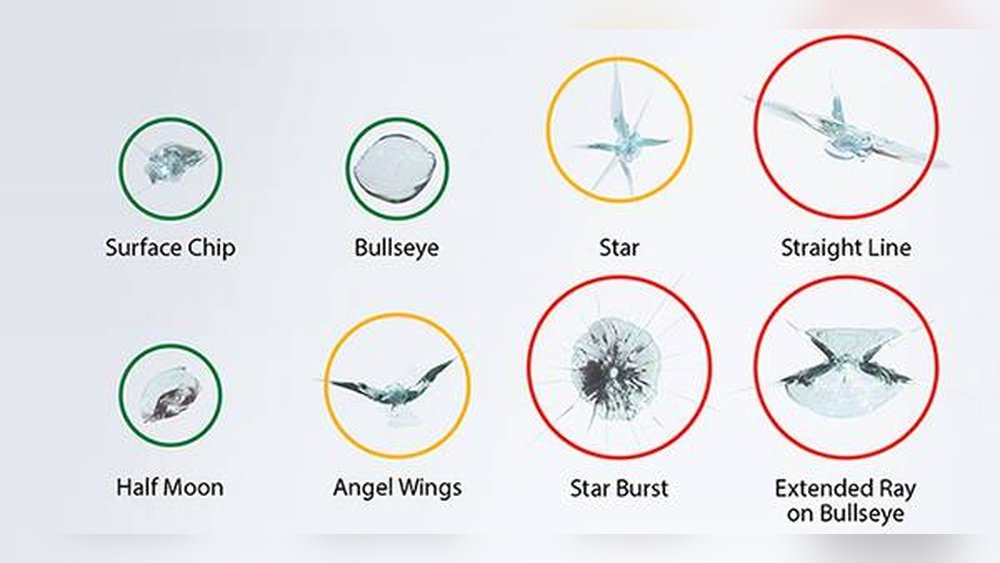
Have you ever noticed a small, round chip on your windshield that looks like a tiny bullseye? That’s called a bullseye crack, and it might seem harmless at first.
But if you ignore it, it can quickly turn into a bigger problem, costing you more money and risking your safety. Understanding what a bullseye crack is and how it affects your windshield is the first step to protecting your car and yourself.
Keep reading to learn everything you need to know about bullseye cracks and what you should do if you spot one on your windshield.
Credit: www.jbweld.com
Bullseye Crack Basics
Bullseye cracks are common types of damage found on windshields. They happen when small rocks or debris hit the glass with force. These cracks look like a circular bullseye target. Understanding their basics helps you recognize the damage and decide on repairs quickly.
Knowing what a bullseye crack looks like and where it usually forms can save you time and money. Early detection can prevent the crack from growing larger. Let’s explore the key features of bullseye cracks.
Appearance And Shape
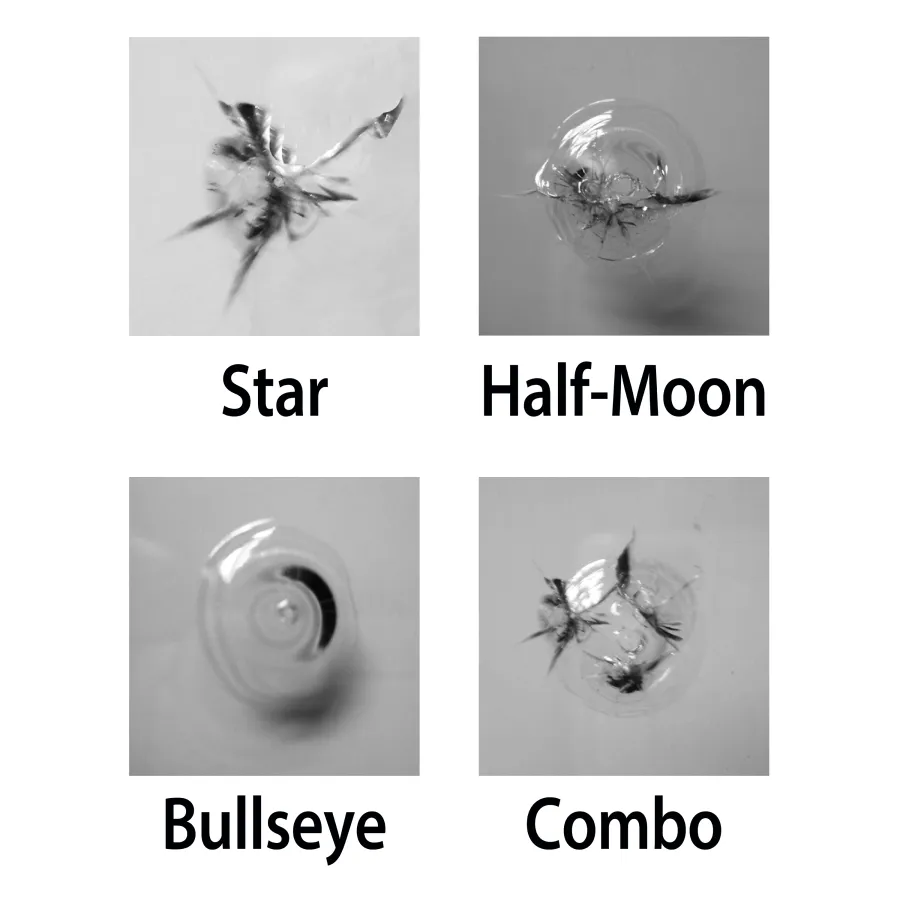
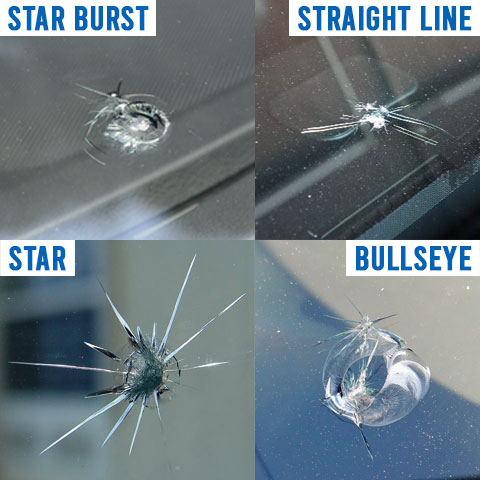
Bullseye cracks have a round shape with a clear center point. They often have a dark ring around the center. The center is where the rock or object hit the windshield. The crack spreads out in a circle, like a small target.
The edges of a bullseye crack are usually smooth and well-defined. The crack may have small lines branching from the circle. The size can vary but is often about the size of a coin. This type of crack is easier to identify than others.
Common Locations On Windshield
Bullseye cracks often appear in the driver’s line of sight or near the windshield’s edges. The center area is more prone to these cracks because debris hits here first. Corners and edges are weaker spots too.
Road debris from other vehicles causes many bullseye cracks. They can happen anywhere but usually show up on the lower half of the windshield. Checking these areas regularly helps catch cracks early.

Credit: appleglasscompany.com
Main Causes Of Bullseye Cracks
Bullseye cracks on windshields are common and frustrating. They look like small circles with a clear center. These cracks reduce your visibility and can grow over time. Understanding what causes these cracks helps in preventing or fixing them early.
Impact From Road Debris
Small rocks or gravel hit the windshield while driving. The force creates a round chip in the glass. Even tiny debris can cause a bullseye crack. High speeds make the impact stronger and damage worse.
Temperature Fluctuations
Glass expands when hot and shrinks when cold. Rapid changes in temperature stress the glass. This stress can cause bullseye cracks to form. Parking under direct sun and then using cold water on the glass is risky.
Stress And Pressure Points
Pressure from the car frame or poor installation weakens the windshield. Stress points become spots where cracks start easily. Vibrations and bumps during driving add extra pressure. Over time, these cracks can grow into bigger problems.
Dangers Of Ignoring Bullseye Cracks
Bullseye cracks on windshields may seem small and harmless. Ignoring them can cause serious problems. These cracks weaken the glass and create safety risks. Acting early helps avoid bigger damage and higher repair costs.
Reduced Structural Integrity
Bullseye cracks reduce the strength of your windshield. The glass supports the car’s roof and frame. A cracked windshield can fail in a crash. This increases the risk of injury. Your car becomes less safe on the road.
Visibility Issues
Cracks distort your view while driving. Light can scatter through the crack and cause glare. This makes it hard to see clearly. Poor visibility increases chances of accidents. Your focus and reaction time get affected.
Risk Of Crack Expansion
Small bullseye cracks often grow over time. Changes in temperature and road bumps make cracks worse. A tiny crack can spread across the windshield. Repair costs rise as the damage grows. Replacing the whole windshield may become necessary.
Credit: ramautoglass.ca
Repair Options For Bullseye Cracks
Bullseye cracks on windshields need quick attention to stop spreading. Repair options vary based on crack size and damage depth. Choosing the right method saves money and keeps the glass strong. Here are common repair options for bullseye cracks.
Diy Repair Kits
DIY repair kits offer a simple fix for small bullseye cracks. They include resin and tools to fill the crack. Clear instructions help users apply resin correctly. These kits work best on cracks smaller than a quarter. They stop cracks from growing and improve appearance. DIY kits save time and money but need careful use.
Professional Resin Injection
Professional repair uses special resin injected under pressure. Experts clean and dry the damaged area first. Then they inject resin to fill and seal the crack. This method restores strength and clarity better than DIY kits. Professionals can handle larger or deeper bullseye cracks. Repairs usually take less than an hour. This service extends windshield life effectively.
When Replacement Is Necessary
Sometimes repair is not enough for bullseye cracks. If the crack is too large or near the edge, replacement is safer. Deep cracks that affect driver vision also require new glass. Replacement restores full strength and safety. It prevents accidents caused by shattered windshields. Always choose replacement when repair cannot guarantee safety.
Preventing Future Bullseye Cracks
Preventing future bullseye cracks helps keep your windshield strong and clear. Small cracks can grow quickly and lead to costly repairs. Taking simple steps can reduce the risk of damage. Protect your windshield with good habits and regular care.
Safe Driving Practices
Drive carefully on rough roads and avoid sudden stops. Keep a safe distance from other vehicles to prevent flying debris. Slow down near construction zones or gravel areas. Avoid sharp turns and quick lane changes to reduce stress on the glass.
Parking Strategies
Park away from trees and places with loose rocks. Avoid parking under power lines or near busy streets. Choose shaded areas to prevent heat stress on the glass. Use covered parking or garages when possible to protect your windshield from weather damage.
Regular Windshield Maintenance
Clean your windshield regularly to spot small chips early. Use soft cloths and mild cleaners to avoid scratches. Check for damage after bad weather or road trips. Repair chips immediately to stop cracks from spreading further.
Frequently Asked Questions
What Is A Bullseye Crack Windshield?
A bullseye crack is a circular chip on your windshield. It looks like a small bullseye target, caused by rocks or debris. This damage can spread if untreated and may require repair or replacement.
How Does A Bullseye Crack Form On Glass?
Bullseye cracks form when small objects hit the windshield with force. The impact creates a circular break with a dark center and clear outer ring. Temperature changes and vibrations can worsen the crack over time.
Can A Bullseye Crack Windshield Be Repaired?
Yes, most bullseye cracks can be repaired if they are smaller than a quarter. Repair uses resin to fill and seal the crack, preventing spreading. Quick repairs save money and maintain windshield strength.
How Long Does It Take To Fix A Bullseye Crack?
Repairing a bullseye crack usually takes 30 to 60 minutes. The process is quick and often can be done without removing the windshield. Early repair helps avoid more costly replacements.
Conclusion
A bullseye crack is a common windshield damage. It looks like a small circle with a dark center. This type of crack can spread if not fixed quickly. Repairing it early saves money and keeps you safe. Always watch for any new cracks or chips.
Taking care of your windshield helps avoid bigger problems later. Stay alert and act fast to protect your car’s glass.
Leave a Reply